
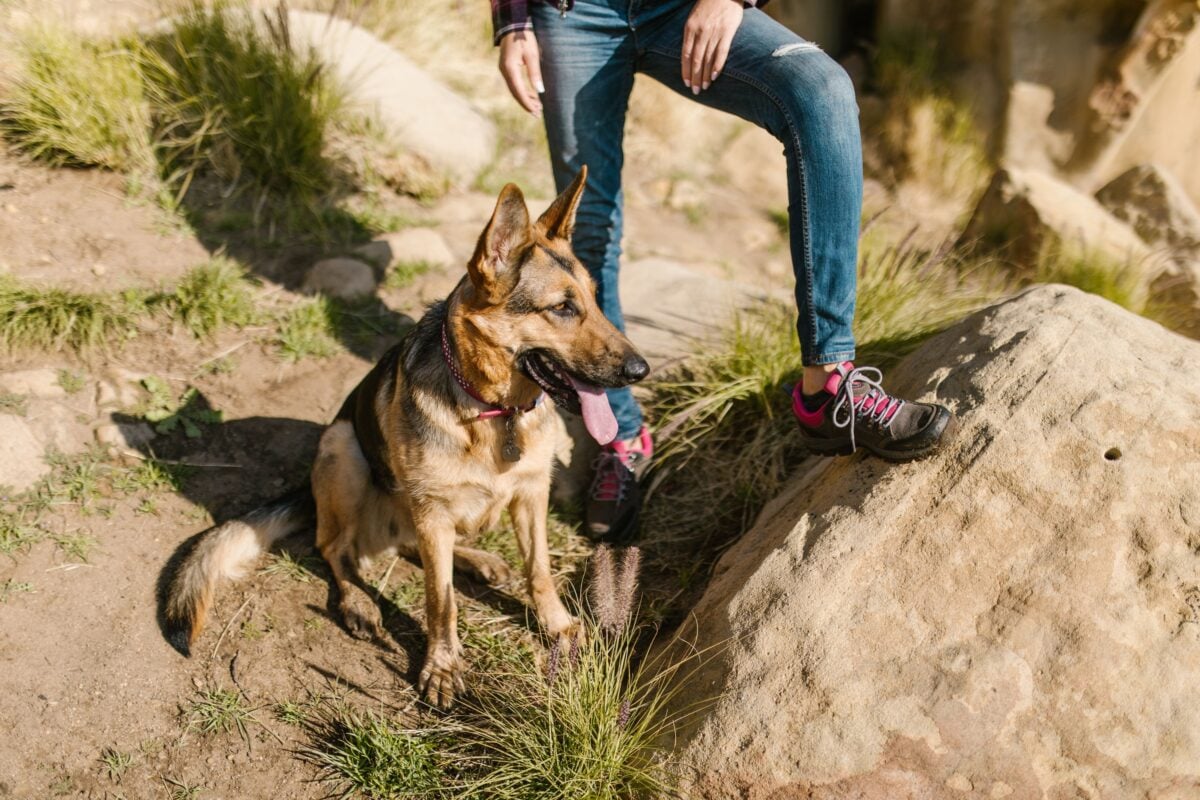
Most people believe a German Shepherd is a ready-made guard dog that only needs a big yard and a firm hand. That belief sits behind many of the breed’s most common behavior and health problems. If your Shepherd’s real life looks nothing like the brochure, these 11 lessons are the ones owners usually learn the hard way.
Breed guides cover the basics: tall, loyal, smart. Owners fill in the rest through trial, error and a truly heroic amount of vacuuming. Some of what follows is funny and some is practical. One item near the end will change how you read every look your dog gives you.
#11 – The Ears Run on Their Own Schedule
🔥 Would you like to save this?
We'll email this post to you, so you can come back to it later!
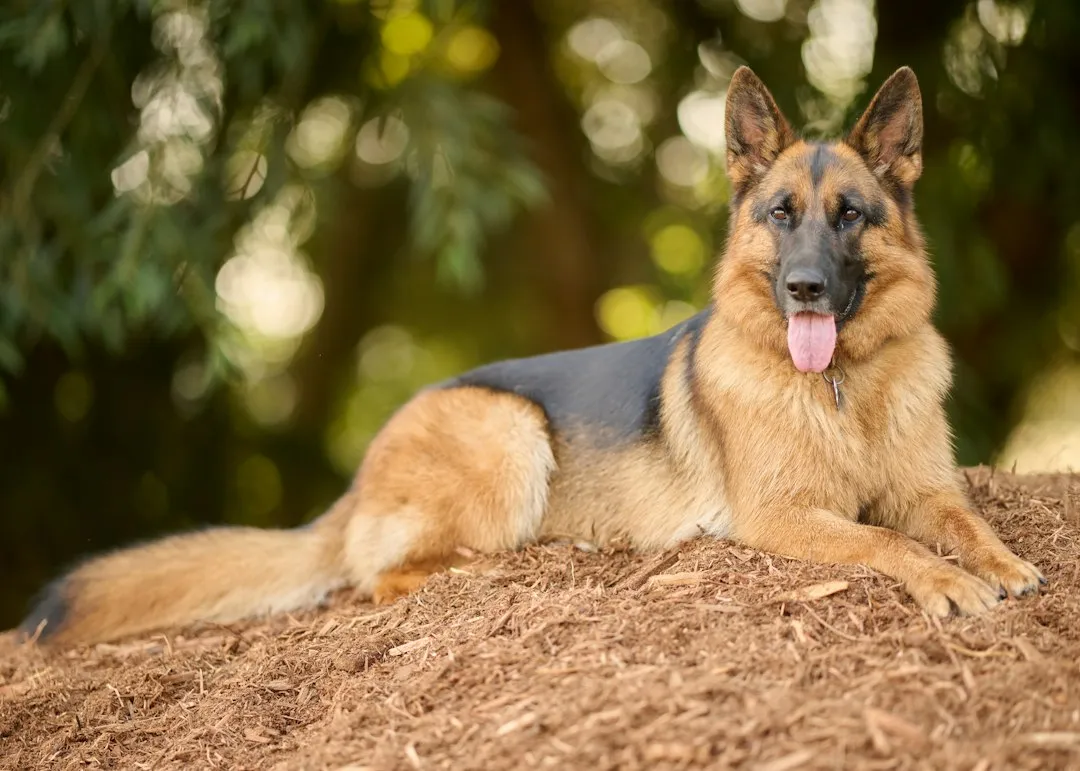
Your puppy’s droopy ears are almost certainly fine. Guides show the famous upright ears, but puppies rarely arrive with them. The cartilage has to strengthen first, and many ears stand somewhere around the four-to-six-month mark, though some take longer.
Teething adds to the chaos. Many owners watch ears shoot up, flop back down and then settle lopsided for weeks, one pointing at the sky while the other hangs like a tired flag. It’s common enough that breeders routinely tell new owners not to panic.
- Some ears stay soft well past six months, and a few never fully stand
- Ear carriage is mostly cosmetic and says little about health or temperament
- Ears that look different from day to day are usually just part of growing up
Don’t tape or manipulate ears without advice from a vet or experienced breeder. Poor technique can irritate the skin, and patience usually beats any gadget.
But ears are the easy part. What your vacuum is about to go through is #10…
#10 – Shedding Is Permanent, Not Seasonal
🔥 Would you like to save this?
We'll email this post to you, so you can come back to it later!
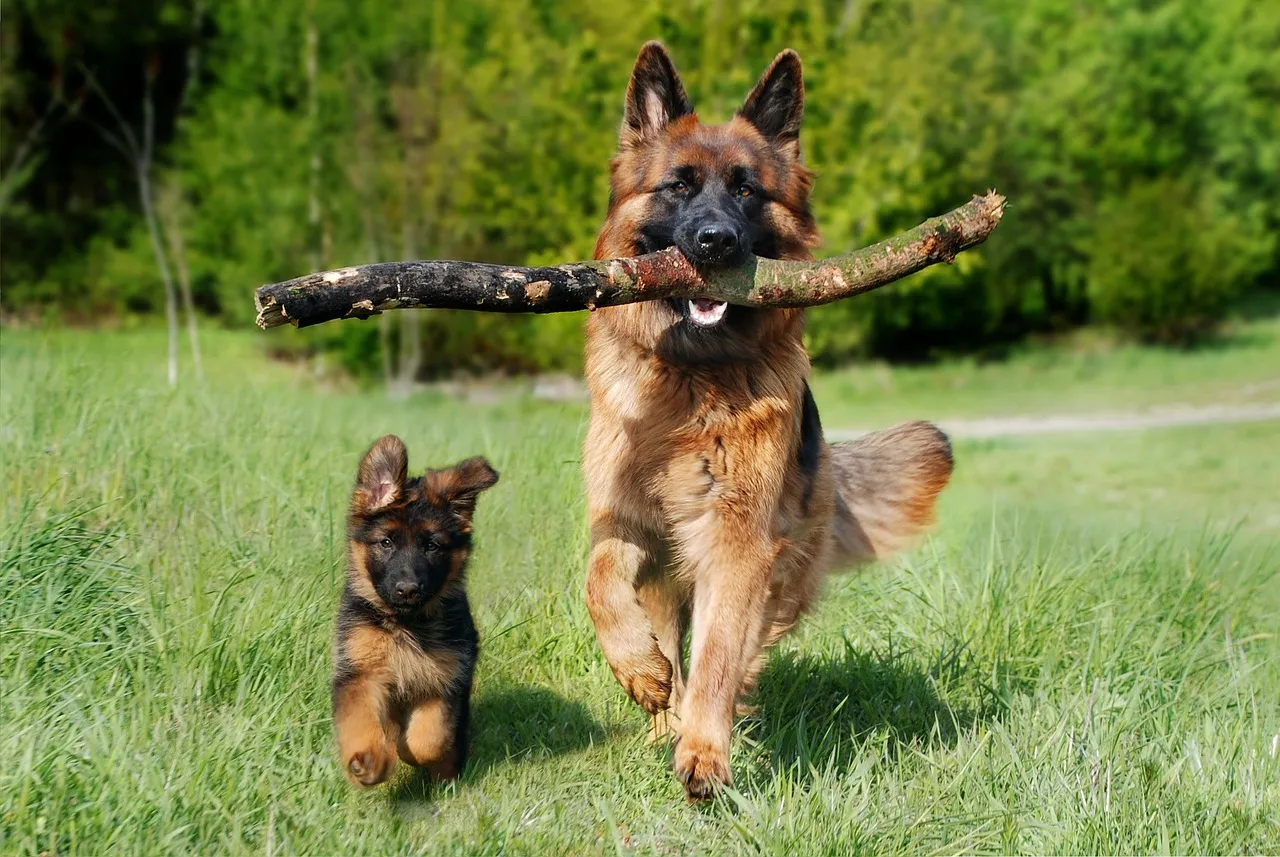
Calling it “seasonal shedding” is the most generous lie in dog ownership. German Shepherds have a double coat, with a dense, soft undercoat beneath harsher outer guard hairs. Hair comes out all year, and then the coat “blows” heavily, usually in spring and autumn.
During a blow, clumps of undercoat come off in handfuls. Owners joke that they could knit a second dog from the pile. You will find fur in your coffee, your car and places you can’t explain.
Shaving is the classic mistake. It doesn’t stop shedding, and it removes the coat’s built-in protection. Regrowth can also come back patchy or uneven, so you end up with a dog that looks worse and still sheds.
What works instead:
- An undercoat rake a few times a week, and daily during a coat blow
- Bathing only when needed, since over-washing can dry the skin
- A good vacuum, realistically
Sudden bald patches, scratching or a dull, greasy coat are worth a vet visit. Heavy shedding is normal. Skin trouble isn’t.
Shedding is a nuisance. Getting socialization wrong is a bigger problem, and #9 explains why.
#9 – Socialization Means Neutral, Not Popular
🔥 Would you like to save this?
We'll email this post to you, so you can come back to it later!
The advice to “socialize your puppy with everyone” is only half right. Shepherds are naturally reserved with strangers, and that’s not a flaw. The goal isn’t a dog that adores every person. It’s a dog that stays calm and unbothered around people, dogs, noises and surfaces.
Picture a stranger walking past your Shepherd on the sidewalk, and the dog simply keeps walking. That’s the win. The most sensitive window is the first few months of life, so early, positive exposure matters.
Here’s where opinions split. Many trainers argue the off-leash dog park is a poor classroom for this breed. It’s chaotic, other dogs may be rude, and one frightening encounter can stick with a young Shepherd.
Safer options include:
- Puppy classes run by a qualified trainer
- Sitting on a bench near foot traffic and rewarding calm watching
- Short, varied outings that end before the puppy gets overwhelmed
Quality beats quantity. Ten calm experiences teach more than one overwhelming one.
Fast Facts
- Veterinary behaviorists describe roughly the first three months of life as the most sensitive socialization window
- Many well-run puppy classes accept pups from about 7 to 8 weeks, once your vet approves the vaccine plan
- A “win” is a relaxed glance and a loose leash, not a wagging greeting for every stranger
- If your puppy freezes, hides or pulls away, increase distance and end the outing on a calm note
Socialization shapes the mind. But what’s the right way to exercise it? #8 may surprise you.
#8 – Tired Isn’t the Same as Satisfied

🔥 Would you like to save this?
We'll email this post to you, so you can come back to it later!
More miles do not automatically make a calmer Shepherd. Most guides say these dogs need long daily exercise. Many working-dog trainers argue a different problem is more common: endless fetch can build a fitter, more demanding dog rather than a settled one.
Shepherds were developed to do jobs, so mental work seems to satisfy them in a different way. Tasks with a purpose often take the edge off better than raw distance. Ten minutes of nose work can leave a dog calmer than an hour of ball-chasing.
- Scent games and tracking
- Learning new tricks and cues
- Puzzle feeders and structured training sessions
Keep growing puppies off repetitive high-impact exercise, such as long runs on hard ground. Their joints are still developing.
Still, even a well-exercised Shepherd may struggle with one skill. It’s the one in #7.
#7 – The Off Switch Has to Be Taught
🔥 Would you like to save this?
We'll email this post to you, so you can come back to it later!
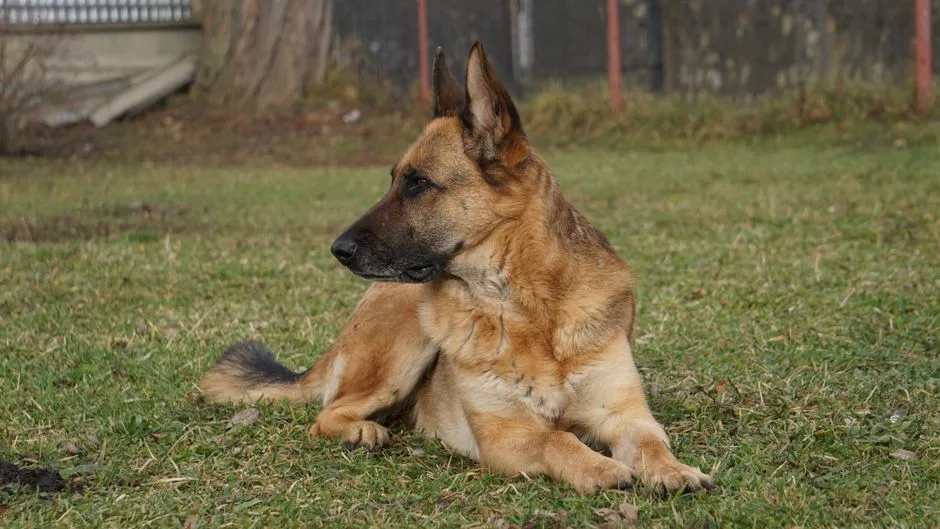
A Shepherd that never settles isn’t just “high energy.” It may never have learned how to stop. This breed is alert by design, so every sound and movement gets a look.
Owners often accidentally reward constant scanning by reacting to every bark or stare. The dog learns that staying on duty pays off, and the cycle feeds itself.
The fix is a deliberate “settle” skill. You reward calm behavior, usually lying on a mat, and slowly stretch the time. It feels painfully slow at first. Then it clicks.
- Start at home, with few distractions
- Add duration before you add distance or distraction
- Practice somewhere new, like a quiet café patio, once it’s solid
Experts stress consistency over intensity. Five minutes a day beats an hour on the weekend.
A dog that can relax still has another trait to manage, and it follows you everywhere. That’s #6.
#6 – The Shadow Is a Trait, Not a Quirk
🔥 Would you like to save this?
We'll email this post to you, so you can come back to it later!
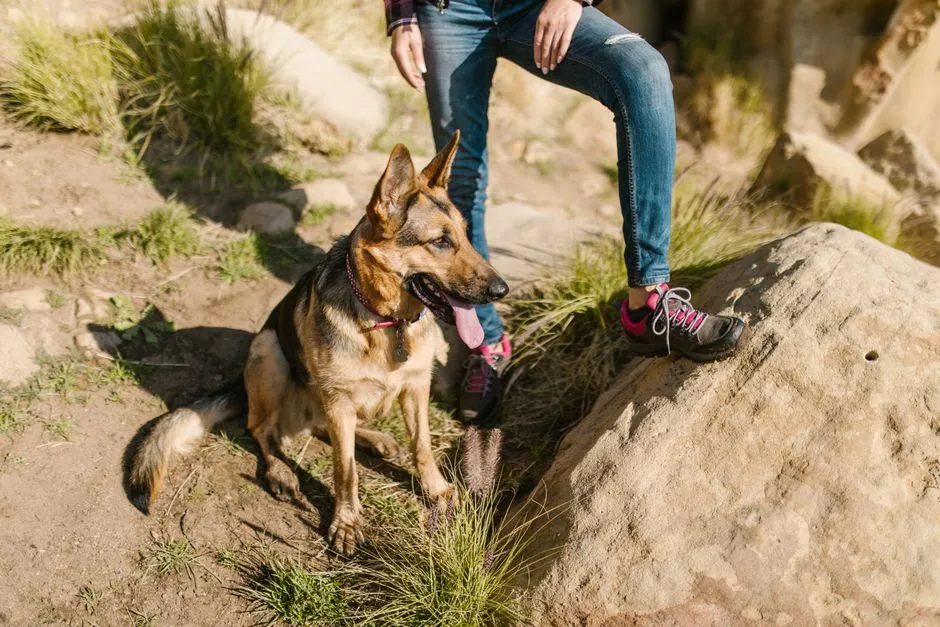
Your dog watching you in the bathroom is not random. Shepherds were bred to work closely with a handler, and many bond tightly with their people. They track where you go, what you pick up and whether your shoes are on.
The line between close attachment and genuine separation distress is thinner than most guides admit. Most people don’t notice the difference until the dog is left alone. Healthy attachment looks like following you from room to room. Distress looks different.
- Pacing, drooling or panting when you prepare to leave
- Howling, barking or destruction near doors and windows
- Refusing food while you’re out
Build independence gradually. Practice short, calm absences, keep departures low-key and don’t make greetings dramatic. If the distress is severe, ask a vet or qualified behavior professional for help. It rarely fixes itself.
Quick Compare
- Healthy shadow: follows you around, then settles once you sit down
- Red flag: panic that builds as you reach for your keys and doesn’t ease after you leave
- Healthy shadow: takes a chew or treat when you step out
- Red flag: ignores food and focuses only on the door
Closeness explains the shadowing. Instinct explains the next problem, and it involves your family’s ankles in #5.
#5 – Your Kids Are Now Part of the Flock
🔥 Would you like to save this?
We'll email this post to you, so you can come back to it later!
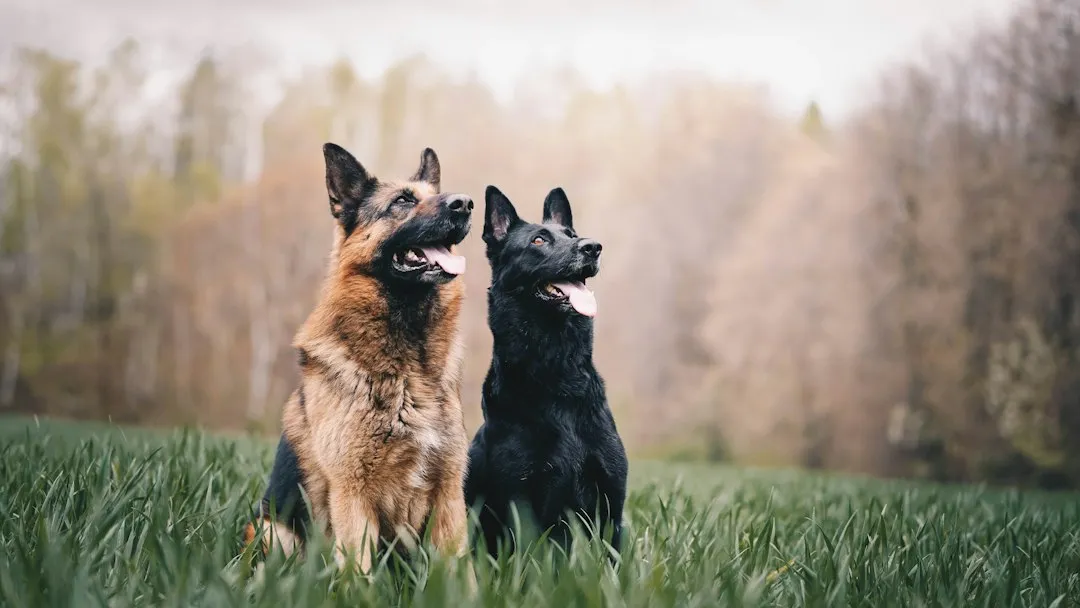
The breed’s name tells you its original job, and it isn’t guarding your sofa. German Shepherds come from herding stock. That’s why many chase joggers, bikes and running children.
Some circle people or nip at heels to steer them. It looks like bad manners, but it’s really misdirected instinct. To the dog, your kids are simply sheep with sneakers.
Punishing it rarely works. Instead, give the instinct a job and interrupt early. A reliable “look at me” cue, a quick game of fetch or a calm retreat to the mat can redirect the energy.
- Supervise all dog and child interactions
- Teach children to stay calm and avoid running past the dog
- Never punish a growl, since it’s a warning you want to keep
Behavior is only half the story, though. Hidden digestive risks come next in #4.
#4 – The Gut Is the Breed’s Quiet Weak Spot

🔥 Would you like to save this?
We'll email this post to you, so you can come back to it later!
Few guides warn you how touchy a Shepherd’s stomach can be. Many owners report sensitive digestion, so food changes should be gradual, usually over about a week. A sudden switch can turn into a messy lesson.
A rarer but important issue is exocrine pancreatic insufficiency (EPI), which is seen more often in German Shepherds than in many other breeds. Typical signs include weight loss despite a big appetite and greasy, loose stools. A vet can test for it.
The bigger emergency is bloat, or gastric dilatation-volvulus. Deep-chested breeds like Shepherds are at higher risk, and it can become life-threatening quickly. Know the signs:
- Swollen or tight belly
- Unproductive retching
- Restlessness, drooling or obvious discomfort
Don’t wait and see. Call an emergency vet immediately. Many owners also avoid hard exercise right after meals.
Where your dog comes from also shapes its risks. Few people realize how much, and #3 shows why.
#3 – “German Shepherd” Means Several Different Dogs
🔥 Would you like to save this?
We'll email this post to you, so you can come back to it later!
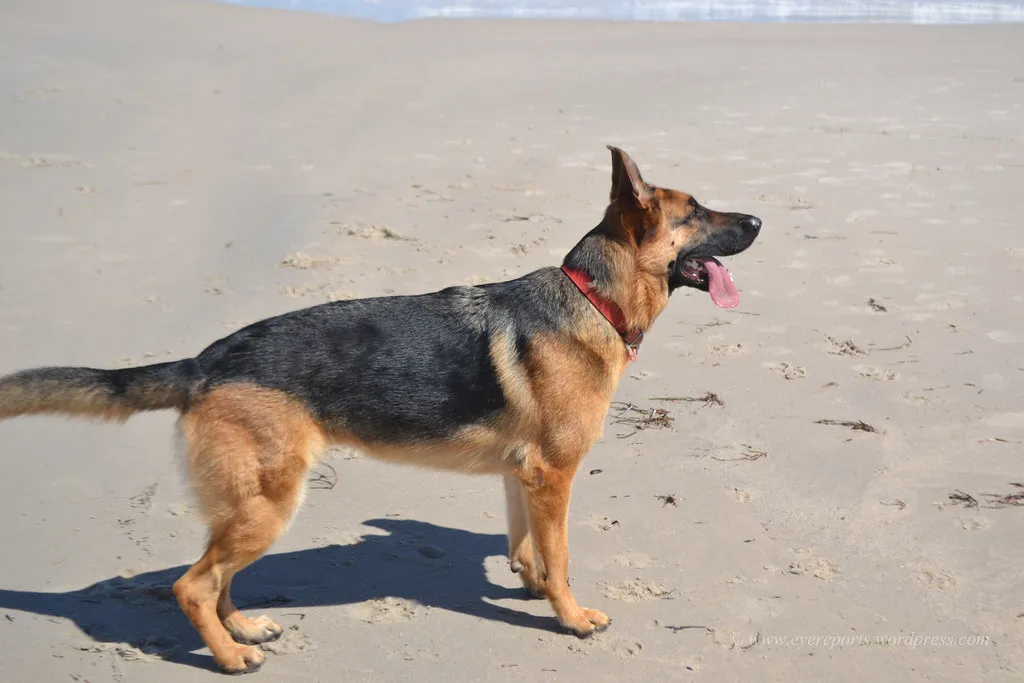
The same breed name can describe very different animals. Broadly, breeders talk about show lines and working lines. Show lines are bred more for appearance and structure.
Working lines are generally bred for drive, focus and stamina, and can be more intense than many first-time owners expect. Within both, individual breeders vary widely. Two purebred Shepherds can feel like different species at the same dog park.
Here’s the controversial part. Critics argue the extreme sloped-back look in some show lines is a welfare concern. Defenders say it reflects the breed standard. Either way, buying purely on looks is a mistake.
Questions to ask a breeder:
- Are the parents’ hips and elbows screened?
- Is there a genetic test for degenerative myelopathy?
- Can I meet the parents and see their temperament?
Lines affect temperament. But the next issue affects every Shepherd’s body, and it starts in puppyhood. That’s #2.
#2 – Growing Fast Is the Real Danger
🔥 Would you like to save this?
We'll email this post to you, so you can come back to it later!
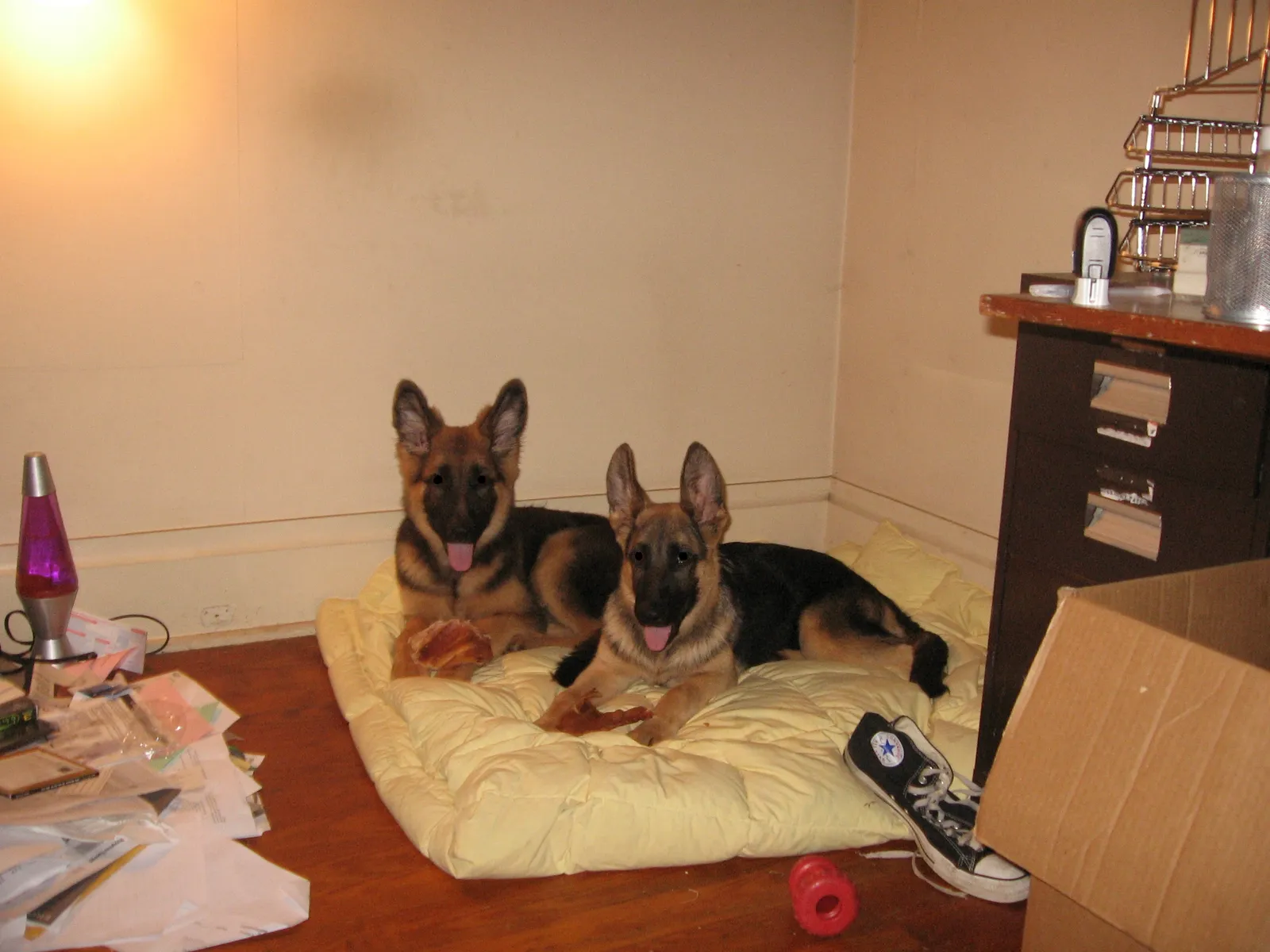
A Shepherd puppy’s biggest risk is how quickly it grows. Large breeds have growth plates that stay open for many months, often well past the first birthday. During that time, repetitive impact such as jumping and hard-surface running can stress developing joints.
Keeping puppies lean also matters, since extra weight adds strain. Hip and elbow dysplasia are well known in the breed. Degenerative myelopathy, a progressive spinal condition usually appearing in older dogs, is another concern, and early signs can include hind-leg weakness or scuffing paws.
Practical steps:
- Use rugs or runners on slippery floors
- Limit stair sprints and forced jumping for young puppies
- Schedule regular vet checks as your dog ages
Smart prevention doesn’t remove every risk. It does stack the odds in your dog’s favor.
Worth Knowing
- Adult males typically stand about 24 to 26 inches tall and weigh roughly 65 to 90 pounds, while females run about 22 to 24 inches and 50 to 70 pounds
- Many large-breed dogs aren’t fully skeletally mature until somewhere around 12 to 18 months
- The Orthopedic Foundation for Animals gives final hip and elbow evaluations from 24 months, with preliminary screening possible earlier
- A DNA test for the gene variant linked to degenerative myelopathy is available, which is why breeders get asked about it
Physical care matters, but the biggest factor in your Shepherd’s behavior may be you. See #1.
#1 – The Dog Is Reading You, Not the Other Way Around

🔥 Would you like to save this?
We'll email this post to you, so you can come back to it later!
Your Shepherd is studying you far more closely than you’re studying it. Dogs are skilled at reading human cues: tone, posture, gaze and gestures. Shepherds are often described as highly responsive handlers’ dogs.
Tension travels down the leash fast, and nervous owners often have reactive dogs without realizing it. When you tighten up on seeing another dog, your dog gets information too. It may decide there’s something to worry about.
That’s why harsh methods backfire. Veterinary behavior organizations generally advise reward-based training, because punishment can add fear and make aggression worse. The old “be the alpha” approach is widely considered outdated.
- Stay calm and consistent in your cues
- Reward what you want rather than only correcting what you don’t
- Increase distance from triggers before asking for focus
So what does it all add up to? Most breed guides sell the German Shepherd as a noble, easy, do-it-all dog. The truth is more demanding. The dog isn’t hard, but the gaps in the advice are.
Our opinion: neutral socialization, an off switch, joint protection and a calm handler matter more than any amount of exercise. The biggest mistake is buying a Shepherd for its image rather than its needs. This breed rewards owners who put in the early work, and it punishes shortcuts.
Which of these surprised you most: the ears, the shedding or the gut issues?

- 10 Enigmatic Structures That Continue to Puzzle Scientists Today - November 5, 2026
- 10 Strange Ruins in the Americas That Challenge What We Know About Early History - November 5, 2026
- Beyond the Bark: Decoding Your Dog’s 12 Most Common Vocalizations - November 5, 2026