
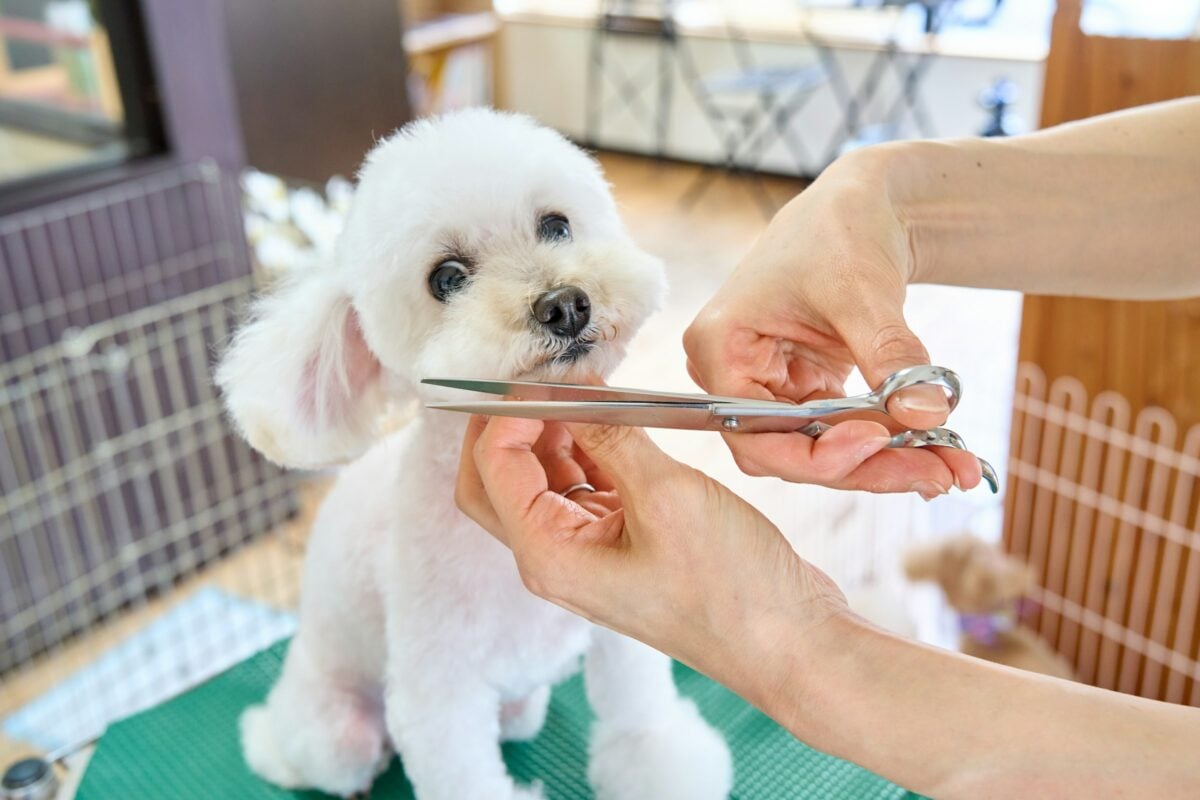
Walk past a grooming salon in the lull after the morning rush and it looks asleep. The dryers are off, the lobby is empty, and one groomer is sweeping up fur. It looks like dead time. It’s often the most carefully guarded slot on the whole schedule.
Many groomers who work with anxious, fragile or complicated pets protect that window for appointments that would fall apart on a chaotic salon floor. These bookings rarely show up as headline menu items. They just happen quietly while the room is calm. Some of the 11 below are obvious, a few are surprising, and the last one might change how you think about the person holding your dog’s leash.
#11 – The Meet and Sniff First Visit
🔥 Would you like to save this?
We'll email this post to you, so you can come back to it later!
The most overlooked appointment on a groomer’s calendar often involves no haircut at all.
Some grooming businesses start with a consultation before any tools come out. The groomer meets the pet, watches how it moves through the room and works out what makes it nervous. Then they build a plan around that. It’s hard to have that conversation over a roaring dryer, so it tends to land in a calmer window.
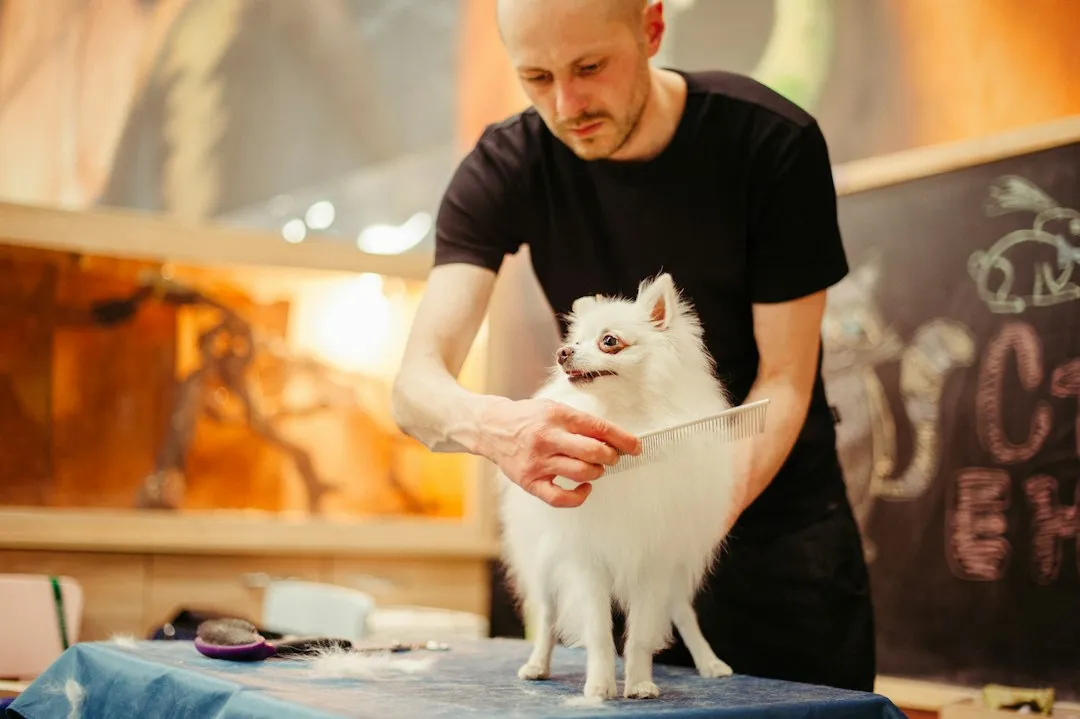
A dog’s history matters as much as its coat. A dog who was rushed or restrained before may panic at the sight of the table. Groomers want to see that reaction on a quiet day, not halfway through a clip.
Typical questions a groomer will ask:
- What happened at past grooming visits
- Which sounds or tools trigger fear
- Any sore joints, skin issues or touchy spots
For severely anxious animals, some groomers split the work across several shorter visits instead of one long session. That approach is a recognized option, not a failure. A calm introduction today can save a meltdown next month.
But that’s nothing compared to what groomers do with tangled coats at #10…
#10 – Matted Coats That Need Unhurried Hands
🔥 Would you like to save this?
We'll email this post to you, so you can come back to it later!
A badly matted dog is the appointment groomers dread booking at a busy hour.
Mats are not just a cosmetic problem. They tighten against the skin and tug with every step, every scratch and every turn of the head. Groomers working with nervous dogs take extra time combing and removing mats, because matted fur is uncomfortable and can raise anxiety.
Here’s the part owners rarely hear. Brushing out a severe mat can hurt more than it helps. Many groomers will shave the coat down instead, because it’s faster and gentler on the dog. A short, comfortable dog beats a long-haired dog in pain.
Plenty of owners push to keep the length. Many groomers argue that insisting on it for a severely matted dog is the real mistake. It’s an opinion, but it’s a common one in the trade. A quiet slot lets the groomer stop, check the skin underneath and make that call without a lobby full of waiting customers.
Wait until you see which age group groomers protect at #9…
#9 – Senior Dogs Who Tire Quickly
🔥 Would you like to save this?
We'll email this post to you, so you can come back to it later!
Older dogs are often booked into calm slots for reasons that have nothing to do with behavior.
Fear-aware groomers commonly name senior pets as a group that needs extra support, alongside other animals who need more patience. The quiet hour gives them room to move at their own speed. Nobody is tapping a watch.
Think about what grooming asks of an aging body. Standing still on a table, lifting a leg for the trimmer and holding a posture can all be hard on stiff joints. Many older dogs also startle more easily and recover more slowly. A bark from across the room can undo ten minutes of calm.
What a senior-friendly session often includes:
- Shorter working stretches with real rest breaks
- Non-slip footing and support under the belly
- Gentle drying instead of long, loud blasts
Skipping grooming because a dog is “too old” can backfire, since neglected coats mat faster and become harder to handle. The fix is not less care. It’s slower care, delivered when nobody is rushing.
Fast Facts
- Stiff or sore joints can make standing on a grooming table tiring.
- Changes in hearing or vision can make an older dog jumpier when someone approaches.
- Tell your groomer about arthritis, medications or recent surgery before the visit.
- Mention any new lumps, sores or sudden behavior changes to your vet.
Now for the group groomers say needs the most careful start at #8…
#8 – Puppy First Grooms
🔥 Would you like to save this?
We'll email this post to you, so you can come back to it later!
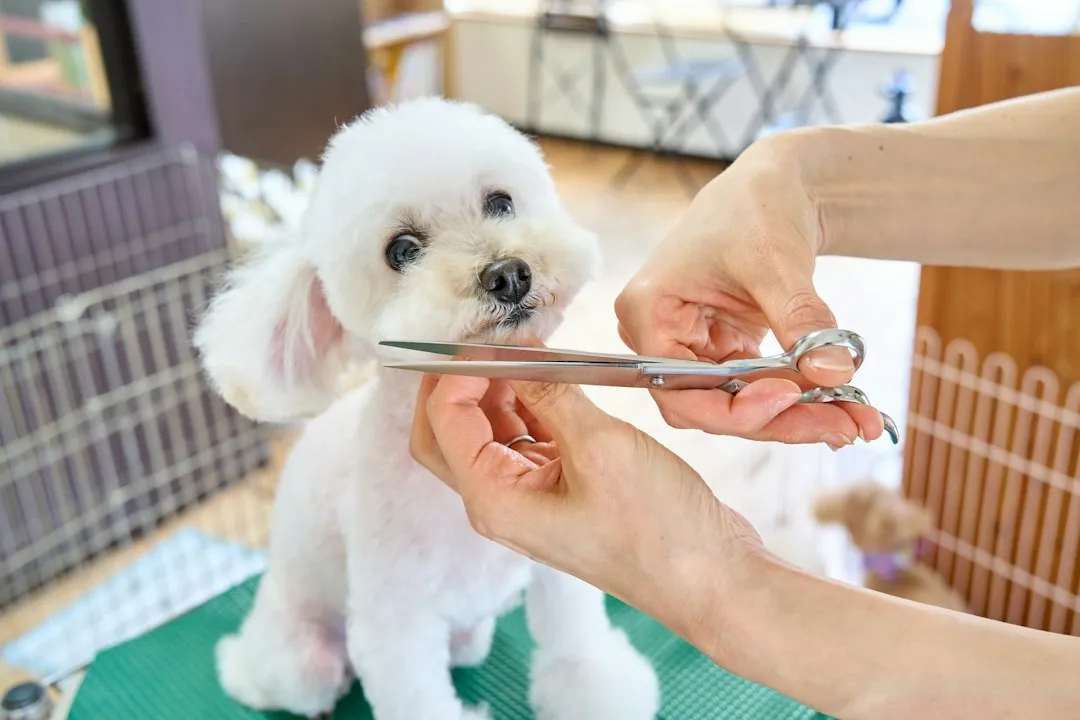
A puppy’s first grooming appointment is rarely about the haircut.
Many salons list puppy introductions as their own service, right next to full haircuts, baths and nail care. The goal is almost funny in its simplicity: make the experience boring and safe. A boring first visit is a win.
A typical intro visit might include a short bath, a gentle blow-dry on low, a nail touch and a lot of treats. Groomers often require up-to-date vaccinations before a puppy comes in, so check policies first. A puppy can leave without a “finished” trim and still have had a perfect appointment.
Early experiences can shape how a dog reacts to new things later. One scary first visit can echo for years. A quiet hour keeps the room predictable, which is exactly what a young brain needs.
But the next slot is for dogs whose trouble starts at the front door…
#7 – Reactive Dogs Who Can’t Share a Room
🔥 Would you like to save this?
We'll email this post to you, so you can come back to it later!
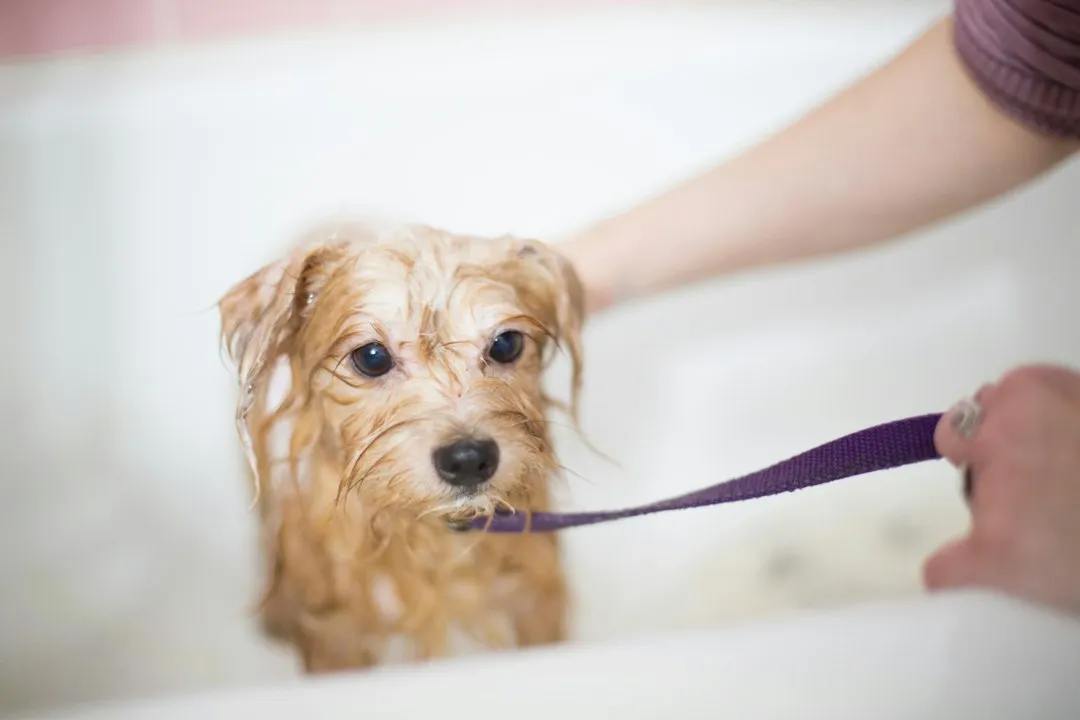
For reactive dogs, the biggest grooming threat is often another dog in the lobby.
Reactive dogs often struggle in noisy, unfamiliar places. A salon full of barking, wet floors and strangers can set them off before the clippers even start. So groomers look for ways to remove the audience.
One method is spacing out appointments. Some groomers schedule fewer dogs per block so nobody feels rushed. Another is arranging separate arrival and pickup times. Mobile grooming is another route, since it creates a quiet, predictable environment.
The quietest hour can function as a private appointment inside a busy shop. That’s not a luxury. For a reactive dog, it’s often the difference between a manageable session and one that has to be abandoned.
And the animal at #6 might be the one salons forget the most…
#6 – Cats Who Need a Separate Space
🔥 Would you like to save this?
We'll email this post to you, so you can come back to it later!
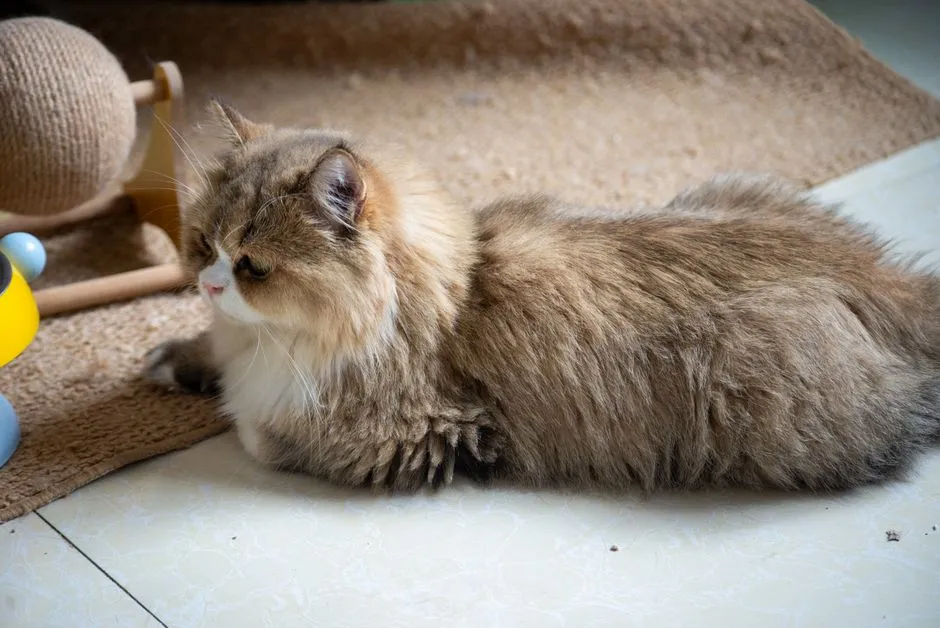
Cats are not small dogs, and the best groomers don’t treat them that way.
Barking, dryers and unfamiliar dog smells can be stressful for a cat. That’s why some salons offer cat grooming in a separate room. Rebel Tails, for example, lists separate-room cat grooming among its services. Other grooming groups offer cat services only at select locations.
The quiet hour matters even more here. A cat that feels cornered may become defensive, and a rushed groomer can’t read the warning signs. A calm room lets the groomer pause and reassess before anyone gets scratched or scared.
Common reasons cats get booked:
- Heavy matting in long-haired breeds
- Hygiene trims for pets who can’t groom themselves well
- Nail care in a low-stress setting
Many cat owners book at the same busy time as the dog crowd, and that’s the biggest mistake they make. Ask the salon when dogs are least likely to be in the building. The answer might surprise you.
Quick Compare
- Noise: Many dogs can tolerate some background buzz, while cats often cope best with as little as possible.
- Neighbors: Dogs may tolerate other pets nearby, but a cat does best with no dog sounds or smells at all.
- Best slot: A busy hour can work for some dogs, but cats usually need the emptiest one.
Next up is an appointment that groomers treat almost like a medical task…
#5 – Medicated and Sensitive-Skin Baths
🔥 Would you like to save this?
We'll email this post to you, so you can come back to it later!
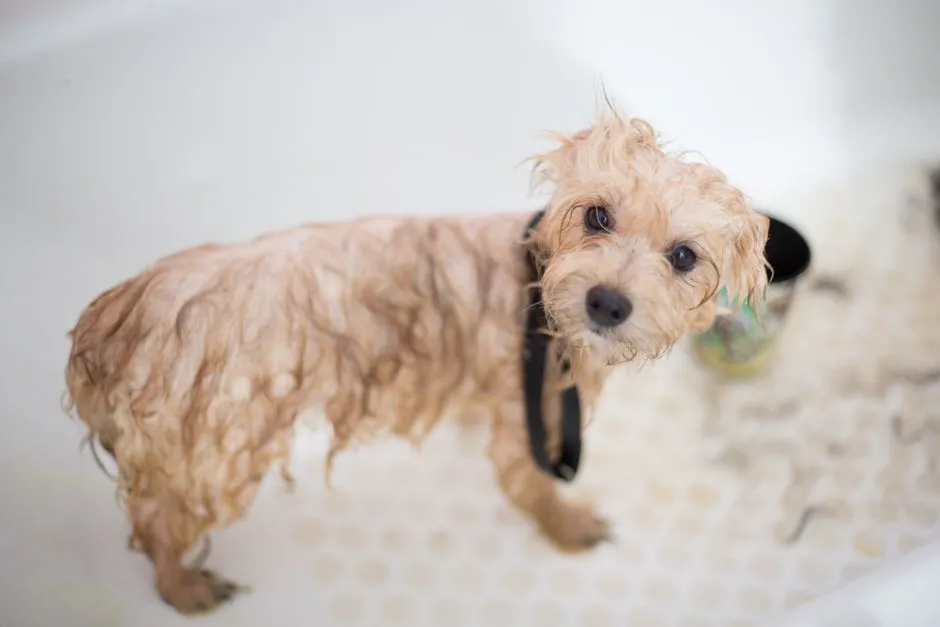
A medicated bath is not a regular bath, and groomers know it.
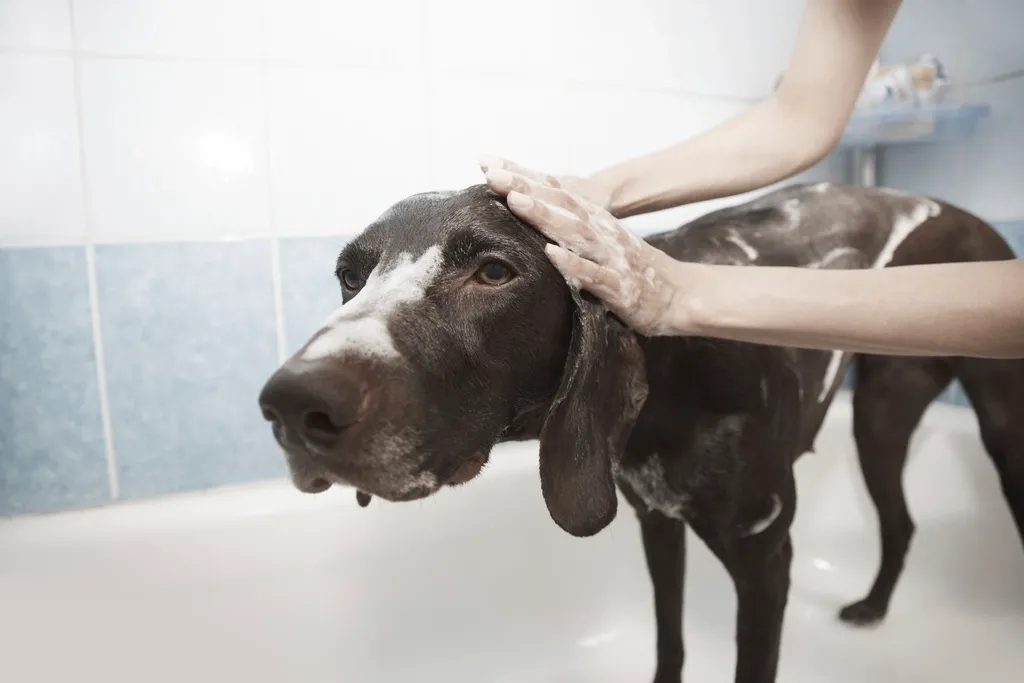
When a vet recommends a medicated shampoo, the instructions matter. Products often need a specific contact time before rinsing, and cutting that short can mean the treatment doesn’t do its job. Groomers can only follow those directions properly if they aren’t juggling three other dogs at once.
Quiet slots give them room to read labels, wait out the contact time and rinse thoroughly. They also let them check the skin as they go. If something looks wrong, they can flag it for the vet instead of pushing through.
Groomers are not vets, and the honest ones will tell you so. They can notice redness, sores or lumps, but they can’t diagnose. Some businesses even work in partnership with veterinary teams. Pawly Understood, for instance, offers a veterinarian-supported service for dogs too fearful or aggressive to be groomed.
But the real surprise at #4 is how small the appointment can be…
#4 – Nail Trims and Paw-Handling Practice
🔥 Would you like to save this?
We'll email this post to you, so you can come back to it later!
The shortest appointment on the menu can be the hardest one to do well.
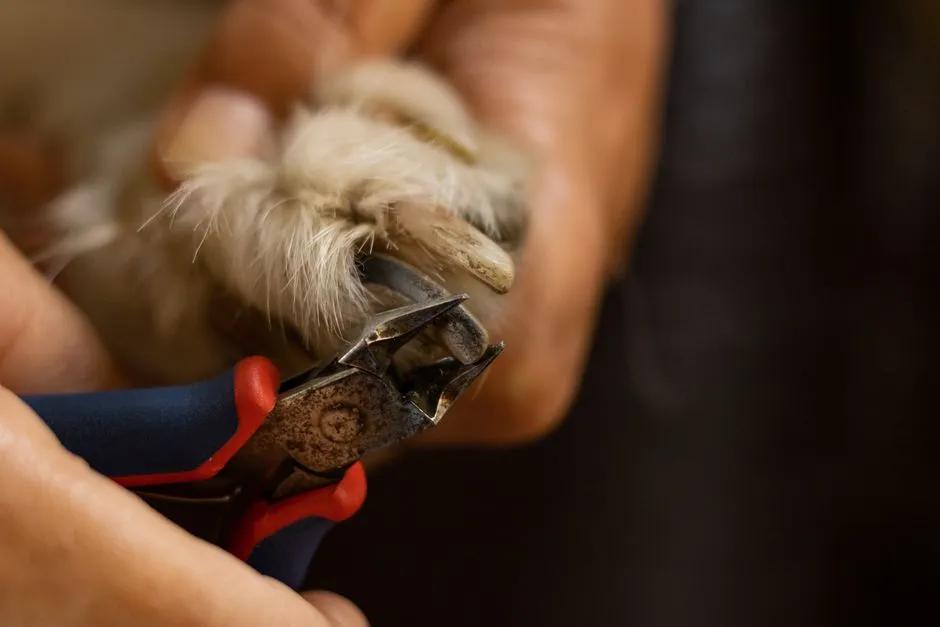
Many dogs hate having their feet touched. Nails also carry a blood vessel, and dark nails make it hard to see where it ends. One bad clip can turn a dog off the whole experience for months.
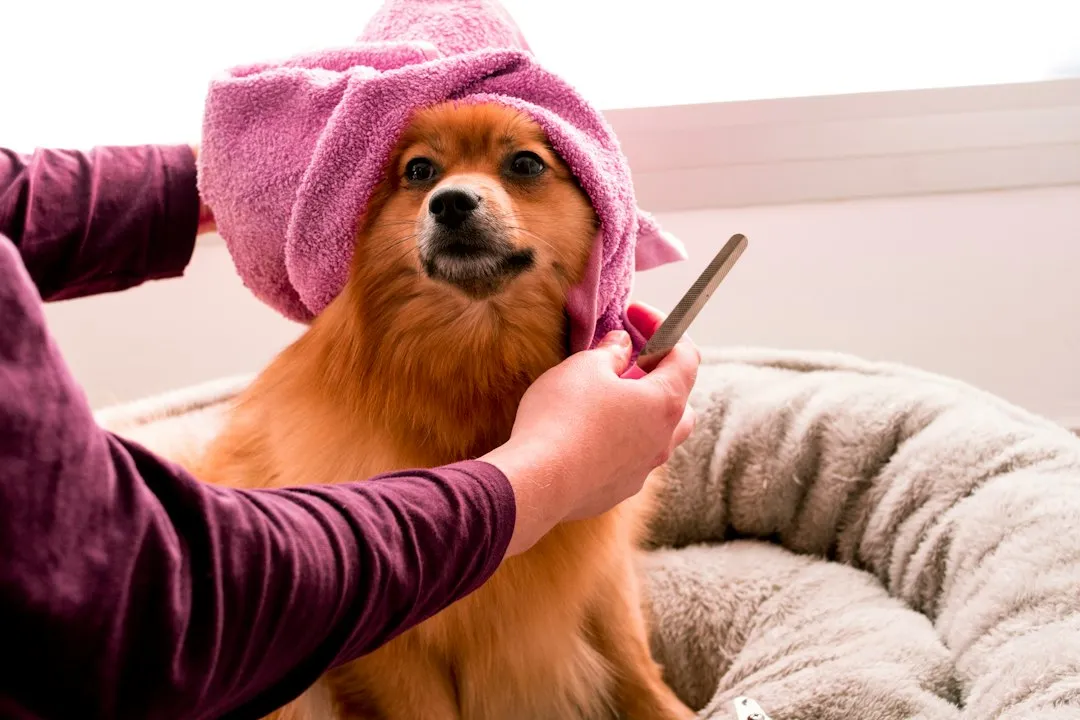
Fear-aware groomers often go slowly. They let pets sniff the equipment and get used to sounds like clippers or dryers at low settings. That kind of patience doesn’t fit a packed Saturday morning.
Many groomers argue the quick “nail trim only” squeeze-in at a crowded front desk is the worst way to do it. That’s an opinion, but there’s logic behind it. A dog who learns that feet are safe is easier to handle for life.
Home practice helps too. One recommended first step is short daily handling sessions. Touch a paw, give a treat, stop. Repeat.
Worth Knowing
- Small, frequent trims are usually easier on a nervous dog than one big session.
- Dewclaws, the higher nails on the inner leg, are easy to forget and can overgrow.
- Groomers often keep styptic powder on hand in case a nail bleeds.
- Ending each practice session on a treat helps a dog link feet with good things.
Next, one group groomers handle with extra caution at #3…
#3 – Flat-Faced and Heat-Sensitive Breeds
🔥 Would you like to save this?
We'll email this post to you, so you can come back to it later!
For some breeds, stress isn’t just emotional. It can affect their breathing.
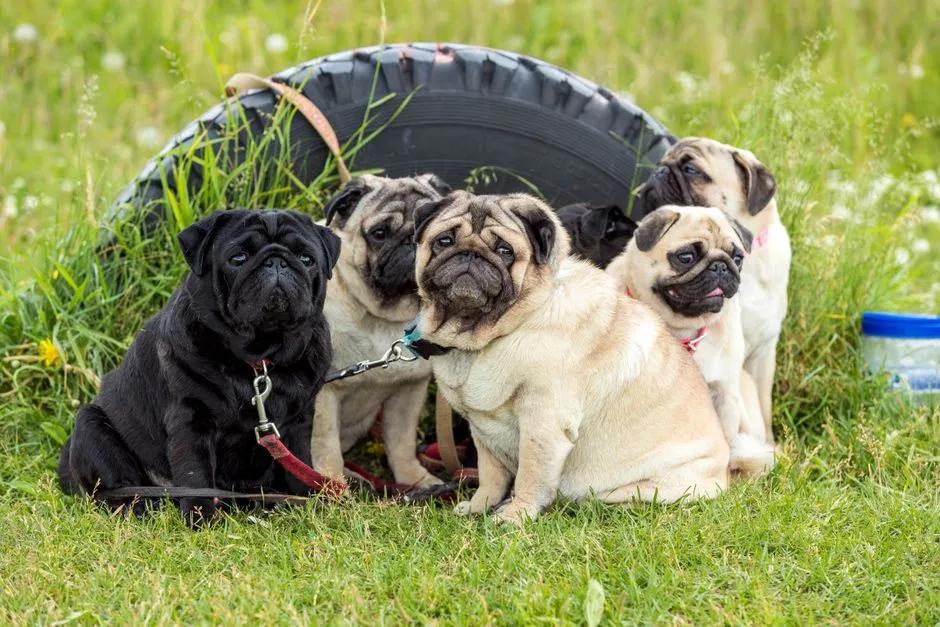
Pugs, bulldogs and other flat-faced breeds are often called brachycephalic. Their shortened skull shape can make breathing harder, especially when they’re hot, excited or frightened. Groomers who know this build in extra care.
That means more breaks, gentler drying and close monitoring. It also means avoiding setups where a dog is stuck in a hot, noisy space. Some salons advertise as cage-free, with no kennel dryers and no rows of barking dogs in cages. For heat-sensitive dogs, that’s a practical safety feature, not just marketing.
Things to ask your groomer about flat-faced breeds:
- How do you monitor breathing during drying?
- How often do you pause for breaks?
- Do you use cage dryers at all?
A stressful grooming session can become a physical problem for these dogs. The quiet hour lowers noise, crowding and heat in one move.
And the sound problem at #2 is even more overlooked…
#2 – Sound-Sensitive Dogs
🔥 Would you like to save this?
We'll email this post to you, so you can come back to it later!
What sounds like a hum to you can be a lot harsher to your dog.
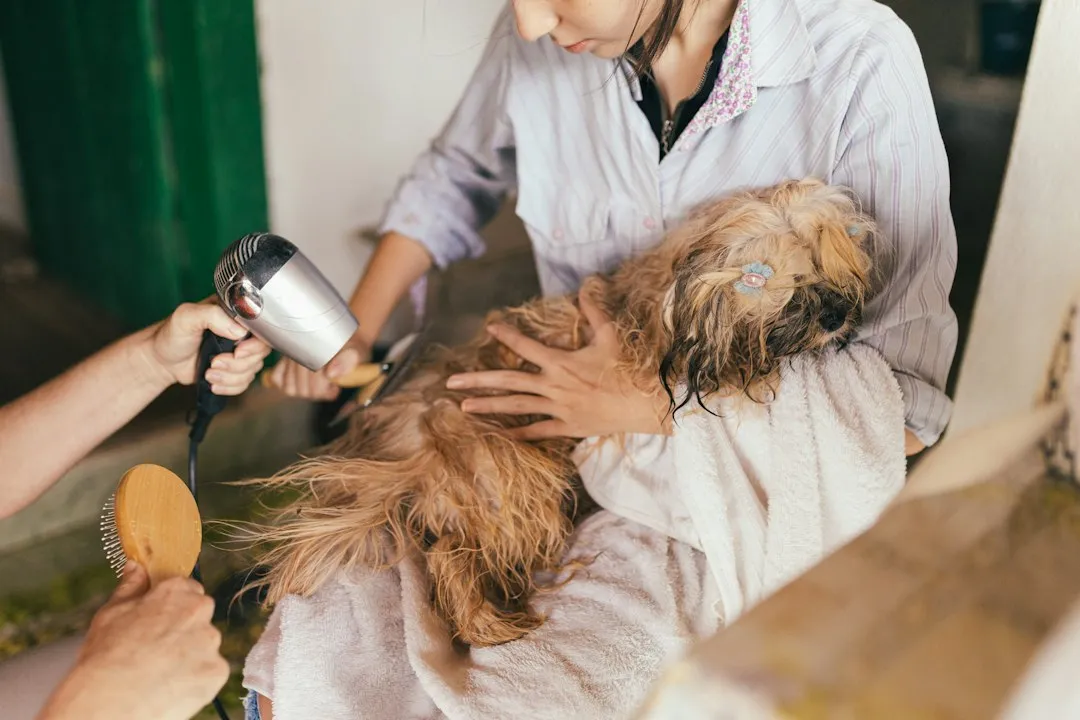
Dogs hear a wider range of pitches than people do. Dryers and clippers produce a lot of noise, and some dogs can’t tolerate it. Groomers who specialize in nervous pets often adjust their gear for that reason.
Quieter clippers and dryers can reduce startle responses in sound-sensitive dogs. Some shops also create a calmer room overall, with pheromone diffusers, soft lighting and relaxing background sounds. None of that works well if five dryers are running at once.
The quiet hour often means the quietest actual room, not just the emptiest calendar slot. That’s why sound-sensitive dogs end up there. Fewer dogs means fewer dryers, fewer barks and fewer surprises.
Signs a dog may be sound-sensitive:
- Trembling when the dryer starts
- Trying to leave the room at clipper noise
- Freezing, panting or hiding
But the number one booking is the one that might change how you see groomers…
#1 – Dogs With Bad Grooming Memories
🔥 Would you like to save this?
We'll email this post to you, so you can come back to it later!
The dogs groomers protect most are the ones someone else gave up on.
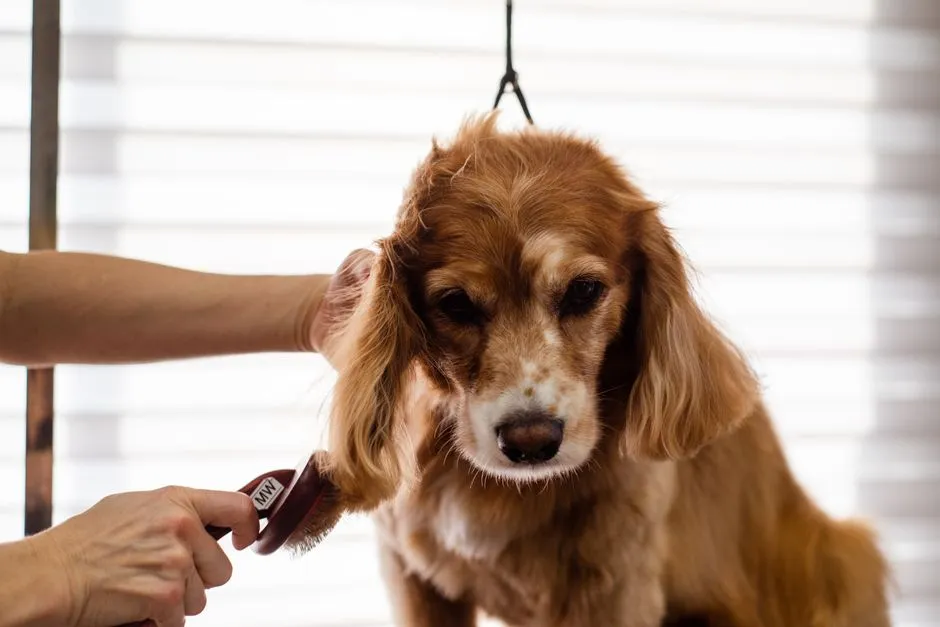
A lot of frightened dogs have had bad experiences at regular grooming facilities. Rescue dogs and dogs with past trauma are also named by fear-aware groomers as needing extra support. That includes dogs with past traumatic grooming experiences.
Those dogs get the quietest slot because they need the most time. Longer scheduling lets the groomer avoid rushing or overwhelming each anxious dog. Groomers also watch body language closely. Many use short pauses to decide whether to proceed, pause or redirect.
No honest groomer will promise a fearful dog is cured after one visit. The realistic goal is to recognize stress, avoid unnecessary escalation and build a more manageable plan. Progress comes in small steps, and a dog who stays calm for five minutes today is a win.
That brings us to what all of this adds up to…
The quietest hour isn’t wasted time. It’s where groomers put the work that can’t be rushed: nervous first-timers, matted coats, seniors, puppies, reactive dogs, cats, medicated baths, nails, flat-faced breeds, sound-sensitive dogs and dogs with bad memories. The common thread is simple: calm beats speed.
My opinion is blunt. Cheap, fast, back-to-back grooming is a false economy for any pet that struggles with the experience. If your pet is on this list, ask for the slowest slot, not the cheapest one. Which of these 11 would your pet need first?

- 10 Enigmatic Structures That Continue to Puzzle Scientists Today - November 5, 2026
- 10 Strange Ruins in the Americas That Challenge What We Know About Early History - November 5, 2026
- Beyond the Bark: Decoding Your Dog’s 12 Most Common Vocalizations - November 5, 2026