
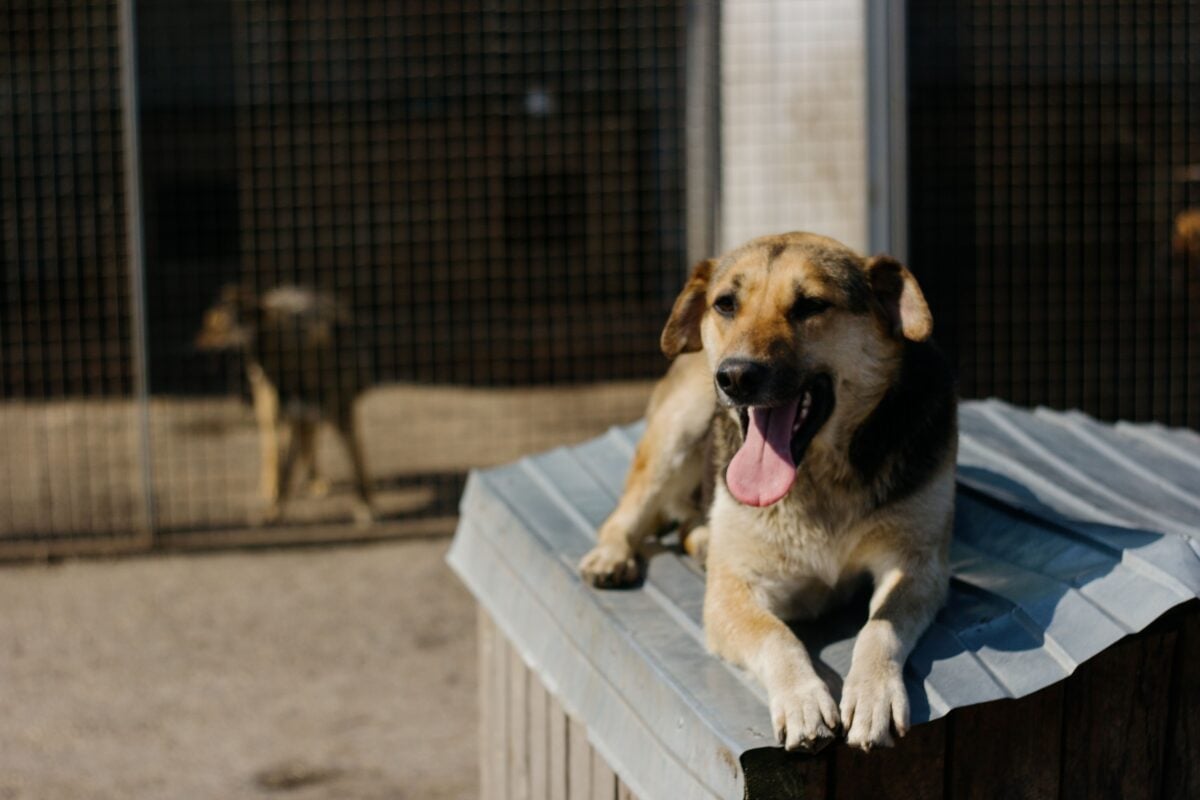
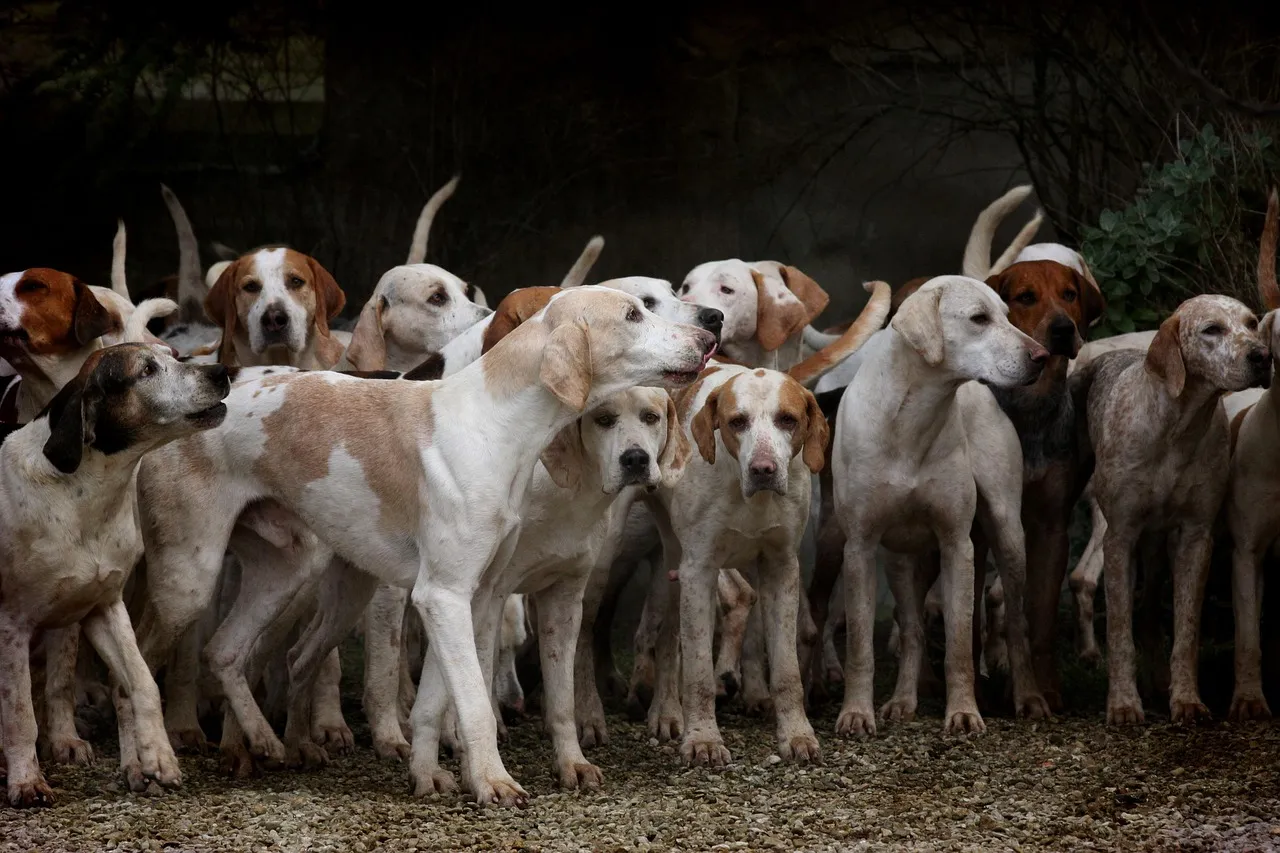
Most people picture a kennel after lights-out as hours of dull silence. It’s actually closer to a nightly behavior lab. Dogs who live in homes sleep about 14 hours a day, while shelter dogs sleep just under 11. That three-hour gap holds a surprising amount of information, because fear, habits, confidence and even a dog’s past can surface in the dark in ways a daytime meet-and-greet never shows.
The strange part is that the loudest clues are often the quietest ones. A silent dog may be the most stressed dog in the building, and a dog that looks “difficult” may just be having a rough week. Here’s what the researchers actually found, counting down from #11, and the answer waiting at #1 may change how you judge any dog on a bad day.
#11 – The First Hour Shows How a Dog Handles Change
🔥 Would you like to save this?
We'll email this post to you, so you can come back to it later!
The first hour after lights-out is the most honest job interview a dog will ever give.
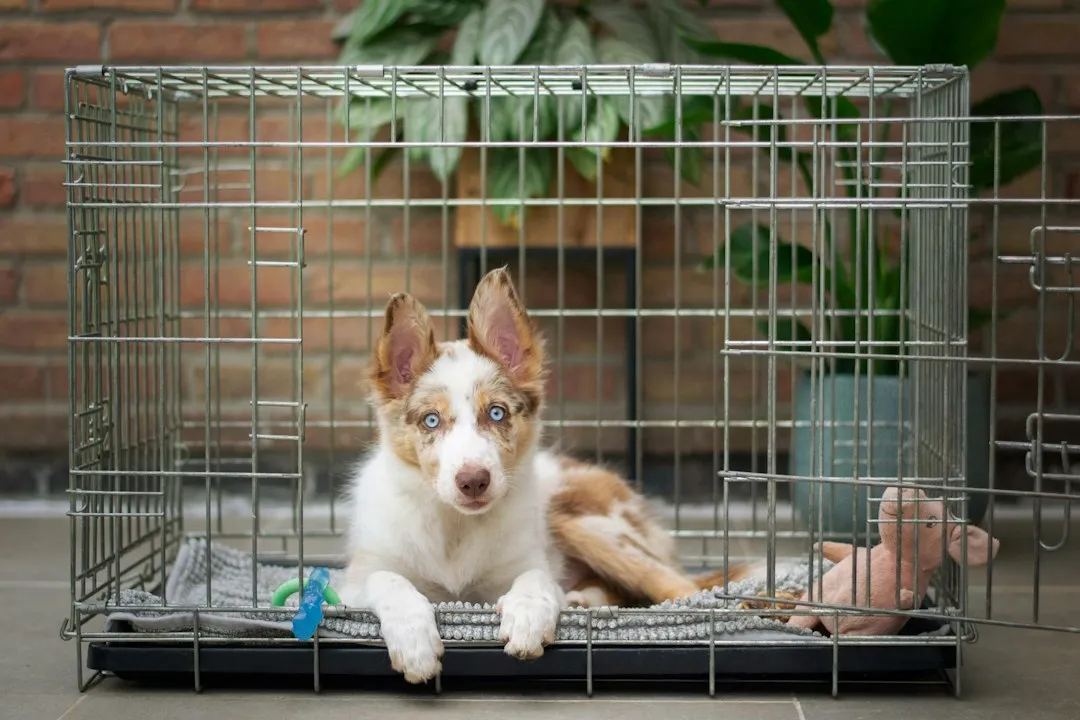
An unfamiliar kennel changes everything at once. The smells, sounds and floor surfaces are new, and the familiar person has vanished. Imagine checking into a hotel where the walls are open, the hallway echoes, and nobody explains where your family went. Staff watch whether the dog settles, paces or stares at the door.
Research suggests these first hours are the roughest. In one study, the biggest drop in night-time activity came during the first three nights in the shelter. The dogs were still adjusting, and the data show it.
What observers typically look for:
- Does the dog lie down, or keep circling?
- Does the dog explore the space, or freeze at the back?
- Does the dog respond to a calm voice?
Here’s the twist: a rough first hour says very little about character. It mostly says the dog is new. In a Brisbane shelter study of 38 dogs, fear-related behaviours became less frequent and shorter over the first five days, which suggests the dogs were getting used to the place.
But the next thing staff notice has nothing to do with mood. It’s about furniture, and that’s #10.
#10 – Where a Dog Chooses to Sleep Says More Than You’d Think
🔥 Would you like to save this?
We'll email this post to you, so you can come back to it later!
Bed or bare floor, back wall or front door: the sleeping spot is a quiet decision, and it’s worth reading.
A dog that picks the back corner is often putting distance between itself and the walkway. A dog that sleeps against the front may want to keep an eye on the foot traffic. Neither choice is automatically good or bad. What matters is how relaxed the body looks while it happens.
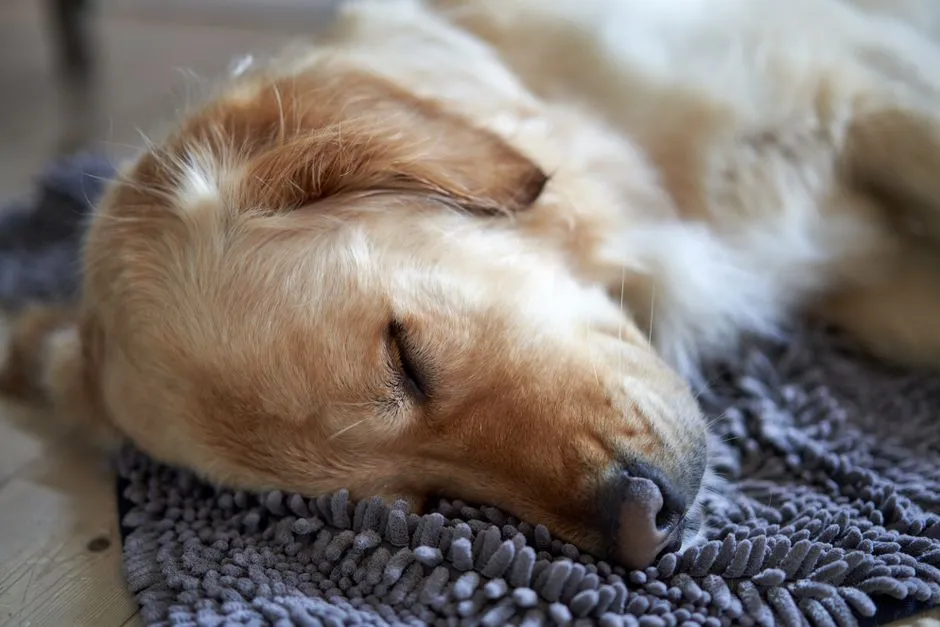
Bedding choice is a clue too. In one shelter study, the dogs never lay down off their beds. Dogs in kennels will often use the comfortable surface they’re given, so a dog that ignores a good bed stands out. It may be too wound up to settle, or it may simply be too warm.
Experts caution against over-reading any single posture. A curled dog may be cold, not anxious, and a sprawled dog may just be hot. Staff read the whole picture:
- Muscle tension in the shoulders and jaw
- Whether the eyes are open or closed
- How quickly the dog resettles after a noise
The real tell isn’t where the dog sleeps. It’s whether the dog stays there. A dog that relocates four or five times in an hour is telling you something very different from one that stays put until morning. Researchers do count these movements, and the counts turn out to be useful, as you’ll see later.
Worth Knowing
- Dogs in kennels usually use the bed they’re given, so skipping it is notable.
- A curled posture can mean cold, not worry.
- A sprawled posture can mean warm, not carefree.
- Repeated relocating tells staff more than the spot itself.
Sleep itself isn’t one smooth block, though. That’s #9.
#9 – Dogs Don’t Sleep Straight Through, and Neither Do You
🔥 Would you like to save this?
We'll email this post to you, so you can come back to it later!
The idea of a dog sleeping “all night” is a myth.
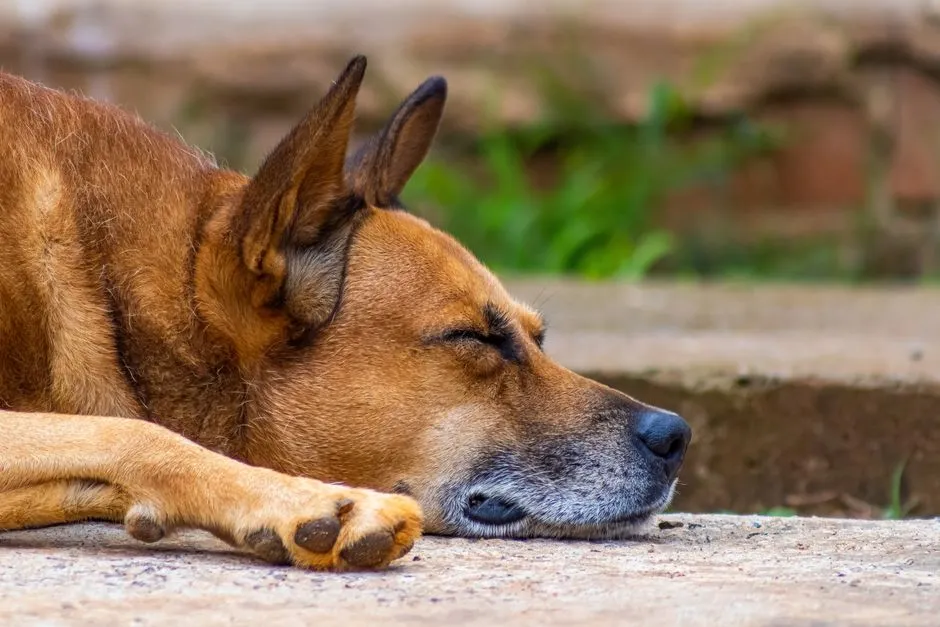
In one shelter study, the dogs spent 11 of the 12 hours they were alone asleep. But they did not sleep continuously. Short bouts of sleep, broken by brief wakeful moments, are the normal pattern.
That matters because many owners panic when a dog lifts its head at 2 a.m. It feels like a warning sign, but it’s ordinary. Dogs are built for light, easily interrupted sleep, and a quick scan of the room doesn’t mean the dog is distressed.
The pattern also changes with company. That study noted that dogs sleeping with humans have more bouts and less total sleep time at night. A dog alone in a quiet kennel can log more consolidated sleep than a dog sharing a bedroom with a restless person. Your tossing and turning may be costing your dog rest.
Staff learn to separate normal micro-wakings from real restlessness. A dog that lifts its head, shifts and drops off again is fine. A dog that stays awake, vocalizing or pacing is a different case.
And what if a dog is truly awake and making noise? Size may play a bigger role than you’d guess, and that’s #8.
#8 – Small Dogs Often Struggle More in Kennels
🔥 Would you like to save this?
We'll email this post to you, so you can come back to it later!
Here’s an opinion that may annoy some boarding facilities: small dogs are the ones most likely to be underestimated.
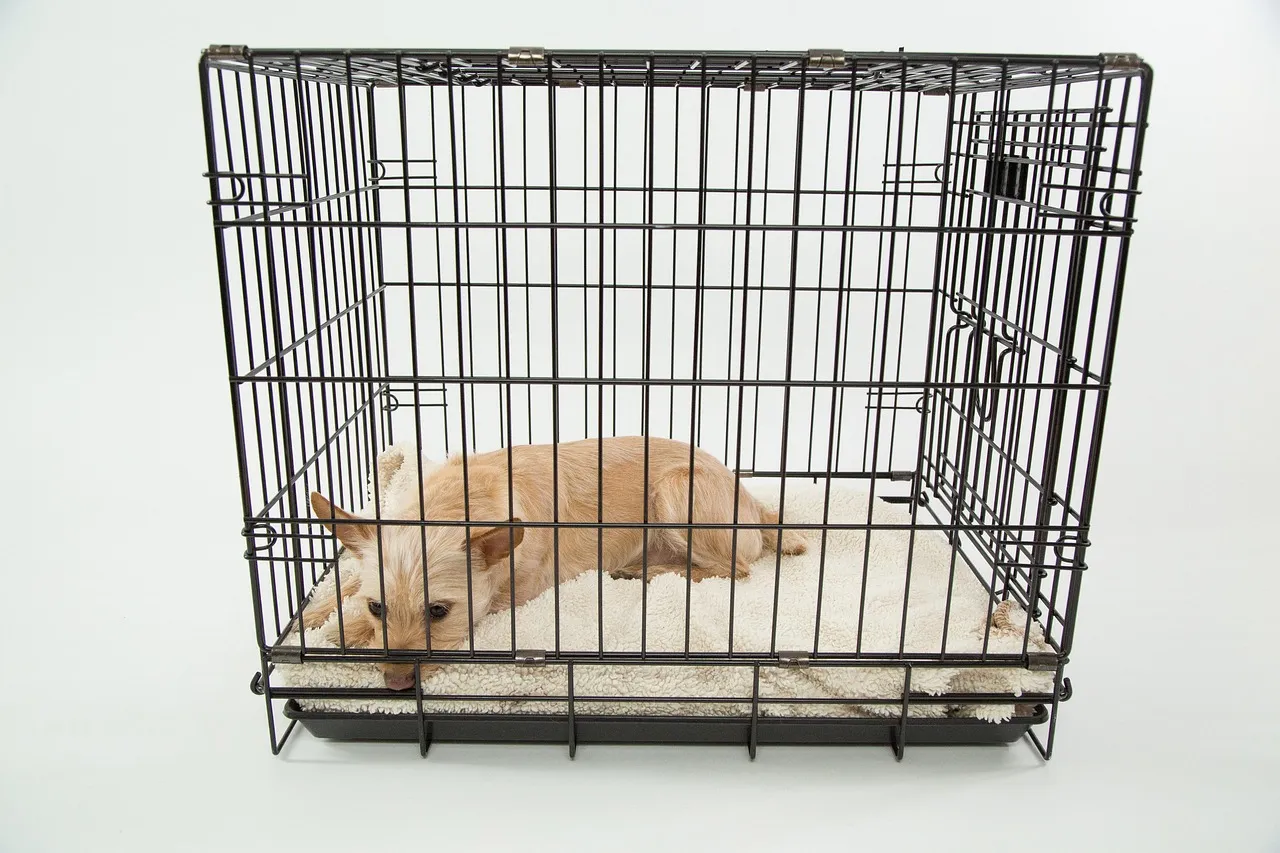
A common assumption is that big dogs are the tough ones and little dogs just yap. The evidence points the other way. One study suggests smaller dogs show a higher stress response than larger dogs when they are placed in a kennel.
The behavior backs it up. Smaller dogs groomed themselves less during the first nights in the shelter than larger dogs did. Self-grooming is a comfort behavior, so less of it is a flag. A separate analysis of the same project found similar results: over the first days, night-time activity and cortisol were higher for small dogs.
Why might this happen? Researchers haven’t settled it. Possible factors include the size of the kennel relative to the dog, the noise level from the neighbors, and differences in the dogs’ histories.
The surprise is that the smallest dog in the building may be having the hardest night. What this means in practice:
- Small dogs may need quieter kennel positions
- Extra checks during the first nights are worth the effort
- Absence of barking doesn’t mean absence of stress
Still, a dog’s past can matter even more than its size, and that’s #7.
#7 – A Dog’s Kennel History Shows Up Immediately
🔥 Would you like to save this?
We'll email this post to you, so you can come back to it later!
Some dogs walk in already knowing the routine, and the night shows it.
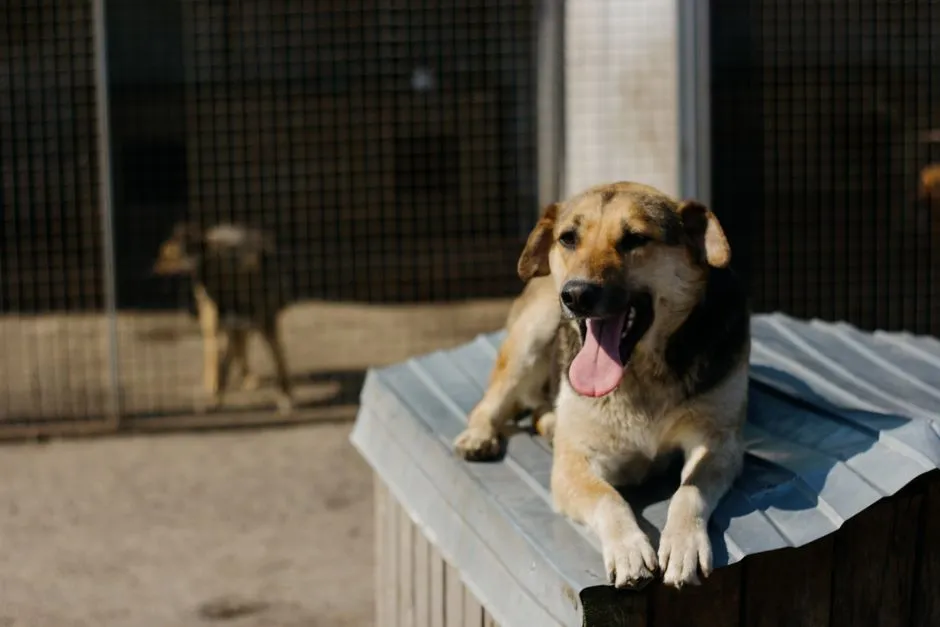
Experience changes behavior. Shelter dogs with a known history of staying in kennels were less active at night, showed more body shaking and had lower stress-hormone ratios than dogs without kennel experience.
That body shaking is interesting. It looks like a dog shaking off water, but researchers treat it as a behavior worth recording. Reading it correctly takes context. Here it appeared more often in the experienced dogs, who were also calmer by the hormone measure.
The takeaway is practical. A dog from a household that boards regularly may settle in minutes. A dog that has never spent a night away from its family faces a much bigger adjustment. That changes how staff plan the night:
- Newcomers get closer monitoring
- Veterans may need less intervention
- Both still get a quiet, predictable setup
That’s a lot of information from one simple question: has this dog done this before?
Quick Compare
- Kennel veterans: less night-time activity, more body shaking, lower stress-hormone ratios.
- First-timers: higher night-time activity and higher cortisol-based stress measures.
Even so, noise can undo a calm dog’s night. We’ll get there at #6.
#6 – How a Dog Reacts to Noise Is Secretly the Biggest Clue
🔥 Would you like to save this?
We'll email this post to you, so you can come back to it later!
Every kennel has a soundtrack, and each dog responds to it differently.
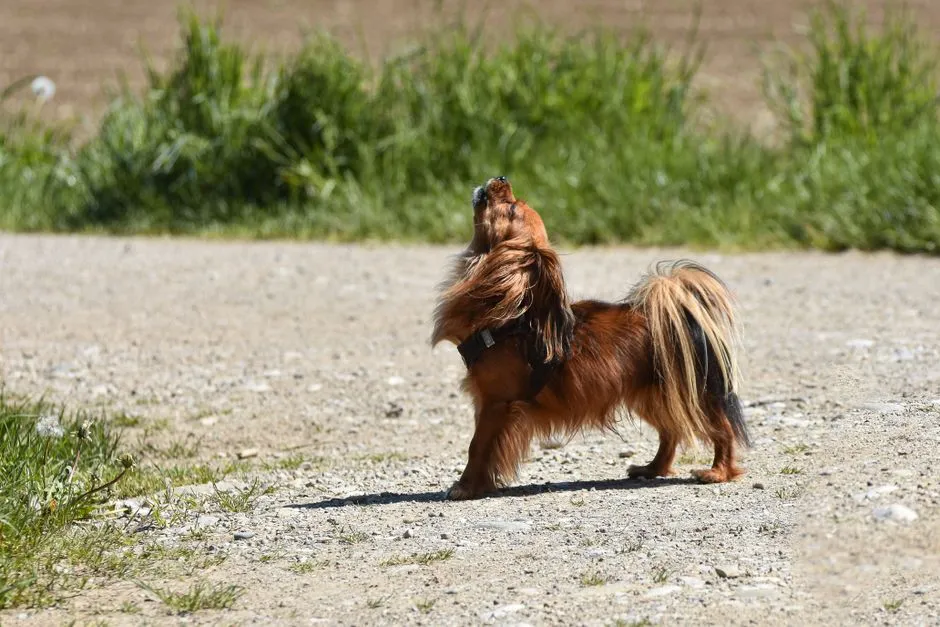
Ventilation hum, a neighbor’s bark, a distant door, a pipe knocking. Staff see which dogs ignore these sounds and which ones snap awake. Dogs also hear higher-pitched sounds than people do, so a noise you’d never notice may be perfectly clear to them. The dogs that jump at each one often have a lower threshold for stress.
Noise is also linked to sleep quality more generally. One review of kennel research notes that kennel practices have been found to be a main source of sleep disturbance. In other words, what people do in the building may disturb sleep more than the dark does.
That’s a bold point worth debating. Many facilities spend time on bedding and temperature, yet the human routine around the kennel may matter just as much as the physical comfort inside it.
Things staff can track:
- How quickly the dog resettles after a noise
- Whether the dog barks in response, or only listens
- Whether the same trigger repeats nightly
Responses often change over time. A dog that startled at everything on night one may ignore the same sounds by night four.
But noise isn’t the only thing dogs “say” in the dark. Body language is next, at #5.
#5 – Subtle Body Signals Reveal What Barking Doesn’t
🔥 Would you like to save this?
We'll email this post to you, so you can come back to it later!
A silent dog isn’t always a calm dog.
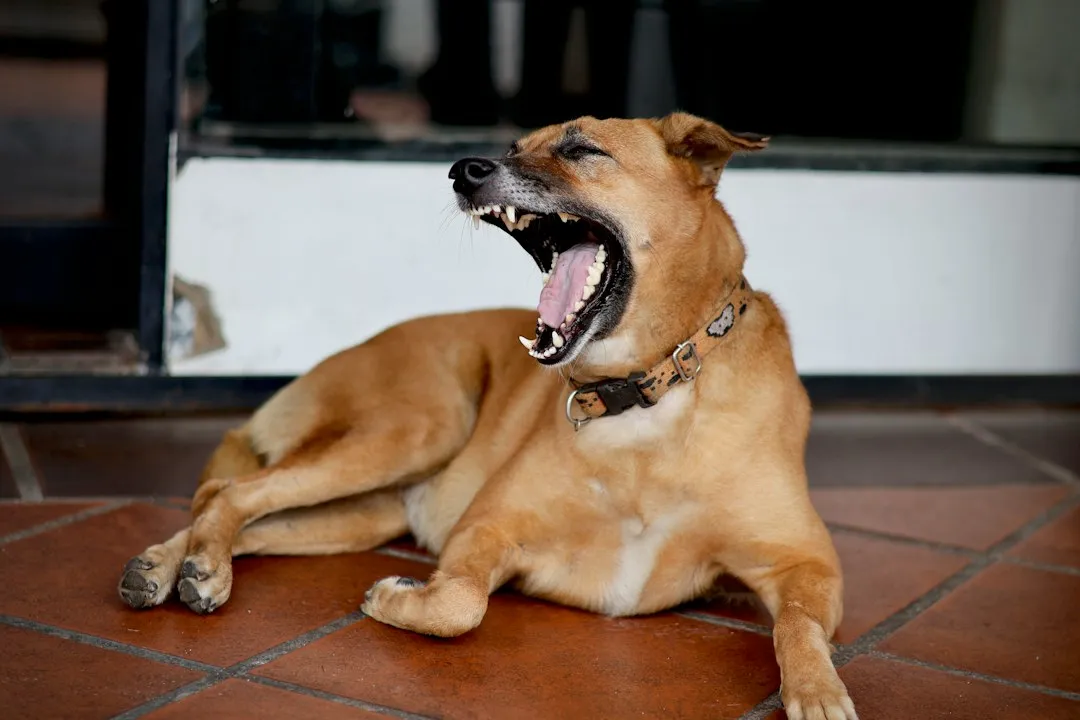
Researchers who study kennel stress don’t rely on one signal. They combine behavior with physiology. Behavioral signs include posture, tail and ear position and vocalization. A flat ear, a tucked tail or a tense posture can say more than a bark.
Many stressed dogs actually go quiet. Freezing is a common response, and a still dog is easy to mistake for a settled one. Staff learn to tell relaxed stillness from held-breath stillness.
Signs of a truly relaxed dog:
- Soft eyes, loose jaw
- Slow, deep breathing
- A willingness to stretch or roll over
Signs worth a second look:
- Stiff body with a fixed gaze
- Lip licking or yawning when nothing is happening
- Very little movement and no interest in anything
Grooming matters too. Earlier we saw smaller dogs groomed less in their first nights. A dog that stops doing its normal comfort routines may be telling you more than a dog that barks.
Nothing here proves a dog is suffering. These are signals to track, not verdicts. But they explain why experienced kennel staff say they trust a dog’s body over its volume.
Then there’s the debate over whether the lights should stay on. That’s #4.
#4 – The Lights-On Panic Is Probably Overblown
🔥 Would you like to save this?
We'll email this post to you, so you can come back to it later!
Here’s a take that might split the comments: leaving a dim light on overnight may not wreck a dog’s sleep.
Managers often worry that security lighting keeps dogs awake. A crossover trial tested this directly. Light did not seem to affect behavior, and in that kennel artificial light did not influence sleep.
The study design is useful. The same dogs were observed with and without overnight light, so each dog acted as its own comparison. The dogs didn’t show repetitive stereotypic behavior either. They did become active just before staff returned in the morning.
That doesn’t mean lighting is irrelevant for every dog or every facility. This was one shelter, and the sample was small, with 15 dogs observed over five non-consecutive days. Experts would want more data before making universal rules.
At a Glance
- Design: crossover, with each dog seen both with and without light
- Sample: 15 dogs, five non-consecutive days, one shelter
- Result: no clear effect of light on behavior or sleep
- Pattern: activity picked up just before staff returned
The mistake is assuming darkness automatically means better sleep. Dogs are not people. They are mostly active by day, and they tend to concentrate more sleep, especially REM sleep, at night. What disrupts that is more likely to be noise, activity or discomfort than a low light.
And speaking of morning, the last hour before staff arrive holds a surprise at #3.
#3 – The Pre-Dawn Wake-Up Shows How Dogs Read the Routine
🔥 Would you like to save this?
We'll email this post to you, so you can come back to it later!
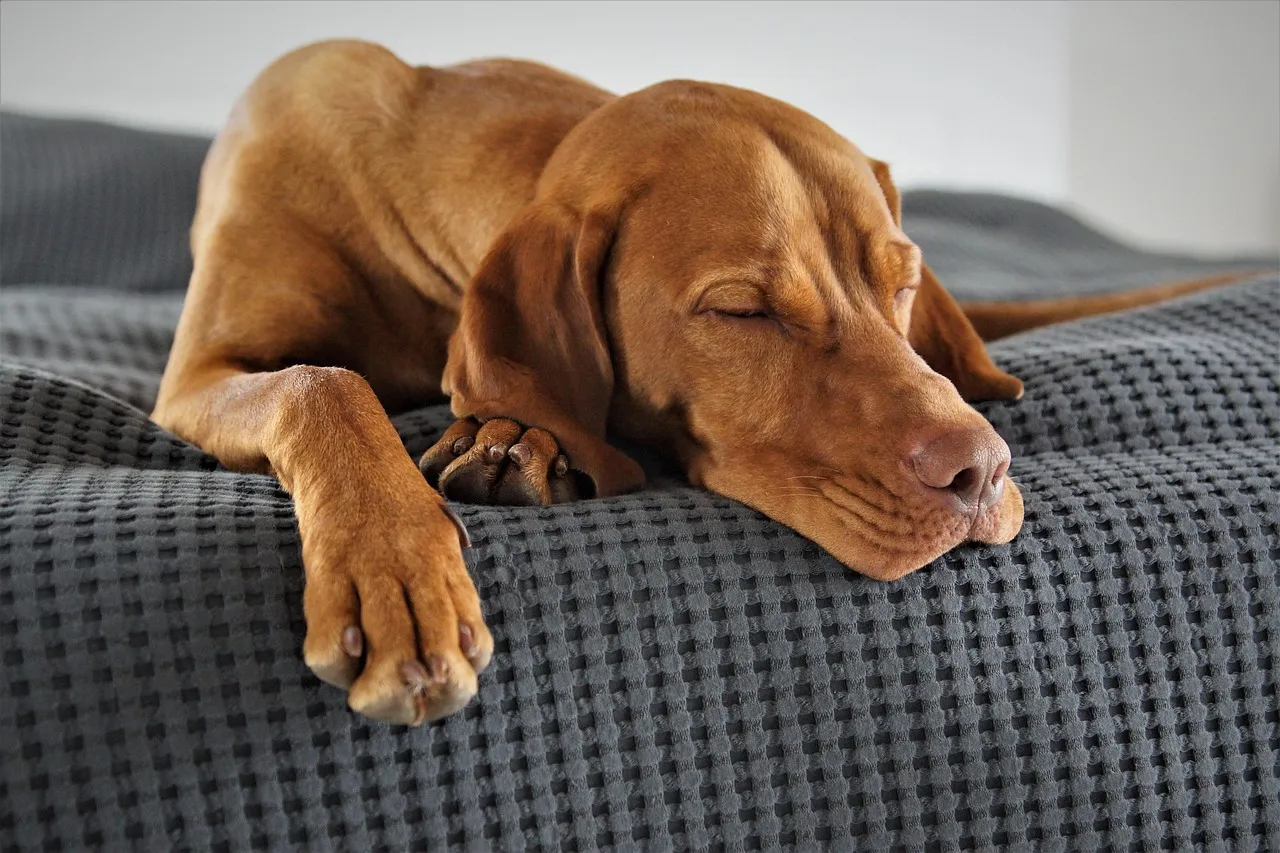
Many dogs seem to know morning is coming before anyone arrives.
Look again at the lighting study. The dogs slept through most of the night, then became active shortly before staff returned. That fits what many kennel workers describe, though the study didn’t test why.
One plausible explanation is anticipation. Dogs learn routines quickly. Feeding, cleaning and walks follow a pattern, and a dog that has learned the sequence may start to expect it. Researchers haven’t proven the mechanism, so it stays a reasonable hypothesis.
It does tell staff something useful. A dog that wakes calmly, stretches and waits is coping. A dog that launches into frantic barking before the doors open may be showing frustration or high arousal.
What to note at dawn:
- Does the dog greet people with relaxed body language?
- Does it eat soon after the first meal arrives?
- Does it want contact, or avoid it?
Even a sleeping dog is quietly tracking time. Daytime life matters here too. Shelter dogs may get less daytime sleep because the place is busy, and researchers suggest they may make up for it by sleeping more throughout the night.
But the strongest evidence comes from stress chemistry, and it’s up next at #2.
#2 – Restlessness Is a Stress Measurement, Not Just a Habit

🔥 Would you like to save this?
We'll email this post to you, so you can come back to it later!
Night-time movement can actually be measured, and it tracks with stress.
Researchers fitted dogs with accelerometers to record how much they moved overnight. They also measured stress hormones in urine. Shelter dogs showed high night-time activity and high urine cortisol levels during the first nights and days in the shelter.
The picture improves with time. Both night-time activity and urine cortisol were lower after two weeks. But adapting isn’t the same as becoming fully comfortable. Even after 12 nights, the shelter dogs were still active longer at night than pet dogs in the control group.
Fast Facts
- Movement was tracked with accelerometers, stress with urine cortisol.
- Both readings ran high in the first nights and days.
- Both were lower after two weeks.
- After 12 nights, shelter dogs still out-moved pet dogs at night.
The evidence isn’t entirely uniform. One earlier report on a single dog described no REM sleep on the first night, an idea compared to the “first night effect” in people. The larger study found no first-night effect, as night-time activity didn’t differ significantly between nights one and two. One dog is not a trend, so treat that as an open question.
Cortisol can stay elevated for days or even weeks after a dog enters a kennel, according to the studies reviewed. That finding appears across multiple papers.
So what does one night actually prove? Less than you’d expect, as #1 shows.
#1 – One Night Is a Snapshot, Not a Verdict

🔥 Would you like to save this?
We'll email this post to you, so you can come back to it later!
The most important thing kennel staff learn is humility.
A single night can flag a problem, but it can’t define a dog. Stress responses vary between individuals. Researchers argue that monitoring each animal’s own adaptation is key to understanding and managing stress. The trend matters more than any one reading.
Early watching still has real value. The Brisbane study concluded that monitoring kennel behavior could detect early signs of behavior problems. Catching those signs early means help can start sooner.
Relief can come quickly, too. In a multi-state study, stress hormone levels dropped during one- and two-night sleepovers, and the dogs rested more. A single night away from the kennel measurably changed how dogs felt. That tells us how much environment, not just personality, shapes what staff see after dark.
So a dog that looks “difficult” on night one may be an ordinary dog having a hard week. Judging a dog on its first night in a kennel is the mistake most people make.
A kennel at night is far from empty. Dogs sleep in short bouts, stay more restless than home dogs even after 12 nights, and often wake before staff arrive. Small dogs and first-timers may struggle the most. Quiet isn’t proof of calm, and a dim light is probably not the villain people think. Stress also fades as dogs adapt, and a night in a home can bring quick relief.
My view: every kennel should log night behavior as routinely as feeding times. A dog’s worst night isn’t its character, and anyone judging a dog without that context is guessing. If the dark is when dogs are most honest, the least we can do is pay attention.

- The Remarkable Intelligence of Octopuses: Beyond What Scientists Imagined - November 5, 2026
- What Your Dog’s Tail Wags Are Really Trying to Tell You - November 5, 2026
- The Surprising Reason Some Animals Thrive in Extreme Environments - November 5, 2026