
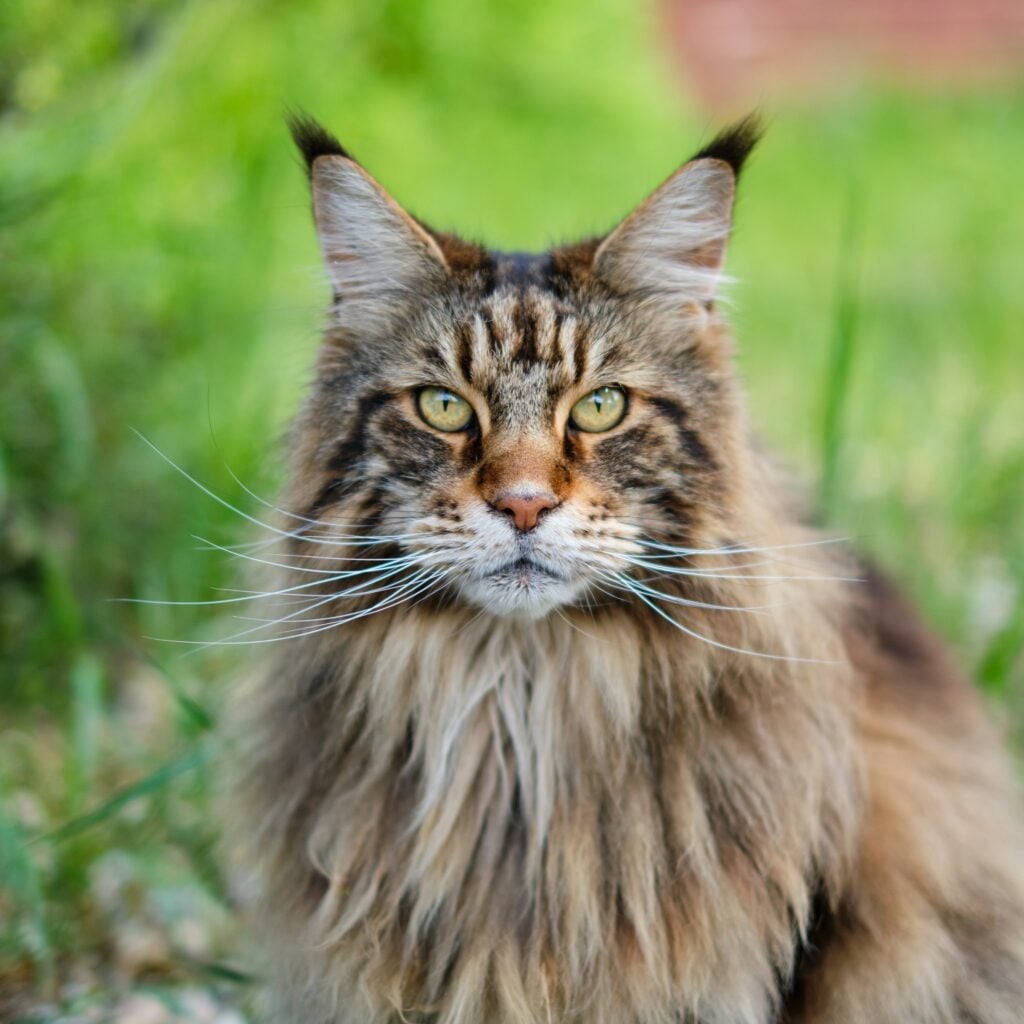
You saw the photos: the lynx-tipped ears, the huge paws, the tail like a feather boa. Most people figure a Maine Coon is just a very big, very fluffy cat with a famous name. Owners say the label hides a lot. The size is only the start.
The real surprises show up months or years after the adoption papers are signed. Some are funny, like the cat who wants to supervise your shower. Others are quiet and serious, and they never appear in cute photos. Stick around for the last few, because one of them gives no warning at all.
#11 – They Keep Growing Long After You Think They’ve Stopped
🔥 Would you like to save this?
We'll email this post to you, so you can come back to it later!
Your “full-grown” cat probably isn’t.
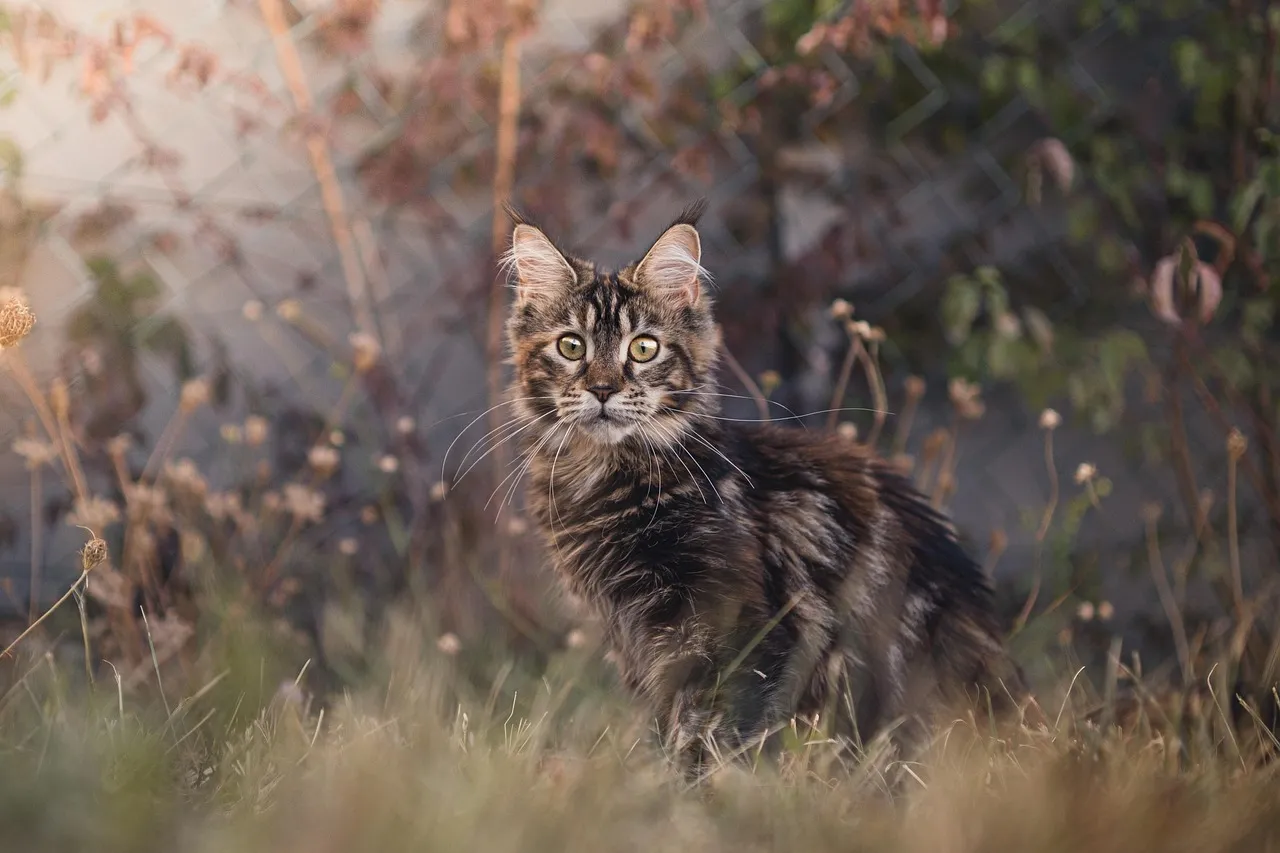
Most house cats finish growing around their first birthday. Maine Coons keep developing for 3 to 5 years. That means a long stretch of surprise upgrades.
Owners often say the cat looks done at 12 months. Then comes another leg extension, a wider chest and a bushier tail. Instead of maturing in a year or two, the cat slowly builds muscle and bone over several years.
Adult size varies a lot. The breed is one of the largest domestic cats, weighing 13 to 26 pounds. That’s a 13-pound gap between a modest cat and a very large one.
The slow timeline cuts both ways:
- You get a playful, kitten-minded cat for years.
- You also get a cat that can knock a glass off a counter with real force.
But that’s nothing compared to what catches owners off guard in the very next room…
#10 – Standard Cat Gear Is Too Small, So You End Up Buying Everything Twice
🔥 Would you like to save this?
We'll email this post to you, so you can come back to it later!
The pet aisle is built for average cats, and yours isn’t average.
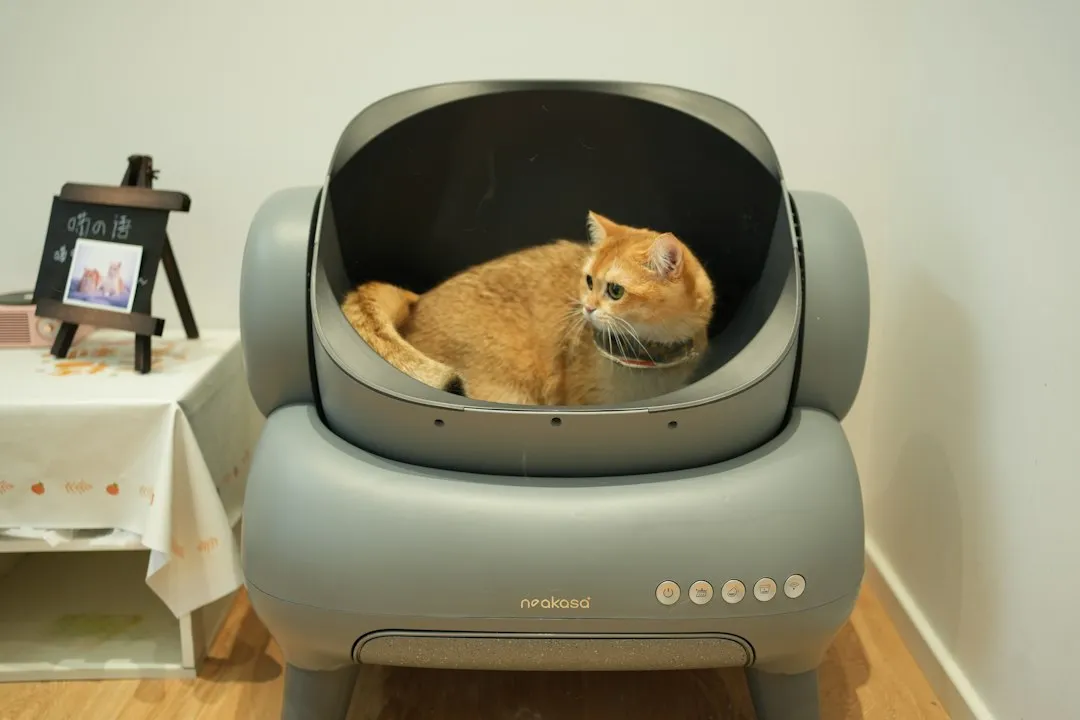
Many new owners buy a standard litter box, a regular carrier and a lightweight cat tree. Then they spend the next year replacing all of it. A cramped box is a common reason big cats start going somewhere else in the house.
Think in terms of size and strength:
- Litter boxes need room to turn around, dig and squat.
- Carriers need to be roomy enough for a long cat to lie down in.
- Cat trees need wide bases and sturdy platforms.
A wobbly tree is the fastest way to teach a large cat to stop using it. A heavy cat landing on a shelf or flimsy furniture does so with real impact. Anything lightweight is at risk.
Quick Compare
- Litter box: A standard box is built for an average cat. A common guideline for big cats is a box about 1.5 times their body length.
- Cat tree: Lightweight towers wobble. Wide bases and thick posts hold up to a landing from a big cat.
- Carrier: A small carrier is a squeeze. A larger one lets a long cat stretch out on the way to the vet.
My take: “cat-sized” products are the biggest false economy in Maine Coon shopping. Buying twice costs more than buying once.
And the size isn’t even the strangest part of living with one. Wait until you hear them talk…
#9 – They Barely Meow, They Chirp and Talk Back Instead
🔥 Would you like to save this?
We'll email this post to you, so you can come back to it later!
The voice doesn’t match the body.
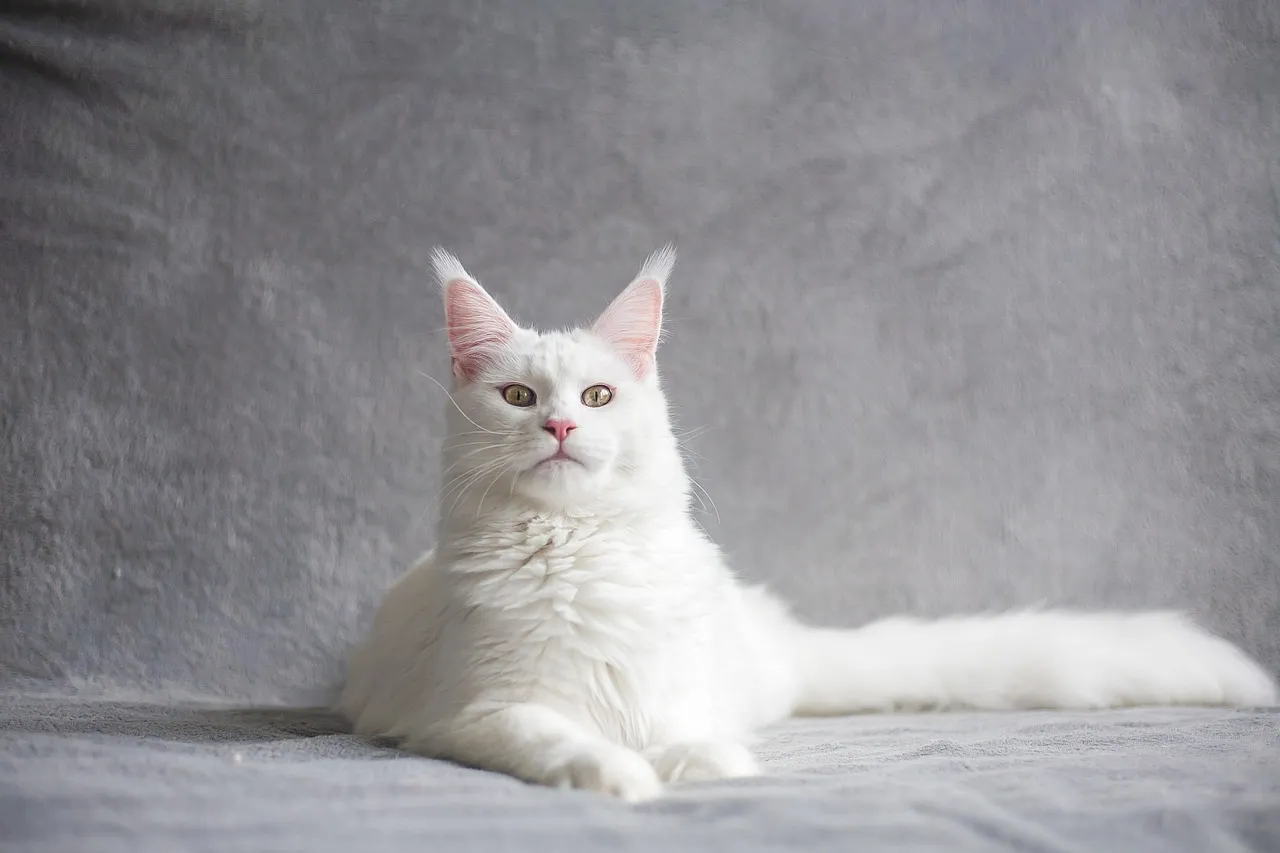
Many owners expect a deep, booming meow from a cat this big. Instead, they often describe soft chirps, trills and chattering. It’s a surprisingly gentle sound for such a large animal.
Cats use these sounds to greet people and ask for attention. Owners often report that their cat “answers” them in short bursts. Some seem to hold whole conversations.
That’s what many owners mean when they call the breed dog-like. The cat tracks you from room to room and comments on what you’re doing. Many owners say the chirping is why they can’t imagine going back to a quieter breed.
Not everyone loves it. A talkative cat at 5 a.m. is still a talkative cat at 5 a.m. Some people find the constant commentary charming for about a week.
But the strangest habit shows up at the sink, and it can cost you a lot of towels…
#8 – The Water Obsession Is Real, and Your Bathroom Is No Longer Private
🔥 Would you like to save this?
We'll email this post to you, so you can come back to it later!
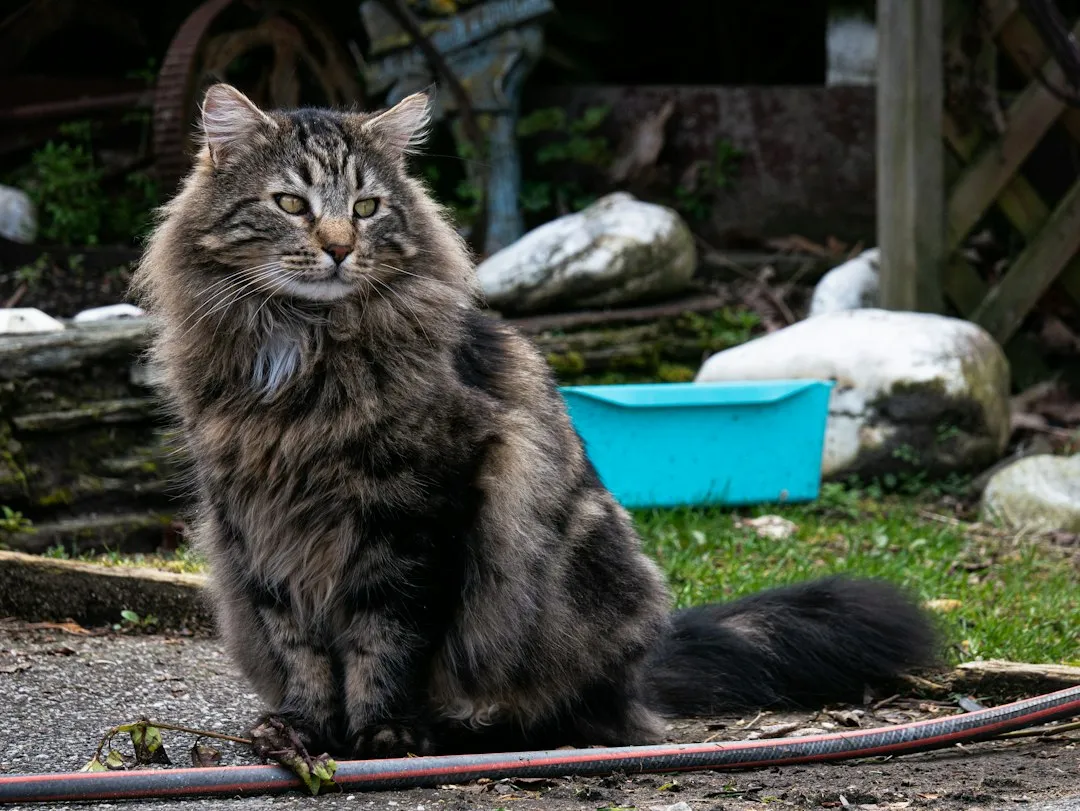
Your cat may want a front-row seat to every shower.
Many owners report that their Maine Coon is fascinated by water. They paw at dripping taps and dunk their toys in the water bowl. Some sit on the edge of the tub while you shower.
This isn’t universal, and no one should promise it. But the pattern shows up often enough in owner accounts that it has become part of the breed’s reputation.
Expect a few predictable messes:
- Water bowls that end up as puddles.
- Wet paw prints across the floor.
- Toys left floating in the bowl.
Some owners switch to heavy, wide bowls or a fountain just to protect the floor. A fountain also encourages drinking, which is a real benefit for cats prone to urinary problems.
Don’t assume a cat that plays in water is misbehaving. Treat it as enrichment, and set up your home so a splash is no disaster.
Next comes the feature everyone buys the breed for, and the one that gets the most myths…
#7 – The Coat Is Easier Than You Fear, Until It Isn’t
🔥 Would you like to save this?
We'll email this post to you, so you can come back to it later!
The “grooming nightmare” reputation is only half true.
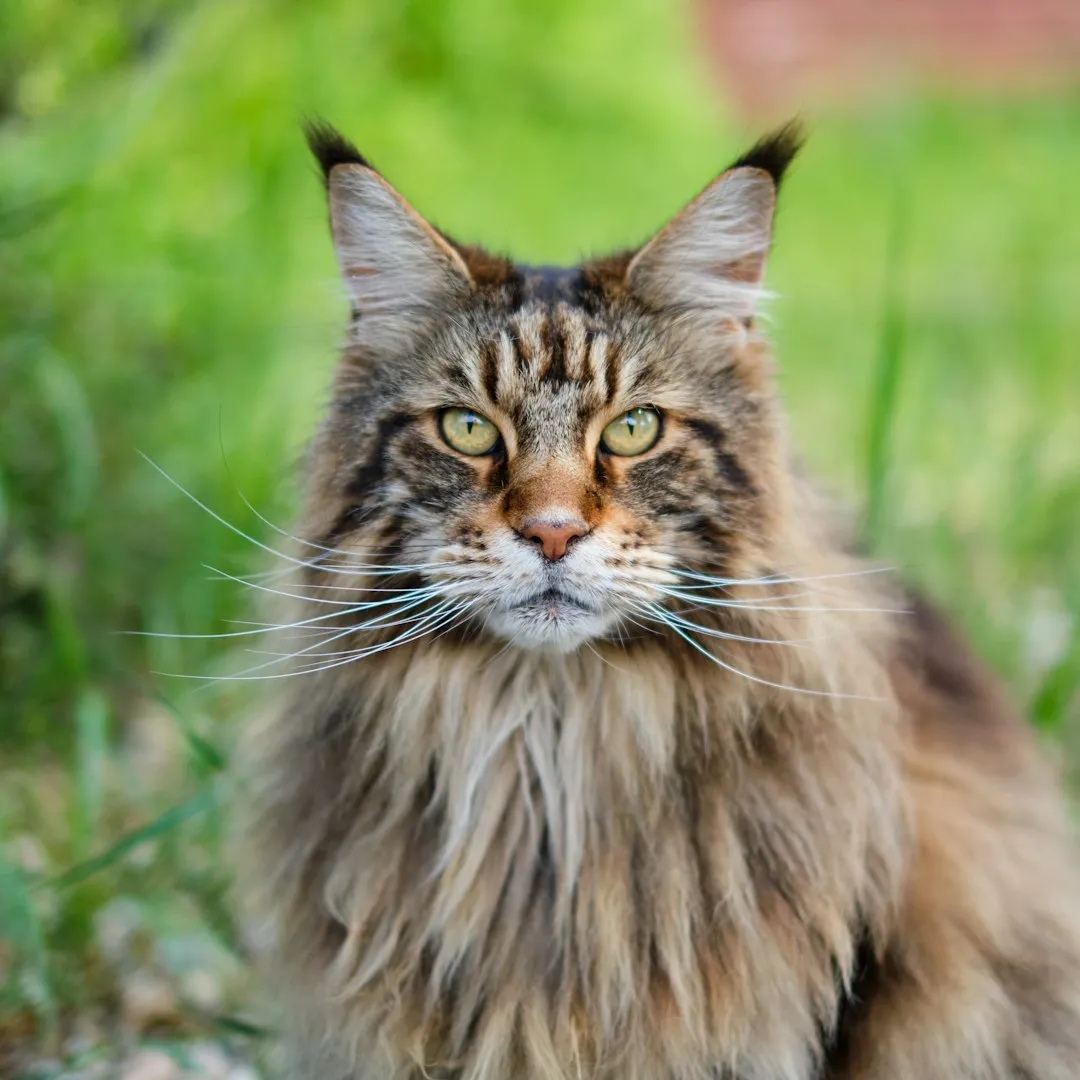
A Maine Coon’s coat is long and shaggy, but it tends to be silky rather than cottony. Owners often say it tangles less than they expected. That’s good news for people who feared a daily battle.
Mats still happen. They tend to appear in friction spots like the belly, behind the ears and the rear “britches.”
A cat that sheds seasonally can leave a surprising amount of hair on the sofa in a single week. Grooming habits vary by cat and by coat type. Some owners brush a few times a week, and others do it more often during heavy shedding periods.
Fast Facts
- The coat is shaggy, with longer hair on the belly and britches than on the shoulders.
- Mats cluster where skin rubs: the belly, behind the ears and the rear legs.
- A wide-toothed metal comb reaches the undercoat that a brush can skim over.
- Shedding comes in seasonal waves, so brushing needs to step up at those times.
My opinion: the “no grooming needed” claim is the real myth. A comb and ten minutes a week can save you a vet bill for sedated mat removal.
But the real cost of this breed isn’t hair at all. It’s the grocery bill and the scale…
#6 – The Food Bill and the Weight Trap
🔥 Would you like to save this?
We'll email this post to you, so you can come back to it later!
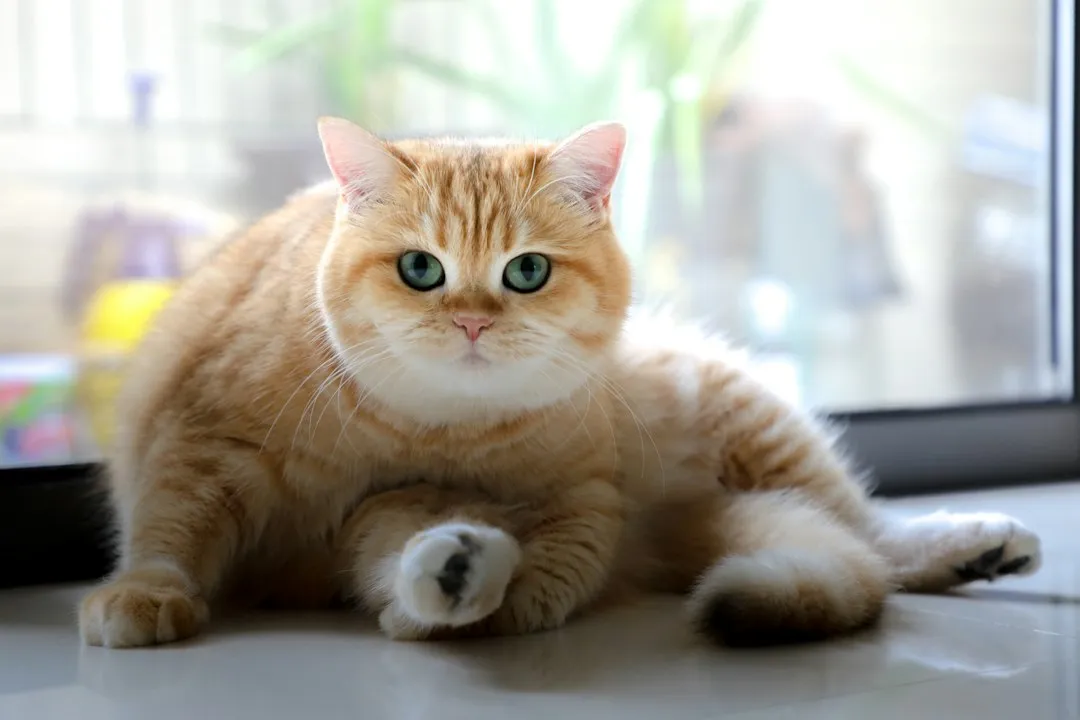
Big cats eat more, and that makes overfeeding easy.
A larger body generally needs more calories than a smaller one. So owners find themselves buying bigger bags of food and buying them more often. The monthly cost is one of the first things that surprises people.
The bigger danger is the scale. Common health concerns for the breed include obesity, dental disease and urinary problems, alongside HCM, hip dysplasia and SMA. Weight feeds into several of those.
Excess weight puts extra load on joints that may already be at risk. And a fluffy coat hides a chubby cat extremely well. You can’t judge the body by sight alone.
Practical habits that help:
- Measure meals instead of free-feeding.
- Feel the ribs, not just the fur.
- Ask your vet for a target weight range for your individual cat.
And weight is only one reason these cats can be harder on your wallet than the price tag suggests…
#5 – The “Gentle Giant” Wants to Be Near You, Not Always on You
🔥 Would you like to save this?
We'll email this post to you, so you can come back to it later!
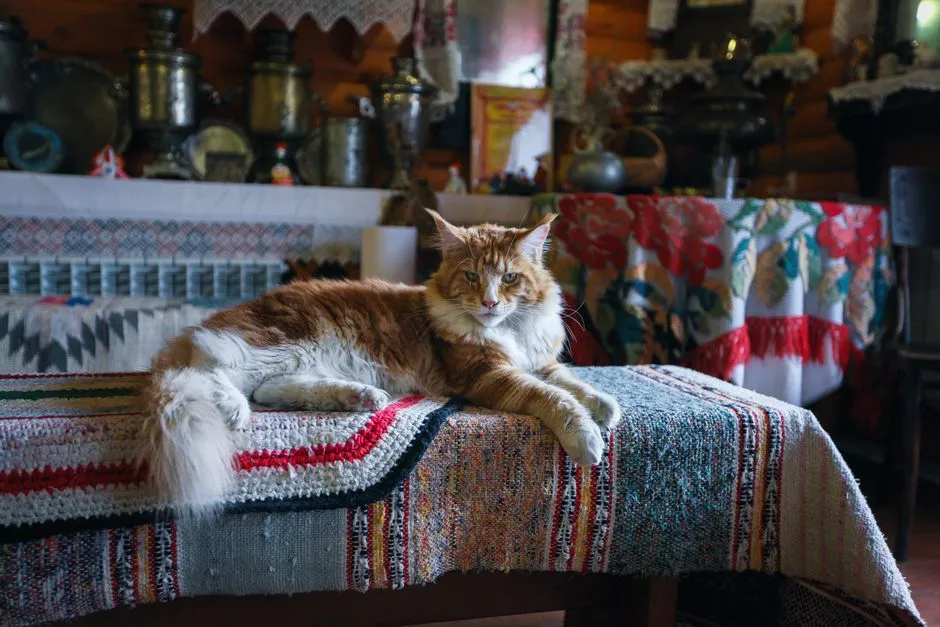
The “gentle giant” label doesn’t mean a lap cat.
Many people assume a calm, friendly breed will sprawl across their legs all evening. Plenty of owners find the opposite. Their cat sits next to them, in the same room, within sight.
That’s affection. It just looks different from clinginess. The cat wants to share your space and keep you in view.
Why It Stands Out
- The cat shadows you from room to room, often without asking for a cuddle.
- Affection shows up as closeness: a seat on the next cushion or a nap by your desk.
- Many owners describe a calm, tolerant cat that is usually relaxed around visitors.
A 15-pound cat can make lap time a very uneven deal. Some Maine Coons love to be held. Plenty tolerate it for a minute and then wander off. Temperament varies, and individual cats don’t follow breed brochures.
My view: buying a breed for one specific personality is a gamble. The better move is to meet the actual cat, or its parents if you’re buying a kitten.
One more note. Sudden aggression in a Maine Coon can signal pain or an underlying health issue rather than a temperament problem. A personality change deserves a vet visit, not a scolding.
Now for the part that most breeders mention quietly: what happens inside those big joints…
#4 – The Hips May Be a Bigger Issue Than You Think
🔥 Would you like to save this?
We'll email this post to you, so you can come back to it later!
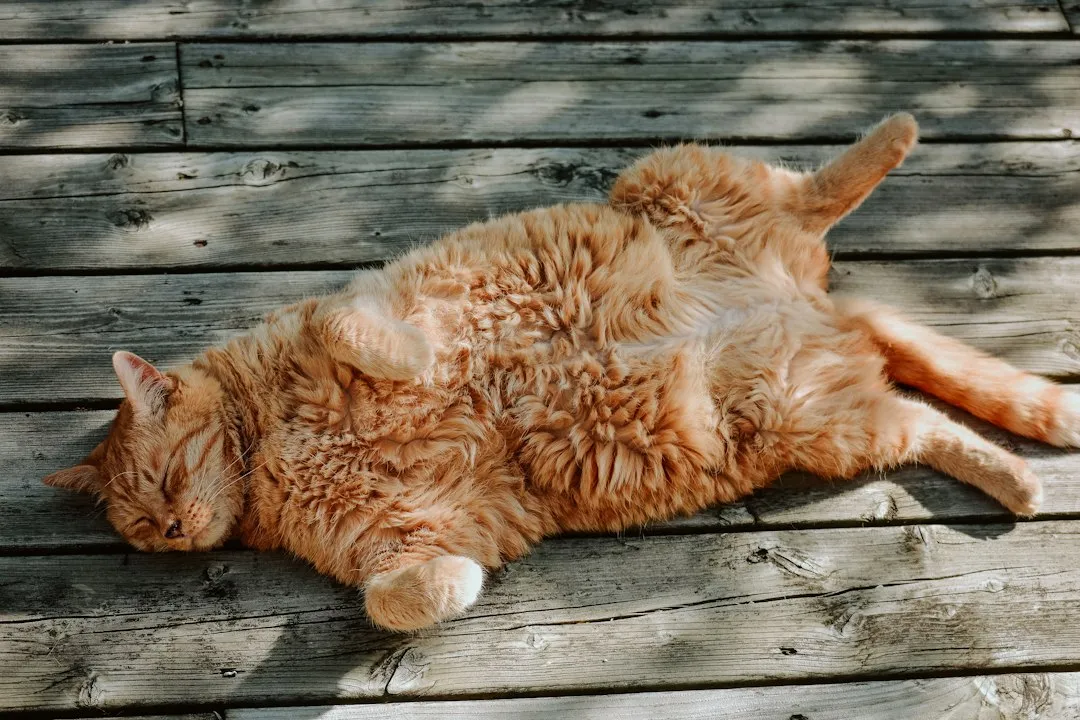
Hip dysplasia is common enough to take seriously.
Hip dysplasia is a poor fit between the ball and socket of the hip joint. Owners often notice it only as a change in jumping. Signs include reluctance to jump, stiffness after rest, a wobbly gait and decreased activity.
The numbers are sobering. In a Swedish screening programme covering 5,038 Maine Coons, more than one third (37.4%) showed some radiographic signs of hip dysplasia. Radiographic signs don’t always mean a cat is in pain, but they show the risk is real.
Researchers noted a likely link between genes for body size and hip dysplasia risk. The breed’s large size, plus findings in large dog breeds, suggests some linkage.
Useful steps:
- A hip X-ray at about one year gives a baseline.
- Keep weight in a healthy range.
- Watch for changes in jumping behavior.
But there’s a genetic condition that’s even easier to prevent, and many owners never hear about it…
#3 – SMA Is Preventable, Yet Owners Still Miss It
🔥 Would you like to save this?
We'll email this post to you, so you can come back to it later!
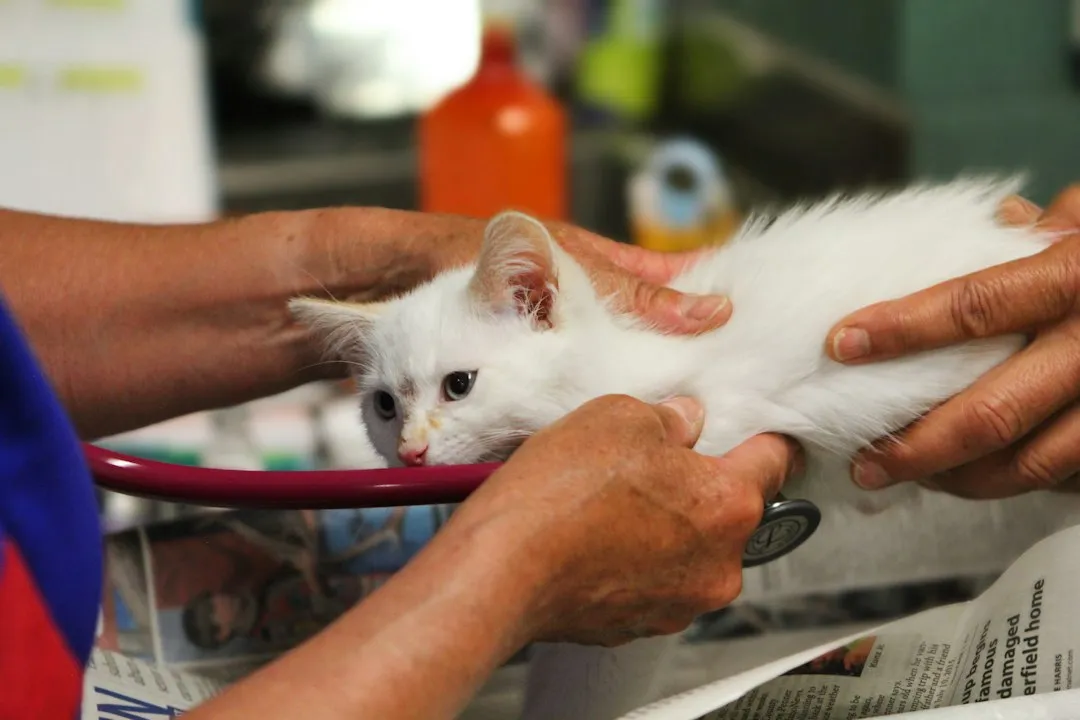
One genetic test can tell you about a major breed condition.
Spinal muscular atrophy is an inherited disorder that affects the neurons controlling the limbs. It causes an awkward gait and odd posture. It sounds frightening, but the reality is more nuanced.
It’s a recessive gene, and a kitten must inherit it from both parents to show signs, which appear around 3 to 4 months. SMA isn’t painful, progresses slowly and rarely shortens a cat’s life.
Because it’s recessive, it can be avoided entirely by not breeding two carriers together. That’s why a breeder’s testing practices matter so much.
Here’s the part many owners don’t know. Even for pet cats not intended for breeding, knowing SMA status helps you and your vet plan proactive monitoring.
My opinion: “ask for the test results” should be as automatic as asking for the vaccination record.
But the long-term picture is what really changes how owners feel about this breed…
#2 – You’re Signing Up for a Decade or More
🔥 Would you like to save this?
We'll email this post to you, so you can come back to it later!
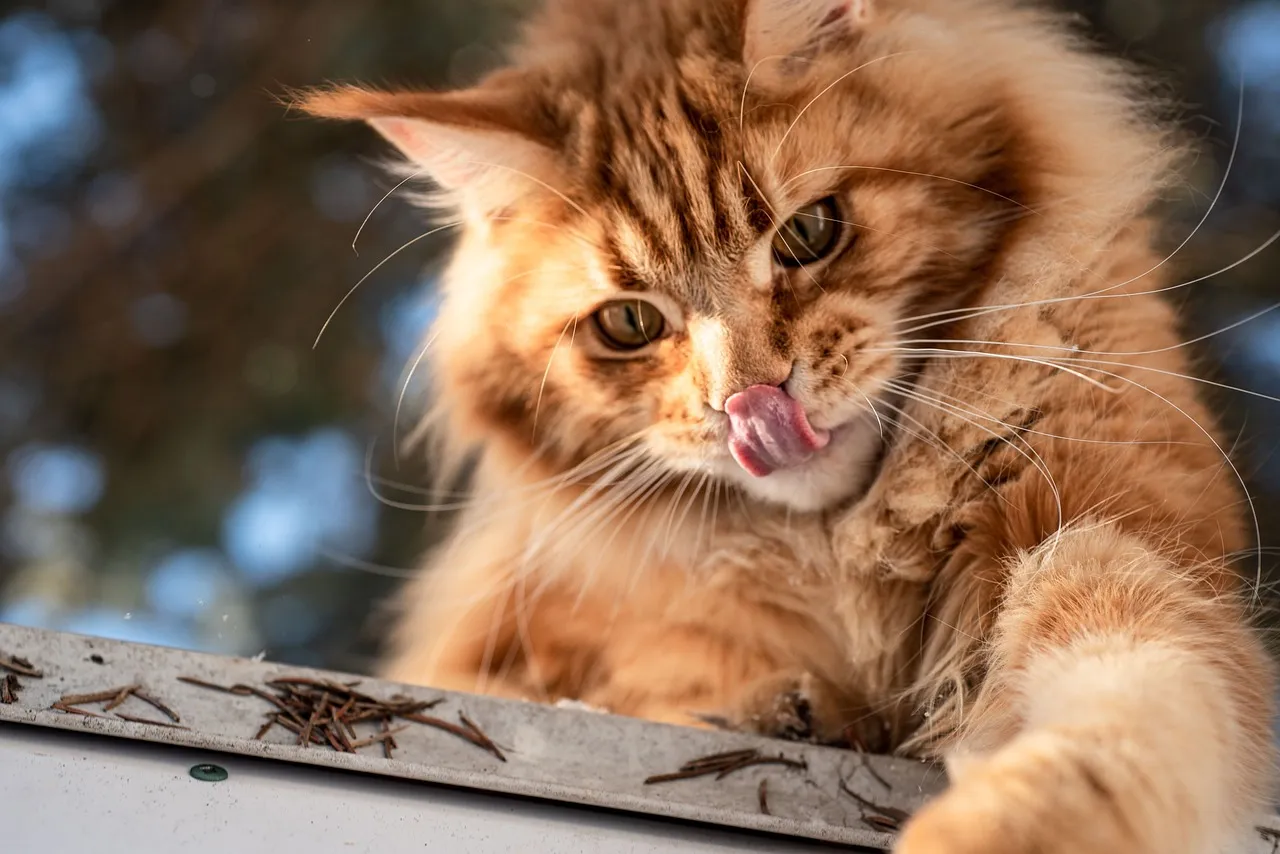
This isn’t a short-term pet.
The average Maine Coon lifespan is 12 to 15 years. With excellent care, good nutrition and healthy genetic lines, some live to 16 to 18. That’s longer than many people plan for when they bring home a fluffy kitten.
Over that time, the costs add up. Conditions like HCM and hip dysplasia can require costly interventions, sometimes totaling thousands of dollars. Insurance, savings or both belong in the plan.
The biggest mistake is budgeting for the kitten instead of the senior cat. A 14-year-old Maine Coon may need heart monitoring, joint support and dental work all at once.
Owners often say the rewards match the commitment, but only if they planned for it.
A realistic checklist:
- A vet fund, not just a purchase price.
- Annual check-ups that grow more thorough with age.
- A home that suits a big, aging cat, with ramps and low-sided boxes.
And the biggest risk of all gives no warning whatsoever…
#1 – The Heart Can Be Silent Until It’s Serious
🔥 Would you like to save this?
We'll email this post to you, so you can come back to it later!
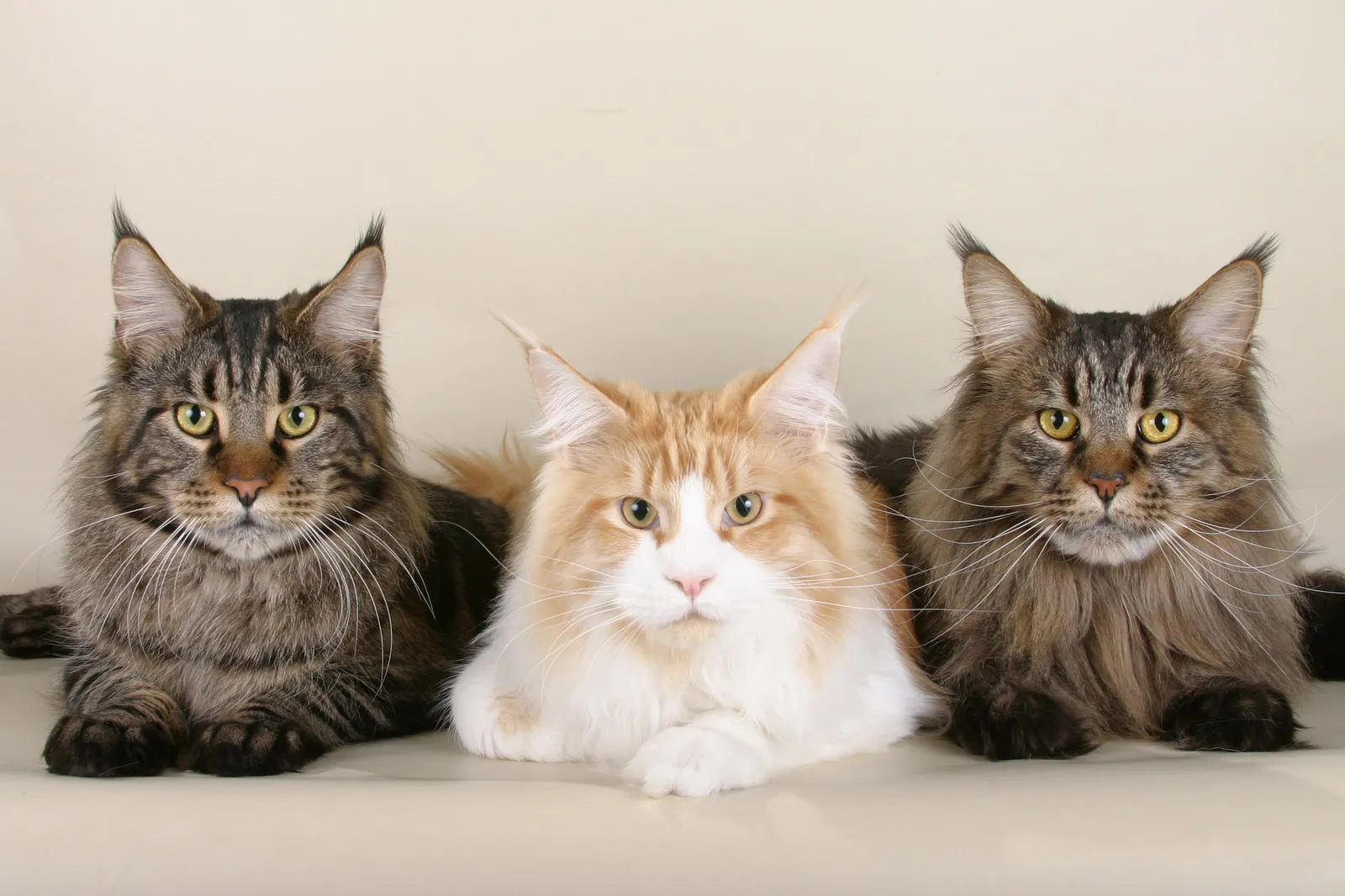
The most dangerous problem in this breed often looks like perfect health.
Hypertrophic cardiomyopathy, or HCM, is the thickening of the heart’s muscular walls. It’s the most common cardiovascular condition seen in cats. Maine Coons are one of the breeds most associated with it.
Cats with HCM may not show any signs of being sick. The condition can eventually result in heart failure and possible sudden death. There’s no cure, only management.
Screening is the key. Echocardiography is best for assessing the incidence and progression of HCM. Timing varies by source. One source recommends annual cardiac ultrasound once a cat reaches middle age, about age 6. Another suggests annual screening starting at age 3.
The timing differs because HCM itself is hard to predict. Some cats develop it at three, while others stay unaffected until eight or nine. Even genetic testing doesn’t give a clean answer. Some individuals of predisposed breeds have no known genetic marker and still develop severe HCM.
Worth Knowing
- An echocardiogram is a heart ultrasound. It is noninvasive, and it is the standard way to check for thickened walls.
- A normal stethoscope exam doesn’t rule HCM out, because some affected cats have no murmur.
- A heart gene variant called MYBPC3 A31P has been identified in Maine Coons, but a clear result doesn’t guarantee a healthy heart.
- Ask any breeder for the parents’ heart screening history, not just a health promise.
Ask your vet when to start screening for your specific cat. That one conversation matters more than any grooming tip on this list.
Maine Coons are wonderful companions, but they’re not low-maintenance ones. The slow growth, the oversized gear and the chirpy chatter are the fun surprises. The joints, genes and heart are the serious ones.
My opinion: breeders who skip health testing and buyers who skip the budget are the two biggest problems in this breed. A healthy Maine Coon is the result of choices made before you ever bring it home. Choose a breeder who shows test results, schedule heart screening with your vet and keep your cat lean.
Which of these 11 would you have wanted to know before you adopted?

- What Egyptian God Are You According to Your Zodiac Sign - November 5, 2026
- Embracing the Quiet Magic of Adopting a Senior Dog - November 5, 2026
- Scientists May Have Miscalculated Our Global Warming Timeline - November 5, 2026