
That spotted baby elk curled up alone in the grass? Most people see a rescue waiting to happen. Rangers see trouble about to unfold, and they say that rescue instinct causes more problems each spring than almost anything else they deal with.
Here’s the twist: the calf usually isn’t lost or abandoned. A protective mother weighing several hundred pounds is probably watching you right now, and she has a very different idea of what a “cute photo op” looks like. Below are the 11 things rangers wish every visitor knew, and a few of them will change how you walk through elk country.
#11 – Newborn Calves Are Built to Be Invisible
🔥 Would you like to save this?
We'll email this post to you, so you can come back to it later!
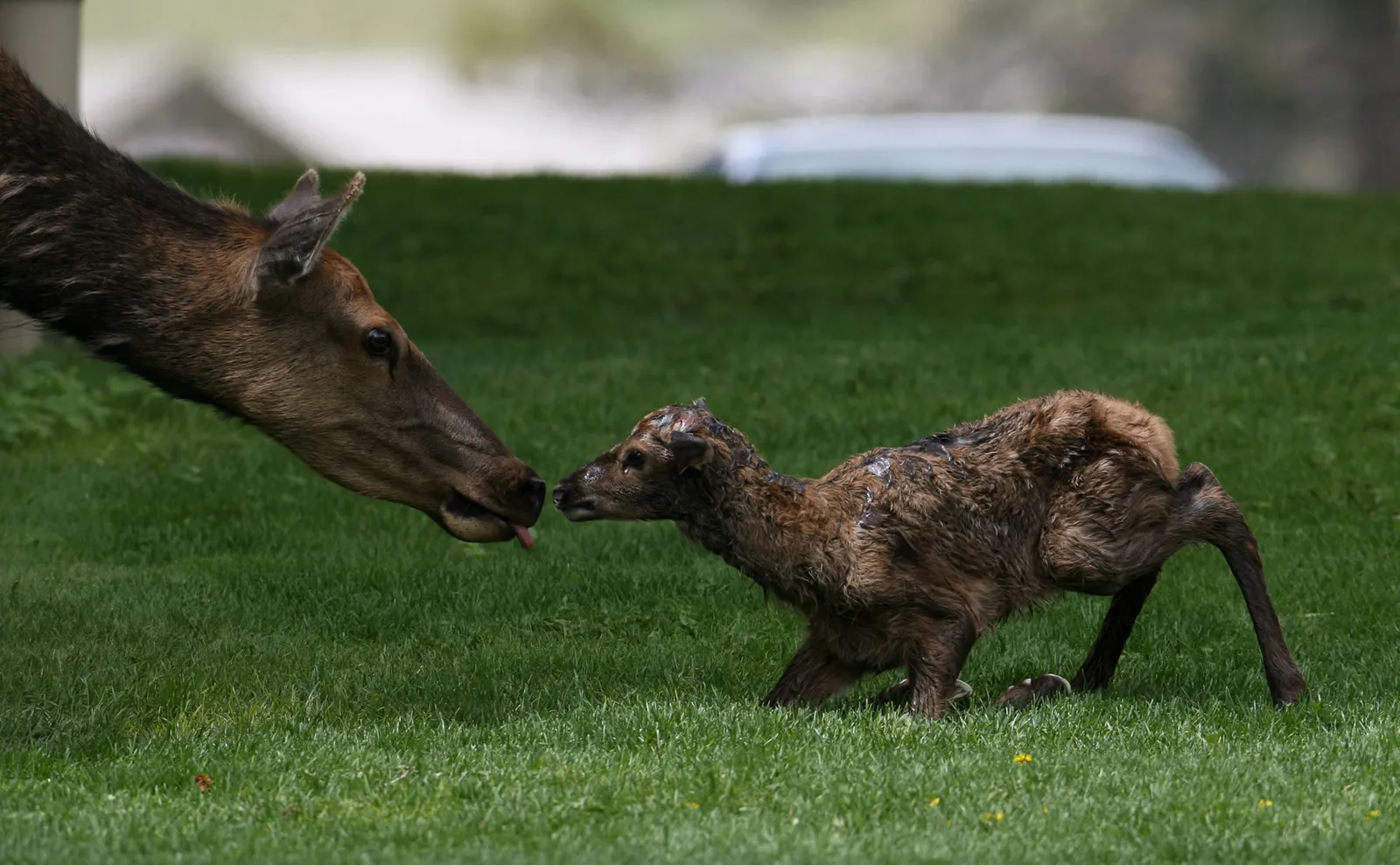
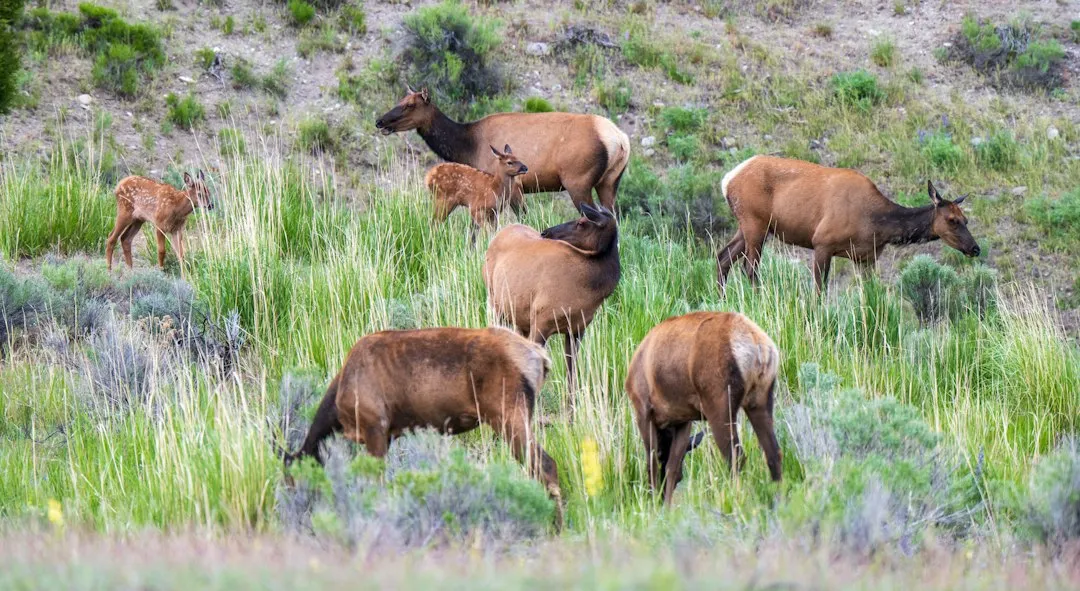
That spotted newborn is wearing a camouflage suit.
Calves are born brown with white spots and very little scent, which makes them hard for predators to find. The dappled coat mimics sunlight falling on grass and leaf litter. A calf lying in the right spot can be nearly impossible to see until you’re almost on top of it.
The calf’s behavior matters as much as its coat. A newborn typically weighs only about 30 to 40 pounds, and its instinct is to stay motionless and hidden. A calf that bolts draws attention. A calf that freezes survives.
Calves aren’t helpless, though. They can walk within an hour of birth, yet they spend much of their first week to 10 days bedded down between nursing sessions. A calf that can walk in an hour still chooses to lie flat for days. Hiding is the strategy, not a sign of weakness.
- Spotted coat: blends into dappled light
- Minimal scent: harder for predators to track
- Stillness: the calf’s first line of defense
But the biggest misunderstanding about hidden calves is what happens next, and it’s #10.
#10 – A Calf Alone Is Almost Never Abandoned
🔥 Would you like to save this?
We'll email this post to you, so you can come back to it later!
The “orphan” you found is probably on a schedule.
Visitors spot a motionless calf with no mother in sight and assume the worst. Rangers say that assumption is wrong far more often than it’s right. Mothers leave their calves alone all the time, so a lone calf should never be assumed abandoned.
The reason is practical. A nursing cow needs a lot of food, and she can’t graze well while standing guard over a bedded calf. So she tucks the calf into a safe, hidden spot, feeds nearby, and returns to nurse it.
The scentless calf is actually safer when mom stays away. A cow lingering beside a hiding calf can draw predators straight to it. Her absence is part of the protection plan, much like with deer fawns, which use a similar hide-and-wait approach.
Quick Compare: Waiting Calf vs. Calf in Trouble
- Waiting calf: bedded quietly, calm, no sound, mother out of sight but probably feeding nearby
- Calf in trouble: a visible injury, or a calf calling out for hours
- Your move either way: keep your distance and let a ranger make the call
Here’s what rangers want you to do if you find a calf by itself:
- Don’t approach it
- Slowly back away, and look for the mother nearby
- Notify park rangers so they can keep other visitors aware and safe
Notice what’s not on that list: picking it up, moving it, or “waiting nearby to make sure it’s okay.” If something truly looks wrong, like a visible injury or a calf calling for hours, a ranger is the right call. Not you. Which leads straight to the mistake in #9.
#9 – Touching or Moving a Calf Is the Worst “Kindness”
🔥 Would you like to save this?
We'll email this post to you, so you can come back to it later!
Rangers have one rule here, and it has no exceptions.
The guidance from Great Smoky Mountains National Park is simple: never touch or move elk calves. That covers lifting, relocating, and “just a quick pet.”
Think about it from the mother’s side. She left her calf in a specific spot and plans to come back to that spot. A calf moved to a trail edge, a parking lot, or your car has been taken out of its hiding place, and possibly out of her reach.
A well-meaning visitor can turn a safe calf into a stranded one in under a minute. Handling also stresses the calf and leaves people standing right where an angry cow expects to find her baby. A calf in the open has no cover, no camouflage advantage, and no quick escape.
There’s a legal side too. In the Smokies, willfully approaching elk within the park’s minimum distance, or any distance that disturbs or displaces them, is illegal. A selfie with a calf can become a citation.
Even visitors who keep their hands to themselves often miss the biggest threat nearby, and it’s #8.
#8 – The Mother Is Watching, Even When You Can’t See Her
🔥 Would you like to save this?
We'll email this post to you, so you can come back to it later!
Just because you can’t see the cow doesn’t mean she can’t see you.
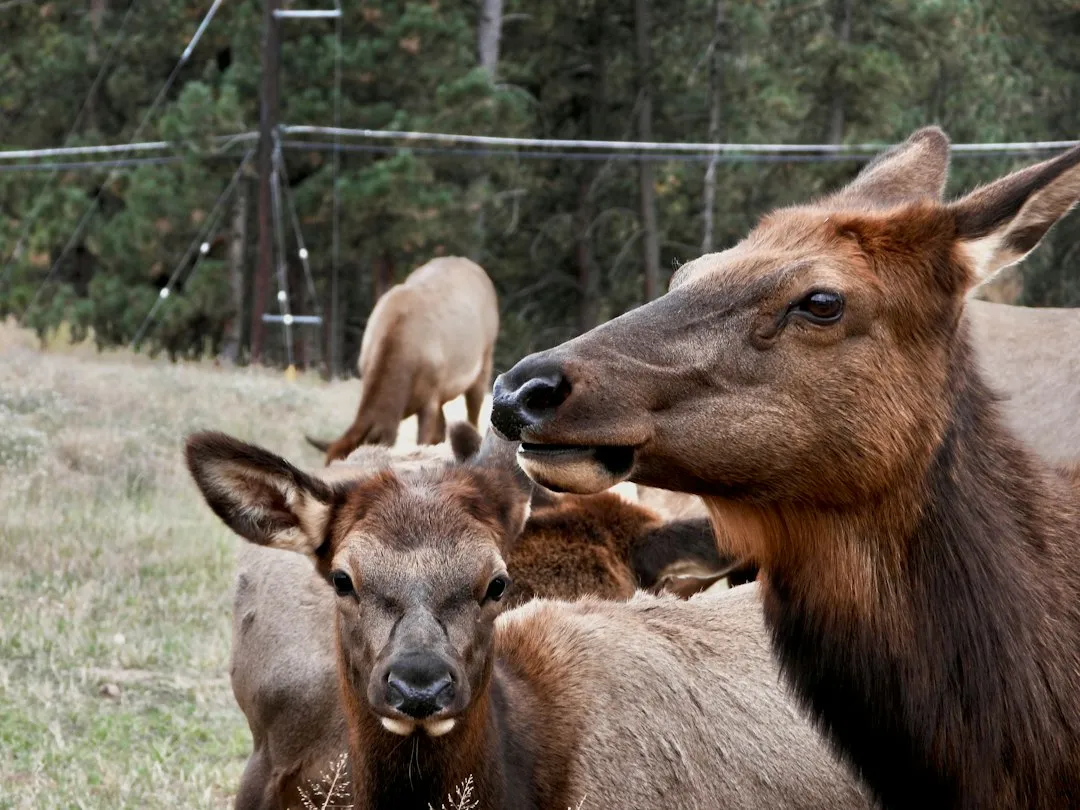
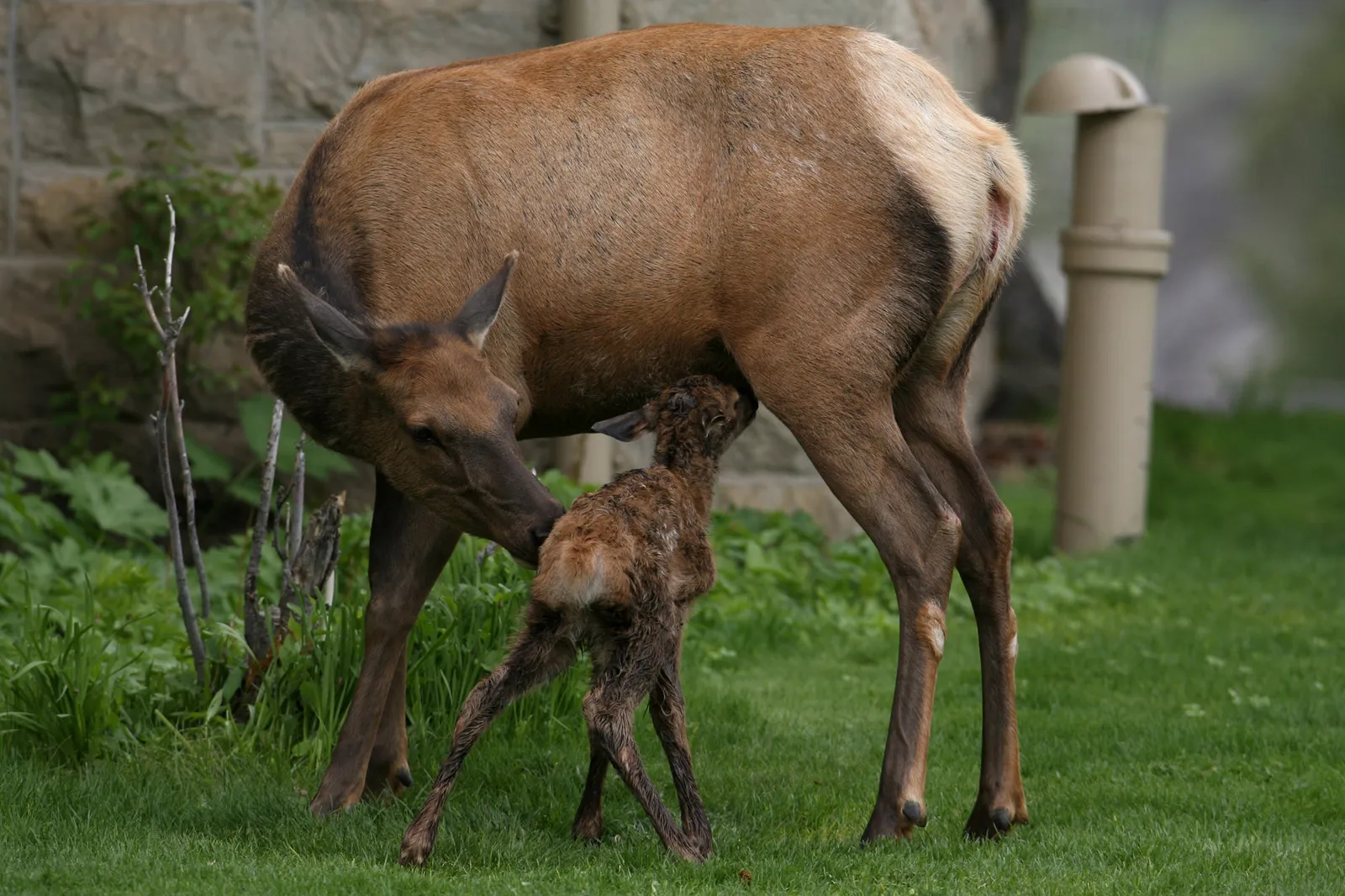
Elk cows often feed or rest at a distance from a bedded calf, yet stay close enough to respond fast. Elk have sharp noses, ears, and eyes, so she may have noticed you long before you noticed anything at all. If someone walks near a hiding calf, the mom may spring into action.
That means the danger zone isn’t around the cow you can see. It’s around the calf you can’t. You can walk into a protective zone without a single elk in view.
The calf’s hiding spot is the center of a circle you can’t see. Once you cross into it, the cow reads you as a threat to her calf. She won’t wait for you to explain your intentions.
Rangers point to a few signs that a calf may be nearby:
- A lone cow in spring, separated from the larger herd
- A cow staring in your direction and not feeding
- A cow that keeps returning to the same patch of cover
If you suspect a calf is close, leave the area calmly. Don’t circle around for a better angle. That’s the exact move that gets people hurt, as #7 shows.
#7 – 25 Yards Is the Minimum, Not a Comfort Zone
🔥 Would you like to save this?
We'll email this post to you, so you can come back to it later!
The number on the sign is the floor.
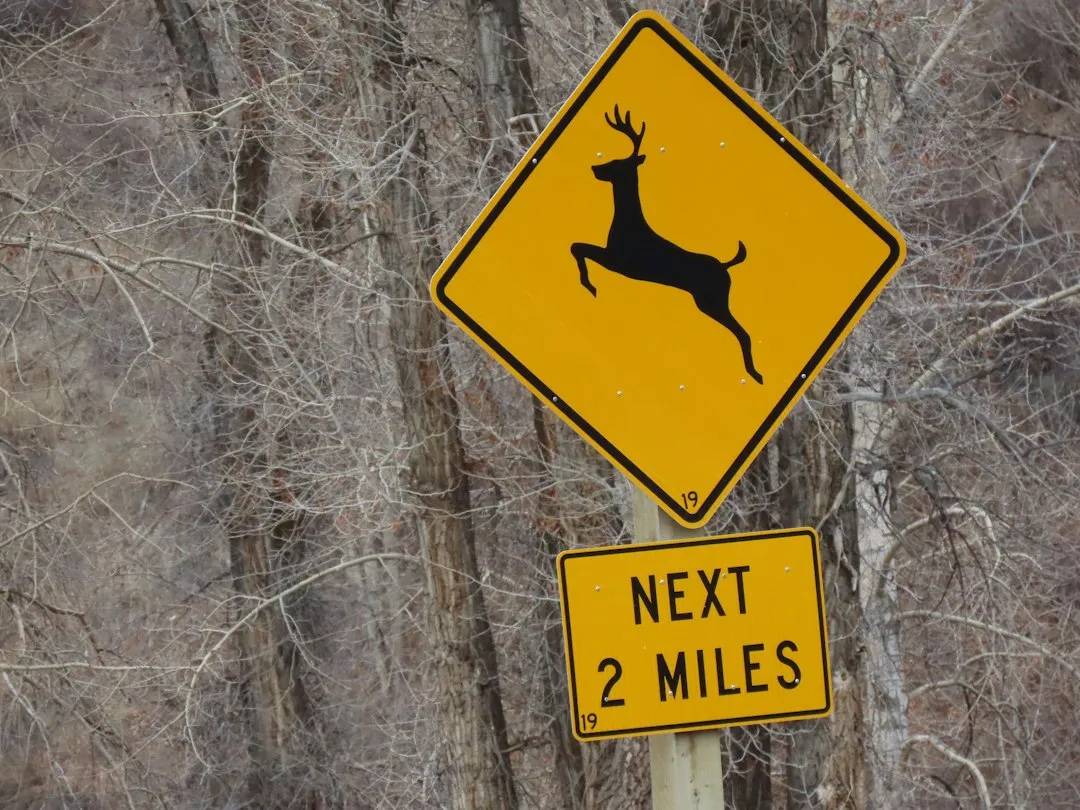
Park rules commonly require staying at least 25 yards (about 75 feet) from elk. That’s roughly the length of two school buses. Some parks note that greater distances are recommended in spring and fall, so in calving season, treat 25 yards as the absolute minimum.
Many rules aren’t about distance alone. In the Smokies, the standard is any distance that changes the animal’s behavior. If the elk stops grazing, stares at you, or shifts position, you’re already too close, even if you’ve measured it.
Here’s a ranger-style trick for judging distance: if you can clearly see an elk’s facial expression without a zoom lens, you’re probably inside the safe margin.
At a Glance: Distance Rules in Yellowstone
- 25 yards (about 75 feet) from elk, bison, and most other wildlife
- 100 yards (about 300 feet) from bears and wolves
- Farther is always better when a cow has a calf nearby
Some visitors argue that 25 yards is overly cautious. Many wildlife professionals argue the opposite. During calving season, a lot of experienced observers say 25 yards is too close for a cow with a calf nearby.
But even a perfect distance won’t help if the calf is hiding right where you’re about to walk, which brings us to #6.
#6 – Calves Hide in Places You’d Never Expect
🔥 Would you like to save this?
We'll email this post to you, so you can come back to it later!
Some of the most dangerous spots are the ones that look totally ordinary.
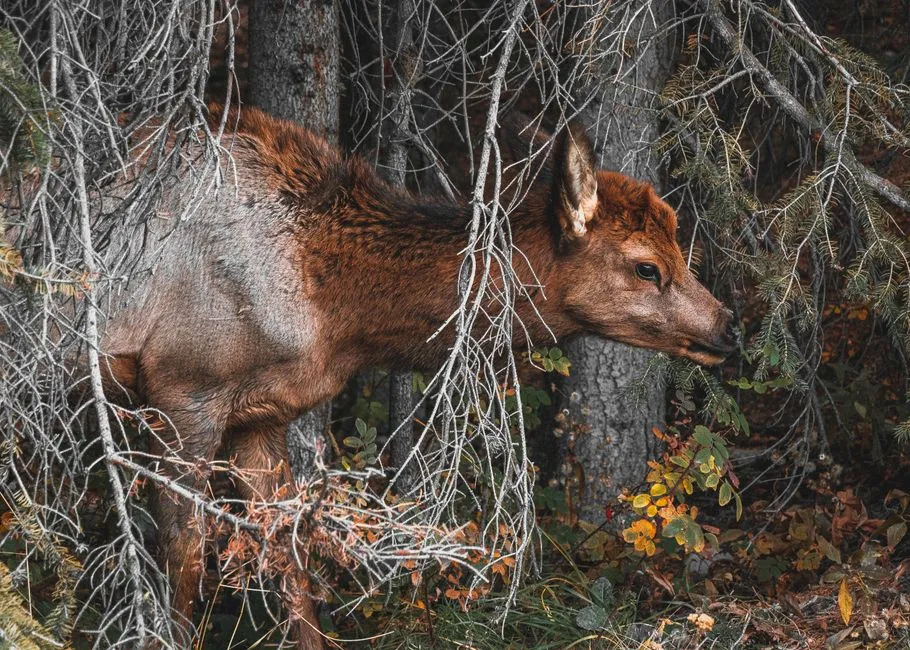
Visitors picture calves in remote meadows. In reality, cows often choose spots right next to human activity. Cow elk routinely bed their calves behind buildings, beneath parked vehicles, and in the blind spots between structures.
At Yellowstone’s Mammoth Hot Springs, a popular area for cow elk to give birth, this is a known hazard. A visitor stepping out of a doorway or rounding a corner can end up within feet of a protective cow. Mountain towns like Estes Park, Colorado, deal with the same thing each spring, with cows calving close to lawns and homes.
Natural cover is just as risky. In Colorado, health officials advise avoiding willows, wetlands and hidden corners, all excellent areas for hiding a calf. A calf can be bedded right beside a trail you’re walking on.
Quick scan list before you move:
- Corners of buildings and porches
- The space under and beside parked cars
- Dense willows, tall grass, and wet areas
- Trail edges with thick brush
Of course, if you do stumble into a protective cow, you need to know what she’ll do, and that’s #5.
#5 – A Protective Cow Can Charge, Kick, and Rear Up
🔥 Would you like to save this?
We'll email this post to you, so you can come back to it later!
An elk cow isn’t a deer, and she doesn’t act like one.
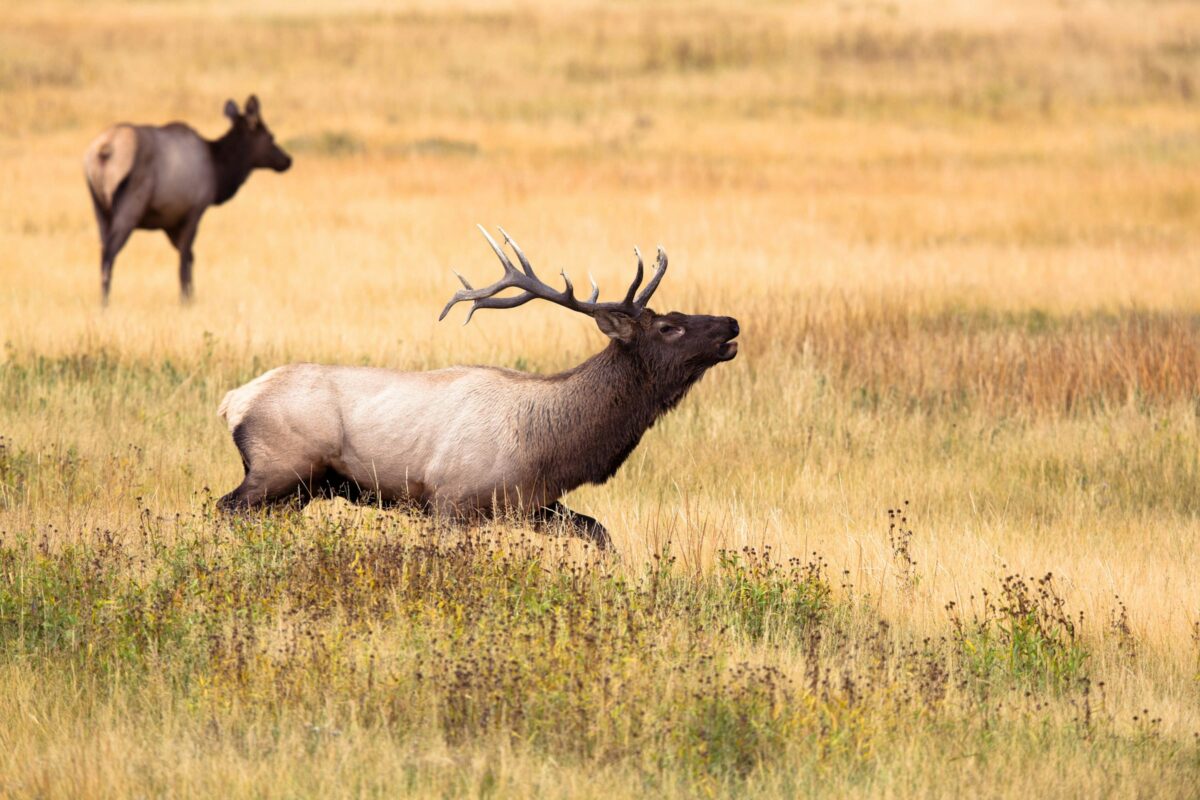
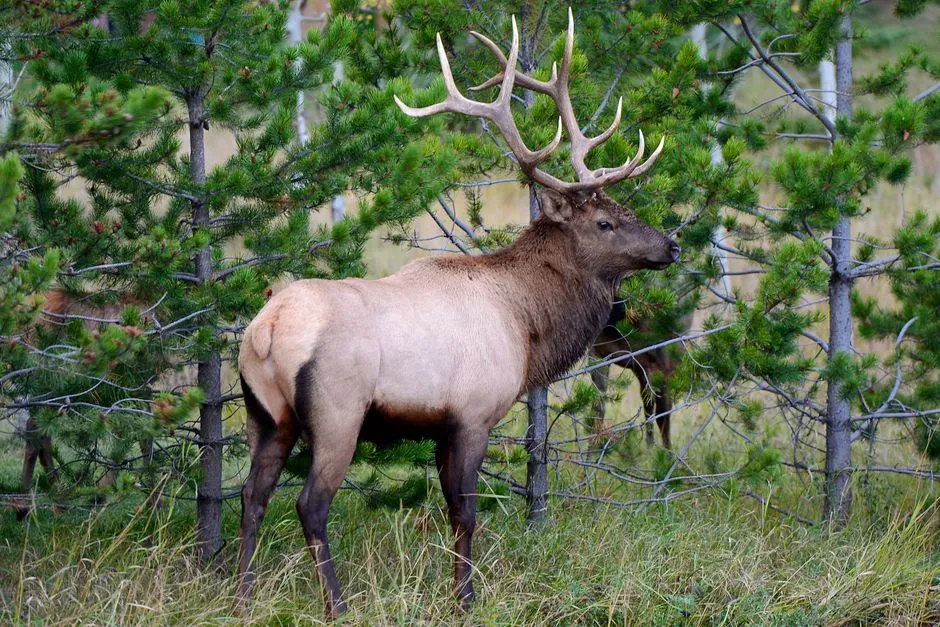
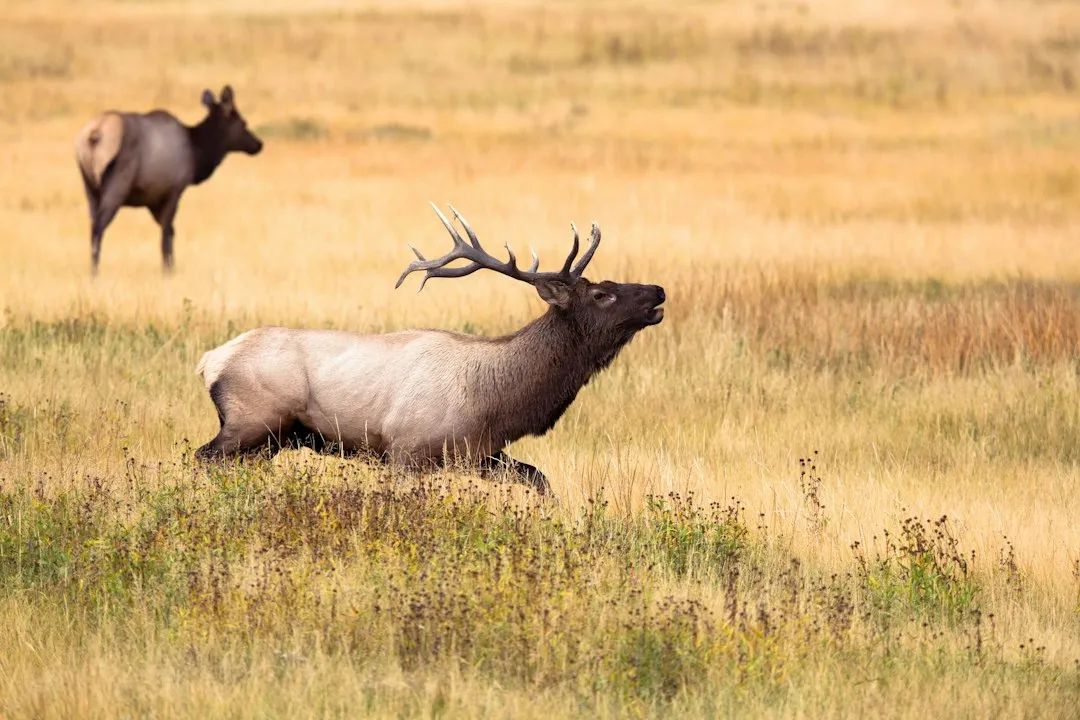
Many visitors assume elk will run if they get close. In spring, that’s a dangerous guess. Cow elk may charge or kick to protect their calf, and a cow can weigh several hundred pounds.
The Park Service describes how it looks in practice. As people approach, a cow may charge aggressively and could rear up and lash out with her front legs. Those front hooves are the main weapon, and they can cause serious injury.
Yellowstone has already documented the consequences. The park has seen a few serious injuries resulting from elk encounters. Attacks can also be sudden, and the Park Service has warned that they are often unprovoked and unpredictable.
Warning signals before a charge:
- Ears pinned back
- Hackles raised on the neck
- Direct, fixed stare
- Lip curled or head lowered
If you see any of these, you’ve already crossed a line. Back away calmly and keep something solid between you and her if possible.
Most people only get into trouble once they pull out a camera, which is exactly what #4 is about.
#4 – Your Camera Is the Biggest Risk Factor
🔥 Would you like to save this?
We'll email this post to you, so you can come back to it later!
The “perfect shot” of a newborn calf is where most injuries begin.
Rangers see the same pattern every spring. Someone spots a calf, then inches closer for a better frame. A cow is nearby, and the visitor ends up between the mother and her baby.
The Park Service understands the temptation. Its guidance on Roosevelt elk says cows with calves should be given a very wide berth, as tempting as it may be to get that great photo of a newborn. No newborn photo is worth a trip to the ER.
Phones are part of the problem. Their lenses are wide, so getting a decent shot means getting close. A real telephoto lens or binoculars lets you stay far back and watch natural behavior.
Photography rules of thumb:
- Zoom with your lens, not your feet
- Never step between a cow and her calf
- If the elk stops what it’s doing and looks at you, you’ve intruded
- Skip flash and noise
Some photographers insist the wildlife shots that go viral prove the risk is worth taking. Experienced wildlife photographers tend to say the opposite: the best images come from patience, not proximity. And if you bring a pet along, things get worse, as #3 explains.
#3 – Dogs Can Turn a Calm Cow Into a Charging Threat
🔥 Would you like to save this?
We'll email this post to you, so you can come back to it later!
To an elk, a dog doesn’t look like a pet.
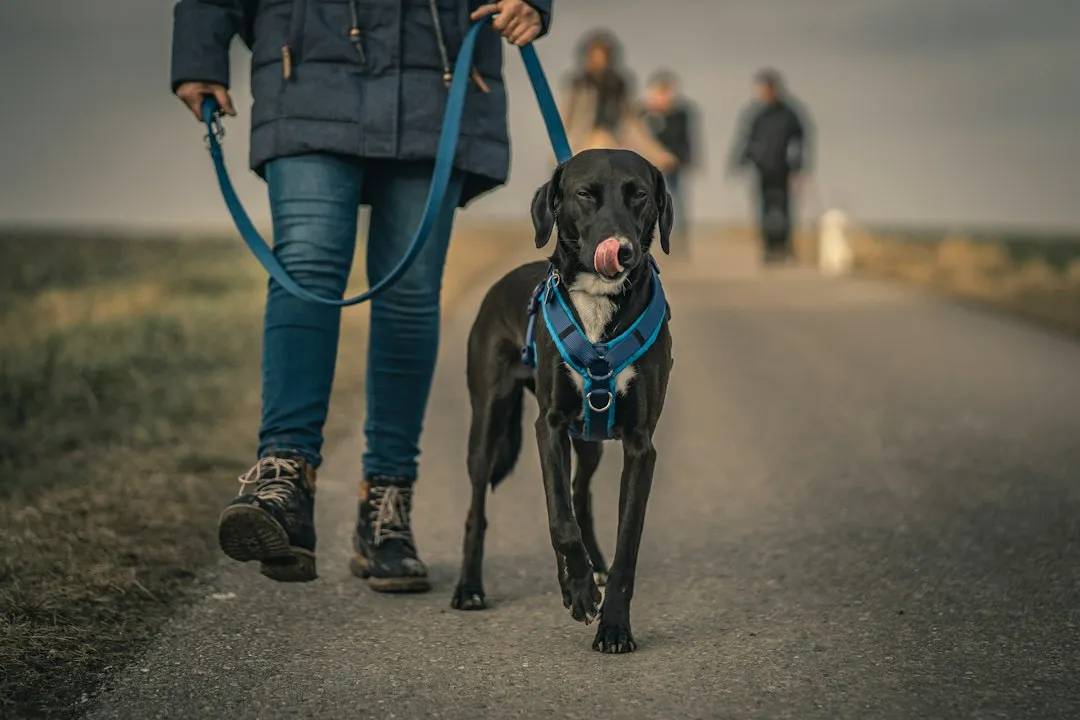
Elk have lived alongside predators like wolves and coyotes for a very long time. A dog, even a small, friendly one, can trigger the same defensive response in a cow with a calf. Rangers regularly report dogs drawing aggressive reactions.
That’s one reason most parks and trails have strict leash rules, and why some areas restrict pets entirely. In many places, a leashed dog can still provoke a charge, and the handler gets caught in the middle.
If you hike in elk country during calving season:
- Keep dogs leashed at all times, or leave them at home
- Check local park rules on pets before you go
- If a cow approaches, retreat with your dog calmly
- Never let go of the leash to “protect” the dog
Children need the same attention. Kids move unpredictably and can run toward animals out of curiosity. Teach them before you arrive that elk are wild, large, and dangerous.
Even with great precautions, some encounters still go sideways, so you need to know #2.
#2 – Know What to Do If a Cow Charges
🔥 Would you like to save this?
We'll email this post to you, so you can come back to it later!
Standing your ground is not the plan.
Elk safety advice differs from some other wildlife guidance. According to one Yellowstone tour operator, the best strategy with elk is to maintain a safe distance, unlike encounters where standing your ground is recommended. Prevention matters more than any reaction.
If a charge does start, rangers suggest this: find shelter in your vehicle or behind a tall, sturdy barrier as quickly as possible. A car door, a boulder, or a thick tree can put an obstacle between you and the cow.
Yellowstone lodging guidance adds that you can sometimes stop a charging elk by making yourself look bigger, yelling loudly, and aggressively waving your arms or a jacket. Note the word “sometimes.” None of these tactics are guaranteed.
The Park Service also stresses staying audible. In Redwood National Park, rangers advise making noise so the elk always knows where you are. Afterward, take note of the location and report an aggressive elk to a ranger as soon as possible.
- Get behind something solid if you can
- Make noise and keep your position known
- Report the encounter so others stay safe
But the most important thing visitors can learn isn’t about self-defense at all. It’s #1.
#1 – The Best Thing You Can Do for a Calf Is Leave It Alone
🔥 Would you like to save this?
We'll email this post to you, so you can come back to it later!
Your presence is the threat, even when you mean well.
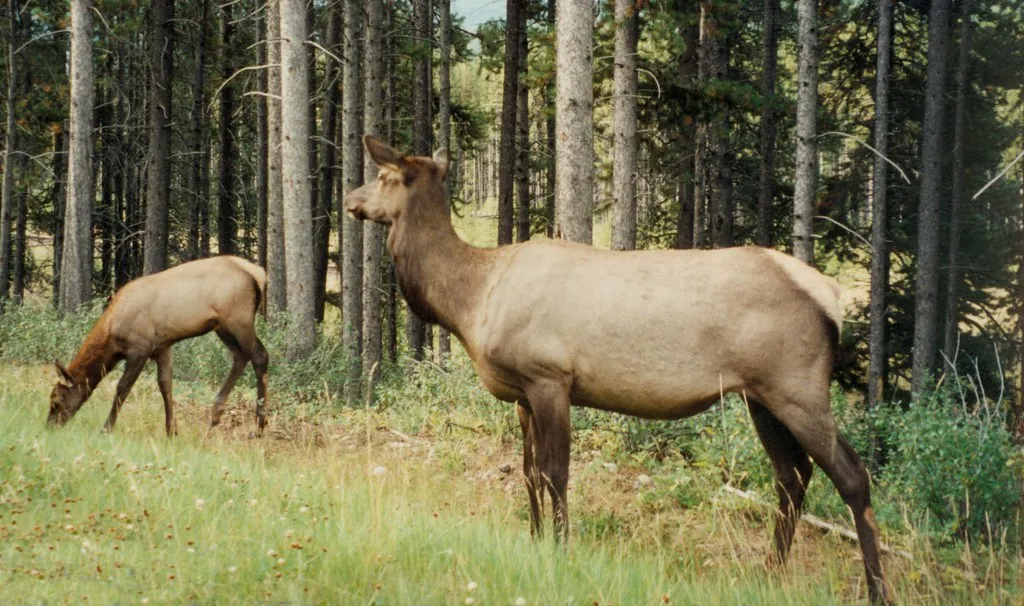
Everything above points to one conclusion: calves survive spring because adults and the landscape protect them. The calf’s camouflage, its stillness, and its mother’s vigilance are a system. Visitors who push into that system break it.
High-nutrition spring plants allow mothers and calves to build up fat reserves. A cow chased away from good forage by crowds loses time she needs for nursing. Disturbance carries real costs even if nobody gets charged.
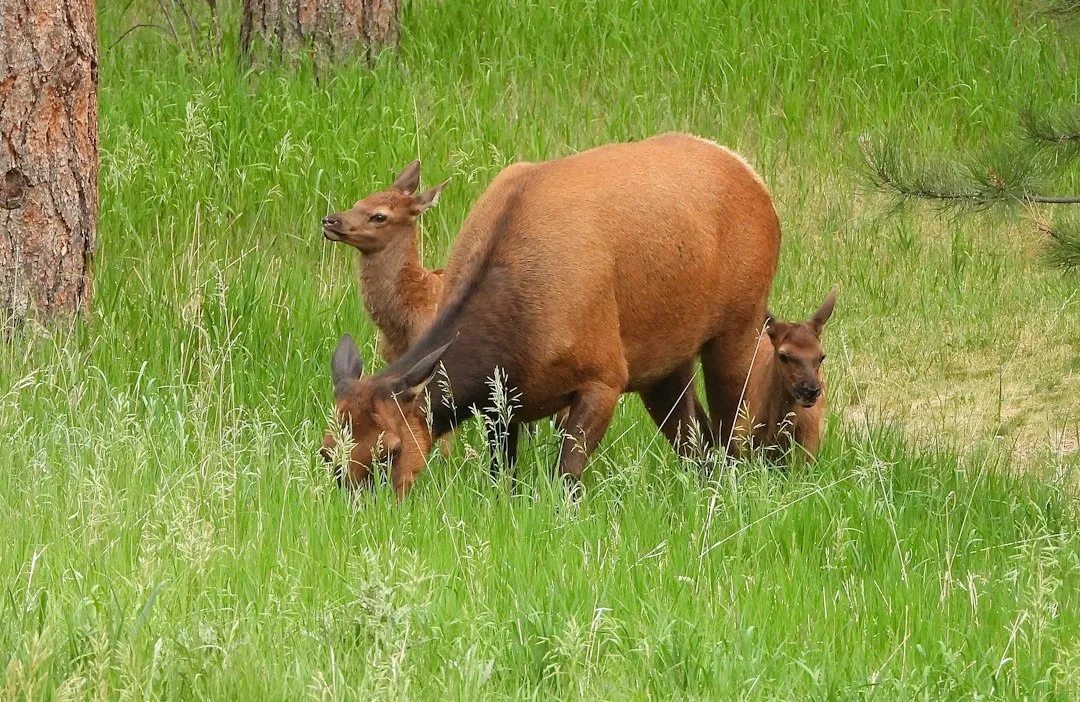
The calf’s real protection is that nobody notices it. Within weeks, calves begin grazing with their mothers and join a herd of other cows and calves. By the end of summer, they’ve lost their spots, and the hiding phase is over.
Fast Facts: A Calf’s First Summer
- Birth: late May through June in most elk country
- Weight at birth: about 30 to 40 pounds
- First hour: standing and walking
- First week to 10 days: mostly bedded and hidden
- By late summer: spots gone, calf traveling with the herd
Your job is to get them there:
- Keep your distance and watch quietly
- Never feed, touch, or follow elk
- Leave hidden calves exactly where they are
- Tell a ranger about anything that looks wrong
The calves you never see are the ones that made it.
Rangers aren’t being dramatic. A hidden calf is not an invitation, a lone calf is not an orphan, and a cow with a calf is the most dangerous elk you’ll meet all year. Most spring elk injuries come down to visitors getting too close for a better look. The distance rules, the quiet, and the patience aren’t bureaucratic fussiness. They’re what keep both people and calves safe.
Here’s my firm opinion: if you can’t get a good view from 25 yards or farther, you don’t need that view. Parks would be better off treating a calf photo taken too close as a mistake rather than a trophy. The best wildlife encounter is the one where the animal never knew you were there. Would you give up the close-up to keep a calf safe?

- Why Veterinarians Say If Your Cat Sleeps With Their Back to You, It's the Highest Form of Trust in Feline Behavior - November 5, 2026
- 10 Common Garden Pests That Are Actually Beneficial To Your Backyard Ecosystem - November 5, 2026
- 10 Unusual Reasons Older Adults Bond More Deeply With Certain Dog Breeds - November 5, 2026