
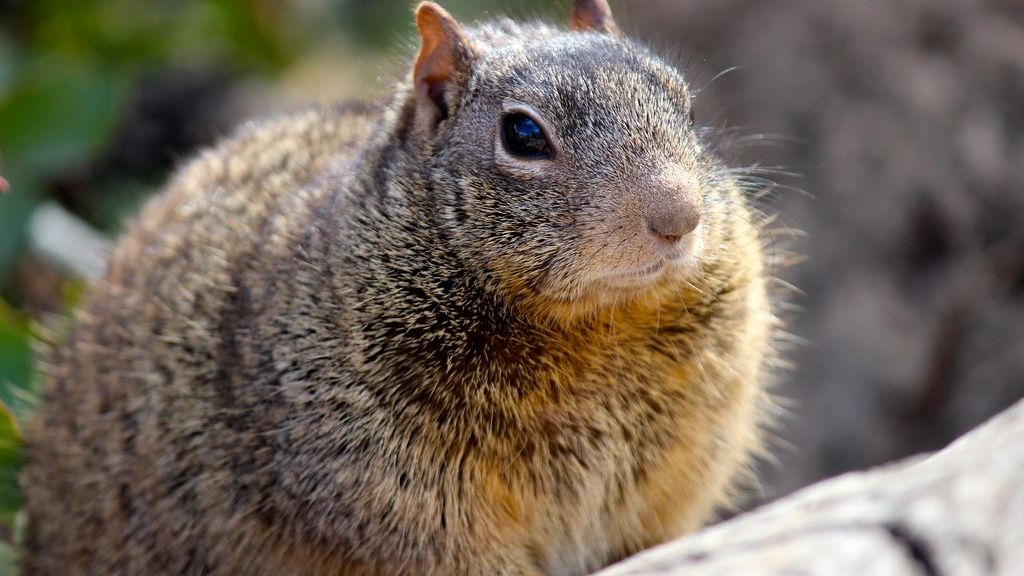
1. Gathering Nuts in a Sudden Frenzy
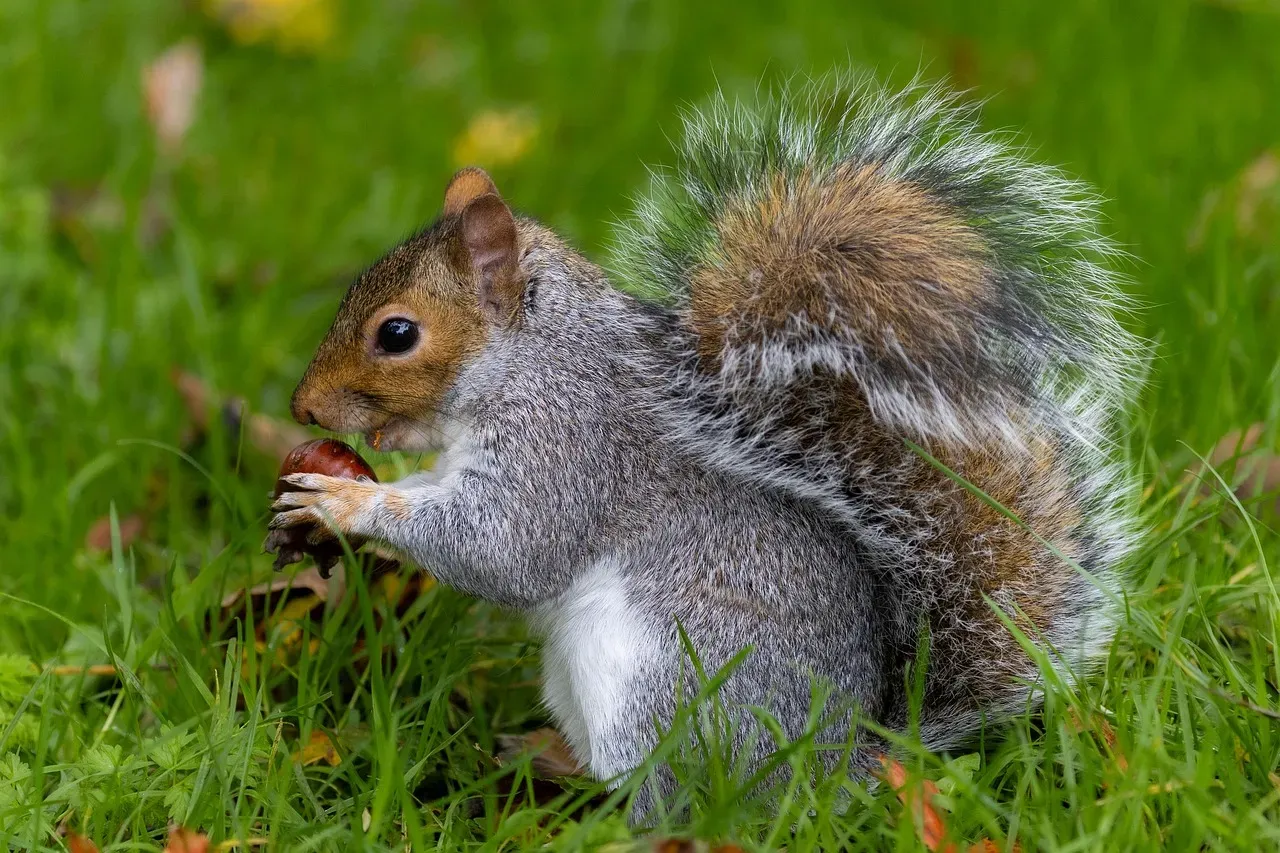
Squirrels often ramp up their nut collection as days shorten, racing between trees and the ground with single minded focus. This burst of activity stands out because it exceeds the steady pace seen earlier in autumn. Observers note the animals working longer hours and covering more ground in search of acorns and other mast.
The extra effort appears tied to building reserves that will last through extended cold snaps. In years when food sources seem abundant yet squirrels push harder, the pattern repeats across neighborhoods. Such intensity suggests they are stocking up against the possibility of limited access later on.
2. Developing Noticeably Bushier Tails
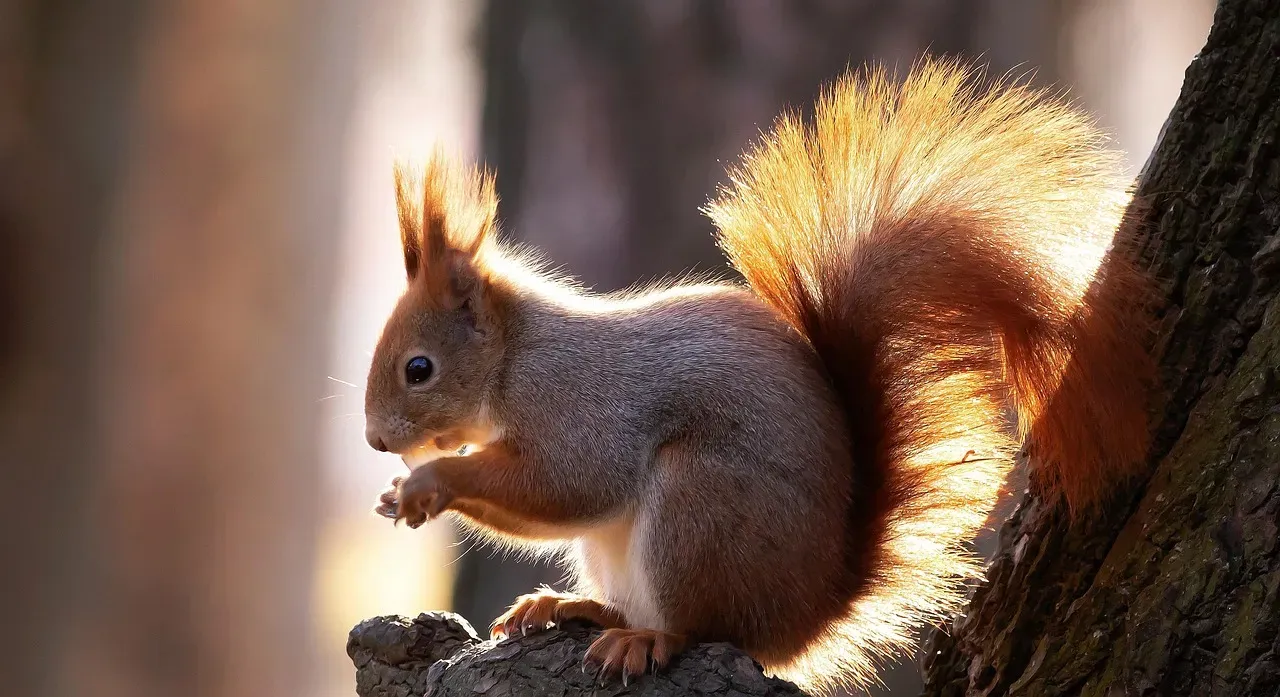
Tails that look fuller and fluffier catch attention during the transition into cooler months. The added volume provides better insulation when the animals curl up to rest. This physical change happens every year, yet it draws notice when it appears especially pronounced.
Thicker tails help trap warmth during periods when temperatures drop sharply overnight. People who track local wildlife often link the bushiest examples to expectations of prolonged chill. The adaptation supports survival when snow lingers and foraging windows shrink.
3. Building Nests Higher in the Trees
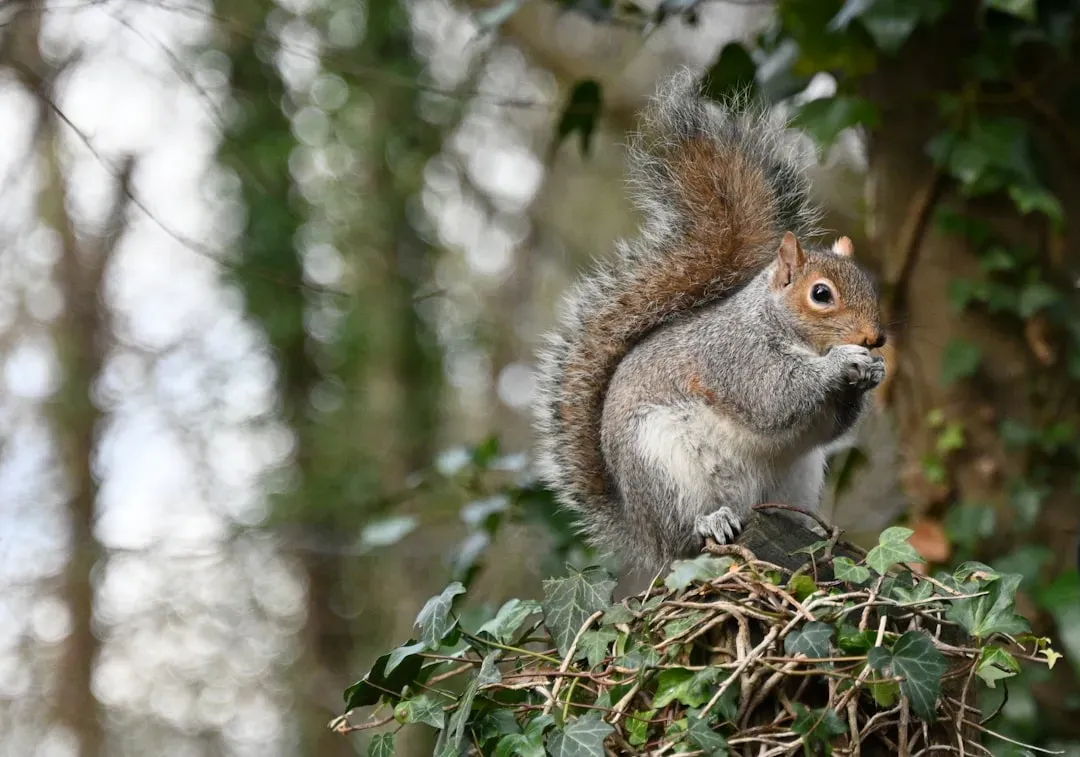
Dreys placed well above the usual height stand out against the bare branches of late fall. Higher locations may offer protection from drifting snow and ground level predators. The choice requires extra work hauling materials upward.
These elevated shelters keep the interior drier during heavy precipitation. Traditional watchers connect the shift in placement to forecasts of deeper snow cover. The extra elevation also improves visibility for spotting threats from a distance.
4. Packing on Extra Body Weight
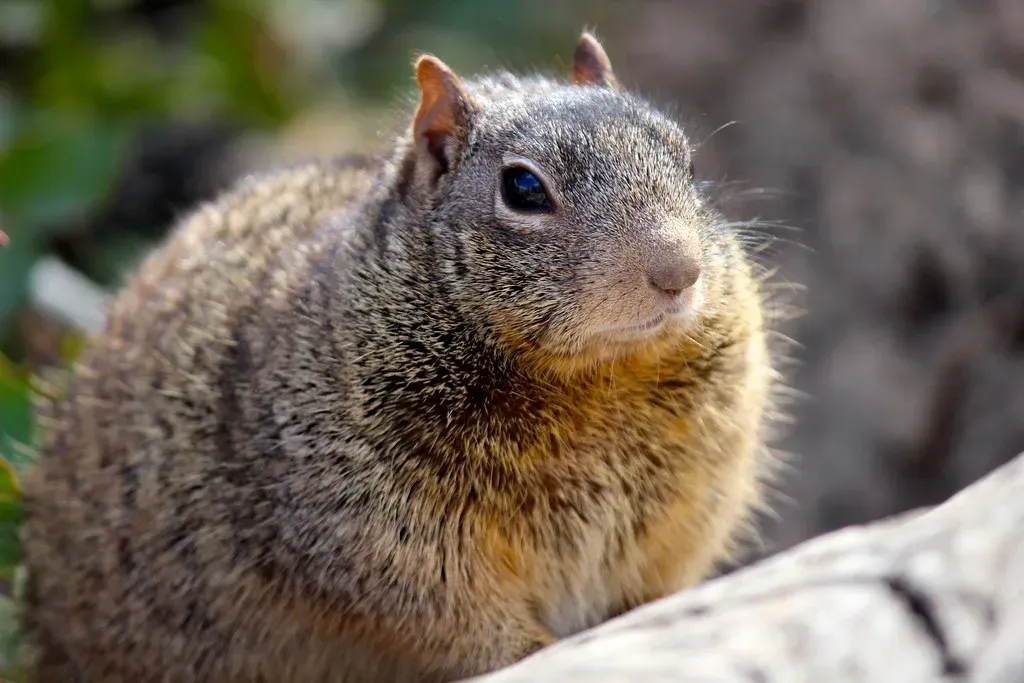
Squirrels consume more calorie dense foods in the weeks before winter sets in, leading to visible rounding. The added mass serves as an energy buffer when fresh supplies become scarce. This bulking phase shows in their slower movements and rounder profiles.
Extra reserves allow them to stay in the nest longer during storms without venturing out. The pattern appears consistent across different regions and species. It reflects a practical response to shorter daylight hours for feeding.
5. Growing Thicker Fur Coats
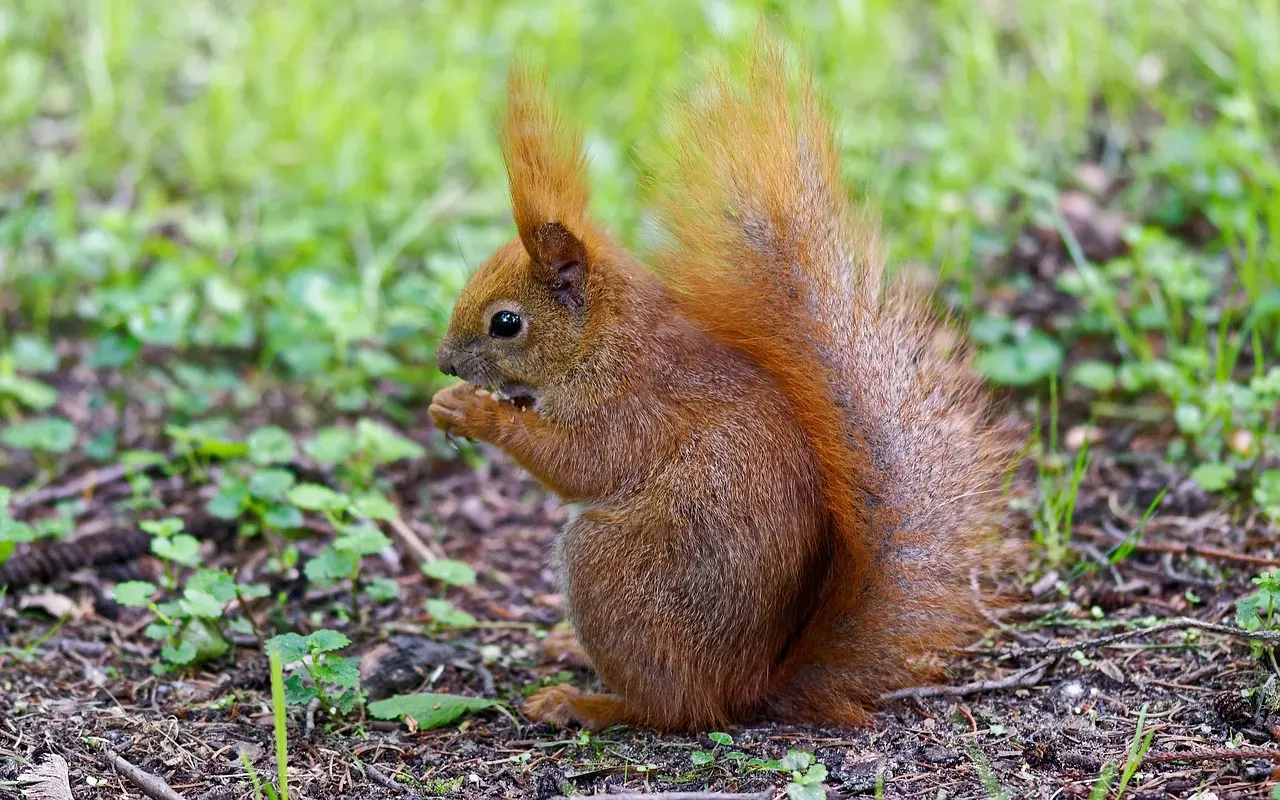
A denser undercoat develops beneath the outer guard hairs as temperatures fall. The new layer traps air close to the skin for better heat retention. The change becomes obvious when the animals sit still and the fur stands out more.
Thicker pelage reduces heat loss during extended cold periods. Wildlife observers note the difference most clearly on gray and fox squirrels. The adaptation supports activity even when snow blankets the ground.
6. Creating Numerous Scattered Caches
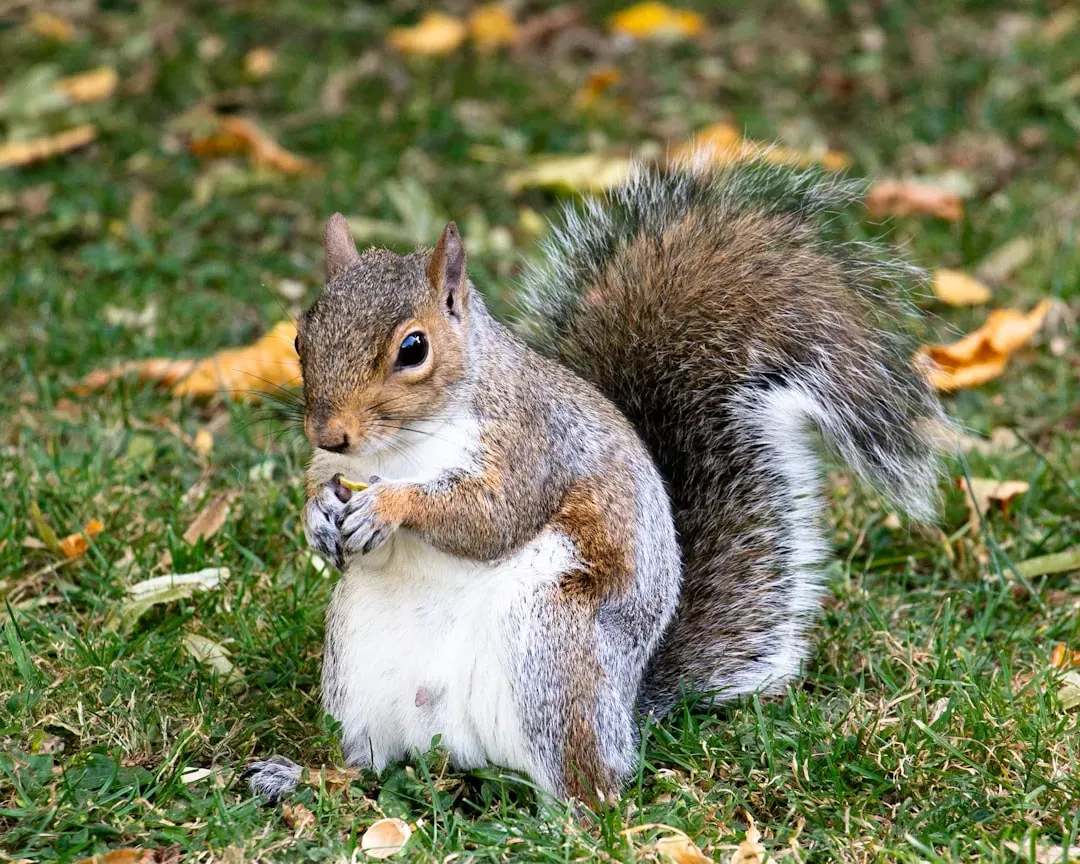
Instead of one or two main storage spots, squirrels dig many small holes across their territory. This scatter hoarding spreads risk if one cache is discovered by competitors. The process involves repeated trips with single nuts or seeds.
Multiple locations increase the chance that some food survives until spring. The behavior intensifies when mast crops appear plentiful yet the animals still work overtime. It prepares them for unpredictable access during deep freezes.
7. Scouting Prime Storage Locations More Thoroughly
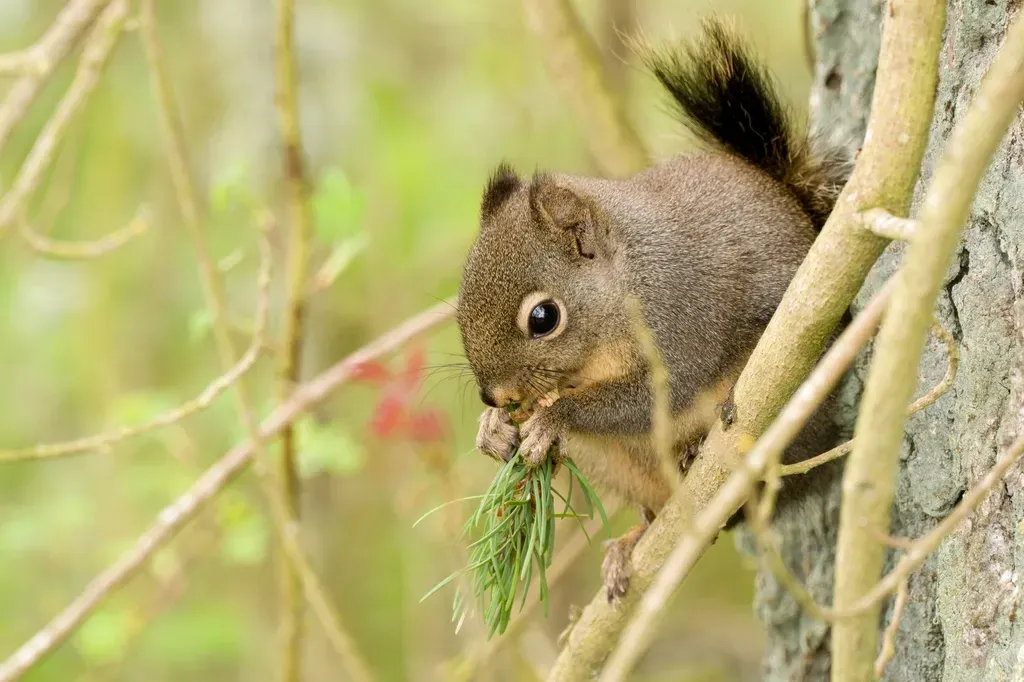
Squirrels spend extra time testing soil and tree cavities before committing to a cache. They may pause to sniff or rearrange items several times. This careful selection stands out from quicker deposits seen in milder seasons.
Thorough scouting helps protect stores from moisture and theft. The added attention reflects preparation for longer stretches without new foraging opportunities. It shows in the deliberate pace of their movements near favorite trees.
8. Becoming More Territorial Around Resources
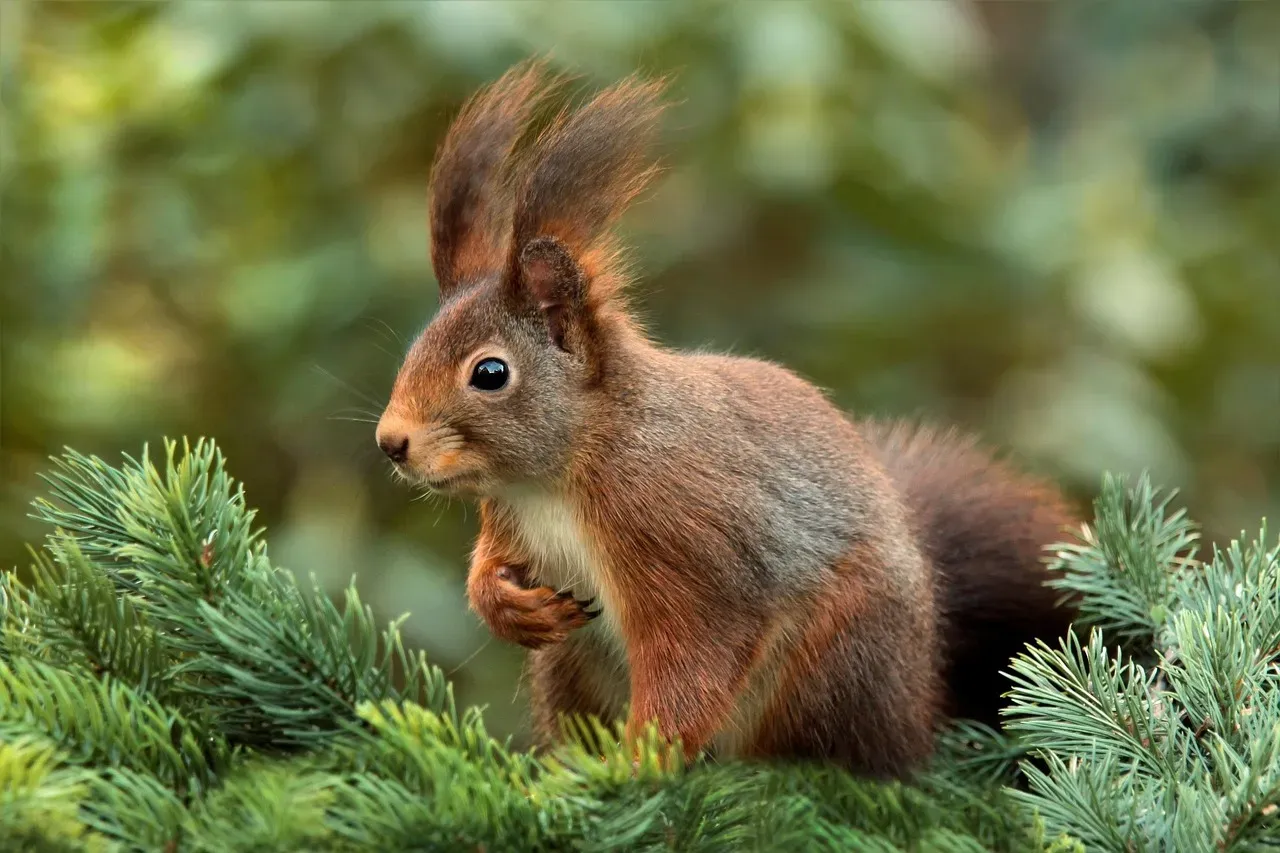
Chases and vocal warnings increase as squirrels defend their chosen areas. They guard both active gathering spots and hidden caches with greater energy. The shift appears when competition for remaining food rises.
Stronger defense secures supplies for the months ahead. Observers link the heightened vigilance to expectations of tougher conditions. It keeps other animals from depleting the reserves they have worked to build.
9. Hoarding a Wider Variety of Foods
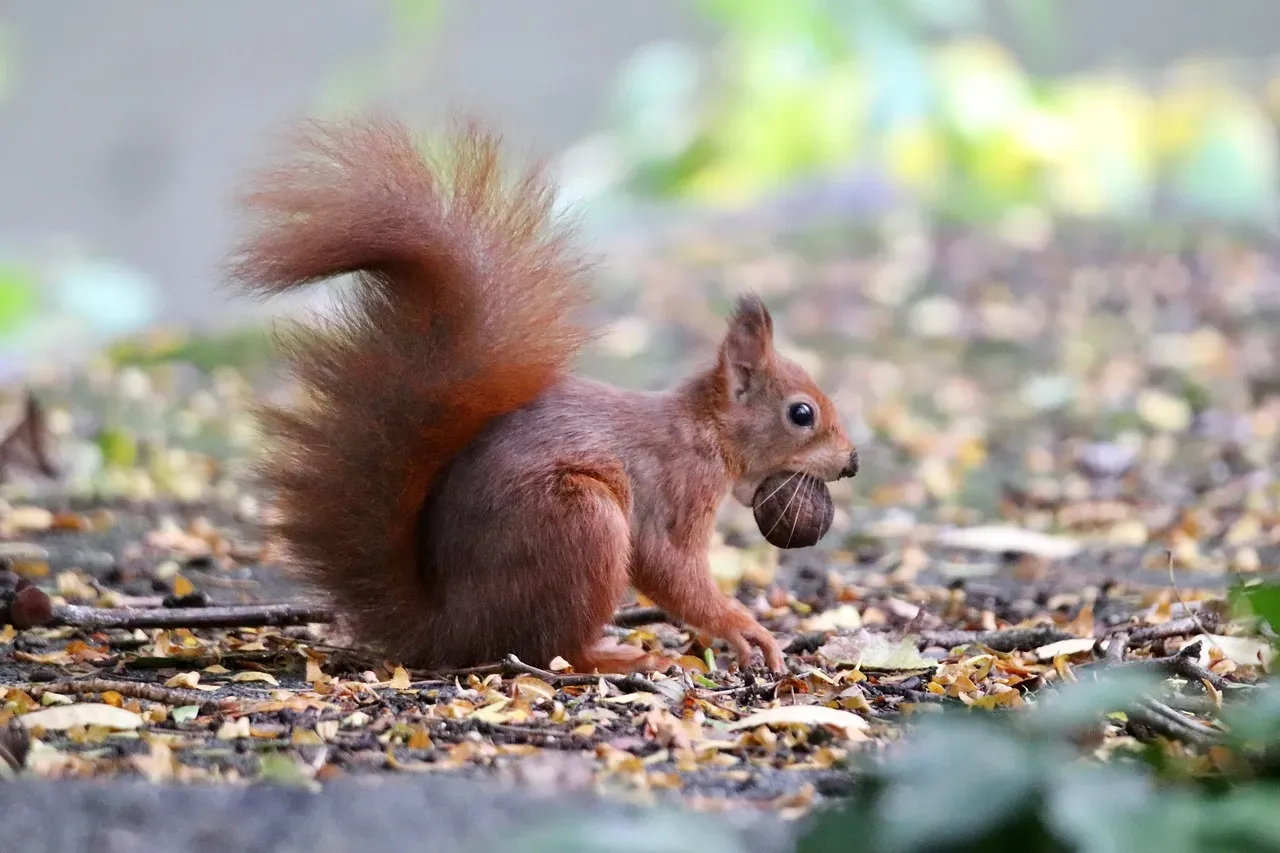
Beyond nuts, squirrels collect seeds, berries, fungi, and even bits of bark or insects. The broader menu expands options when primary sources run low. This diversification shows in the range of items carried back to storage.
Varied caches provide nutrition even if one type fails to last. The practice supports survival through variable winter weather. It appears more pronounced when the animals sense limited time before snow arrives.
10. Spending More Time Refining Shelter Materials
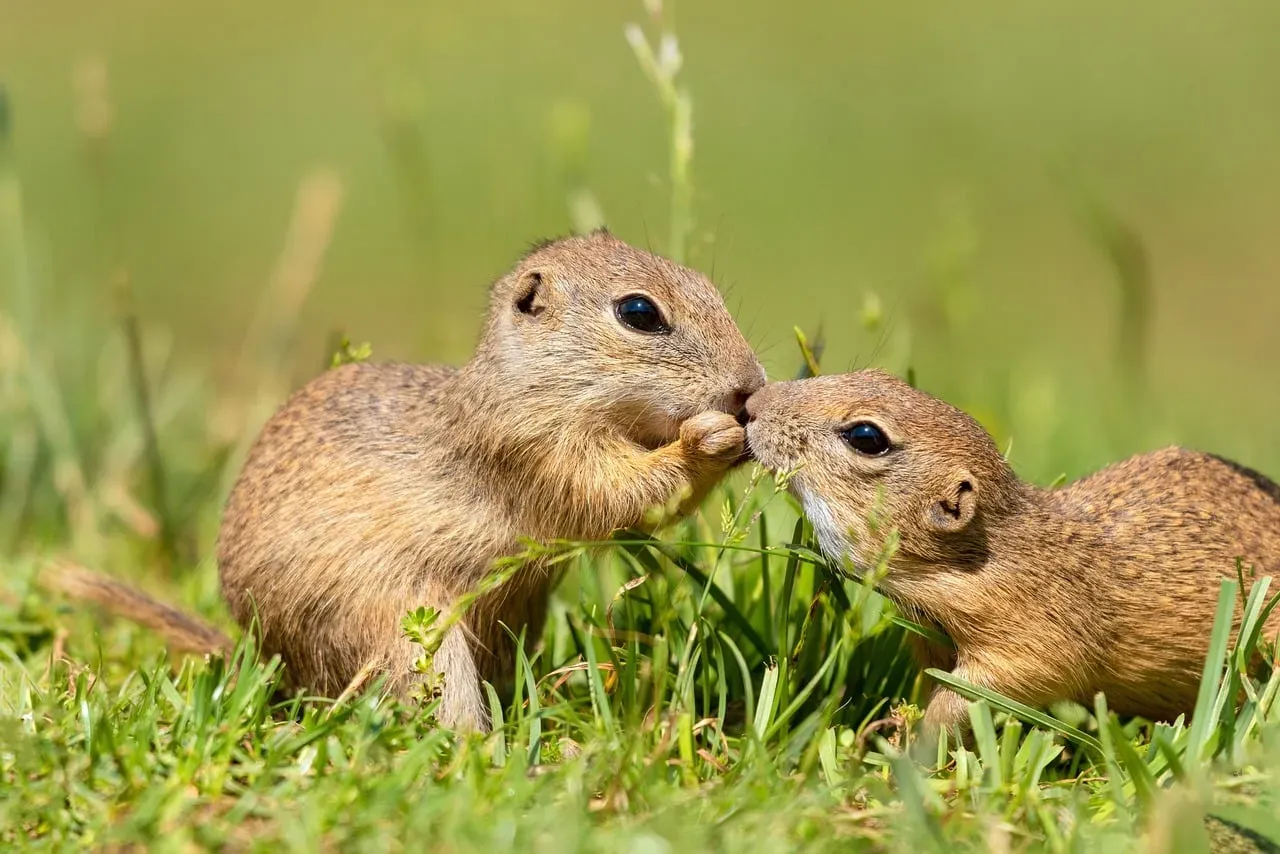
Leaves, twigs, and moss get rearranged repeatedly inside and around the drey. The animals add layers or patch gaps as the season advances. This maintenance work stands out during the final weeks of fall.
Improved insulation keeps the interior stable during temperature swings. Extra effort here pairs with other preparations for extended cold. It results in a more secure resting place when activity outside decreases.
11. Appearing in Greater Numbers Near Human Areas
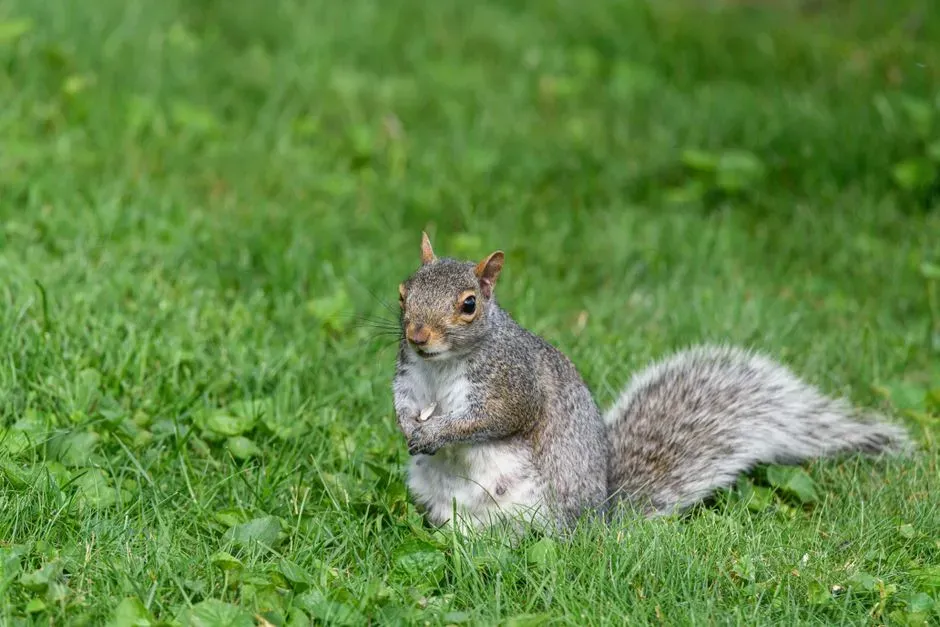
Squirrels show up more frequently in yards and parks as they expand their search radius. They raid bird feeders or garden edges with less hesitation. The increased presence reflects broader foraging needs.
Closer contact with people often coincides with the push to secure every available resource. The pattern repeats in neighborhoods where natural mast is uneven. It signals the final push before winter limits movement.
These traditional signs offer a window into how wildlife readies itself each year. Whether they truly forecast severity or simply reflect normal survival instincts, they remind us to notice the small details in the natural world around us. Paying attention to such patterns can deepen appreciation for the quiet work happening just outside the window.