

Every year, millions of Americans flock to coastal beaches for sun, sand, and surf. While shark attacks remain statistically rare, certain U.S. shorelines consistently report higher numbers of shark sightings than others. Understanding which beaches have frequent shark activity can help beachgoers make informed decisions about where they swim. This article explores ten U.S. beaches where shark sightings occur most frequently, examining the environmental factors, shark species, and safety measures at each location.
New Smyrna Beach, Florida The Shark Attack Capital
New Smyrna Beach in Volusia County, Florida, has earned the sobering nickname “Shark Attack Capital of the World.” This 17-mile stretch of Atlantic coastline experiences more shark incidents per square mile than anywhere else on Earth. According to the International Shark Attack File, approximately 40% of all recorded Florida shark attacks have occurred in Volusia County, with the majority at New Smyrna Beach. The primary reason for this concentration is the beach’s proximity to Ponce Inlet, which creates a perfect feeding environment. Bull sharks, blacktip sharks, and spinner sharks are commonly seen in these waters, particularly during summer months when human activity peaks. The murky waters near the inlet, combined with strong surf breaks that attract surfers, create conditions where sharks hunting in low visibility may mistake human limbs for fish.
South Beach, Miami, Florida Urban Shark Territory
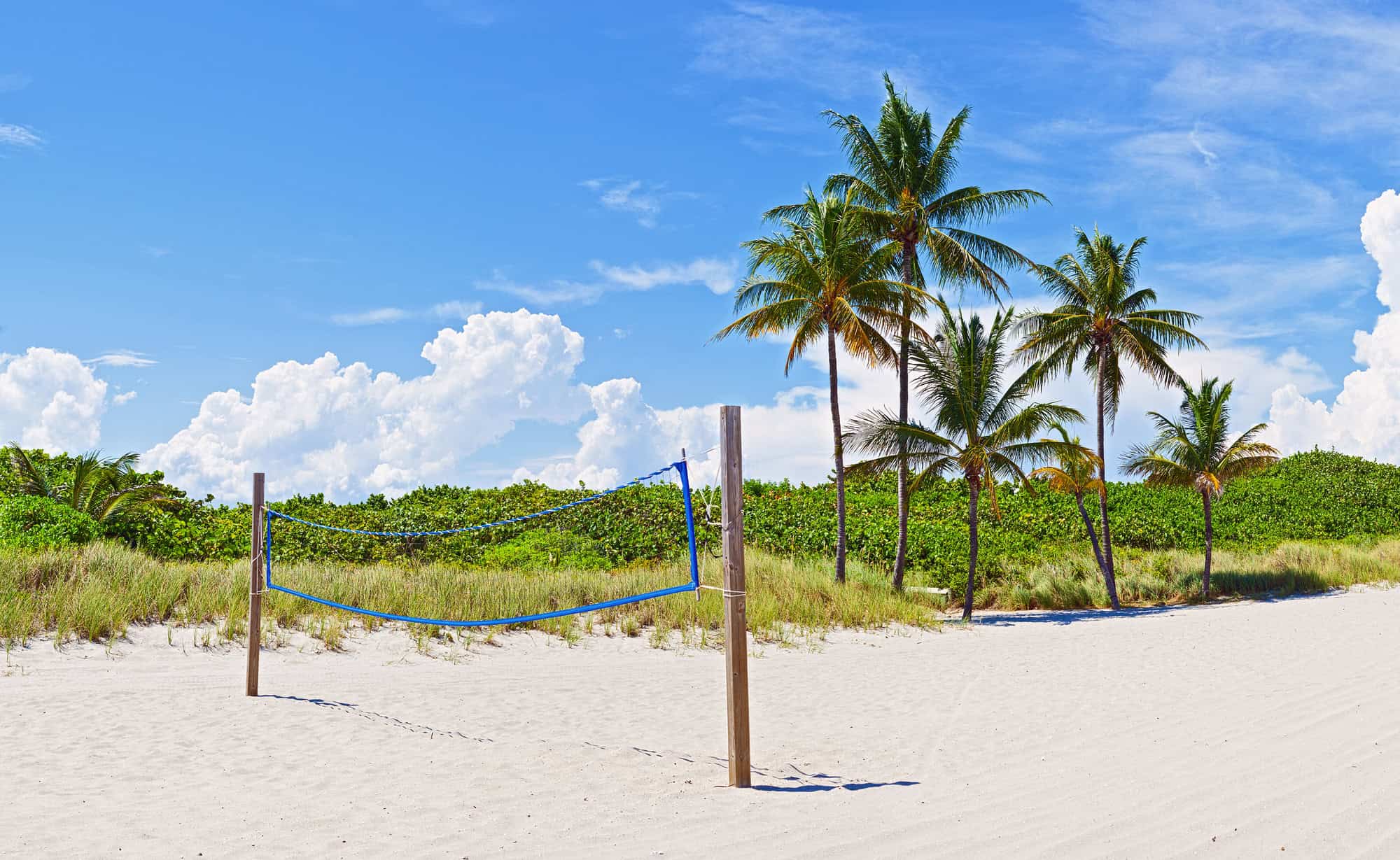
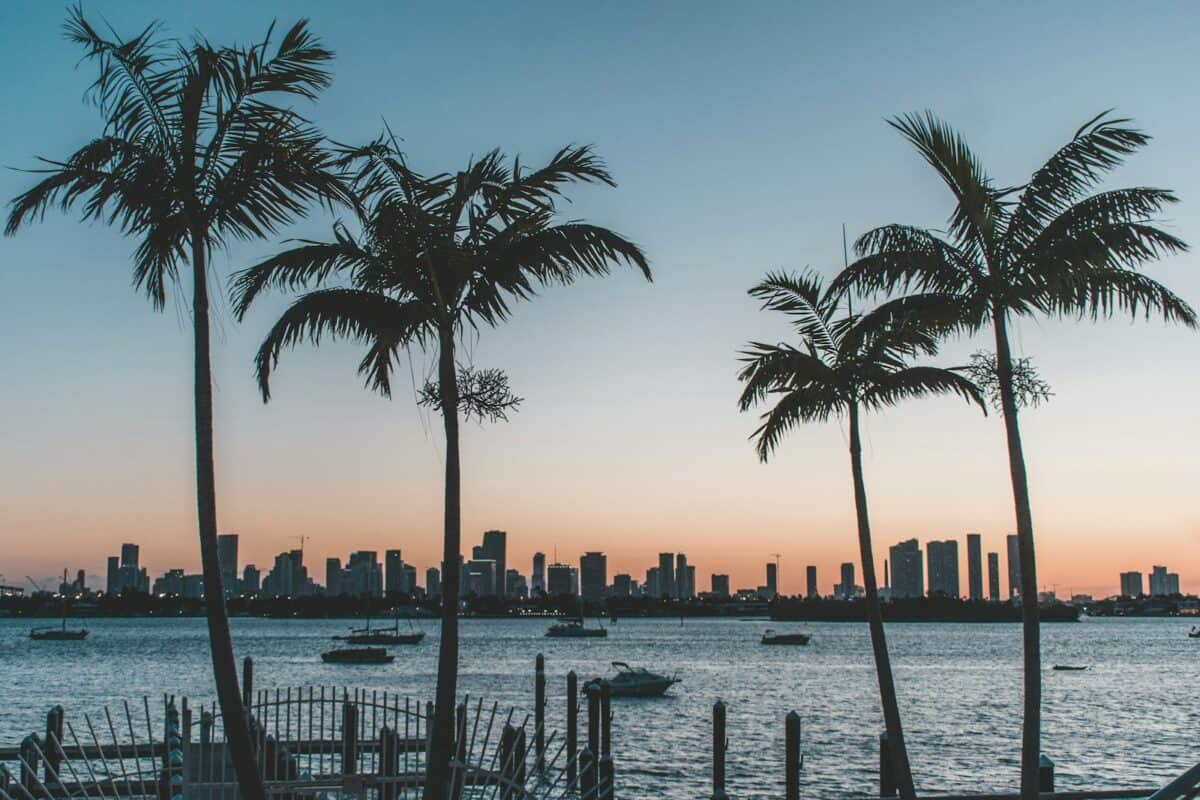
Miami’s famous South Beach isn’t just a hotspot for tourists and celebrities—it’s also a frequent location for shark sightings. The warm, tropical waters off Miami Beach provide an ideal environment for multiple shark species year-round. Bull sharks, known for their aggressive nature and ability to tolerate fresh water, are among the most commonly spotted species. Blacktip sharks also make regular appearances, especially during their seasonal migrations. What makes South Beach unique is the juxtaposition of dense human activity with substantial shark presence. Beach authorities regularly deploy aerial patrols during peak seasons, and lifeguards are trained to spot fins and other signs of shark activity. Despite the high number of sightings, actual incidents remain relatively rare, though the beach does experience temporary closures several times each year when sharks venture too close to shore.
Makena Beach, Maui, Hawaii Pacific Predator Paradise
Makena Beach on Maui’s southwestern shore consistently ranks among Hawaii’s beaches with the most frequent shark sightings. The Hawaiian islands host approximately 40 shark species, though tiger sharks and Galapagos sharks account for most coastal sightings. Makena’s clear waters and steep underwater drop-offs create ideal hunting conditions for these apex predators. The beach’s proximity to deep oceanic waters means larger shark species can venture closer to shore than at other Hawaiian beaches. October and November see particularly high shark activity in these waters, coinciding with tiger shark pupping season. Hawaiian cultural relationships with sharks (known as “mano”) are complex and respectful; many Native Hawaiians consider certain sharks to be ancestral spirits or “aumakua.” The Hawaii Department of Land and Natural Resources maintains detailed shark incident data and has implemented the shark tracking program “Shark Research Hawaii,” which monitors movement patterns around Maui’s beaches.
Huntington Beach, California Shark Nursery Waters
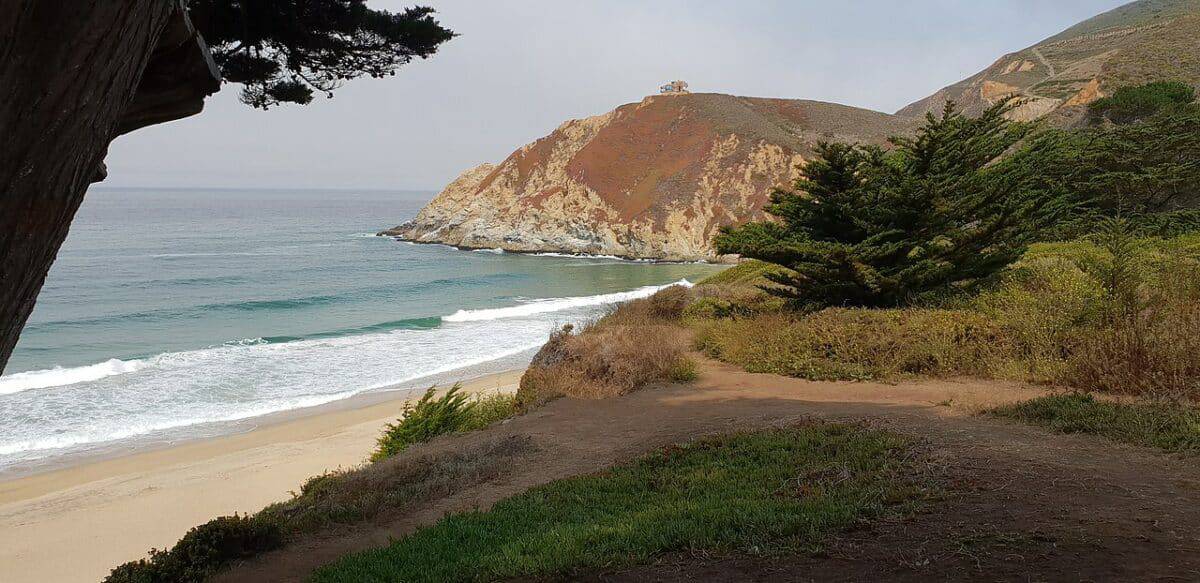
Huntington Beach, famously known as “Surf City USA,” has experienced a significant increase in shark sightings over the past decade, particularly involving juvenile great white sharks. Marine biologists have identified the waters off Huntington Beach as a nursery area where young great whites spend their early years. These juvenile sharks, typically measuring 5-9 feet in length, feed primarily on stingrays, small fish, and other marine creatures abundant in the area. The relatively shallow, warm waters provide protection for these young predators until they reach maturity. While juvenile great whites rarely pose a significant threat to humans, their increasing numbers have resulted in more frequent beach closures when multiple sharks are spotted near swimming areas. The California State University Long Beach Shark Lab conducts regular monitoring of these juvenile white shark populations, using drone technology and tracking devices to better understand their behavior patterns along the Orange County coastline.
Cape Cod, Massachusetts Great White Territory

Cape Cod’s eastern shores have witnessed a dramatic increase in great white shark sightings over the past decade. This surge correlates directly with the rebounding population of gray seals, the preferred prey of adult great white sharks. Since seals gained federal protection in the 1970s, their colonies have flourished around Cape Cod, particularly near Monomoy Island and Nauset Beach. This seal population explosion has attracted growing numbers of great whites to the area from July through October. The Atlantic White Shark Conservancy recorded over 300 individual white sharks in Cape Cod waters between 2016-2020, demonstrating the area’s significance as a feeding ground. Unlike many other locations on this list, Cape Cod’s shark sightings involve primarily adult great whites, which typically measure 12-16 feet in length. The region experienced its first fatal shark attack in 82 years in 2018, prompting enhanced safety measures including improved emergency response protocols, expanded lifeguard presence, and the development of the Sharktivity app, which allows beachgoers to report sightings in real-time.
Myrtle Beach, South Carolina Atlantic Shark Highway

Myrtle Beach represents one of the East Coast’s most popular beach destinations, attracting millions of visitors annually to its 60 miles of sandy shoreline. It also lies along a major migration route for several shark species, including blacktip, spinner, and bull sharks. This natural “shark highway” follows the warm Gulf Stream current northward during spring and summer months. Shark sightings peak from April through September, when water temperatures rise and prey fish become abundant. Murky water conditions created by the confluence of coastal rivers further contribute to shark activity, as these predators often hunt more actively in low-visibility environments. While Myrtle Beach experiences dozens of shark sightings annually, attacks remain extremely rare, with most sharks avoiding human contact. The South Carolina Department of Natural Resources conducts ongoing research into shark population dynamics along the Grand Strand, revealing that many of these sharks return to the same coastal areas year after year, following established migratory patterns.
Padre Island National Seashore, Texas Gulf Coast Shark Diversity
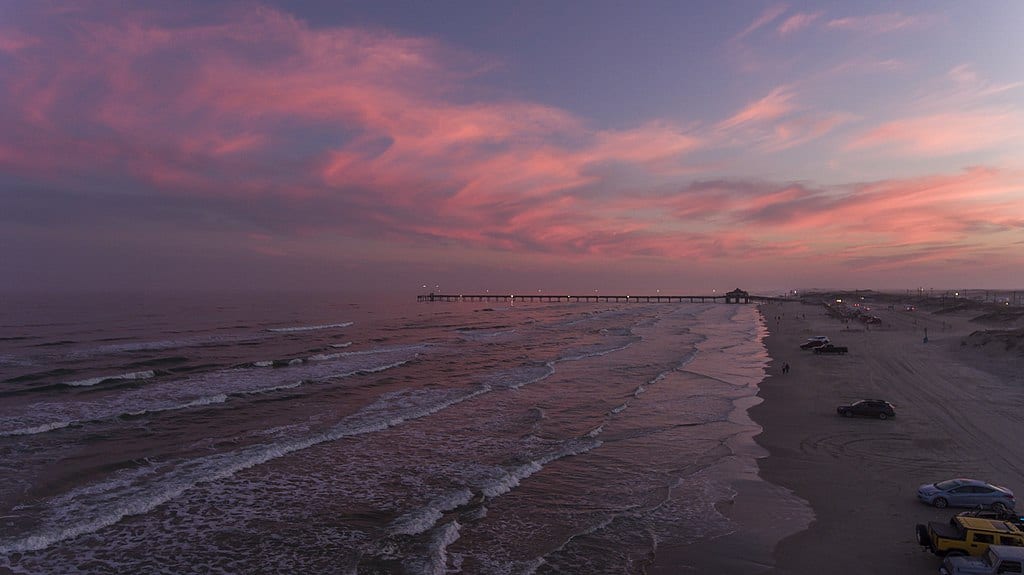
Stretching for 70 miles along Texas’s Gulf Coast, Padre Island National Seashore hosts one of the most diverse shark populations in U.S. waters. More than 15 shark species have been documented in these waters, including blacktip, bull, hammerhead, and tiger sharks. The island’s position along the western Gulf of Mexico places it within rich feeding grounds where nutrient-laden waters support abundant marine life. Bull sharks, which can tolerate both salt and fresh water, are frequently spotted near the Laguna Madre side of the island where salinity levels fluctuate. The National Park Service records dozens of shark sightings annually, with numbers peaking during the summer months when water temperatures reach their highest. Commercial fishermen regularly encounter sharks in deeper waters just offshore, particularly near artificial reefs where prey fish concentrate. Despite this shark diversity, the vast expanse of Padre Island’s beaches and relatively low swimmer density (compared to more developed beaches) result in fewer human-shark interactions than might be expected given the shark population.
La Jolla Shores, California Leopard Shark Gathering Ground
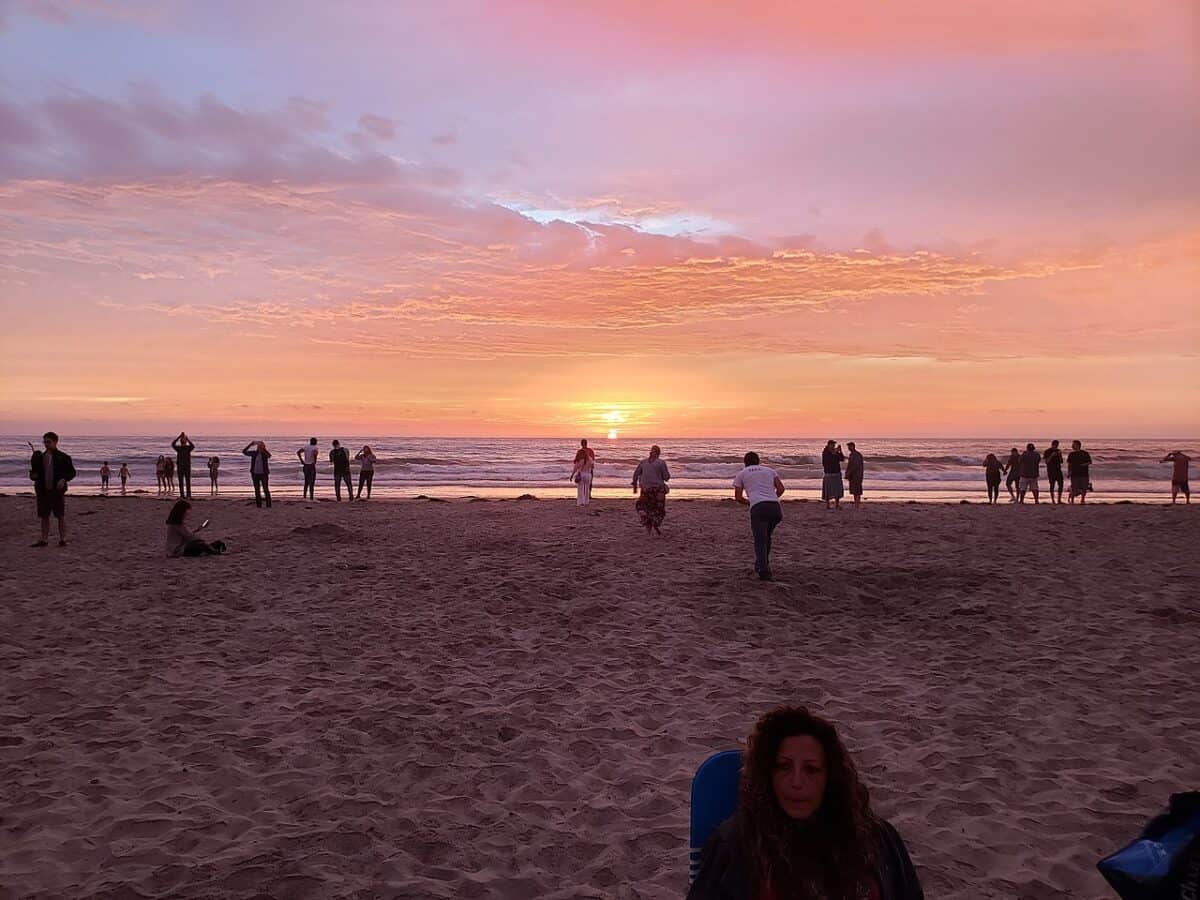
La Jolla Shores near San Diego presents a unique shark spectacle that actually draws visitors rather than repelling them. Each summer, thousands of leopard sharks—a relatively small, docile species averaging 4-5 feet in length—congregate in the shallow waters. This remarkable aggregation represents one of the largest gatherings of leopard sharks in the world, with peak numbers occurring from June through early October. Female leopard sharks dominate these gatherings, attracted by the warm, protected waters that provide ideal incubation conditions for their developing embryos. While leopard sharks pose virtually no threat to humans, La Jolla’s waters also host occasional visits from juvenile great whites and sevengill sharks. The Birch Aquarium at Scripps Institution of Oceanography offers guided snorkeling tours during peak leopard shark season, allowing visitors to safely observe these striking spotted sharks in their natural environment. The predictable nature of this aggregation has made La Jolla an important research site for scientists studying shark reproduction and migration patterns.
Montauk, New York Northeast Shark Hotspot
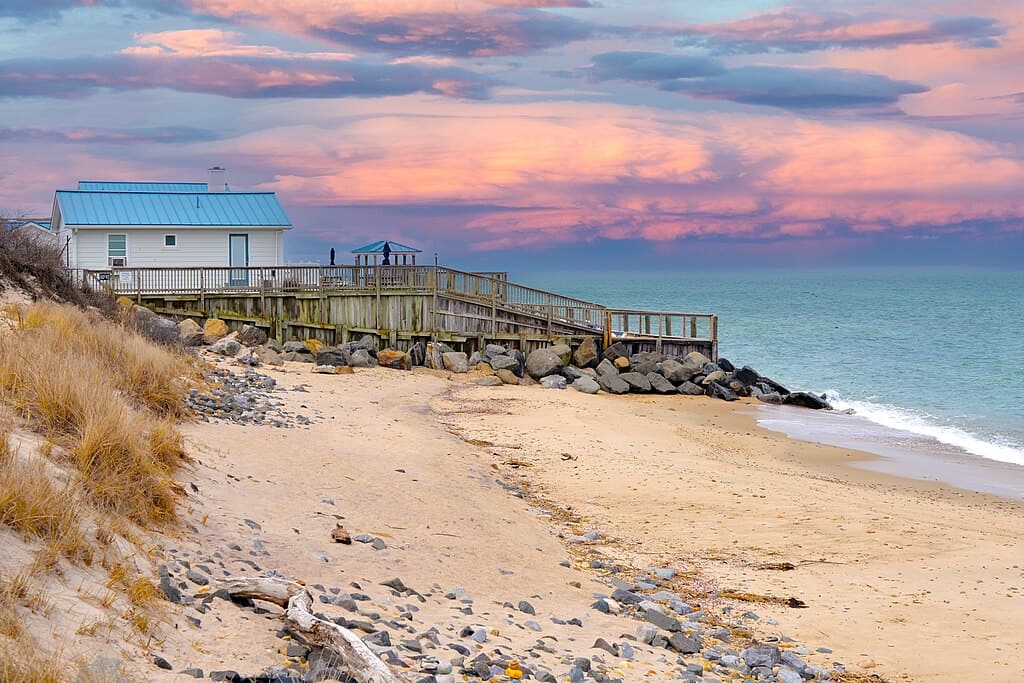
The waters surrounding Montauk, located at the eastern tip of Long Island, have experienced a notable increase in shark activity over the past decade. This fishing-focused community sits at the junction of the Atlantic Ocean and Long Island Sound, creating a diverse marine ecosystem that attracts multiple shark species. Thresher, blue, mako, and dusky sharks are regularly encountered offshore, while closer to beaches, sand tiger and sandbar sharks make more frequent appearances. Ditch Plains Beach in particular has reported increased sightings in recent years. Marine biologists attribute this rise partially to warming ocean temperatures and the successful conservation efforts that have allowed some shark populations to rebound from previous declines. Commercial and recreational fishermen from Montauk regularly document shark encounters, with the Montauk Marine Basin’s annual shark tournament providing valuable data on species distribution and abundance. The OCEARCH research organization has tagged numerous sharks in the waters off Montauk, revealing complex migration patterns that bring many of these predators back to the area year after year.
Kaanapali Beach, Maui, Hawaii Tiger Shark Territory
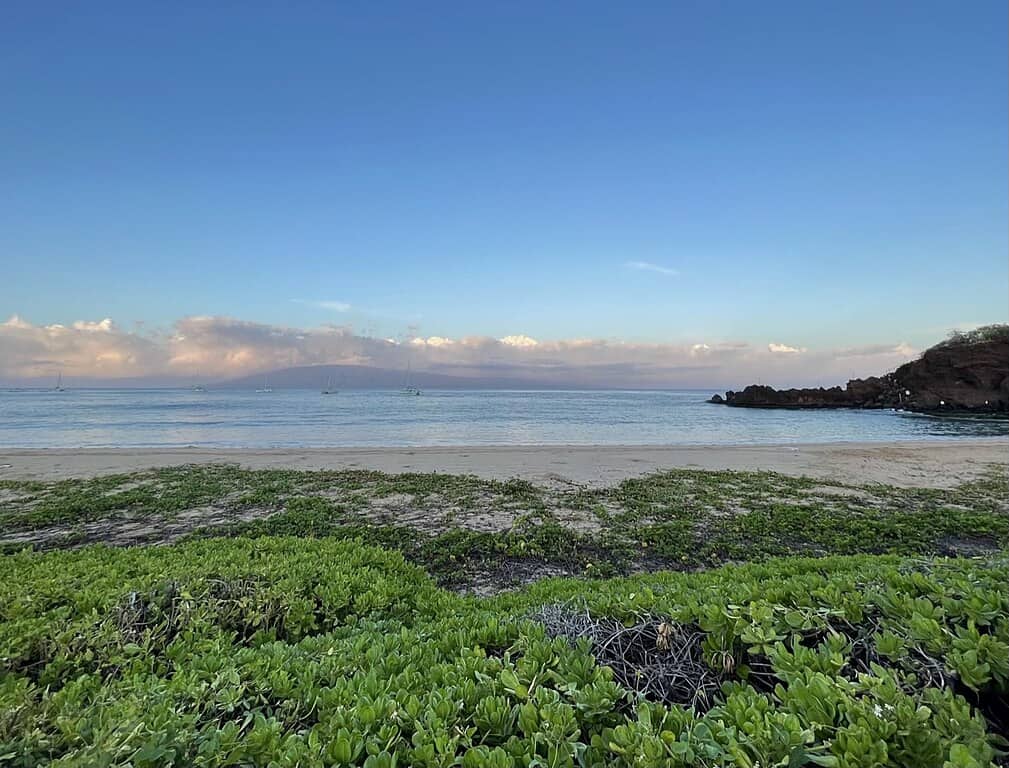
Kaanapali Beach on Maui’s western shore combines postcard-perfect tropical scenery with one of Hawaii’s highest concentrations of tiger shark sightings. These large predators, which can grow to 14 feet or longer, are drawn to the channels between Maui, Molokai, and Lanai where strong currents concentrate prey fish. Tiger sharks’ seasonal movements bring them closer to Kaanapali’s shores during fall months, particularly October through December. The beach’s popularity with snorkelers and scuba divers increases human-shark encounter opportunities, though actual incidents remain statistically rare. Hawaii’s Division of Aquatic Resources has documented tiger shark behavior around Kaanapali for decades, noting that many individual sharks establish regular patterns, returning to the same coastal areas repeatedly. Recent studies using acoustic tracking technology have revealed that some tiger sharks remain near Maui year-round rather than migrating seasonally as previously thought. The beach employs a flag warning system—red flags with white shark silhouettes are raised when sharks are spotted near swimming areas—and temporary beach closures occur several times annually when large sharks venture into nearshore waters.
Santa Cruz, California Red Triangle Region

Santa Cruz sits at the southern edge of what marine biologists call the “Red Triangle”—a region from Bodega Bay to Monterey Bay known for its significant shark activity. This stretch of central California coastline hosts diverse marine ecosystems supported by cold, nutrient-rich upwelling waters. Adult great white sharks patrol these waters seasonally, typically arriving in late summer and remaining through fall. While offshore sightings are more common, beaches like Seacliff State Beach and Pleasure Point experience periodic nearshore appearances. Santa Cruz’s vibrant surf culture means many shark encounters involve surfers rather than swimmers, with most sightings occurring at dawn or dusk when sharks are most active. The city has implemented a coordinated response system for shark sightings, with lifeguards, harbor patrol, and local surf schools maintaining communication networks to quickly alert ocean users when sharks are detected. The nearby Monterey Bay Aquarium Research Institute conducts ongoing studies of shark behavior in the region, revealing that the area serves as an important seasonal feeding ground rather than a permanent habitat for most shark species.
Conclusion: Understanding Shark Behavior and Beach Safety
While this list highlights beaches with frequent shark sightings, it’s crucial to maintain perspective about actual risk levels. Fatal shark attacks in the United States remain extremely rare, averaging fewer than one per year. Most sharks have little interest in humans as prey, with many incidents resulting from cases of mistaken identity in poor visibility conditions. Beachgoers can reduce their already low risk by following basic safety guidelines: avoid swimming at dawn or dusk when sharks feed more actively; stay away from fishing areas where bait may attract sharks; don’t enter the water when bleeding; avoid wearing shiny jewelry that might resemble fish scales; and heed all lifeguard warnings and beach closure notices. Many coastal communities have implemented advanced monitoring systems, including drone surveillance, tagged shark tracking, and specialized observer teams. Rather than promoting fear, understanding shark behavior and respecting these magnificent predators allows for safer coexistence. Sharks play vital roles in maintaining healthy ocean ecosystems, and their presence near our shores should inspire awe and appropriate caution rather than panic.

As a little kid, I fell in love with nature, wildlife, and animals. Living in the USA, South Africa, Italy, China and Germany gave me the opportunity to discover the world's Wildlife. My favorite animals are Mountain Gorillas, Siberian Tigers, and Great White Sharks.
I'm a certified PADI Open Water Diver, went to Everest Base Camp and Trekked Gorillas in Uganda. I hold a Master of Science in Economics and Finance.
Please send any feedback to feedback@animalsaroundtheglobe.com
- 10 Surprising Roles Spiders Play in Human Medicine - July 28, 2026
- 10 Animals Scientists Did not Know Existed in the US - July 28, 2026
- 13 Sinkholes That Swallowed Entire Neighborhoods - July 28, 2026