

The United States is home to some of the most breathtaking and biodiverse ecosystems on the planet. From the misty forests of the Pacific Northwest to the crystal-clear waters of the Great Lakes, from the ancient wetlands of the Southeast to the volcanic islands of Hawaii, America’s wild places are nothing short of extraordinary. Yet something silent and relentless is eating away at all of it.
Invasive species spread quickly, outcompete native species, disrupt food webs, and cause billions of dollars in environmental and economic damage each year. The scale of destruction is hard to wrap your head around. Think of it like an uninvited guest at a dinner party who not only eats everything on the table but also rearranges the furniture, locks out the other guests, and changes the locks. That is invasive ecology in a nutshell. Here’s what’s really happening across 11 US regions right now.
1. The Florida Everglades: Where Giant Snakes Swallow an Ecosystem Whole
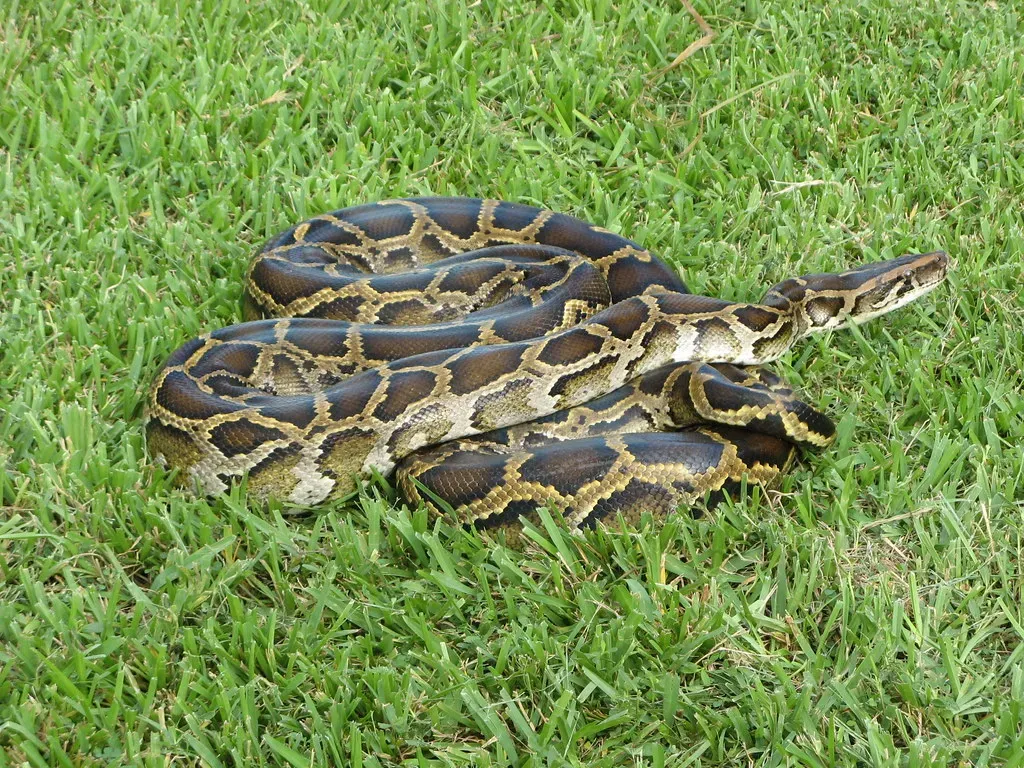
Here’s a fact that honestly sounds like science fiction. The Burmese python has become firmly established across the Greater Everglades Ecosystem and poses a serious threat to native wildlife. Capable of reaching over 17 feet long, this massive constrictor is believed to be a key factor in the sharp decline of mammal populations in the region.
Non-native Burmese pythons have established a breeding population in South Florida and are one of the most concerning invasive species in the area. Pythons compete with native wildlife for food, which includes mammals, birds, and other reptiles.
The Southeast harbors numerous invasive species due to warm, humid conditions and extensive international trade through major ports. Burmese pythons in the Everglades, Brazilian peppertree in coastal areas, and cogongrass in pastures represent diverse taxonomic groups that exploit the region’s year-round growing season and disturbed habitats.
I think what makes the Everglades situation so uniquely terrifying is the speed of the damage. What took thousands of years to build ecologically can be unraveled in mere decades by a single dominant predator with no natural enemies in sight.
2. The Great Lakes Region: A Freshwater Giant Under Siege
The Great Lakes hold roughly one fifth of the world’s surface freshwater. That’s an almost incomprehensible natural treasure. The Great Lakes region has been particularly affected, with over 180 non-native species established in these critical freshwater ecosystems, representing ongoing threats to biodiversity.
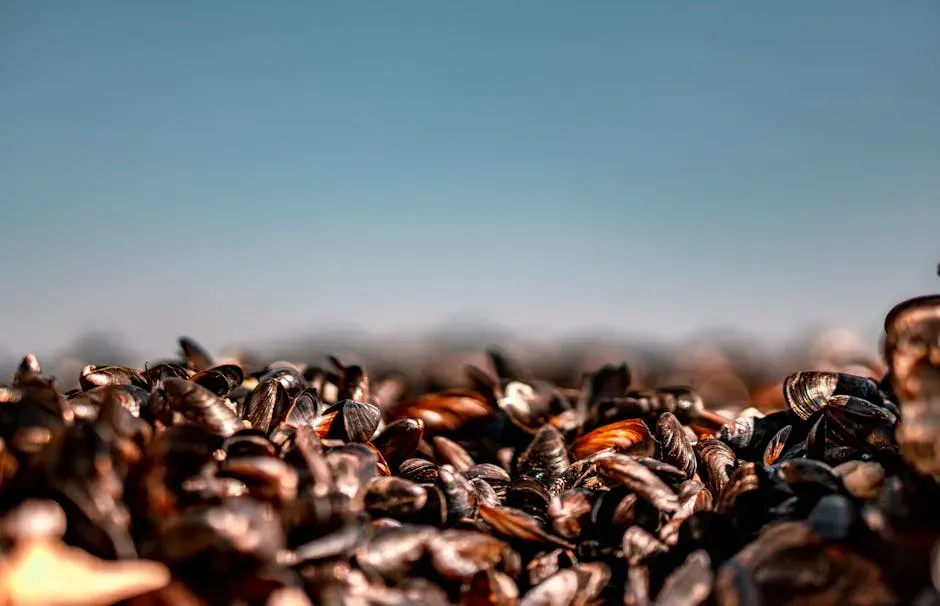
Zebra and quagga mussels harm native fish populations, ruin beaches and attach to boats, water intake pipes, and other structures. They devastate native species by stripping the food web of plankton, which has a cascading effect throughout the ecosystem. Lack of food has caused populations of alewives, salmon, whitefish, and native mussel species to plummet.
Invasive carp are swiftly spreading northward up the Illinois River and are now on the verge of invading the Great Lakes. Once established in an ecosystem they are virtually impossible to eradicate. Adult invasive carp have no natural predators in North America, and females lay approximately half a million eggs each time they spawn.
The Great Lakes situation is arguably America’s most complex invasive species challenge. The sheer number of players involved, from mussels to carp to sea lampreys, creates a compounding ecological nightmare that no single solution can address.
3. The Gulf South Region: Ports of Entry for Ecological Chaos
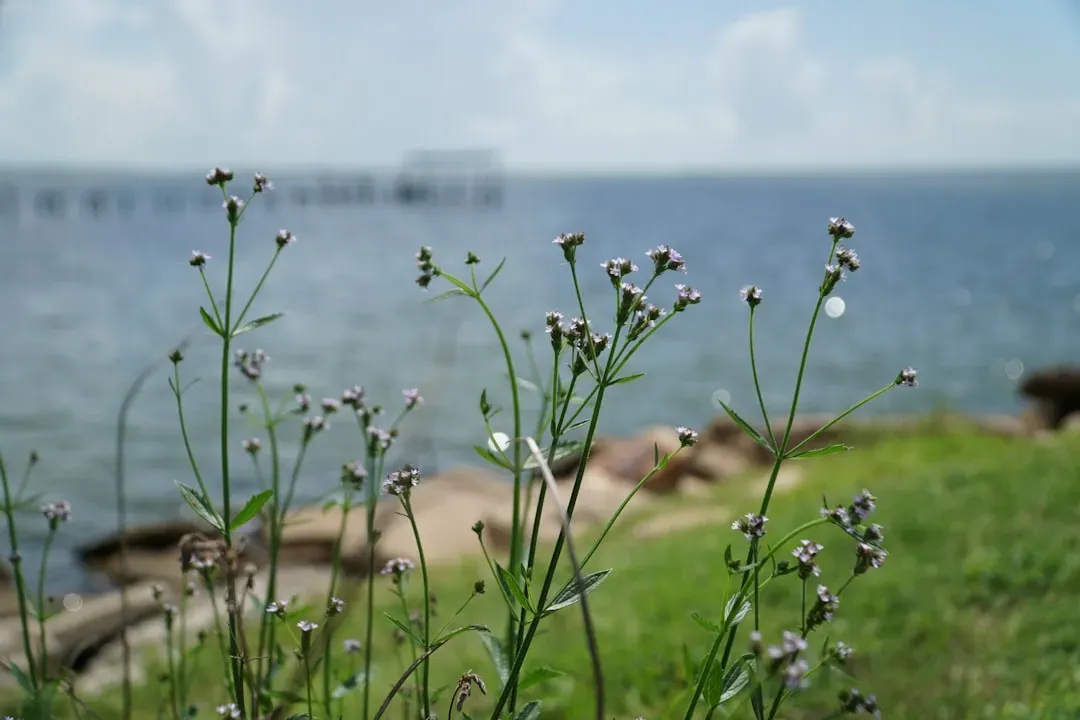
The Gulf South is an area that historically has been proven to be particularly susceptible to the introduction of non-native invasive species. The porous nature of this region and the numerous ports that reside within it contribute in large part to the introduction of non-native aquatic species. This region is home to one of the nation’s most active ports, the Port of New Orleans, in addition to numerous other large ports in Houston, Mobile, and Gulfport.
The most problematic terrestrial plant species of this region is the Chinese Tallow tree, which was introduced to the United States in the 1700s for the purpose of cultivation in commercial nurseries. The plant was primarily cultivated for its seeds, which produce a waxy substance used in soapmaking. This tree has infiltrated the entirety of the Southeast United States, spanning from East Texas all the way to North Carolina.
This species is particularly damaging due to the fact that its root systems change the chemical balance of soil, which in turn serves to alter the composition and structure of the native ecosystem’s plant life. These trees have experienced a rapid expansion throughout the Gulf Coast region, threatening these areas by creating a dangerous monoculture.
4. The Louisiana Wetlands: Nutria Rats Are Literally Eating the Coast
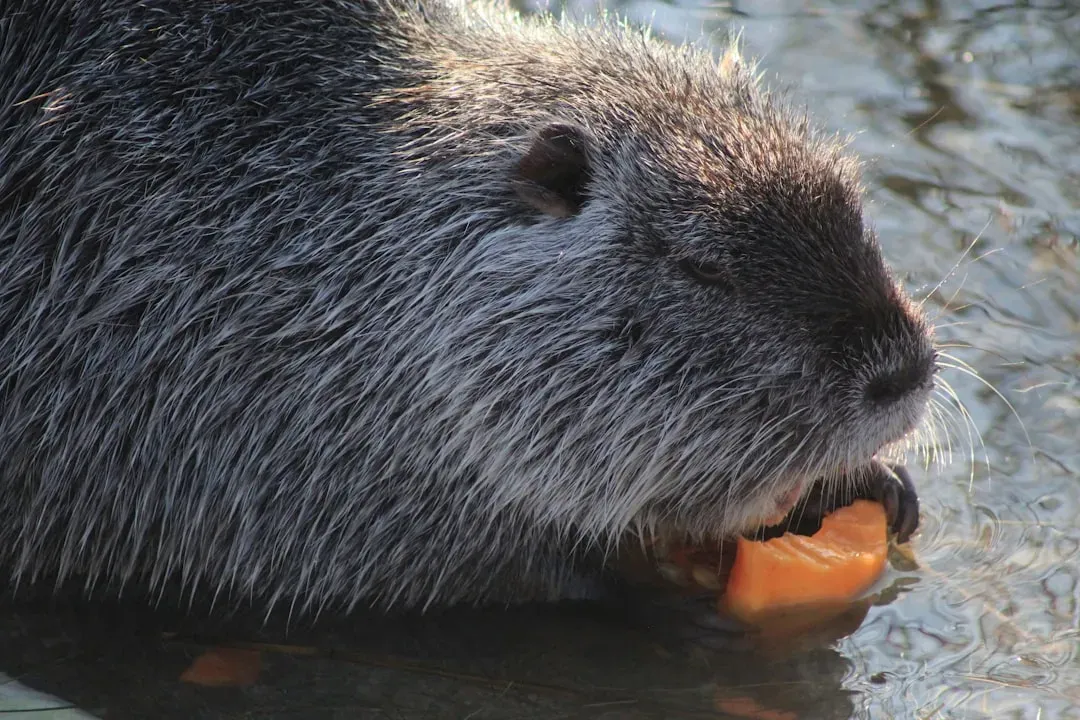
Louisiana’s coastal wetlands are disappearing faster than almost anywhere else on Earth. A significant part of that story involves one surprisingly effective rodent invader.
Nutria rats annually damage 100,000 acres of coastal wetlands with their ravenous appetite for aquatic plants, making this already vulnerable region even more susceptible to coastal erosion. Additionally, they are notorious for destroying crop yields.
Nutria rats have been the target of one of the most well-known and effective control programs ever utilized by environmental protection agencies. The state of Louisiana offers $6 per nutria tail delivered to collection centers run by local wildlife and fisheries authorities. The projected annual goal of this program is to harvest 400,000 nutria annually.
It’s a strange image, isn’t it? A state government essentially paying bounties on rodent tails to save its shoreline. Yet that’s exactly how serious this coastal crisis has become.
5. The Pacific Northwest: A Last Great Wilderness Under Unprecedented Pressure
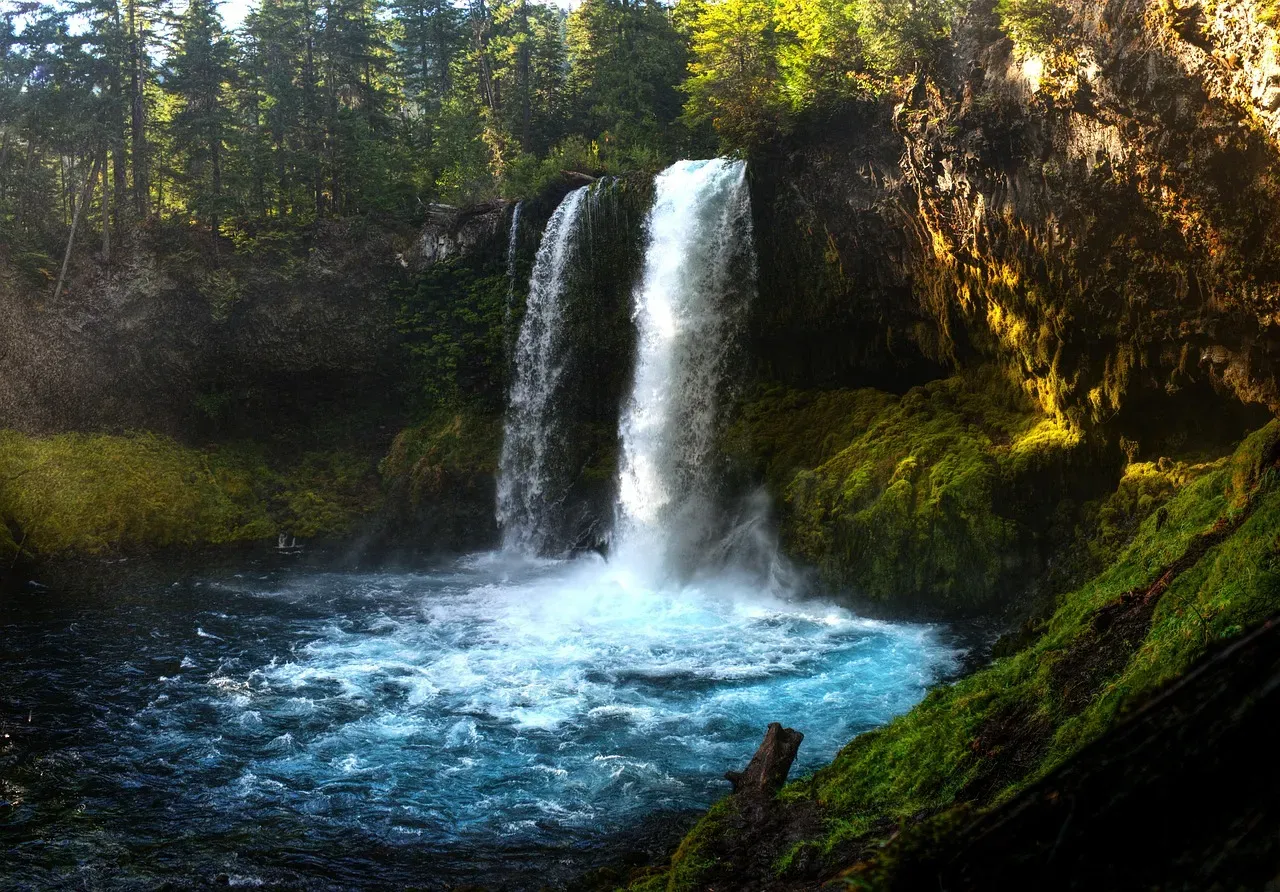
Non-native invasive species may be as disruptive as climate change to the Pacific Northwest, and prevention and management efforts are acutely underfunded. Since the Pacific Northwest was one of the last regions of the United States to be fully colonized by Europeans, a greater proportion of native ecosystems remain intact than elsewhere on the continent.
Non-native invasive species present significant threats to native ecosystems, biological diversity, and the stability of soil and hydrologic systems. They disrupt hydroelectric dams and irrigation systems, increase the spread of wildlife diseases, increase wildfire intensity and frequency, and cost billions of dollars to the region’s economy. Invasive species are spreading in the Pacific Northwest at unprecedented rates due to large volumes of trade, tourism, and global climate change.
Invasive species directly threaten freshwater biodiversity, particularly in regions of high aquatic richness like the Pacific Northwest. Crayfish are among the most impactful of aquatic invasive species. Invasive crayfish are considered ecosystem engineers due to their ability to alter basic wetland properties, reducing vegetation and bank integrity and increasing turbidity.
6. Hawaii: The Extinction Capital of the World Faces a Compounding Crisis
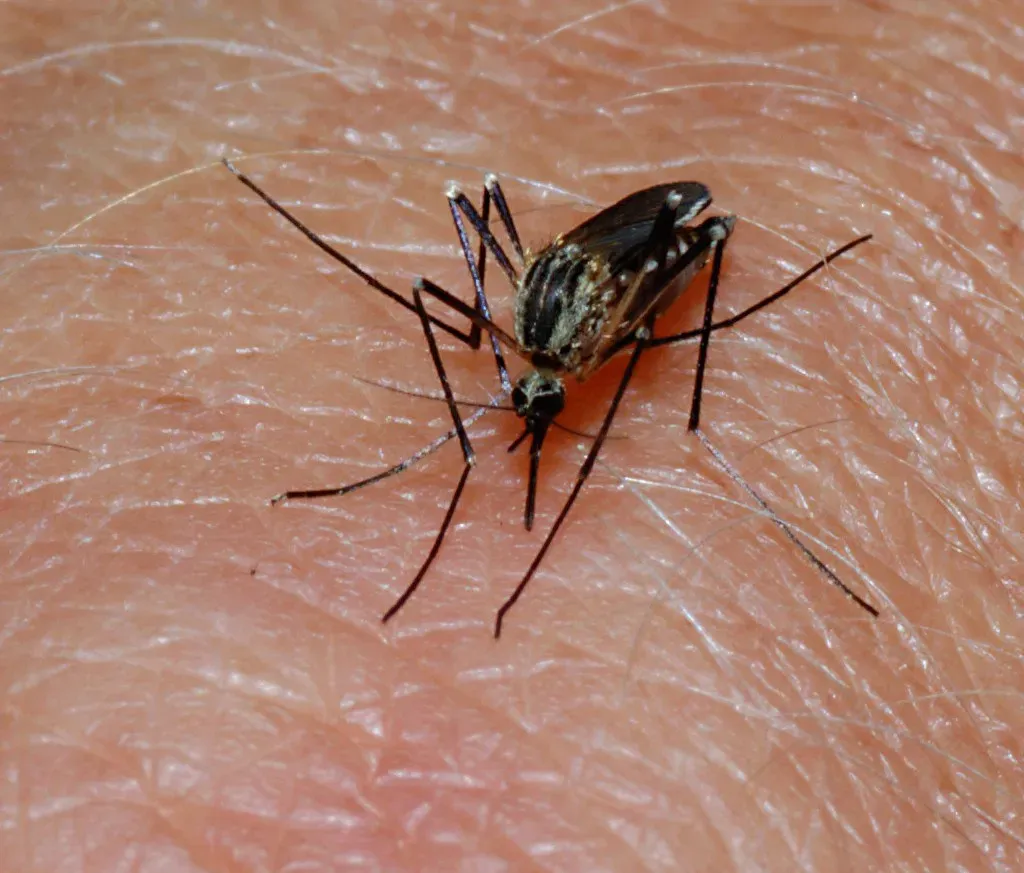
No region in America suffers more from invasive species than Hawaii. Honestly, the numbers are staggering. Hawaii makes up less than one percent of the country’s total area, but it is home to more than 30 percent of the federally listed threatened and endangered species in the United States.
Humans have introduced a variety of species to the Hawaiian Islands, including cats, goats, mongooses, mosquitoes and rats, and the state is now home to more than 400 kinds of non-native plants. These species bring new diseases, such as avian malaria and pox, and crowd out other living things, with less than half of Hawaii’s landscape now dominated by native plants.
The ohia tree, the most abundant native tree in Hawaii, is both culturally significant and ecologically valuable. Sadly, ohia trees are now threatened by two invasive fungal pathogens that cause Rapid Ohia Death, a serious threat to native forests in the Hawaiian Islands. Over a million ohia have already died due to this fast-acting disease.
Warmer conditions allow avian disease-carrying mosquitoes to survive at higher elevations. This forces native birds to migrate even higher or face extinction. Hawaii is essentially running out of altitude to escape the crisis.
7. The Mississippi River Basin: A Highway for Aquatic Invaders
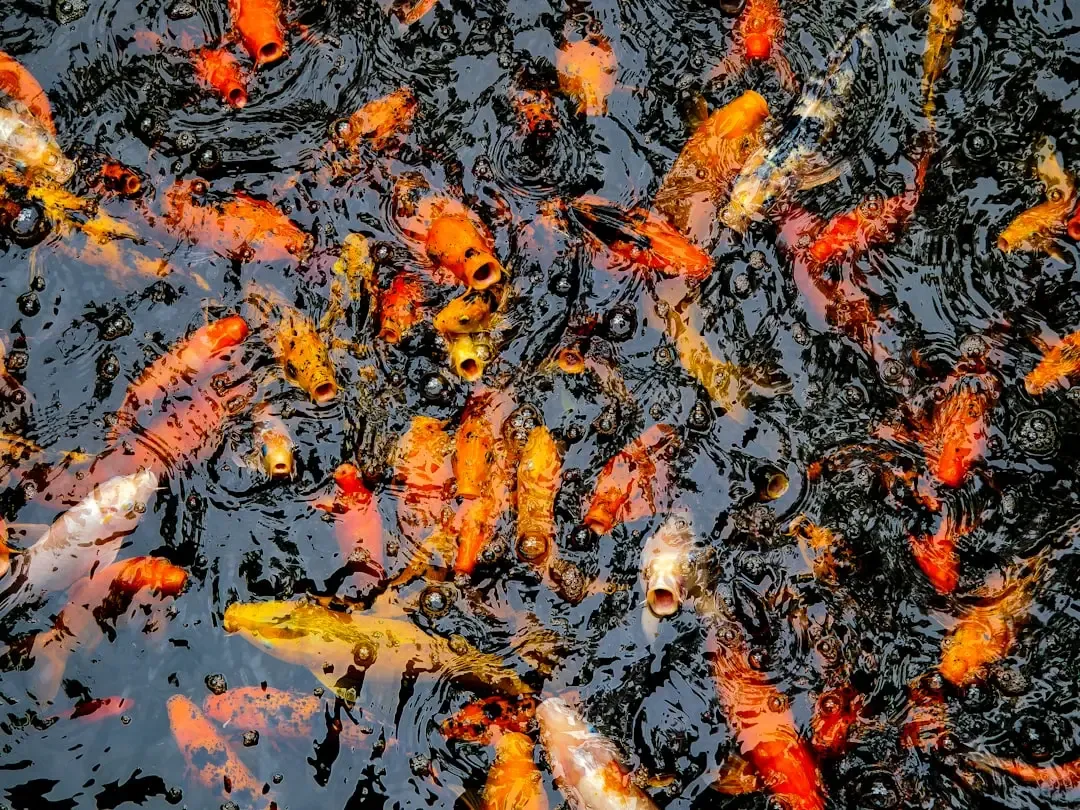
Think of the Mississippi River system as a giant ecological superhighway stretching through the center of the continent. Asian carp in the Mississippi River system and lionfish in Atlantic coastal waters exemplify how aquatic invaders can dominate native fish communities.
In the US, there are four invasive species collectively known as Asian carp: bighead carp, black carp, grass carp and silver carp. In the 1970s, the US imported them to help keep aquatic farms clean, control weeds in canal systems and help with sewage treatment. However, they escaped into the Mississippi River basin, scarfing up the base of the aquatic food chain.
Invasive carp are fast-growing, aggressive, and adaptable fish that are outcompeting native fish species for food and habitat in much of the mid-section of the United States. The huge, hard-headed silver carp also pose a threat to boaters, as the fish can leap out of the water when startled by boat engines, often colliding with people and causing injuries.
The Mississippi system is so vast and interconnected that containment alone is a massive challenge, let alone actual eradication. It’s hard to say for sure how far the ecological damage will ultimately extend.
8. The Mid-Atlantic and Chesapeake Bay: Wetlands Choking Under Invasive Reeds
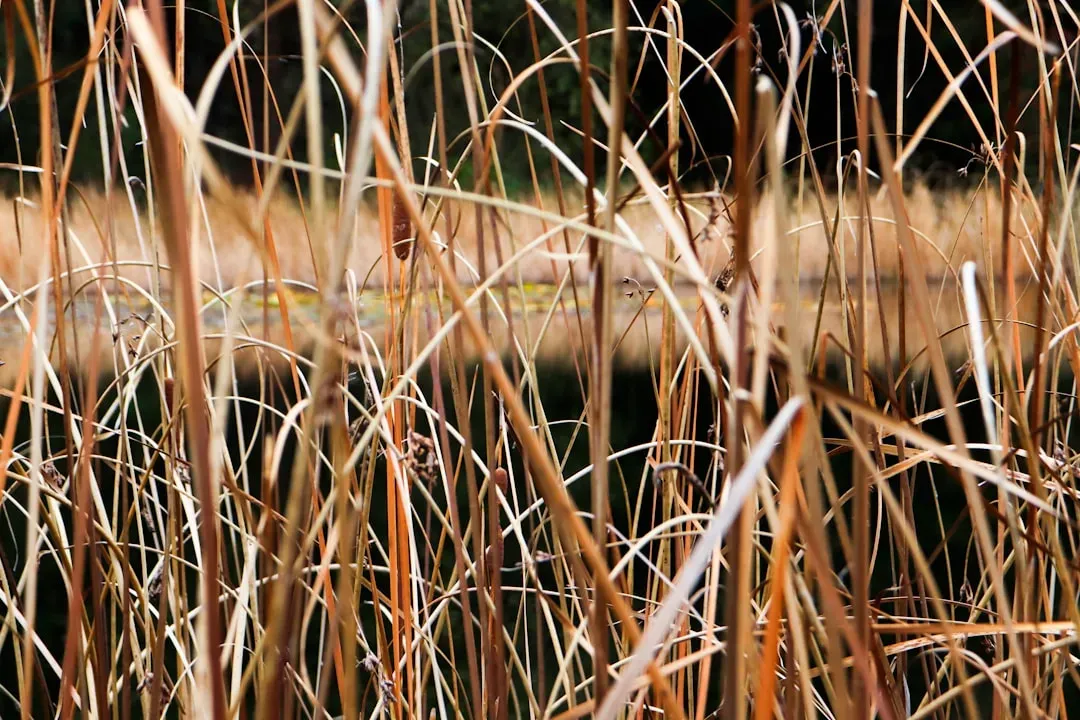
The Chesapeake Bay watershed is one of the most ecologically rich estuaries in the world. Yet it is quietly being strangled from the inside out.
There are 200 known invasive species in the Chesapeake Bay watershed, including blue catfish, nutria, emerald ash borer and phragmites, and 280 invasive plants in the broader Mid-Atlantic region including bamboo, garlic mustard, and Japanese honeysuckle.
The introduction of a European strain of phragmites has caused it to aggressively expand its range. Today, phragmites dominates mid-Atlantic marshland and is estimated to cover as much as one third of the tidal wetlands along the East Coast. Phragmites grows so thickly that it can crowd out and replace native wetland plants, which might otherwise provide better food and shelter to wildlife.
In some wetland communities, purple loosestrife has displaced more than half of the native plant species, offering little value to wildlife. Marsh wrens, bog turtles and muskrats cannot live or raise their young in dense stands of the plant.
9. The Southeastern Uplands and Appalachian Region: Forests Falling to Foreign Invaders
The Appalachian forests are among the oldest and most diverse on the planet. They’ve been standing for tens of millions of years. Yet they are no match for what modern globalization has unleashed on them.
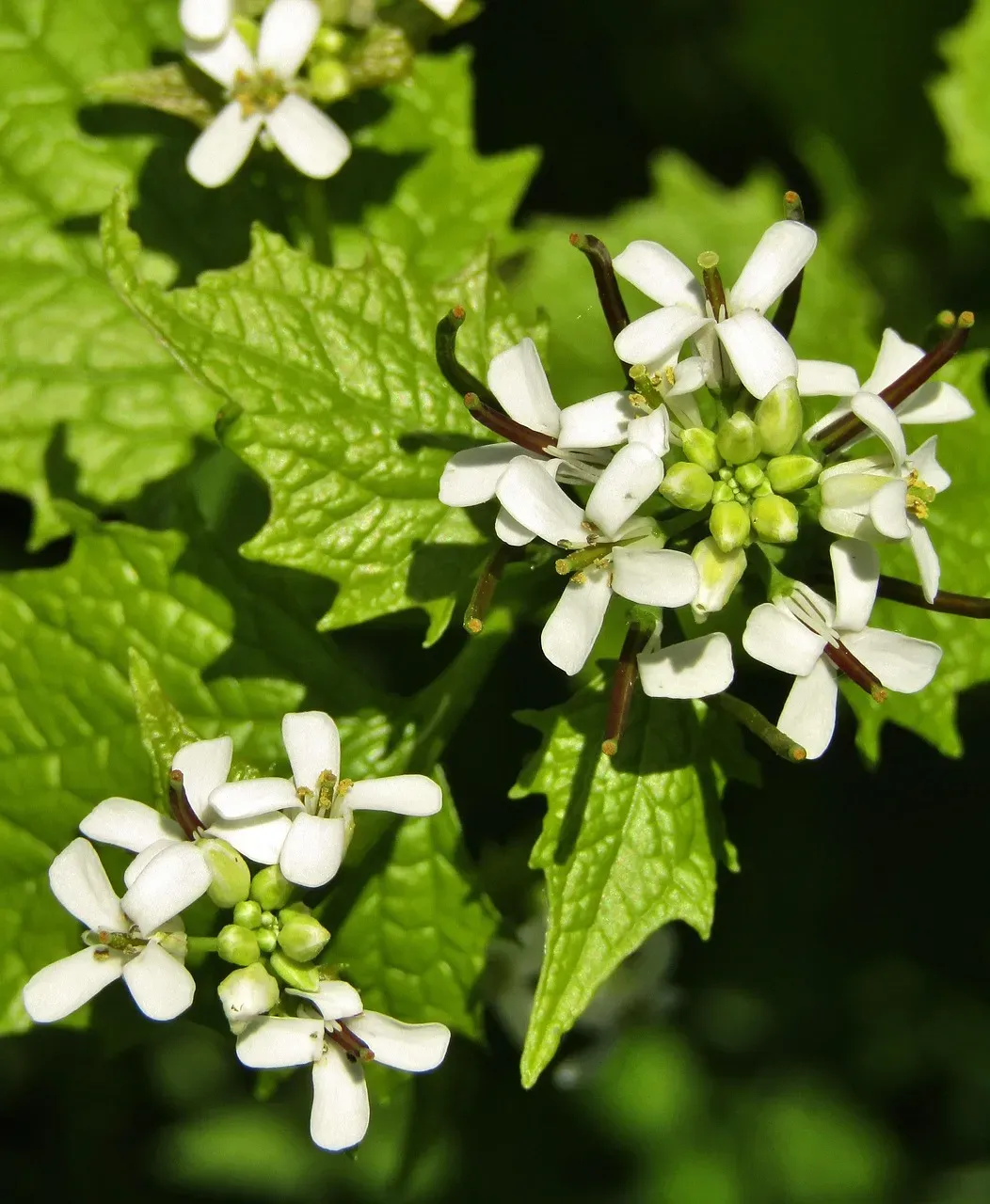
Garlic mustard is a highly destructive invader in North America. As well as hindering the survival of native plants, it poses a particular threat to the survival of the rare West Virginia white butterfly.
Plant invasions have been demonstrated to alter carbon and nitrogen cycles and fire regimes in invaded ecosystems. The invasion of downy brome in Western US grasslands has led to an increase in the frequency and intensity of wildfires, and saltcedar makes the soil inhospitable to native species by depositing large amounts of salt into the surrounding soil.
Feral swine represent one of the most destructive invasive species in the United States, causing an estimated $2.5 billion in damages annually through crop destruction, disease transmission, and habitat degradation. These intelligent omnivores adapt quickly to diverse environments, reproduce prolifically with litters averaging 5 to 6 piglets twice yearly, and lack significant natural predators in most American ecosystems.
10. The Great Plains: When a Plague Strikes the Prairie
The Great Plains may not be the first region that comes to mind when you think of invasive species crises. Let’s be real though, the situation there is genuinely alarming.
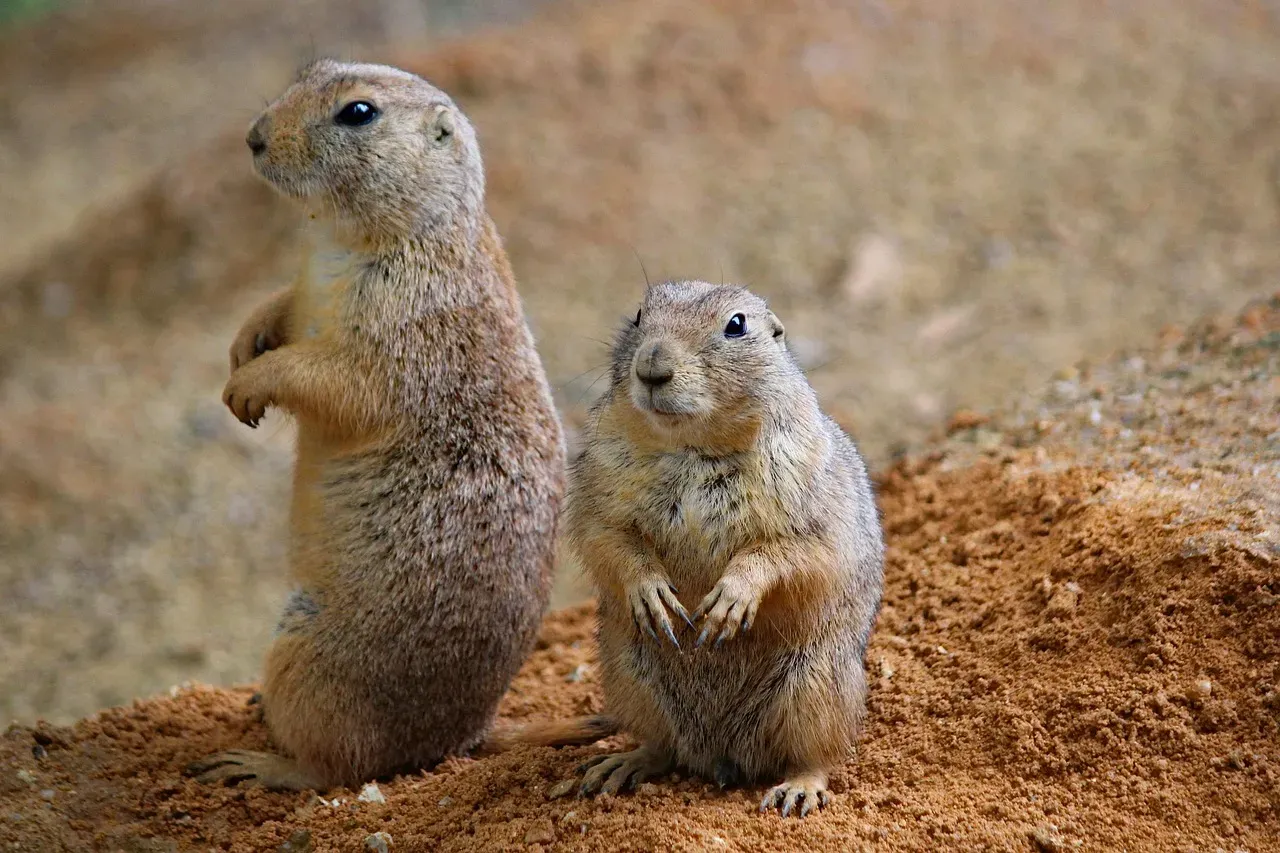
In the Great Plains, the invasive sylvatic plague is disrupting wildlife and livestock operations by causing crash-and-recovery cycles in native black-tailed prairie dog colonies. Outbreaks can cause up to 99 percent mortality in prairie dog colonies, with cascading harmful effects on wildlife like the highly endangered black-footed ferret. When colonies rebound as part of this cycle, prairie dogs graze heavily and decrease the available forage for grazing cattle, especially during dry years.
Cheatgrass infests 50 million acres and provides fuel to wildfires that burn across increasingly larger areas. In a devastating one-two punch, cheatgrass can quickly re-establish itself on burned lands, outcompeting native grasses and increasing the extent of infestation.
The prairie dog and black-footed ferret relationship is a perfect example of how ecosystem collapse can work like a chain of falling dominoes. When one piece disappears, everything above it in the food web begins to wobble.
11. The Southwestern Deserts: Invaders in a Landscape Once Thought Immune
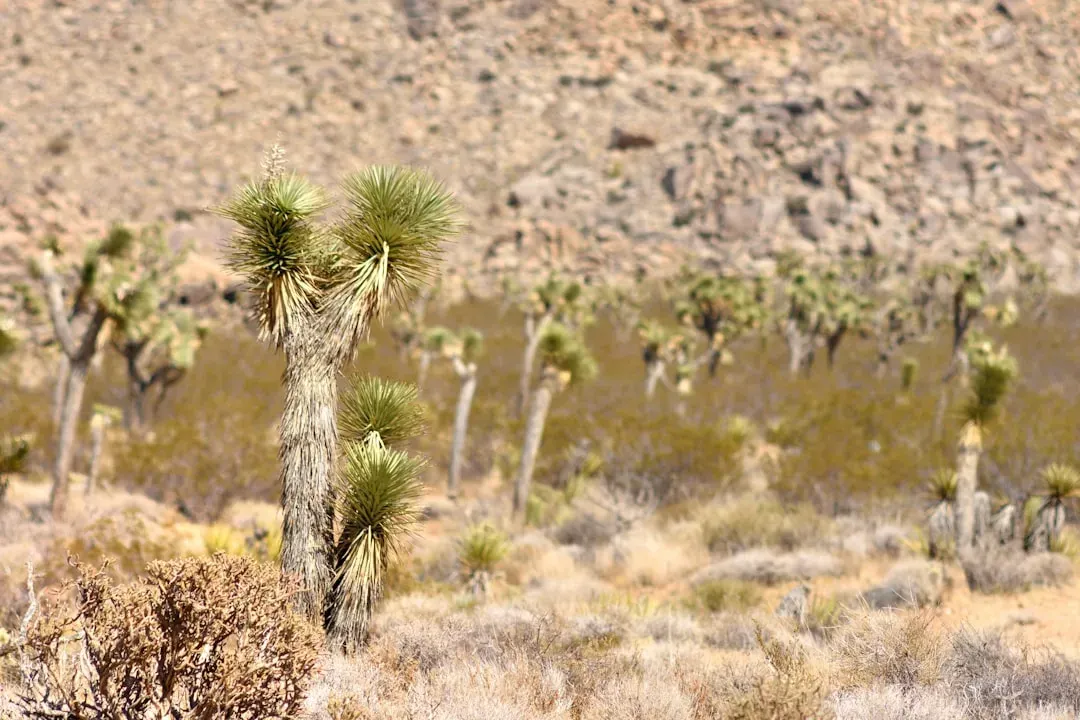
For a long time, scientists believed deserts were naturally protected from plant invasions. Too harsh, too dry, too extreme. That assumption has been proven dangerously wrong.
Feral honey bees, once celebrated for their agricultural value, are now threatening native ecosystems in Southern California by monopolizing pollen sources and overwhelming native pollinators.
The effects of invasive Saharan mustard extend beyond plant communities, impacting desert wildlife as well. Many native animals, including ants, lizards and other reptiles, rely on native plants for food, shade, and shelter. However, they do not eat Saharan mustard seeds or use the plant for refuge, limiting their options in invaded areas and causing populations to decline.
The invasion of downy brome in Western US grasslands has led to an increase in the frequency and intensity of wildfires. In desert ecosystems, where even a single wildfire can reset centuries of ecological progress, that is a catastrophic feedback loop. The Southwest is discovering, painfully, that no landscape is truly off limits.
The Stakes Have Never Been Higher
When you look at all 11 of these regions together, a deeply uncomfortable picture emerges. Biological invasions have cumulatively caused at least $1.22 trillion in observed, highly reliable economic losses in the United States over the past six decades, with the largest impacts coming from mammalian, plant, and insect invaders.
Invasive species are the second-leading cause of extinctions globally, destroying critical habitat, altering landscapes, and decimating native populations. That is a breathtaking statistic, and one that most people walking through a grocery store or a national park will never fully grasp.
When invasive species crowd out native species, they reduce the vital biological variety we call biodiversity. Ecosystems with low biodiversity are more vulnerable to disease and other environmental stresses. At worst, invasive species can lead to the extinction of native species.
The good news, if there is any, is that awareness is growing and technologies are improving. The US Department of the Interior discusses its implementation of new detection technology like drones and environmental DNA and expansion of reporting tools like iNaturalist and iMapInvasives, an online GIS-based invasive species recording site. These are real steps forward. Still, the scale of the challenge means that every individual decision, from cleaning a boat hull before entering a new lake to resisting the urge to release a pet into the wild, genuinely matters.
Nature is remarkably resilient. But it’s not infinitely patient. The question worth sitting with is this: how much longer can these ecosystems absorb the pressure before some of the damage becomes truly permanent? What do you think the US should prioritize first? Share your thoughts in the comments.

- 7 US National Parks With The Most Unique Weather Phenomena - July 22, 2026
- Texas Wild Horses Are Flourishing in Unexpected Corners of the State - July 22, 2026
- These Are the Top 10 Most Popular Dog Breeds in Arizona - July 22, 2026