
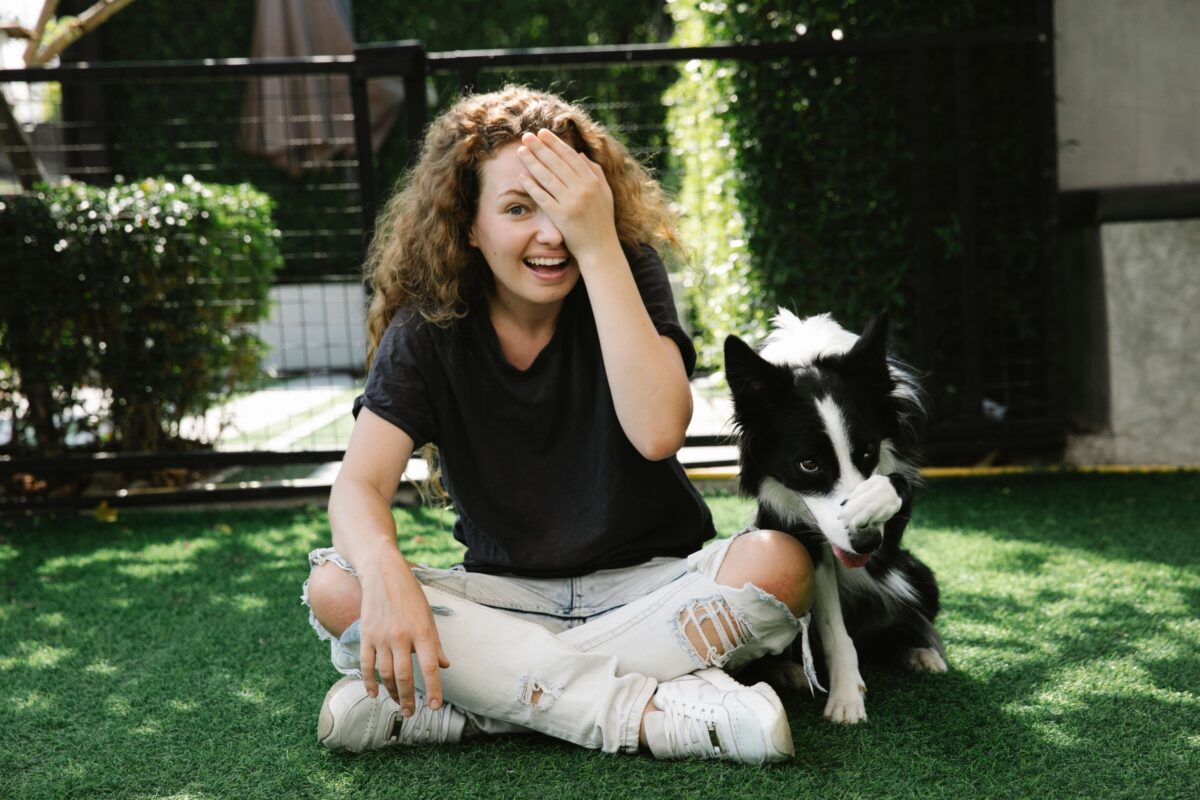
You haven’t said a word yet. You haven’t smiled, frowned, or shaken anyone’s hand. And your dog already knows exactly how this is going to go.
That’s not a cute exaggeration – it’s backed by real behavioral science. Dogs are running a full sensory scan on every person who walks into a room, and they finish before your brain even settles on an opinion. Here are the 11 signals they’re picking up on, in order, and why ignoring them might be the mistake you don’t realize you’re making.
#1 – The Flinch You Didn’t Feel: Micro-Body Language That Gives You Away Instantly
🔥 Would you like to save this?
We'll email this post to you, so you can come back to it later!
Dogs don’t wait for the big, obvious stuff. They catch the tiny flinch you make when someone steps too close, the half-inch your shoulders rise when you’re uneasy, the way your feet quietly angle toward the exit instead of settling into the room. Your dog catalogs all of it before you’ve even decided what you’re feeling. This isn’t a party trick – it’s survival wiring left over from thousands of years of reading humans for the exact moment calm could tip into unpredictable.
They’re clocking shoulder tension, how fast your head turns, whether your torso opens toward a person or quietly avoids them. Most people only notice the loud signals – crossed arms, a stiff smile, someone pacing by the door. Your dog reacted three steps before any of that became visible. That’s why a dog will suddenly lean into you the second someone walks in who makes you “feel weird,” even if you can’t name why. Your body already spilled the secret.
#2 – The Smell of Your Fear (and Your Calm)
🔥 Would you like to save this?
We'll email this post to you, so you can come back to it later!
This sounds like internet folklore, but it holds up: your emotions genuinely change your scent. Fear, stress, and excitement shift your sweat chemistry, your hormone levels, even your skin’s microbiome. Dogs can detect odors at concentrations a million times fainter than what a human nose could ever register, which means a tense room doesn’t just feel different to them – it smells completely different.
Researchers have shown dogs can tell the difference between sweat from someone calm and sweat from someone genuinely scared. Their bodies respond to that difference in real time – heart rate shifts, posture changes, they either lean in for comfort or quietly put distance between themselves and the source. So when a new guest walks in smiling politely, your dog isn’t sniffing for treats. They’re running a silent chemical background check, filing that person under safe, unsettling, or watch closely – long before any small talk starts.
Fast Facts
- Dogs have up to 300 million scent receptors, compared to roughly 6 million in humans.
- A dog’s sense of smell is estimated to be tens of thousands of times more sensitive than a person’s.
- Stress and fear trigger measurable changes in human sweat chemistry almost immediately.
#3 – The First Three Seconds Through the Door
🔥 Would you like to save this?
We'll email this post to you, so you can come back to it later!
Ask any longtime dog owner and they’ll tell you the same thing: you can learn almost everything about a person by watching how they cross a threshold. Do they barge in loud and fast? Hover awkwardly in the doorway? Glide in like they already own the place? Dogs track entrances obsessively, because in their world, how someone arrives usually predicts what happens next.
In those first three seconds, your dog is reading footstep speed and weight, whether the person scans the room or locks eyes on you immediately, and how much physical space they claim with their arms, bag, or phone. Someone who storms in loud and fast tends to trip a quiet alarm. Oddly enough, the overly excited, high-pitched “Oh hiiii puppy!!” entrance can feel just as chaotic if it doesn’t match the person’s real body tension. Dogs trust congruence – calm energy matched with calm movement – more than enthusiasm.
#4 – Eyes That Lie: Soft, Hard, or Fake-Friendly
🔥 Would you like to save this?
We'll email this post to you, so you can come back to it later!
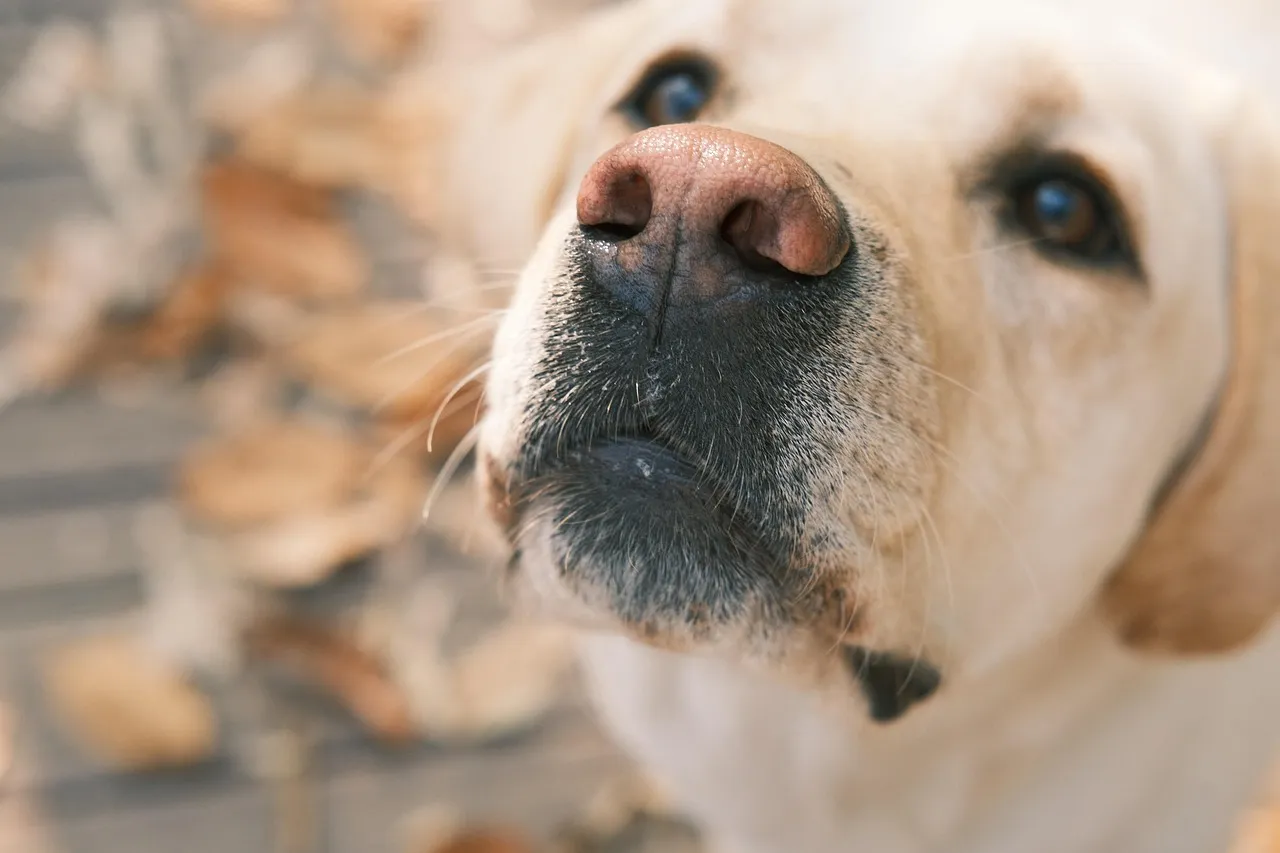
Most people have no idea how loud their eyes are to a dog. A dog reads eyes almost like subtitles running under everything else happening in the room. Long, hard, unblinking eye contact can register as a challenge. Darting, avoidant eyes read as nervous or shifty. Soft, brief glances with relaxed lids say, “I’m not here to start anything.”
Two mistakes trip people up constantly: staring straight into a dog’s eyes to “bond,” or avoiding eye contact entirely while still crowding the dog’s space. Dogs are experts at catching the mismatch underneath both – a warm smile paired with cold, scanning eyes, or a kind voice paired with eyes that keep checking the exits. That gap between mouth and eyes unsettles dogs far more than an unbothered, confident stranger who simply ignores them. They’re not judging appearance. They’re judging honesty.
#5 – Your Heartbeat Is Basically a Loudspeaker
🔥 Would you like to save this?
We'll email this post to you, so you can come back to it later!
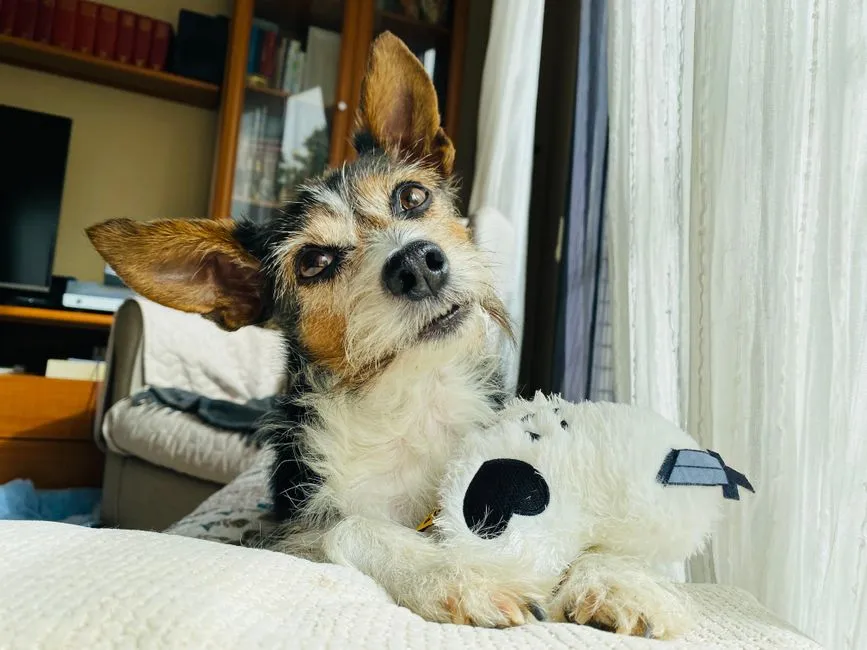
Long before you consciously decide how you feel about someone, your body has already reacted – heart rate climbing, breath going shallow, jaw tightening without your permission. Dogs are absurdly tuned into this. They can feel your heartbeat change through a hand resting on their back, and they can hear breath-pattern shifts you’re not even aware you’re making.
When a stranger gets close or tension quietly builds, your breathing speeds up, your exhale gets choppier, your chest shifts with tiny involuntary movements. To a dog, none of that is subtle – it’s a siren. You can insist “I’m fine, he’s totally fine,” while your nervous system screams otherwise, and your dog will always believe the body over the words. That’s why some dogs physically wedge themselves between you and another person long before voices ever get raised. Calling that “overprotective” misses the point entirely – the dog is reacting to a real physiological alarm you’ve simply learned to override.
Worth Knowing
- Some dogs are professionally trained as cardiac alert dogs, picking up on heartbeat and chemical shifts before medical devices flag them.
- A calm dog can register subtle changes in a person’s breathing rate from several feet away.
- Therapy dogs are often chosen specifically for their sensitivity to human stress cues like heart rate and muscle tension.
#6 – The Sound of You, Even When You’re Not Talking to Them
🔥 Would you like to save this?
We'll email this post to you, so you can come back to it later!
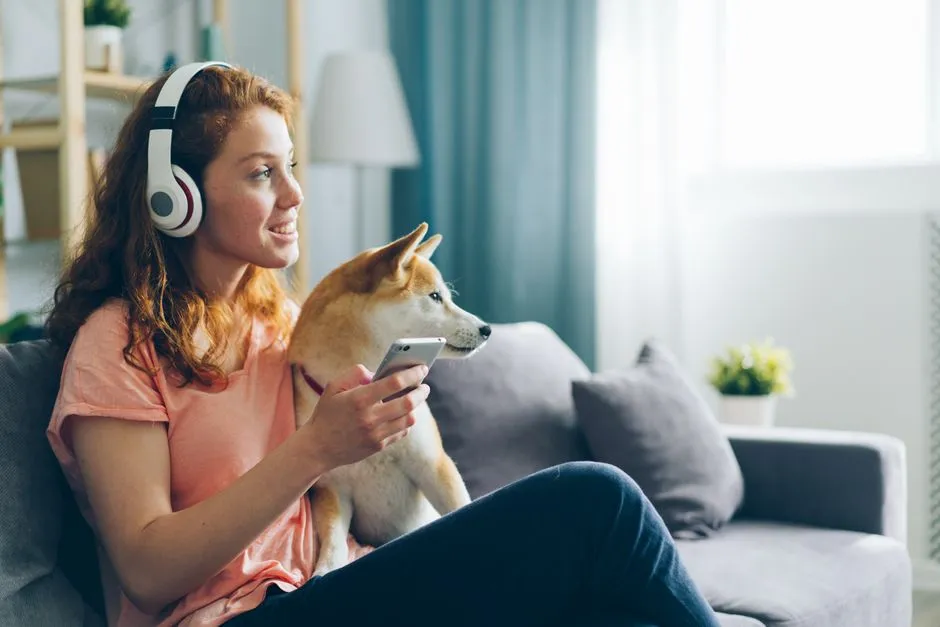
Even when you’re not addressing the dog at all, you’re still talking to them. Your tone, volume, rhythm, even your laugh pattern tell a dog exactly who you are in this particular moment. Dogs separate the music of speech from its content – they care far less about your words and far more about how those words sound coming out of you.
Think about overhearing someone on the phone in another room. You can usually tell if they’re fighting or flirting without catching a single word. Dogs run that same trick on expert mode, tracking sharp clipped consonants against smooth flowing speech, sudden volume spikes even disguised as jokes, and laughter that cracks or shakes with hidden tension. A person whose speech swings unpredictably – loud joke, dead silence, rushed apology – reads as unstable, while a quiet, steady, low voice usually reads as safe, even from someone who barely acknowledges the dog at all.
#7 – The Mirror Effect: Your Dog Is Reacting to Your Past, Not Just This Person
🔥 Would you like to save this?
We'll email this post to you, so you can come back to it later!
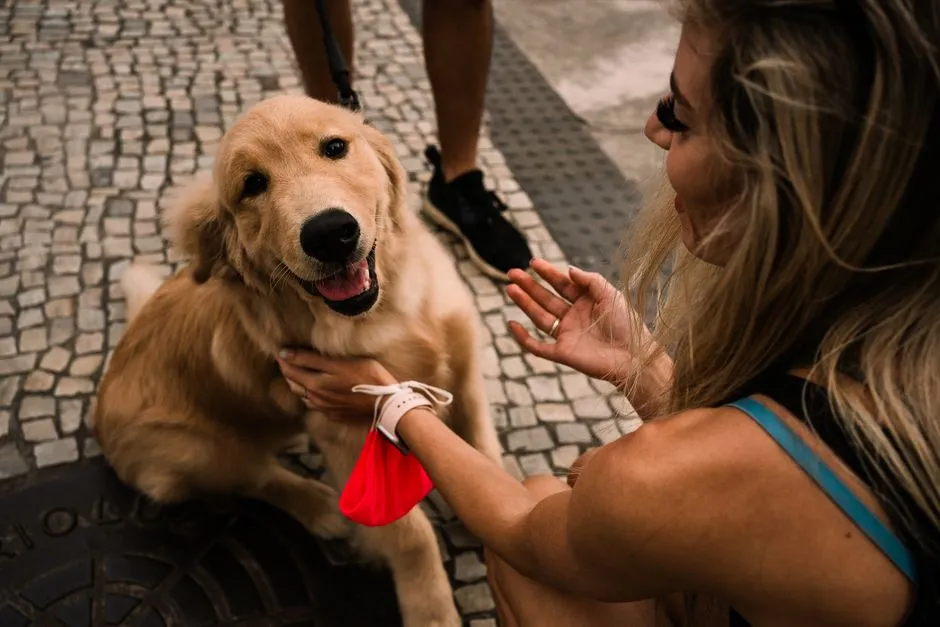
Here’s the uncomfortable part: a dog’s reaction to a stranger often reveals more about you than about the stranger. Dogs are emotional sponges. If you unconsciously tense up around a certain type of person – someone who resembles an ex, an old boss, a childhood bully – your dog absorbs that tension and amplifies it right back at the room.
That’s why some dogs bark only at men wearing hats, go wild around kids but ignore every adult, or stay relaxed around someone “scary-looking” while stiffening around a perfectly polite guest. It’s rarely prejudice – it’s pattern recognition layered on top of emotional contagion. Your dog has quietly linked your micro-reactions to specific categories of people, and even when you think you’re being neutral, your history is still leaking out through your body. That’s also why two owners can walk the exact same dog past the exact same stranger and get two completely different reactions.
#8 – The Way You Move Through a Room Says Everything
🔥 Would you like to save this?
We'll email this post to you, so you can come back to it later!
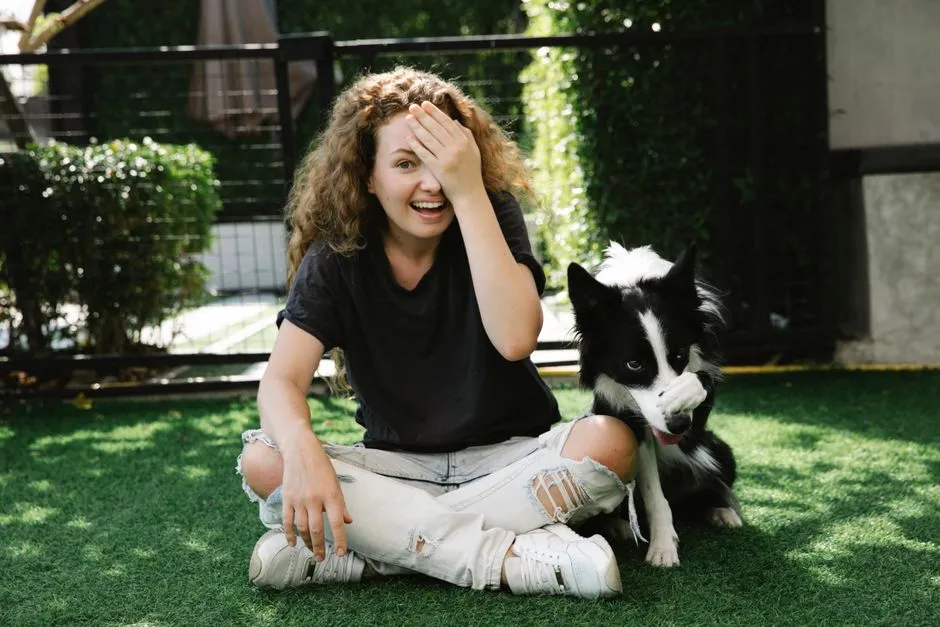
Strip the sound away and watch a room in slow motion, and you’d see exactly what your dog sees: how a person moves through shared space says almost everything about them. Confidence doesn’t mean stomping – it means controlled and balanced. Anxiety doesn’t always shrink small; sometimes it shows up as fast, zig-zagging, unpredictable movement instead.
Dogs are quietly tracking whether someone changes direction abruptly, cuts through space instead of moving around it, and whether their gestures are explosive or economical. Someone who reaches over a dog’s head, leans in fast, and claps loudly while closing distance is sending a full sensory assault, no matter how friendly they think they’re being. A person who turns slightly sideways, moves in smooth arcs, and lets the dog close the final distance on their own terms reads as safe and respectful every time. Movement manners, it turns out, matter more to a dog than anything you know about dog facts.
Quick Compare
- Confident movement: steady pace, smooth turns, relaxed shoulders, predictable path.
- Anxious movement: quick starts and stops, zig-zagging, tense shoulders, sudden direction changes.
- Respectful approach: angled body, slow hands, lets the dog close the distance.
- Overbearing approach: head-on stride, fast hands, closes distance without invitation.
#9 – The Fake-Nice Act Dogs Never Fall For
🔥 Would you like to save this?
We'll email this post to you, so you can come back to it later!
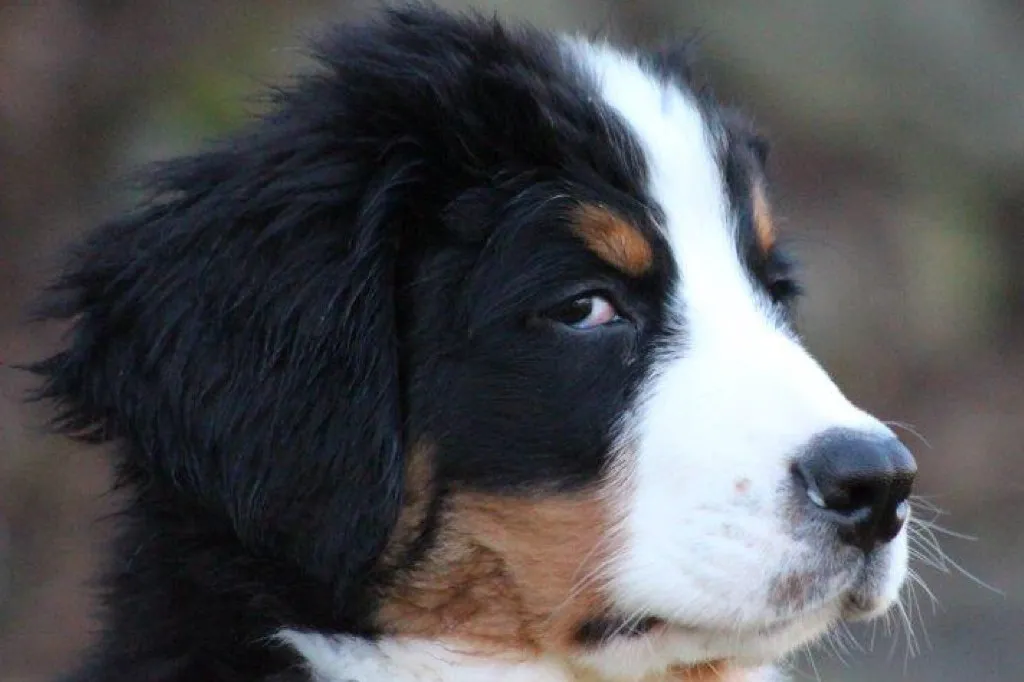
This is where dogs quietly humiliate us: they are brutal at spotting emotional inconsistency. A person who’s gruff but consistently, genuinely kind will often be adored by dogs. Meanwhile the person who gushes, squeals, and does baby talk while radiating hidden tension is often the one a dog never fully relaxes around.
Dogs are tracking whether your words, tone, body, and energy actually match, whether you act one way with the dog and a completely different way with people, and whether your reactions stay in a steady range or swing wildly. Over-the-top enthusiasm and forced laughter set off alarms because reading sincerity versus performance used to be a literal survival skill for dogs living in close quarters with humans. So when your “dog-loving” friend keeps getting side-eyed or quietly avoided, it’s rarely rudeness on the dog’s part. It’s often because that friend is performing affection instead of feeling it, and the mismatch reads like a siren.
#10 – The Invisible Rulebook: Who Respects Space, Who Doesn’t
🔥 Would you like to save this?
We'll email this post to you, so you can come back to it later!
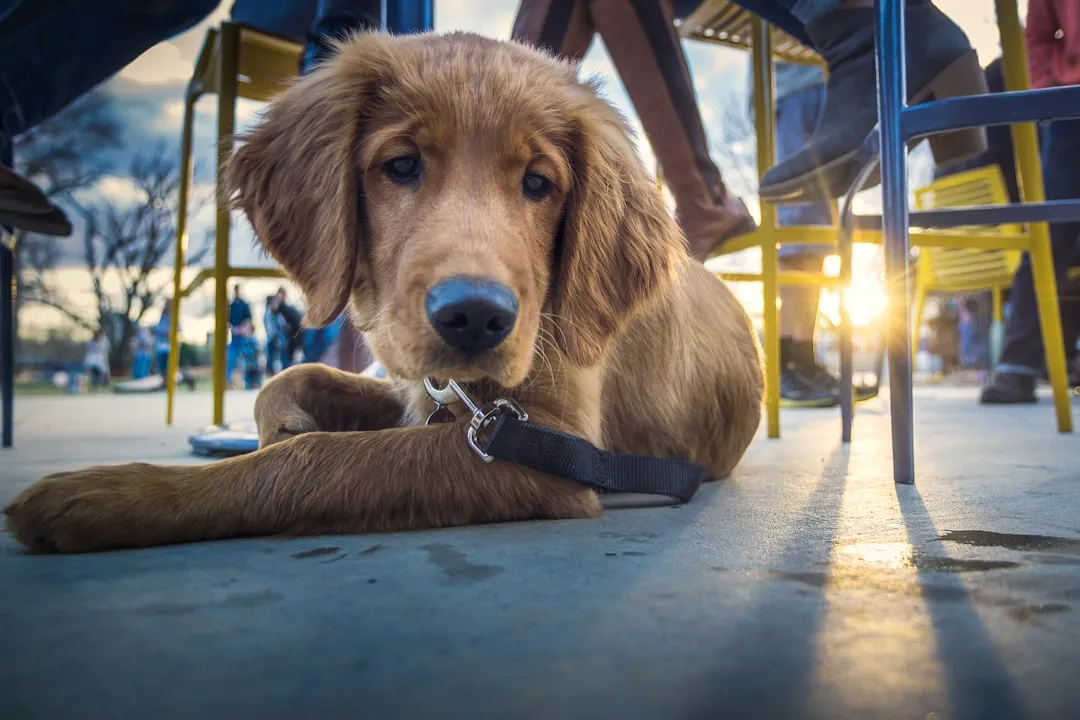
Dogs are constantly mapping an unspoken social structure in every room they enter. They’re not ranking people consciously, but they absolutely notice who asks permission, who waits, who barges in, and who yields – at doorways, on the couch, around food, and especially around personal space.
Does a guest wait to be invited to sit, or just drop onto the couch? Do they ask “can I pet her?” or just reach out uninvited? Do they back off when the dog turns away, or push for contact anyway? Dogs quietly file every answer under respectful or disrespectful, building predictions over time about who listens and who doesn’t. Many dogs labeled “dominant” or “difficult” have simply learned that humans ignore their subtle signals, forcing them to escalate to barking or blocking just to get heard. So when your dog rests near the person who barely touches them and avoids the hands-on “let me show you I love dogs” guest, that’s not coldness – it’s a preference for whoever lets them choose.
At a Glance
- Waits to be invited before sitting or approaching
- Asks before petting instead of reaching in uninvited
- Backs off the moment the dog turns away
- Lets the dog set the pace of any interaction
#11 – The Long Memory: Patterns Built Over Months, Not Minutes
🔥 Would you like to save this?
We'll email this post to you, so you can come back to it later!
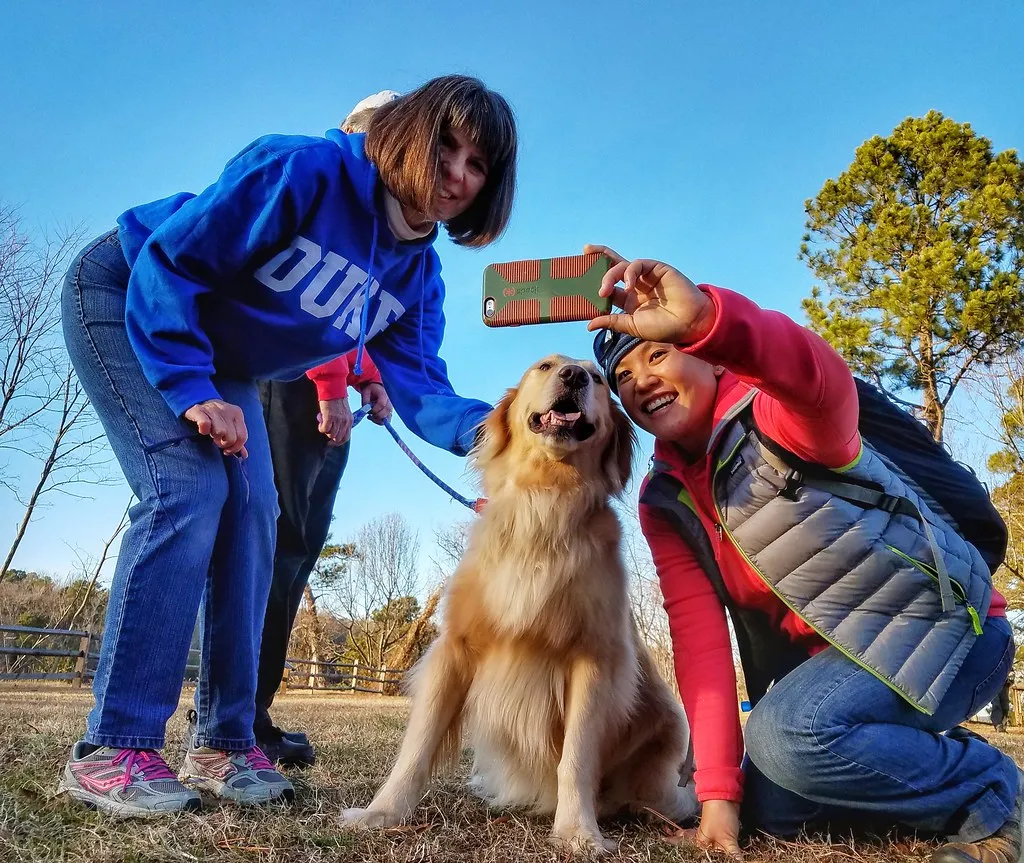
People love repeating that dogs “live in the moment,” but that’s only half true. Dogs absolutely remember patterns stretched across time – who showed up right before a fight, who always arrives before a vacation, who appears the moment things fall apart, who visits when you’re crying. They connect people to emotional climates, not just single encounters.
Your dog might light up at the sound of a specific car because it always means adventure, grow uneasy the moment a certain relative visits because it often precedes an argument, or instantly relax around an old friend they haven’t seen in years simply because that history has always been calm. In other words, your dog doesn’t read a person once – they keep a running file. If someone’s presence has historically meant stress or sudden bad news, your dog will pre-react the moment their scent or footsteps hit the edge of awareness. Nobody has to say a thing. The pattern already spoke.
The Bottom Line
🔥 Would you like to save this?
We'll email this post to you, so you can come back to it later!
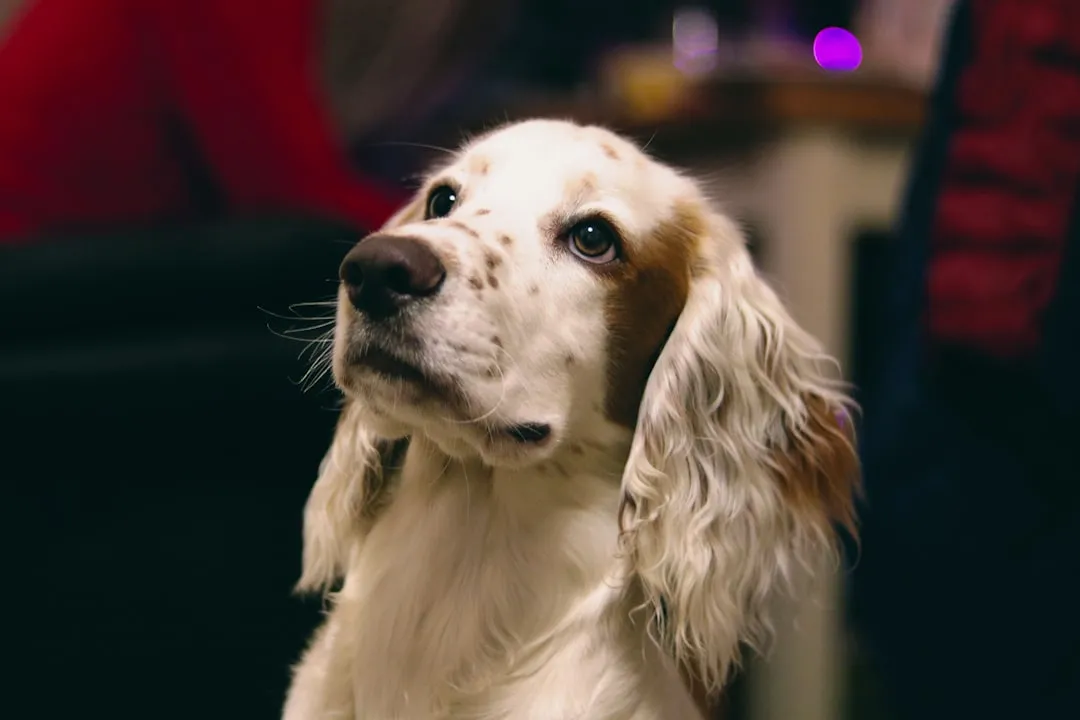
Dogs aren’t mystical lie detectors. They’re brutally honest pattern readers with better noses, sharper ears, and faster emotional radar than anyone else in the room. They watch how someone enters, how they move, whether their eyes match their smile, whether their hands respect boundaries, and how your own body reacts to that person – often before you’re willing to admit what you feel.
When someone says “my dog just didn’t like him, and I should’ve listened,” that’s not superstition talking. That’s regret, plain and simple – the regret of trusting polite conversation over sensory truth. Are dogs always right about people? No. They can inherit our baggage, misread old pain as new threat, or drag outdated associations into situations that don’t deserve them. But dismissing their read completely is its own kind of foolishness.
We’ve spent generations training ourselves to override instinct in the name of manners. Dogs never got that memo, and honestly, I think that’s the best thing about them. It’s their greatest gift and their most inconvenient warning, delivered in the same silent glance. So the real question isn’t whether your dog is reading the room correctly – it’s whether you’re brave enough to trust what they’re telling you before anyone says a word.

- The Cheetah: The Speed King of the Animal Kingdom - November 5, 2026
- The Remarkable Intelligence of Octopuses: Beyond What Scientists Imagined - November 5, 2026
- What Your Dog’s Tail Wags Are Really Trying to Tell You - November 5, 2026