
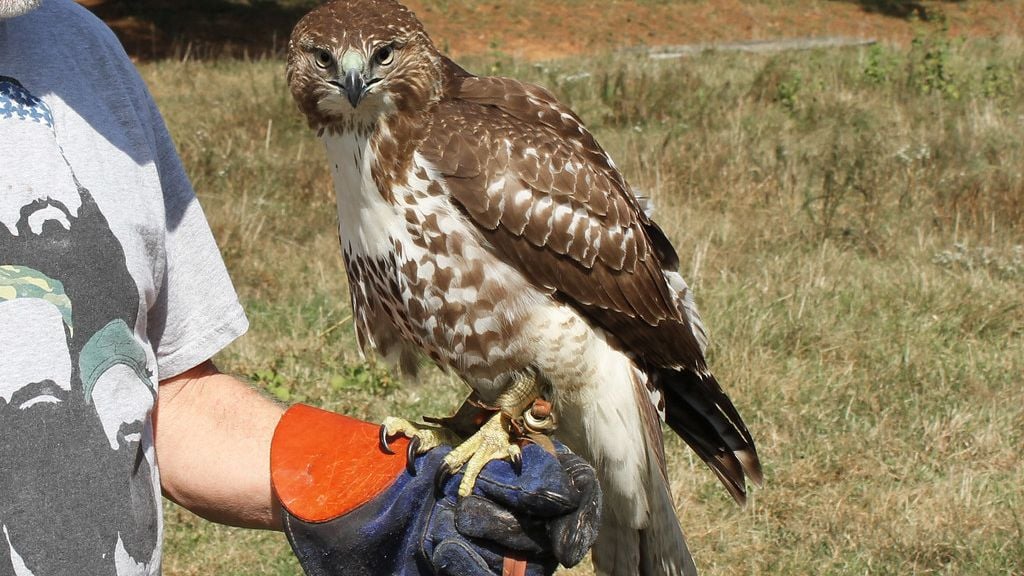
Most people pass beneath them every single day without a second thought. That silhouette riding a lazy thermal over the highway, the broad-winged shape perched on a telephone pole at the edge of a parking lot, the distant piercing cry you’ve heard but never quite placed. It belongs to one of North America’s most extraordinary wild animals, and it lives closer to you than you probably realize.
The red-tailed hawk is not a distant wilderness creature. It’s a neighborhood regular, a sky-level neighbor that has quietly mastered the art of living alongside humans. Once you know what to look for, you’ll start seeing them everywhere. What follows might permanently change how you look up.
#1. They Are the Most Common Hawk in North America
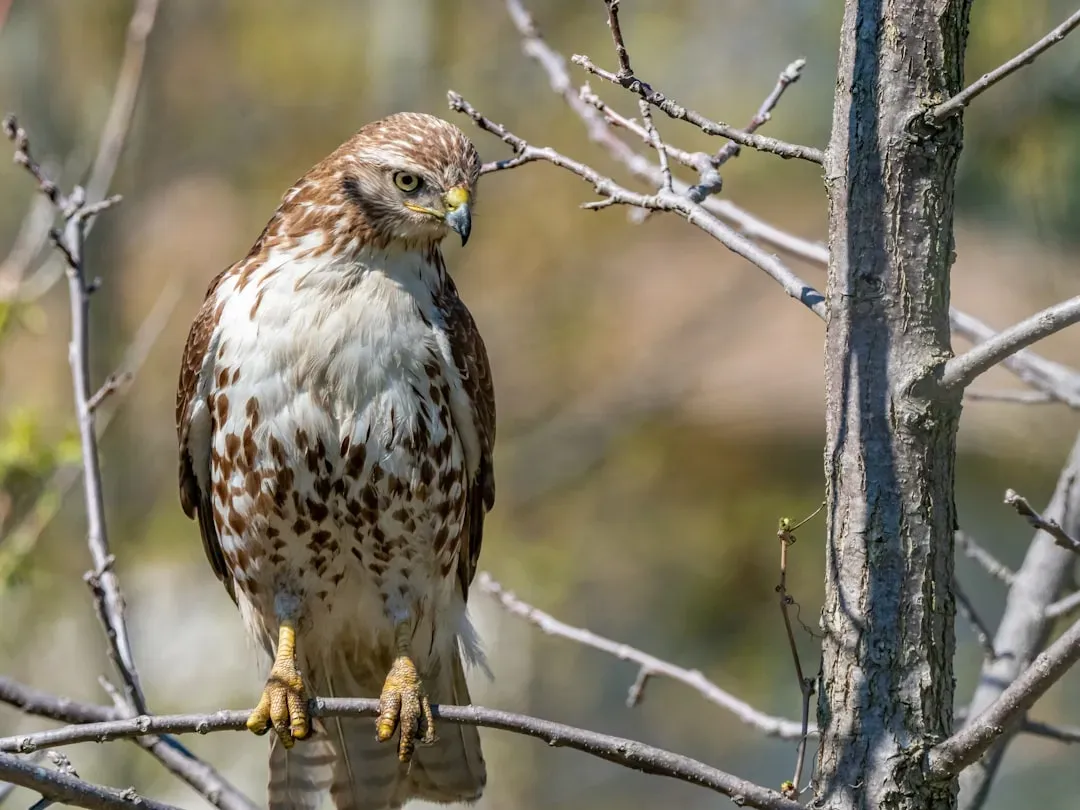
This is probably the most common hawk in North America. That’s not just a casual claim. Among the large, soaring hawks known as buteos, red-tails are the most widespread in North America. Their sheer numbers and range put them in a category of their own among raptors.
The red-tailed hawk is characterized by variability and versatility. Across its widespread range, this species exhibits remarkable diversity in plumage, habitat use, and hunting ecology, so much that the redtail is often described as a “jack-of-all-trades.” That adaptability is precisely why they thrive in so many environments, from wilderness to city block.
#2. Their Vision Is Almost Impossibly Sharp
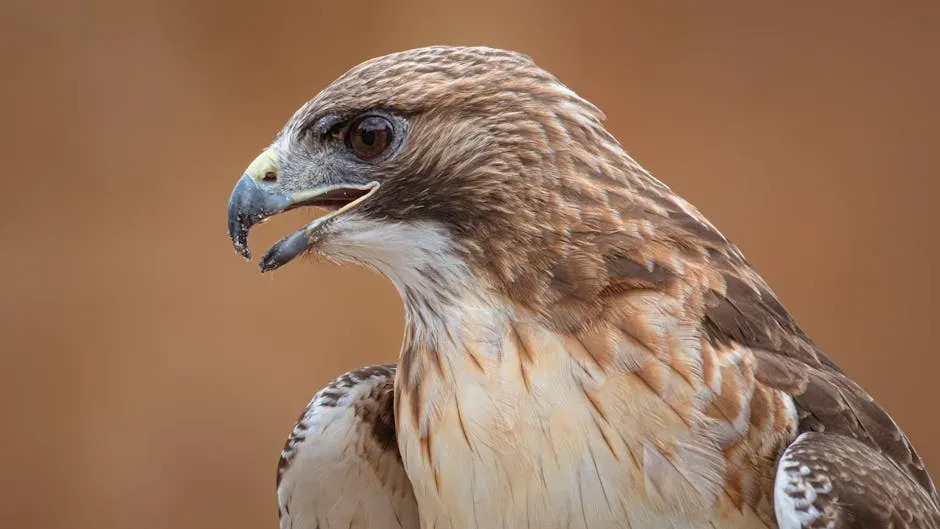
Their eyesight is eight times stronger than ours, enabling them to spot a mouse from over 100 feet away. That kind of visual precision is hard to fully comprehend. Imagine standing at one end of a basketball court and clearly reading the label on a bottle at the other end while also tracking movement in your peripheral vision. That’s roughly the world a red-tailed hawk inhabits.
Their eyes contain a high concentration of photoreceptor cells and a deep fovea, a specialized area for sharp central vision. This combination provides outstanding depth perception and focus, allowing hawks to accurately judge distances and swiftly target moving prey with pinpoint precision. On top of that, they can see colors in the ultraviolet range, meaning that the hawks can perceive colors that humans cannot see.
#3. They Have a Secret Third Eyelid
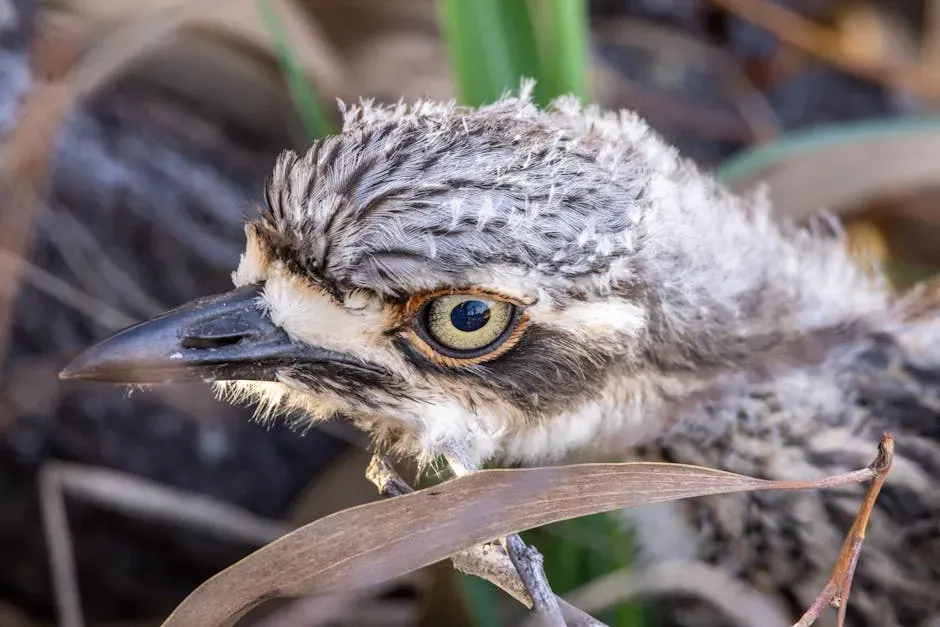
Red-tailed hawks have an upper and lower eyelid similar to humans, but they also have a third, clear eyelid that closes from the side. This third eyelid is called a nictitating membrane and is used for lubrication typically associated with blinking as well as for protection when hunting. It’s essentially a built-in pair of goggles.
This membrane keeps the eye moist and shielded during high-speed dives and while managing live, struggling prey. There’s also another clever anatomical detail: this hawk has keen eyesight, and there is a bony ridge over the eye socket that provides shade for the eyes in direct sunlight, similar to the way a baseball cap provides shade for our eyes. Nature’s engineering at its most precise.
#4. That Iconic Eagle Scream You Hear in Movies? It’s Actually a Red-Tail
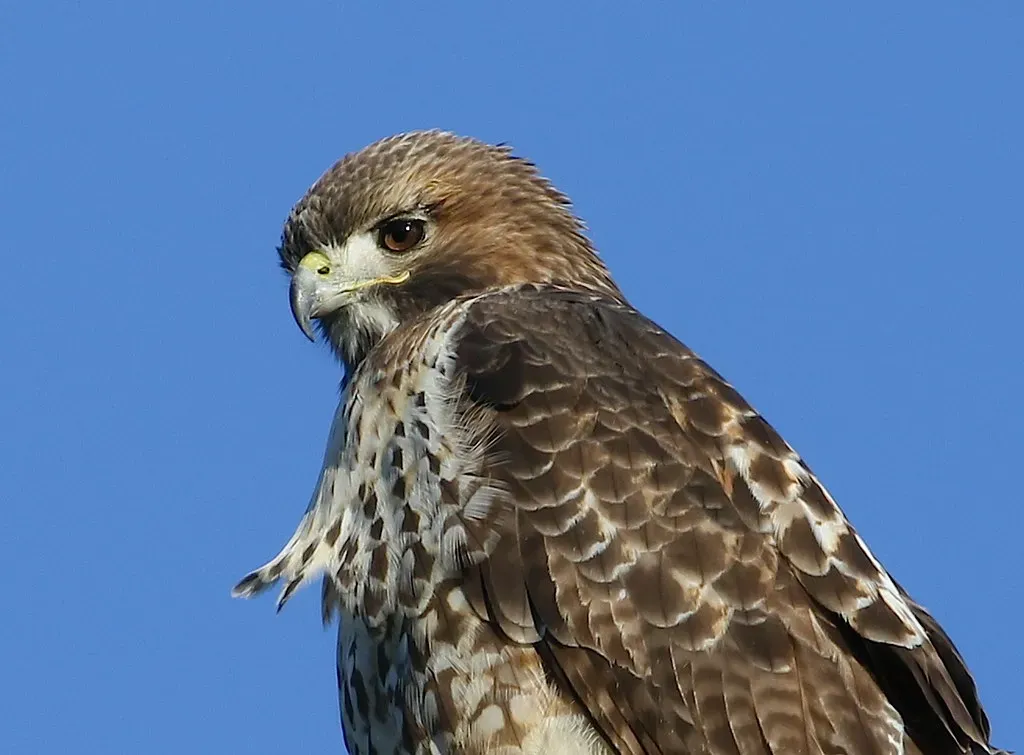
The red-tailed hawk has a thrilling, raspy scream that sounds exactly like a raptor should sound. At least, that’s what Hollywood directors seem to think. Whenever a hawk or eagle appears onscreen, no matter what species, the shrill cry on the soundtrack is almost always a red-tailed hawk. Bald eagles, golden eagles, ospreys, all regularly receive the red-tail’s vocal credit.
Many movies play a red-tailed hawk sound when a bald eagle appears on screen. Though the eagle looks intimidating, it makes a paltry squeal compared to the adult hawk’s piercing cry. So the next time a majestic eagle sweeps across a film score with that bone-chilling shriek, you’ll know exactly which bird deserves the standing ovation.
#5. They’ve Completely Reinvented Themselves for City Life
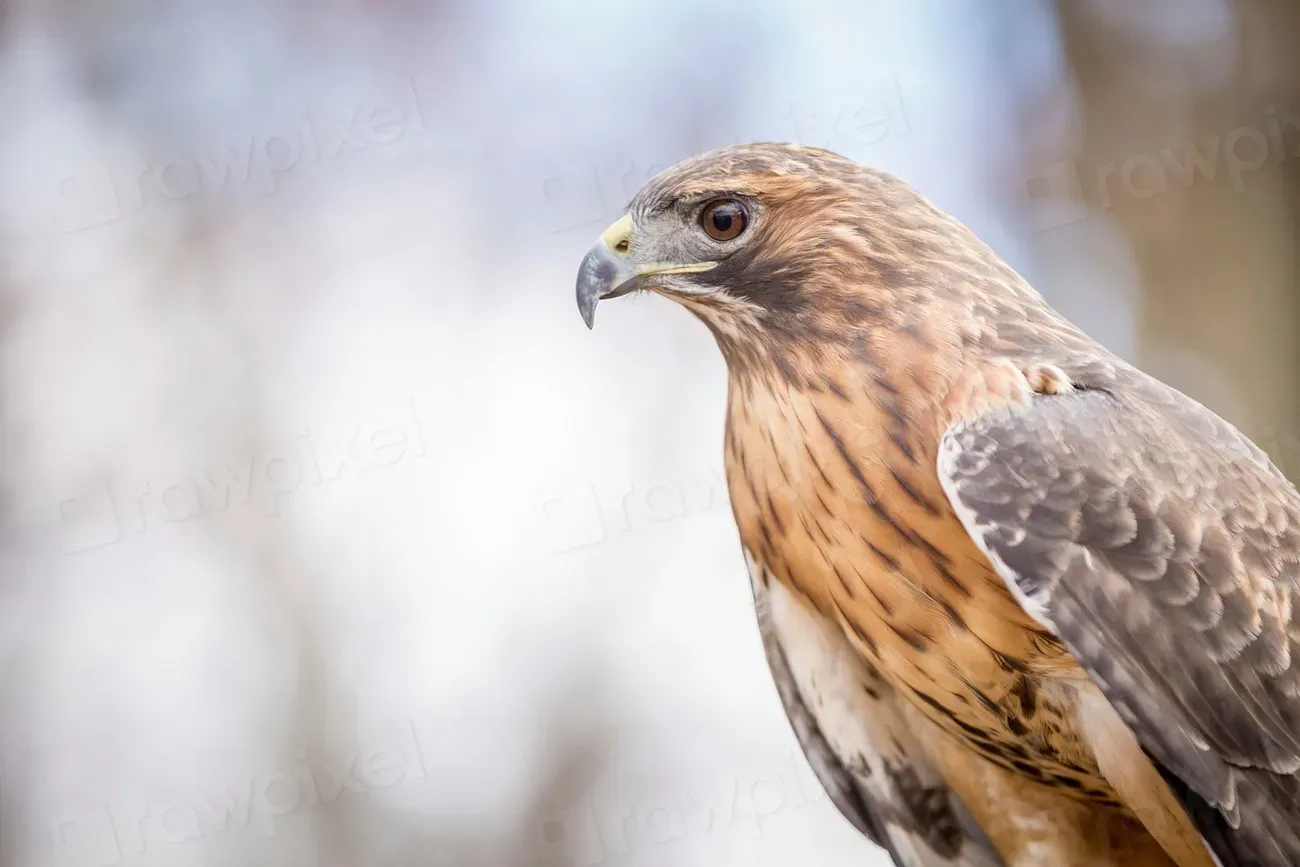
Red-tailed hawks are known for their adaptability, and they’ve found surprising ways to make cities work for them. Instead of wide-open fields, they use tall buildings and cell towers as convenient vantage points to spot prey below. City parks and green spaces become miniature hunting grounds, providing squirrels, pigeons, and other small animals that are now staples of their urban diet.
Unlike some other raptors, the red-tailed hawk is seemingly unfazed by considerable human activity and can nest and live in close proximity to large numbers of humans. Thus, the species can also be found in cities, where common prey such as rock pigeons and brown rats may support their populations. One of the most famous examples is Pale Male, a wild red-tailed hawk observed in New York City’s Central Park since 1991, when he was first spotted as a one-year-old.
#6. They Can Dive at Breathtaking Speeds
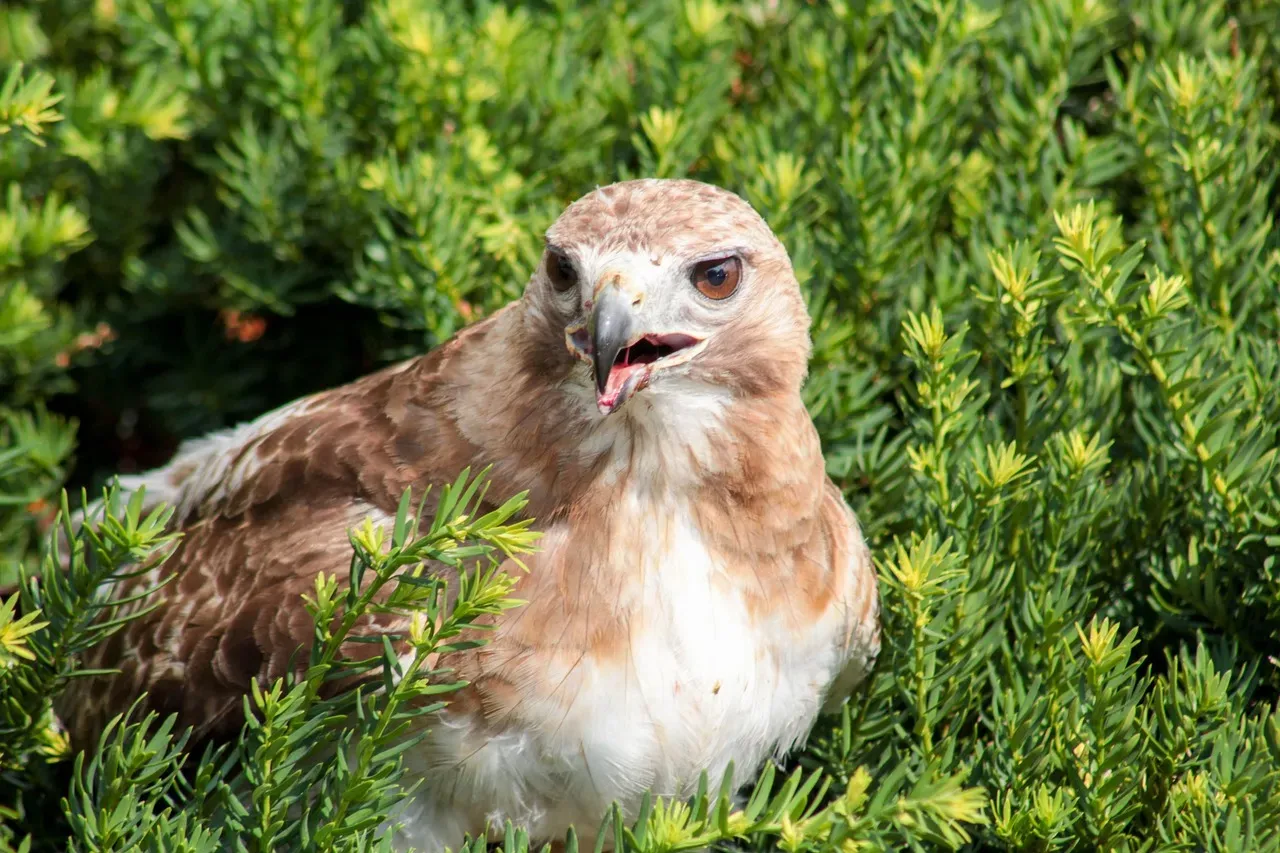
They can dive at speeds of over 120 mph when hunting prey, which includes rodents, reptiles, and occasionally other birds. That’s faster than most highway speeds. Yet the approach isn’t reckless. Unlike falcons that dive at blazing speeds, red-tailed hawks employ a slow, deliberate dive. It’s a calculated commitment once the decision to strike is made.
When they spot their prey, these keen hawks snap their wings by their bodies and rocket down at a 45-degree angle with their feet out in front and their talons, or claws, ready to grasp the prey. They rarely miss. The talons themselves are the primary weapon, strong, curved claws designed to grasp and immobilize prey with incredible force, enabling the hawk to seize animals like rodents, rabbits, and smaller birds quickly, ensuring a successful hunt and minimizing struggle.
#7. Their Plumage Is Far More Variable Than Most People Know
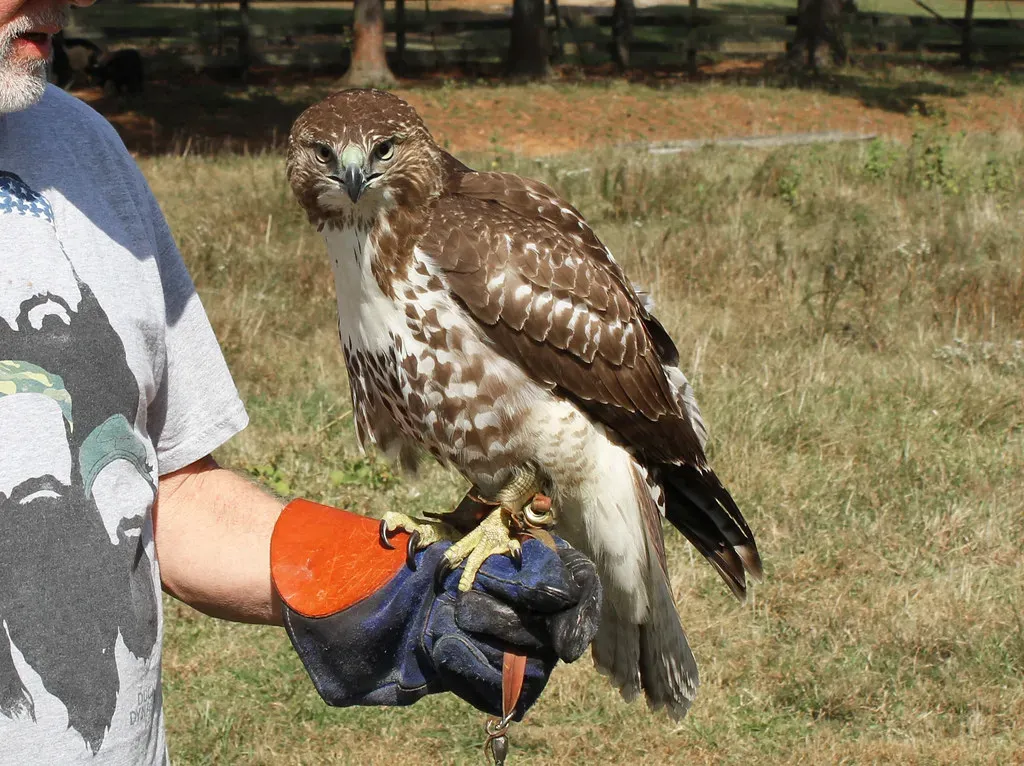
Red-tailed hawks are known for their brick-colored tails, but there are more than a dozen subspecies of various colorations, and not all of them have this characteristic. The name is slightly misleading for roughly a third of individuals you might encounter. Juveniles don’t get the red feathers until the start of their second year, instead sporting brown barred tails. Plus, with 14 subspecies and many color morphs, adult red-tailed hawks have a variety of plumages.
Although adults usually can be recognized by the trademark reddish-brown tail, the rest of their plumage can be quite variable, especially west of the Mississippi: Western red-tails can range from blackish to rufous-brown to nearly white. One of the most striking variants, the “Harlan’s Hawk,” breeds in Alaska and northwestern Canada, and winters on the southern Great Plains. This very dark form of the red-tailed hawk has a marbled white, brown, and gray tail instead of a red one.
#8. They Mate for Life and Their Courtship Is Spectacular
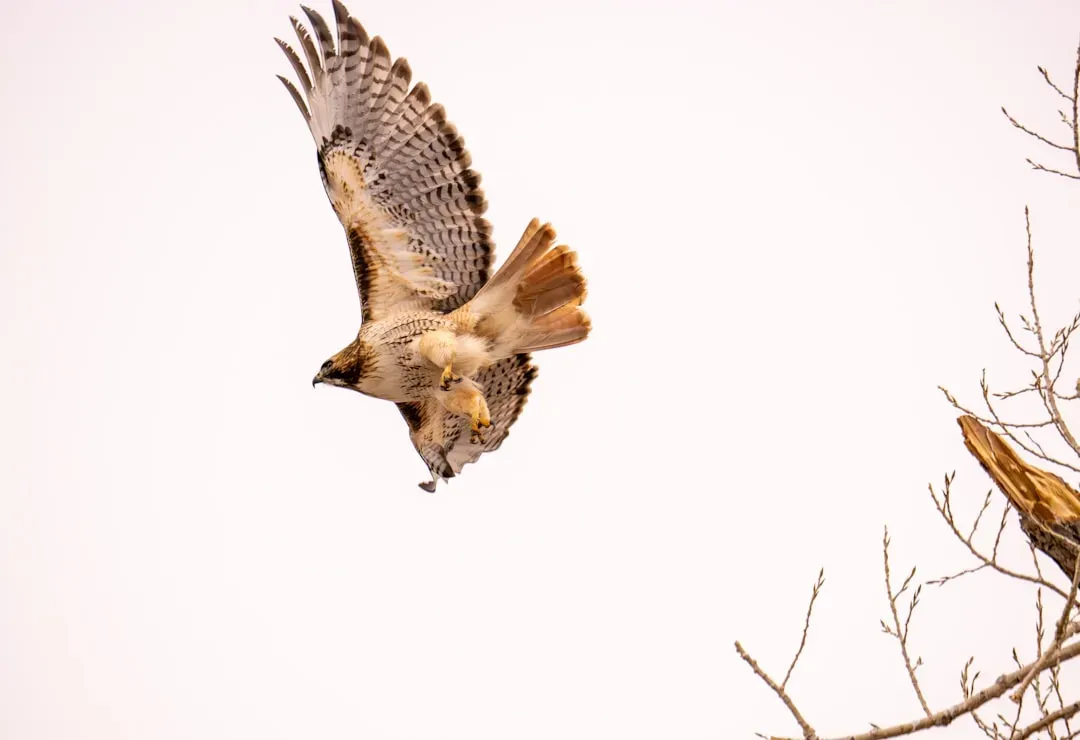
Red-tailed hawks mate for life. That bond tends to be genuine and lasting. Mated pairs typically stay together until one of the pair dies. Courtship, when it happens, is nothing short of theatrical. Courting red-tailed hawks soar in wide circles at a great height. The male dives steeply, then shoots up again at an angle nearly as steep. After several of these swoops he approaches the female from above, extends his legs, and touches her briefly.
Sometimes, the pair grab onto one another, clasp talons, and plummet in spirals toward the ground before pulling away. It’s one of the most dramatic aerial displays in the bird world, happening directly above neighborhoods and fields. Courtship may also include the male capturing prey and offering it to the female. This courtship feeding is often done during the aerial displays, with the female rolling over and extending her talons to accept the prey.
#9. Their Nests Grow Larger Every Year
The pair makes a stick nest in a tree, high above the ground. They will use the nest year after year, so it grows bigger and bigger. Over multiple seasons, these structures can become genuinely massive. They build large nests, around 3 feet high and up to 38 inches wide, that they have been known to reuse for several years in a row.
Hawks take about four to seven days to build their nests, usually in tall trees or atop high structures. Nests are made of twigs, bark, leaves, and plant matter. In urban settings, they’ll also place them on building ledges or tower platforms. Females can lay one to five eggs each breeding season, and both parents take turns incubating, though the female does most of it while the male hunts and protects the nest.
#10. They Are Surprisingly Cooperative Hunters
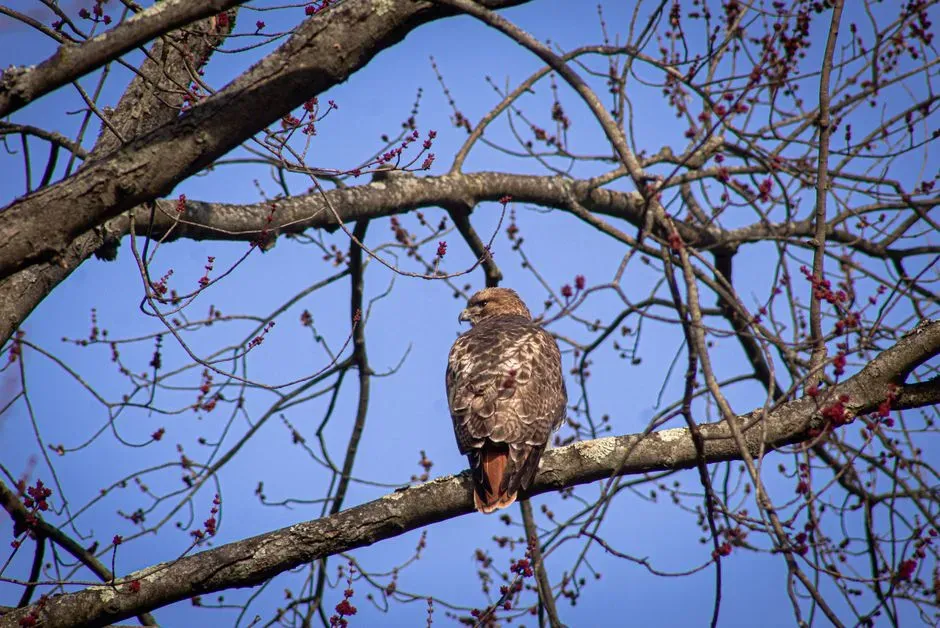
Red-tailed hawks have been seen hunting as a pair, guarding opposite sides of the same tree to catch tree squirrels. This is fairly uncommon behavior for raptors, which tend to hunt solo, and it speaks to the intelligence and adaptability of mated pairs. One bird flushes the prey while the other waits on the opposite side, essentially setting a two-hawk trap.
When hunting wary prey like rabbits or squirrels, red-tailed hawks may hunt from a high tree perch or by soaring at a moderate height above the ground, swooping down to catch the prey with their talons at the opportune moment. For smaller prey like mice, insects, and snakes they may hunt from low posts or by low-level flights. The strategy shifts with the target, which is a hallmark of a genuinely intelligent predator.
#11. They Are Masters of Thermal Soaring
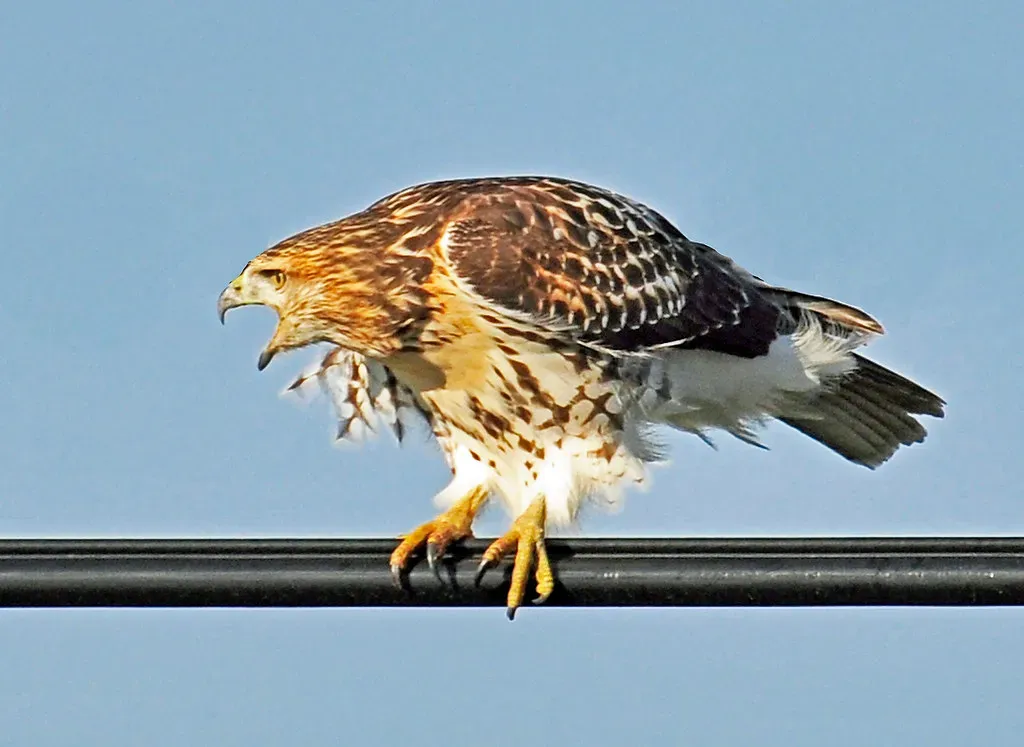
Red-tailed hawks are known for their exceptional soaring abilities, often riding thermals, rising columns of warm air, to conserve energy while searching for prey. They can be spotted circling high above the ground, their red tails shining in the sunlight. Cities actually create an abundance of these thermals, which is one reason urban red-tails thrive so well.
Favorable landscape features that concentrate migrants include long ridges where updrafts afford opportunities for slope-soaring, and manmade features such as cities where “heat islands” create numerous thermals. The red-tailed hawk is a master of soaring and takes advantage of thermals and updrafts. In cooler weather, when thermals aren’t available, these birds rely on perch hunting. Either way, the energy budget is managed with remarkable efficiency.
#12. The Oldest Known Wild Red-Tail Lived More Than 30 Years
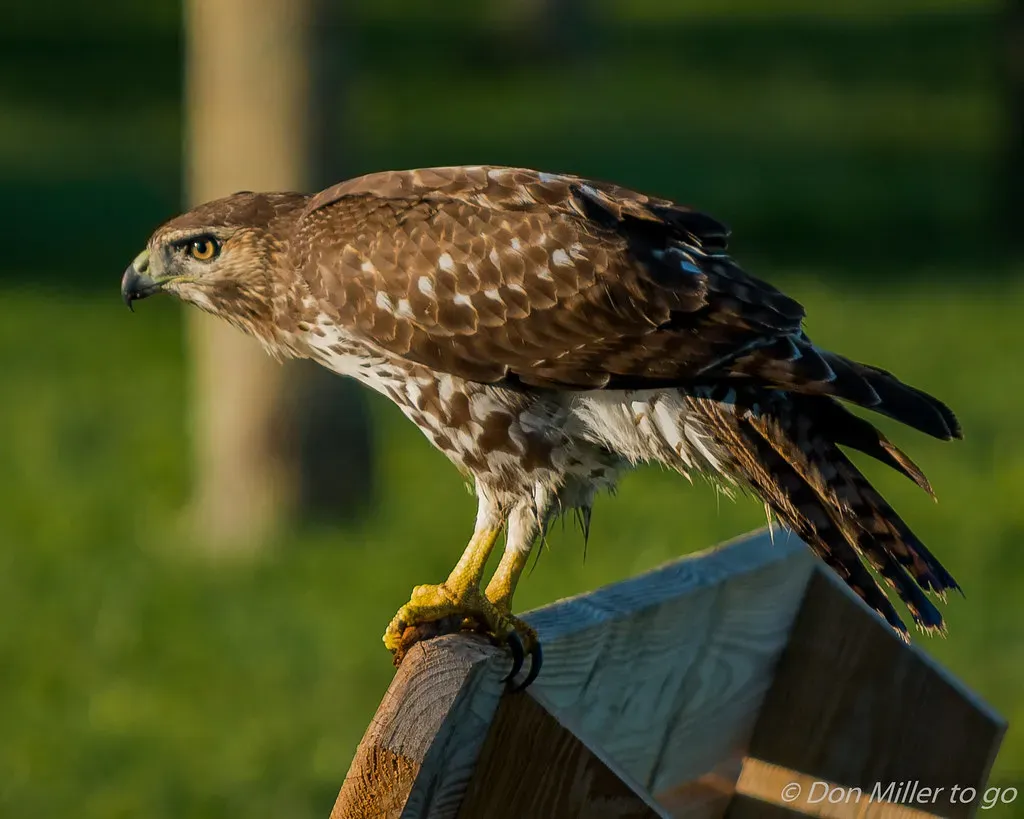
The oldest known wild red-tailed hawk was at least 30 years, 8 months old when it was found in Michigan in 2011, the same state where it had been banded in 1981. That is an extraordinary lifespan for a wild bird navigating weather, predators, cars, and competition. Red-tailed hawks have a high mortality rate for the first two years of their lives. If they survive this period, their life expectancy is 10 to 15 years.
Red-tailed hawk populations increased by about 1.3% per year between 1966 and 2019, according to the North American Breeding Bird Survey. Partners in Flight estimates a global breeding population of 3.1 million. The species rates a 6 out of 20 on the Continental Concern Score, indicating a species of low conservation concern. In a world where many raptors have struggled, the red-tailed hawk is a genuine conservation success story, thriving because it was willing to meet the modern world on its own terms.
A Final Thought Worth Taking Outside With You
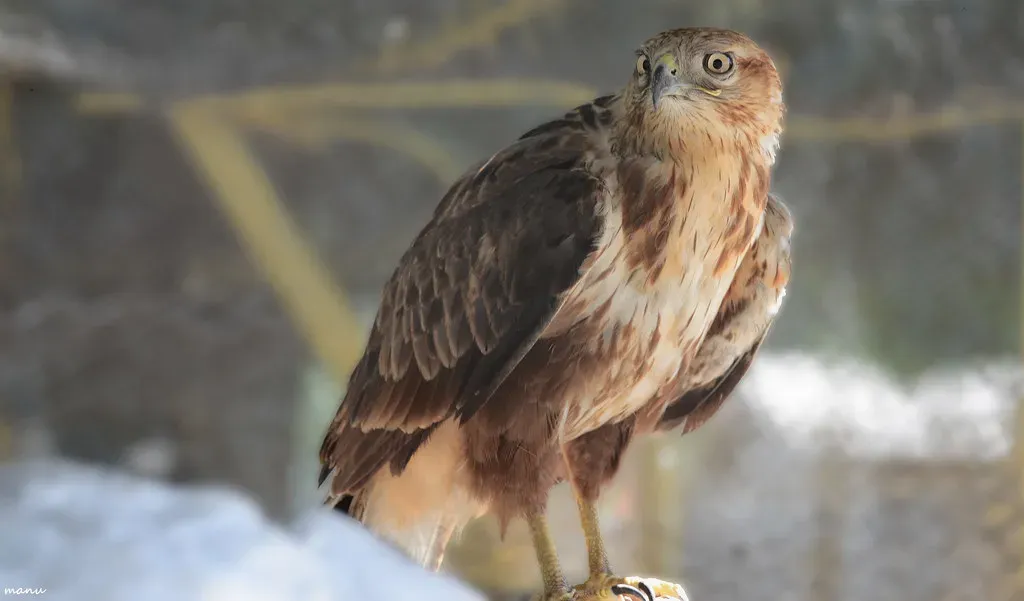
There’s something quietly remarkable about sharing a neighborhood with a predator this capable. These birds aren’t just passing through. They are surveying your street, hunting your parks, raising young above your commute, and doing all of it with a kind of effortless precision that took millions of years to develop.
You don’t need to travel anywhere to watch one. Next time you’re outside, take thirty seconds and look up. That broad shape circling slowly against the sky isn’t a buzzard, it isn’t a crow, and it isn’t random. It’s one of nature’s most accomplished hunters, making a living right above your head. Once you recognize it, the sky never quite looks the same again.
