

Rewilding represents one of conservation’s most ambitious approaches, aiming to restore ecosystems to their natural state by reintroducing lost species and allowing natural processes to reassert themselves. While famous projects like Yellowstone’s wolf reintroduction often grab headlines, numerous remarkable rewilding initiatives operate in relative obscurity around the globe. These lesser-known projects are transforming degraded landscapes into thriving ecosystems, rebuilding food webs, and helping mitigate climate change impacts. From remote mountaintops to abandoned military zones, innovative conservationists are reconnecting fragmented habitats and bringing back species long absent from their native ranges. Let’s explore twelve extraordinary rewilding efforts that deserve wider recognition for their ecological achievements and innovative approaches.
12. Iberá Wetlands Restoration – Argentina

In the northeastern corner of Argentina lies one of the world’s most ambitious rewilding projects. The Iberá Wetlands, covering approximately 3.2 million acres, represent the second-largest wetland system in South America. Beginning in the 1990s, conservation organization Tompkins Conservation (founded by the late Doug Tompkins of North Face and his wife Kristine) began purchasing degraded ranchland surrounding these vital wetlands. Their goal? To restore the ecosystem by reintroducing locally extinct species and creating Iberá National Park.
To date, the project has successfully reintroduced giant anteaters, pampas deer, tapirs, peccaries, and even jaguars—absent from the region for over 70 years. The first jaguar cubs born in the wild in Iberá in decades were documented in 2018, marking a significant milestone. Beyond wildlife reintroduction, the project has revitalized the local economy through ecotourism, creating over 100 direct jobs and transforming former cattle-ranching communities into conservation hubs. The Iberá project demonstrates how rewilding can simultaneously restore ecosystems while creating sustainable economic opportunities for rural communities.
11. Western Iberia Rewilding – Portugal and Spain

Along the border between Portugal and Spain lies a remarkable rewilding initiative covering nearly 120,000 hectares of abandoned farmland. The Western Iberia project, spearheaded by Rewilding Europe, focuses on the Côa Valley and Malcata mountains—an area that experienced massive rural exodus over recent decades as young people migrated to cities seeking economic opportunities. This demographic shift unexpectedly created perfect conditions for rewilding, as nature began reclaiming abandoned agricultural landscapes.
The project works with remaining landowners to implement natural grazing systems using semi-wild horses and cattle that mimic the ecological role of extinct herbivores. These grazing patterns help maintain mosaic landscapes that benefit threatened species like the Iberian lynx, Spanish imperial eagle, and Iberian wolf—all of which are naturally returning to the area. The initiative has also developed a network of wildlife observation points and hiking trails, generating new economic opportunities through nature-based tourism. One innovative aspect involves “Star Camp” accommodations where visitors can sleep under the stars in one of Europe’s last remaining dark sky reserves while listening to wolves howl in the distance—creating economic incentives for local communities to embrace rewilding.
10. Demilitarized Zone (DMZ) Wildlife Refuge – Korean Peninsula

Perhaps the world’s most unusual rewilding project exists in the heavily fortified 250-kilometer strip dividing North and South Korea. The Korean Demilitarized Zone (DMZ), established in 1953 following the Korean War, has inadvertently become one of Asia’s most important unplanned wildlife sanctuaries. While created for military purposes, this 4-kilometer-wide no-man’s-land has remained virtually untouched by humans for nearly 70 years, allowing nature to reclaim the landscape without human intervention.
This accidental wilderness now hosts approximately 6,200 plant and animal species, including 106 that are endangered. Rare creatures like Asiatic black bears, Amur leopards, and the endangered red-crowned crane thrive in this unintentional sanctuary. The DMZ contains some of the last pristine wetlands in East Asia and represents multiple ecosystems from mountains to coastal marshes. While not a traditional rewilding project with human management, conservationists from both Koreas and international organizations work to document the zone’s biodiversity and develop plans for its potential future as an official transboundary peace park. The DMZ demonstrates nature’s remarkable resilience when simply left alone—an important lesson for intentional rewilding efforts worldwide.
9. Oostvaardersplassen – Netherlands
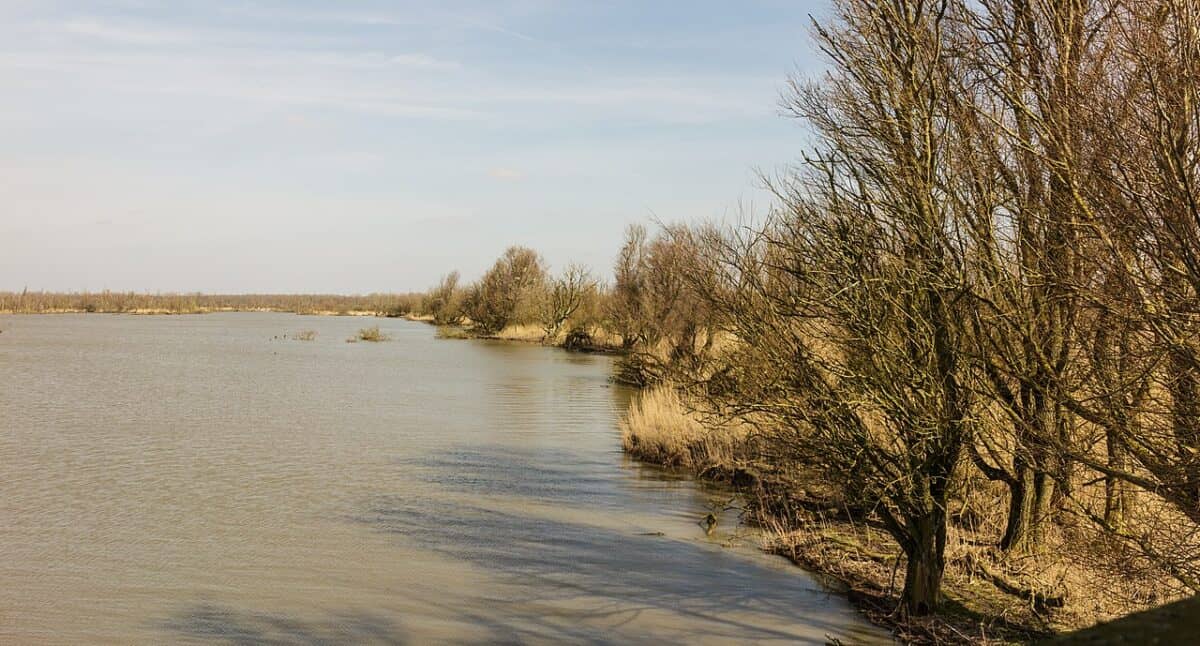
In a densely populated country not typically associated with wilderness, the Netherlands hosts one of Europe’s most controversial and philosophically pure rewilding experiments. The Oostvaardersplassen, covering about 6,000 hectares, was originally land reclaimed from the sea in the 1960s and intended for industrial development. When those plans fell through, ecologist Frans Vera saw an opportunity to recreate a pre-agricultural European landscape influenced by large herbivores.
The project introduced Heck cattle (bred to resemble extinct aurochs), Konik horses (similar to the extinct tarpan), and red deer to create a self-regulating ecosystem. The approach follows a hands-off philosophy where nature dictates outcomes, including natural winter mortality among herbivore populations—a policy that has sparked intense debate among Dutch citizens and scientists alike. Despite controversies, the Oostvaardersplassen has become an internationally significant wetland, hosting over 30 species of breeding birds including the rare white-tailed eagle, which returned to the Netherlands after a 70-year absence. The project challenges conventional conservation thinking by asking fundamental questions about how much humans should intervene in “natural” processes and what historical baseline ecosystems should target—questions central to rewilding’s theoretical foundations.
8. American Prairie Reserve – Montana, USA

In the northern Great Plains of Montana, a visionary project aims to create the largest wildlife reserve in the continental United States. The American Prairie Reserve (APR) is working to stitch together 3.2 million acres of existing public lands with strategically acquired private ranches to create a continuous protected prairie ecosystem. This ambitious effort targets an ecosystem that received far less conservation attention than America’s forests and mountains—despite the fact that temperate grasslands are among the world’s most endangered biomes.
The project has already protected over 400,000 acres and reintroduced American bison, with current herds numbering more than 800 animals. The ultimate goal is to restore a complete prairie ecosystem including predators like swift foxes and eventually wolves. The APR employs an innovative “wild sky” program that pays neighboring ranchers for wildlife-friendly practices, demonstrating how rewilding can coexist with traditional land uses. What makes this project particularly noteworthy is its scale—when complete, visitors will be able to witness vast, unbroken prairie landscapes with thundering bison herds reminiscent of pre-European settlement conditions, all just a few hours’ drive from major Western cities. This accessibility could transform how Americans perceive and value native grassland ecosystems that once covered nearly half the continent.
7. Pleistocene Park – Siberia, Russia

In the remote reaches of northeastern Siberia, Russian scientist Sergey Zimov and his son Nikita are conducting perhaps the world’s most ambitious experimental rewilding project. Pleistocene Park aims to recreate the mammoth steppe ecosystem that dominated northern Eurasia during the Pleistocene epoch, which ended roughly 12,000 years ago. The Zimovs hypothesize that large herbivores were crucial in maintaining this highly productive grassland ecosystem that supported mammoth, woolly rhinoceros, bison, and numerous other large mammals.
Since 1996, they have introduced reindeer, moose, Yakutian horses, musk oxen, and bison to their experimental territory, which now covers approximately 20 square kilometers. These animals compact snow in winter, allowing cold air to penetrate and cool the soil, which helps preserve the permafrost. This approach addresses a critical climate concern, as Siberian permafrost contains twice as much carbon as Earth’s atmosphere, and its thawing could dramatically accelerate climate change. The project has even collaborated with geneticists working on mammoth de-extinction, hoping that mammoth-elephant hybrids might someday help expand their ecosystem engineering efforts. While controversial and facing immense logistical challenges, Pleistocene Park offers a boldly original vision for how rewilding might simultaneously restore lost ecosystems while combating climate change.
6. Tijuca Forest – Brazil
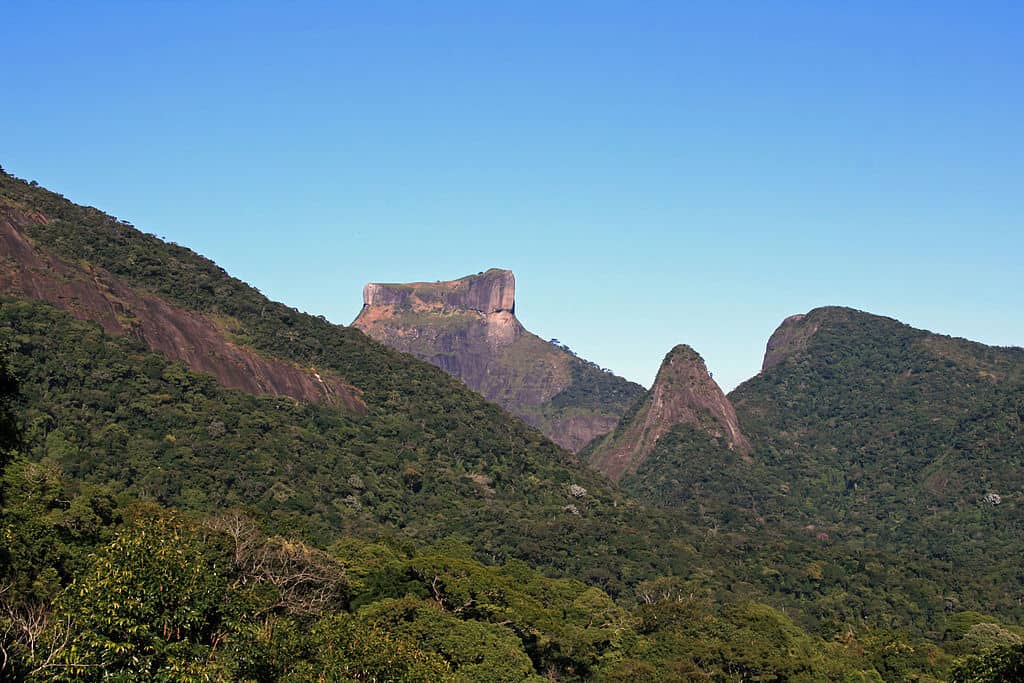
Rising dramatically above Rio de Janeiro stands what might be the world’s oldest rewilding project. Tijuca Forest, now covering 32 square kilometers, was originally Atlantic rainforest cleared in the 1800s for coffee plantations. When deforestation began threatening Rio’s water supply, Emperor Pedro II ordered the land reforested in 1861. Under the direction of Major Manuel Gomes Archer, the project hand-planted approximately 100,000 trees of native species over 13 years, essentially performing rewilding a century before the concept had a name.
While the initial reforestation succeeded in restoring tree cover, the ecosystem remained incomplete until the 1970s, when ecologists began reintroducing native fauna. Since then, the project has successfully reintroduced howler monkeys, agoutis, toucans, and numerous other species vital to seed dispersal and forest regeneration. Today, Tijuca stands as the world’s largest urban forest, providing crucial ecosystem services to Rio’s population while demonstrating the remarkable long-term success possible with reforestation and rewilding. The forest now hosts over 1,600 plant species and 350 animal species, making it more biodiverse than many primary forests of similar size. As cities worldwide confront ecological degradation, Tijuca offers an inspiring 160-year-old case study in urban ecological restoration.
5. Knepp Estate – United Kingdom
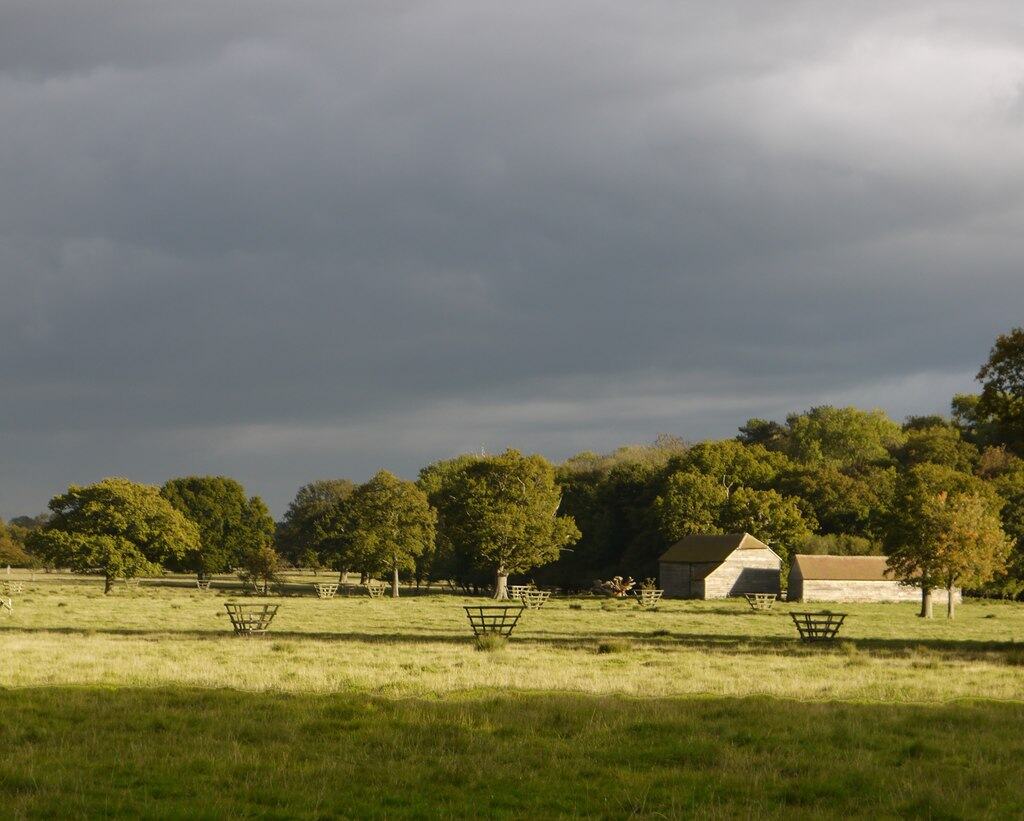
In the densely populated southeast of England, the 3,500-acre Knepp Estate has transformed from an intensive agricultural operation to one of Britain’s most celebrated rewilding success stories. When conventional farming became economically unviable on the estate’s heavy clay soils, owners Charlie Burrell and Isabella Tree took a radical approach in 2001, removing fences and introducing free-roaming herbivores—Old English longhorn cattle, Exmoor ponies, Tamworth pigs, and various deer species—as proxies for extinct species that would have shaped Britain’s original landscape.
The results have been nothing short of remarkable. Within just two decades, Knepp has become home to breeding populations of turtle doves, nightingales, and purple emperor butterflies—all species in severe decline across Britain. The estate now hosts all five UK owl species, 13 bat species, and has recorded over 2,800 species of moths and butterflies. Particularly notable is the estate’s dramatic revival of native pollinators, with 30% of Britain’s rare bumblebee species now present on the property. Knepp has pioneered the concept of “process-based” conservation, where natural processes rather than specific targets drive ecosystem development. Its success in a densely populated, intensively managed landscape proves rewilding can work even in areas long written off as beyond ecological recovery. The project has transformed the national conversation about conservation in Britain through Isabella Tree’s bestselling book “Wilding,” which documented the estate’s remarkable journey.
4. Great Eastern Ranges Initiative – Australia
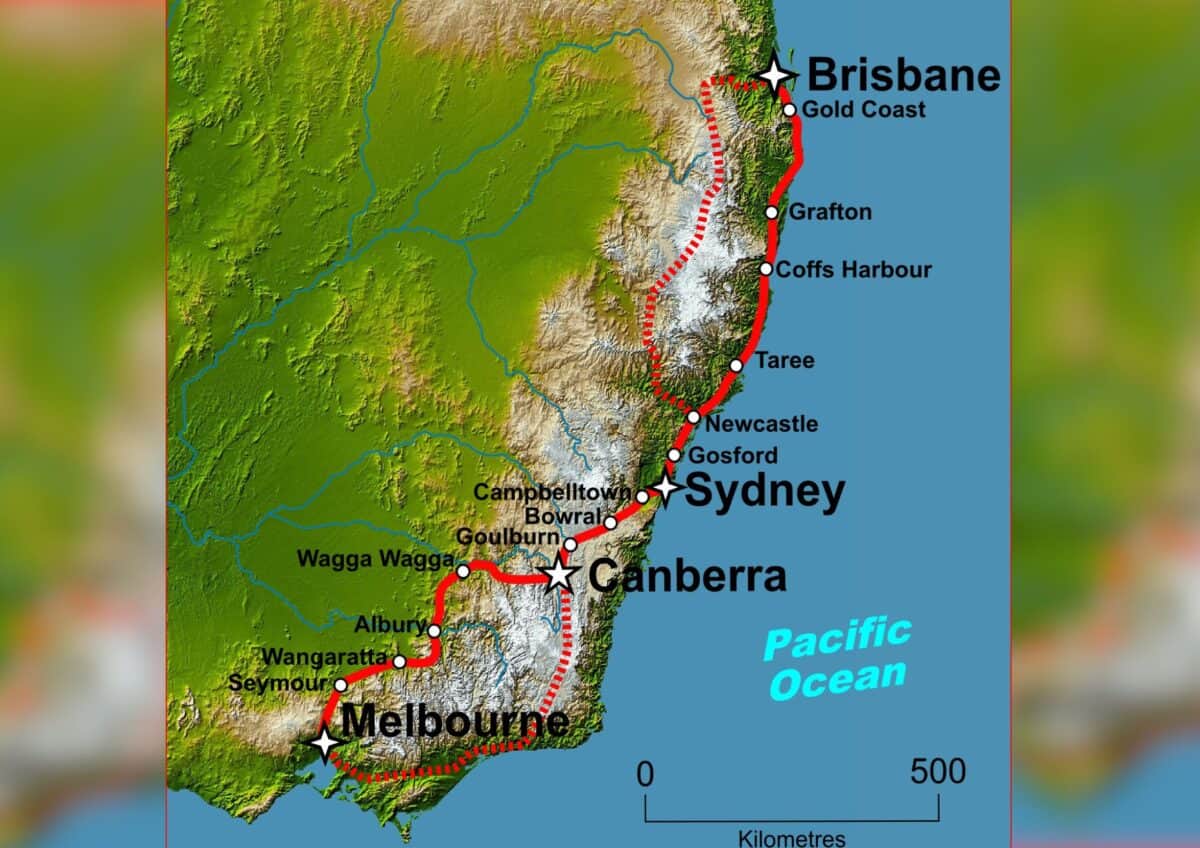
Spanning 3,600 kilometers along Australia’s eastern seaboard, the Great Eastern Ranges Initiative represents one of the world’s most extensive connectivity conservation projects. This ambitious effort aims to protect, connect, and restore habitats across a corridor extending from the Grampians in Victoria to far north Queensland. What makes this project distinctive is its scale and collaborative approach, involving over 250 organizations from government agencies to Indigenous communities, farmers, and private landowners.
The project focuses on creating and maintaining wildlife corridors that allow species to move freely across the landscape—increasingly critical as climate change forces many Australian species to shift their ranges. Among the initiative’s impressive achievements is the construction of specialized crossing structures that have reduced roadkill mortality for threatened species like the koala by up to 90% in key locations. The project has also facilitated the restoration of over 9,600 hectares of degraded habitat and established protected corridors linking formerly isolated forest fragments. Indigenous involvement represents a core component, with Traditional Owners incorporating cultural burning practices that improve ecosystem health while reducing wildfire risk. As Australia confronts unprecedented biodiversity loss and climate impacts, this continental-scale rewilding effort provides essential connectivity across one of Earth’s most megadiverse regions.
3. Chang Tang Wildlife Reserve – Tibet

On the remote Tibetan Plateau, at elevations averaging above 15,000 feet, lies one of Asia’s least-known but most significant conservation success stories. The Chang Tang Wildlife Reserve covers an astounding 334,000 square kilometers—an area larger than Italy—and protects one of Earth’s last intact high-altitude ecosystems. While technically a protected area rather than a rewilding project, Chang Tang’s approach focuses on removing human pressures to allow natural recovery across a vast landscape, exemplifying rewilding principles at an unprecedented scale.
The reserve hosts remarkable wildlife including Tibetan antelope (chiru), wild yak, Tibetan wild ass, snow leopard, and Tibetan brown bear—species that had been severely depleted by hunting and competition with domestic livestock. Since the reserve’s establishment in 1993, wildlife populations have shown remarkable recovery, with Tibetan antelope numbers increasing from approximately 50,000 to over 200,000 individuals. A key aspect of the project involves working with local nomadic pastoralists to develop sustainable herding practices compatible with wildlife recovery. The reserve demonstrates how traditional lifestyles can coexist with conservation when local communities are meaningfully engaged as partners. Chang Tang’s remoteness has kept it largely off the conservation world’s radar, yet it represents one of the planet’s largest functioning ecosystems where natural processes operate relatively unimpeded—the ultimate goal of rewilding at its most ambitious.
2. Gorongosa National Park – Mozambique
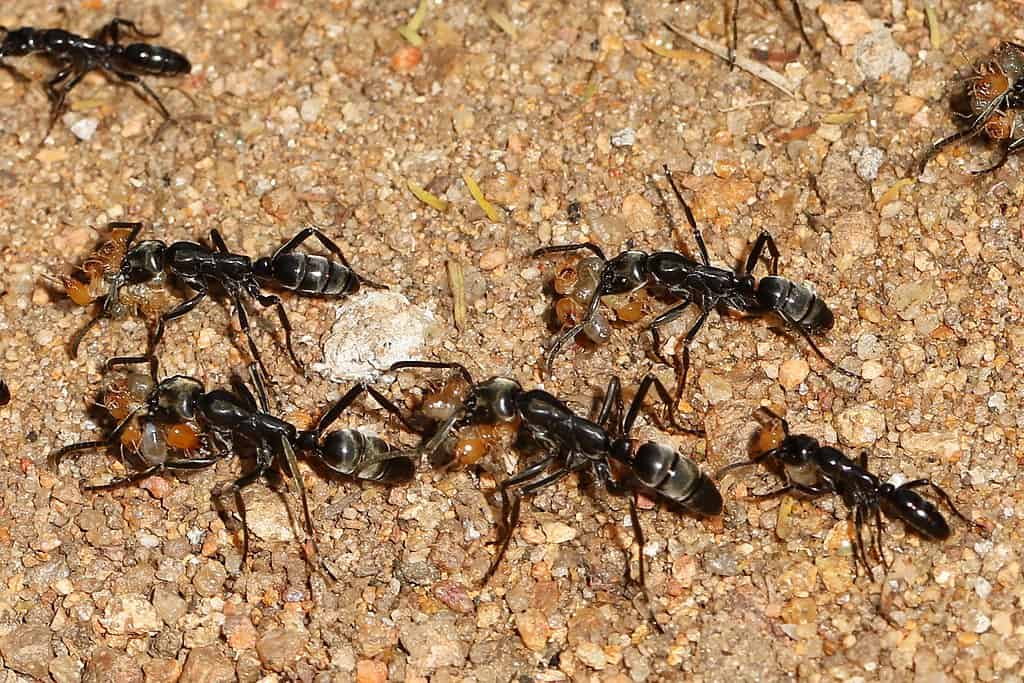
From the ashes of civil war, Mozambique’s Gorongosa National Park has emerged as Africa’s most remarkable restoration story. Once home to the continent’s densest wildlife populations, Gorongosa lost 95% of its large mammals during Mozambique’s brutal 1977-1992 civil war. In 2008, the Gorongosa Restoration Project—a partnership between the Mozambican government and the Carr Foundation—embarked on an ambitious 20-year plan to restore the park’s ecosystems and build a better future for local communities.
The results have far exceeded expectations. Wildlife numbers have increased from roughly 10,000 large mammals in 2008 to over 100,000 today. The reintroduction of key species like African wild dogs has helped restore predator-prey dynamics, while innovative approaches to human-wildlife conflict have enabled peaceful coexistence with surrounding communities. What makes Gorongosa truly distinctive is its integrated development approach. The project operates school lunch programs serving 7,000 children daily, runs girls’ education initiatives, supports 3,000 local farmers with sustainable agriculture training, and employs hundreds of local residents in conservation and tourism. Scientific research forms another core component, with the park hosting one of Africa’s most advanced research centers where Mozambican scientists study everything from elephant behavior to climate change impacts. Gorongosa demonstrates how rewilding can simultaneously restore natural systems while uplifting human communities—a model increasingly viewed as essential for conservation success in developing nations.
1. Guanacaste Conservation Area – Costa Rica

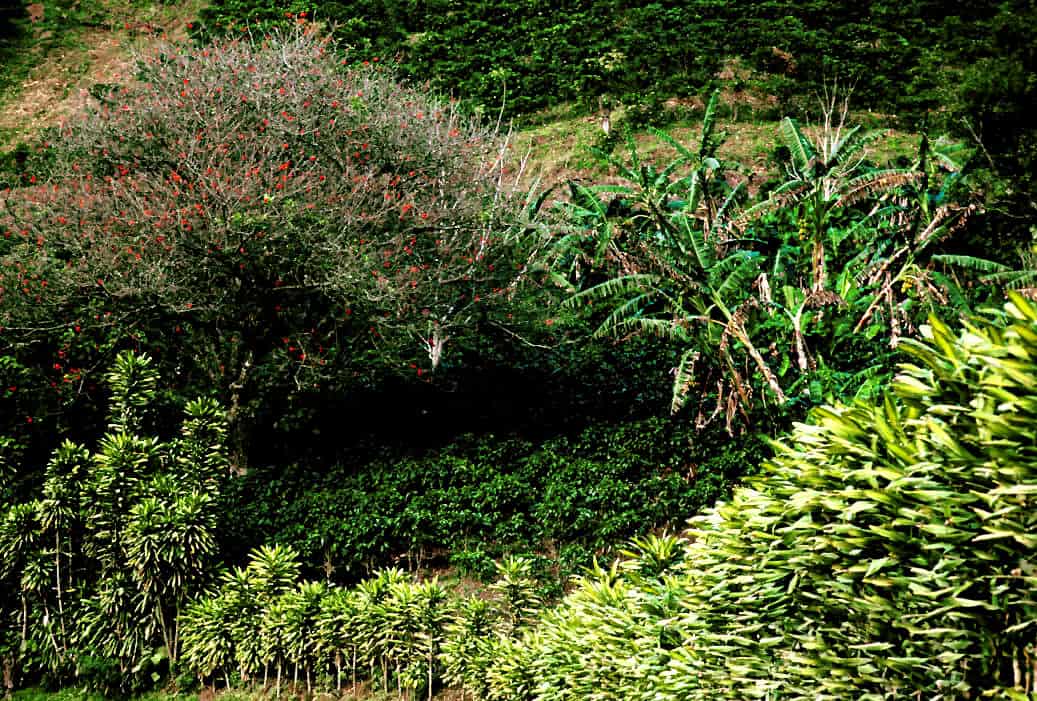
In northwestern Costa Rica, an innovative rewilding project has transformed highly degraded cattle pasture into thriving tropical forest—all through the power of natural regeneration. The Área de Conservación Guanacaste (ACG) began in 1985 with the modest 10,000-hectare Santa Rosa National Park. Under the leadership of ecologist Daniel Janzen and his wife Winnie Hallwachs, the project has since expanded to encompass over 163,000 hectares connecting marine, dry forest, rainforest, and cloud forest ecosystems.
The project pioneered the concept of “forest restoration through natural succession,” allowing nearby intact forests to serve as seed sources while strategically controlling fire and cattle grazing that previously prevented forest regeneration. This approach has proven remarkably successful and cost-effective compared to tree planting, with former cattle pastures now supporting stunning biodiversity.
Conclusion:
These twelve rewilding initiatives—from the wetlands of Argentina to the forests of Costa Rica and the steppes of Siberia—demonstrate the transformative power of letting nature reclaim its space. Whether driven by human intent or arising through abandonment and natural succession, rewilding projects around the globe are proving that degraded landscapes can become thriving ecosystems once again. By reintroducing key species, restoring ecological processes, and engaging local communities, these efforts are not only reversing biodiversity loss but also offering scalable solutions to climate change, economic revitalization, and cultural reconnection. As the challenges of the Anthropocene grow more urgent, rewilding offers a hopeful, dynamic vision of coexistence—where humans are stewards, not just users, of the natural world.

As a little kid, I fell in love with nature, wildlife, and animals. Living in the USA, South Africa, Italy, China and Germany gave me the opportunity to discover the world's Wildlife. My favorite animals are Mountain Gorillas, Siberian Tigers, and Great White Sharks.
I'm a certified PADI Open Water Diver, went to Everest Base Camp and Trekked Gorillas in Uganda. I hold a Master of Science in Economics and Finance.
Please send any feedback to feedback@animalsaroundtheglobe.com
- 13 American Species That Made a Stunning Comeback - August 3, 2026
- Top 8 Animals and Wildlife in Florida - August 3, 2026
- Redefining Natural Beauty: The Power of Personal Perspective - August 3, 2026
Leave a comment
You must be logged in to post a comment.