


In the concrete jungles that humans have built, a remarkable transformation is taking place. As urbanization continues to reshape our planet at an unprecedented rate, wildlife faces the ultimate challenge: adapt or perish. While many species struggle with habitat loss, some have risen to the occasion, demonstrating extraordinary adaptability by not just surviving but thriving in our urban environments. These urban adapters have evolved behaviors, diets, and even physical characteristics that help them navigate city life alongside humans. From resourceful raccoons raiding garbage bins to peregrine falcons nesting on skyscrapers, these 12 species showcase nature’s resilience and ingenuity in the face of human expansion. Their success stories offer valuable insights into coexistence and adaptation that might just help us better design cities that work for all creatures—human and wild alike.
12. Peregrine Falcons: From Cliff Faces to Skyscrapers

Once endangered due to DDT poisoning, peregrine falcons have made an astonishing comeback, particularly in urban areas. These birds of prey naturally nest on high cliff ledges, but have found that skyscrapers and tall bridges make perfect substitutes, offering similar height and protection from predators. In New York City alone, more than 20 pairs now nest on buildings and bridges, while cities like Chicago, Toronto, and London boast thriving populations.
Urban peregrines have adjusted their hunting techniques to target city birds like pigeons and starlings, effectively controlling these often problematic populations. Studies show that urban peregrines even achieve higher breeding success than their rural counterparts, with city nestlings having an 85% survival rate compared to 50% in wilderness settings. This adaptation highlights how some species can transform human architecture into ecological opportunities, turning our tallest buildings into artificial cliffs that support their remarkable lifestyle.
11. Raccoons: The Urban Intelligence Champions

Raccoons have become the embodiment of urban wildlife adaptation, with metropolitan populations often showing higher intelligence than their rural counterparts. Their problem-solving abilities are legendary—urban raccoons can remember solutions to complex tasks for up to three years and have been documented using up to 17 different techniques to open “raccoon-proof” trash bins. In Toronto, which has been called the “raccoon capital of the world,” population densities have reached up to 150 raccoons per square kilometer, roughly 20 times their natural density.
These masked bandits have even adapted physically to urban life, with city raccoons typically weighing 15-20% more than rural ones due to calorie-rich diets from human food waste. Their flexible diet allows them to eat virtually anything, from discarded pizza to garden vegetables. Perhaps most impressive is their behavioral adaptation to human schedules, becoming increasingly nocturnal in cities to avoid human interaction. This remarkable urban success comes with challenges, however, as raccoons can carry diseases like rabies and raccoon roundworm, prompting many cities to develop management strategies that focus on secure waste disposal rather than removal.
10. Coyotes: The Stealthy Suburbanites

Coyotes have successfully colonized urban areas across North America, now present in nearly every major U.S. city including Chicago, where researchers have documented over 2,000 coyotes living alongside humans. These adaptable canids have modified their behavior significantly, becoming more nocturnal in urban environments—studies show urban coyotes conduct 70% of their activity after dark compared to 50% for rural populations. They’ve also developed a remarkable ability to navigate busy streets, with research showing they use traffic lights to safely cross roads in many cities.
Urban coyotes have adjusted their diets as well, with city-dwelling individuals consuming more human food waste, small rodents, and fruit than their country cousins, though contrary to popular belief, domestic pets typically make up less than 2% of their diet. Perhaps most impressive is their ability to establish territories in surprisingly small urban green spaces—urban coyotes can maintain a territory in just 2-5 square kilometers, compared to 10-30 square kilometers in rural areas. This adaptability has made them successful urban predators, helping control urban rodent populations while generally avoiding human conflict through their heightened wariness and predominantly nocturnal activity.
9. Red Foxes: Urban Opportunists

Red foxes have become one of the most successful urban carnivores globally, with London alone estimated to host over 10,000 urban foxes—approximately 14 foxes per square kilometer. These adaptable canids have modified their behavior significantly, becoming bolder in urban settings while retaining their natural wariness. Research shows urban foxes have smaller territories than rural ones—as little as 0.2 square kilometers in cities compared to 10 square kilometers in the countryside—allowing them to achieve much higher population densities.
Their dietary flexibility has been crucial to their urban success. While rural foxes primarily hunt small mammals, urban individuals have diversified to consume food waste (which can constitute up to 50% of their diet in some cities), garden fruits, invertebrates, and rodents. Urban foxes have also adjusted their breeding patterns, with city vixens often producing larger litters (5-6 cubs versus 3-4 in rural areas) due to more consistent food availability. Perhaps most remarkable is their behavioral adaptation—studies from Bristol, UK show urban foxes have developed distinct local “cultures” of behavior passed between generations, including specific waste-foraging techniques unique to particular neighborhoods, demonstrating their exceptional ability to learn and adapt to specific urban challenges.
8. Pigeons: Masters of Urban Evolution

Rock pigeons, descendants of cliff-dwelling wild birds, have become the quintessential urban bird globally, with worldwide populations estimated at over 400 million. These birds view skyscrapers and buildings as artificial cliffs, providing similar nesting opportunities to their ancestral habitats. Their adaptation goes beyond behavior—urban pigeons have evolved physiologically to handle city living, developing the ability to metabolize higher levels of heavy metals and the capacity to breed year-round when food is abundant, rather than seasonally like their wild ancestors.
Their digestive systems have adapted to process human food waste, allowing them to thrive on a remarkably diverse diet. Research from London showed urban pigeons can digest bread, rice, and processed foods that would cause digestive distress in their rural counterparts. They’ve also developed cognitive adaptations—studies demonstrate urban pigeons can recognize individual humans who regularly feed them, distinguish between people wearing different colored clothes, and even understand abstract concepts like counting up to nine objects. Perhaps most impressive is their navigation ability; despite urban electromagnetic interference that disrupts many birds’ internal compasses, city pigeons have adapted to use highways, tall buildings, and even the position of the sun as alternative navigation markers, showcasing their remarkable evolutionary response to urban environments.
7. Bobcats: Secretive Urban Felines
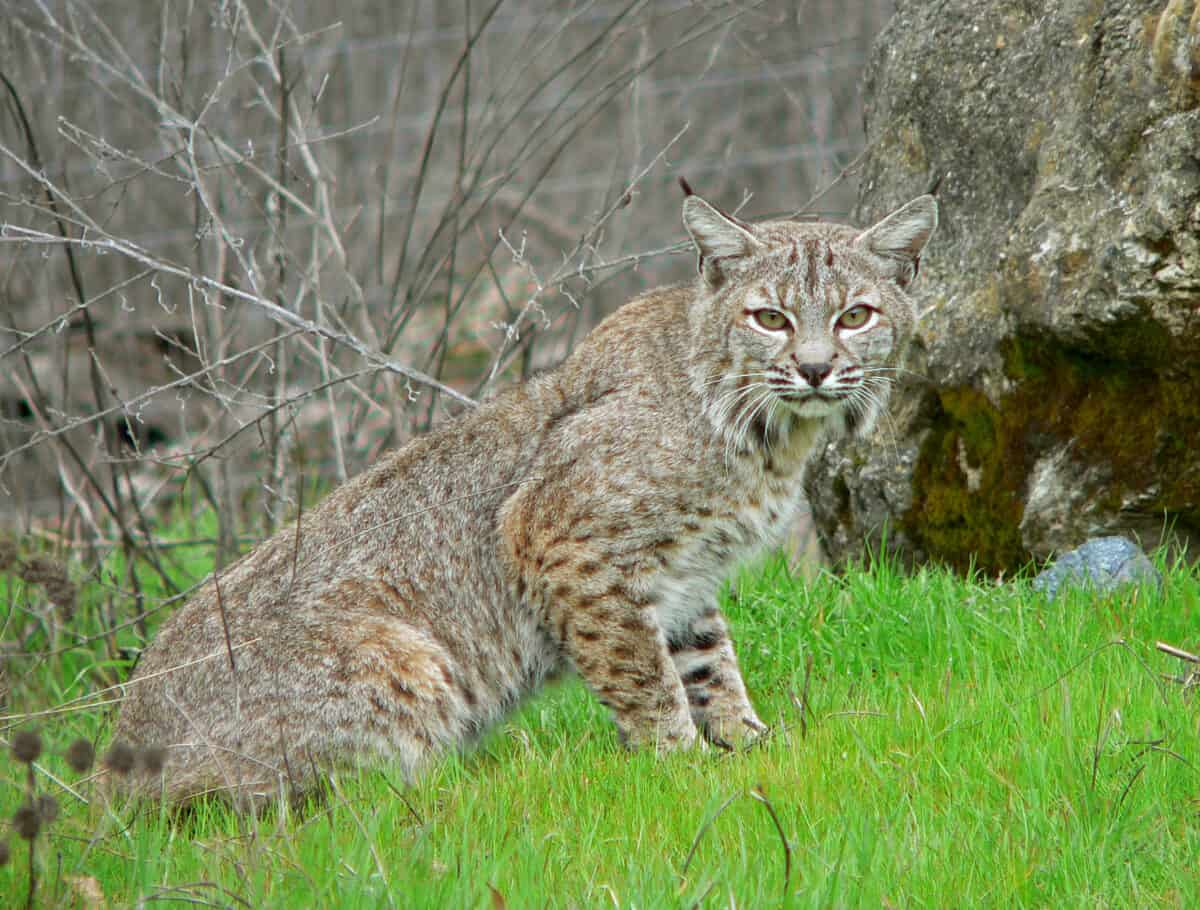
Bobcats have quietly become successful urban adapters, particularly in cities adjacent to natural areas. Unlike many urban wildlife species, bobcats maintain extreme secretiveness, with studies using GPS collars in Los Angeles revealing they’ve developed complex temporal and spatial avoidance strategies to minimize human contact. These medium-sized wild cats have been documented in Denver, Dallas, Los Angeles, and other major metropolitan areas, typically using urban green spaces, golf courses, and undeveloped lots as stepping stones through developed landscapes.
Research from the Dallas-Fort Worth area shows urban bobcats have significantly altered their activity patterns, with over 80% of their movement occurring during night hours in urban areas compared to more crepuscular (dawn and dusk) activity in rural settings. Their diet has also adapted, with urban individuals consuming more rats, rabbits, and other urban-adapted prey species. Perhaps most remarkably, genetic studies from California have found urban bobcat populations are developing unique genetic signatures compared to nearby rural populations, suggesting the early stages of evolutionary divergence driven by urban adaptation. Though rarely seen by city residents, these adaptable predators play crucial roles in controlling urban rodent populations while navigating human landscapes with remarkable stealth.
6. White-Tailed Deer: Forest Edges to Backyard Gardens

White-tailed deer have successfully colonized suburban and urban areas across North America, with some metropolitan populations reaching densities of 40-60 deer per square kilometer—up to ten times their natural forest density. These adaptable ungulates have significantly modified their behavior in urban settings, becoming more nocturnal and developing a remarkable tolerance for human presence. In many suburbs, deer will now approach within 50 feet of humans compared to fleeing at 300+ feet in hunted areas, demonstrating behavioral plasticity that varies based on local human activities.
Their diets have shifted dramatically in urban environments, with suburban deer consuming ornamental plants, garden vegetables, and landscape shrubs that can constitute up to 60% of their diet. This dietary flexibility has improved their fitness in surprising ways—studies from Ohio found urban does produce more twins and triplets than forest deer due to higher-quality nutrition from landscaped plants and fewer natural predators. Urban deer have also adapted their movement patterns, establishing smaller home ranges of 0.5-1 square kilometer in suburbs compared to 2-4 square kilometers in forests, and developing sophisticated mental maps of safe corridors between fragmented habitat patches. While their success creates human-wildlife conflicts through garden damage and vehicle collisions, it demonstrates how even large mammals can adapt to heavily modified human landscapes when given minimal green space and protection from hunting.
5. Common Ravens: The Urban Intellectuals
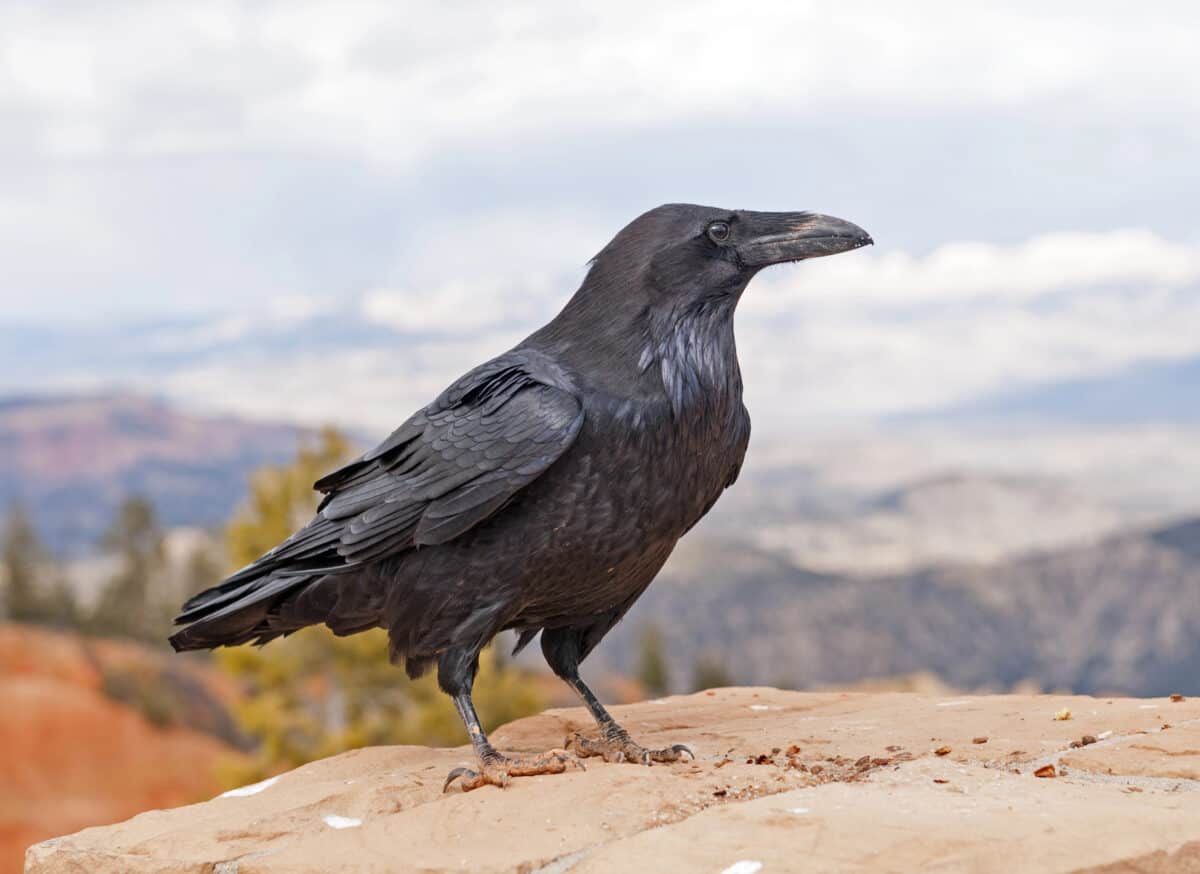
Ravens, among the most intelligent birds on the planet, have increasingly colonized urban environments across North America and Europe. In cities like Berlin and Tokyo, urban raven populations have grown by more than 30% in the past decade alone. These cognitive powerhouses have adapted their problem-solving abilities to city living, developing specialized techniques for accessing food waste, with observations documenting ravens using cars to crack nuts by deliberately placing them in the path of vehicles at intersections, then retrieving the contents during red lights.
Urban ravens have modified their diet significantly, with studies showing city individuals consume up to 60% human food waste compared to less than 5% in wilderness populations. Their social structure has also adapted—urban ravens form larger, more complex social groups than their territorial rural counterparts, with some city “roosts” containing hundreds of birds that share information about food sources. Perhaps most remarkable is their linguistic adaptation: research from several European cities indicates urban ravens have developed distinct “dialects” with calls that carry better through urban noise. They’ve also shown the ability to recognize and remember individual human faces for years, forming cooperative relationships with people who regularly feed them while avoiding those who have chased them away, demonstrating the remarkable behavioral flexibility that makes these birds successful urban adapters.
4. Crows: The Urban Strategists

American and Carrion crows have become quintessential urban success stories, with some cities hosting crow populations 100 times denser than nearby rural areas. Seattle alone is home to an estimated 30,000 crows. These highly intelligent birds have developed sophisticated strategies for urban living, including tool use specifically adapted to city environments—researchers have documented crows in Japan and California placing nuts on crosswalks, waiting for cars to crack them, then retrieving the contents when the traffic light changes.
Urban crows demonstrate remarkable memory capabilities that assist their city survival. Studies show they can remember human faces associated with negative experiences for over five years and will communicate this information to other crows. Their diet has adapted substantially, with urban crows consuming up to 65% human food waste compared to less than 10% in rural areas. Perhaps most impressive is their cultural adaptation—urban crow populations pass down learned behaviors specifically suited to their city, with documented examples including specialized techniques for opening particular types of municipal garbage bins in Vancouver and methods for stripping insulation from wires to use as nest material in Tokyo. These birds even modify their roosting behavior in cities, with urban crows forming massive communal roosts of 10,000+ birds that serve as “information centers” where knowledge about food sources is shared—a stark contrast to the smaller family groups typical in rural settings.
3. Opossums: Nature’s Urban Cleanup Crew

Virginia opossums have become surprisingly successful urban adapters across North America, with populations in some cities like Toronto and Chicago growing by over 40% in the last two decades. These marsupials have several natural characteristics that predispose them to urban success: they’re omnivorous scavengers, immune to most snake venoms, and highly resistant to rabies due to their lower body temperature. In urban environments, they’ve become valuable ecosystem service providers, with a single opossum capable of consuming up to 5,000 ticks per season and thousands of cockroaches and rats annually.
Urban opossums have modified their behavior substantially compared to rural populations. Studies using radio collars show city opossums maintain territories 70% smaller than rural counterparts—often less than 0.2 square kilometers—and have become more tolerant of artificial light, with urban individuals spending 40% more time foraging during twilight hours than their strictly nocturnal rural relatives. Their diet has shifted as well, with urban opossums consuming significantly more human food waste and garden crops, although they still fulfill their ecological role as insect and rodent controllers. Perhaps most interestingly, research from Chicago has documented that urban opossums are developing longer legs and larger brain-to-body ratios than rural populations, suggesting physical evolution is underway to better navigate complex urban environments—a remarkable example of adaptation occurring in real-time.
2. Red-Tailed Hawks: Urban Apex Predators

Red-tailed hawks have established themselves as successful urban raptors across North America, with New York City alone hosting an estimated 100 breeding pairs. These adaptable birds have discovered that cities offer abundant prey (particularly pigeons and rats), reduced competition from other raptor species, and excellent nesting sites on tall buildings, bridges, and artificial structures. Perhaps the most famous urban hawk was Pale Male, a red-tail who nested on a Fifth Avenue building in Manhattan for over 20 years, raising more than two dozen offspring and becoming a celebrated wildlife ambassador.
Urban red-tails have modified their hunting strategies for city life, developing techniques specifically for catching pigeons in flight between buildings and learning to hunt near park edges where rodents are abundant. Research shows urban pairs maintain territories approximately 60% smaller than rural hawks—often less than 1.5 square kilometers—yet achieve similar or higher reproductive success. These hawks have also adapted behaviorally to human activity, becoming more tolerant of noise and human proximity, with studies documenting significantly reduced flight initiation distances (the distance at which hawks flee from humans) in urban birds compared to rural populations. Most remarkably, research from several cities indicates urban red-tails have shifted their activity patterns to match peak activity times of urban prey species, demonstrating ecological synchronization with the modified rhythms of city life.
1. House Sparrows: Global Urban Pioneers

House sparrows have become one of the most widespread and successful urban birds globally, found on every continent except Antarctica. Originally native to Europe and parts of Asia, these small birds have followed human settlement patterns for thousands of years, with archaeological evidence showing their urban adaptation dates back to the earliest human cities. Their success stems from remarkable adaptability—urban sparrows have developed physiological tolerance to air pollution, with studies showing individuals in heavily polluted areas have evolved enhanced expression of detoxification enzymes compared to rural populations.
Urban sparrows have modified their diet significantly, shifting from their ancestral seed-based diet to one heavily supplemented with human food waste, which now constitutes up to 60% of their nutrition in some cities. Their behavior has evolved as well—research from London demonstrates urban sparrows have developed specific techniques for triggering automatic doors at shops and malls to access food inside, while populations in Mexico City have been documented building nests with cigarette butts, which reduce parasite infestations due to the nicotine content. Perhaps most impressive is their vocal adaptation: studies across multiple continents show urban sparrows sing at higher frequencies than rural counterparts, an adaptation that allows their communications to rise above low-frequency urban noise. This remarkable capacity for adaptation explains their unprecedented success as urban colonizers across the globe.
The remarkable stories of these 12 species demonstrate nature’s extraordinary resilience and adaptability in the face of human domination of the landscape. From behavioral shifts and dietary flexibility to physiological changes and even early signs of evolution, these urban pioneers are teaching us valuable lessons about coexistence in an increasingly urbanized world. Their success challenges us to rethink urban planning, creating cities that can accommodate both human needs and wildlife habitat through connected green spaces, wildlife corridors, and thoughtful design that minimizes harmful interactions while maximizing biodiversity benefits.

- What It Means When Dolphins Play With Seaweed - July 23, 2026
- How Sea Turtles Navigate Thousands of Miles - July 23, 2026
- How Termites Build Ventilated Mounds Without Technology - July 23, 2026