

The animal kingdom is full of fascinating adaptations, but perhaps none is more remarkable than the ability to regenerate lost body parts. While humans can heal wounds and regrow some tissues like liver cells, our regenerative abilities pale in comparison to many other species. From regrowing entire limbs to reproducing complex organs, these animals demonstrate nature’s incredible resilience and adaptability. This regenerative capacity isn’t just a biological curiosity—it’s inspiring cutting-edge medical research that could one day help humans recover from severe injuries and illnesses. Let’s explore 18 amazing animals that can regrow body parts, revealing the diverse strategies these creatures employ to bounce back from what would be permanent damage for most other species.
The Science Behind Regeneration

Regeneration is the biological process where animals replace or restore damaged or missing cells, tissues, organs, or even entire body parts. This remarkable ability varies significantly across species and depends on specialized stem cells that can develop into different cell types as needed. In some animals, regeneration occurs through dedifferentiation, where mature cells revert to a stem cell-like state before redeveloping into new tissues. In others, a process called morphallaxis restructures existing tissues without significant new cell growth. Understanding these mechanisms has profound implications for human medicine, potentially offering solutions for tissue repair, organ transplantation, and treating degenerative diseases. Scientists are particularly interested in identifying the genes and molecular pathways that regulate regeneration, as these could potentially be activated in humans to enhance our limited regenerative capabilities.
12. Axolotls Masters of Regeneration

Axolotls (Ambystoma mexicanum) are often considered the champions of regeneration in the vertebrate world. These Mexican salamanders can regrow entire limbs, parts of their heart, brain, spinal cord, and even portions of their eyes—all without scarring. What makes axolotls extraordinary is the speed and completeness of their regeneration. When an axolotl loses a limb, cells migrate to the wound site within hours, forming a structure called a blastema. This collection of dedifferentiated cells then develops into a perfectly functional new limb with all the appropriate tissues: bone, muscle, nerves, and blood vessels. Their regenerative abilities remain potent throughout their lifespan, allowing them to recover from injuries that would be permanently debilitating for most other vertebrates. These unique qualities have made axolotls crucial research subjects, with scientists hoping to unlock the genetic secrets that could potentially help humans regenerate damaged tissues.
11. Starfish Regenerating from a Single Arm

Starfish (or sea stars) display one of the most impressive regenerative abilities in the animal kingdom. Many species can not only regrow lost arms but, in some cases, an entirely new starfish can form from a single severed arm that contains a portion of the central disc. This remarkable process begins when the wound is sealed off by specialized cells. Then, over weeks or months, the starfish generates new tissues through cell proliferation and differentiation. The regenerative capacity varies among the approximately 2,000 starfish species, with some being able to regenerate faster or more completely than others. For example, the common sunflower star (Pycnopodia helianthoides) can regenerate its entire body from just a piece containing about 10% of the central disc. This extraordinary ability serves as a powerful survival mechanism, allowing starfish to escape predators by detaching an arm and later regenerating the lost part. Scientists study starfish regeneration to better understand the fundamental mechanisms of tissue regrowth and cellular reprogramming.
10. Planarians Entire Bodies from Tiny Fragments

Planarian flatworms possess perhaps the most extraordinary regenerative abilities of any animal. These small, freshwater creatures can regenerate an entire body from fragments as small as 1/279th of their original size. This remarkable ability stems from their abundant neoblasts—adult stem cells that make up roughly 30% of all cells in their bodies. When a planarian is cut, these neoblasts quickly migrate to the wound site and begin dividing to create new tissue. What’s particularly fascinating is that planarians maintain proper polarity during regeneration, meaning they can determine which end should become the head and which should become the tail, even from tiny middle sections. This process is guided by complex genetic signaling pathways, including the Wnt pathway, which helps establish the head-to-tail axis. Some planarian species can complete full regeneration in just one to two weeks, making them invaluable models for studying the fundamental mechanisms of tissue regeneration. Their seemingly limitless regenerative capacity has made them important subjects in research on aging, as they show few signs of aging and potentially possess biological immortality.
9. Lizards The Famous Tail-Droppers

Many lizard species have evolved the ability to detach their tails when grabbed by predators—a defensive strategy known as autotomy—and then regrow them over time. Unlike salamander limb regeneration, which produces an exact replica of the lost appendage, lizard tail regeneration results in a replacement that differs from the original in several ways. The new tail typically has a cartilaginous rod instead of vertebrae, simpler muscle arrangements, and altered scale patterns. The regrowth process begins with the formation of a blastema (a mass of dedifferentiated cells) at the wound site, followed by the development of new tissues over several weeks or months. The regenerated tail functions primarily as a balance organ and fat storage site rather than as the fully articulated original. Species like the green anole (Anolis carolinensis) and many geckos are particularly adept at this process. Interestingly, the detachment occurs at pre-formed fracture planes within certain vertebrae, allowing for a clean break that minimizes tissue damage and blood loss. This remarkable adaptation demonstrates nature’s balance between the cost of losing a body part and the benefit of escaping predation.
8. Spiders Replacing Lost Legs

Spiders possess the remarkable ability to regenerate entire legs after losing them to predators or during molting complications. This regeneration process is intimately tied to the spider’s molting cycle. When a spider loses a leg, it must typically wait until its next molt to begin regrowing the appendage. During molting, the spider not only sheds its old exoskeleton but also initiates the regeneration of any missing limbs. The new leg emerges as a smaller, often lighter-colored version of the original and will continue to grow with subsequent molts until it reaches nearly the same size as its counterparts. Young spiders have a greater regenerative capacity than adults, often able to restore legs to their full size after several molts. Some species, like the common house spider (Parasteatoda tepidariorum), can regenerate multiple legs simultaneously without significant impairment to their hunting or web-building abilities. This regenerative ability represents an important survival adaptation, as spiders rely heavily on their eight legs for movement, prey capture, and environmental sensing. The study of spider leg regeneration provides insights into how complex appendages can be rebuilt through developmental processes triggered in adulthood.
7. Sea Cucumbers Ejecting and Regrowing Organs

Sea cucumbers employ one of the most dramatic defensive strategies in the animal kingdom—evisceration—where they expel parts of their internal organs to distract predators before regenerating them completely. When threatened, certain sea cucumber species can forcefully contract their body muscles, causing their digestive tract, respiratory trees, and sometimes reproductive organs to be ejected through their anus or a body wall rupture. This remarkable defense mechanism is followed by an equally impressive regenerative process. Within a few weeks, the sea cucumber can regrow all expelled organs with full functionality. The regeneration is orchestrated by specialized cells that migrate to the wound site and differentiate into the various tissues needed. Different species show varying regenerative capacities; for example, the Japanese sea cucumber (Apostichopus japonicus) can regenerate its entire digestive system in approximately 20 days. Some species can even undergo evisceration seasonally as a means of removing accumulated waste products from their organs. The molecular mechanisms underlying this extraordinary regenerative ability have become the focus of biomedical research, potentially offering insights for human organ regeneration and transplantation technologies.
6. Sharks Continuous Tooth Replacement
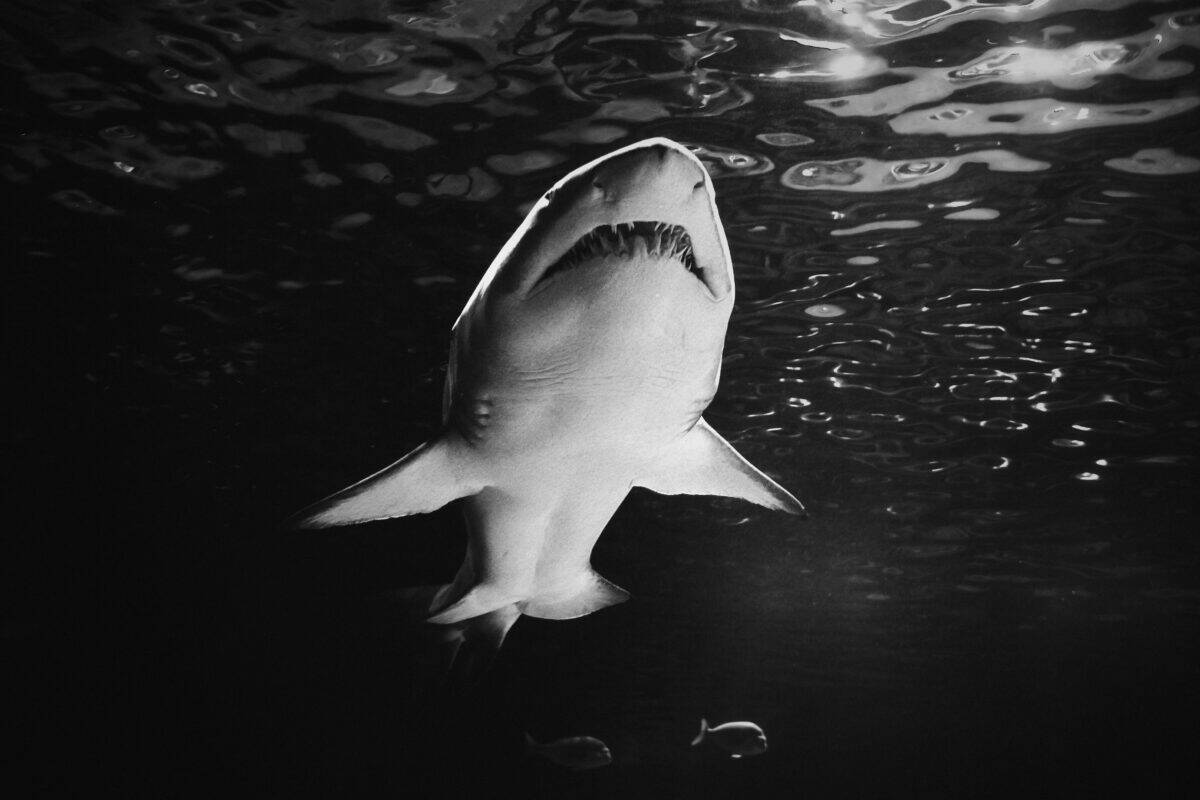
Sharks possess one of the most efficient tooth regeneration systems in the animal kingdom, allowing them to replace lost or damaged teeth throughout their lifetime. Unlike humans, who get just two sets of teeth, sharks develop multiple rows of teeth arranged in conveyor belt-like series. When a front tooth is lost or worn down, a replacement from the row behind moves forward to take its place. This continuous replacement system ensures sharks always have functional teeth for hunting and feeding. The rate of replacement varies by species—some sharks, like the great white (Carcharodon carcharias), may use and replace thousands of teeth in their lifetime, with new teeth moving into position every 8-10 days. Bull sharks and tiger sharks replace teeth even more frequently. This remarkable adaptation is possible because shark teeth aren’t embedded in the jaw bone but attached to the skin-like tissue covering the jaw cartilage. Shark tooth regeneration has attracted scientific interest not only for understanding evolutionary dental adaptations but also for potential applications in human dental medicine, where researchers hope to unlock regenerative techniques for tooth replacement.
5. Octopuses Regrowing Arms
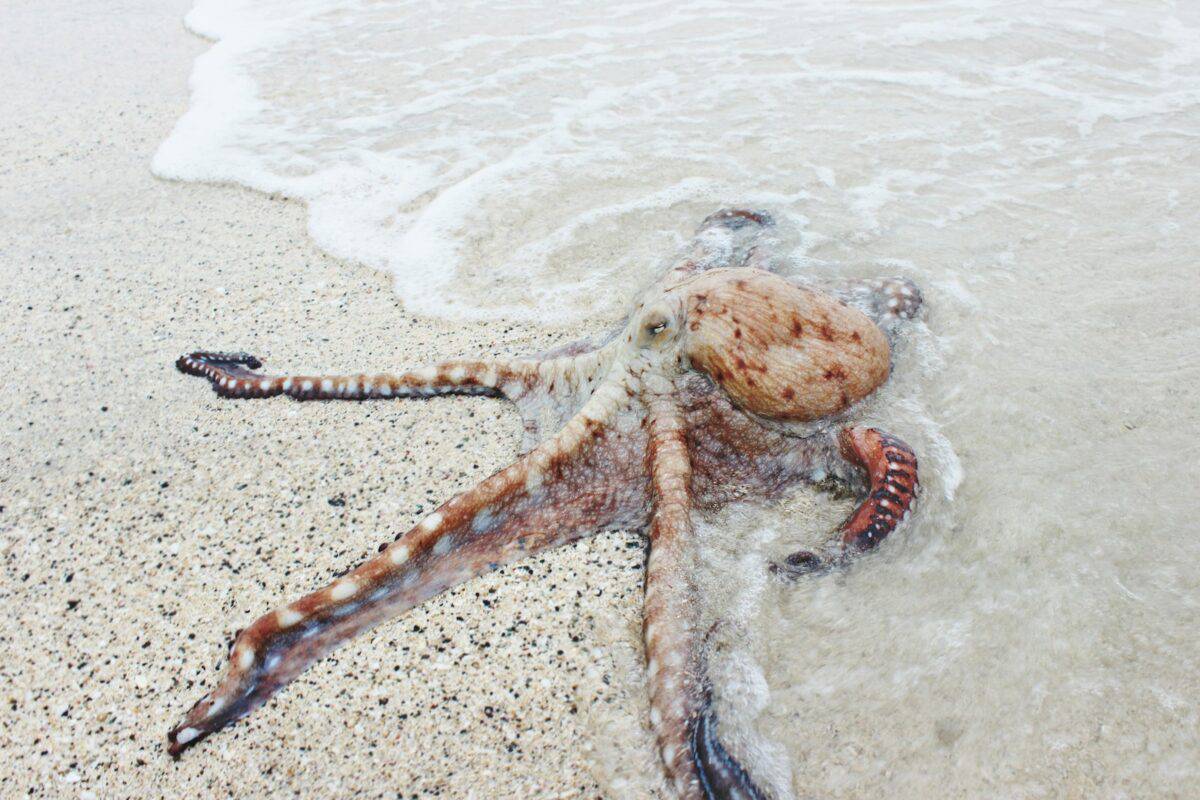
Octopuses can regenerate their arms if they’re damaged or lost, a valuable adaptation given that these appendages are crucial for hunting, defense, and environmental manipulation. When an octopus loses an arm—whether through predator attack or self-amputation to escape danger—the wound quickly heals and a regrowth process begins. The regeneration starts with the formation of a small bud at the wound site, which gradually elongates and develops into a fully functional arm complete with suckers, chromatophores for color change, and the complex nervous system necessary for the arm’s semi-autonomous functioning. Remarkably, the regenerated arm contains approximately 200 million neurons and all the sensory capabilities of the original. The common octopus (Octopus vulgaris) can fully regenerate an arm in as little as 100-130 days, though the exact timeframe varies based on the individual’s age, overall health, and environmental conditions. This regenerative capacity is particularly impressive considering the complexity of octopus arms, which can perform intricate manipulations and contain two-thirds of the animal’s neurons. Scientists studying this process are particularly interested in how octopuses regenerate the nervous system components, as this could potentially inform human neurological regeneration research.
4. Zebrafish Heart and Fin Regeneration

Zebrafish have emerged as crucial models for regenerative research due to their remarkable ability to repair and regrow several complex tissues, including heart muscle and fins. Unlike humans, who form permanent scar tissue after heart damage, zebrafish can regenerate up to 20% of their heart ventricle following injury. This process involves cardiomyocytes (heart muscle cells) near the wound site dedifferentiating, proliferating, and then redifferentiating to rebuild the damaged heart tissue with minimal scarring. Similarly impressive is their fin regeneration—when a zebrafish loses part of its fin, a wound epidermis quickly forms over the injury site, followed by the formation of a blastema (a mass of dedifferentiated cells). This blastema then develops into a perfectly functional fin within two weeks, complete with blood vessels, nerves, and the distinctive striped pigmentation pattern. What makes zebrafish particularly valuable for research is their genetic similarity to humans—about 70% of human genes have zebrafish counterparts—combined with their transparent embryos that allow scientists to directly observe the regeneration process. These qualities have made zebrafish central to studies seeking to understand the genetic and molecular mechanisms that could potentially be activated to enhance human regenerative capacities.
3. Deer Annual Antler Regeneration
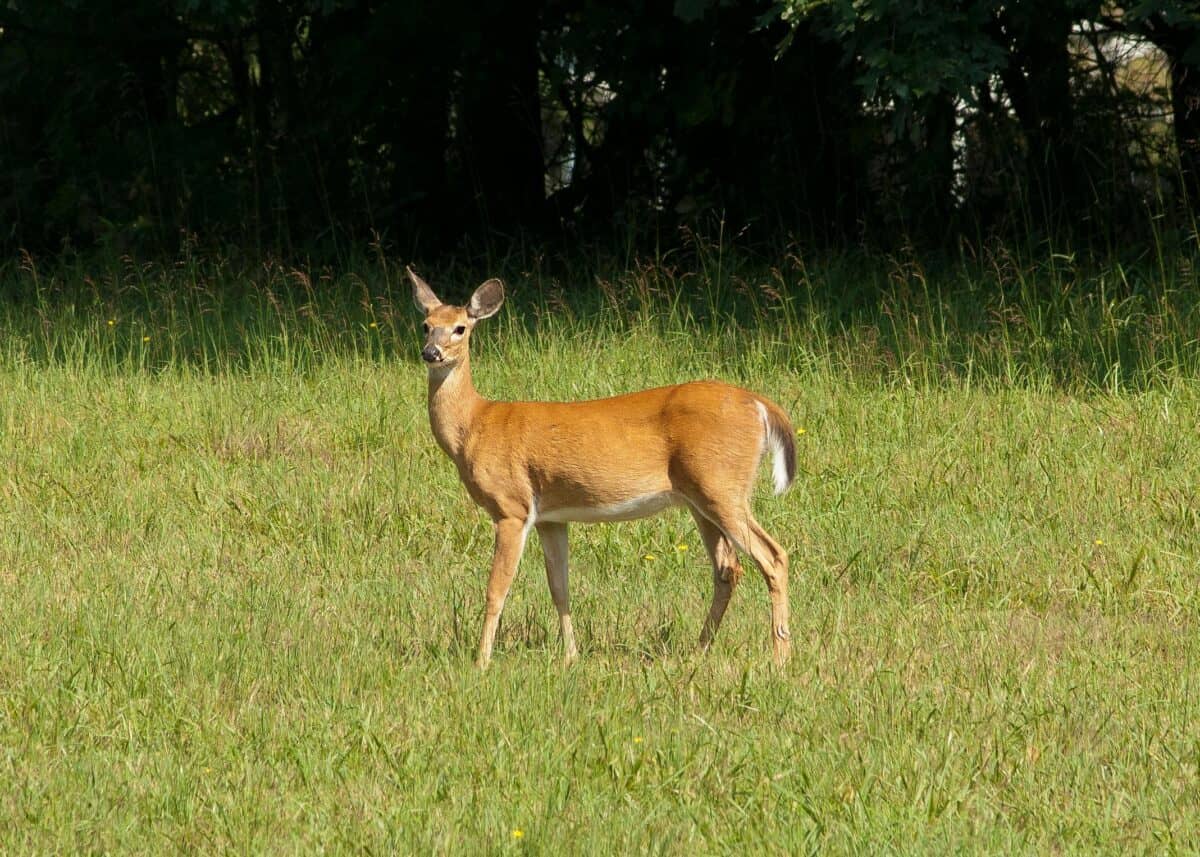
Male deer undergo one of the most visible and rapid regeneration processes in the vertebrate world through their annual antler regrowth cycle. Unlike horns, which are permanent structures, antlers are shed and regrown each year, representing the only example of complete organ regeneration in mammals. After shedding their antlers (typically in winter), bucks immediately begin growing new ones from specialized tissues called pedicles on their skull. The regeneration process is remarkably fast, with antlers growing up to an inch per day during peak growth periods—making them among the fastest-growing tissues in any animal. This rapid growth is fueled by a rich blood supply to the developing antlers, which are covered in velvet—a soft, fuzzy skin containing blood vessels and nerves. When growth is complete (usually by late summer), the velvet dries up and is rubbed off against trees, revealing the hardened bone beneath. The entire cycle is regulated by changing testosterone levels linked to daylight hours and mating seasons. Species like white-tailed deer (Odocoileus virginianus) and red deer (Cervus elaphus) can grow increasingly complex antlers each year until middle age. This extraordinary regenerative ability has significant implications for bone regeneration research, as scientists study how deer can rapidly produce large amounts of bone tissue that might inform treatments for human bone injuries and disorders.
2. Crayfish Regrowing Claws and Antennas

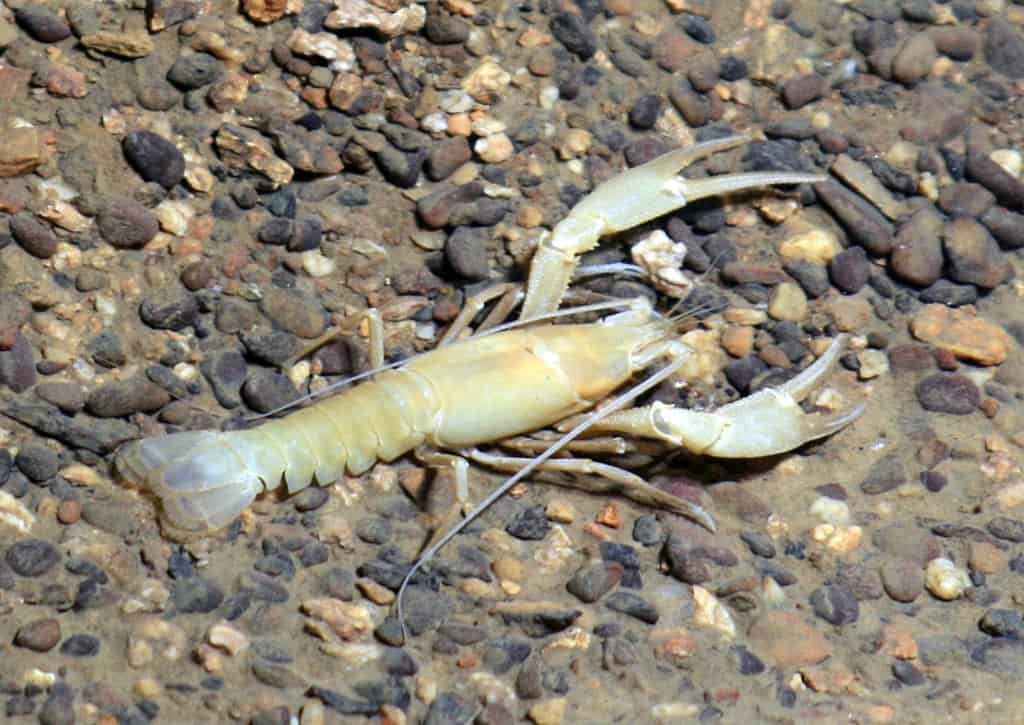
Crayfish possess impressive regenerative abilities, particularly for their claws, walking legs, and antennae—appendages crucial for feeding, defense, and sensory perception. When a crayfish loses a limb, either through predator encounters or self-amputation to escape danger (autotomy), it can regenerate the missing appendage over a series of molts. The process begins with wound healing and the formation of a papilla (a small, nipple-like projection) at the injury site. This papilla develops into a limb bud that grows and differentiates during subsequent molting cycles. What makes crayfish regeneration particularly interesting is that the new appendage develops in a folded position inside a protective cuticle until the next molt, when it unfolds and becomes functional. The regenerated limb initially appears smaller and lighter in color than the original but will gradually approach normal size with successive molts. Young crayfish typically regenerate appendages more quickly and completely than older individuals. Species like the red swamp crayfish (Procambarus clarkii) can regenerate a complete claw in approximately 3-5 molts, depending on the animal’s age and environmental conditions. This regenerative capacity is not limited to a single occurrence—crayfish can repeatedly regenerate the same appendage if it’s lost multiple times, though each regeneration may be slightly less perfect than the last.
1. Newts Lenses, Retinas, and Limbs

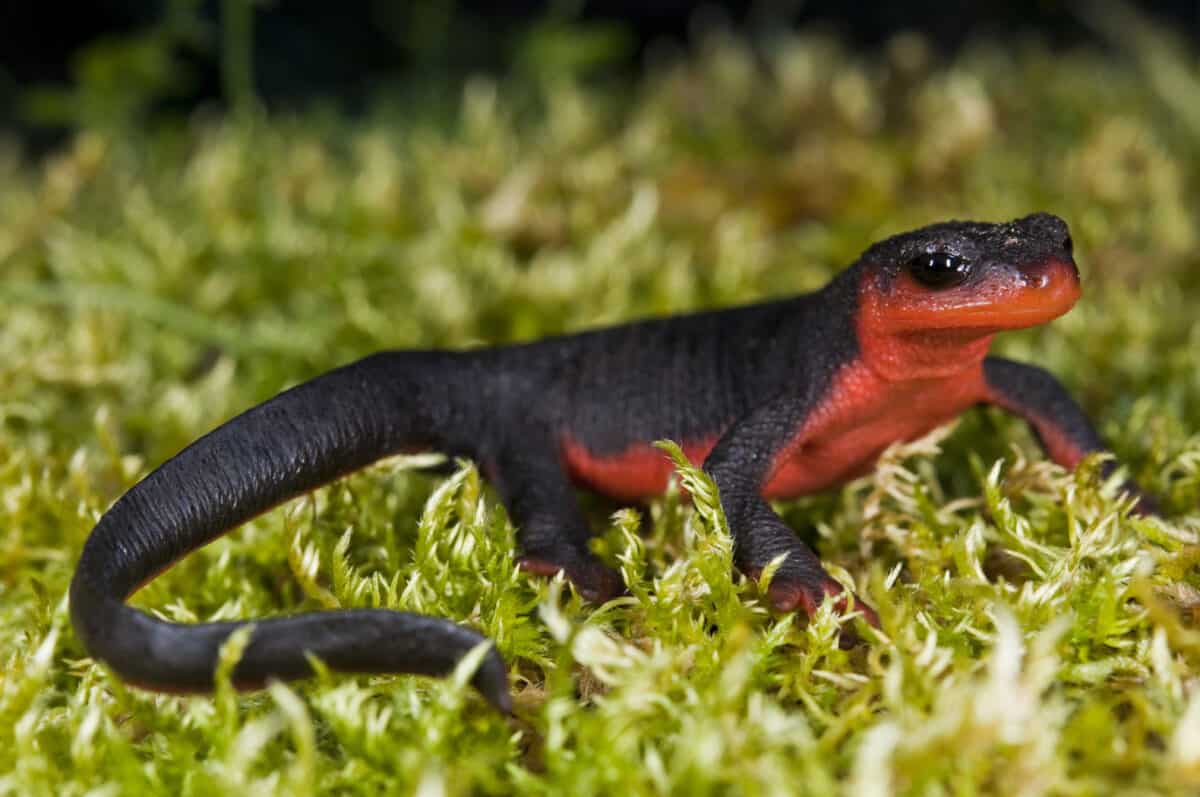
Newts demonstrate some of the most versatile regenerative abilities among vertebrates, capable of regrowing limbs, parts of their heart, sections of their spinal cord, and remarkably, even parts of their eyes including lenses and retinas. When a newt loses a limb, the wound quickly closes and a collection of dedifferentiated cells forms a blastema, which progressively develops into a fully functional new limb with bones, muscles, nerves, and blood vessels. What sets newts apart from many other regenerating animals is their ability to maintain this remarkable capacity throughout their long lives, which can exceed 30 years in some species. Their eye regeneration is particularly noteworthy—if a newt’s lens is removed, pigmented epithelial cells from the iris dedifferentiate and then redevelop into a perfectly formed new lens within a few weeks. Similarly, they can regenerate damaged retinal tissue, restoring vision after significant injury. Species like the Eastern red-spotted newt (Notophthalmus viridescens) and the Spanish ribbed newt (Pleurodeles waltl) have become important research models for understanding the cellular and molecular mechanisms behind this extraordinary regenerative potential. Scientists are especially interested in how newts can reprogram mature cell types to rebuild complex structures—knowledge that could potentially inform regenerative medicine approaches for treating human eye disorders and other conditions.
Conclusion:
The incredible regenerative abilities found across the animal kingdom reveal just how diverse and powerful nature’s healing mechanisms can be. From the axolotl’s limb regrowth to the planarian’s complete body regeneration, these species showcase biological feats that seem almost miraculous compared to human capabilities. While each animal employs its own strategy—whether through stem cells, cellular dedifferentiation, or rapid tissue growth—the common thread is resilience: the ability to recover, rebuild, and survive. These adaptations are not just evolutionary curiosities; they are windows into biological processes that hold immense promise for human health. By studying these natural regenerators, scientists are uncovering clues that could one day lead to breakthroughs in tissue engineering, organ regeneration, and even spinal cord repair. Nature has already solved many of the problems medicine is still grappling with—it’s up to us to learn from these living blueprints. In celebrating these 18 remarkable animals, we’re reminded that evolution has crafted solutions to injury and loss that far surpass anything modern technology can currently achieve. The frontier of regenerative medicine is just beginning, and the wild world is lighting the path forward.

As a little kid, I fell in love with nature, wildlife, and animals. Living in the USA, South Africa, Italy, China and Germany gave me the opportunity to discover the world's Wildlife. My favorite animals are Mountain Gorillas, Siberian Tigers, and Great White Sharks.
I'm a certified PADI Open Water Diver, went to Everest Base Camp and Trekked Gorillas in Uganda. I hold a Master of Science in Economics and Finance.
Please send any feedback to feedback@animalsaroundtheglobe.com
- The 10 Rarest Dog Breeds Making a Comeback in America - July 19, 2026
- 13 Creatures That Survived Mass Extinctions - July 19, 2026
- 12 Pets That Are Perfect for Seniors - July 19, 2026