
You’ve probably seen those adorable videos of cats melting into their owner’s arms, purring like tiny motors. It’s what we all dream of when we bring home a fluffy feline companion.
Here’s the thing, though. Not every cat is wired for endless cuddles and constant physical contact. Some breeds are just naturally more reserved, treating affection like a rare commodity they’ll grant you on their terms.
If you’re thinking about adopting a cat or already have one that flinches at your touch, understanding breed tendencies can be eye-opening. Let’s dive in.
1. Bengal
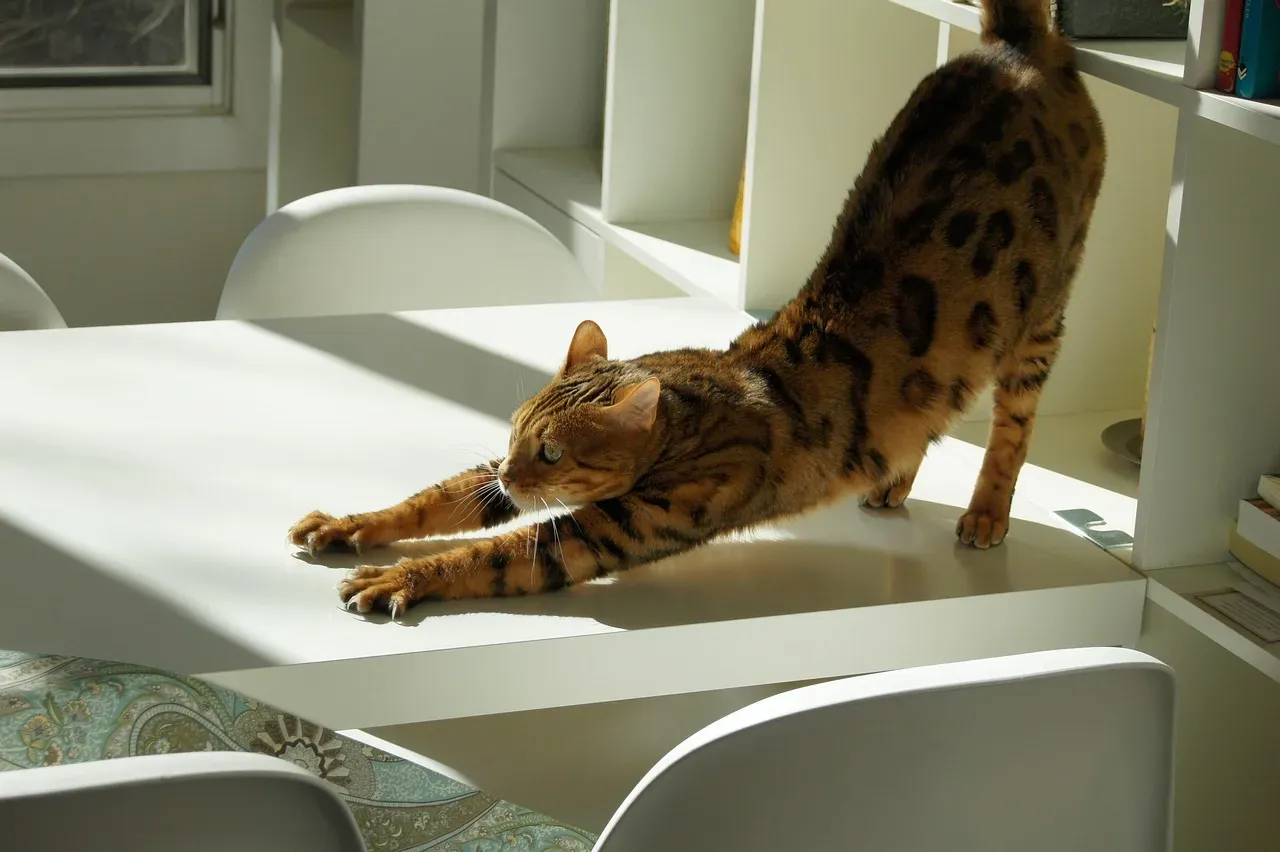
Bengals often do not love to be cuddled and held, which might surprise you given their striking appearance. These cats have wild ancestry that shows in more than just their stunning spotted coats. Bengal cats are one of the most playful and energetic breeds out there and might enjoy some playtime or a game of fetch, but they often prefer to do things on their own rather than curling up on your lap for hours.
Bengals and Abyssinians are known for their independent and less affectionate nature, and these breeds may not appreciate being picked up and may react aggressively when held. Bengals tend to have a more independent nature and can sometimes even come across as a little aloof, especially with strangers, as they are curious cats who enjoy observing their surroundings but won’t always be the first to seek out affection or attention. Their high energy levels demand mental stimulation through climbing and exploring rather than snuggling.
Think of them as the athletes of the cat world. They’d rather be running laps than sitting still for pets.
2. Russian Blue
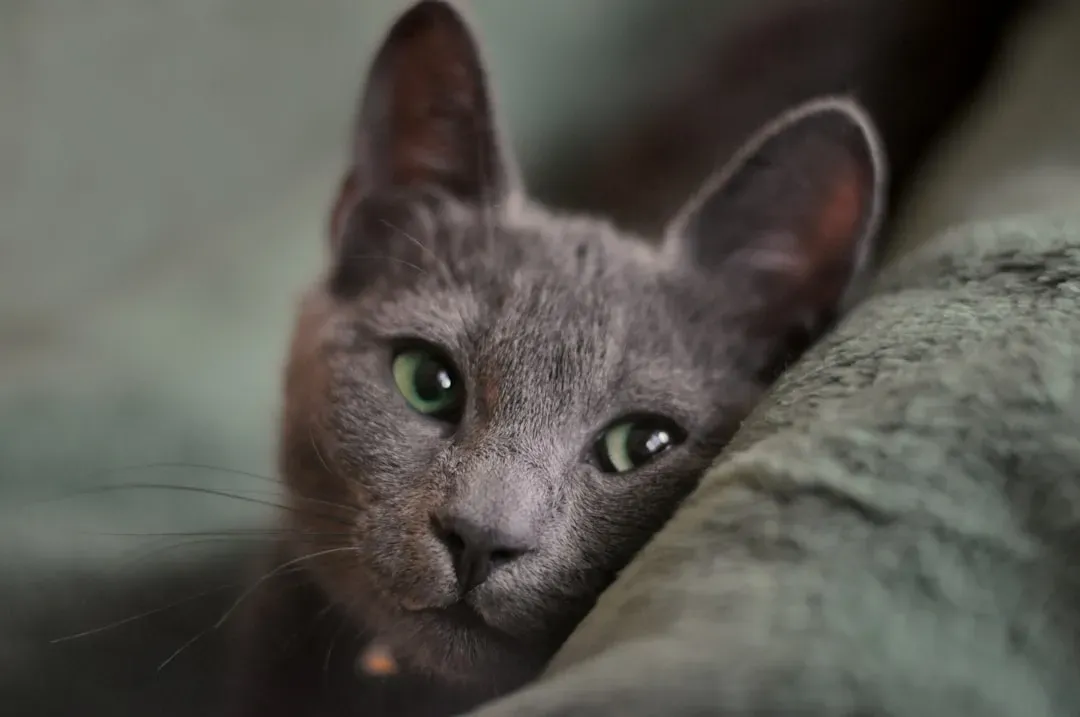
Russian Blues have a reputation for being elegant and reserved. Russian Blues are reserved and intelligent, bonding closely with their family but remaining aloof with strangers, a trait attributed to their ability to sense emotions and act cautiously. Russian Blues are independent cats that also have low grooming needs, so they’re a great pet for people with busier lifestyles, as these cats take time to warm up to strangers and tend to form strong bonds with just one or two people.
Russian Blue cats were strongly linked to shyness toward strangers in behavioral studies. They’re not unfriendly, just incredibly selective about who gets access to their personal space. If you’re a stranger reaching out to pet one, expect them to vanish faster than you can blink.
Once they trust you, they’ll show affection in subtle ways. Still, don’t expect them to be lap cats demanding constant touch.
3. Persian
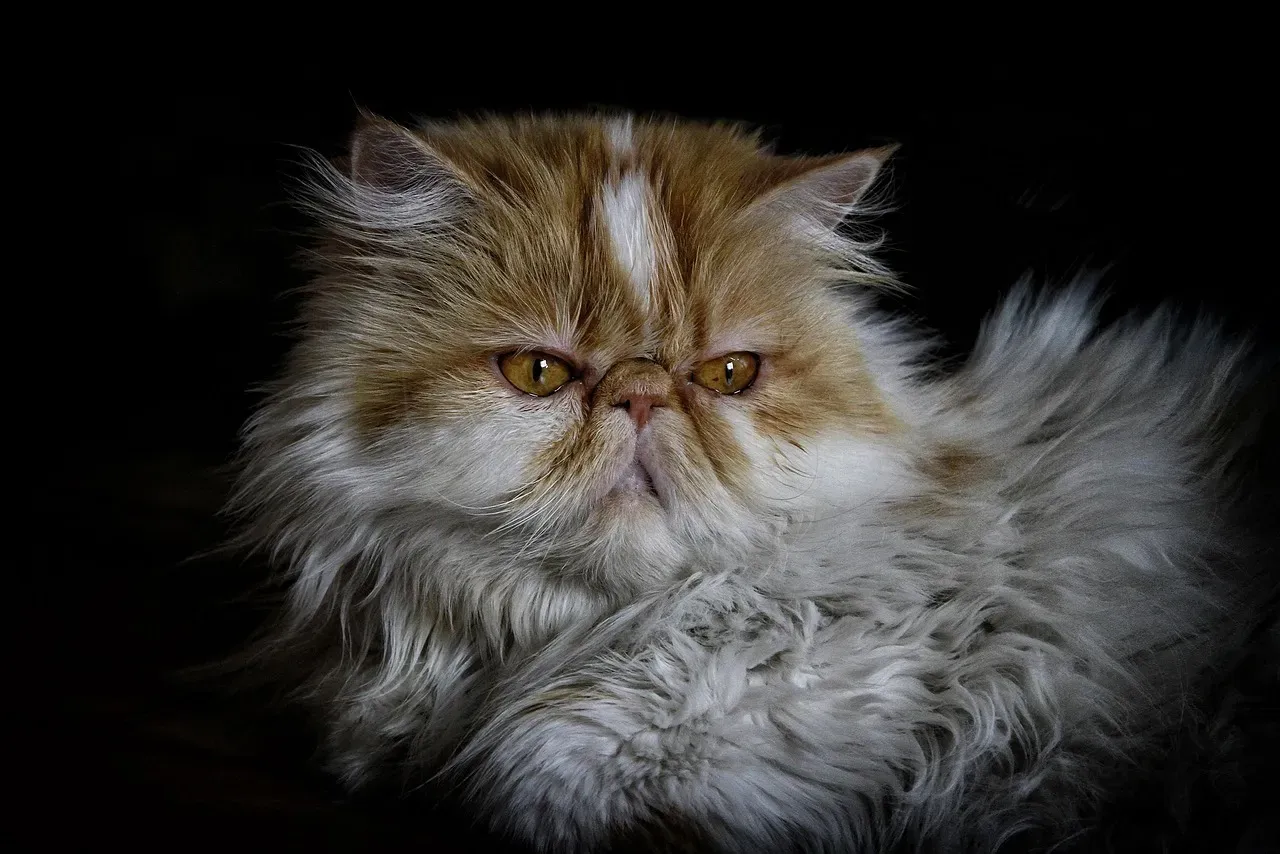
Ragdolls are well-known to enjoy being held and cuddled, whereas more aloof breeds such as Persians may not. Their luxurious coats and regal bearing suggest a cat that prefers admiration from a distance. Typically quiet and rather aloof, Persians dislike loud noises and enjoy lounging regally upon a cushion or a lap.
The Persian is a type of longhaired cat with a luxurious coat and regal bearing, usually quite calm, and they do not typically display excessive amounts of affection towards their owners, but they make up for it by giving off an air of peacefulness and serenity, as Persians tend to be more active during the night. They’re perfectly content observing the household from their chosen perch.
They’ll tolerate petting sessions when they’re in the mood. Push too hard for affection, and you’ll get that signature Persian glare that makes you feel like you’ve committed a social faux pas.
4. American Wirehair
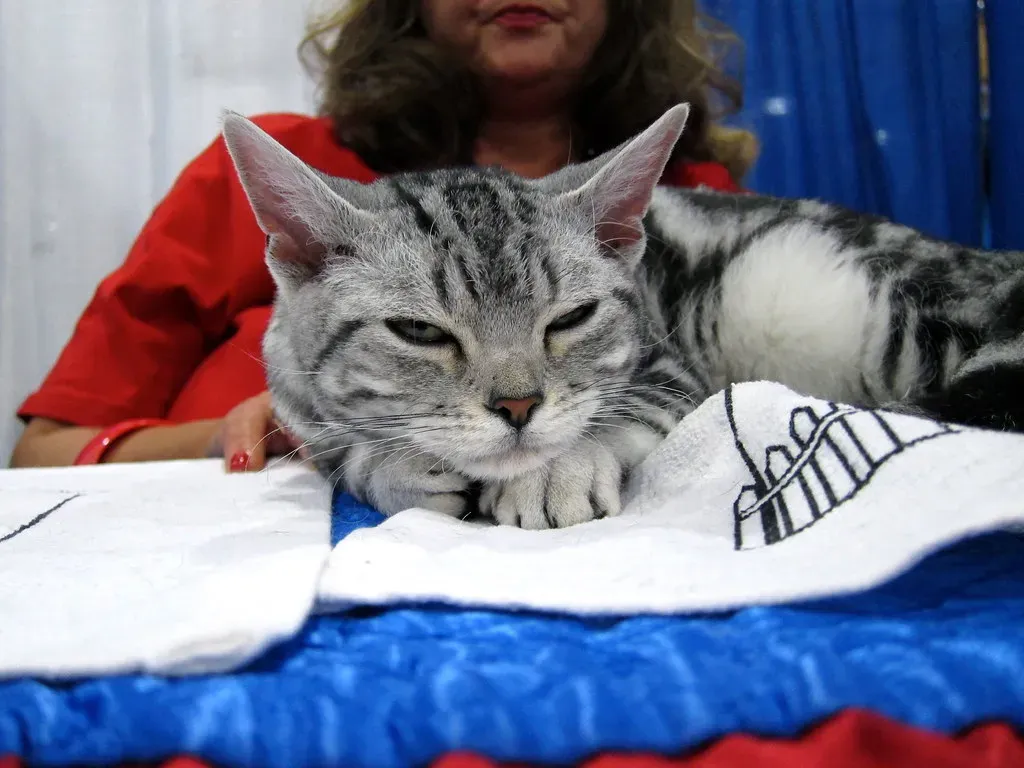
The American Wirehair is a sweet cat with an outgoing personality but is not necessarily a breed that needs or requires its owners’ attention. American Wirehairs are known for their unique wiry coat, but as far as affection goes, they’re not the most cuddly of cats, as their temperament is usually calm and independent, making them great for owners who don’t mind a low-maintenance companion.
These cats tend to have a more laid-back attitude towards affection, and while they’re not standoffish, they also don’t actively seek out constant attention, so if you’re looking for a lap cat who’s always eager for snuggles, the American Wirehair may not be the best choice. They’ll happily be nearby while you go about your day.
Their independence means they’re perfectly fine entertaining themselves with toys rather than demanding your hands on them constantly.
5. Norwegian Forest Cat
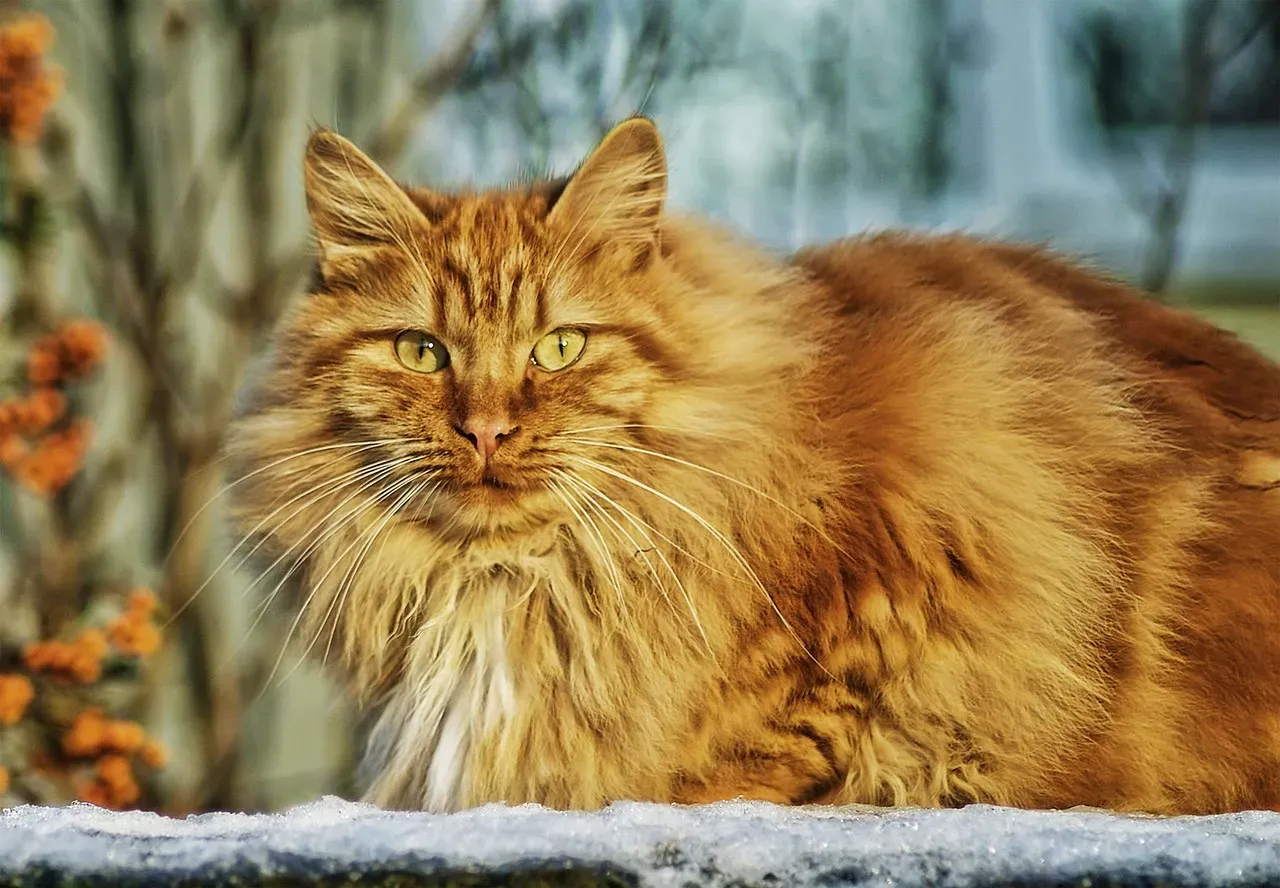
These majestic cats from Scandinavia have a semi-wild heritage that influences their behavior. The Norwegian Forest Cat is a breed of cat that originated in Scandinavia, and these cats are usually quite active and independent, preferring their own company over cuddling, and while they may show signs of affection from time to time, these cats tend to be relatively aloof and not overly eager for physical contact.
Because of their semi-domestic nature, the Norwegian Forest Cats can cope well if their owners are often away. The Norwegian Forest Cat comes from cold fjords with beautiful almond-shaped eyes and a triangular face, and even though they may look indifferent, they are not unfriendly, as they enjoy spending time alone, sitting high up, and observing their surroundings, like kings and queens who don’t grant audiences often.
When they do show affection, it’s a genuine honor. You’ve been chosen by royalty, essentially.
6. British Shorthair
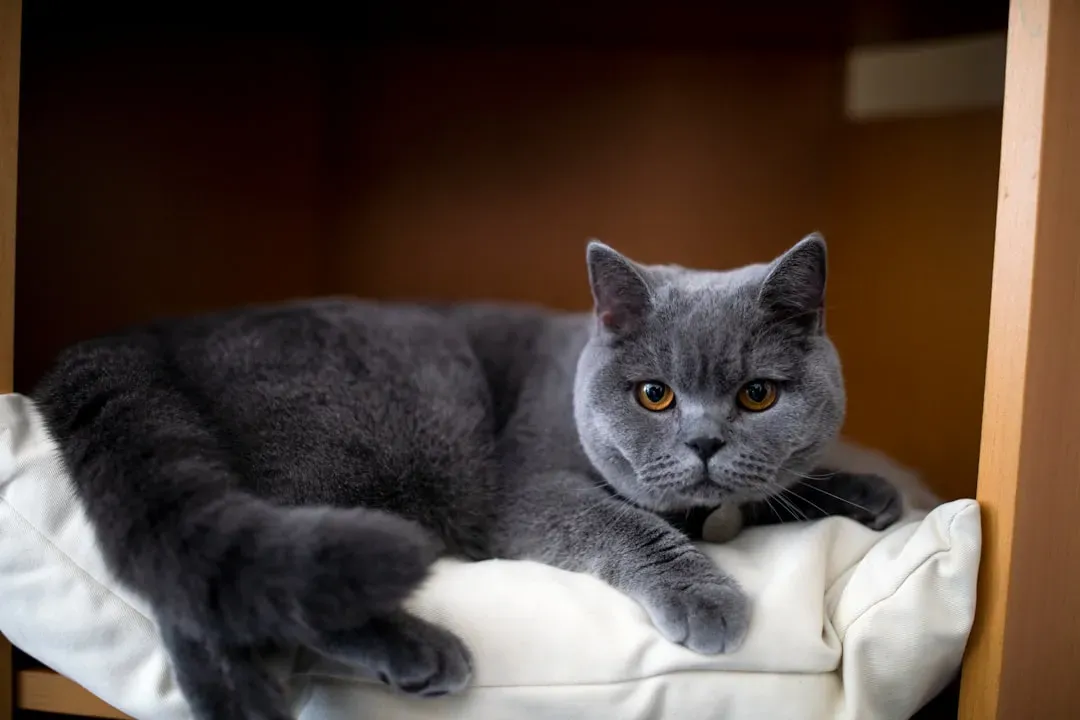
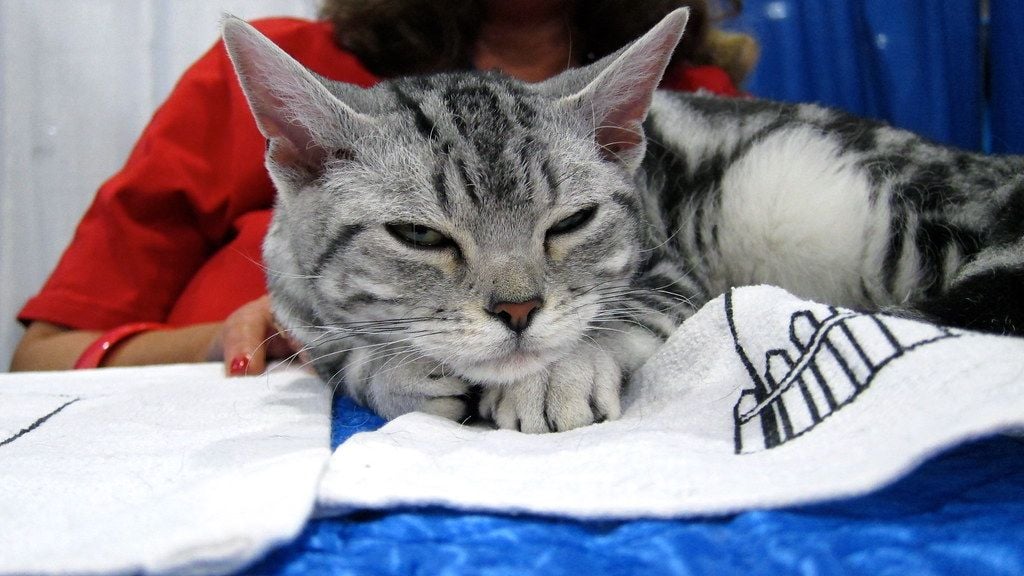
Originating from Britain, the British Shorthair is a playful but also pretty independent breed, and while they can easily entertain themselves, British Shorthairs also enjoy being around other cats and people. The British Shorthair is a breed of cat with a distinctive short coat and round face, and they are generally quiet, calm cats who prefer routine over chaos, but they can also be quite aloof and independent, preferring their own company over cuddling with their owners.
British Shorthairs exhibited the highest probability for decreased contact with humans in research studies. Think of them as mysterious introverts who prefer quality time over constant attention. Their quiet personalities are often mistaken for being distant.
They’re wonderful companions who just happen to like their personal bubble respected. Pet them when they approach you, not the other way around.
7. Korat
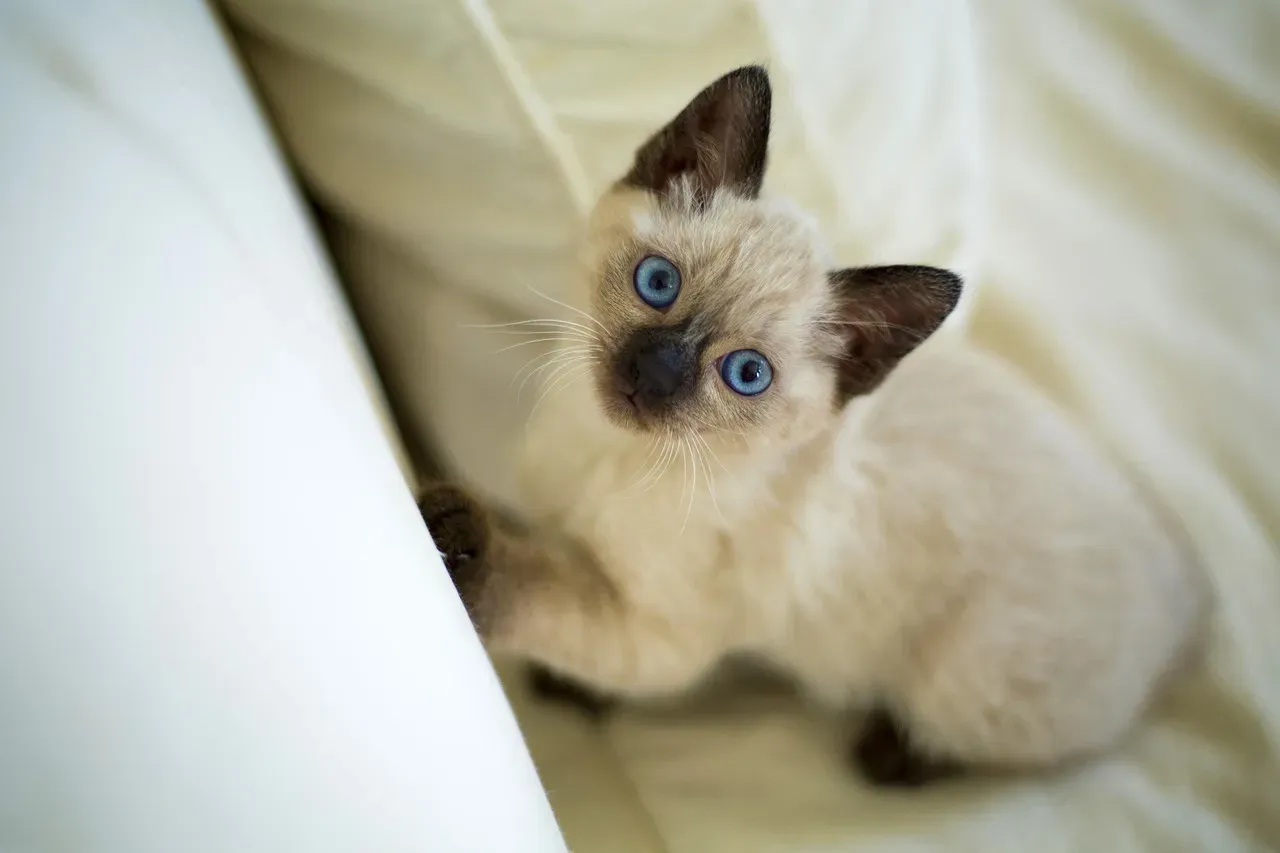
The Korat is a breed of cat that originated in Thailand, and these cats are known for their intelligence and independence, traits which usually lead them to be less affectionate than other breeds. Korats love peace and forget about loud bangs and playful environments, as their preference for calm can make them seem distant, but it’s just out of pure sensitivity, with silent purrs like whispers and quiet friendship being their ways of showing love to their owners.
They’re not introverts exactly. They just love anything that’s quiet and want to be with someone who feels the same way. Their sensitivity to noise and chaos makes them particularly averse to being grabbed or handled roughly.
If you live in a calm household and respect their boundaries, they’ll warm up to you gradually.
8. Singapura
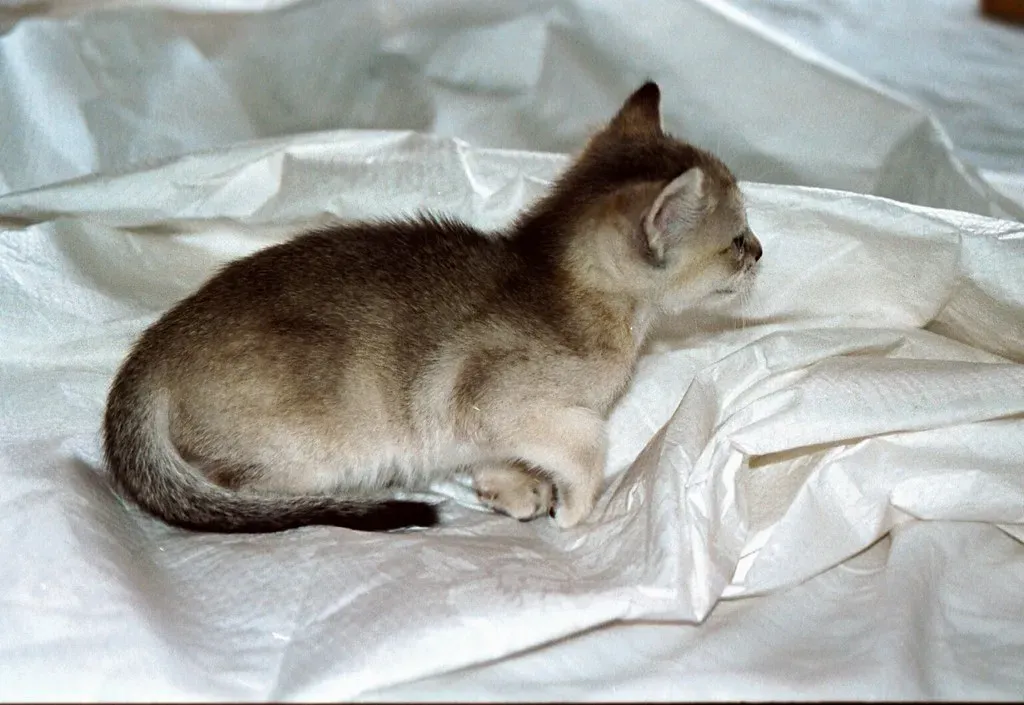
The petite Singapura has a history filled with hardship on the streets of Singapore, and this background has instilled in them a deep-seated mistrust of humans, particularly strangers, as their tiny voice and quiet personality reflect a breed affected by past abuses, making them reserved and less social, with this wariness towards human interaction not just a trait but a survival mechanism.
The Singapura cat is a small, fearless breed of cat that originated in Singapore, and intelligent and playful, these cats tend to be more independent than other breeds and may prefer their own company over cuddling with their owners. Their small size might make you want to scoop them up, but resist that urge.
They need patient owners willing to let them set the pace for physical contact. Forcing affection will only reinforce their natural wariness.
9. Siberian
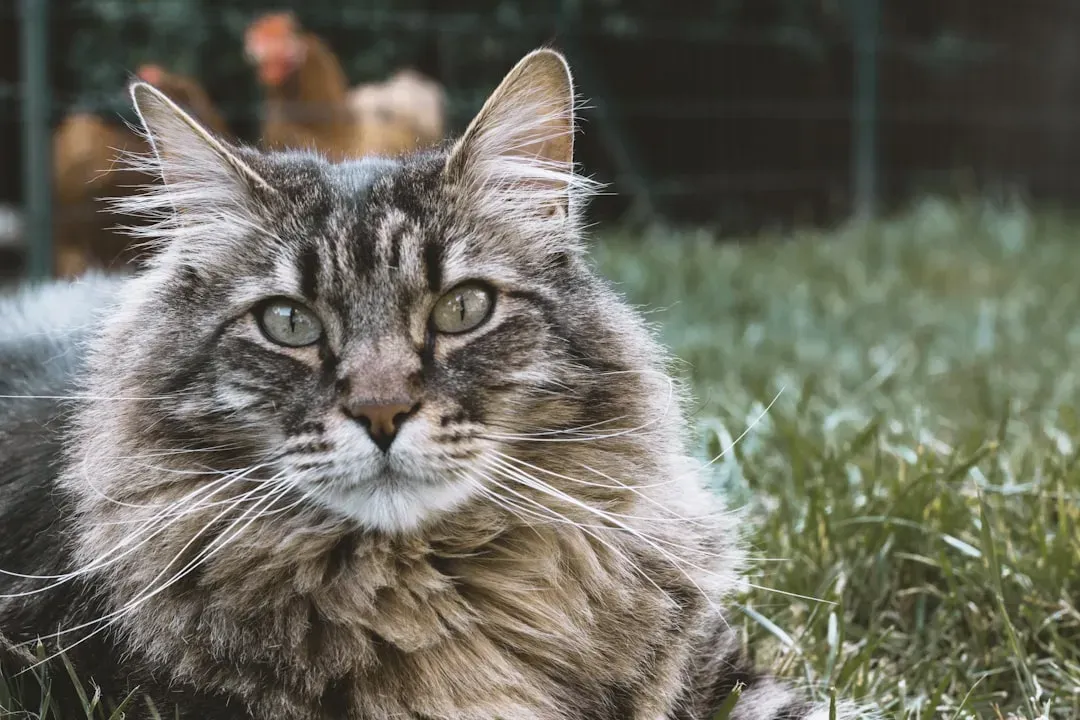
The Siberian, an ancient breed of cat, is known for its thick double coat and gentle disposition, and while they can sometimes be cuddly, these cats are usually more aloof than affectionate. Siberian cats, British Shorthairs, Peterbalds, Persian cats and Norwegian forest cats are known for being aloof and not overly enthusiastic about cuddling.
Despite their fluffy appearance that screams “hug me,” Siberians often prefer admiration from afar. They’re intelligent and playful but on their own schedule. They’ll engage with you during play sessions but might walk away when you try to extend that into a cuddle session.
Their ancient lineage means they’ve retained more of that independent, self-sufficient cat nature that domestication hasn’t fully softened.
10. Abyssinian
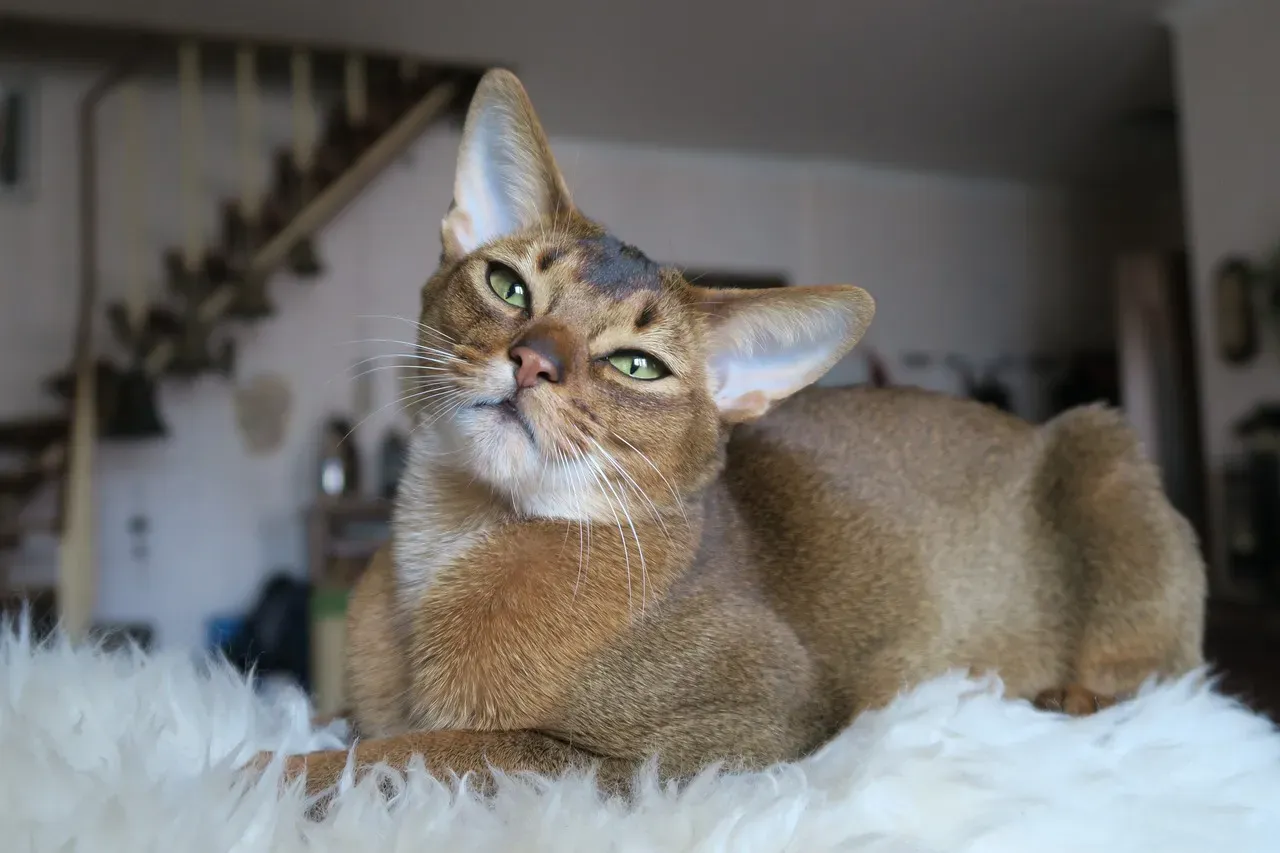
Abyssinians are very intelligent and curious cats, and they tend to have a lot of confidence, so rather than demanding your attention, they often prefer exploring their surroundings. These cats are constantly on the move, investigating every corner of your home. Abyssinians grow very attached to their owners and don’t like to be left alone, and they need a lot of affection, attention, and active play.
Here’s the catch, though. That affection and attention they crave doesn’t necessarily mean they want to be held or petted constantly. They want you nearby and engaged with them through play and interaction. Physical touch isn’t their primary love language.
They’re more likely to follow you around the house than curl up in your lap for an afternoon nap.
11. Egyptian Mau
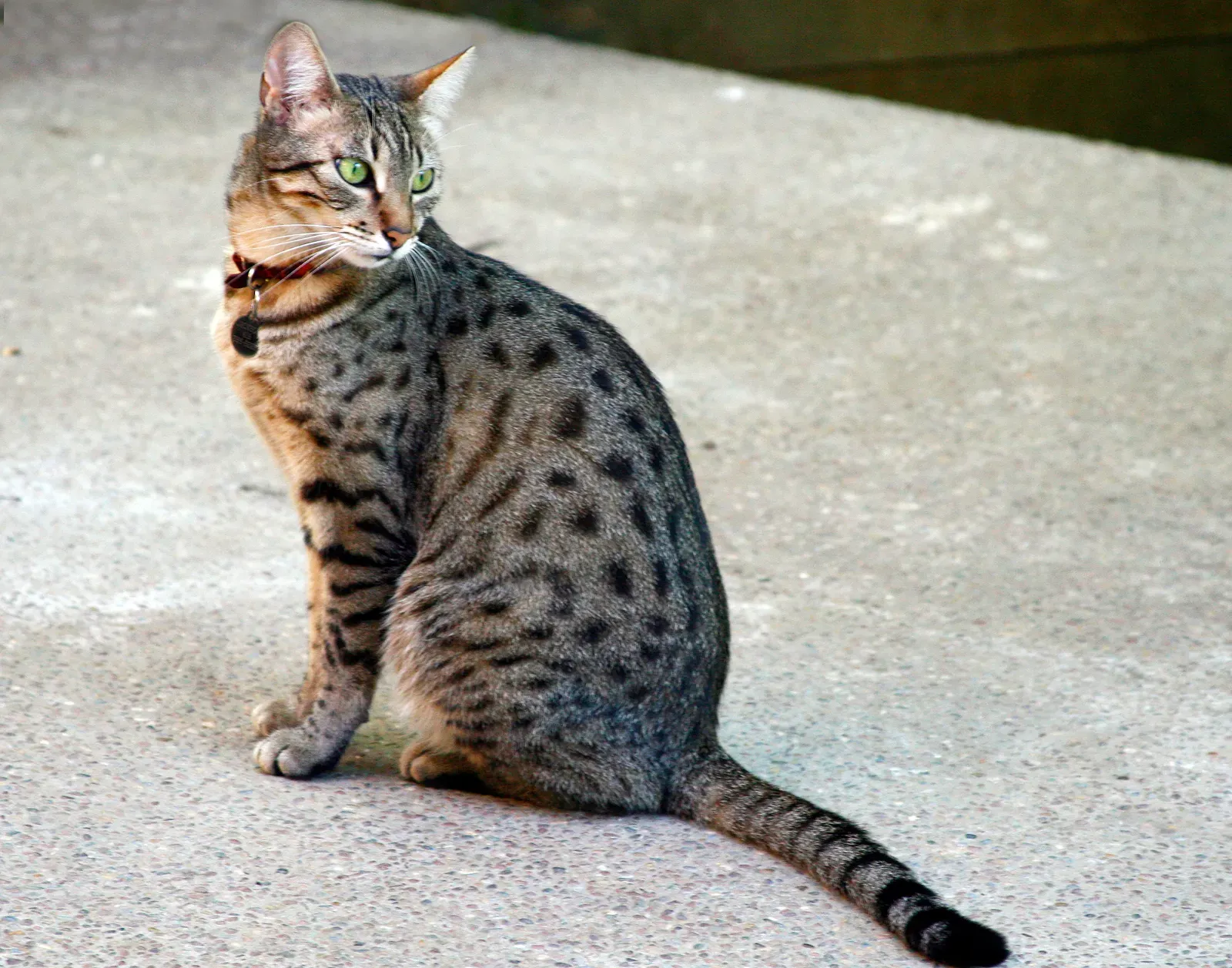
The beautifully spotted Egyptian Mau is affectionate with its owners but extremely shy with strangers, and their tendency to hide from guests results from this shyness, not aloofness, with time and familiarity allowing Maus to become very loving, showing that their initial coldness is a protective mechanism. This protective mechanism extends to how they handle physical contact.
They’re naturally athletic and love jumping, climbing, and playing fetch. Their energy is channeled into activity rather than stillness required for extended petting sessions. When strangers visit, don’t be surprised if your Egyptian Mau becomes completely invisible.
With their family, they’re more open but still selective about when and how they receive affection.
12. Scottish Fold
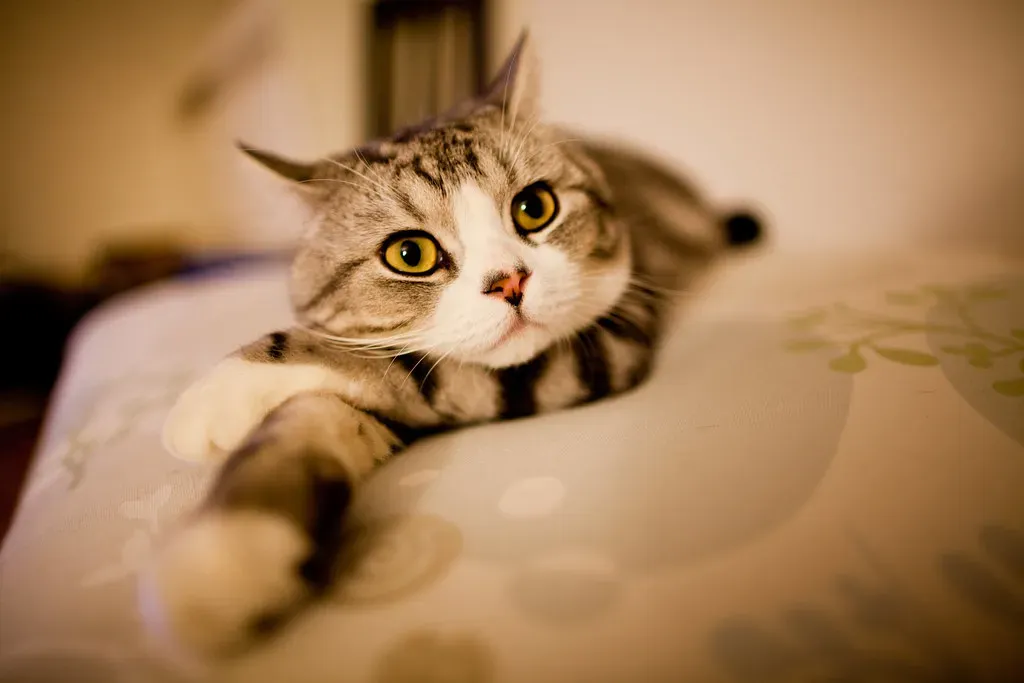
Those adorable folded ears make Scottish Folds look perpetually curious. Scottish Folds are sensitive, expressive, and active cats perhaps best known for their uniquely shaped ears, and while these playful cats enjoy both human and feline company, this breed is also self-contained enough to be content with owners who require to be away for long periods. Instantly recognizable by their bent-over ears, the Scottish fold definitely makes the cut for the least active cat breeds, as these cats enjoy friendly human interaction, but their activity level is minimal.
They’re affectionate on their own terms but don’t necessarily enjoy being held or restrained. These cats enjoy friendly human interaction, but their activity level is minimal, and the affectionate Scottish Fold loves relaxing on a cozy lap. Still, they’ll decide when lap time begins and ends.
Their self-contained nature means they’re perfectly happy with brief interactions rather than marathon petting sessions.
Conclusion
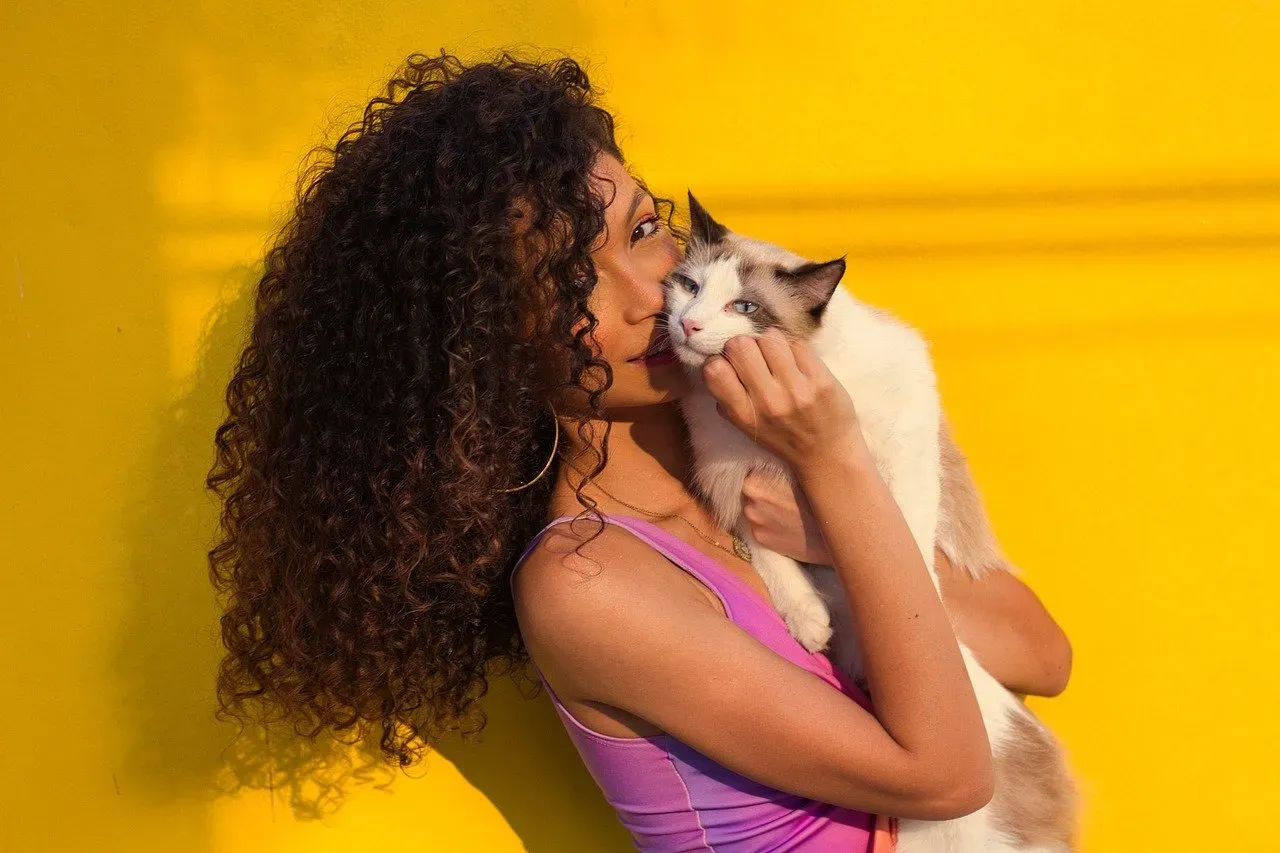
Understanding that some cat breeds naturally prefer less physical contact doesn’t mean they love you any less. Cats want to interact on their own terms, and we need to give them a sense of control. Respecting these boundaries actually strengthens your bond rather than weakening it.
It’s not personal, as some cats don’t like hands all up in their business, and respecting that will help you build better trust in the long run. These breeds express affection in different ways, through slow blinks, sitting nearby, or engaging in play. Learning their unique love language makes living with them infinitely more rewarding than forcing them into a mold they weren’t designed to fit.
What’s your experience with touch-sensitive cats? Have you learned to appreciate their more subtle forms of affection?

- 6 Wild Theories About Lost Civilizations and Their Downfall - July 12, 2026
- 14 Ways to Give an Old Cat a Gentle Goodbye at Home, According to Vets - July 12, 2026
- Was Yellowstone National Park Once a Massive Volcano? - July 12, 2026