

The Florida Everglades represent one of North America’s most unique ecosystems—a subtropical wilderness that spans over 1.5 million acres of wetlands, sawgrass marshes, and mangrove forests. Often called the “River of Grass,” this extraordinary national park is home to an incredible array of wildlife that exists nowhere else in the United States. From prehistoric-looking reptiles to elusive big cats, the creatures that inhabit this watery paradise have adapted to thrive in this challenging environment. Let’s explore 12 remarkable animals that make the Everglades their exclusive Florida home, creating a biodiversity hotspot unlike any other in the country.
12. American Alligator

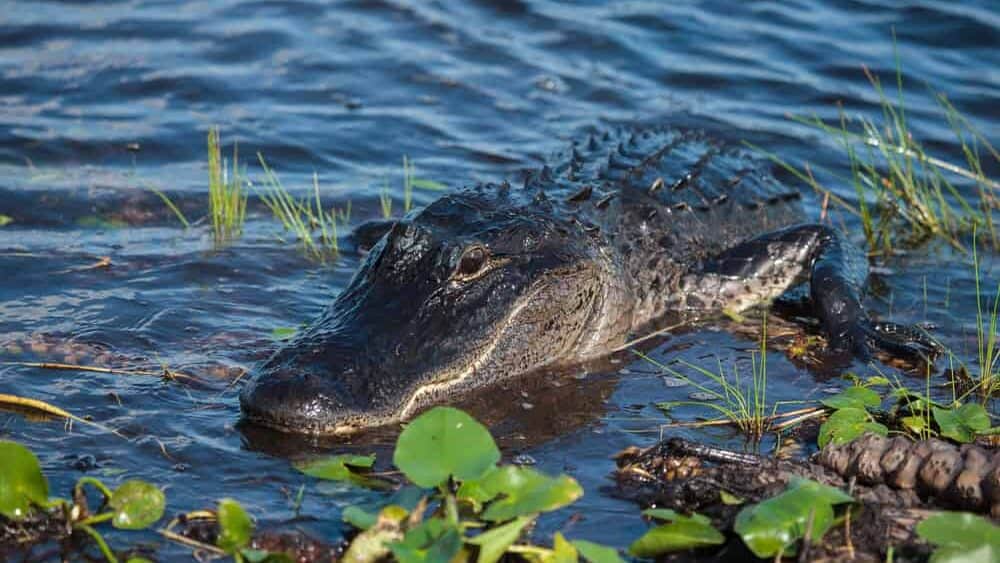
The American alligator (Alligator mississippiensis) serves as the unofficial ambassador of the Everglades. While these prehistoric-looking reptiles can be found in other southeastern states, nowhere are they as abundant or as integral to an ecosystem as in the Everglades. Males can grow up to 15 feet long and weigh over 1,000 pounds, making them the apex predator of this unique wetland. Their presence is so vital that they’re considered a keystone species—the “alligator holes” they create and maintain provide crucial water sources for countless other species during dry seasons. With powerful jaws that can exert over 2,000 pounds of pressure per square inch, these remarkable reptiles have remained virtually unchanged for millions of years, earning them the title of “living fossils.”
11. Florida Panther
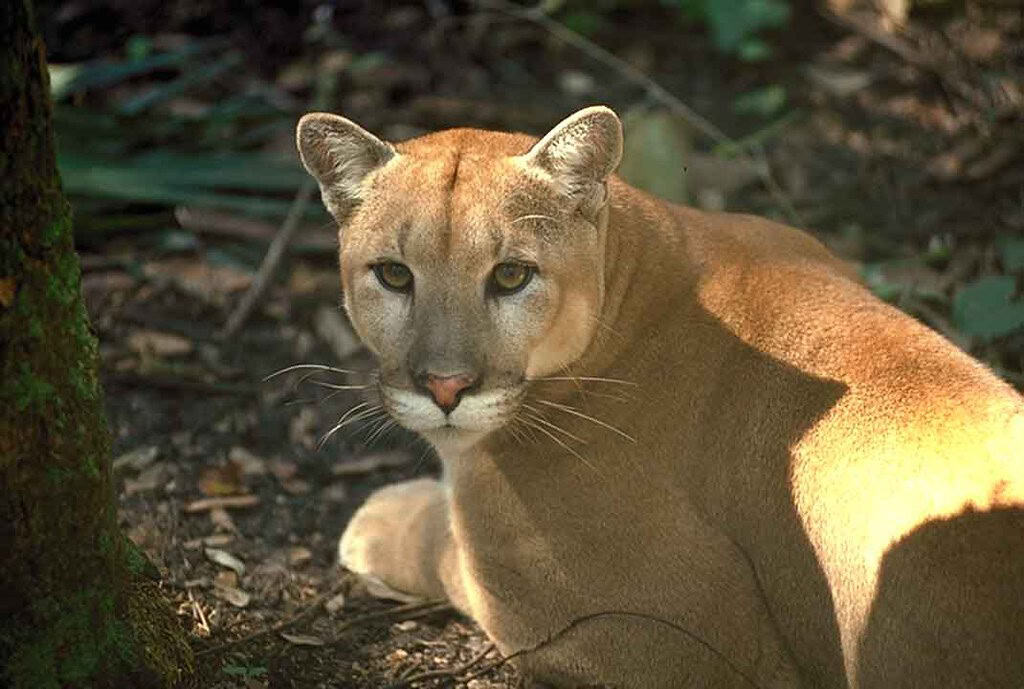
The Florida panther (Puma concolor coryi) is one of the most endangered mammals in North America, with fewer than 200 individuals remaining in the wild. As a subspecies of the mountain lion, these magnificent cats have adapted specifically to the subtropical environment of south Florida, with the Everglades serving as their final stronghold. Slightly smaller and more reddish than their western counterparts, Florida panthers require vast territories—up to 200 square miles for males—making habitat conservation crucial for their survival. These solitary hunters are rarely spotted by humans, preferring to move stealthily through the landscape, primarily at dawn and dusk. Conservation efforts have helped their population recover from just 20-30 individuals in the 1970s, though they remain critically endangered and face ongoing threats from habitat fragmentation and vehicle collisions.
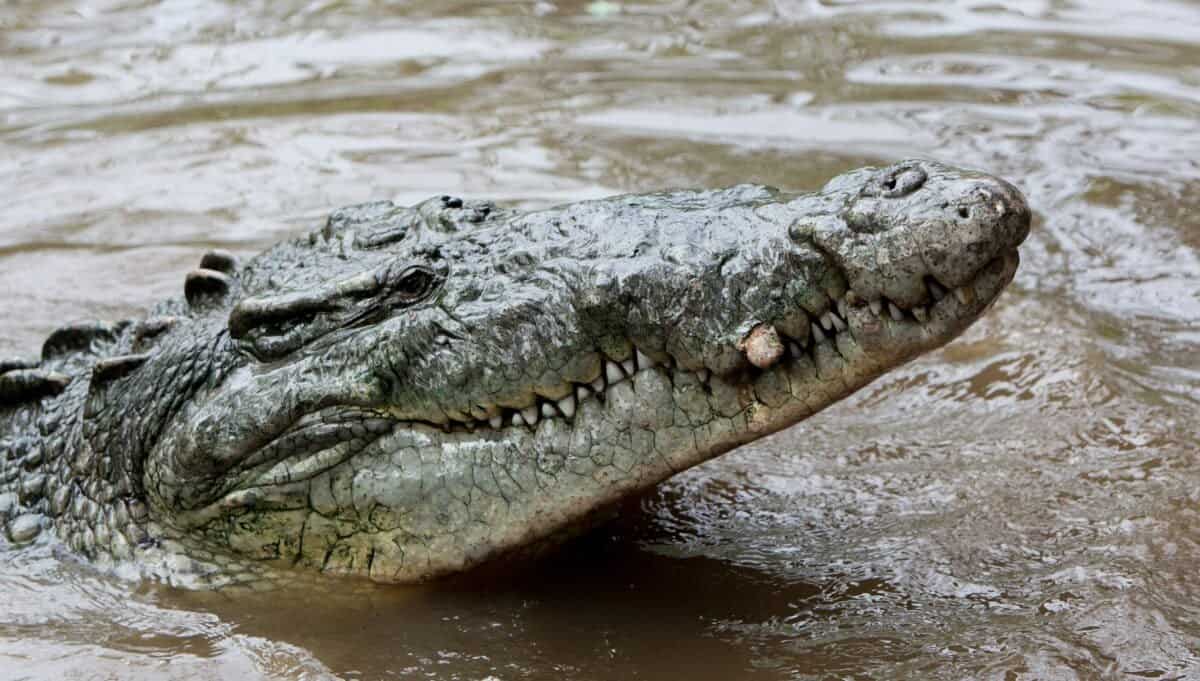
10. American Crocodile

While alligators get most of the attention, the American crocodile (Crocodylus acutus) also calls the southern Everglades home—the only place in the United States where this species naturally occurs. Distinguished from alligators by their narrower snouts and visible lower teeth when their mouths are closed, American crocodiles prefer the saltier waters near the coast. They can grow up to 15 feet long but tend to be more shy and less aggressive toward humans than their relatives elsewhere in the world. The Everglades provide the perfect blend of fresh and salt water that these reptiles require. Once endangered with fewer than 300 individuals in the 1970s, conservation efforts have helped their population recover to approximately 2,000 adults today, though they remain vulnerable to habitat loss and climate change impacts, particularly rising sea levels.
9. Roseate Spoonbill

With its bright pink plumage and distinctive spoon-shaped bill, the roseate spoonbill (Platalea ajaja) adds a tropical splash of color to the Everglades landscape. Often mistaken for flamingos by visitors, these unique wading birds get their pink coloration from the same source—carotenoid pigments in the crustaceans they consume. Their specialized bills allow them to feed using a distinctive technique: sweeping their open bills from side to side through shallow water, snapping shut when they detect prey through touch receptors. Standing about 3 feet tall with a 4-foot wingspan, spoonbills nearly disappeared from Florida in the early 20th century due to plume hunting for the fashion industry. Today, while their population has rebounded, they face new challenges from water management practices that affect their feeding grounds and nesting success in the Everglades.
8. Florida Softshell Turtle
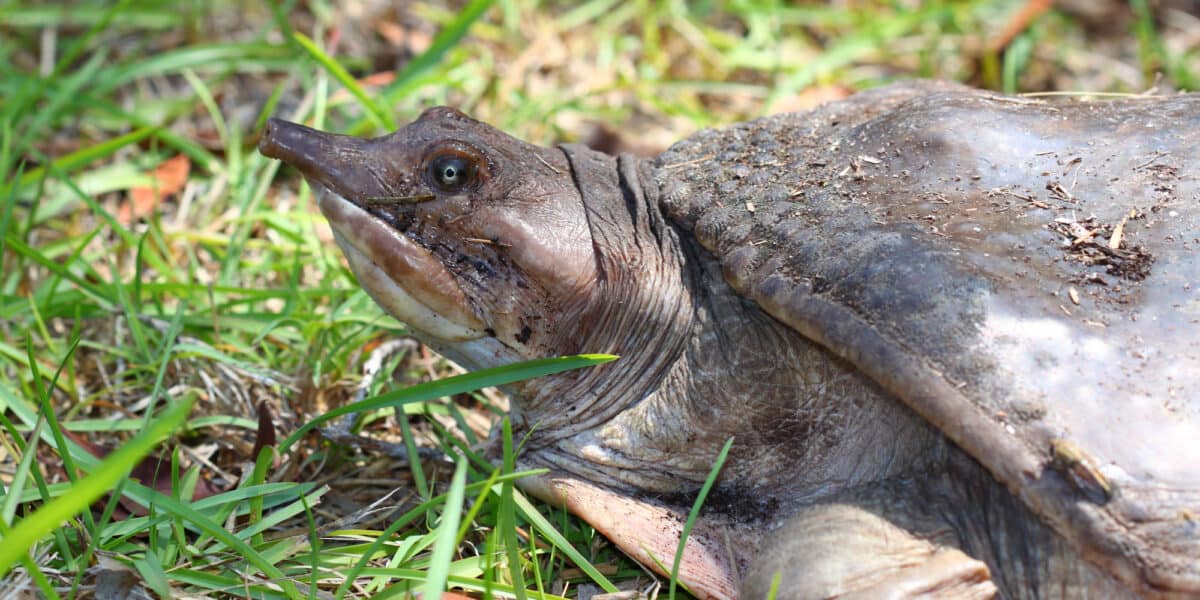
The Florida softshell turtle (Apalone ferox) is one of the most distinctive reptiles in the Everglades, characterized by its flat, leathery shell and long, snorkel-like snout. As the largest softshell turtle in North America, females can reach shell lengths of 24 inches and weigh up to 30 pounds. Unlike most turtles, softshells have adapted to their aquatic lifestyle with a reduced shell that allows for faster swimming and the ability to absorb oxygen through their skin while submerged. These aggressive predators use their surprising speed both in water and on land to catch fish, amphibians, and even small water birds. When threatened, rather than retreating into their shells (which provide less protection than hardshell turtles), they’re known to strike with remarkable speed, using their sharp jaws as their primary defense mechanism.
7. Wood Stork
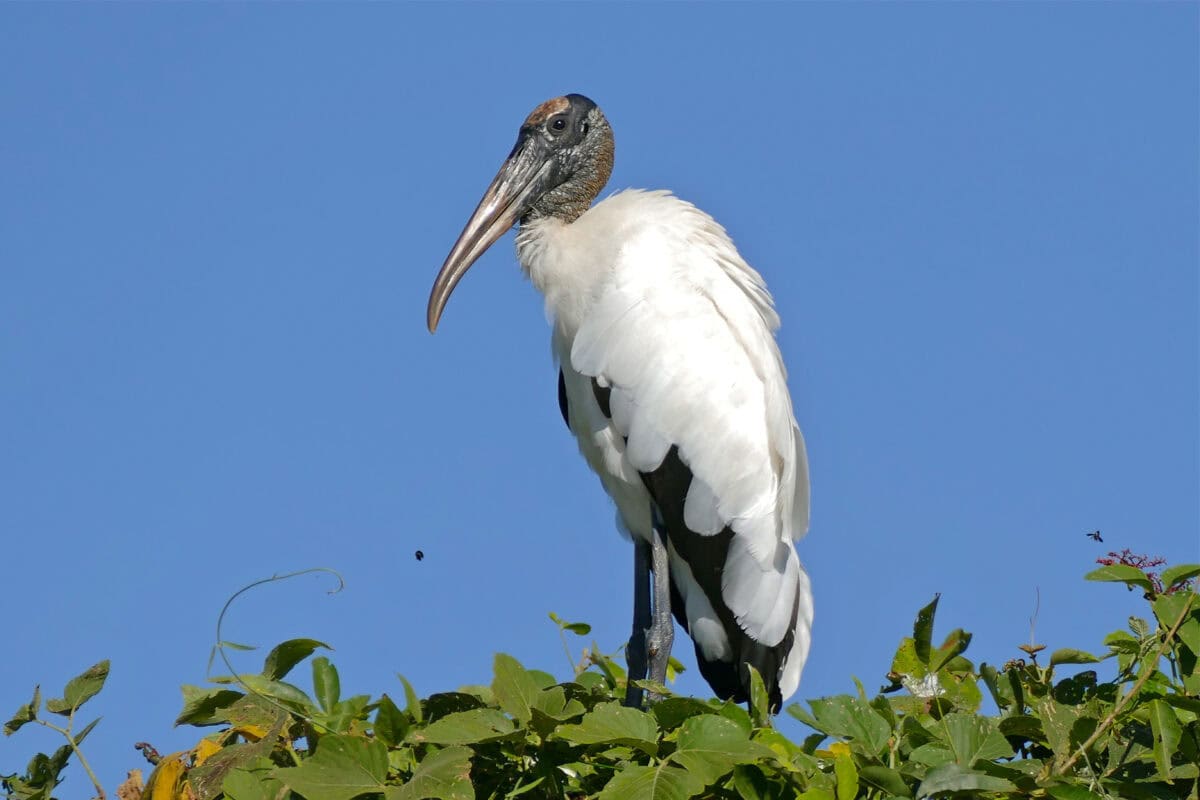
The wood stork (Mycteria americana) is the only stork species that breeds in the United States, and the Everglades provide critical nesting habitat for these impressive birds. Standing nearly 4 feet tall with a wingspan of over 5 feet, these bald-headed wading birds are easily identified by their dark flight feathers contrasting with white body plumage. Wood storks have developed a unique feeding technique called “tactolocation”—they wade through shallow water with their bills partially open, snapping them shut with a reaction time of just 25 milliseconds when they touch prey, one of the fastest reflexes of any vertebrate. Their breeding success is intimately tied to the natural water cycles of the Everglades, as they require drying pools that concentrate fish for efficient feeding of their young. Water management practices that alter these natural cycles have contributed to their endangered status, though recent conservation efforts have shown promising results.
6. Florida Gar

The Florida gar (Lepisosteus platyrhincus) represents one of the most ancient lineages of fish still swimming in North American waters, with a design that has remained largely unchanged for 100 million years. Endemic to Florida and found throughout the Everglades waterways, these prehistoric-looking fish are immediately recognizable by their elongated bodies, armored ganoid scales, and needle-like teeth. Growing up to 3 feet long, Florida gar possess the remarkable ability to breathe air through their swim bladder, allowing them to survive in oxygen-depleted waters that would kill most other fish. This adaptation proves especially valuable during the Everglades’ dry season when water levels drop significantly. Their primitive appearance and air-breathing capability make them living fossils and crucial components of the Everglades food web, where they serve as both predators of smaller fish and prey for larger species like alligators.
5. Everglades Mink
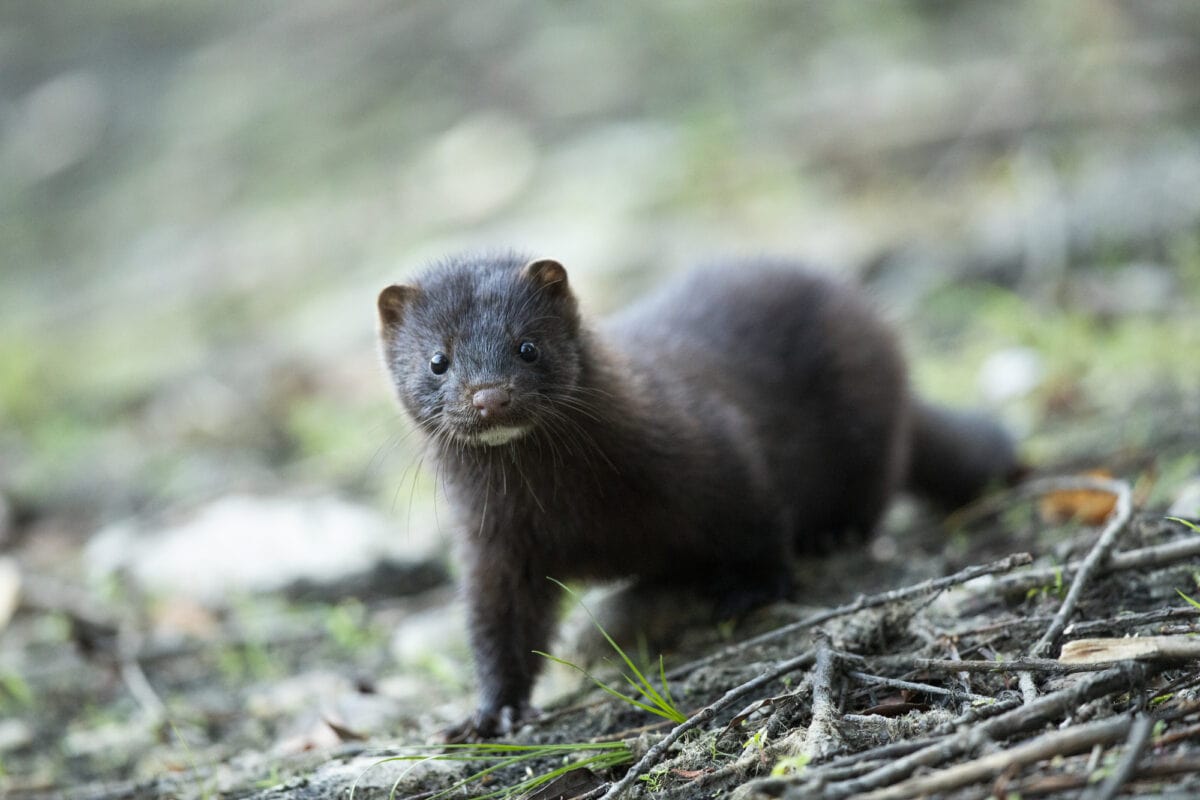
The Everglades mink (Neovison vison evergladensis) is one of the rarest mammals in the park and remains something of a biological mystery. This subspecies of the American mink has adapted specifically to the wetland environment of southern Florida. Smaller than minks found elsewhere in North America, these semi-aquatic carnivores have sleek, dark brown bodies typically measuring 1-2 feet long, including their tails. Excellent swimmers with partially webbed feet, they patrol the edges of waterways hunting for fish, frogs, crayfish, and small mammals. What makes the Everglades mink particularly special is its extreme elusiveness—sightings are so rare that biologists have struggled to accurately assess their population, though they’re believed to be declining due to habitat degradation and water quality issues. Some estimates suggest fewer than 100 individuals may remain, making a glimpse of this secretive predator a truly exceptional Everglades experience.
4. Manatee

The West Indian manatee (Trichechus manatus) finds sanctuary in the Everglades’ warm, sheltered waterways, particularly during winter months. These gentle marine mammals, often called “sea cows,” can weigh up to 1,200 pounds and reach lengths of 10 feet, though their massive size belies their graceful movement underwater. As the only herbivorous marine mammals, manatees spend up to eight hours daily grazing on seagrasses and other aquatic vegetation, consuming 10-15% of their body weight. Their presence in the Everglades represents the perfect intersection of freshwater and marine environments that characterizes this unique ecosystem. Sadly, manatees face numerous threats, including boat strikes (identifiable by the propeller scars many bear), habitat loss, and cold stress during harsh winters. The Everglades’ warm water springs and protected waterways provide crucial refuge for these vulnerable creatures, which play an important role in maintaining the health of aquatic plant communities through their feeding habits.
3. Snail Kite

The Everglades snail kite (Rostrhamus sociabilis plumbeus) represents one of the most specialized predators in North America, with a diet consisting almost exclusively of apple snails. This medium-sized raptor, with its distinctive deeply hooked bill adapted specifically for extracting snails from their shells, depends entirely on the health of the Everglades ecosystem for its survival. Males display slate-gray plumage while females and juveniles are streaked brown, both with characteristic red eyes and legs. With fewer than 400 breeding pairs remaining in Florida, the snail kite is federally endangered, its fate intertwined with water management decisions affecting the Everglades. Recent challenges include the introduction of larger, non-native apple snails that young kites struggle to handle and changes in water levels that affect native snail populations. The presence of these specialized birds serves as a biological indicator of the Everglades’ health, making their conservation particularly significant for the entire ecosystem.
2. Eastern Indigo Snake

The eastern indigo snake (Drymarchon couperi) holds the distinction of being North America’s longest native snake, with specimens reaching up to 8 feet in length. These non-venomous constrictors display a glossy blue-black coloration that iridescently shimmers in sunlight, giving them their name. As apex predators in the Everglades snake community, indigos fearlessly prey on venomous snakes, including rattlesnakes and cottonmouths, along with small mammals, frogs, and other reptiles. Unlike many snakes, indigos don’t rely on camouflage and are active during daylight hours, though their increasing rarity means sightings are uncommon. Federally listed as threatened since 1978, their population has declined by more than 80% due to habitat loss and fragmentation. The Everglades represents one of their last strongholds, where conservation efforts focus on protecting these magnificent reptiles that play a crucial role in controlling rodent and venomous snake populations within the ecosystem.
1. Ghost Orchid
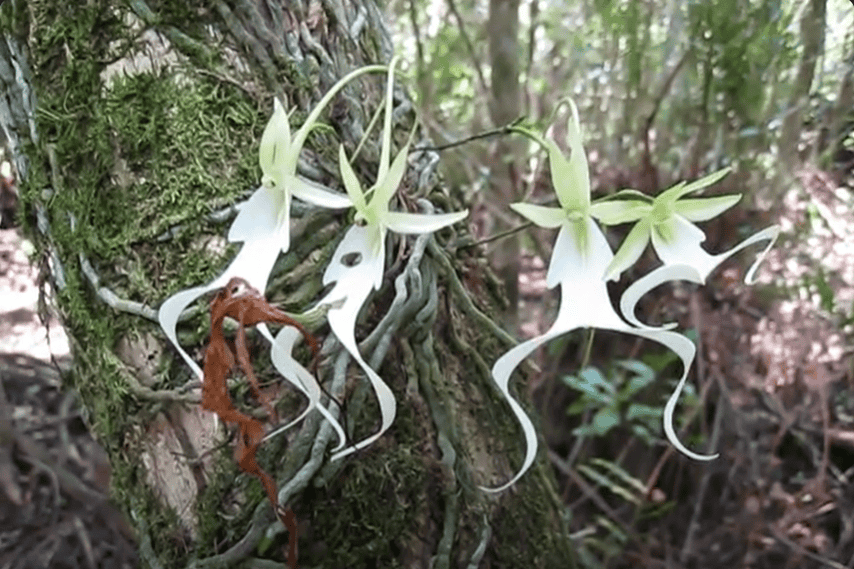
While not an animal, no list of unique Everglades species would be complete without mentioning the legendary ghost orchid (Dendrophylax lindenii). This rare, epiphytic orchid grows without leaves, appearing to float in mid-air against the trunks of pond apple and pop ash trees in the deepest parts of the Everglades’ cypress swamps. The ghostly white flowers, which bloom briefly during summer months, feature elegant, ribbon-like petals that seem to dance in the slightest breeze. With fewer than 2,000 plants estimated to exist in the wild, ghost orchids represent one of the most endangered plants in North America. Their extreme specificity in growing conditions—requiring precise humidity, light, and symbiotic fungi—makes them impossible to transplant or cultivate easily. Even more fascinating is their reliance on the giant sphinx moth for pollination, one of the few insects with a proboscis long enough to reach the orchid’s nectar. For many Everglades enthusiasts, spotting a blooming ghost orchid represents the ultimate rare find in this mysterious landscape.
The Everglades: A Sanctuary Worth Protecting
The unique creatures that call the Florida Everglades home represent just a fraction of the biodiversity found in this remarkable ecosystem—the only place on Earth where alligators and crocodiles coexist and where subtropical and temperate species create ecological communities found nowhere else. Each of these 12 species has evolved specialized adaptations to thrive in this challenging environment of seasonal flooding, fluctuating salinity, and extreme weather events. Their continued survival depends entirely on the preservation and restoration of the Everglades’ natural water flows and habitat connectivity. As climate change and human development continue to threaten this irreplaceable wilderness, understanding and appreciating its distinctive inhabitants becomes increasingly important for ensuring that future generations will still have the opportunity to glimpse a Florida panther slipping silently through sawgrass or watch a roseate spoonbill paint the sky pink against a setting sun.

As a little kid, I fell in love with nature, wildlife, and animals. Living in the USA, South Africa, Italy, China and Germany gave me the opportunity to discover the world's Wildlife. My favorite animals are Mountain Gorillas, Siberian Tigers, and Great White Sharks.
I'm a certified PADI Open Water Diver, went to Everest Base Camp and Trekked Gorillas in Uganda. I hold a Master of Science in Economics and Finance.
Please send any feedback to feedback@animalsaroundtheglobe.com
- 10 Surprising Roles Spiders Play in Human Medicine - July 28, 2026
- 10 Animals Scientists Did not Know Existed in the US - July 28, 2026
- 13 Sinkholes That Swallowed Entire Neighborhoods - July 28, 2026