


Rhinoceroses and hippopotamuses are two of Africa’s most iconic megafauna, often confused by those unfamiliar with their distinct characteristics. Despite both being large, gray mammals that inhabit similar regions, these fascinating creatures belong to entirely different taxonomic families and exhibit remarkable differences in their anatomy, behavior, habitat preferences, and evolutionary history. Understanding these differences not only enhances our appreciation for these magnificent animals but also highlights the incredible diversity of adaptations that have evolved in response to different ecological niches. In this comprehensive comparison, we’ll explore twelve key differences between rhinos and hippos, from their physical characteristics to their conservation status, providing clarity on what makes each of these impressive species unique in the animal kingdom.
Taxonomic Classification
Rhinoceroses and hippopotamuses belong to completely different taxonomic orders, representing distinct evolutionary lineages. Rhinos are perissodactyls (odd-toed ungulates), placing them in the same order as horses and tapirs. This classification is based on their odd number of toes—rhinos have three toes on each foot. The five extant rhino species are divided into four genera: Diceros and Ceratotherium (African rhinos), and Rhinoceros and Dicerorhinus (Asian rhinos).
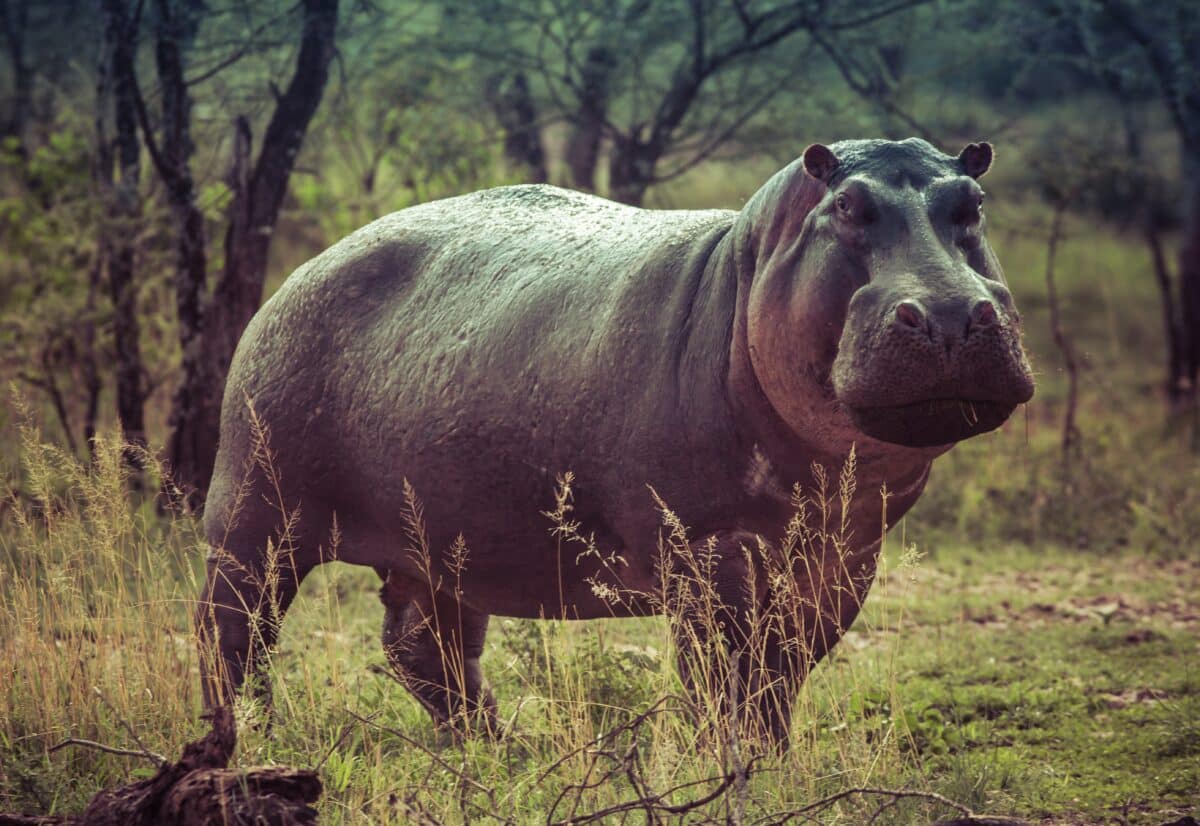
Hippos, on the other hand, are artiodactyls (even-toed ungulates), making them more closely related to whales, dolphins, pigs, and ruminants like cattle. They have four toes on each foot, arranged in a distinctive even-toed pattern. The hippopotamidae family includes just two living species: the common hippopotamus (Hippopotamus amphibius) and the smaller pygmy hippopotamus (Choeropsis liberiensis). Genetic research has revealed that hippos share a common ancestor with cetaceans (whales and dolphins), forming a clade called Whippomorpha, while rhinos evolved along a completely separate evolutionary path.
Physical Appearance and Size
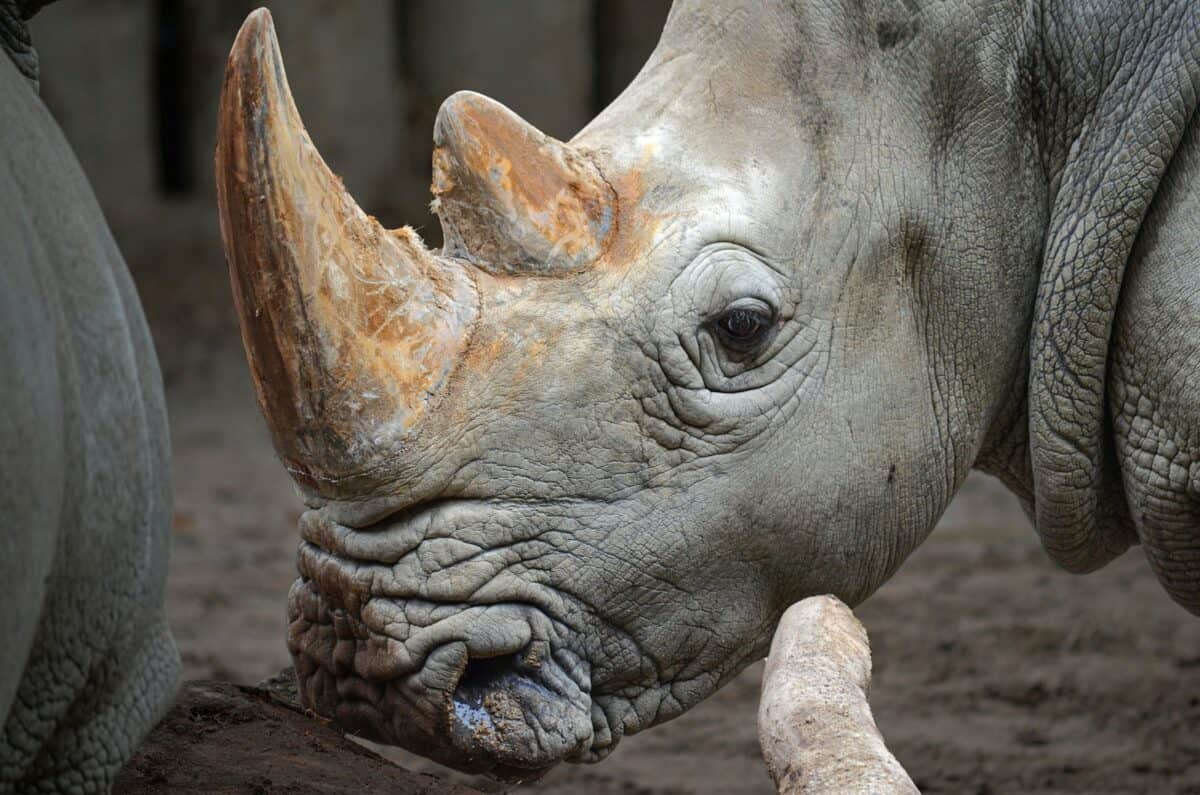
One of the most obvious differences between rhinos and hippos lies in their overall body shape and size. Rhinoceroses are characterized by their distinctive horn(s) on the snout (made of keratin, the same material as human fingernails), thick armor-like skin with loose folds that give them a plated appearance, and relatively long legs in proportion to their bodies. White rhinos can reach 1.8 meters (6 feet) at the shoulder and weigh up to 2,300 kg (5,000 pounds), while the larger white rhino can reach weights of up to 3,600 kg (7,920 pounds).
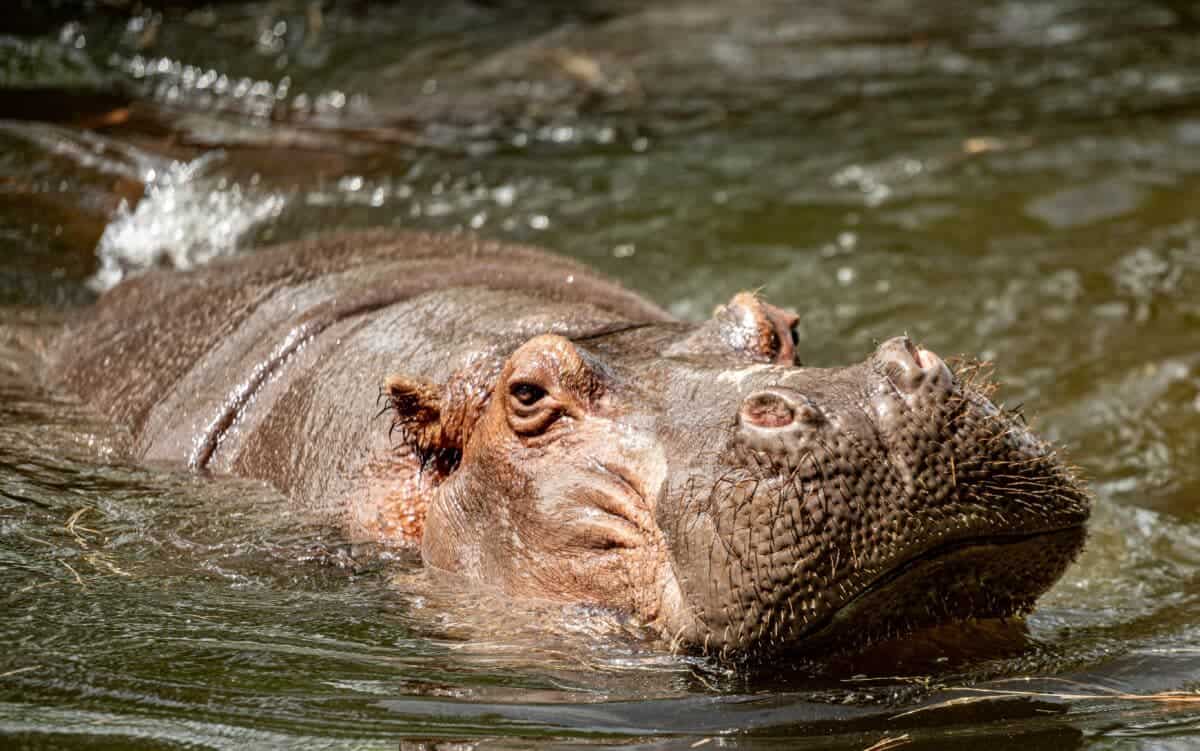
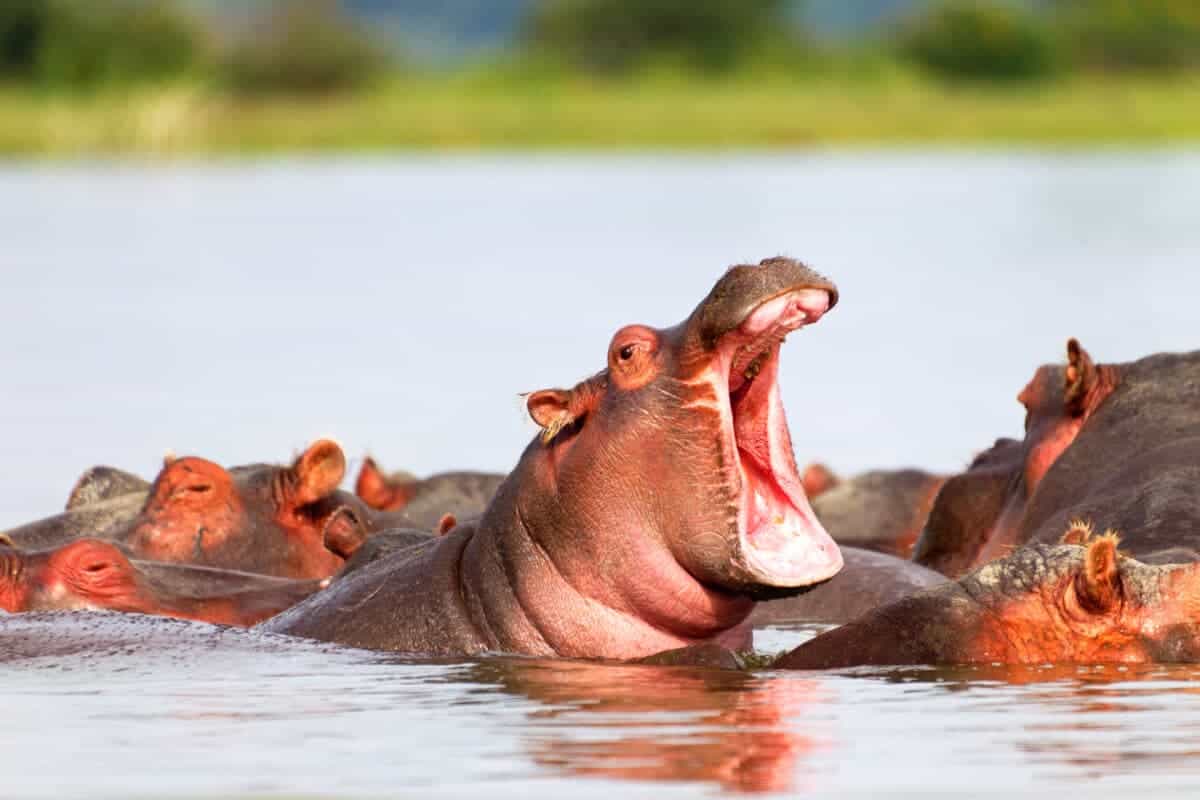
Hippopotamuses have barrel-shaped bodies, enormous heads with wide mouths capable of opening to 150 degrees, and short, stubby legs that seem disproportionately small for their massive bodies. The common hippo is actually heavier than most rhino species, weighing between 1,500-3,200 kg (3,300-7,000 pounds), with exceptional males reaching up to 4,500 kg (9,900 pounds). Hippos lack the armored appearance of rhinos, having smooth skin that appears hairless, though they do possess sparse hair on their bodies. Unlike rhinos, hippos have no horns or protective protrusions on their heads, though their canine teeth are formidably large.
Skin and Physical Adaptations
The skin of rhinos and hippos represents remarkable adaptations to their respective lifestyles. Rhinoceros skin is extraordinarily thick—up to 5 cm (2 inches) in some areas—and forms characteristic folds that create a natural armor-like appearance. Despite its toughness, rhino skin is sensitive to sunburn and insect bites, which is why these animals often wallow in mud for protection. The skin is typically gray to brownish-gray depending on the species and local soil conditions that may discolor it.
Hippopotamus skin, while also quite thick at about 4 cm (1.5 inches), has evolved very different adaptations. Their skin contains specialized glands that secrete a reddish oily fluid often described as “blood sweat” (though it’s neither blood nor sweat). This remarkable secretion acts as a natural sunscreen, moisturizer, and antibiotic that protects hippos during their extended exposure to both water and sun. Unlike rhinos, hippos must keep their skin moist and can quickly dehydrate when out of water for too long, which is why they spend most daylight hours submerged in rivers or lakes, emerging primarily at night to graze.
Habitat and Geographical Distribution
Rhinoceroses inhabit a variety of terrestrial ecosystems across parts of Africa and Asia. African rhinos (black and white species) are found in grasslands, savannas, and woodland areas primarily in eastern and southern Africa. The three Asian rhino species have more specialized habitats: Sumatran rhinos inhabit dense tropical forests, Javan rhinos are restricted to a single national park in Indonesia, and Indian rhinos prefer grasslands and swampy areas near rivers. Rhinos typically require substantial territory with adequate vegetation and water sources but are not dependent on deep water bodies.
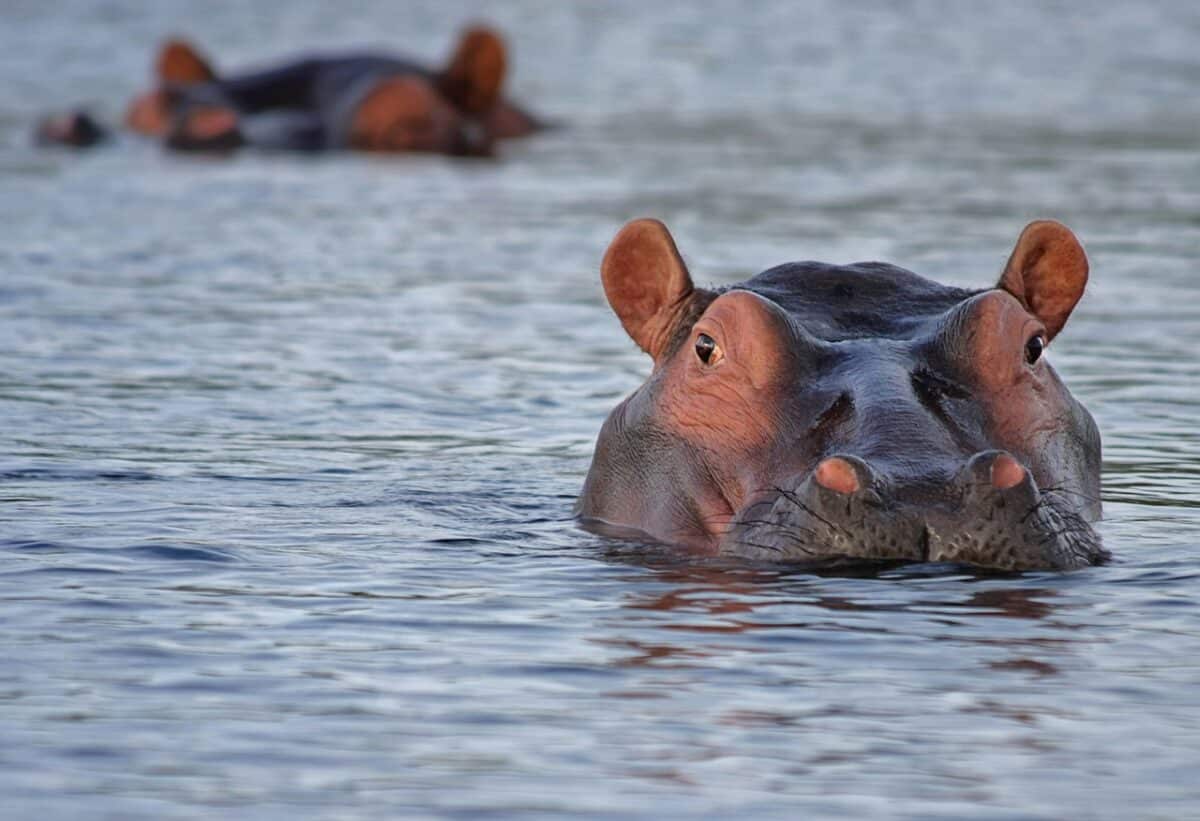
Hippopotamuses have a much more water-dependent distribution, being found exclusively in sub-Saharan Africa. Common hippos require deep water bodies—rivers, lakes, or swamps—where they can fully submerge during the day. They typically need water at least 1.5 meters (5 feet) deep and prefer areas with gentle slopes for easy entry and exit. The pygmy hippopotamus has an even more restricted range, inhabiting the forests and swamps of West Africa, primarily in Liberia with small populations in neighboring countries. This stark difference in habitat requirements helps explain why hippos never expanded their range beyond Africa, while rhinos historically had a much wider global distribution.
Diet and Feeding Habits

Rhinoceroses are exclusively herbivorous and can be classified as browsers or grazers depending on the species. White rhinos are predominantly grazers, using their wide, square lips to crop short grasses close to the ground. Black rhinos, by contrast, are browsers that use their hooked upper lip to pluck leaves, shoots, and fruits from trees and shrubs. Indian rhinos are mixed feeders, consuming both grasses and browse. Rhinos spend approximately 50% of their day feeding, consuming between 50-100 kg (110-220 pounds) of plant material daily, depending on the species.
Hippopotamuses are also herbivores but with very different feeding patterns. Despite their massive size, hippos consume relatively less food than rhinos—approximately 40 kg (88 pounds) per night—because of their somewhat slower metabolism. They are primarily grazers, feeding on short grasses during nighttime foraging excursions that can cover distances of up to 10 km (6 miles). Unlike rhinos that feed throughout the day, hippos have evolved a nocturnal feeding pattern, grazing almost exclusively at night when they leave the water. Their lips are broad and muscular, allowing them to efficiently crop grass, and they swing their massive heads side to side while walking, cutting swaths through grasslands.
Social Structure and Behavior

Rhinoceroses tend toward solitary living, with some variation among species. Black rhinos, Javan rhinos, and Sumatran rhinos are predominantly solitary, with adults coming together primarily for mating. Adult males maintain territories that may overlap with the home ranges of several females. White rhinos show more social flexibility, with females and subadults sometimes forming small groups called “crashes.” Indian rhinos also generally prefer solitude but may gather at feeding grounds without forming cohesive social units. Communication among rhinos involves scent marking through urine spraying and dung piles, along with various vocalizations including snorts and bellows.
Hippopotamuses display much more complex social behavior. Common hippos are highly gregarious, forming groups called “bloats” or “pods” of up to 100 individuals that share a stretch of river or lake under the dominance of a territorial bull. These groups have sophisticated social hierarchies, with dominant males controlling access to prime water territory and mating opportunities. Hippos communicate through loud vocalizations that can travel underwater and through the air, including their distinctive “honking” calls. They also use elaborate territorial displays including mouth-opening, dung-spraying (using their tails to scatter excrement), and aggressive confrontations. The pygmy hippo, unlike its larger cousin, is more solitary, resembling rhinos in its preference for a largely solitary lifestyle.
Reproduction and Lifespan

Rhinoceros reproduction is characterized by long gestation periods and significant intervals between births. Female rhinos reach sexual maturity between 4-7 years depending on the species, while males mature later, around 7-10 years. The gestation period ranges from 15-16 months in most rhino species, with females typically giving birth to a single calf weighing between 40-65 kg (88-143 pounds). Rhino calves remain with their mothers for 2-4 years, creating a lengthy interval between births. In the wild, rhinoceroses can live between 35-50 years, with white rhinos generally having the longest lifespans.
Hippopotamuses have somewhat shorter reproductive cycles. Female hippos reach sexual maturity around 5-6 years of age, while males typically cannot successfully compete for mating until they’re 7-10 years old. The gestation period is shorter than rhinos at approximately 8 months. Hippo calves are born weighing about 25-50 kg (55-110 pounds) and, remarkably, birth often takes place underwater, with mothers guiding newborns to the surface for their first breath. Young hippos can nurse underwater by closing their ears and nostrils. The interval between hippo births is typically 2 years. Common hippos have similar lifespans to rhinos, living 40-50 years in the wild, while pygmy hippos may live slightly shorter lives of 30-45 years.
Aquatic Adaptations

Rhinoceroses have minimal aquatic adaptations, as they are primarily terrestrial mammals. While they enjoy wallowing in mud and shallow water for temperature regulation and protection from insects and sun, they are not built for aquatic life. Rhinos are capable swimmers when necessary but generally avoid deep water. They lack specialized adaptations for underwater activities and typically keep their heads above water when crossing rivers. Their heavy, solid bodies with relatively little fat do not provide natural buoyancy, making extended swimming energetically costly.
Hippopotamuses, despite being unable to swim or float, have evolved remarkable adaptations for their semi-aquatic lifestyle. Their eyes, ears, and nostrils are positioned high on their heads, allowing them to remain mostly submerged while still sensing their environment above water. When fully submerged, hippos can close their nostrils and ears to prevent water entry. They can hold their breath for up to 5-6 minutes and can even sleep underwater, with an involuntary reflex that brings them to the surface to breathe without waking. Rather than swimming, hippos move underwater by pushing off from the bottom or “walking” along the riverbed, a behavior facilitated by their dense bone structure that provides negative buoyancy. Young hippos can even nurse underwater, with specialized muscular control of their mouths.
Defense Mechanisms and Predators

Rhinoceroses rely primarily on their size, thick skin, and formidable horns for defense. Their poor eyesight is compensated by excellent hearing and smell, allowing them to detect potential threats. When threatened, rhinos may charge at speeds of up to 55 km/h (34 mph), using their horn(s) as weapons. Adult rhinos have few natural predators due to their size and defensive capabilities, though calves may be targeted by lions, tigers (in Asia), crocodiles, and hyenas. Different rhino species exhibit different temperaments—black rhinos are generally more aggressive and quick to charge, while white rhinos tend to be more placid unless directly threatened.
Hippopotamuses are considered among Africa’s most dangerous large animals, responsible for more human fatalities than lions or leopards. Their primary defense is their enormous jaws and teeth, particularly their lower canines that can grow to 50 cm (20 inches) and are capable of biting a small boat in half. Hippos are highly territorial in water and will aggressively defend their space against perceived threats. They can move surprisingly quickly both in water and on land, reaching speeds of up to 30 km/h (19 mph) on shore despite their bulky appearance. Adult hippos face few natural predators, though calves may be vulnerable to crocodiles, lions, and hyenas when separated from the protection of their mothers and the pod.
Ecological Roles

Rhinoceroses serve as important ecological engineers in their habitats. Through their feeding habits, they help shape vegetation structure and create microhabitats for other species. White rhinos, as grazers, help maintain grassland ecosystems by preventing woody plant encroachment. Black rhinos, as browsers, contribute to the dispersal of seeds through their dung and create browsing lines in woody vegetation that benefit other herbivores. The massive dung piles created by rhinos, called middens, serve as communication centers and provide important nutrient cycling in the ecosystem, supporting diverse insect communities that in turn serve as food for birds and small mammals.
Hippopotamuses have even more dramatic ecological impacts on their environments. Their nightly grazing creates and maintains “hippo lawns”—areas of short, specialized grasses adapted to intense grazing pressure. More significantly, hippos serve as major nutrient transporters between terrestrial and aquatic ecosystems. By feeding on land at night and defecating in water during the day, they move an estimated 400 kg (880 pounds) of silicon and carbon annually per individual from terrestrial to aquatic systems. This nutrient subsidy supports aquatic food webs from algae to fish. Additionally, hippo pathways between water and grazing areas create channels that alter water flow and create microhabitats, while their wallowing behavior modifies river morphology and creates pools that persist through dry seasons, providing critical refuges for aquatic organisms.
Conservation Status and Threats

All five rhinoceros species face severe conservation challenges. Three species—the Javan, Sumatran, and Northern White Rhino—are critically endangered, with the Northern White functionally extinct (only two females remain). The Black rhino is also critically endangered, though its population has increased from a low of 2,410 in 1995 to approximately 5,600 today. The Southern White rhino represents a conservation success story, having recovered from fewer than 50 individuals in the early 1900s to around 18,000 today. The primary threat to all rhino species is poaching for their horns, which are used in traditional Asian medicine and as status symbols, despite being composed of keratin with no proven medicinal properties. Additional threats include habitat loss, political instability in range countries, and small population vulnerabilities.
Hippopotamuses face different but equally serious conservation concerns. The common hippopotamus is listed as vulnerable by the IUCN, with populations estimated at 115,000-130,000 individuals and declining. The pygmy hippopotamus is endangered, with fewer than 2,500 remaining in the wild. Major threats to hippo conservation include habitat loss as wetlands are drained for agriculture, hunting for meat and ivory (their teeth are sought as a replacement for elephant ivory), and human-wildlife conflict as expanding human settlements compete with hippos for access to water. Climate change poses an additional threat, as prolonged droughts affect water levels in hippo habitats, forcing populations into smaller areas and increasing competition and conflict. Unlike rhinos, hippo conservation receives relatively less international attention and funding, despite their significant ecological importance.
Conclusion
Despite their superficial similarities as massive, gray, herbivorous mammals of Africa, rhinoceroses and hippopotamuses represent dramatically different evolutionary adaptations to distinct ecological niches. From their taxonomic classification to their physical characteristics, dietary preferences, social structures, and aquatic adaptations, these magnificent animals have evolved unique solutions to the challenges of survival in their respective environments. Their differences highlight the incredible diversity of mammalian adaptation and specialization that has occurred over millions of years of evolution. Both animal groups face significant conservation challenges in the modern world, threatened by human activities ranging from poaching to habitat destruction. Understanding and appreciating the distinct characteristics and ecological roles of these iconic megaherbivores is essential

As a little kid, I fell in love with nature, wildlife, and animals. Living in the USA, South Africa, Italy, China and Germany gave me the opportunity to discover the world's Wildlife. My favorite animals are Mountain Gorillas, Siberian Tigers, and Great White Sharks.
I'm a certified PADI Open Water Diver, went to Everest Base Camp and Trekked Gorillas in Uganda. I hold a Master of Science in Economics and Finance.
Please send any feedback to feedback@animalsaroundtheglobe.com
- 11 Places That Look Like Other Planets - August 2, 2026
- 12 Marine Predators With the Most Unique Hunting Skills - August 2, 2026
- 15 Most Endangered Animal Species in North America - August 2, 2026