


When you first see a zebra, it’s easy to assume they’re just horses wearing fancy striped pajamas. After all, they look so similar that you might wonder if someone just got creative with a paintbrush. But here’s the thing that’ll blow your mind: zebras and horses are actually quite different animals, despite sharing the same family tree. Sure, they’re both part of the equine family, but that’s where the similarities start to fade. Think of it like comparing cousins at a family reunion – they share some genes, but their personalities, habits, and even their body language can be worlds apart. These differences go way deeper than just those eye-catching stripes, and some of them might genuinely surprise you.
12. Social Behavior Patterns

Zebras are the ultimate drama queens of the animal kingdom, and their social lives prove it. Unlike horses that form peaceful herds with clear hierarchies, zebras live in constant chaos with family groups that change faster than your mood on Monday morning. Wild horses establish stable groups where everyone knows their place, creating harmony that can last for years. Zebras, on the other hand, are constantly bickering, fighting, and reshuffling their social order like teenagers deciding who sits where at lunch. Their family units are smaller and more volatile, with stallions having to fight tooth and nail to keep their mares from wandering off. It’s like comparing a quiet library to a busy nightclub – both have their place, but the energy levels are completely different.
11. Physical Body Structure

Here’s something that’ll make you look twice next time you see these animals: zebras are actually built like compact sports cars while horses are more like luxury sedans. Zebras have shorter, stockier bodies with thicker necks that make them look almost chunky compared to their elegant horse cousins. Their legs are proportionally shorter too, giving them a lower center of gravity that’s perfect for quick turns and sudden stops. Horses, especially domestic breeds, have been selectively bred for grace and speed, resulting in longer, more refined bodies that flow like water when they move. The difference is so obvious once you know what to look for – it’s like comparing a bulldog to a greyhound, both beautiful but built for completely different purposes.
10. Stripe Patterns and Skin Pigmentation

Those famous zebra stripes aren’t just for show – they’re actually black stripes on white skin, not white stripes on black skin like most people think. Each zebra’s stripe pattern is as unique as a human fingerprint, with no two zebras sharing the exact same design. Horses, meanwhile, come in solid colors or simple patterns like spots or patches, but nothing as complex as the zebra’s natural barcode system. The stripes serve multiple purposes, from confusing predators to regulating body temperature, making them one of nature’s most practical fashion statements. What’s really wild is that zebras are born with brown and white stripes that gradually turn black as they age, while horses are typically born close to their adult coloring.
9. Temperament and Personality Traits

If horses are the golden retrievers of the equine world, then zebras are definitely the feral cats. Zebras have never been successfully domesticated despite thousands of years of human attempts, and there’s a good reason for that – they’re naturally aggressive, unpredictable, and have zero patience for human nonsense. They bite more often than they kick, and they bite to seriously hurt, not just to warn. Horses, even wild ones, have a gentler disposition and can form bonds with humans relatively easily. Zebras view every interaction as a potential threat and react accordingly, making them exciting to watch from a distance but dangerous to approach. It’s like the difference between a friendly neighborhood dog and a wolf – both are canines, but you’d only want one as a pet.
8. Mane Characteristics

The mane is where zebras really show their punk rock attitude compared to horses’ flowing locks. Zebra manes stand straight up like a mohawk, short and spiky, giving them an edgy look that screams rebellion. Horse manes, whether wild or domestic, typically fall to one side in flowing waves that can grow incredibly long and beautiful. This isn’t just about looks – the zebra’s upright mane actually helps with temperature regulation and provides better airflow around their neck in hot African climates. You can think of it like comparing a crew cut to long flowing hair – both serve their purpose, but they make very different style statements. The zebra’s mane also has those distinctive black and white stripes running through it, while horse manes are usually a solid color.
7. Tail Structure and Function

Zebra tails are basically nature’s version of a feather duster, thin and wispy with hair that looks almost delicate compared to a horse’s magnificent plume. Horse tails are thick, full, and can grow long enough to sweep the ground, often requiring regular grooming to prevent tangles. The zebra’s tail is perfectly designed for their lifestyle – light enough not to be a burden during their constant movement, but effective enough to swat away the countless flies and insects that plague African wildlife. It’s functional over fancy, which pretty much sums up the zebra’s entire approach to life. The hair on a zebra’s tail is also coarser and less dense than a horse’s, making it look almost scraggly by comparison, but it gets the job done without any fuss.
6. Ear Size and Shape

Zebras have ears that look like they belong on a much larger animal – they’re huge, rounded, and incredibly mobile, constantly twitching and rotating like satellite dishes scanning for signals. Horse ears are proportionally smaller and more pointed, giving them a more refined appearance that matches their overall elegant build. Those oversized zebra ears aren’t just for show – they’re essential survival equipment in the African wilderness where hearing a predator’s approach can mean the difference between life and death. The ears can move independently of each other, allowing zebras to monitor sounds from multiple directions simultaneously. Think of it like comparing a sports car with standard speakers to one with a premium sound system – both work, but one is definitely more sensitive to every little noise.
5. Vocalizations and Communication

If you’ve ever heard a zebra “talk,” you’ll never confuse it with a horse again – they sound like they’re barking, braying, and snorting all at the same time. Zebras make a distinctive sound that’s often described as a “bark” or a harsh bray that can carry for miles across the savanna. Horses, on the other hand, have that classic whinny or neigh that sounds almost musical in comparison. The zebra’s vocal repertoire is much more varied and includes snorts, squeals, and even something that sounds like laughter when they’re playing. These different sounds serve specific purposes in zebra society, from warning calls to mating displays, making their communication system far more complex than the horse’s relatively simple vocal range. It’s like comparing a full orchestra to a solo piano – both make beautiful music, but the complexity levels are vastly different.
4. Digestive System Efficiency
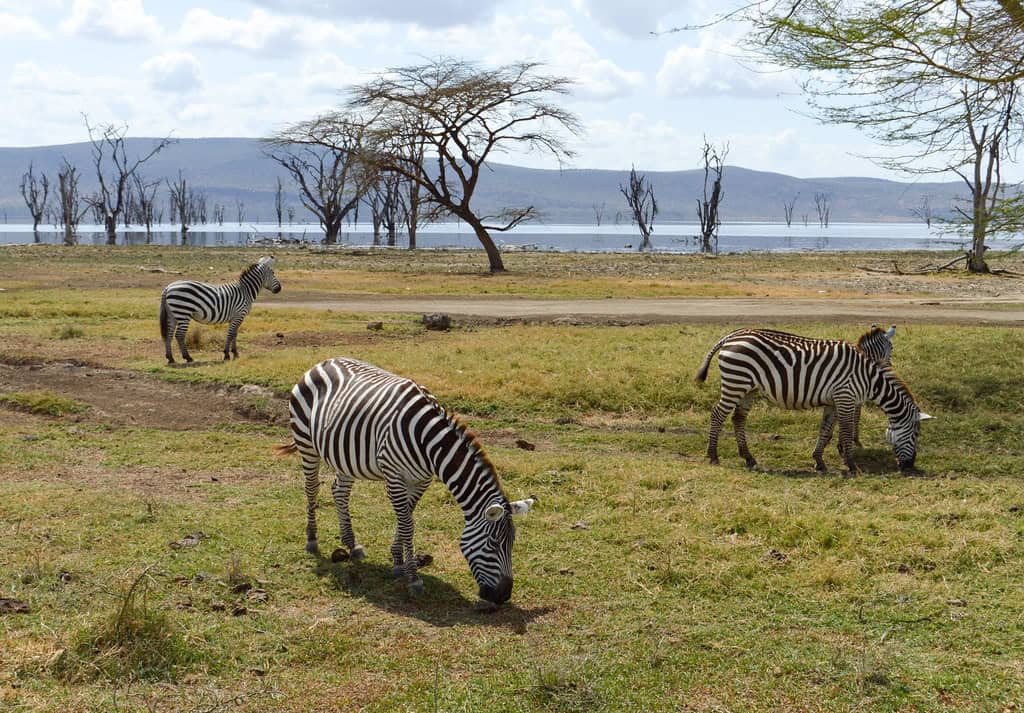
Here’s where zebras really show their African heritage – they can extract nutrition from grass so tough and fibrous that it would give a horse serious digestive problems. Zebras have evolved to thrive on low-quality vegetation that covers much of their natural habitat, making them incredibly efficient at converting poor food into energy. Horses, especially domestic ones, need higher-quality feed and more frequent meals to maintain their health and energy levels. The zebra’s digestive system works like a high-efficiency recycling plant, breaking down every bit of nutrition from plants that look more like cardboard than food. This adaptation allows zebras to survive in harsh environments where horses would struggle to find adequate nutrition. It’s the difference between someone who can live on ramen noodles and someone who needs a gourmet meal to function properly.
3. Running Speed and Stamina
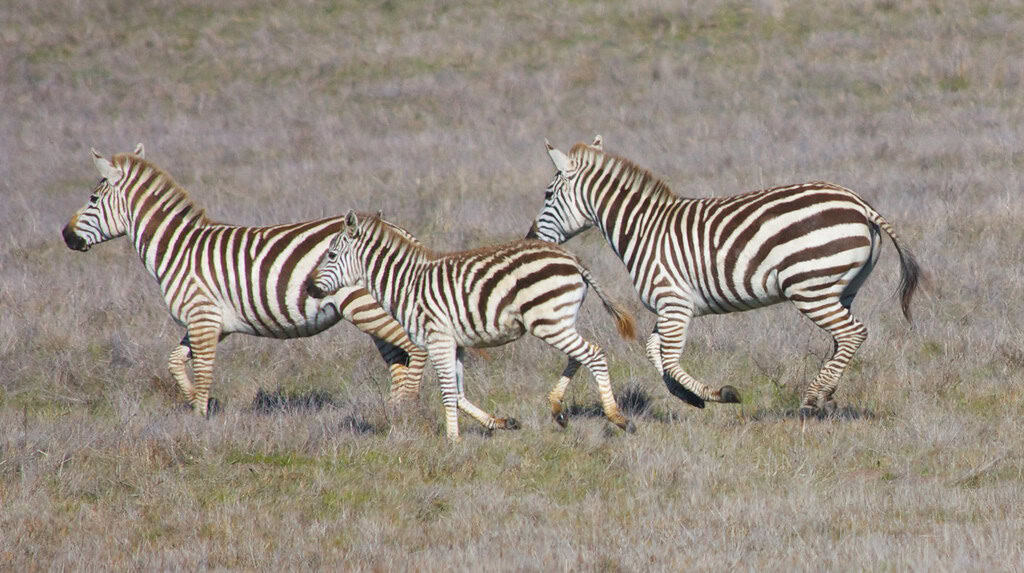
While horses might win in a straight-line sprint, zebras are the marathon runners of the equine world with endurance that puts most animals to shame. Zebras can maintain a steady pace for hours while being chased by predators, zigzagging and turning sharply without losing momentum. Horses are built for bursts of incredible speed but tend to tire more quickly over long distances, especially in hot climates. The zebra’s compact build and efficient gait allow them to conserve energy while still moving fast enough to outrun most threats. Their running style is also more erratic and unpredictable, making them harder targets for predators who rely on anticipating their prey’s movements. Think of it like comparing a sprinter to a cross-country runner – both are impressive athletes, but they excel in completely different events.
2. Habitat Preferences and Adaptability
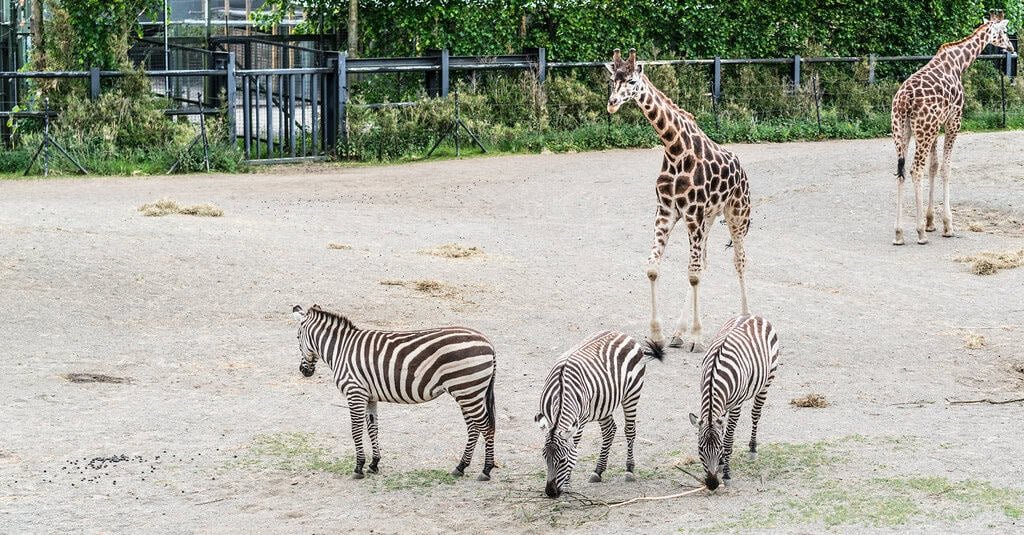
Zebras are the ultimate outdoor enthusiasts, thriving in some of the harshest environments on Earth where horses would struggle to survive. They’re perfectly adapted to life in the African savanna, with its extreme temperatures, limited water sources, and constant predator threats. Horses, while adaptable to various climates, prefer more moderate environments and have difficulty in areas with extreme heat or limited vegetation. Zebras can go longer without water and are better at finding food in sparse landscapes, making them true survival experts. Their hooves are also harder and more durable than horse hooves, allowing them to traverse rocky terrain that would damage a horse’s feet. It’s like comparing someone who loves camping in the wilderness to someone who prefers a nice hotel – both can enjoy the outdoors, but their comfort levels are vastly different.
1. Genetic Differences and Chromosomes

The most fundamental difference between zebras and horses lies in their genetic makeup, and this is where science gets really interesting. Zebras have different numbers of chromosomes than horses – plains zebras have 44, mountain zebras have 32, and Grevy’s zebras have 46, while horses have 64 chromosomes. This chromosomal difference explains why zebras and horses can sometimes mate and produce offspring (called zebroids), but these hybrids are almost always sterile, just like mules. The genetic differences go deeper than just numbers, affecting everything from behavior to physical development to immune system responses. These variations accumulated over millions of years of separate evolution, with zebras adapting to African environments while horses spread across different continents. It’s like having two computer programs that look similar on the surface but are written in completely different coding languages – they might seem compatible, but the underlying structure is fundamentally different.
Conclusion

The next time someone tells you that zebras are just striped horses, you’ll know better. These remarkable animals represent millions of years of separate evolution, each perfectly adapted to their own unique lifestyle and environment. From their punk rock manes to their survival-oriented digestive systems, zebras have developed into something entirely their own. While horses have become our partners in work and sport, zebras remain wild spirits that refuse to be tamed, continuing to roam the African plains with an independence that’s both admirable and fascinating. Who would have thought that stripes could represent such a completely different approach to life?

As a little kid, I fell in love with nature, wildlife, and animals. Living in the USA, South Africa, Italy, China and Germany gave me the opportunity to discover the world's Wildlife. My favorite animals are Mountain Gorillas, Siberian Tigers, and Great White Sharks.
I'm a certified PADI Open Water Diver, went to Everest Base Camp and Trekked Gorillas in Uganda. I hold a Master of Science in Economics and Finance.
Please send any feedback to feedback@animalsaroundtheglobe.com
- 10 Surprising Roles Spiders Play in Human Medicine - July 28, 2026
- 10 Animals Scientists Did not Know Existed in the US - July 28, 2026
- 13 Sinkholes That Swallowed Entire Neighborhoods - July 28, 2026