
Walk into a house after a long workday and find a shredded couch cushion, a chewed door frame, and a dog who looks genuinely devastated. It’s easy to read that as spite. It almost never is.
What looks like bad behavior is usually distress, boredom, or a mix of both. Some breeds were shaped over generations to work beside people all day, and an empty house is a strange fit for that wiring. Here are twelve breeds that tend to struggle most, and why.
Border Collie
🔥 Would you like to save this?
We'll email this post to you, so you can come back to it later!
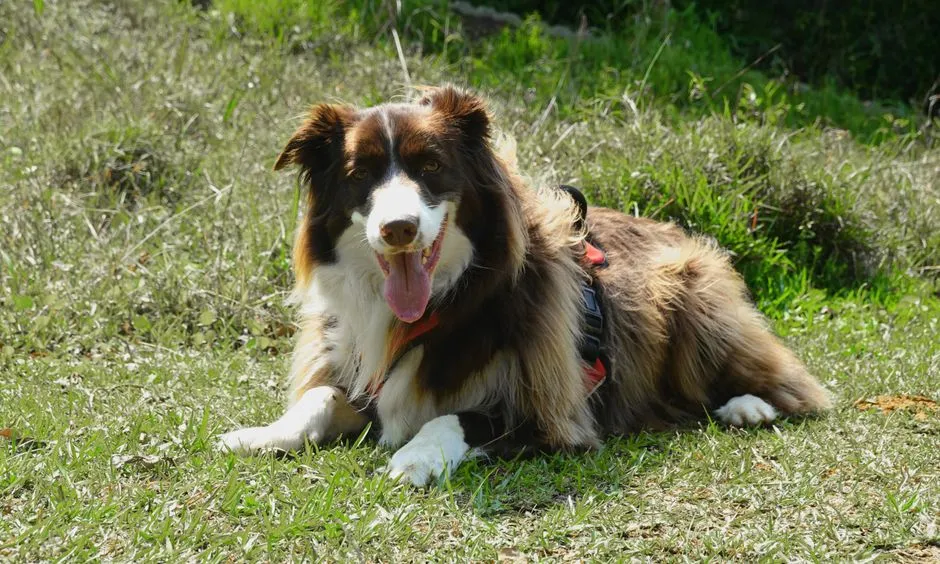
Border Collies were developed to herd livestock, a job that demands constant attention and quick decisions. That mental engine doesn’t switch off just because you left for the office. Without something to occupy it, a Border Collie may invent its own projects, and those projects often involve your furniture.
Daily exercise helps, but mental work matters even more. Puzzle feeders, training sessions, and scent games can burn energy that a simple walk won’t touch. Individual dogs vary, yet this breed is a common example of a smart dog that needs a real outlet.
Australian Shepherd
🔥 Would you like to save this?
We'll email this post to you, so you can come back to it later!
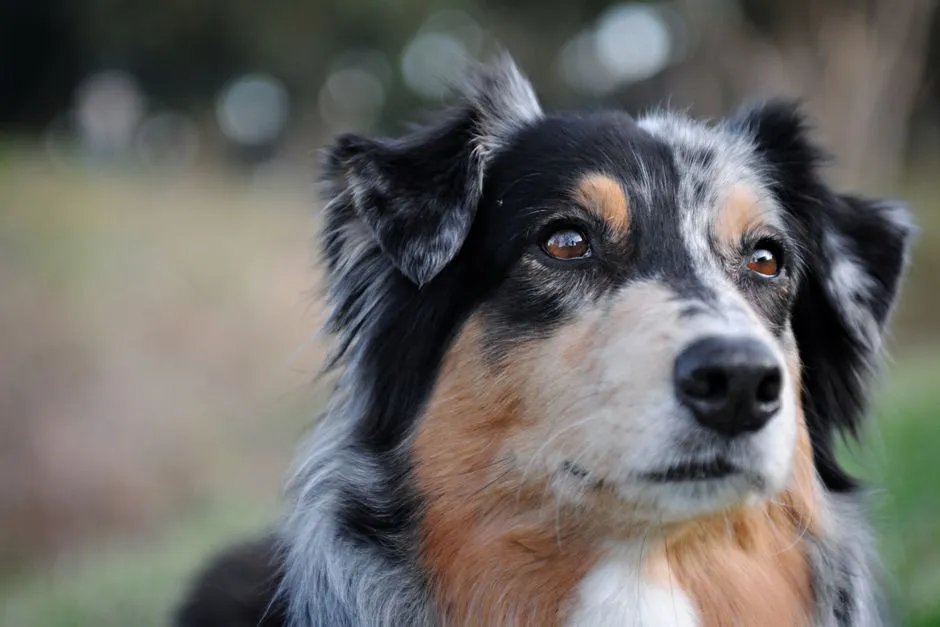
Aussies are another herding breed with a reputation for being sticky in the best and worst ways. They bond closely with their families and tend to want a role in whatever’s happening. Left alone for long stretches, they may bark, pace, or chew.
They do well with active households that include them in routines, like hikes or backyard training. A bored Aussie rarely sits quietly. Planning structured activity before you leave can make the quiet hours easier on everyone.
German Shepherd
🔥 Would you like to save this?
We'll email this post to you, so you can come back to it later!
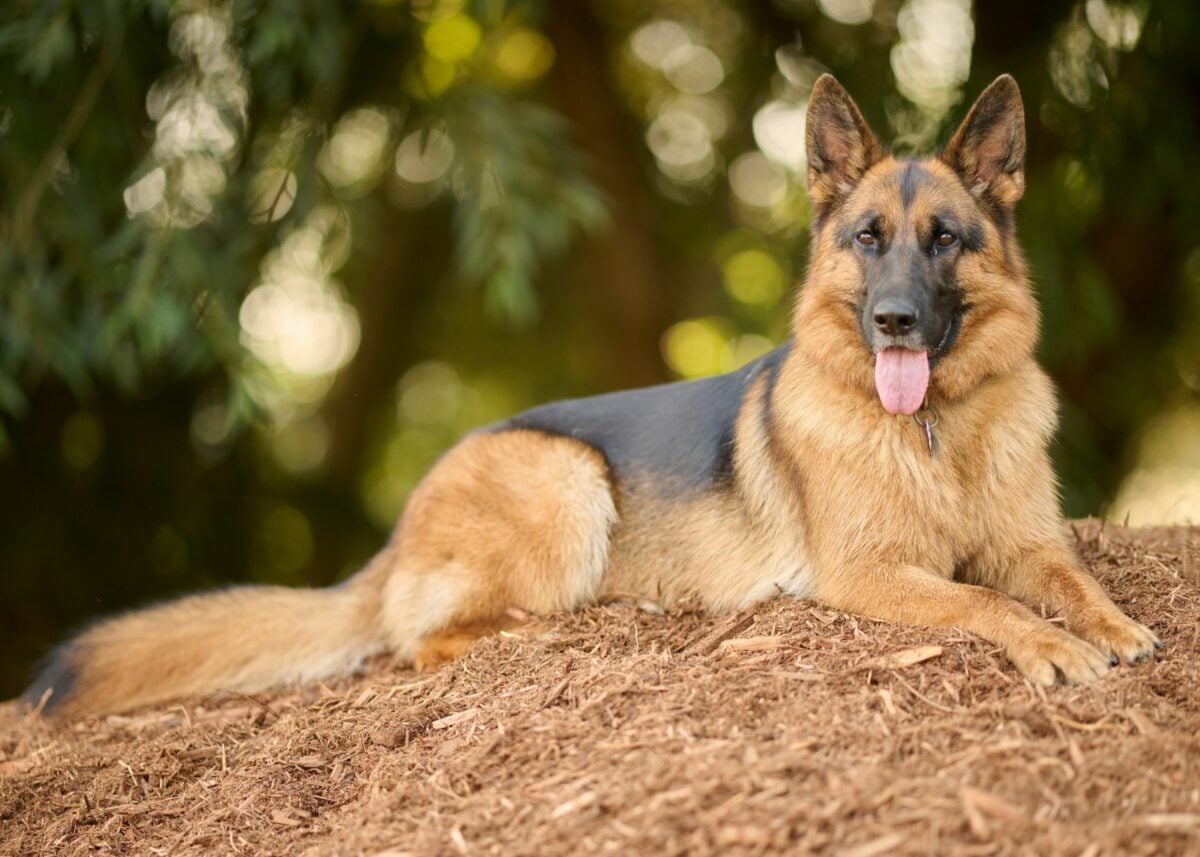
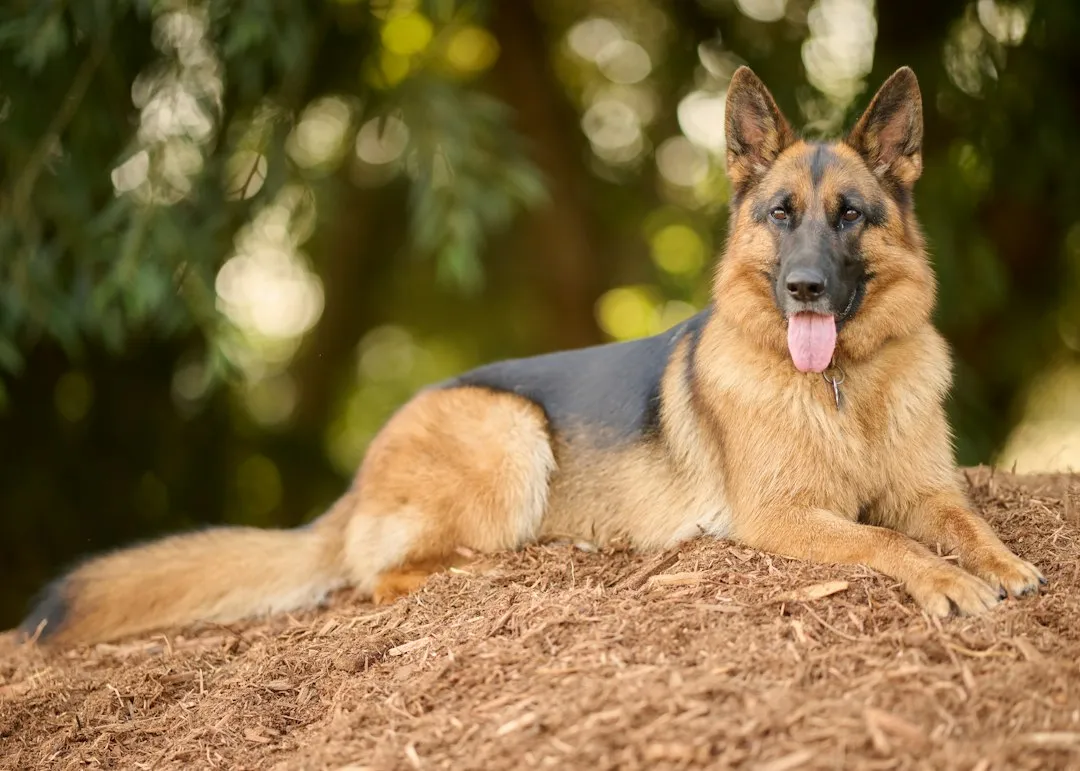
German Shepherds are loyal, watchful, and often deeply attached to their people. That devotion is lovely when you’re home. When you’re not, some of them become anxious, noisy, or destructive.
Early training matters a great deal here. Teaching a young shepherd that alone time is normal, in small and gradual steps, tends to work better than hoping they’ll figure it out. Crate training can help some dogs feel secure, though it isn’t a fix for every animal.
Labrador Retriever
🔥 Would you like to save this?
We'll email this post to you, so you can come back to it later!
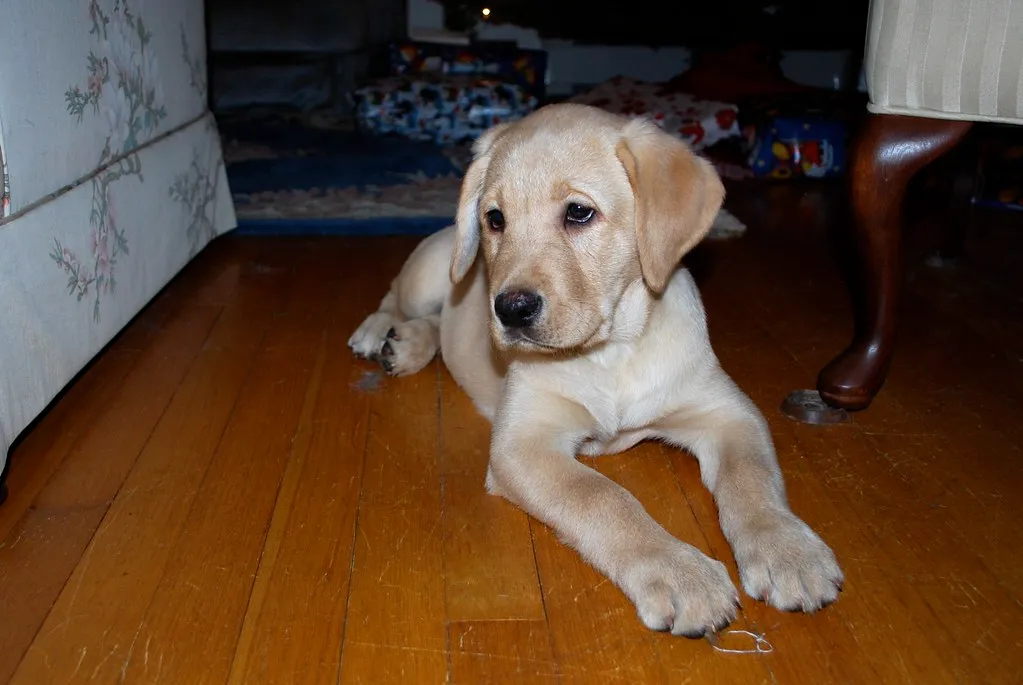
Labs are famously friendly, which can make people assume they’re easygoing about everything. In reality, they’re social dogs with a strong need for activity and a legendary love of chewing. A young Lab with too much energy and too little to do can do real damage to shoes, cushions, and baseboards.
Adolescence is often the roughest stage. Plenty of exercise, sturdy chew toys, and consistent routines go a long way. Many Labs settle into calmer adulthood, but they still prefer company.
Golden Retriever
🔥 Would you like to save this?
We'll email this post to you, so you can come back to it later!
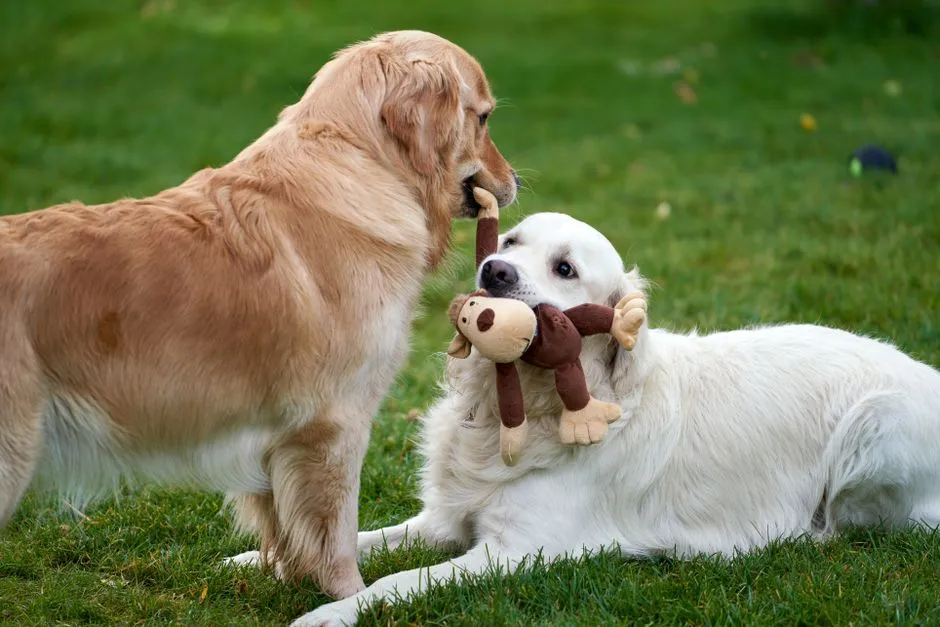
Goldens are sweet and people focused, and they often want to be wherever their family is. That closeness can turn into separation stress when the house empties out. Some respond with whining, drooling, or chewing on whatever smells like you.
Like Labs, they’re retrievers, so their mouths are rarely idle. Offering appropriate things to carry and chew is smart prevention. A midday walk or visit from a dog walker can also take the edge off a long day.
Vizsla

🔥 Would you like to save this?
We'll email this post to you, so you can come back to it later!
Vizslas are often nicknamed Velcro dogs, and the label is earned. Bred as hunting companions, they tend to stay close and thrive on constant contact. Many owners describe them as dogs that follow from room to room.
That closeness comes with a cost when you leave. Vizslas are energetic and sensitive, and they can be prone to anxiety if their needs aren’t met. Heavy exercise and gradual practice with alone time are usually recommended.
Jack Russell Terrier
🔥 Would you like to save this?
We'll email this post to you, so you can come back to it later!
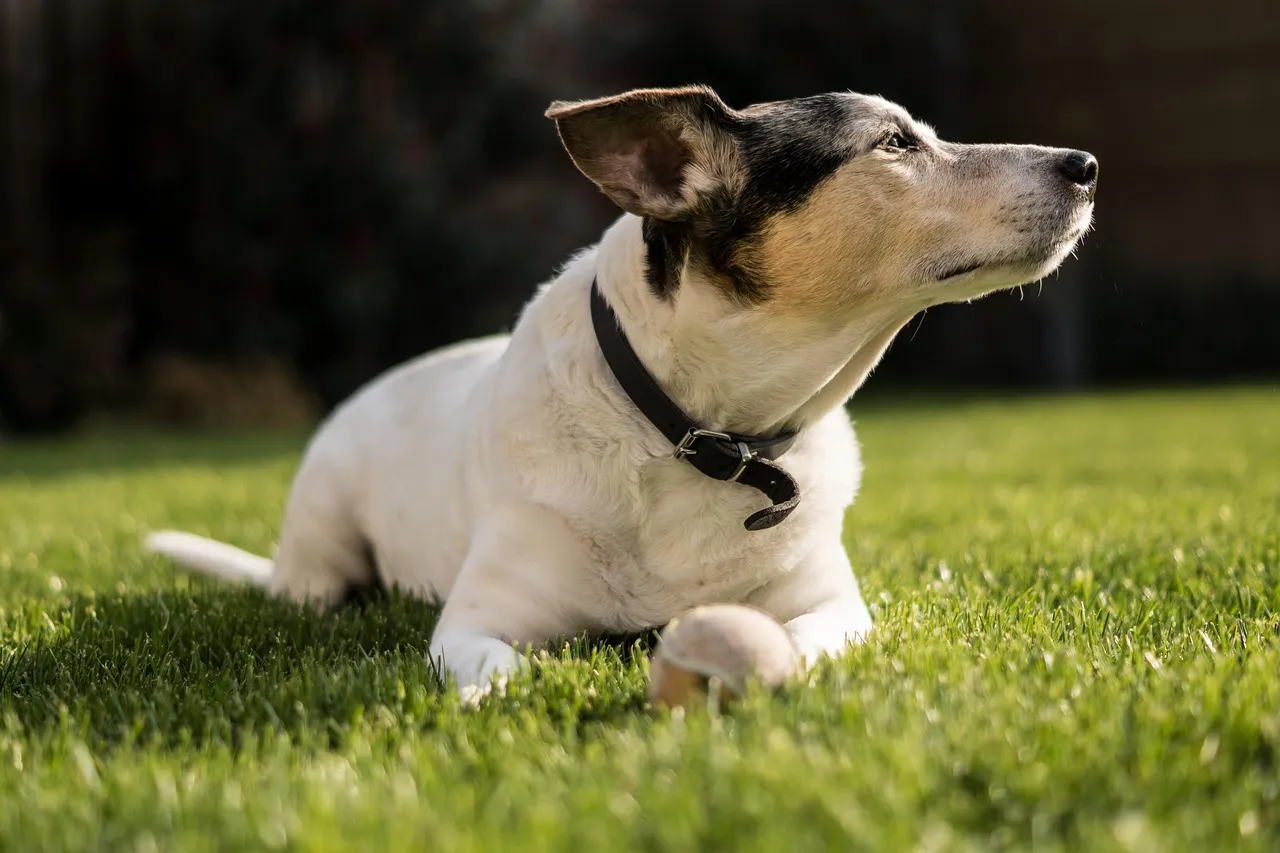
Jack Russells are small, but their energy doesn’t match their size. They were bred for pursuit and problem solving, which means they’re quick, determined, and often into everything. A bored one can dig, chew, and bark with impressive stamina.
Don’t let the compact body fool you. They need exercise and engagement just like larger working dogs. Secure spaces and plenty of enrichment help protect both your home and the dog.
Cavalier King Charles Spaniel
🔥 Would you like to save this?
We'll email this post to you, so you can come back to it later!
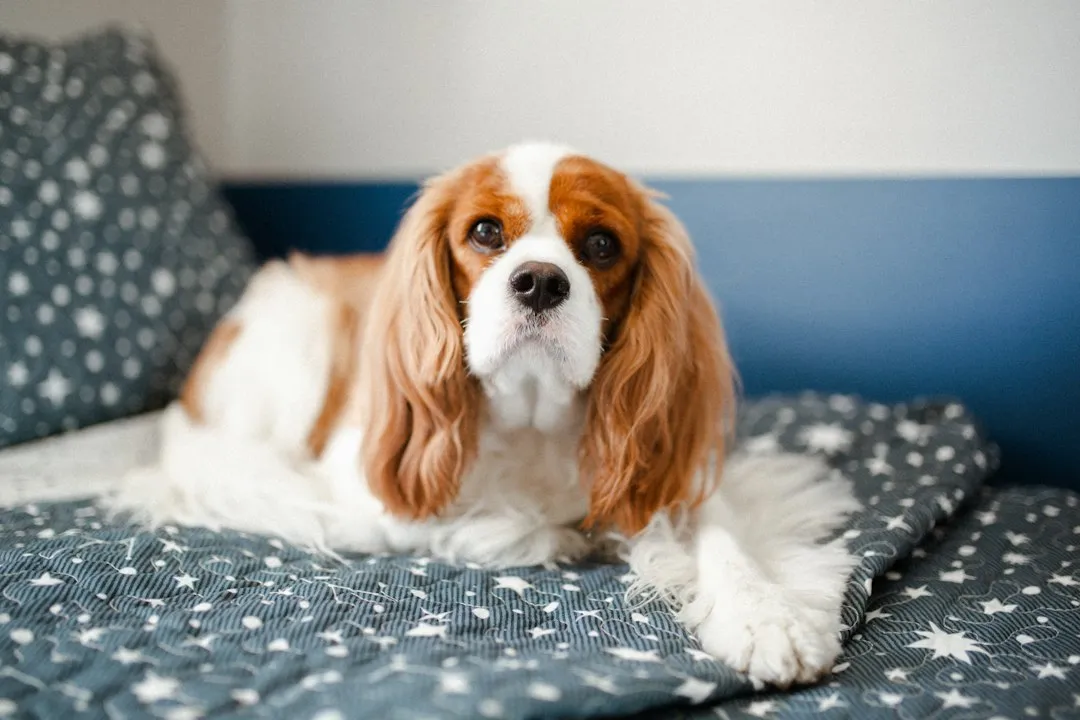
Cavaliers were bred as companions, and they take that job seriously. They’re affectionate, gentle, and often unhappy when separated from their people. Their destruction tends to be milder than a big working dog’s, but distress can still show up as barking or whining.
They usually do best in homes where someone is around for much of the day. If that’s not possible, build up alone time slowly. A calm routine and comforting spaces can help.
Bichon Frise
🔥 Would you like to save this?
We'll email this post to you, so you can come back to it later!
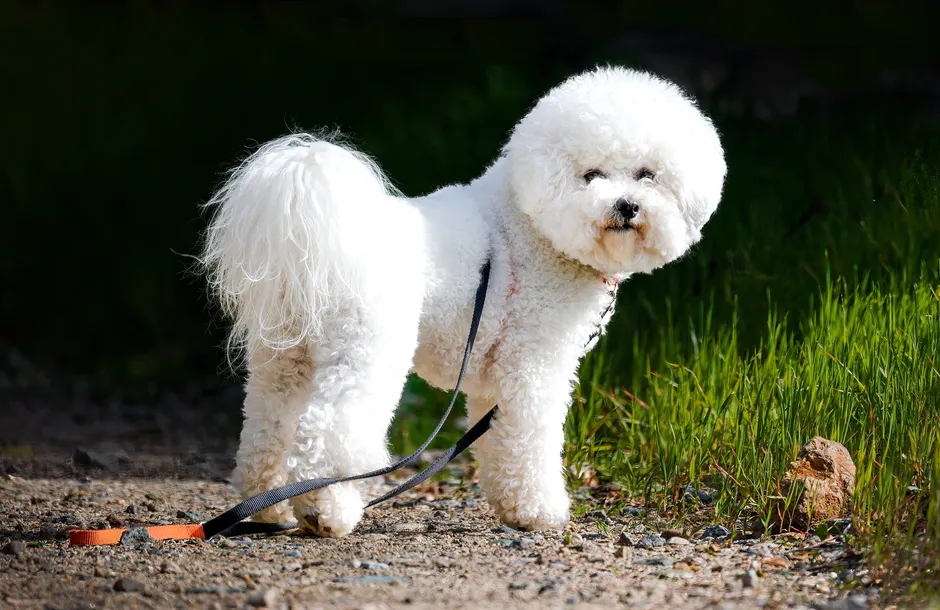
Bichons are cheerful, social little dogs, and they’re often reported as difficult to housetrain. Add separation stress, and accidents indoors can become part of the picture. They tend to thrive on attention and may struggle when left for long periods.
Consistency is the key. Regular potty breaks, short practice absences, and positive reinforcement build confidence over time. For some owners, a professional trainer is worth the investment.
Dachshund
🔥 Would you like to save this?
We'll email this post to you, so you can come back to it later!
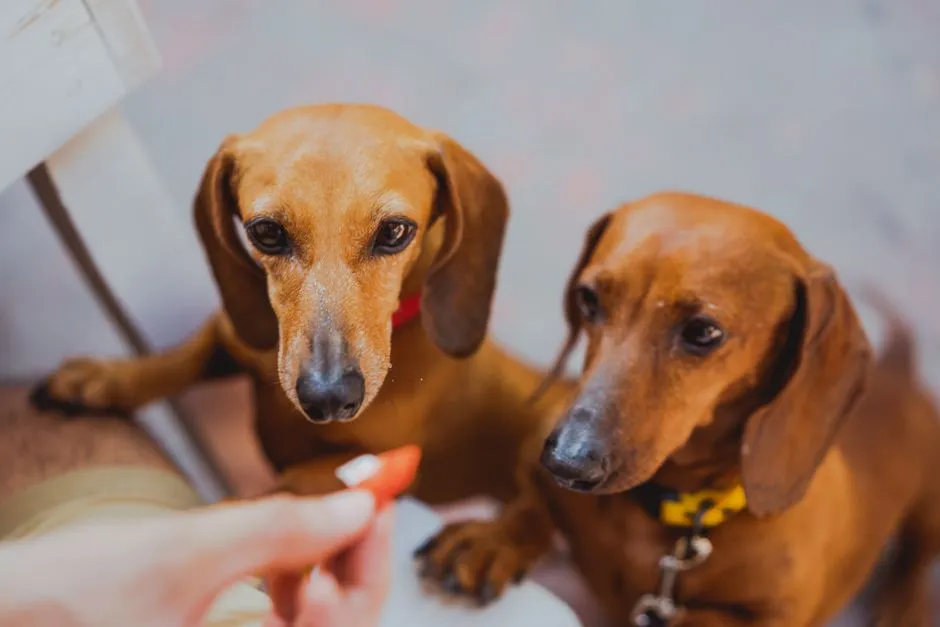
Dachshunds are stubborn, clever, and deeply attached to their families. They were originally bred to hunt, so they’re persistent diggers and chewers. When they’re lonely or bored, that persistence can be pointed at your carpet or sofa.
Many are also vocal. Enrichment toys and a predictable routine can reduce the chaos, though a strong-willed dachshund may still test you. Patience matters more than perfection here.
Siberian Husky
🔥 Would you like to save this?
We'll email this post to you, so you can come back to it later!
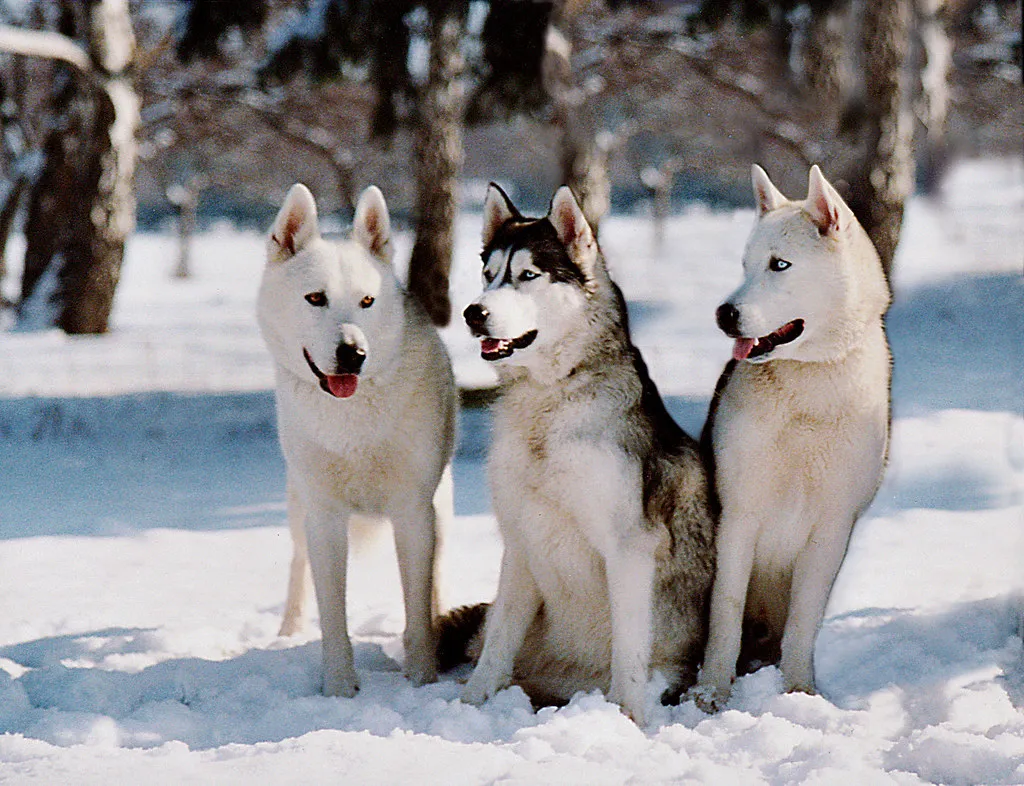
Huskies were bred to run long distances in packs, and they’re social, energetic, and famously inventive. Left bored, they may dig, chew, howl, or escape. Their ability to find a way out of a yard is practically a running joke among owners.
Secure fencing and serious daily exercise are essential. A tired husky is a far better houseguest than a restless one. Still, they’re not a great match for someone who’s away from home most of the day.
Boxer
🔥 Would you like to save this?
We'll email this post to you, so you can come back to it later!
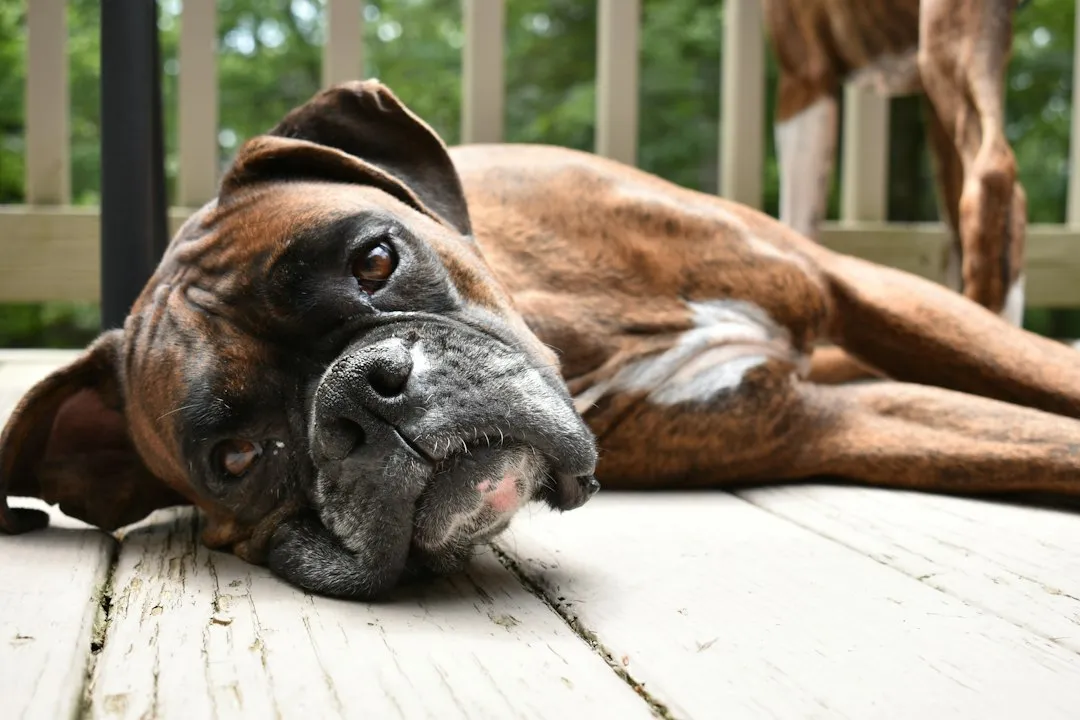
Boxers are playful, goofy, and often called perpetual puppies. They’re strongly bonded to their families and can be rambunctious well into adulthood. That mix of energy and attachment can lead to chewing and other destructive habits when they’re left alone too long.
They benefit from plenty of activity and clear training. Because they’re so people oriented, they generally prefer being included over being left out. A bored Boxer will usually tell you about it in some very physical way.
Final Thoughts
🔥 Would you like to save this?
We'll email this post to you, so you can come back to it later!
Here’s my honest take: no breed is guaranteed to wreck your house, and no breed is immune. Training, exercise, and the dog’s own personality matter as much as the label on the pedigree. Yet it’s fair to say that choosing a dog is also choosing a lifestyle, and many of these breeds simply expect more of your time than a typical work schedule allows.
If you love one of these dogs but have long hours, plan before you commit. Dog walkers, daycare, flexible schedules, and gradual alone time training are all worth considering. And if your dog is already destroying things out of distress, a vet or a qualified trainer can help far more than scolding ever will. Destruction is communication, and it’s worth listening.

- 7 Everyday Habits That Can Make Your Senior Dog Happier - November 5, 2026
- 10 Enigmatic Structures That Continue to Puzzle Scientists Today - November 5, 2026
- 10 Strange Ruins in the Americas That Challenge What We Know About Early History - November 5, 2026