
Stories have long circulated about dogs that seem to know when the end is near for a person they love. They linger close, grow unusually quiet, or act restless in ways that later feel meaningful. These moments spark curiosity about what dogs actually perceive that humans miss.
The explanations usually point to their extraordinary senses rather than anything mystical. A dog nose can pick up tiny shifts in body chemistry long before visible signs appear. That same sensitivity shows up across many breeds, though some stand out in the tales people share.
Bloodhounds and Their Exceptional Tracking Instincts

Bloodhounds carry one of the most powerful noses in the canine world. Their scent receptors number in the hundreds of millions, letting them follow trails days old. When a person nears death, the body releases subtle volatile compounds that these dogs may notice even in a quiet room.
Handlers often describe bloodhounds becoming unusually attentive or refusing to leave a bedside. The breed long history in search and rescue work sharpens this focus on faint odors. Still, experts note the behavior remains anecdotal rather than proven in controlled studies.
Beagles and Their Persistent Scent Drive
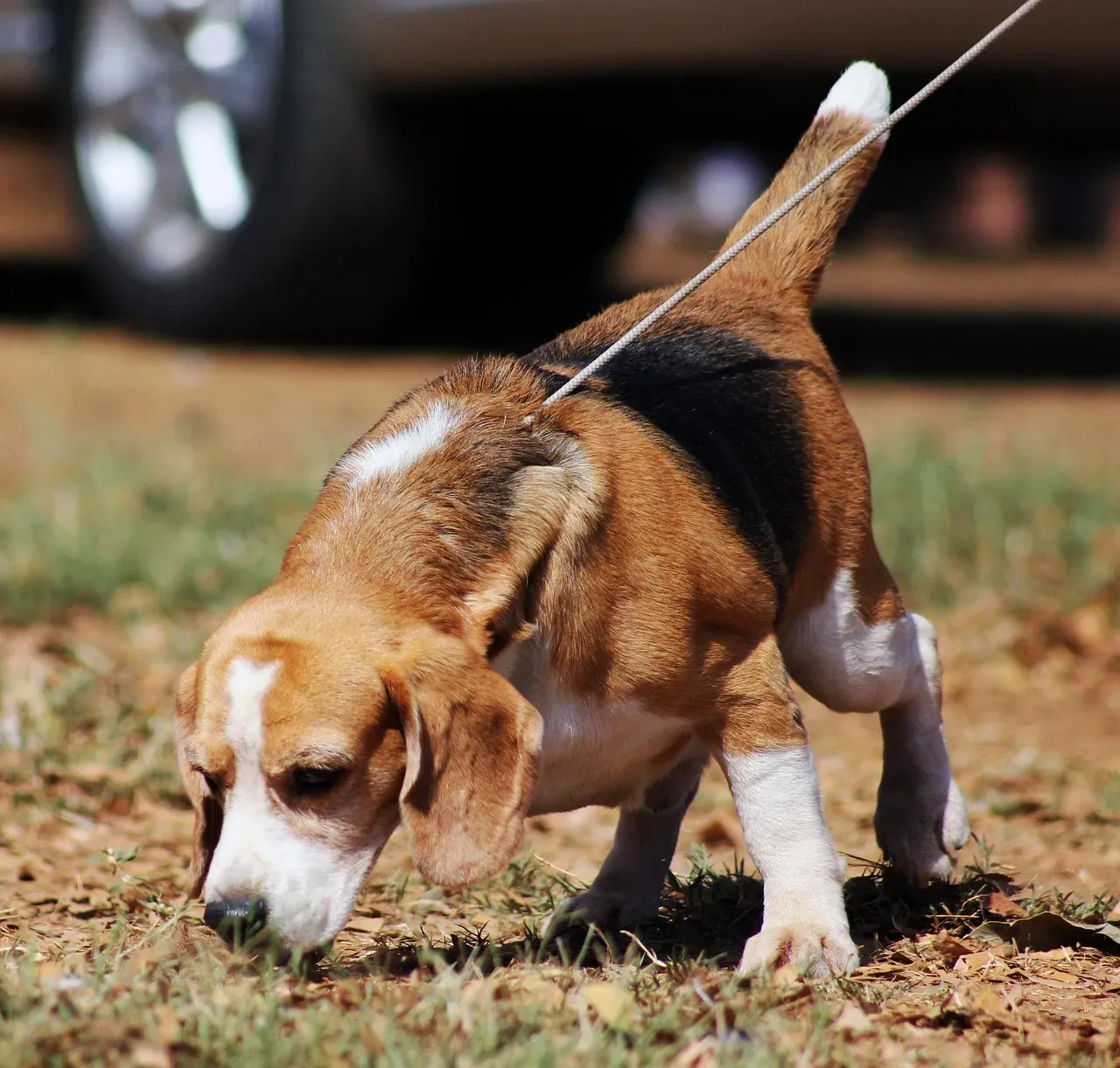
Beagles were bred for hunting small game by nose alone. Their compact size and tireless curiosity keep them investigating every new smell. In home settings, owners sometimes report beagles circling a family member days before a serious decline.
The breed strong olfactory system helps explain why they might detect early chemical changes linked to illness. Beagles also tend to form deep bonds, which can make any shift in routine stand out to them. Science attributes most of this to smell rather than intuition.
Labrador Retrievers and Their Steady Companionship
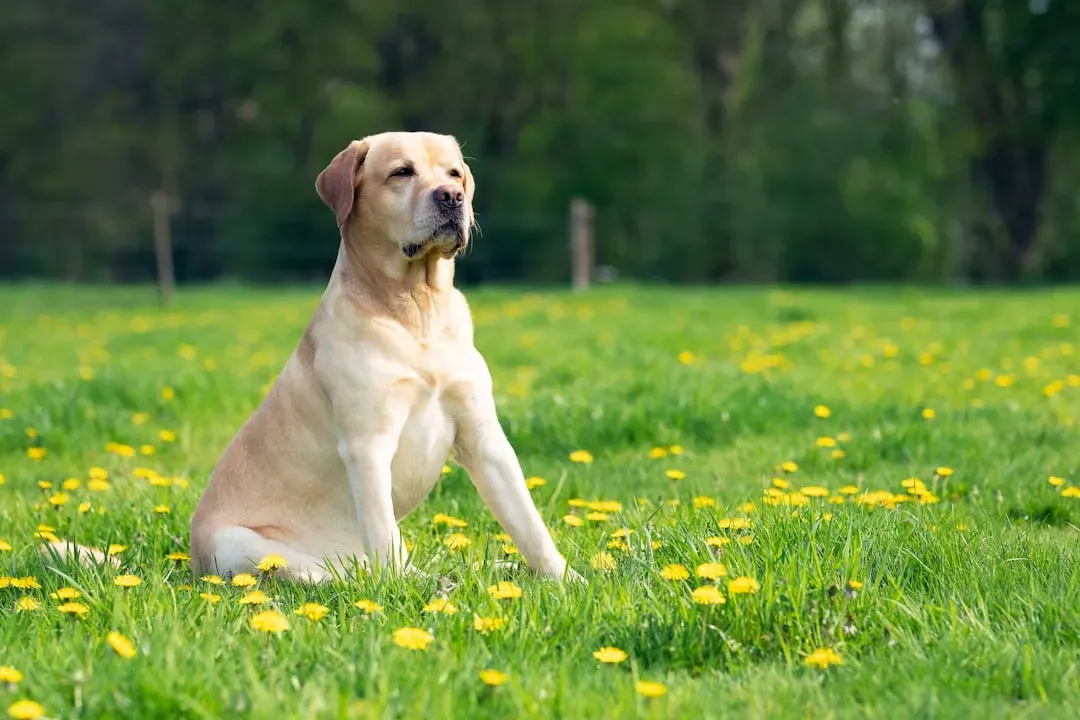
Labrador retrievers rank among the most popular assistance dogs because of their calm focus and eager-to-please nature. Their noses work well enough for detection tasks like finding missing people or even certain medical conditions. Families have shared accounts of labs staying glued to a loved one during final days.
These dogs often read body language and subtle scent cues together. Their training in medical alert roles may heighten awareness of physical changes. The pattern appears across many labs, yet remains tied to individual experience more than breed destiny.
German Shepherds and Their Protective Watchfulness
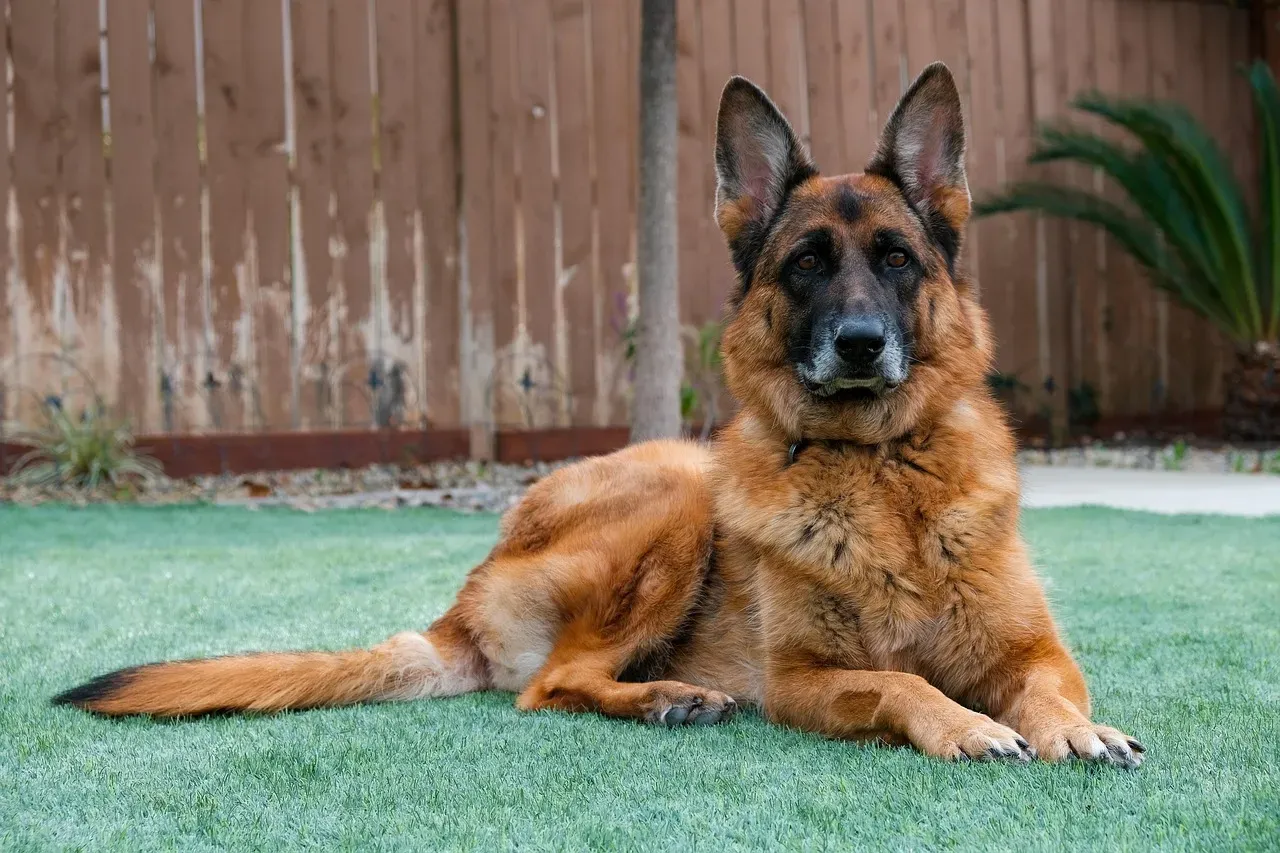
German shepherds combine sharp senses with a strong protective drive. They notice small shifts in their environment quickly. Stories occasionally mention shepherds pacing or whining near someone whose health is fading.
Their working heritage includes tracking and guarding, skills that rely on reading faint signals. When a body begins releasing different compounds, a shepherd may respond with heightened alertness. Again, the underlying mechanism traces back to scent detection shared by most dogs.
Golden Retrievers and Their Gentle Presence

Golden retrievers bring a soft, affectionate temperament that makes them natural therapy dogs. Their noses still function at high levels despite the friendly personality. Some owners recall goldens refusing to leave a room where someone is declining.
The breed often excels at reading emotional states through posture and scent. This combination can create the impression of sensing something deeper. Research on canine olfaction supports the idea that such reactions stem from real chemical cues rather than extrasensory perception.
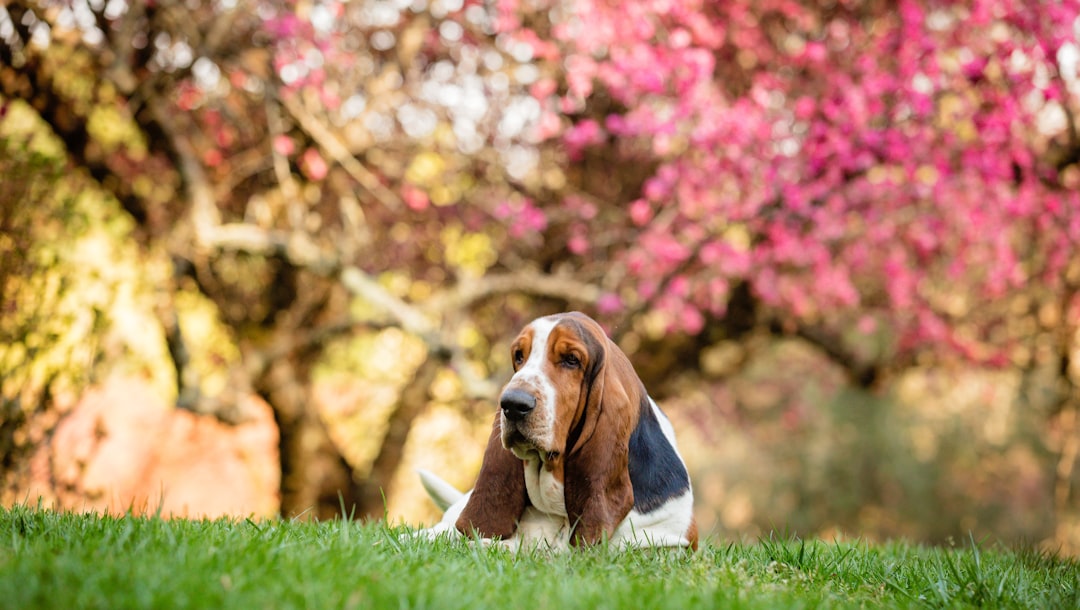
Basset Hounds and Their Low-to-the-Ground Focus
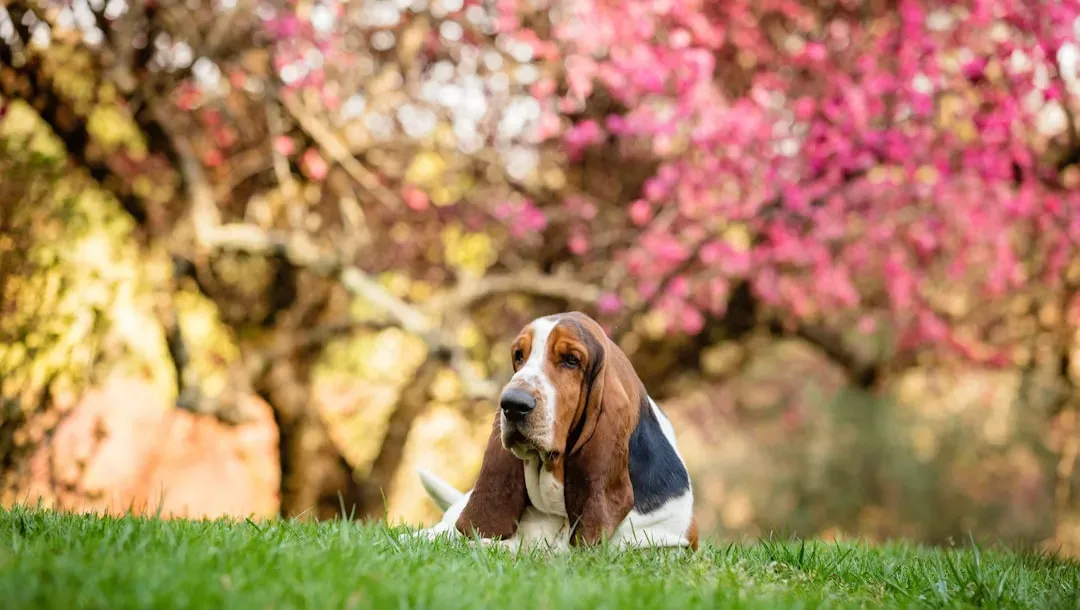
Basset hounds possess long ears and droopy faces that help trap scents close to the ground. Their short legs keep them low where odors linger. In quiet homes, these dogs sometimes become unusually still near a person who is unwell.
Their hunting background trained them to follow faint trails for hours. That same persistence may let them register gradual changes in a familiar person scent profile. Like other scent hounds, the ability appears rooted in biology rather than any special sixth sense.
Dachshunds and Their Tenacious Curiosity
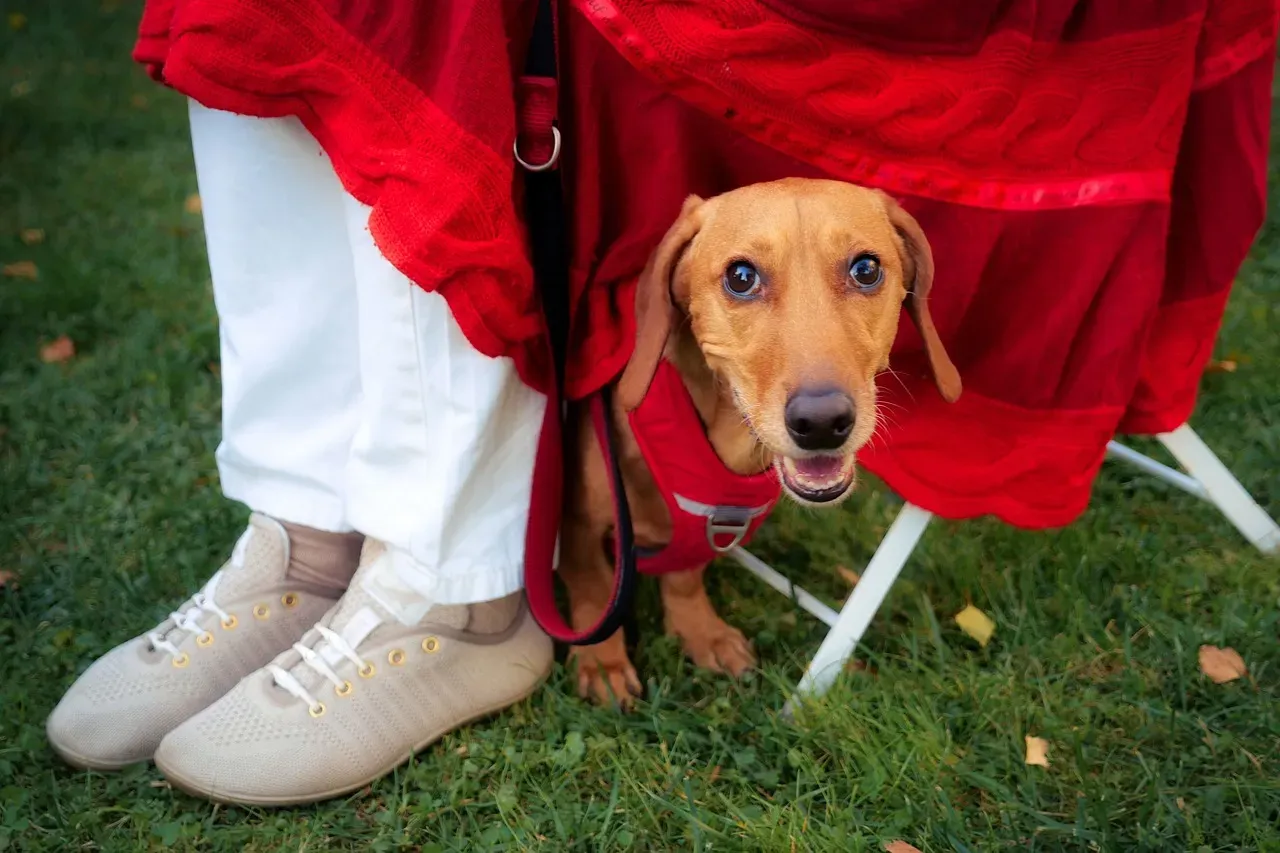
Dachshunds were developed to hunt underground, giving them a bold approach to investigation. Their compact bodies and strong noses let them explore every corner. Owners have noted dachshunds acting protective or clingy around family members in their last weeks.
The breed determination translates into close observation of daily patterns. When subtle odor shifts occur, a dachshund may react first. Evidence stays largely observational, with science pointing to volatile organic compounds as the likely trigger.
Rottweilers and Their Calm Strength

Rottweilers balance power with surprising sensitivity to their people. Their noses rank high among working breeds. Anecdotes describe rottweilers maintaining a quiet vigil beside someone whose time is short.
Early training for guarding and herding sharpens attention to detail. This focus can extend to noticing physical changes through scent. The response fits the broader pattern seen in many large working dogs.
Boxers and Their Playful Yet Attentive Nature

Boxers bring energy and loyalty that make them devoted family members. Their sense of smell supports both play and protection roles. Some families report boxers growing unusually serious or staying close during difficult times.
The breed expressive face often mirrors the mood in a room. Combined with olfactory ability, this can create striking moments of apparent awareness. Researchers continue to study how dogs interpret these faint signals across different breeds.
Pointers and Their Pointed Focus on Scent
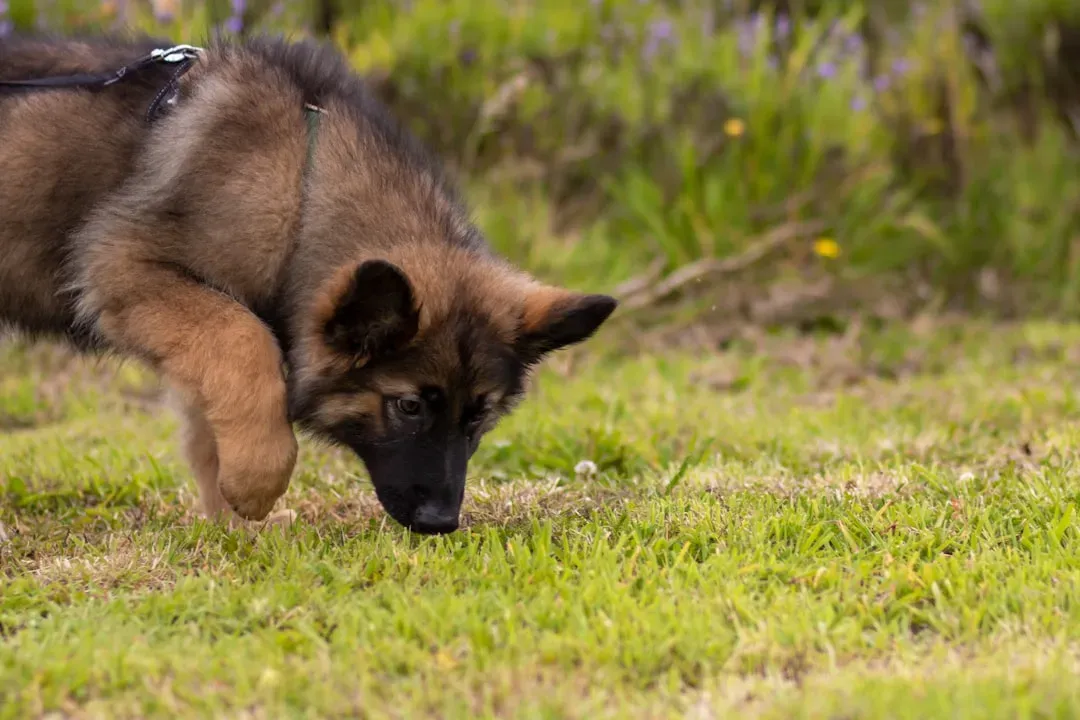
Pointers freeze in place when they catch a scent, a trait refined over generations of hunting. Their noses work with precision on faint trails. In domestic settings, this same trait may surface as intense staring or stillness near a declining person.
The breed history of locating game by smell alone supports the idea of detecting body chemistry shifts. Owners describe the behavior as sudden and unmistakable. Science frames it as an extension of normal canine perception rather than prediction.
Cocker Spaniels and Their Affectionate Vigilance

Cocker spaniels form strong attachments and often stay near their favorite people. Their noses, while not the strongest among spaniels, still outperform human capabilities. Reports sometimes mention cockers whining softly or refusing food when someone is fading.
The breed gentle temperament makes any change in routine noticeable. Scent detection likely plays the main role in these quiet alerts. The pattern echoes across many affectionate breeds without requiring special powers.
Schnauzers and Their Alert Terriers Instincts

Schnauzers carry a wiry coat and a lively mind that keeps them scanning their surroundings. Their noses help them investigate every new detail. Some accounts link schnauzers to early reactions around illness or decline.
The breed history includes ratting and guarding, both tasks that reward quick scent recognition. When chemical changes appear, a schnauzer may respond with barking or close proximity. These moments remain personal stories rather than scientific proof.
The Science Behind Canine Scent Detection

Dogs possess up to 300 million olfactory receptors compared with roughly five million in humans. This hardware lets them identify volatile organic compounds released during illness or the dying process. Studies on medical detection dogs show reliable results with cancer, diabetes, and seizures through scent alone.
Cadaver dogs demonstrate similar precision when locating remains, sometimes within hours of death. The same mechanisms could explain why some dogs react before obvious symptoms emerge. No breed holds a monopoly on this ability; it stems from shared canine biology rather than selective breeding for death sensing.
While individual dogs across many breeds have shown striking behavior, the evidence stays rooted in observation and basic physiology. The science offers a grounded explanation without diminishing the comfort these animals provide.

- 12 Animals That Have Mastered the Art of Camouflage - July 22, 2026
- 12 Bizarre US Animals You Didn’t Know Existed In Your Backyard - July 22, 2026
- 10 Things Golden Retrievers Do That Melt Senior Hearts - July 22, 2026