


The animal kingdom is teeming with dynamic relationships, from mutualistic partnerships to intense rivalries. These fierce rivalries not only shape ecological landscapes but also drive evolutionary processes, ensuring species thrive in a world abundant with competition. This article delves into twelve infamous rivalries that exemplify the struggle for survival in nature, revealing how competition impacts behavior, territory, and even evolution.
Lions vs. Hyenas
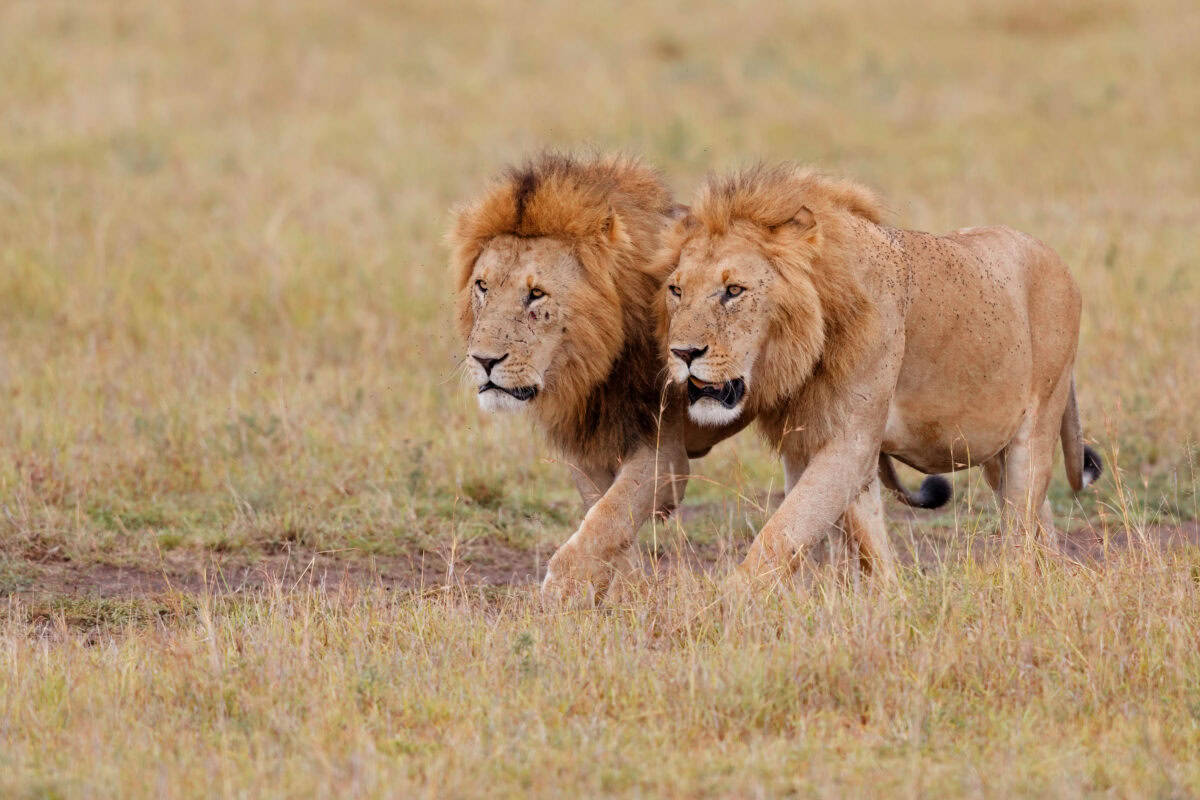
In the grasslands of Africa, the longstanding battle between lions and hyenas serves as a dramatic illustration of competition for resources. While both are top predators, their competition extends beyond hunting. Lions often see hyenas as scavenging threats to their kills, while hyenas, relying heavily on scavenging, are driven to challenge lions for food. This rivalry is not only a nightly spectacle on the savannah but also a crucial interaction influencing the dynamics of African ecosystems.
Orcas vs. Great White Sharks

The ocean’s depths are home to a deadly contest between orcas, or killer whales, and great white sharks. Recent studies have shown that orcas target great white sharks primarily for their nutrient-rich livers. When orcas enter waters frequented by great whites, these formidable predators often disappear, highlighting the orca’s dominance. This rivalry is a reminder of the complex inter-predatory relationships that affect marine food chains and biodiversity.
Meerkats vs. Snakes

Among the arid deserts of southern Africa, few rivalries are as surprising as that between meerkats and snakes. Meerkats, known for their sociable behavior and coordinated group tactics, frequently face venomous predators such as cobras. Utilizing superior numbers and communication, meerkats often succeed in deterring snakes, safeguarding their young. This rivalry demonstrates the power of teamwork and adaptability, fundamental traits in the harsh desert environment.
Red Squirrels vs. Grey Squirrels

In a woodland clash of crimson and grey, European red squirrels are in a continuous battle with the invasive grey squirrels from North America. The larger grey squirrels outcompete red squirrels for food and habitat, leading to the drastic decline of indigenous populations in the UK. The introduction of the squirrel pox virus by grey further threatens the red populations. Conservation efforts to preserve the red squirrel emphasize the importance of managing invasive species.
Honey Badgers vs. Honey Bees

Feared and revered, the honey badger engages in confrontation not only with larger predators but also with swarms of honey bees. Driven by an insatiable appetite for honey and bee larvae, honey badgers often raid hives with little regard for the venomous stings they receive. Equipped with thick skin and a fearless demeanor, honey badgers epitomize tenacity in the face of adversity, highlighting a fierce battle for resources in the animal kingdom.
Wolves vs. Coyotes

In North America, wolves and coyotes vie for territory and prey, particularly in regions where their habitats overlap. The reintroduction of wolves to areas like Yellowstone National Park provided direct competition for coyotes, forcing them to alter their behavior and territory use. While wolves generally dominate these encounters, the competition leads to significant impacts on local ecosystems, from altered scavenger numbers to prey population dynamics.
Komodo Dragons vs. Water Buffalos
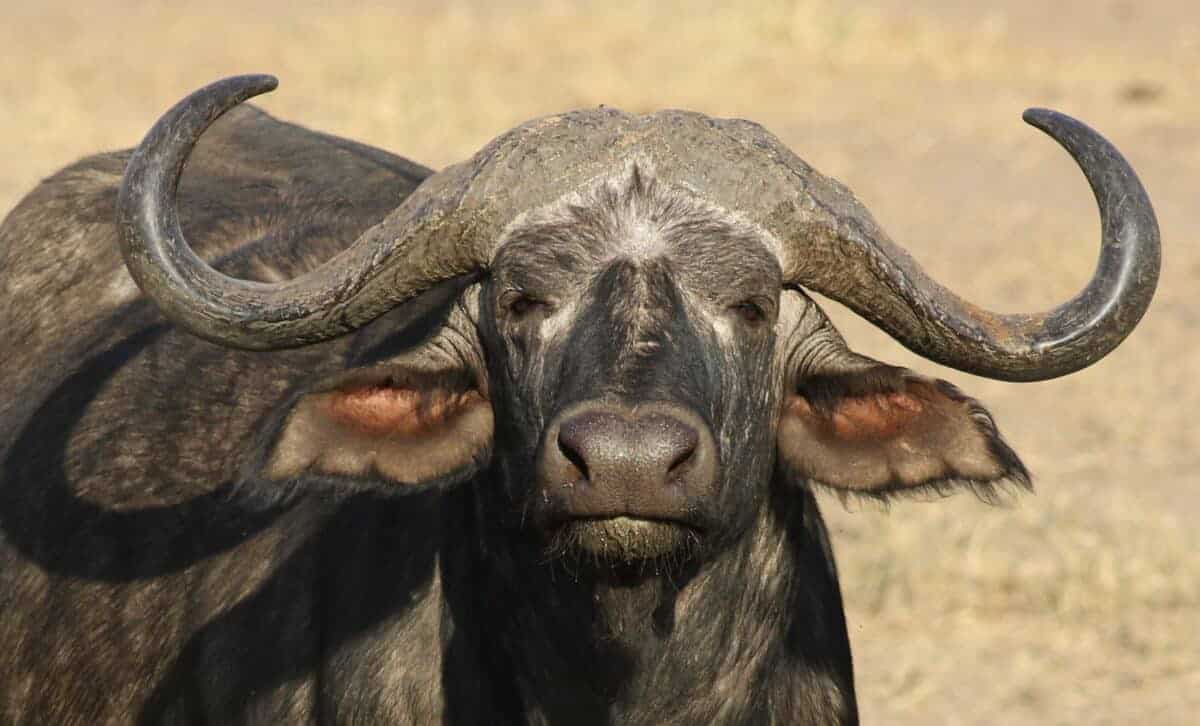
On the islands of Indonesia, the formidable Komodo dragon and the formidable water buffalo shape a unique predatory relationship. Komodo dragons use their venomous bite to weaken water buffalo, which often succumb to infection days later. This rivalry not only highlights the lethal hands of nature but also reflects the Komodo dragon’s strategic hunting adaptations that secure its role as the apex predator on its native islands.
Ants vs. Termites

Underneath the forest floor, ants and termites wage a significant war. Ants often raid termite nests, leveraging their speed and collaborative hunting abilities. Termites, on the other hand, rely on formidable soldiers and protective mounds to fend off attacks. This hidden rivalry shows the intense competition between these social insects for dominance, demonstrating the balance of power within their ecosystems.
Elk vs. Deer

In North American forests, elk and deer must compete for space and food resources. Elk, being larger and more robust, often outcompete deer, impacting their populations and distribution. This rivalry influences the structure of forest communities, as these herbivores play critical roles in shaping vegetation patterns and forest growth through their grazing habits.
Tasmanian Devils vs. Wallabies

In the rugged environment of Tasmania, the nocturnal Tasmanian devil often comes into conflict with wallabies and other small marsupials. As scavengers and opportunistic predators, Tasmanian devils hunt wallabies, using their powerful bite and acute sense of smell. While devils exert pressure on local wallaby populations, their interactions underscore the balance between predator and prey that is vital to maintaining healthy ecosystems.
Jaguars vs. Caimans

In the Amazon Basin, jaguars and caimans engage in a dramatic battle for supremacy in the water and along riverbanks. Jaguars, known for their strong jaws and strength, often prey on these formidable reptiles, showcasing their prowess as top-tier predators. This rivalry plays a crucial role in regulating caiman populations and underscores the intricate food web relationships found in tropical ecosystems.
Ravens vs. Eagles

In the skies of North America, an unexpected rivalry exists between ravens and eagles. Ravens often exhibit bold behavior, harassing eagles to steal food or scavenge carcasses. This aerial competition demonstrates the complex interactions between avian species, emphasizing intelligence and social dynamics in birds that are pivotal for their survival and continued adaptation in diverse habitats.
Conclusion:

The animal kingdom’s fierce rivalries are more than mere conflicts; they are cornerstones of ecological balance and evolution. These adversarial relationships push species to adapt, innovate, and persevere, painting a vivid picture of life’s tenacity and interconnectedness on Earth. As these rivalries unfold across diverse landscapes, they remind us of the complex and wondrous tapestry that is nature. By studying these rivalries, we deepen our understanding of the natural world and our responsibility to protect its delicate balance.

As a little kid, I fell in love with nature, wildlife, and animals. Living in the USA, South Africa, Italy, China and Germany gave me the opportunity to discover the world's Wildlife. My favorite animals are Mountain Gorillas, Siberian Tigers, and Great White Sharks.
I'm a certified PADI Open Water Diver, went to Everest Base Camp and Trekked Gorillas in Uganda. I hold a Master of Science in Economics and Finance.
Please send any feedback to feedback@animalsaroundtheglobe.com
- 10 Fastest Growing Exotic Pets in U.S. Homes - July 20, 2026
- 15 Most Sacred Native American Spirit Animals and What They Mean - July 20, 2026
- 10 Ways to Get Rid of Groundhogs in Your Garden - July 20, 2026