

Deserts are not empty. That is perhaps the biggest misconception most people carry around. Deserts are some of the most extreme environments on Earth, characterized by their arid conditions, extreme temperatures, and sparse vegetation, and these ecosystems cover about roughly one third of the planet’s land surface. Yet somehow, spectacularly, life finds a way.
Animals living in the desert face three constant pressures: overheating, drying out, and finding calories that appear in short, unpredictable bursts. What they have evolved in response is nothing short of extraordinary. Some of these survival tricks are so bizarre, so perfectly engineered, that even seasoned biologists find them jaw-dropping. Honestly, once you know what these animals are capable of, you will never look at a lizard or a fox the same way again. Let’s dive in.
1. The Camel’s Legendary Fat-Storing Humps
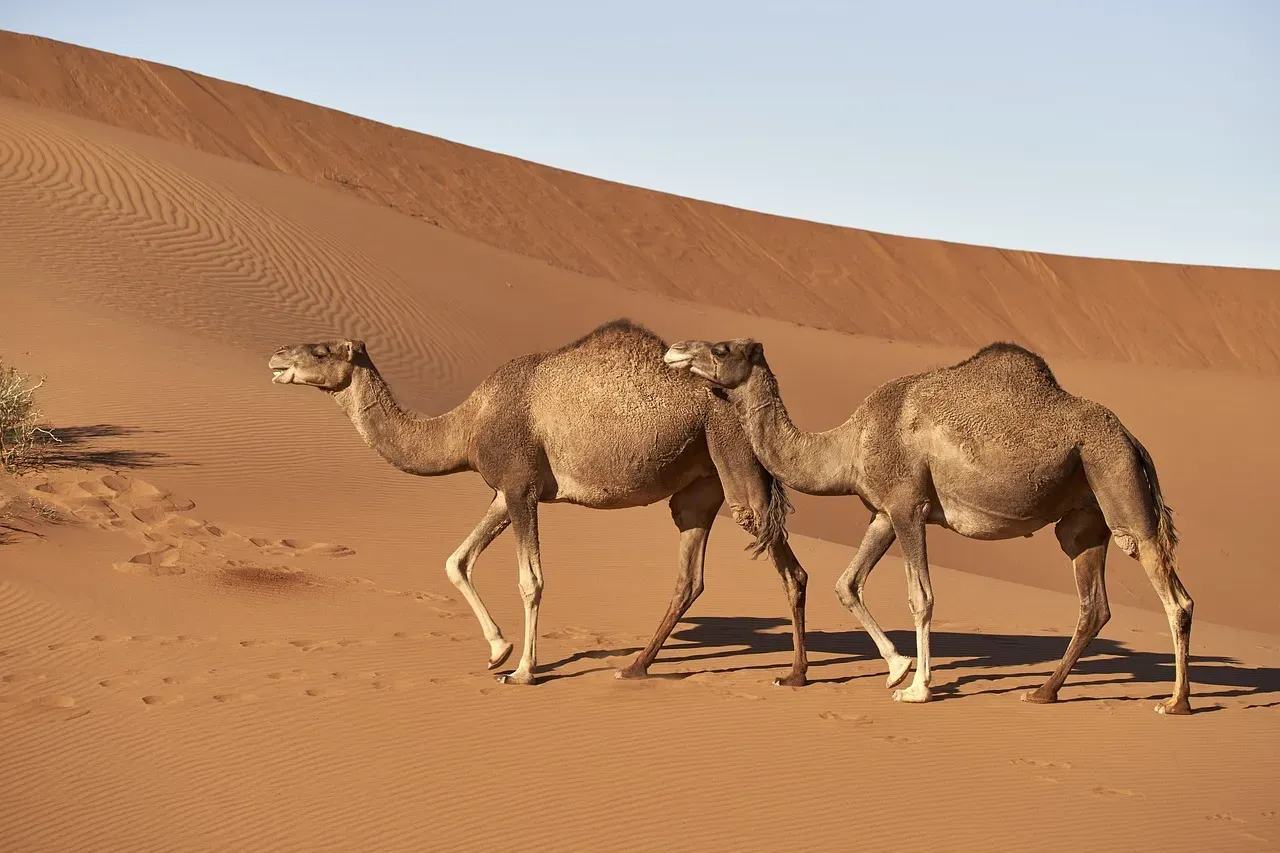
Let’s be real, this one is famous for a reason. Often called the “ship of the desert,” the camel’s adaptations are both structural and behavioral: humps store fat, which can be converted into energy and water when resources are scarce. That single biological trick rewrites the rulebook on desert survival.
Camels also sport closable nostrils, a nictitating eye membrane, and wide feet that act like snowshoes in the sand. These are not random features. Every single one of them solves a specific desert problem. Think of the camel as a Swiss Army knife that evolution spent millions of years building.
The wild Bactrian camel, native to the deserts of Central Asia, has adapted to thrive on sparse vegetation and can go for long periods without water, thanks to its ability to efficiently conserve moisture and tolerate dehydration. Few animals on Earth can endure that level of physiological stress and keep walking.
2. The Kangaroo Rat’s Water-Free Existence
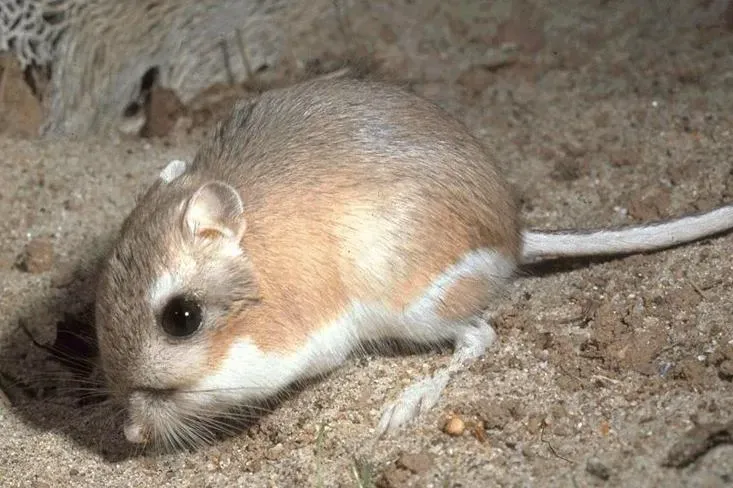
Here is something that sounds almost impossible: there is a small rodent in North America that never needs to drink water. Not occasionally. Never. The kangaroo rat, which lives in the deserts of North America, rarely drinks water. Instead, it survives by metabolizing water from dry seeds and minimizing moisture loss through highly efficient kidneys.
Certain desert mammals, such as kangaroo rats, live in underground dens which they seal off to block out midday heat and to recycle the moisture from their own breathing. These ingenious rodents also have specialized kidneys with extra microscopic tubules to extract most of the water from their urine and return it to the bloodstream. That is essentially a built-in recycling plant operating inside a creature the size of your palm.
Kangaroo rats and some other desert rodents actually manufacture their water metabolically from the digestion of dry seeds. These highly specialized desert mammals will not drink water even when it is given to them in captivity. I know it sounds crazy, but that is genuinely documented behavior.
3. The Fennec Fox’s Giant Heat-Radiating Ears
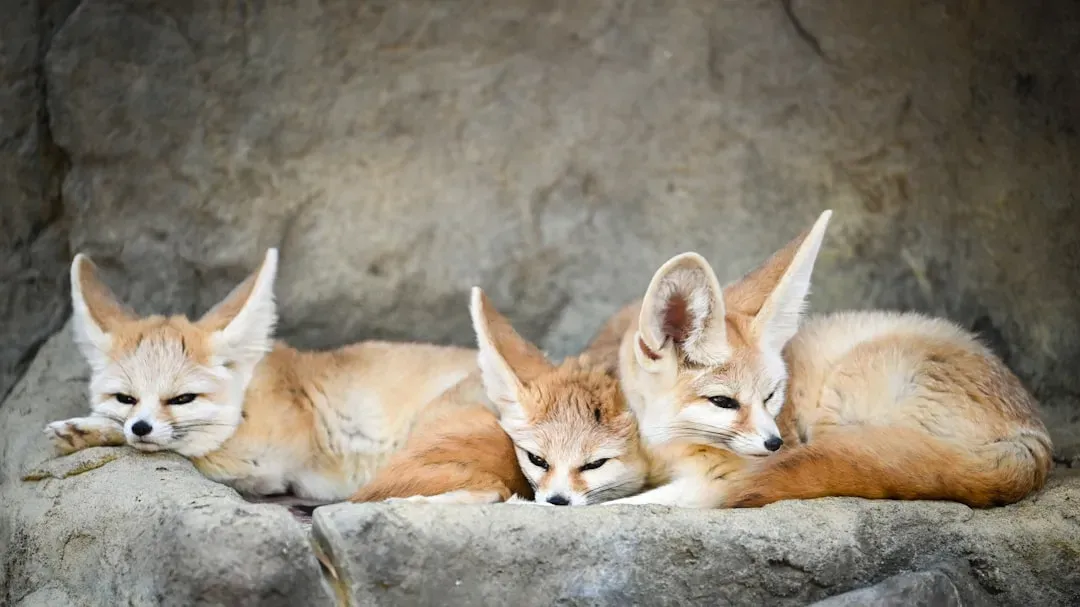
The fennec fox looks almost comically over-designed, with ears so large they seem borrowed from a much bigger animal. The fennec fox, a small desert fox native to North Africa, spends the day resting in cool burrows and hunts insects and small mammals under the cover of darkness. Its oversized ears not only improve hearing but also act as natural radiators, releasing body heat to keep the fox cool.
Fennec foxes have developed large ears that help to disperse heat. It is a breathtakingly simple solution. No sweating required, no expensive energy cost. Just physics, leveraged brilliantly. Think of those ears like a built-in cooling fan, quietly humming even when the fox is completely still.
Genetic signatures of the Rueppell’s fox and fennec fox showed specific genes involved in water homeostasis, and analysis found that these two animals are better at retaining water when dehydrated. So those oversized ears are only part of the story. The real magic is happening deep inside at the genetic level.
4. The Thorny Devil’s Skin That Drinks Water
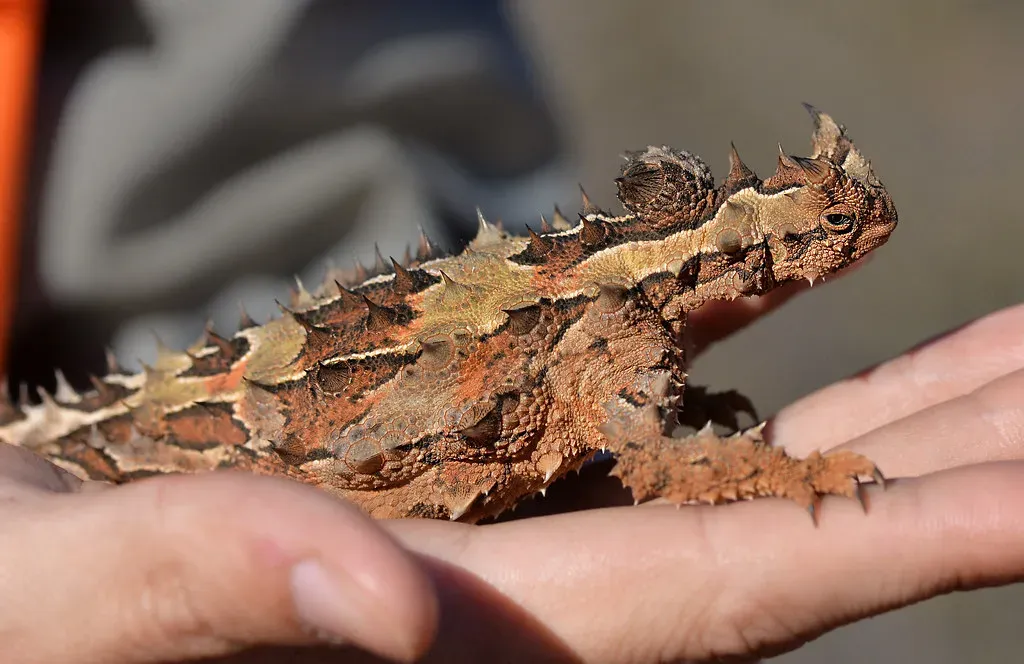
Australia’s thorny devil might look like a miniature dragon, but its most remarkable feature is invisible to the naked eye. In the Australian Outback, pooled water can be extremely hard to come by. To deal with this issue, the thorny devil has developed skin that can absorb water like blotter paper, called “capillary action.”
Essentially, this lizard can stand in a tiny puddle, a patch of damp sand, or a stretch of morning dew, and the moisture travels across its entire skin surface and funnels directly to its mouth. No lapping, no sipping. Just standing there, drinking through its scales. The animal is basically a living sponge.
Deserts are the driest places in the world, and desert creatures have evolved special adaptations to survive in this extreme water shortage environment. The thorny devil takes that challenge and answers it with one of the most elegant physiological designs in the entire animal kingdom.
5. The Namib Fog Beetle’s Fog-Harvesting Body
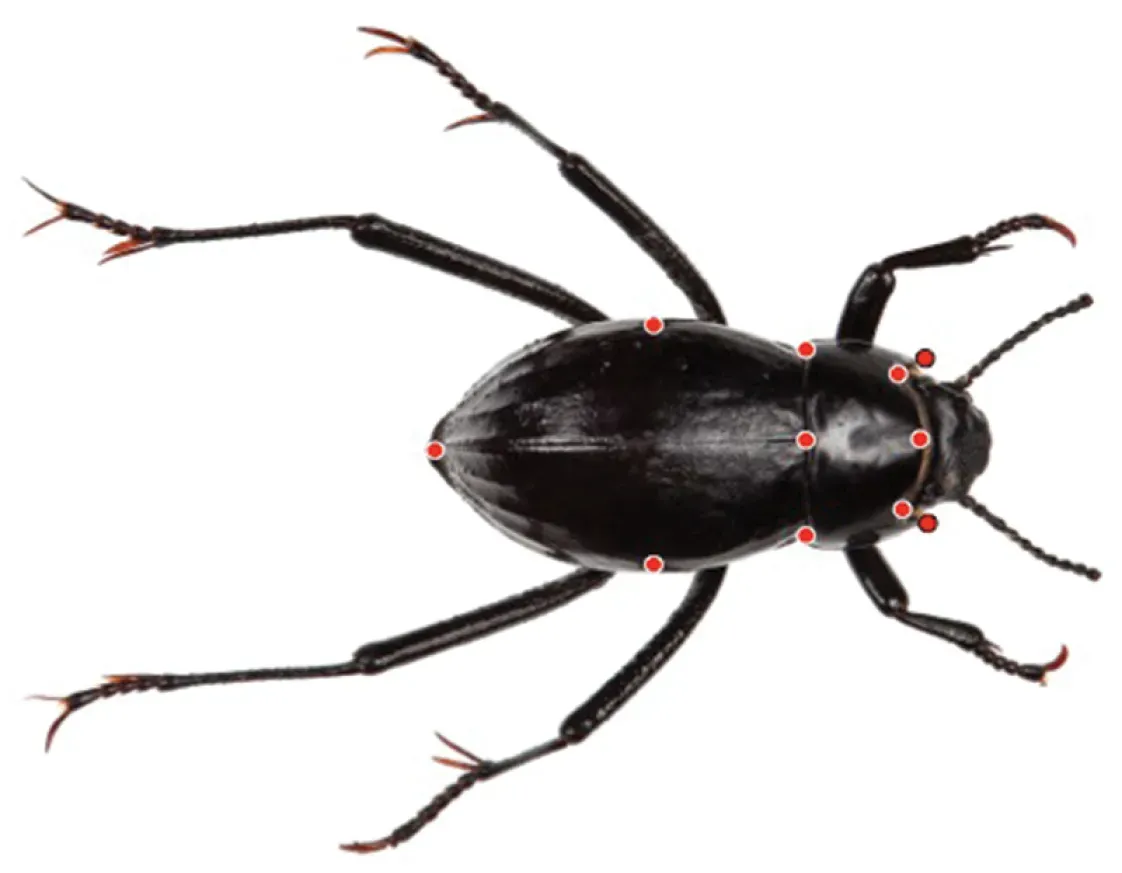
Picture a tiny beetle standing perfectly still on a desert ridge, back tilted into the wind, waiting for the morning fog to roll in. That is not inactivity. That is survival genius in action. The Namib Desert in Africa has very little fresh water, but due to its proximity to the sea, it receives a daily dose of fog in the cool hours of the early morning. Fogstand beetles have learned to stand still in order to let the fog condense on their bodies in the form of water droplets, which they then drink.
Numerous Darkling beetles found in this desert have adopted different mechanisms to utilize fog for survival. Some construct sand trenches to catch the fog, while others utilize their body surface as a fog water collector. In the latter case, a typical stance is adopted, facing the body toward the wind, and the fog water is collected on their outer wings and flows down to their mouth to be swallowed.
Long-term studies of the population density of Darkling beetles in the Namib Desert show that the fog-collecting beetles persisted during dry periods, whereas others that lack this adaptation disappear or decline to less than one percent of their mean abundance. The difference between having this adaptation and not having it is, quite literally, survival or extinction.
6. The Sidewinder Rattlesnake’s Heat-Dodging Movement
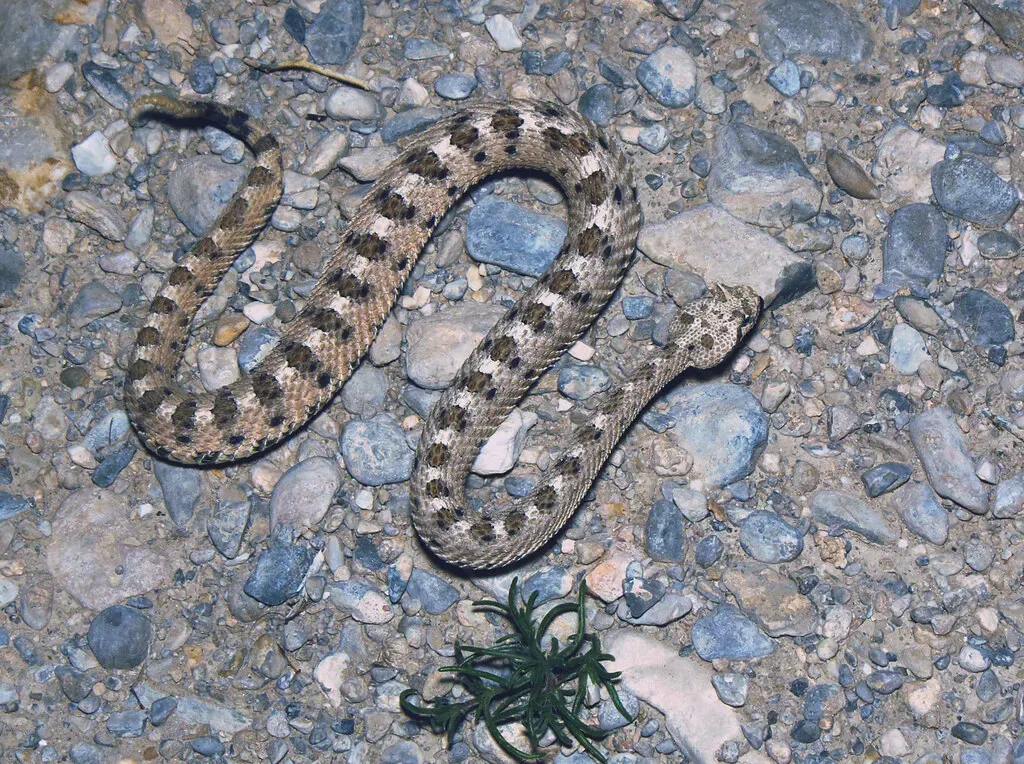
Most snakes move in an S-shaped wave, dragging their belly along the ground. In a desert where surface temperatures can scorch at over 70 degrees Celsius, that is a recipe for cooking alive. The sidewinder solved this beautifully. Sidewinder rattlesnakes use a lifting motion that reduces ground contact time and contact area. The gait allows speed and traction while limiting heat transfer into the body.
The sidewinder rattlesnake, also known as the horned rattlesnake due to the horn-like scales that protrude from above its eyes, is a venomous snake found in desert environments. Its distinctive sidewinding movement allows it to maintain only two points of contact with the ground at any given time, avoiding overheating from excessive contact with the hot desert sand.
It is like watching a creature that has essentially invented its own form of locomotion, one that no engineer could have designed better. Each movement is calculated, minimal contact, maximum efficiency. The desert demands that kind of precision.
7. The Desert Tortoise’s Internal Water Reservoir
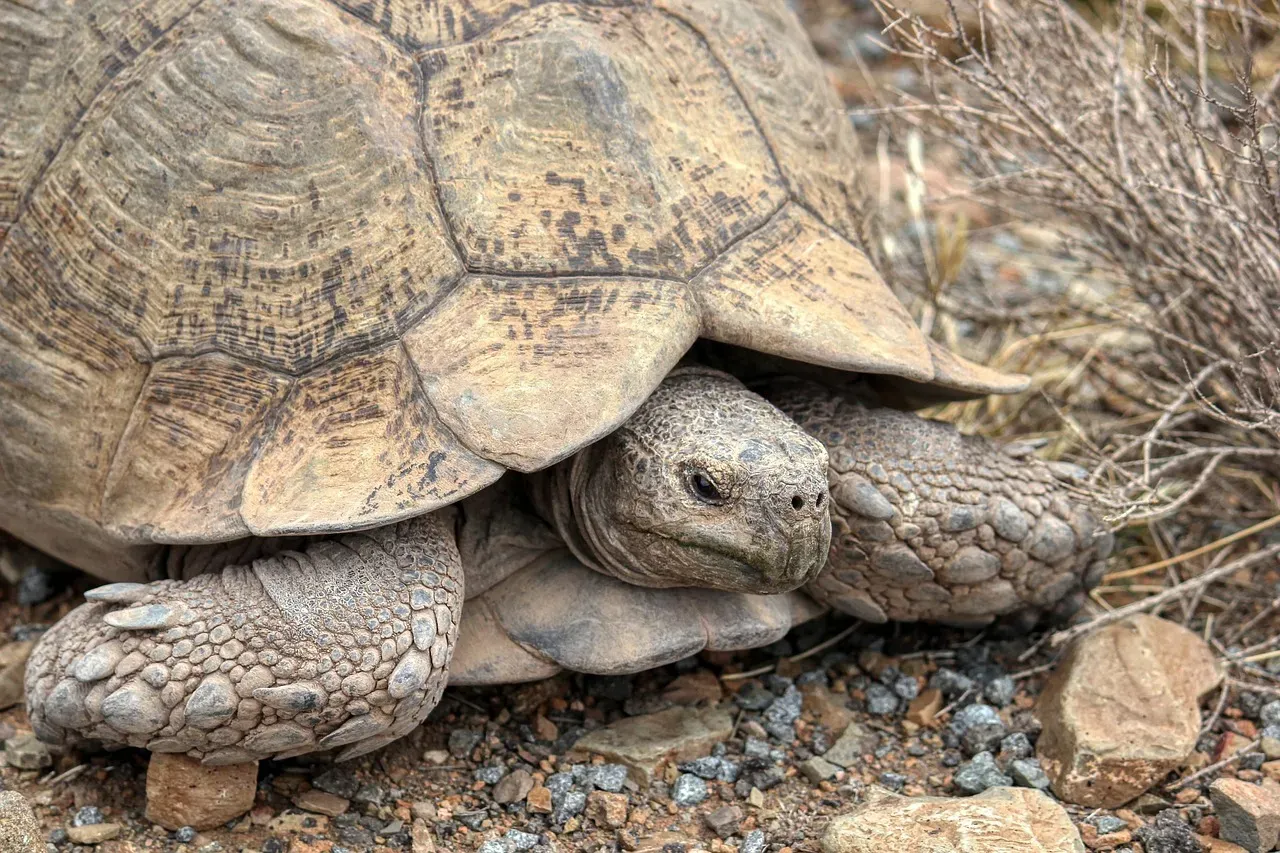
The desert tortoise looks slow and ancient. It is both. Yet inside that hard shell lies one of the most sophisticated water management systems in the animal world. Desert tortoises use a large urinary bladder as a water reservoir. The bladder can store over forty percent of body weight in water and waste materials. That is a staggering proportion. Imagine carrying a water backpack that weighs nearly half of your own body weight.
A desert tortoise survives dry spells by storing extra water within its bladder. This can sustain it through times without rainfall and during periods of inactivity. When water sources disappear entirely, the tortoise simply draws from its own internal reserves, quietly outlasting the drought.
The Mojave Desert tortoise is known to inhabit burrows and rock shelters, spending up to ninety-five percent of its time in these cool, protected areas. Patience, then, is itself an adaptation. Stillness is a strategy. The tortoise is in no rush, because it doesn’t need to be.
8. The Gila Monster’s Fat-Storing Tail
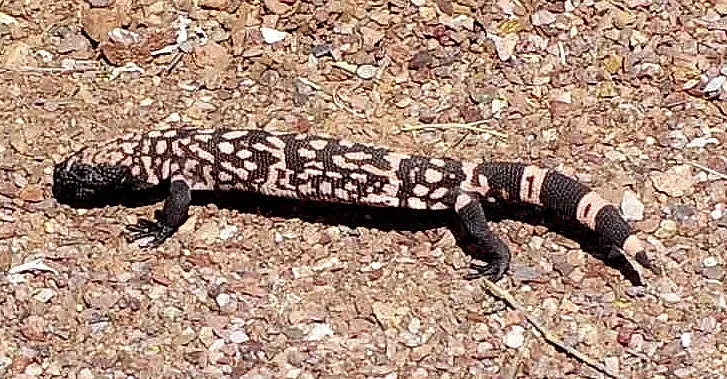
Most animals store fat across their body in a relatively distributed way. The Gila monster took a different approach entirely and packed it all into its tail. The Gila Monster, one of only two venomous lizards in the world, spends most of its life underground and can go months between meals by living off fat stored in its tail. This is a handy little survival trick during the dry season in their Sonoran Desert habitat.
Gila monsters are slow-moving lizards known for their venomous bite. They store fat in their tails, which helps them survive when food is scarce in the desert. Gila monsters are one of the only venomous lizards in the world, delivering venom through grooves in their teeth when they bite.
Think of the tail as a portable pantry. When the desert offers nothing, the Gila monster simply eats from its own reserves, retreats underground, slows its metabolism to a crawl, and waits for better days. It is hard not to be impressed by that level of biological discipline.
9. Nocturnal Behavior: Living by Night to Survive the Day
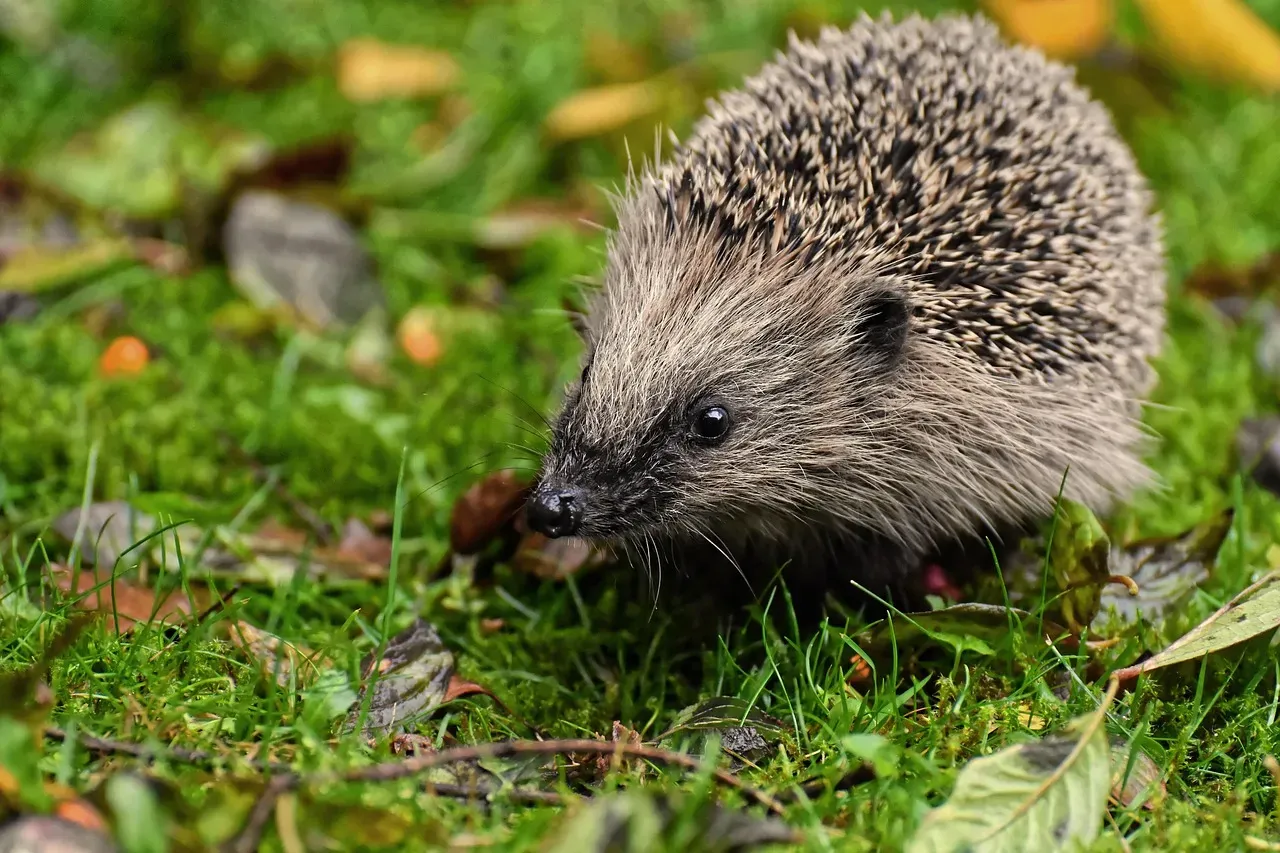
Sometimes the most powerful adaptation is a behavioral one, not a physical feature you can see or touch. The primary strategy for dealing with high desert temperatures is avoidance. Many mammals simply avoid the high daytime temperatures by being nocturnal or crepuscular, meaning active at dusk or dawn. Honestly, it is the most straightforward solution imaginable. If the heat will kill you, just avoid it.
The adaptation of nocturnal and crepuscular behavior is a widespread strategy among desert animals seeking refuge from extreme daytime temperatures. Nocturnal species like owls and certain rodents have evolved to be active at night when temperatures drop significantly. This behavioral shift not only helps them avoid heat stress but also allows them to exploit a different set of ecological niches that are less competitive during those hours.
Many animals are completely nocturnal, restricting all their activities to the cooler temperatures of the night. Bats, many snakes, most rodents, and some larger mammals like foxes and skunks are nocturnal, sleeping in a cool den, cave, or burrow by day. The desert at night is a completely different world, bustling with life that was invisible just hours before.
10. The Horned Lizard’s Blood-Squirting Defense
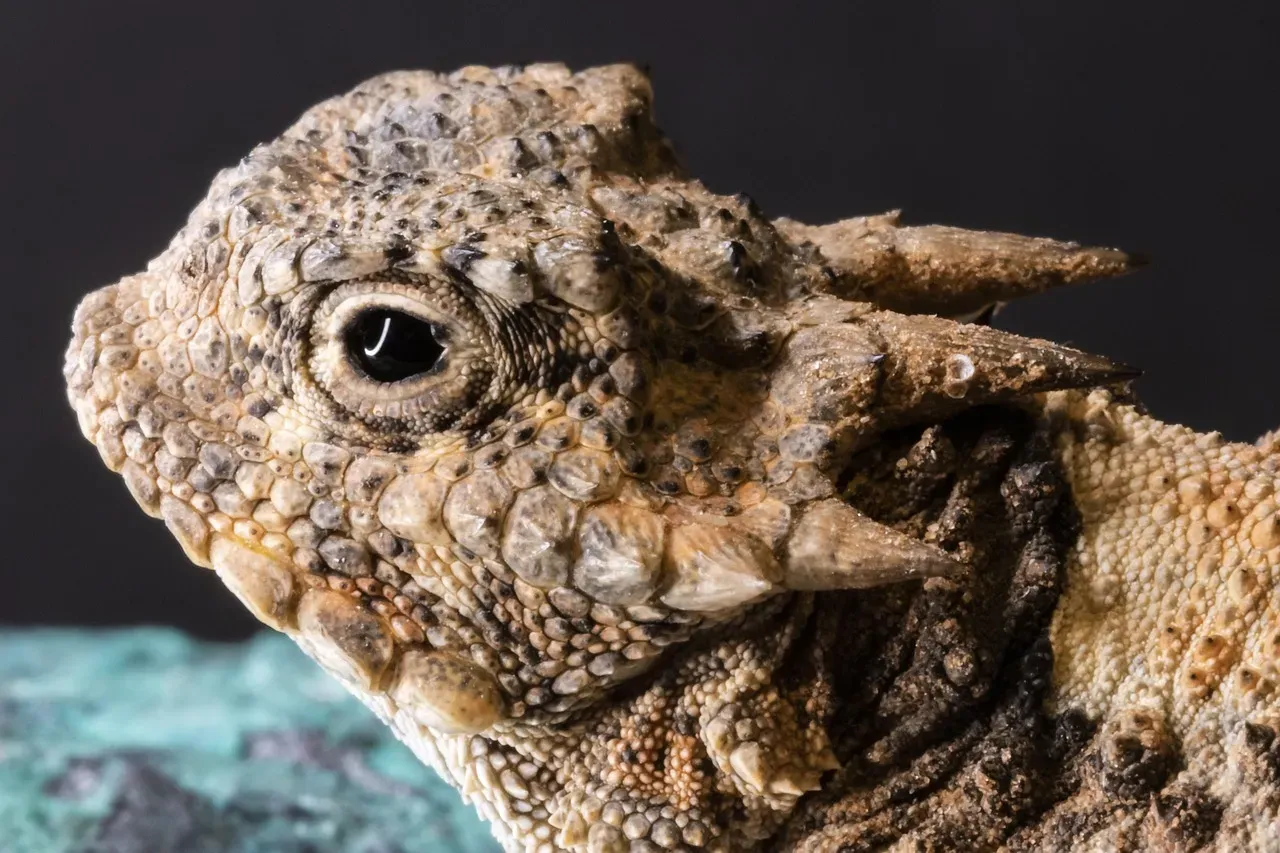
Surviving the desert is not just about managing heat and water. Predators are a constant threat too, and the horned lizard has perhaps the most spectacular anti-predator defense in the entire animal world. Horned lizards are desert reptiles with spiky bodies that help protect them from predators. They mainly eat ants and other tiny insects found in their sandy habitats. One unique adaptation is their ability to squirt blood from their eyes when threatened, which can reach up to five feet away. This defense startles predators, giving the horned lizard a chance to escape.
The horned lizard is a classic desert resident, able to survive even under some of the most extreme conditions. They have developed an intricate system for capturing dew drops on their body which they use as drinking water. They also have powerful defensive mechanisms like their sharp horns and the ability to squirt blood from their eyes as a deterrent against predators.
The blood actually contains a chemical that canine predators like coyotes and wolves find deeply repellent. So it is not just a shock tactic. It is a chemically weaponized bodily fluid. That is simultaneously terrifying and completely magnificent.
11. Burrowing: The Underground Escape Hatch
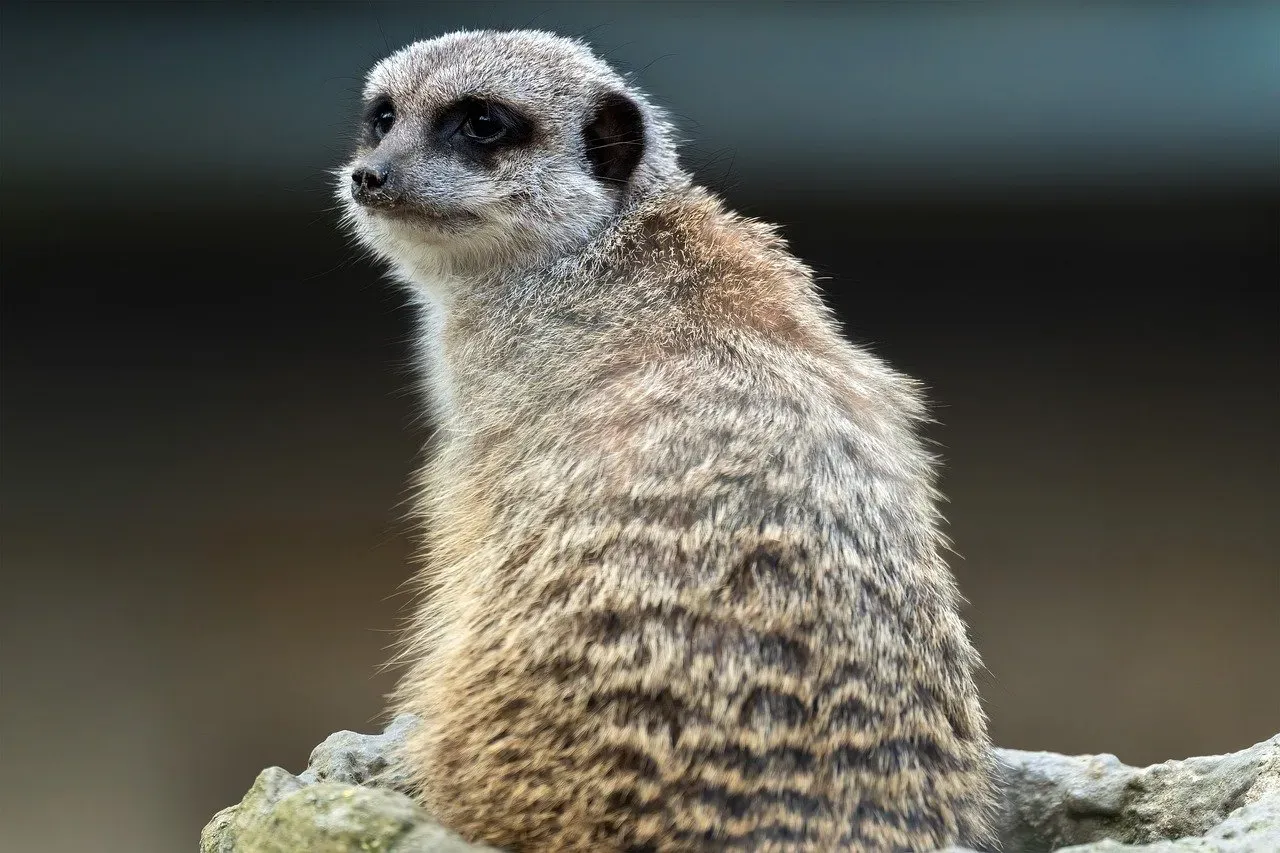
When temperatures at the surface become lethal, going underground is not just a good idea. It becomes the only idea. Desert creatures such as lizards, tortoises, and jerboas dig burrows deep underground, where temperatures are more stable and humidity is higher. This behavioral adaptation helps them avoid predators and extreme weather. Burrows often serve as natural humidifiers, allowing animals to conserve moisture in otherwise dry environments.
Many desert mammals are nocturnal, resting in burrows during the day and emerging at night when temperatures are cooler. Burrows provide a stable, cooler microclimate that protects them from the extreme temperatures. Some mammals can enter a state of torpor, temporarily slowing their metabolism to conserve energy and water and survive food shortages.
Unlike any other North American canid, the kit fox uses burrows year round. Burrows help it thrive in hot, dry desert valleys, an environment that is too challenging for other canids. The burrow is the desert animal’s greatest invention. Cool, hidden, and quietly life-saving every single day.
12. The Sandgrouse’s Feather-Based Water Delivery System
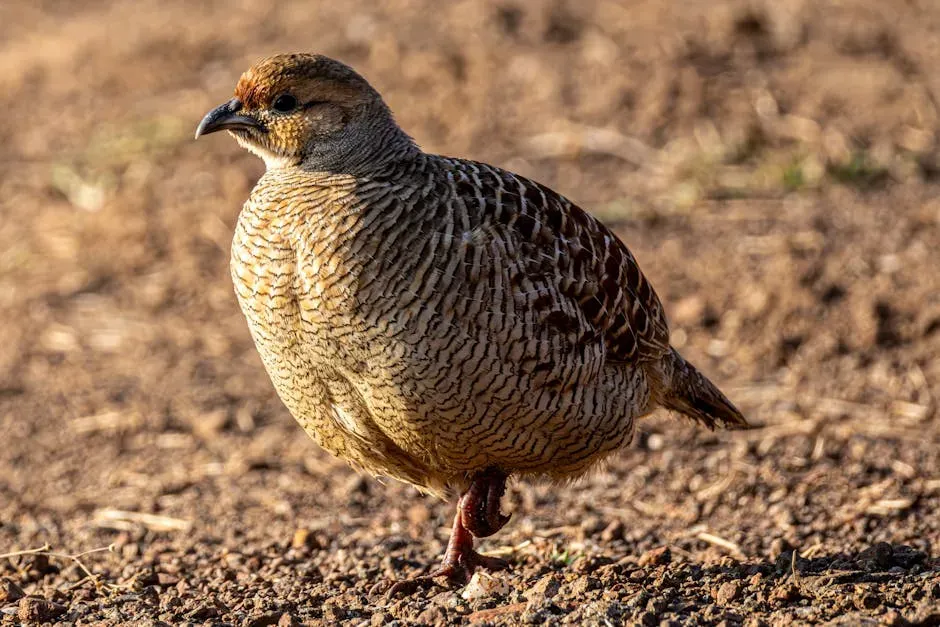
Perhaps the most surprisingly touching adaptation on this entire list belongs to the sandgrouse, a desert bird with a parenting strategy that sounds too clever to be real. One of their unique adaptations is their ability to carry water in their belly feathers. They soak their belly feathers in water at watering holes and then fly back to their chicks, delivering the water to them to drink. This behavior helps them care for their young in arid environments where water sources are scarce.
The sandgrouse is known for its unique approach: males travel long distances to find water sources and soak their feathers before returning to their nests. This behavior allows them to provide hydration for their chicks during hot days when water is scarce. Those feathers are specially structured to hold water like a sponge. Nature, once again, engineered the perfect tool for the job.
Sandgrouse are also known for their swift flight and ability to travel long distances in search of food and water. A parent that flies dozens of kilometers in searing heat just to carry water home in its feathers. It is hard not to find that genuinely moving.
Conclusion: Evolution’s Most Extraordinary Problem-Solvers
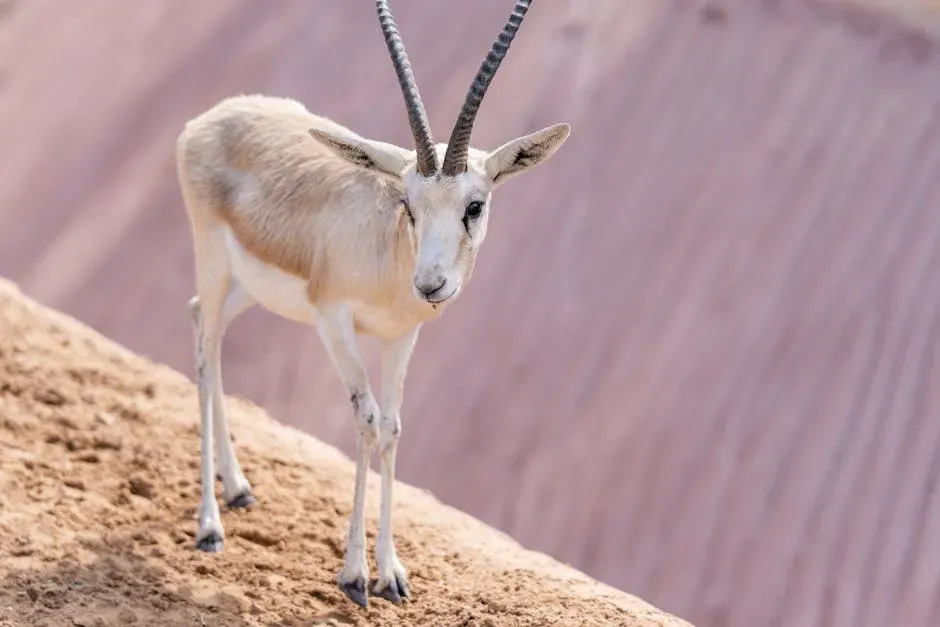
The desert, for all its brutality, is arguably the most creative place on Earth. Every animal that survives there has been shaped by millions of years of relentless pressure into something extraordinary. The adaptations seen in desert animals are not merely responses to their surroundings. They are intricate solutions honed by millions of years of evolution.
From a lizard that drinks through its skin to a beetle that harvests fog before sunrise, from a rat that never needs a single sip of water to a tiny fox that uses its own ears as an air conditioning unit, these are not freaks of nature. They are the result of nature doing what it does best: solving impossible problems with breathtaking elegance.
Animals that live in desert environments have evolved remarkable adaptations over time in order to survive extreme conditions. The ability to thrive in the harsh climates of these regions is a testament to the power of evolution and the diverse abilities of animals. Next time someone calls the desert “dead,” tell them to look a little closer. The story being told out there in the sand is one of the most extraordinary in the history of life on our planet.
Which of these adaptations surprised you the most? Let us know in the comments below.
