
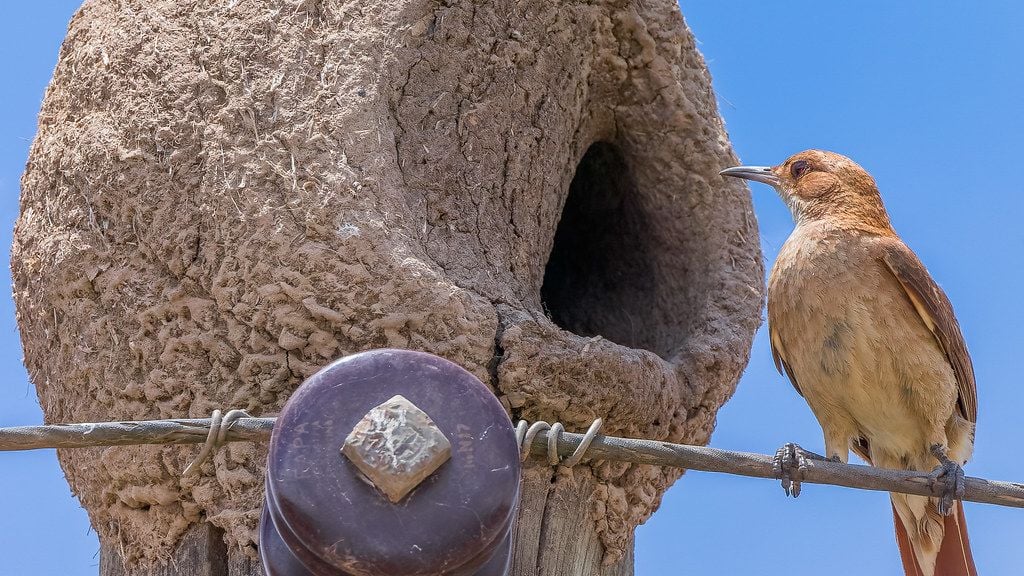
Ever wonder if humans are the only architects on this planet? Here’s the thing, we’re not. While we’re busy designing skyscrapers and fancy mansions, countless creatures across the globe have been building extraordinary shelters for millions of years. Some dig underground cities that rival our subway systems, while others craft elaborate structures that could give modern engineers a run for their money.
What’s fascinating about these animal homes is that they’re not just simple hideouts. They’re temperature-controlled, predator-proof, and perfectly adapted to their environments. From termites constructing air-conditioned towers to beavers reshaping entire ecosystems, these architects work without blueprints, leaders, or fancy tools. Let’s dive into the most mind-blowing homes built by nature’s master builders.
Termite Mounds: Nature’s Climate-Controlled Skyscrapers
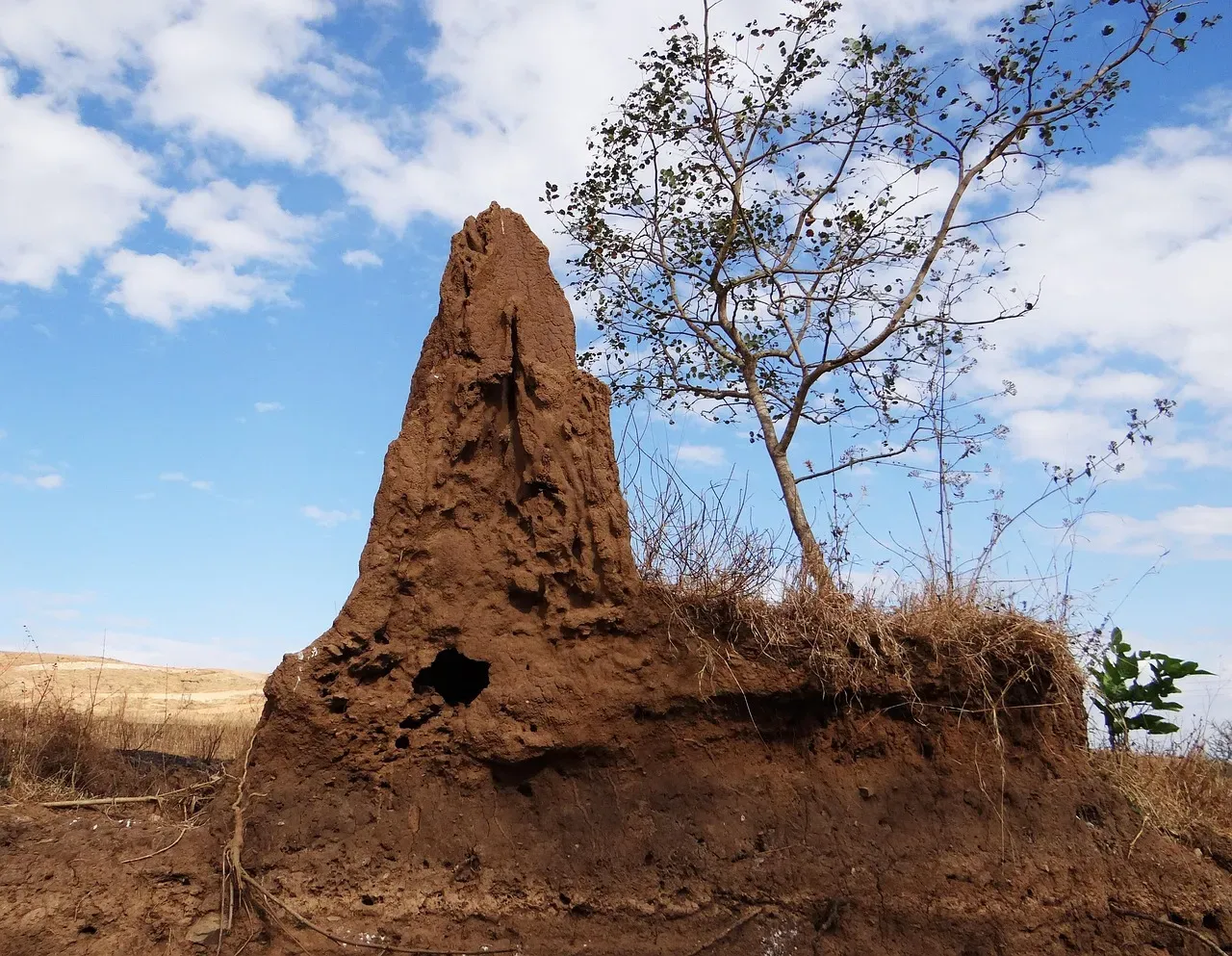
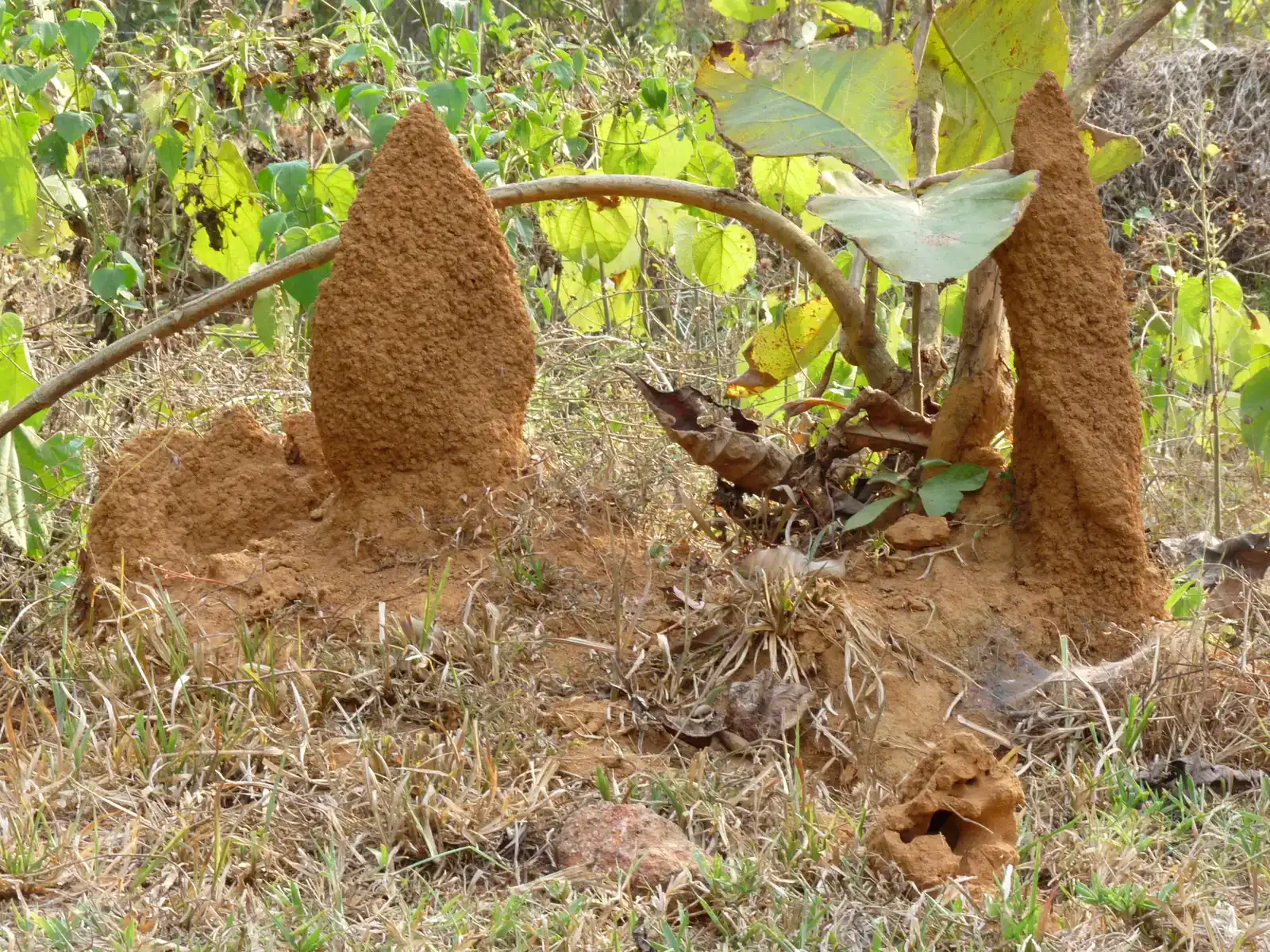
Termite mounds can reach heights exceeding 10 feet, with some standing approximately 16 feet tall. Think about that for a second. These tiny insects, working without any central coordinator, build structures that tower over most humans.
Built from chewed wood remnants, mud and feces, these mounds feature excellent air circulation that keeps the colony air-conditioned, collect water as condensation, and house fungal gardens. It’s hard to say for sure, but some ancient termite mounds discovered in Brazil might be thousands of years old.
Although appearing solid, the mound structure is incredibly porous, with walls filled with tiny holes allowing outside air to enter and permeate the entire structure. The ventilation system constantly refreshes oxygen throughout the colony. Compass termites orient their wedge-shaped mounds north-south to regulate underground nest temperature.
These aren’t just homes. They’re engineering marvels that architects now study for sustainable building designs.
Beaver Dams and Lodges: The Ecosystem Engineers
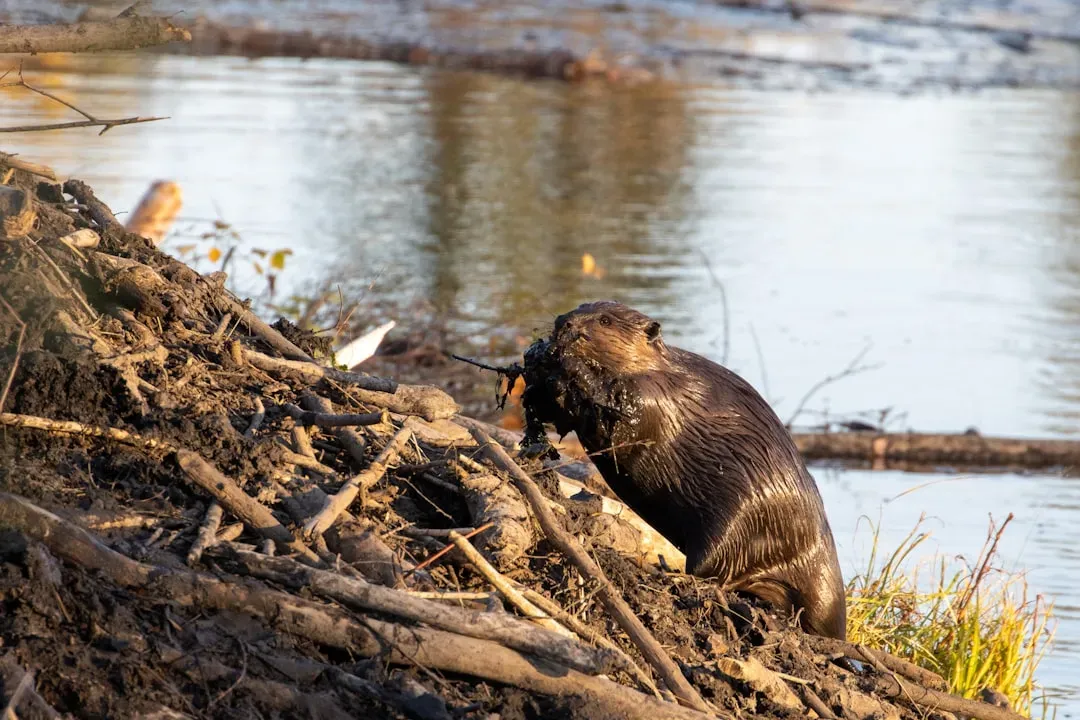
Beavers are perhaps the most famous animal architects, felling huge trees to create dams that form still ponds where they construct their winter homes. Their building prowess goes way beyond simple stick piles.
A beaver’s lodge is a very robust structure made of sticks and mud, spacious inside and strong enough to keep out hungry wolves. Picture a fortress in the middle of a pond with underwater entrances that predators can’t access. Honestly, it’s brilliant.
In Montana, beaver colonies have constructed complex networks of canals, trails, lodges, and food caches along waterways nearly four thousand meters long, work that has taken decades or perhaps more than a century. And here’s what makes it even crazier: this occurred with no central coordination.
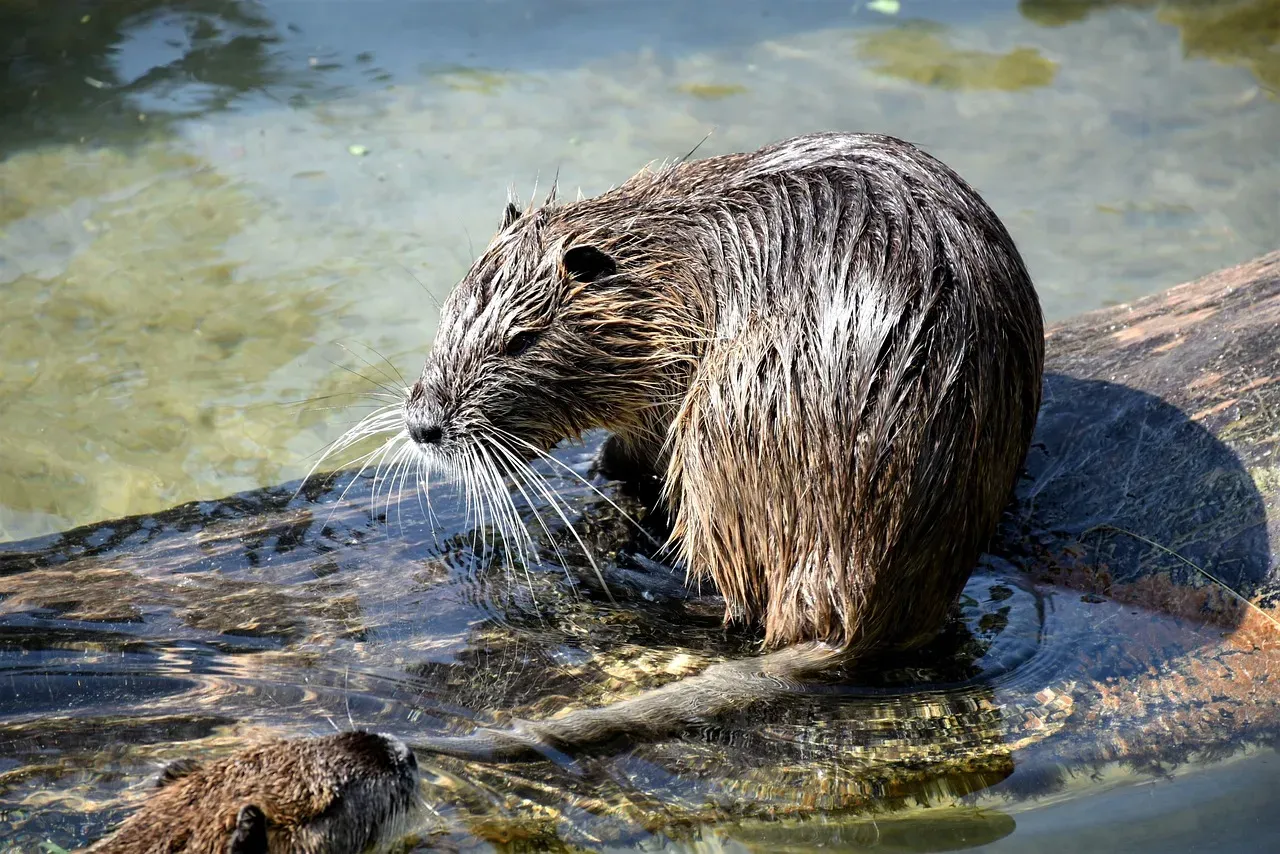
These rodents don’t just build homes. They reshape entire landscapes, creating wetlands that support hundreds of other species. Beavers have been referred to as ecosystem engineers.
Prairie Dog Towns: Underground Metropolises
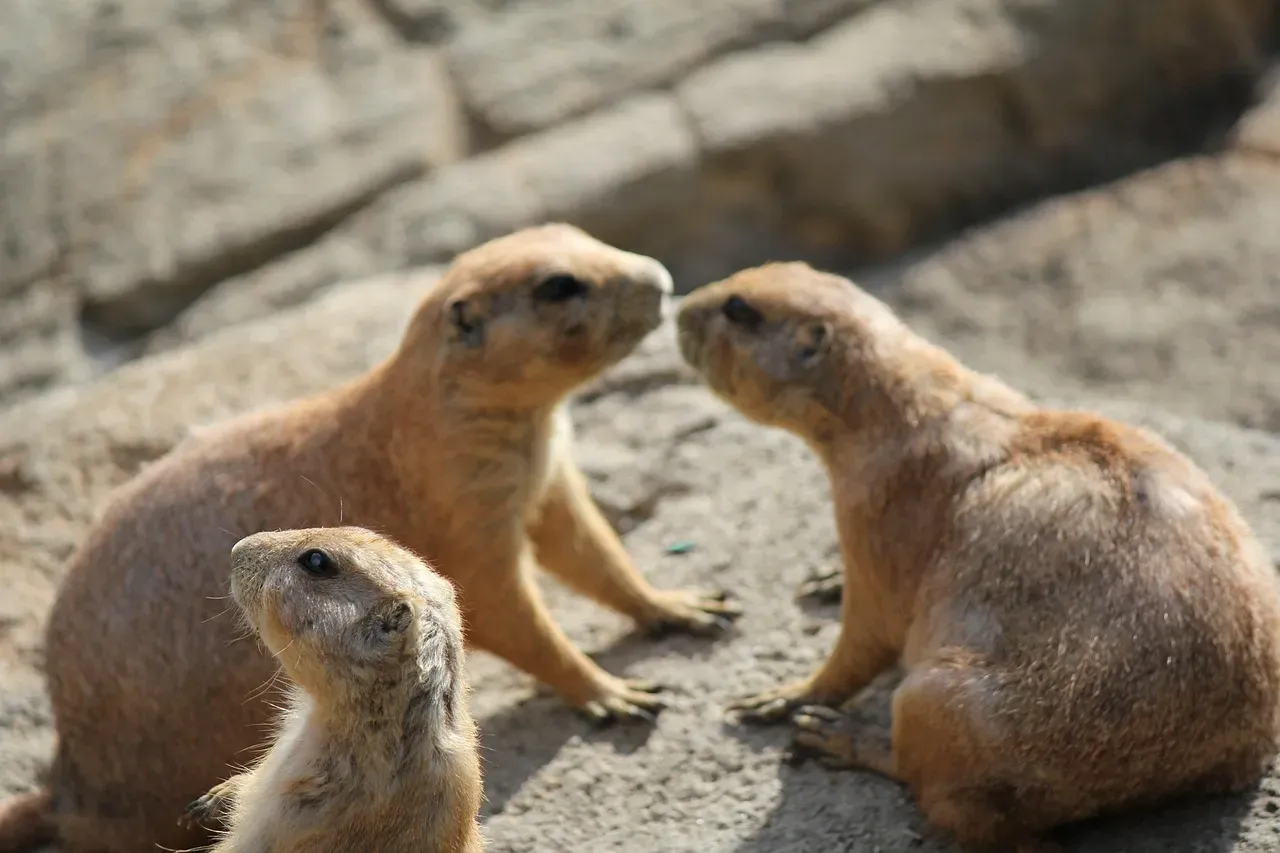
Let’s be real, prairie dogs might look cute, but they’re master excavators. Prairie dog burrows form conurbations covering many acres, with five to 35 dogs per acre.
Chambers located at different depths serve different purposes, with the nursery located deep in the soil where temperature is more stable and young prairie dogs are better protected from predators. Near the surface, adults have quick escape chambers.
Want to know something wild? One town discovered in Texas in 1900 covered 25,000 square miles and was home to an estimated 400 million prairie dogs. That’s roughly the size of West Virginia. Can you imagine the scale of that underground network?
Temperatures in prairie dogs’ native environments can range from -35 to 100 degrees F, making their burrowing skills important for survival. Mounds at entrance to each burrow keep out rainwater and provide vantage points for lookout dogs. It’s a complete community system with lookouts, nurseries, and emergency exits.
Sociable Weaver Nests: The High-Rise Apartments of Birds
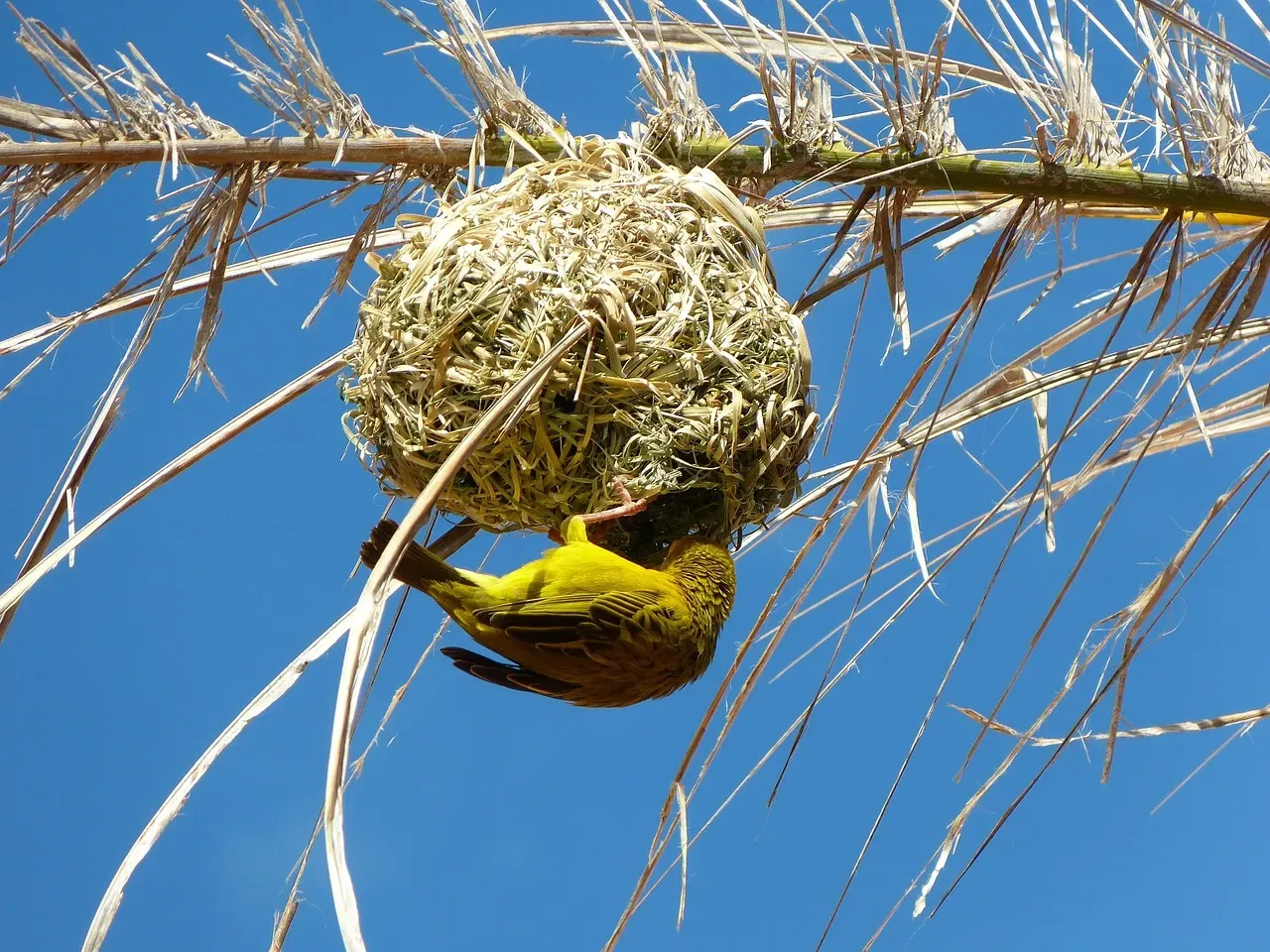
In their South African homeland, sociable weavers construct the most elaborate nesting system of any known bird, with permanent structures throughout the Kalahari Desert dripping from acacia, shepherd and quiver trees. These aren’t your typical bird nests.
The high-rise woven grass apartment complexes sometimes hang from telegraph poles, each housing hundreds of birds, built with dozens of separate chambers. Think of them as bird condominiums. Sociable weavers create the world’s largest bird’s nest, which can measure over 20 feet long.
The centrally placed chambers hold the day’s heat and are occupied during night-time roosting, while outer rooms provide shade during daytime when temperatures soar, with temperatures inside staying remarkably steady regardless of outside weather conditions.
Sociable weavers create an ecosystem within their avian colony, with many insect types, several other bird species, some reptiles and the Kalahari tree skink finding places to shelter and breed within the nests. That’s what I call good neighbors.
Vogelkop Bowerbird: The Interior Designers
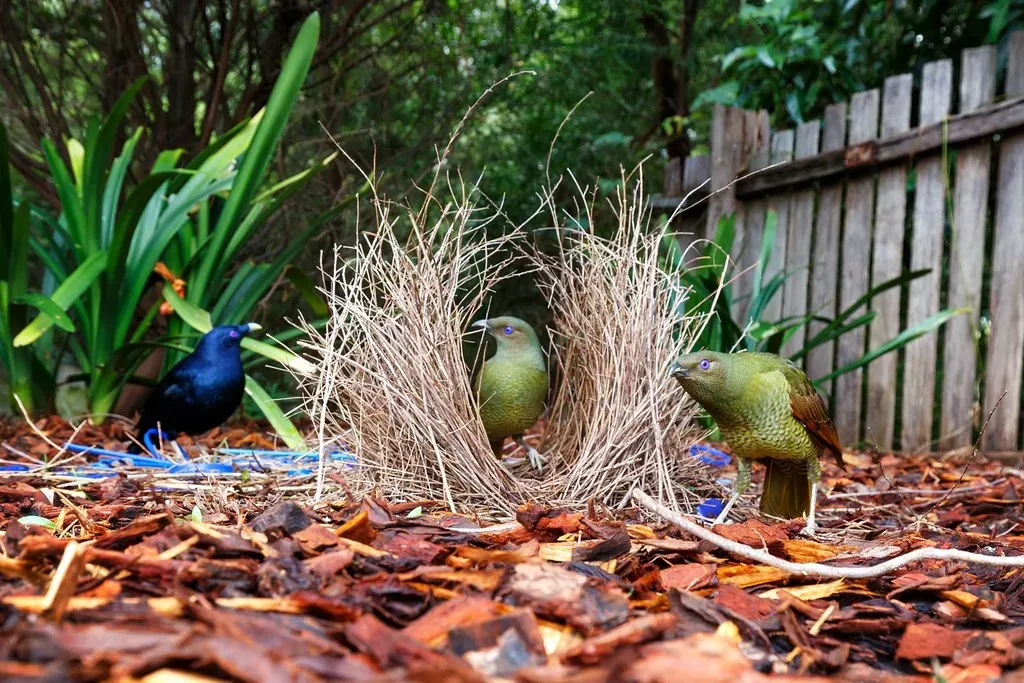
The Vogelkop Bowerbird builds a hut-like structure with the front entrance adorned with leaves, flowers, and shiny beetle body parts. Male bowerbirds are basically the ultimate bachelors trying to impress potential mates.
The hut is typically just over 3 feet tall and 5 and half feet across. But size isn’t everything here. It’s all about presentation. These birds arrange berries, beetles, flowers and other colorful and eye-catching ornaments into artistic arrangements to attract their mates.
Male birds are especially steadfast in maintaining a pristine ‘front yard’ when it’s mating season in an effort to outdo their competition. They’ll rearrange decorations, remove faded items, and constantly upgrade their displays.
The ironic twist? The females do not actually use these bowers to raise their young. All that effort is purely for courtship. Talk about putting on a show.
Australian Leaf-Curling Spider: The Recycling Expert
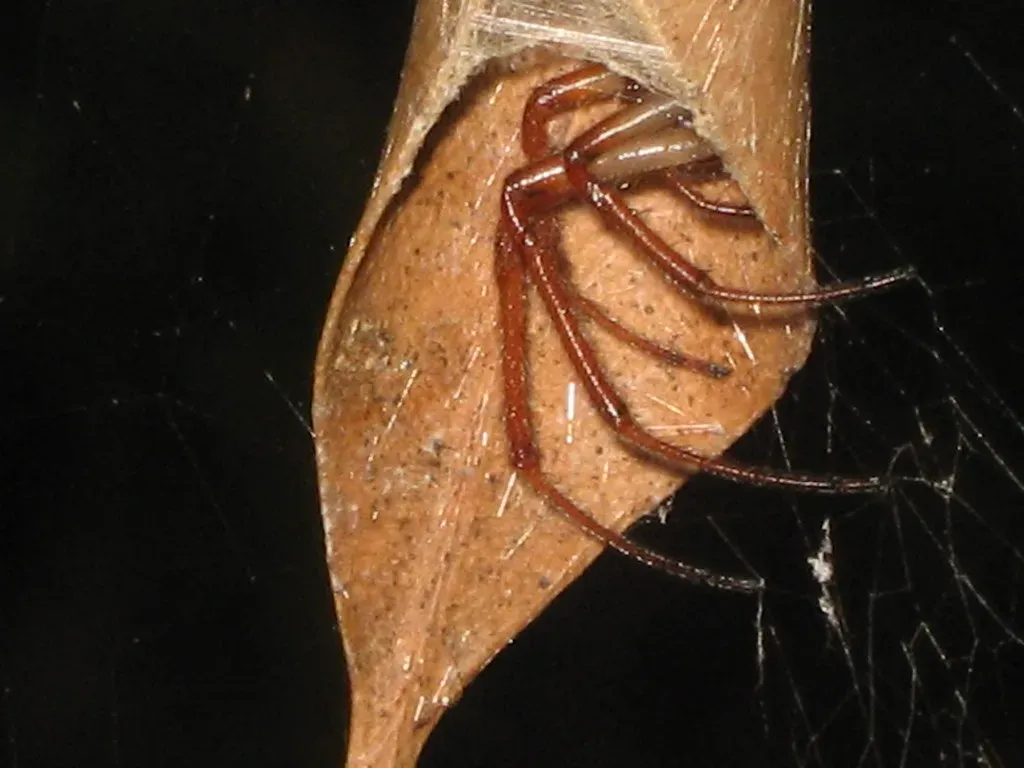
The Australian leaf-curling spider uses recycled material to build an addition to its home, choosing a nice dead leaf and lining it with silk, curling it to form a cozy retreat closed at the top and open at the bottom.
These spiders hang their creation in the center of a web and shelter there as they wait for passing prey. It’s like having a hunting blind suspended in mid-air. When it’s time to reproduce, things get even more interesting.
The female builds another curled leaf to be her nursery, which she hangs at some distance from the web nestled in nearby foliage. She’s basically creating a safe room away from the main living area.
In some cases, these spiders have been known to use discarded scraps of paper or other lightweight material to create their shelters. Nature’s ultimate upcyclers, adapting to whatever materials are available. You’ve got to respect that kind of resourcefulness.
Rufous Hornero: The Mud Oven Architects
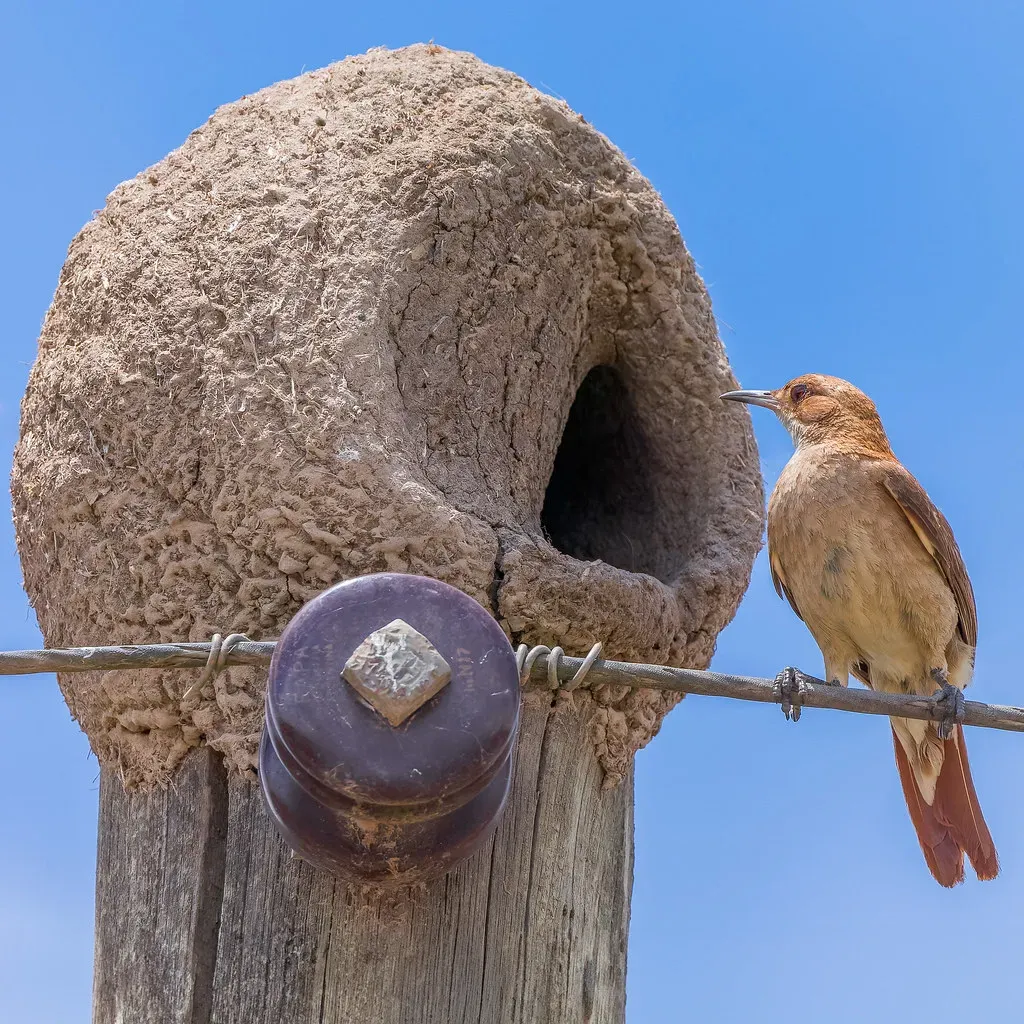
The rufous hornero, a South American bird, builds unusual earthen nests in trees. Most birds stick with twigs, but not these innovative builders.
It collects mud and dung to create a bowl high atop tree limbs, with the sun baking the nest to create a hardened shelter where birds can lay their eggs. The result looks remarkably like a traditional clay oven, which is why locals sometimes call them “ovenbirds.”
The nest is oriented to face away from the prevailing winds, creating a refuge from the weather. Smart design without engineering degrees. The hardened clay structure can last for years, sometimes being reused by other bird species after the original builders move on.
These nests are so distinctive and well-built that they’ve become iconic symbols in parts of South America. The hornero is even Argentina’s national bird, celebrated for its industrious building skills.
Baya Weaver: The Master Weavers
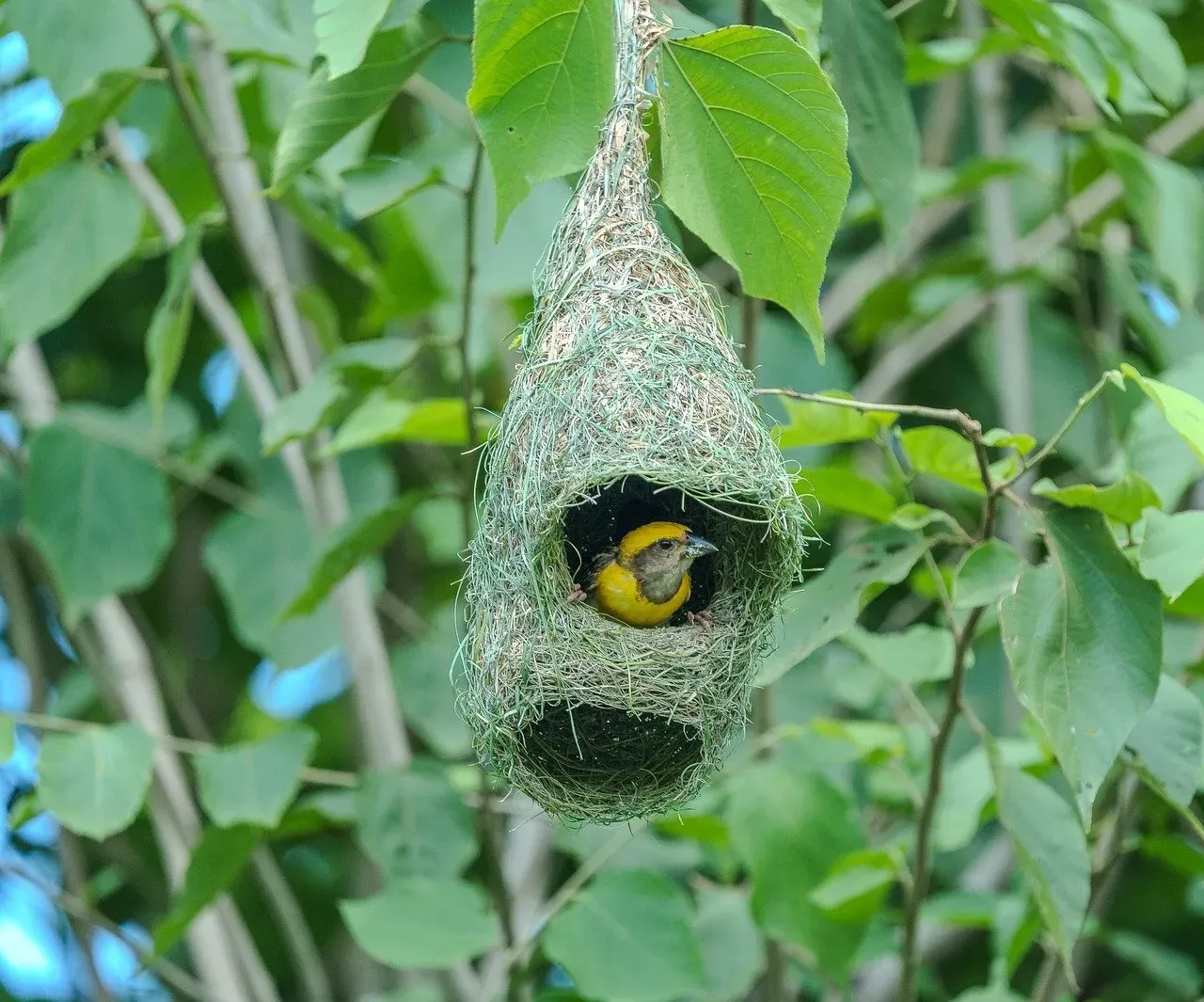
The baya weaver is most notable for the woven nests constructed by the males to attract a mate. Found across India and Southeast Asia, these small yellow birds take nest building to an art form.
Using their beaks to strip long strips of paddy leaves, palm leaves, and grasses, males interlace them together and knot at the end, which can take up to 500 trips and around 18 days to complete. That’s dedication.
As the male builds, he shows off to females by flapping his wings and inviting them inside, with females inspecting the structure and the male finishing if they approve.
The pendulous nests include a central nesting chamber and a long entrance tunnel, with the male bird hanging from it to display and attract a female when the nest is partially complete. It’s basically an open house for potential mates, and only the best construction gets a tenant.
Coral Polyps: The Underwater City Builders
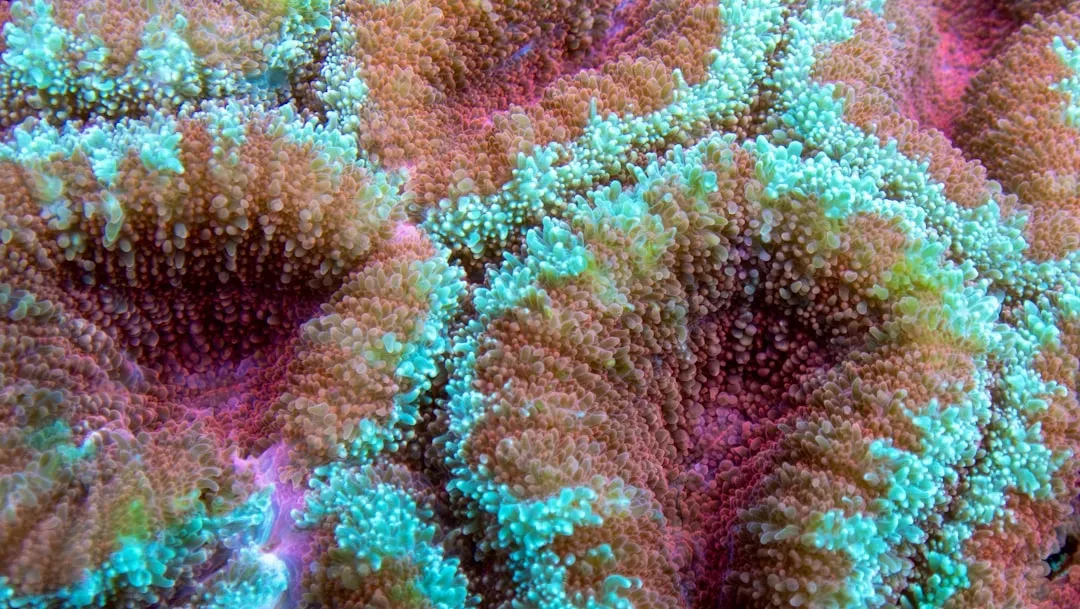
Coral reefs are built by tiny animals called coral polyps, which secrete calcium carbonate, forming rock-like structures that become the foundation of massive coral reefs. These structures grow over centuries.
The Great Barrier Reef – the largest living structure on Earth – was built by billions of tiny coral polyps working together over millions of years. Let that sink in. Microscopic creatures built something visible from space.
They support 25% of marine life, providing shelter for countless species. Without coral polyps, entire ocean ecosystems would collapse. They protect coastlines by reducing wave energy from storms and grow over thousands of years, creating complex, layered habitats.
These polyps work continuously, generation after generation, building upon the skeletons of their ancestors. The result? Vast underwater cities that rival anything humans have constructed in terms of complexity and ecological importance.
Ant Colonies: The Underground Cities
Ants build elaborate colony structures by hollowing out the area with their mandibles, grain by grain, with chambers keeping their form unless the soil dries out dramatically. The scale of these underground networks is staggering.
They do this without a blueprint, without a leader and in total darkness. Ant colonies stretch for miles underground with complex tunnels and chambers, with leafcutter ants building intricate tunnel networks that include nurseries, food storage rooms, and even garbage dumps to manage waste.
Leafcutter ants shift 40 tons of soil to make their subterranean home. That’s roughly the weight of six elephants. For creatures barely visible to our eyes, that’s mind-blowing engineering.
Ant colonies have most chambers closest to the surface, with smaller, more spaced-out chambers farther away. There’s organization and purpose to every level, from nurseries to fungus farms to waste management systems. Some colonies house millions of ants working in perfect coordination.
Honeybee Hives: The Mathematical Perfectionists
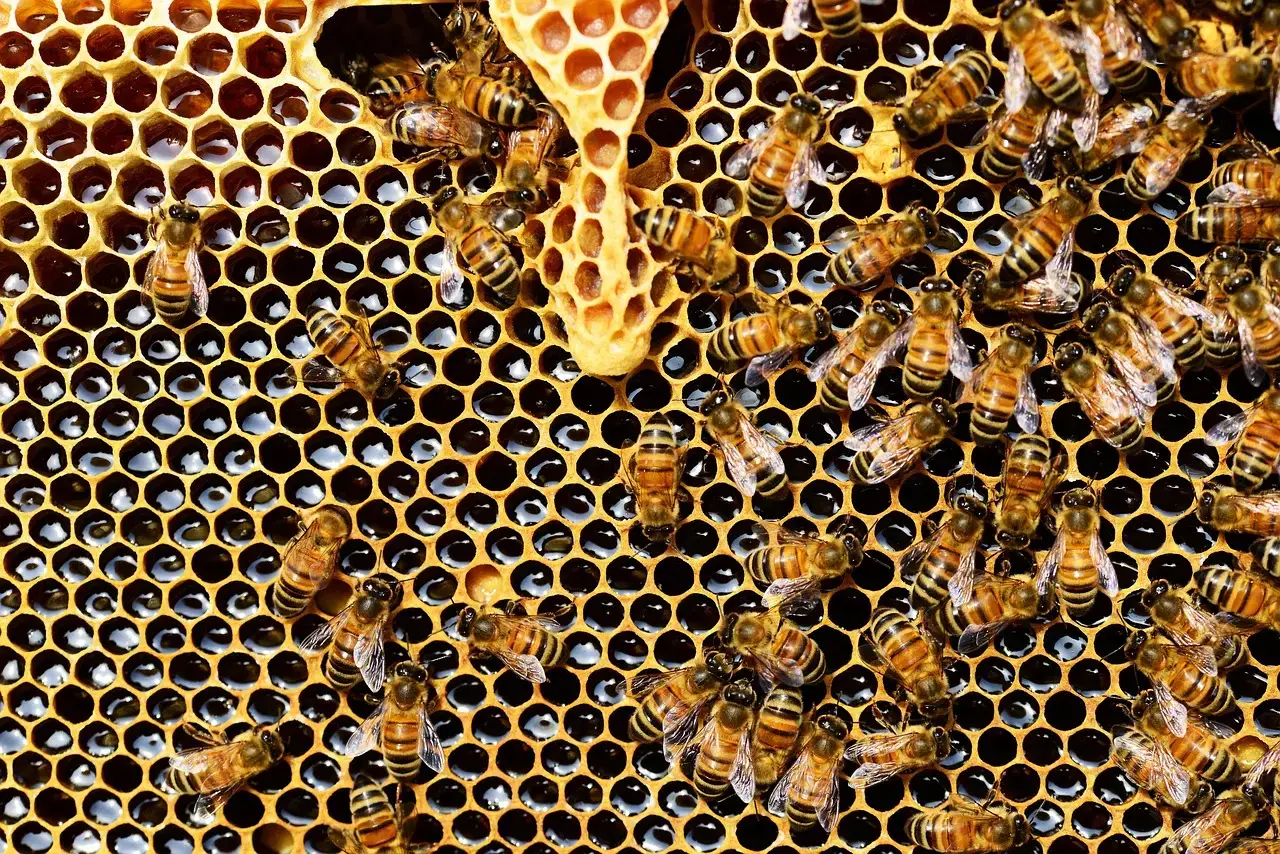
Bees are incredibly industrious insects with unparalleled building ability, with an American mathematician writing a proof showing that bee hives are the most efficient structures in nature.
Bees have figured out the best way to separate the surface of their hives in equal parts all around using the least possible total perimeter, thus reaching 100% efficiency in design. Hexagonal cells pack together with zero wasted space. Humans studied geometry for centuries to understand what bees instinctively knew.
Honeybees’ entire lives revolve around their nests, constructing them out of secreted wax where they process their food and raise their young. Each cell serves multiple purposes throughout its life – first as a nursery, then as honey storage, and eventually as a structural support.
The temperature regulation inside hives is equally impressive, with worker bees fanning their wings to maintain precise conditions for developing larvae. It’s climate control without electricity.
Montezuma Oropendola: The Hanging Sack Nests
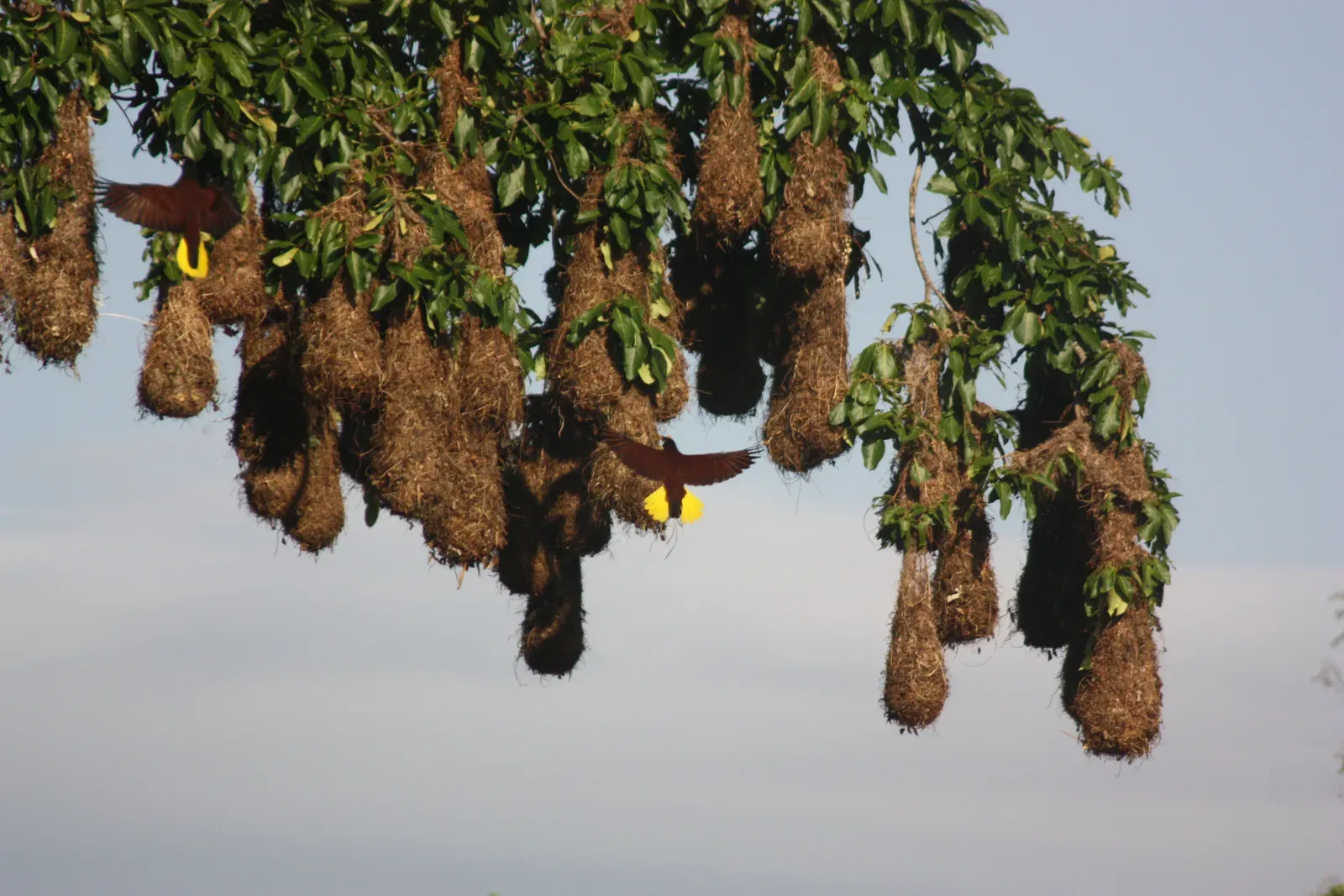
Following a Montezuma Oropendola back to its nest in coastal lowlands stretching from Mexico to Panama reveals what looks like long, brown sacks swaying in the breeze hanging from tree branches. These remarkable birds create some of the most distinctive nests in the avian world.
The tree belongs to a dominant male and the sagging structures are built by his harem of females that can reach up to thirty individuals, with females collecting vines, twigs, and leaves to build their enclosed homes after the male has wooed them.
Each nest is spherical in shape at the end where the female will rest, with the entryway giving it length that can reach up to 71 inches long in trees as high as 100 feet tall. That’s nearly six feet of woven material suspended high in the canopy.
The hanging design protects eggs and chicks from tree-climbing predators, while the long entrance tunnel makes it difficult for snakes or monkeys to reach the nesting chamber. These colonial birds create spectacular sights, with dozens of nests hanging like decorations from a single tree.
Conclusion
From termites engineering climate-controlled towers to coral polyps building the world’s largest living structure, the animal kingdom is filled with architects that put our skills to shame. These creatures build without instruction manuals, smartphones, or YouTube tutorials. They rely on instinct, trial and error, and millions of years of evolutionary refinement.
What strikes me most about these animal homes isn’t just their complexity. It’s their sustainability. Beavers create wetlands that support entire ecosystems. Termite mounds inspire energy-efficient building designs. Honeybees achieve mathematical perfection without calculators. Meanwhile, we’re still figuring out how to build structures that don’t harm the planet.
These homes remind us that intelligence comes in many forms, and that nature has always been the greatest teacher. Next time you see a spider web glistening with morning dew or notice a bird carrying twigs to a tree, take a moment to appreciate the architectural genius at work. Did you expect that these tiny creatures could outdesign us in so many ways? What do you think we could learn from nature’s builders?

- The Zodiac Signs Dogs Fall in Love With the Fastest - July 27, 2026
- The Zodiac Signs Most Connected to Nocturnal Animals - July 27, 2026
- The Small Pet Your Zodiac Sign Secretly Needs - July 27, 2026