
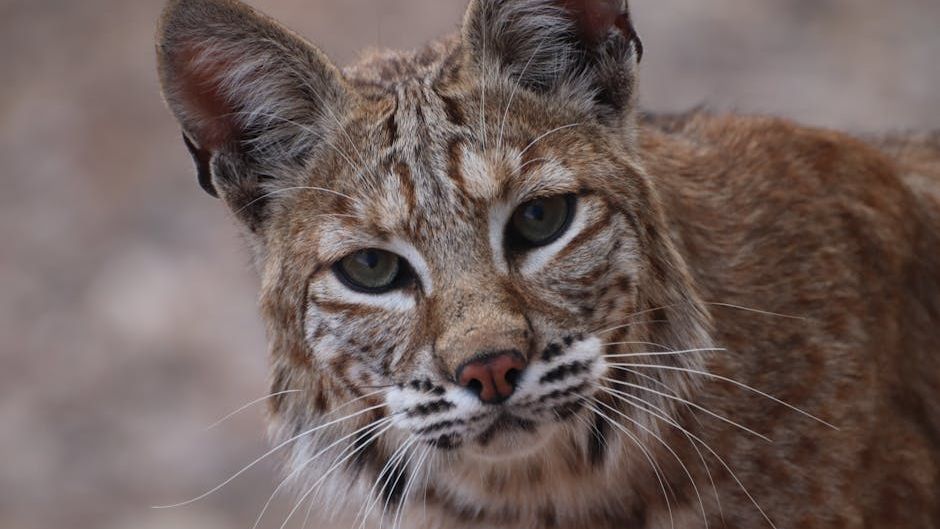
Most people have never seen a bobcat in person, yet millions of them live across North America, sharing forests, deserts, swamps, and even suburban edges with us. They move through our world almost invisibly, which is precisely what makes them so fascinating. This is an animal that could be watching you from a tree branch while you hike, crouched perfectly still, and you’d never know.
What most Americans don’t realize is how much wild behavior, raw intelligence, and surprising biology exists just beyond the reach of everyday observation. The more you learn about bobcats, the clearer it becomes that they are one of this continent’s most remarkable wild animals, hiding in plain sight.
#1: They Are the Most Common Wild Cat in North America, Yet Almost Nobody Sees One
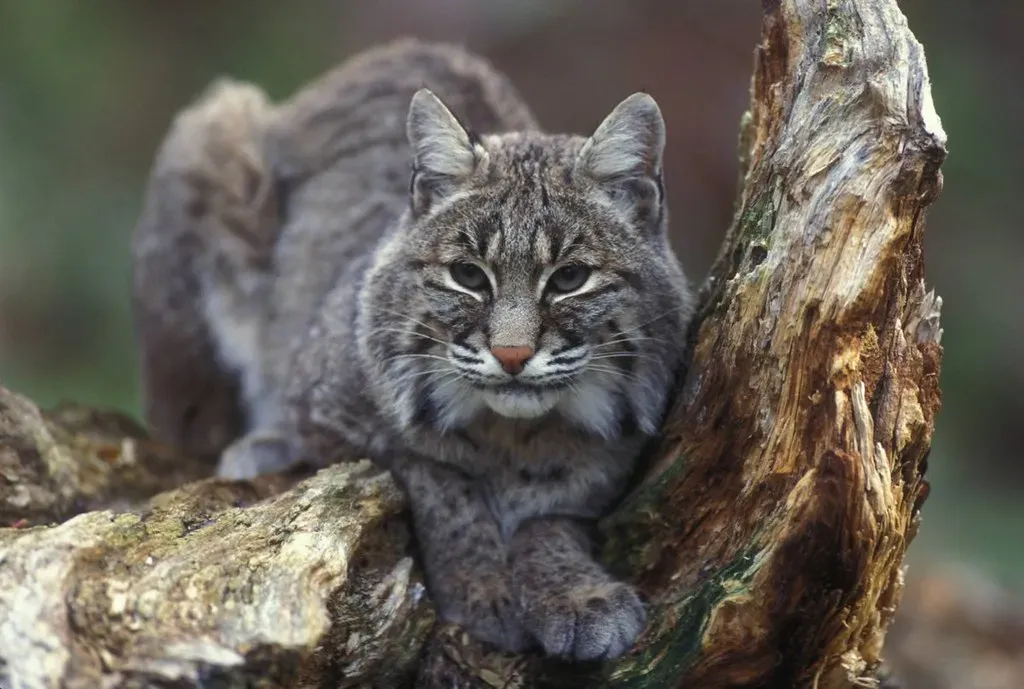
The bobcat, with its fluffy cheeks, pointy ear tufts, and short tail, is the most common wild cat in North America. According to the IUCN Red List, the total bobcat population in the US is estimated to be between roughly two and a half to three and a half million individuals. That’s a staggering number for an animal that so few people ever encounter face to face.
Though they may be the most common wildcat in North America, these elusive, nocturnal animals are rarely seen by humans. The bobcat has a wide range, from British Columbia, eastwards through southern Canada to Nova Scotia, and southwards through most of the US to central Mexico, and is reported as inhabiting every US state except Delaware. Their sheer abundance makes their invisibility all the more remarkable.
#2: Their Spotted Coat Is a Near-Perfect Camouflage System
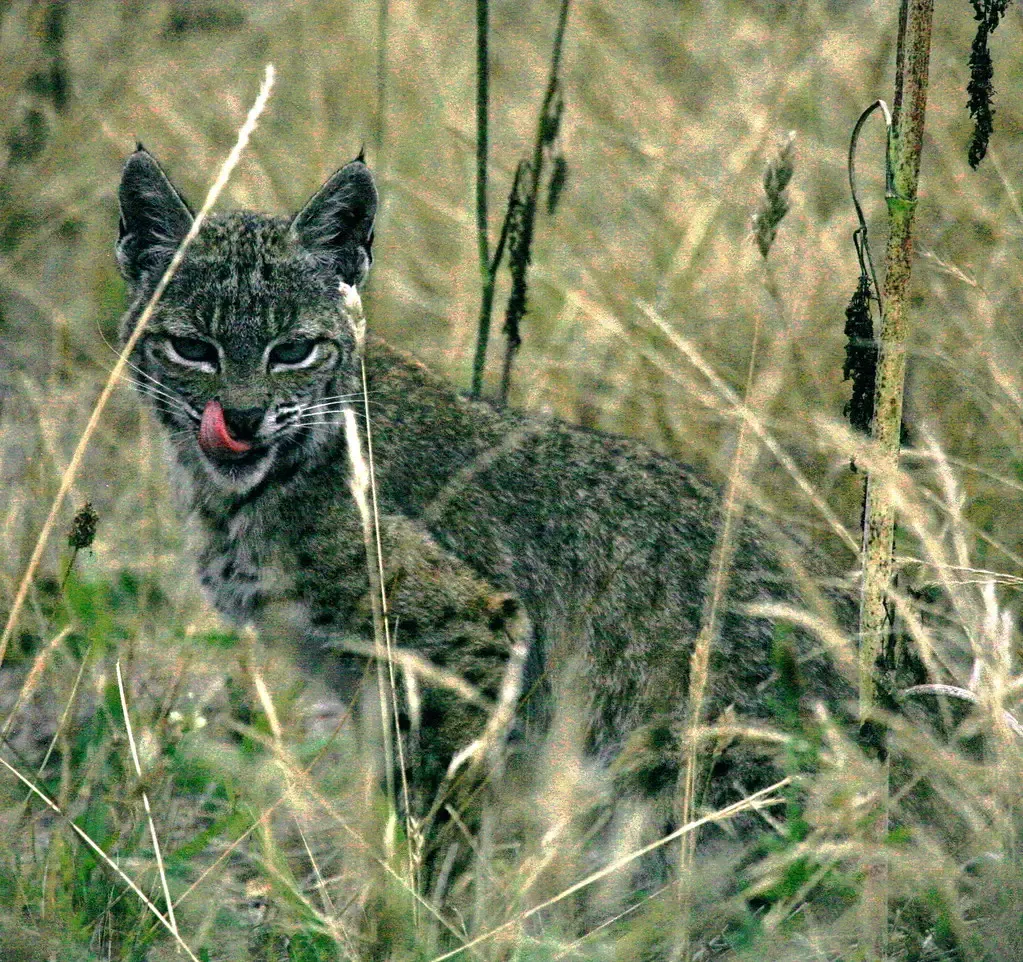
The bobcat’s fur is buff to brown, sometimes with a reddish tinge, and marked with spots or stripes of brown and black, with lighter coloring on its undersides. Bobcats also have facial ruffs, ear tufts, white spots near the tips of their ears, and their signature bobbed tail. Every element of their coat seems calibrated for concealment in the layered textures of forest, rock, and brush.
The bobcat’s black-spotted, brown coat blends in well with the rocks, brush, and other dense vegetation where it hunts its main prey: the cottontail rabbit. Agile and patient, these cats hide in trees or flatten themselves among tall grasses to wait on unsuspecting smaller creatures. Their stillness combined with this patterned coat makes them essentially invisible to both prey and passing humans.
#3: They Can Leap Twelve Feet and Take Down Animals Much Larger Than Themselves
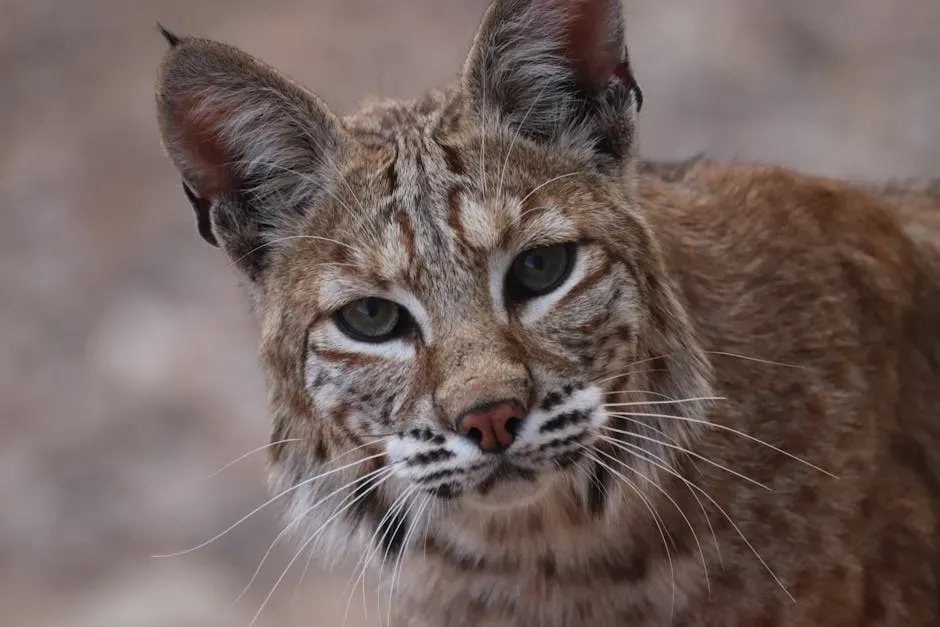
With their excellent eyesight, bobcats can spot prey from a distance and stalk it quietly while camouflaged. When the time comes, they use their long, powerful hind legs to pounce on the animal, leaping up to 12 feet, and kill it with a bite to the throat. That kind of explosive power, from an animal that typically weighs between fifteen and forty pounds, is genuinely striking.
These skilled hunters eat rabbits, birds, mice, squirrels, and other smaller game, and are capable of killing prey much bigger than themselves, such as deer. They have even been caught fishing large salmon from a creek and stealing eggs from a python’s nest. Incredibly, a photographer even caught a bobcat dragging a shark from the ocean in Florida in 2014. The diet of this animal is arguably one of the most varied of any predator on the continent.
#4: Bobcats Are Truly Crepuscular, Operating During Nature’s Two Quiet Windows
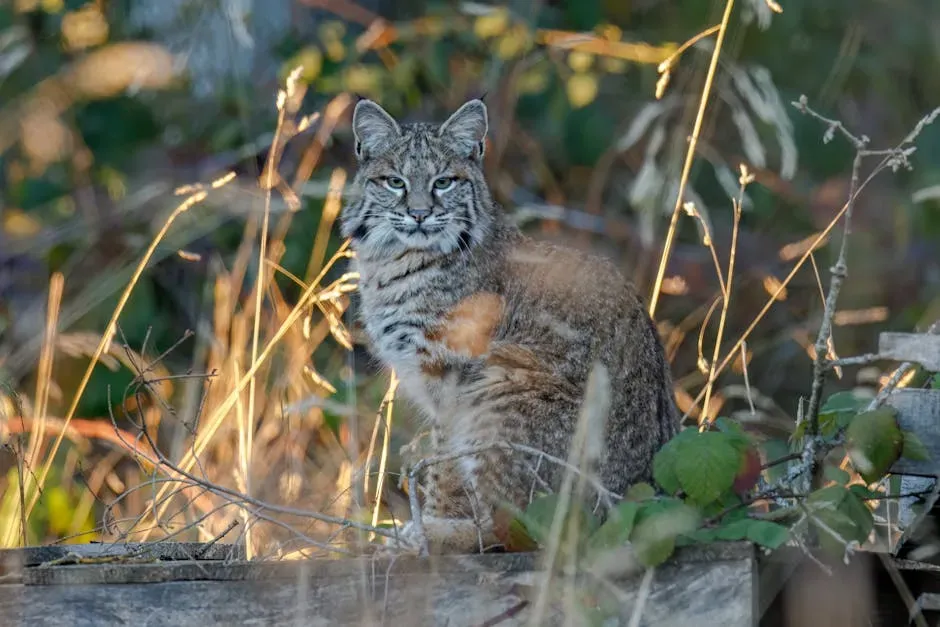
Bobcats are crepuscular and are active mostly during twilight. They keep on the move from three hours before sunset until about midnight, and then again from before dawn until three hours after sunrise, moving from roughly two to seven miles along their habitual route each night. This is the exact window when most people are indoors, which explains why sightings are so rare.
In undisturbed areas, bobcats hunt at dawn or dusk if prey is available, but they can be active any time of day. These cats typically limit their activity in areas occupied by humans to evening hours. Research shows that bobcats in urban areas are more fully nocturnal than their rural counterparts, making city-dwelling felines even less likely to encounter humans.
#5: They Use a Secret Food Storage System Called Caching
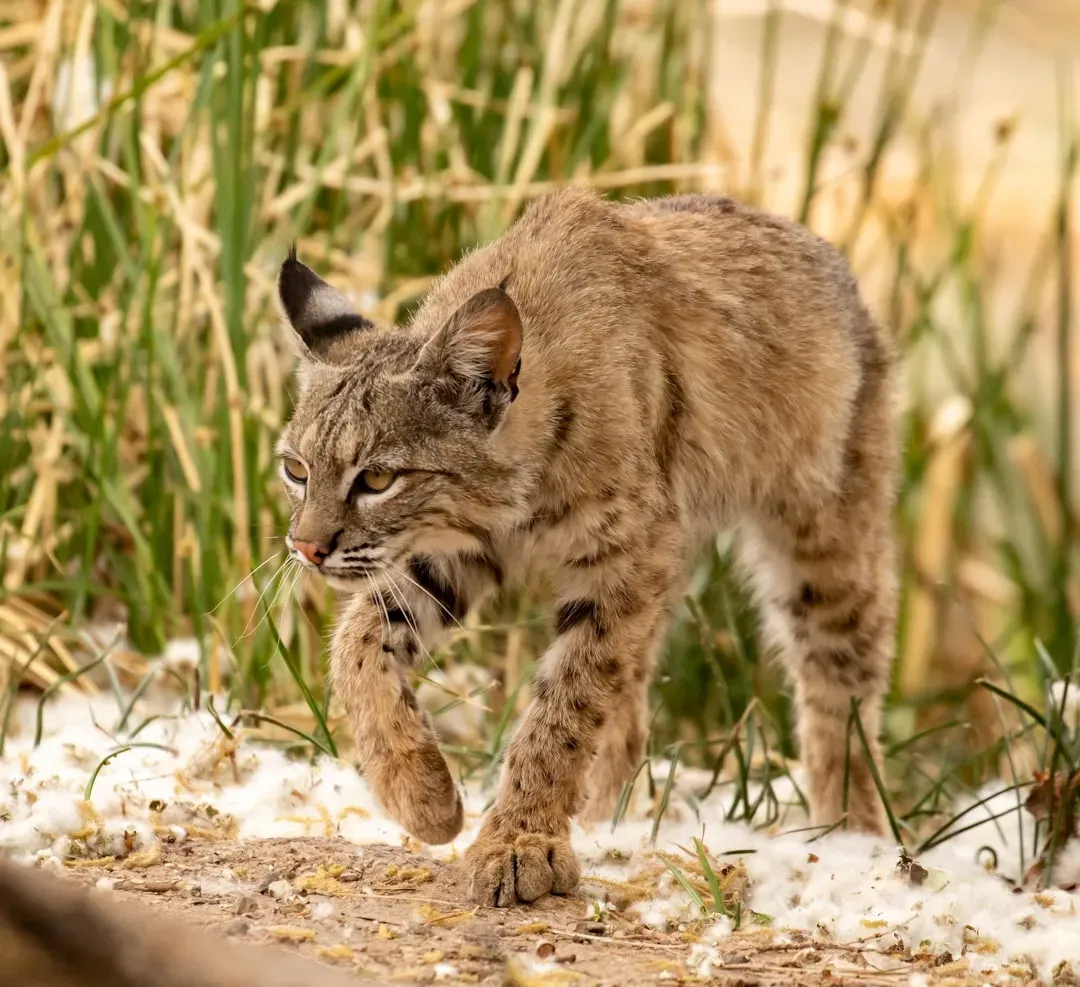
Bobcats can’t always consume their prey in one sitting. Sometimes, the carnivores use dirt, snow, leaves, or grass to bury the uneaten pieces of especially large kills, and will return periodically to dig up their leftovers. This behavior is known as “caching,” and it’s also practiced by the North American mountain lion. It’s a calculated survival strategy, not laziness.
A bobcat will often cover, or cache, the remains of a large kill with snow, grass, or leaves, revisiting the carcass until most of it is consumed. Unfortunately, burying a kill won’t guarantee that it won’t be discovered by other carnivores. Ravens, coyotes, bears, and mountain lions won’t hesitate to raid a bobcat’s stash if the opportunity arises. This constant competition for resources is part of the daily tension of their existence.
#6: Their Territory Is a Carefully Managed, Scent-Marked Domain
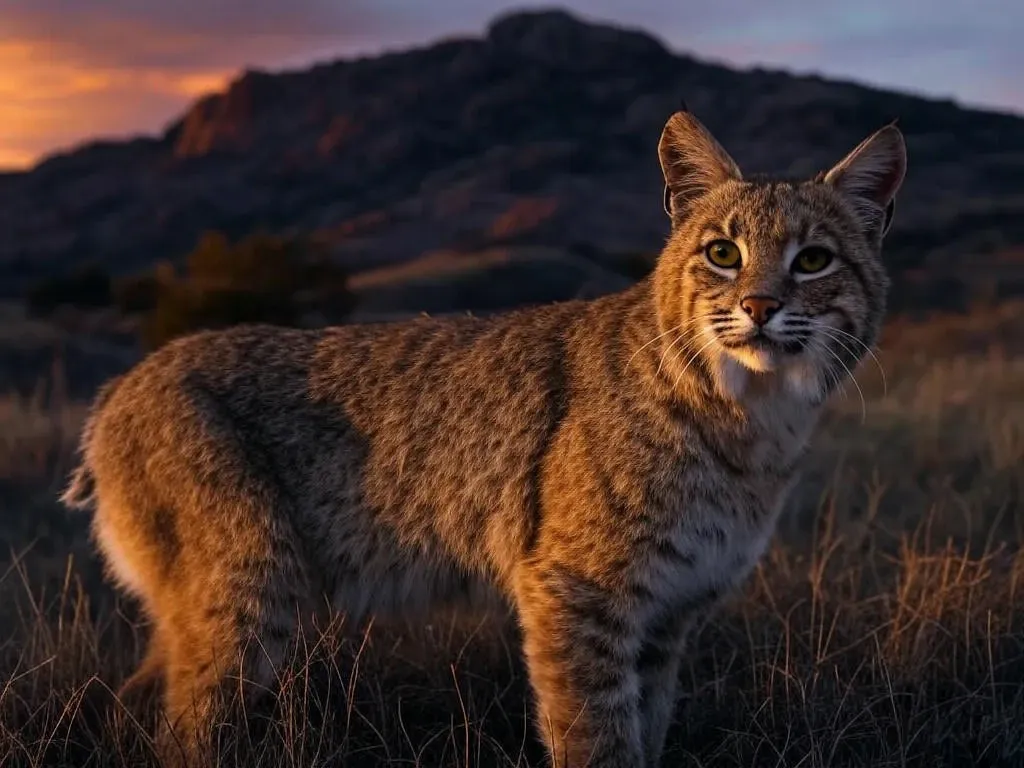
Bobcats scent mark by urinating along travel routes, depositing feces in latrine sites, and scraping urine and feces along trails. These marks can indicate that a specific den is being used by a female and her kittens, signal that a female is receptive to mating, or delineate a home range. It’s essentially a sophisticated messaging network, invisible to humans but deeply meaningful to other bobcats.
A bobcat’s territory can range up to 30 square miles for males and just five square miles for females. A male bobcat’s territory may overlap with several female bobcat territories, but female bobcats will not overlap territories with each other. Young males disperse and travel long distances in search of an unoccupied territory, while females often settle near or partially within the range of their mother.
#7: Their Vocalizations Are Eerily Unsettling and Almost Never Heard
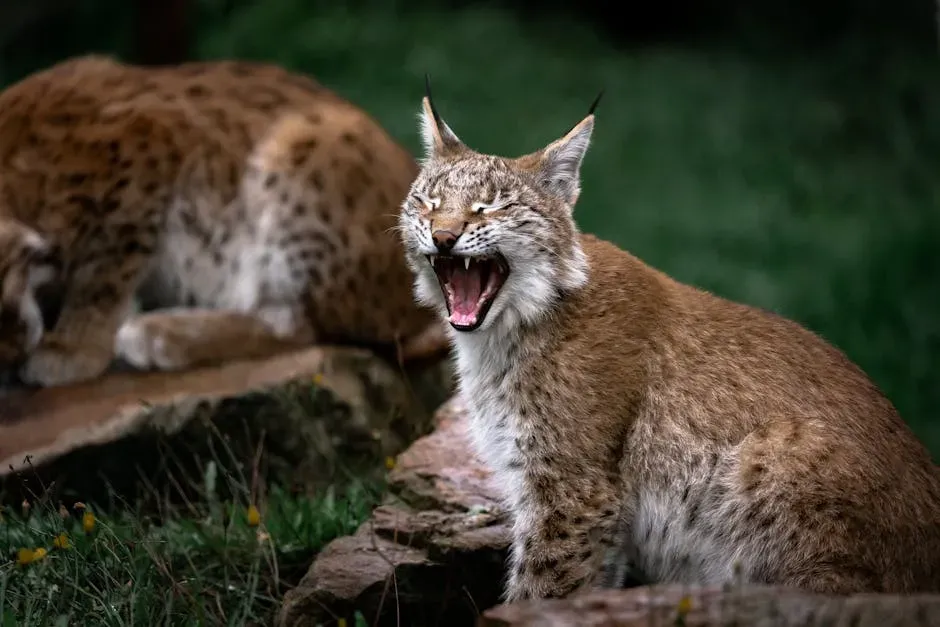
Bobcats rarely mew like domestic cats but will chortle and make birdlike chirps. During mating season, their vocalizations resemble that of a screaming domestic alley cat. Hearing one unexpectedly in the dark is the kind of experience that sticks with you for a long time. People who have heard it often describe it as one of the more unnerving sounds in the American wilderness.
Bobcats, like all felids, have excellent hearing and vision and a good sense of smell. The bobcat’s snarls and growls sound so deep and fearsome that they seem as if they are produced by a much bigger animal. North American bobcats primarily use scent marking and visual signals to mark their territory, rarely using sound to deter other bobcats, and instead relying on urine, feces, and anal gland secretions, as well as marking scrapes in the ground.
#8: Melanistic Black Bobcats Exist, Though They Are Extraordinarily Rare
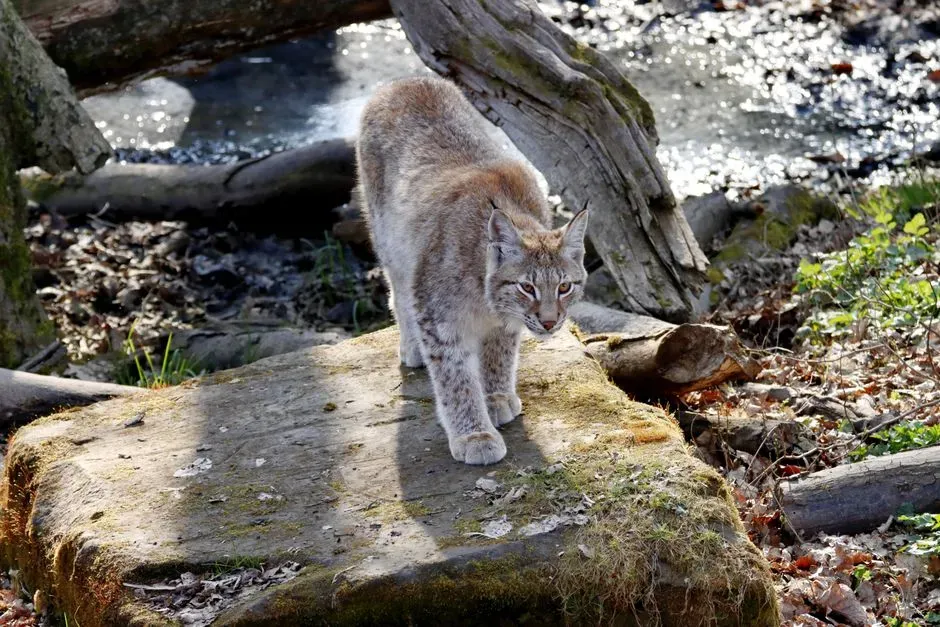
Melanistic, or black, bobcats exist but are incredibly rare: fewer than 12 black bobcats have ever been documented. Most people have never heard of them, let alone seen one. It’s one of those biological quirks that reminds you how much variation hides within a single species.
In 2007, a rare melanistic bobcat was captured in Florida. Less than a dozen black bobcats have ever been reported, so officials took DNA samples and blood tests, then released the cat back into the wild. On the other end of the color spectrum, there are also albino bobcats, with one naturalist documenting an albino individual that survived four years in the wild before being captured and placed at a Texas zoo. The natural world occasionally produces versions of animals that seem almost impossible.
#9: A 2,000-Year-Old Bobcat Was Buried Like a Human Being
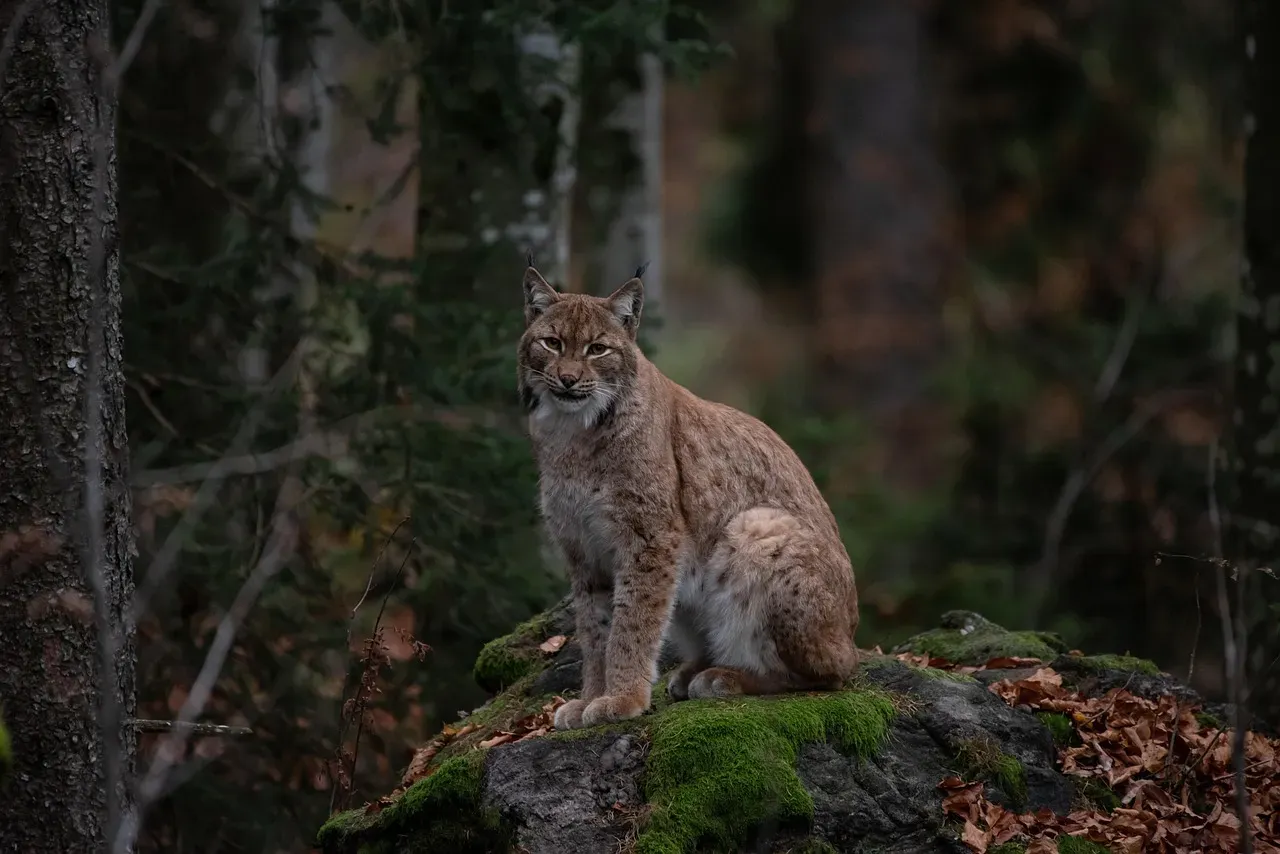
About 2,000 years ago, the Hopewell people of western Illinois buried a bobcat on the outer edge of a burial mound that was usually reserved for humans. In a touching gesture, the creature was adorned with a necklace of bear teeth and sea shells. The mound is one of fourteen located on the top of a bluff overlooking the Illinois River, about 80 kilometers north of St. Louis. It remains the only known wild cat burial of its kind in the archaeological record.
The Hopewell Native Americans living in the region might have tried to tame the young bobcat, representing an ancient example of cat domestication in North America. Domestic dogs were buried at this time, but not with the ceremonial pomp this cat received. The months-old bobcat was interred by itself near several human funeral mounds, and didn’t have any marks on it to suggest the animal had been killed as a sacrifice. Whether it was a pet or held deeper spiritual significance, the story speaks to a long and complex relationship between humans and this wild feline.
#10: Bobcats Have Been Moving Into Suburbs and Urban Edges for Decades
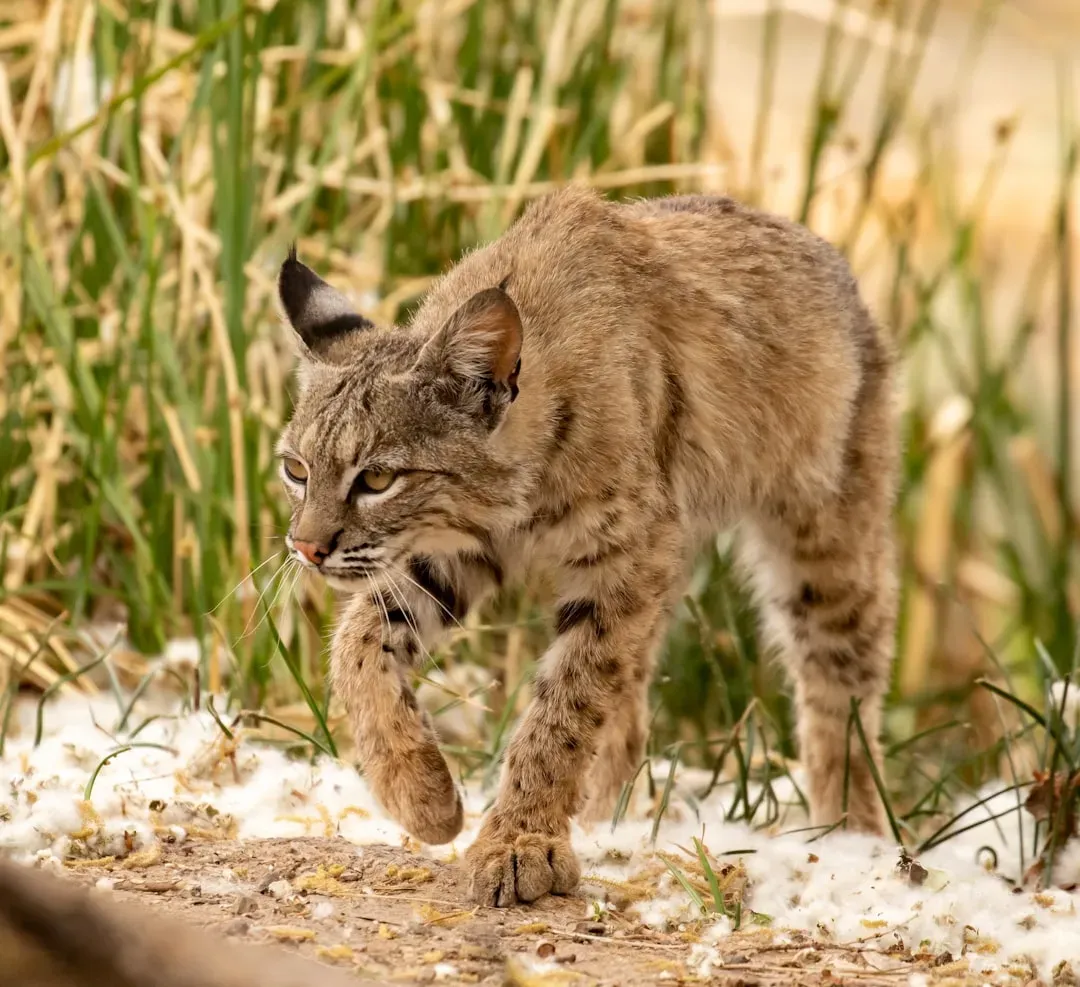
Bobcats have been documented sleeping under roadways and hunting on golf courses in places like the Dallas-Fort Worth metropolitan area, where their population has been steadily rising, particularly in suburban neighborhoods. Far away from Texas, bobcats have also established themselves along the outskirts of Denver and Los Angeles. The urban fringe is becoming new territory for a predator that most people assume stays deep in the wilderness.
Bobcats are fairly resilient to human disturbance, including urbanization, land development, road construction, and deforestation. Normally wary of people, this secretive species is very good at hiding from humans, even when it is just 15 or 20 feet away. The sobering implication is that there’s a reasonable chance a bobcat has watched you at some point without you ever knowing.
#11: Their Footsteps Leave a Deliberate, Near-Silent Trail
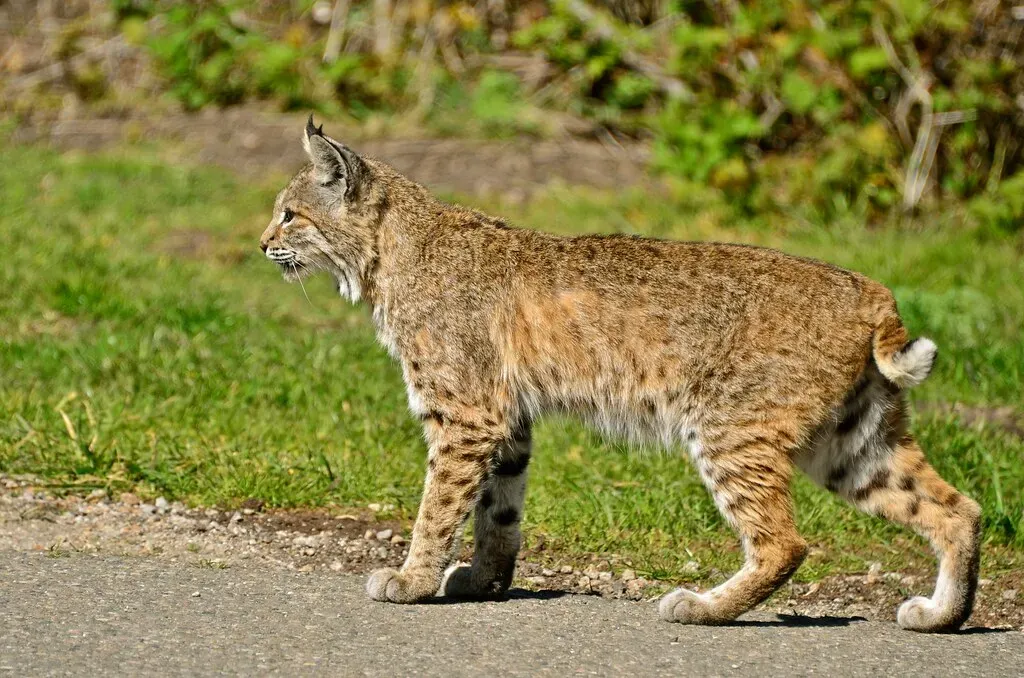
When hunting, bobcats place their hind feet in the same spot where their front feet stepped. This keeps their footsteps quiet but also makes paw prints that look like they belong to a two-legged animal. It’s a technique that minimizes the sound of movement through leaves and dry terrain, giving prey almost no auditory warning before the pounce.
Unlike canids, the bobcat usually doesn’t leave claw marks in its tracks, because the felines have retractable claws, something pooches and coyotes both lack. Bobcats hunt primarily by sight and sound, which means they spend much of their time sitting or crouching, watching, and listening. Once they’ve located prey, they stalk until they are close enough to make a quick dash, then attack. The patience involved is worth noting. These animals can hold position for extraordinary lengths of time before committing to a strike.
#12: Bobcat Populations Have Made a Remarkable Comeback Since the Late 1990s
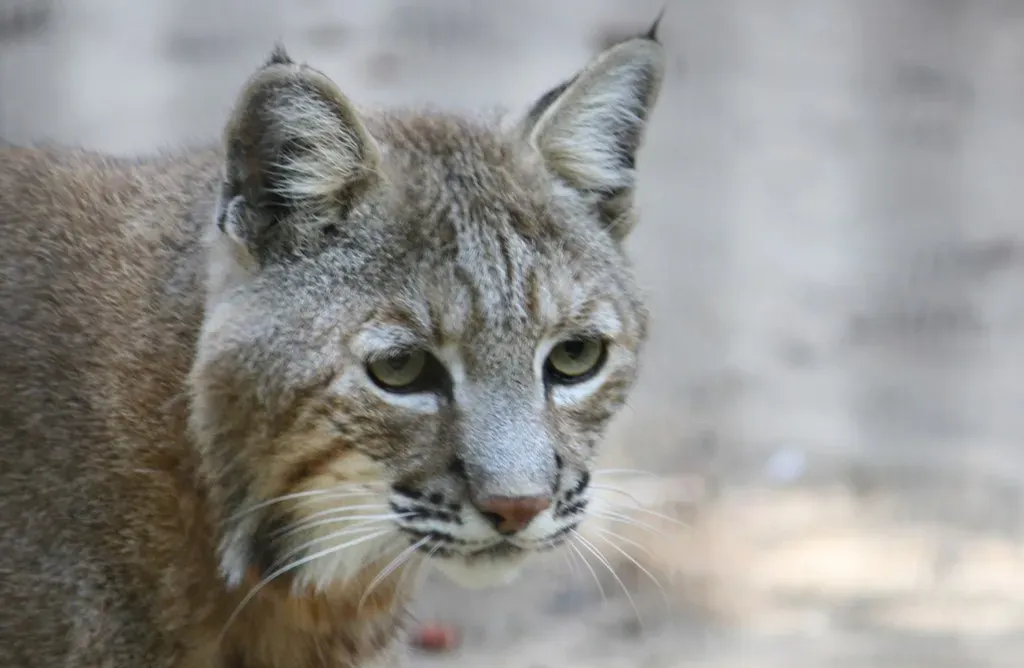
Results from research indicate that bobcat populations have increased throughout the majority of their range in North America since the late 1990s. In particular, bobcat populations have rebounded in the Midwestern states in recent decades. This is a genuine conservation success story, one that doesn’t get nearly the attention it deserves compared to higher-profile species recovery efforts.
As a result of effective management, bobcat populations have grown and are expanding across much of their geographic range. They have repopulated many Eastern states and expanded farther northward in Canada, with most states now reporting stable to increasing bobcat populations. However, bobcats may be hunted for their pelts and face a continuing threat from habitat loss. Their recovery is real, but it isn’t unconditional, and it depends on the same careful land stewardship that allowed them to bounce back in the first place.
The Ghost Cat That Lives Next Door
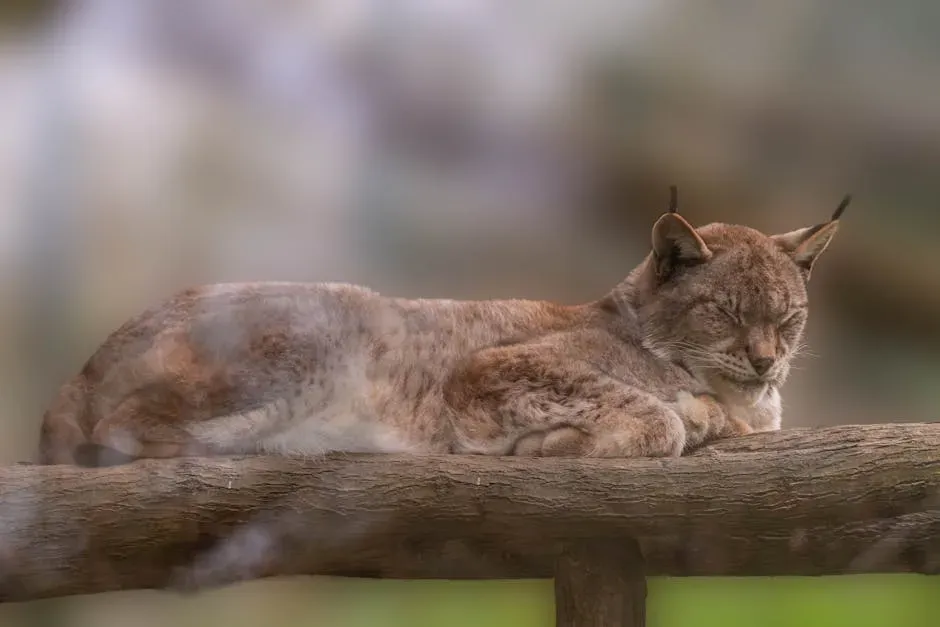
There’s something quietly humbling about an animal this widespread, this capable, and this ancient in its relationship with North American land, that still manages to remain essentially hidden from the people who share its continent. Bobcats don’t need our attention to thrive. They’ve been doing just fine without it for millions of years.
The facts in this article represent only what researchers have been able to document, which is already remarkable. What happens in the hours we don’t observe, in the territories we never enter, and in the quiet spaces between human settlements is likely stranger and more vivid still. Sometimes the most extraordinary wildlife isn’t in a distant jungle. It’s at the edge of the tree line, watching you walk past.
