
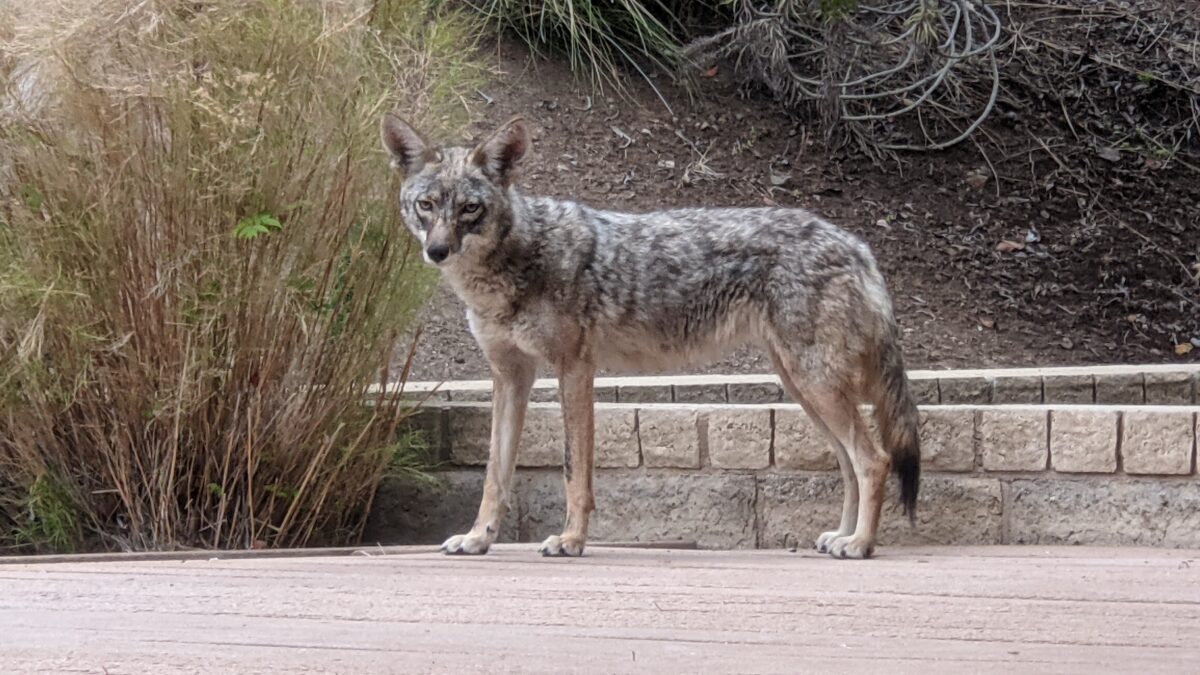
There’s an animal living in your city right now that has outsmarted hunters, outlasted poisoning campaigns lasting over a century, and expanded its territory faster than almost any other carnivore on the continent. Most people hear it before they see it: that echoing, almost eerie howl cutting through a suburban night. The coyote is hiding in plain sight, and it’s thriving.
The coyote appears often in the tales and traditions of Native Americans, usually as a very savvy and clever beast. Modern coyotes have lived up to that reputation by adapting to the changing American landscape, spreading from open prairies and deserts into forests, mountains, and cities like Los Angeles. What follows are twelve facts that reveal just how extraordinary these animals truly are.
#1: They’ve Colonized Nearly the Entire Continent
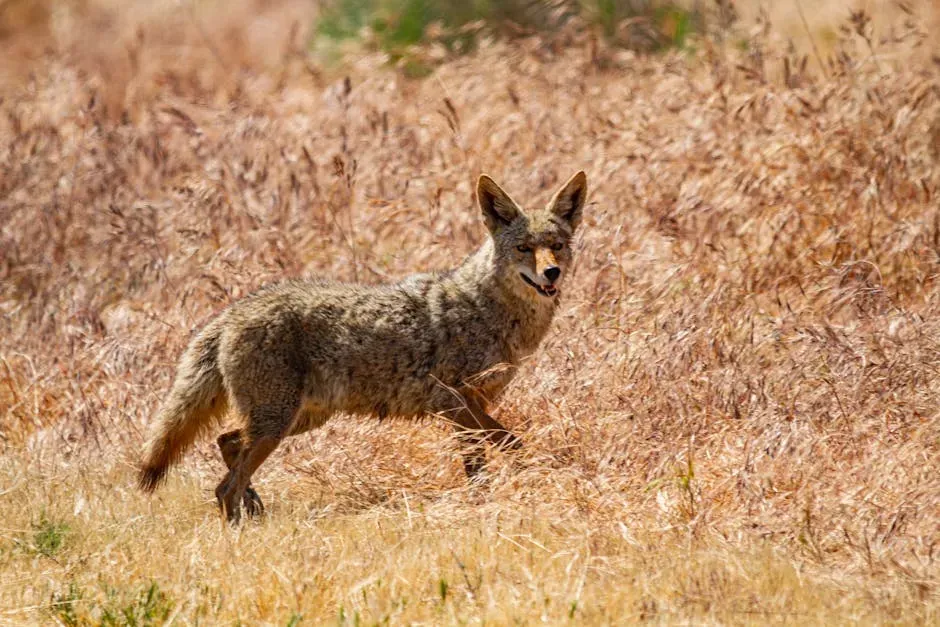
Since the 1950s, coyotes have extended their habitat across North America by roughly 40 percent, colonizing 49 of the 50 U.S. states (all except Hawaii) and much of Canada. This expansion is nearly twice the rate of any other North American carnivore. That’s not just impressive, it’s almost unparalleled in the animal kingdom.
Coyotes were originally found in arid areas of the U.S., Canada, and Mexico, within prairies, deserts, and open forests. However, they have expanded their range due to a variety of factors, including human activity, habitat alteration, and a decline in natural predator populations. As highly adaptable creatures, coyotes are now widely distributed across North and Central America, and have even been observed near the border of South America.
#2: Their Diet Is Extraordinarily Flexible
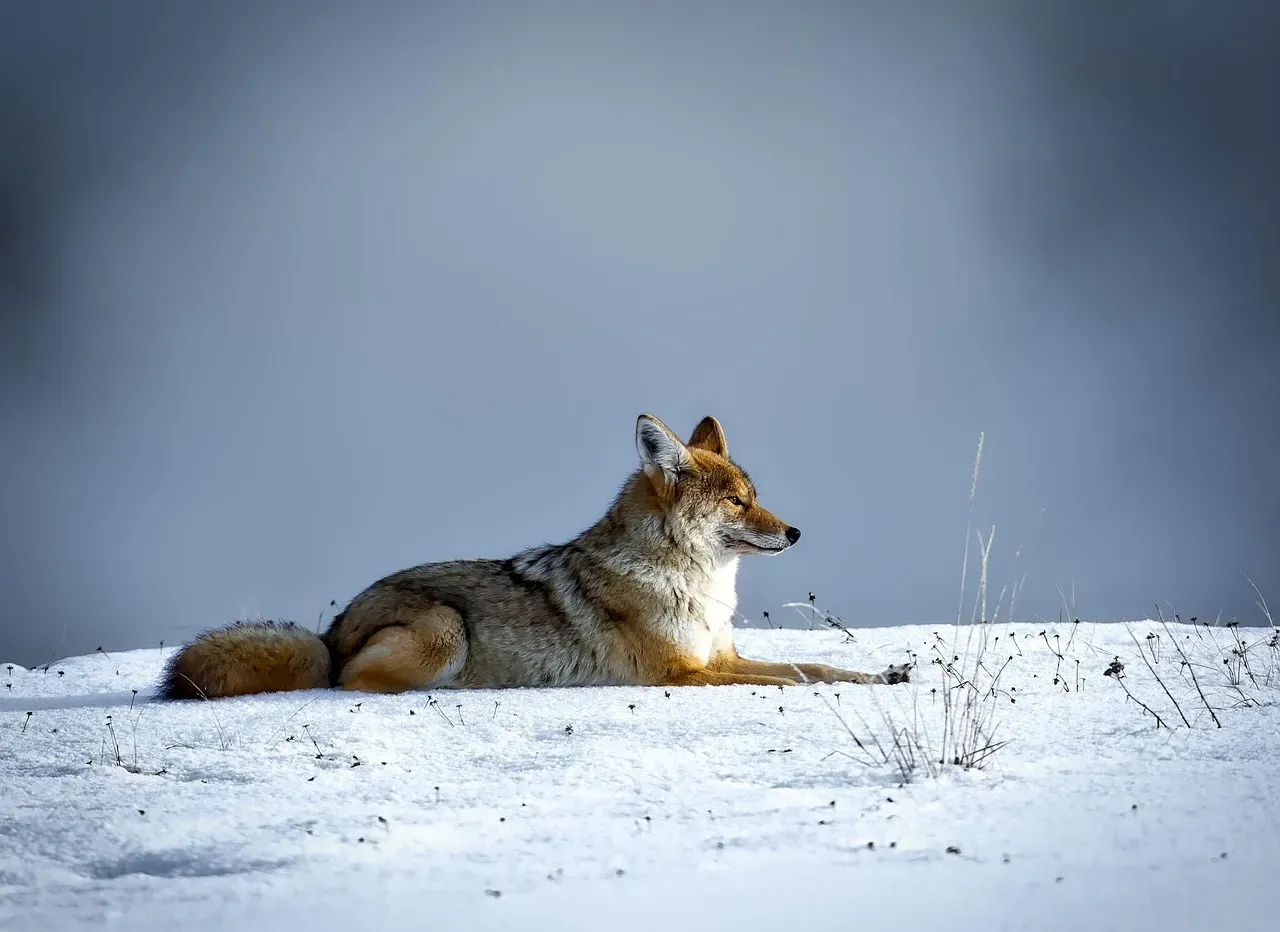
Their diet consists mainly of deer, rabbits, hares, rodents, birds, reptiles, amphibians, fish, and invertebrates, though they may also eat fruits and vegetables on occasion. That list alone covers more food groups than most animals ever touch in a lifetime.
Despite their clearly carnivorous teeth, coyotes willingly and actively eat practically anything, including fruits like watermelons, pears, and strawberries, and vegetables like brussels sprouts and corn on the cob. When sneaking through a farm in the dark of night, a coyote may raid the crops and the chicken coop alike. While primarily carnivores, their diet can be up to 40 percent plant matter, showcasing their incredible dietary flexibility.
#3: They Can Run at Remarkable Speed
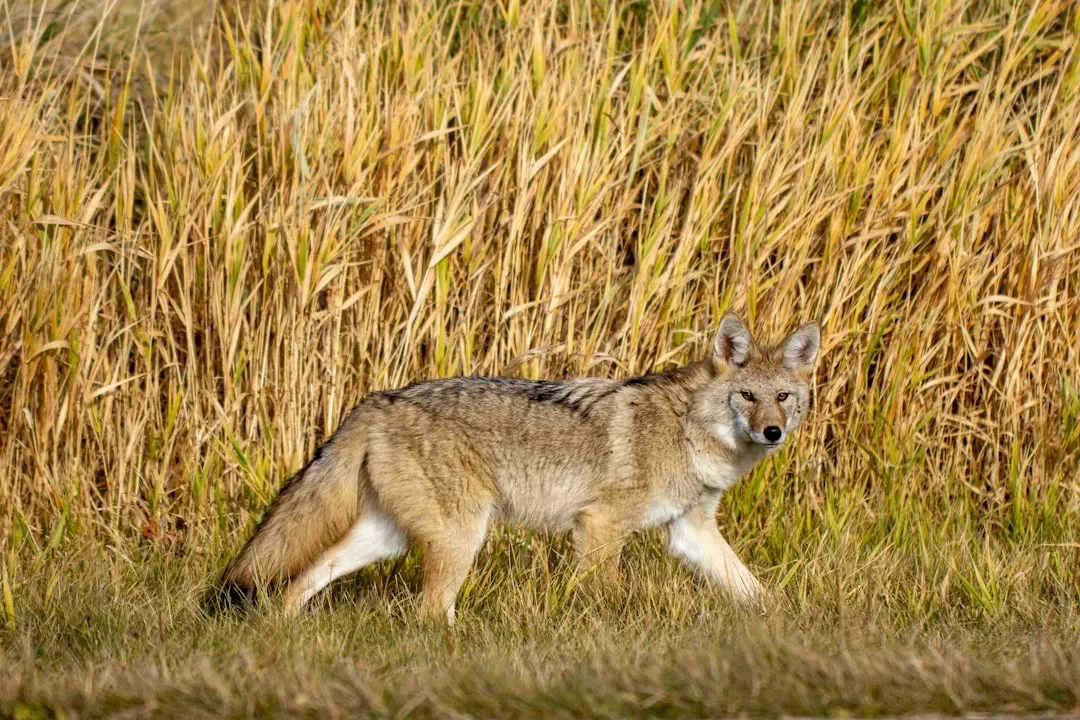
Coyotes are surprisingly fast, reaching speeds of up to 43 mph and cruising comfortably at 20 mph over long distances. This impressive agility and speed helps them escape predators and capture prey, especially in challenging environments.
Coyotes have excellent senses of vision, hearing, and smell, which aid in detecting both prey and predators. Their long legs and adapted feet contribute to their speed and agility, enabling them to chase down prey and escape danger. They can also jump fences up to 6 feet high, and even higher with a running start, making physical barriers a far less reliable deterrent than most people assume.
#4: They Use an Intricate Vocal Language
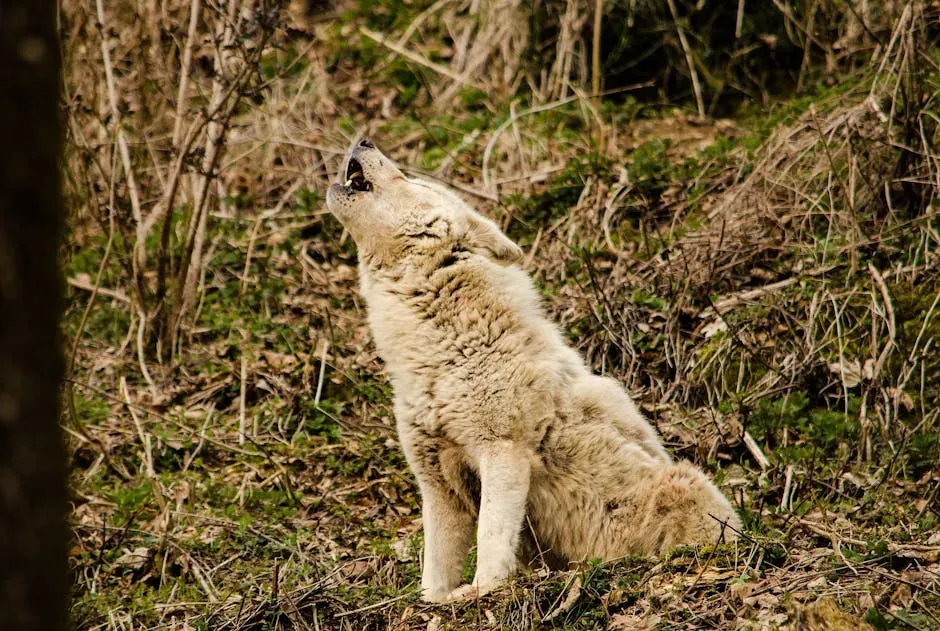
Coyotes communicate using an intricate system of 11 distinct vocalizations. By rapidly shifting between sounds, a single coyote can create the illusion of a pack, and some scientists even believe different coyote populations have regional dialects. That howl you hear at night? It’s carrying more information than it seems.
Vocal communication is one of their hallmarks: coyotes produce a range of sounds including howls, yips, barks, and yodels. These vocalizations serve to communicate territory ownership and family bonds. A mated pair may howl in duet to announce their presence to neighboring coyotes, often prompting the neighbors to howl back. Contrary to popular belief, hearing multiple coyotes howling does not necessarily mean a pack of many individuals; a single coyote or pair can sound like a much larger group due to how their calls carry and break into overtone yips.
#5: Their Social Structure Shifts With the Environment
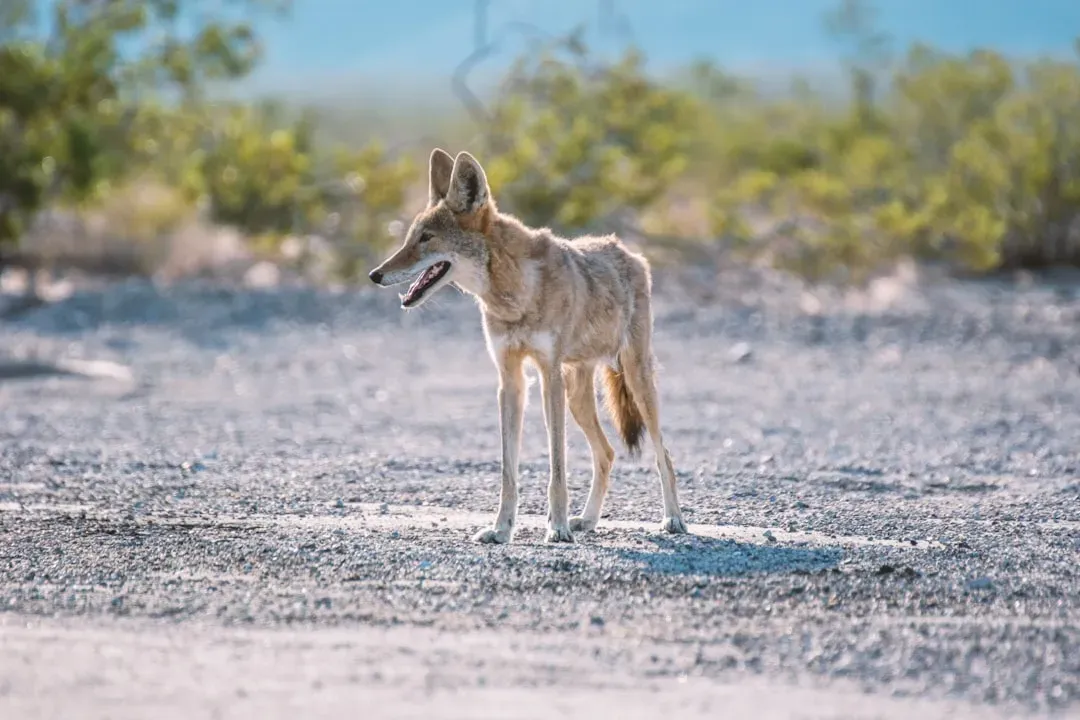
Coyotes’ adaptability extends to their social structures, as they can live alone, in pairs, or packs, adjusting their behavior based on the availability of resources and environmental conditions. This incredible flexibility has allowed them to flourish in diverse settings, from open plains to bustling urban centers.
Coyotes exhibit a complex and adaptable social structure which varies depending on habitat, population density, and resource availability. In regions with abundant resources, coyotes tend to display solitary behavior, establishing and defending territories to ensure access to food and suitable denning sites. However, in areas with high population density or limited resources, they exhibit pack-like behavior, forming social groups consisting of an alpha pair and their offspring from previous years, working cooperatively to defend territories, hunt, and raise young.
#6: They Are Genuinely Monogamous
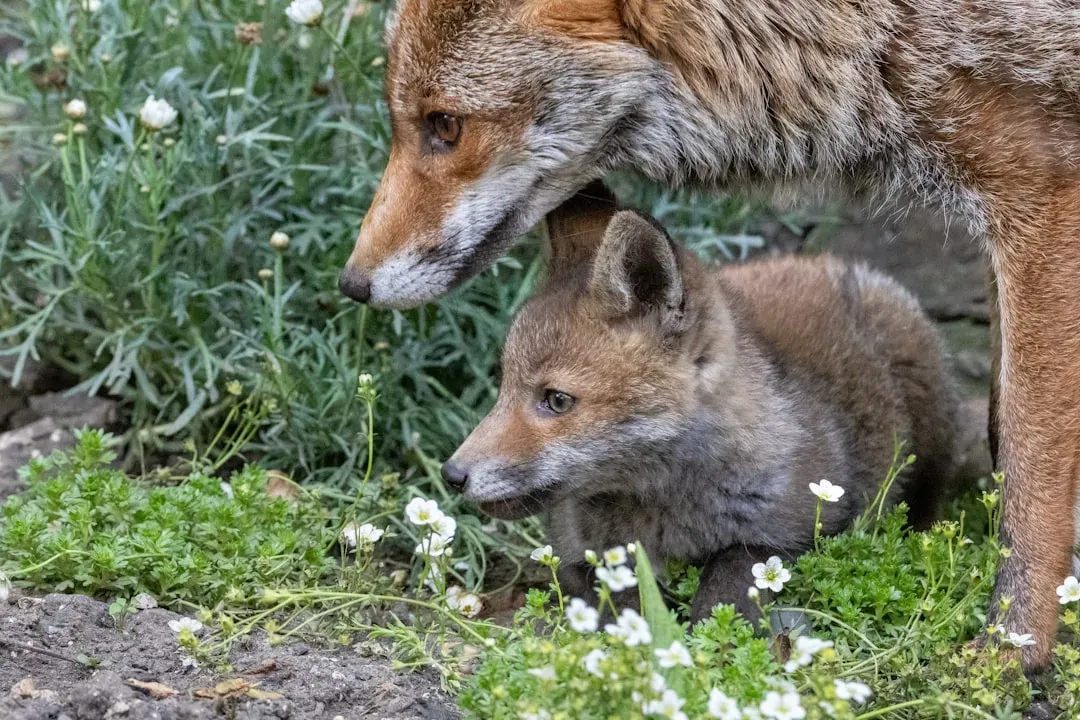
Coyotes are generally monogamous, with pair bonds frequently lasting many years and some for life. Urban coyotes are especially known for high rates of monogamy, showing complete dedication to their mates in some studied areas. In a world where lifelong animal partnerships are genuinely rare, the coyote stands out as a committed exception.
Long-term field studies have shown that once a male and female coyote form a pair, they often remain together year after year. Genetic testing of parents and offspring has confirmed that these pairs are sexually exclusive, a pattern known as genetic monogamy. Both parents play an active role in raising pups, hunting, guarding the den, and teaching young coyotes how to survive.
#7: They May Grieve the Loss of a Mate
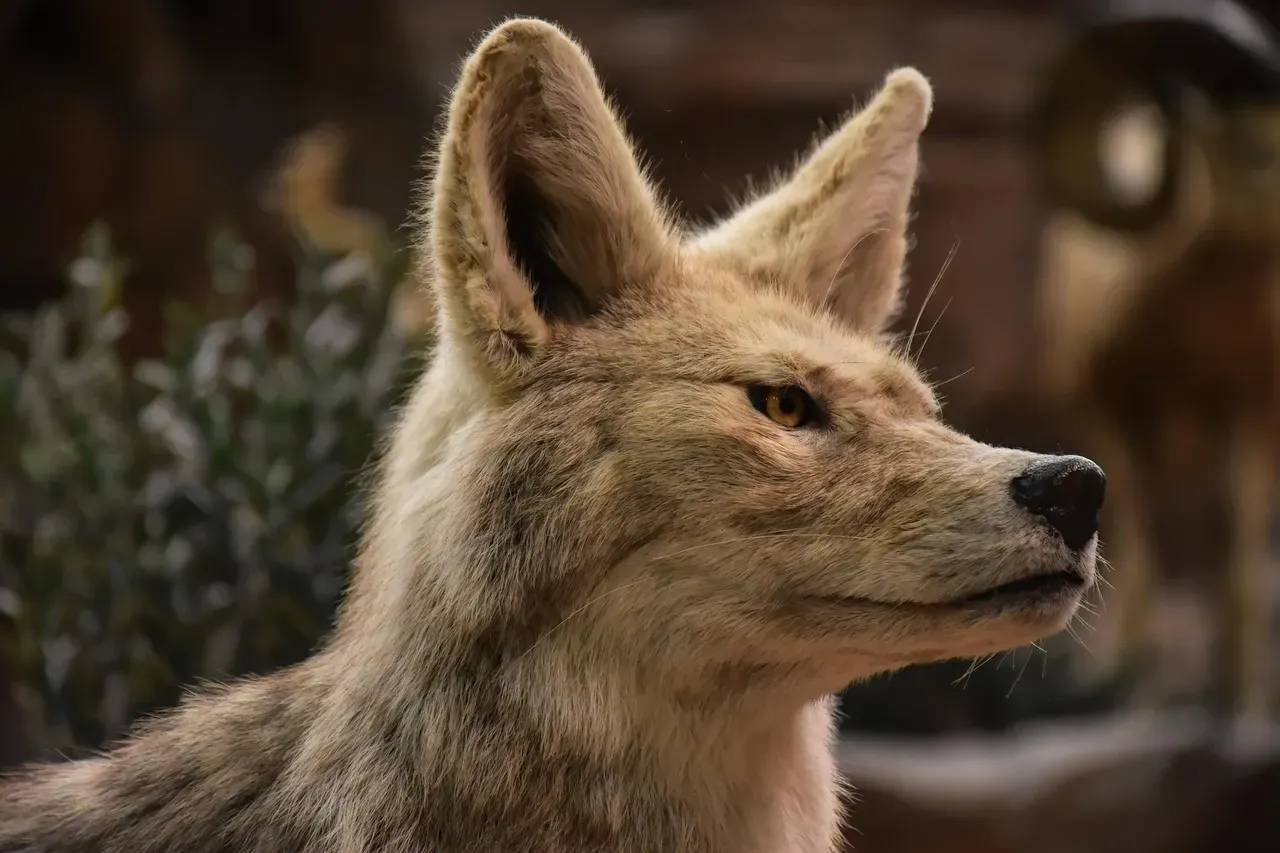
When a coyote loses its mate, researchers have documented noticeable changes in behavior. Widowed coyotes may howl more often and for longer periods than usual, and these calls differ from routine territorial signals and may persist for weeks or months. Some individuals return repeatedly to locations associated with their lost partner, such as shared travel routes or den sites.
Other changes include reduced appetite, lower activity levels, and altered posture. These behaviors suggest prolonged stress rather than a brief reaction. While scientists avoid assuming animals experience emotions in the same way humans do, the consistency of these responses across individuals indicates that partner loss has lasting effects. It’s a reminder that the inner lives of wild animals can surprise us.
#8: Hunting Them Often Backfires
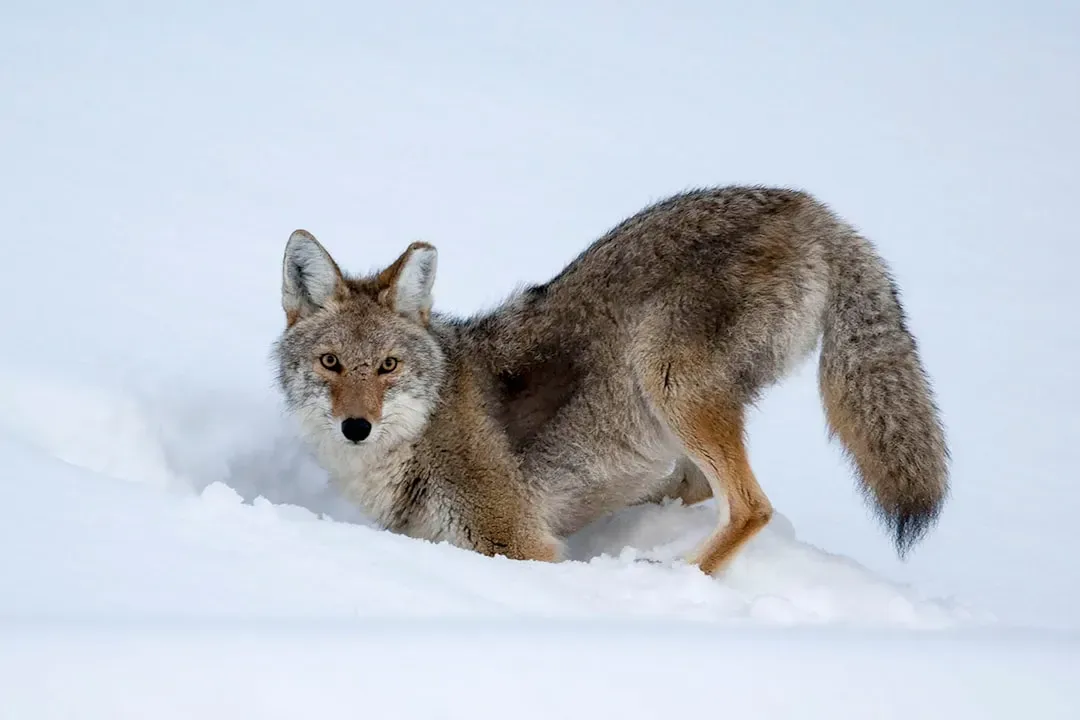
When coyote populations are reduced through hunting, the remaining coyotes often exhibit increased reproductive rates, leading to a rapid rebound in population size. Removing coyotes from an area creates a “vacuum” that is quickly filled by other coyotes migrating from surrounding areas, negating any short-term gains. This is a biological response that has puzzled wildlife managers for decades.
Research has found that human hunting did not reduce coyote populations but instead led to increases in coyote numbers, perhaps due to higher reproduction and immigration rates. The presence of larger carnivores, such as black bears and pumas, influenced coyote numbers differently depending on habitat. Coyotes are even known to increase their breeding when they are being persecuted, having several litters per year instead of just one.
#9: They Hunt Cooperatively With Other Species
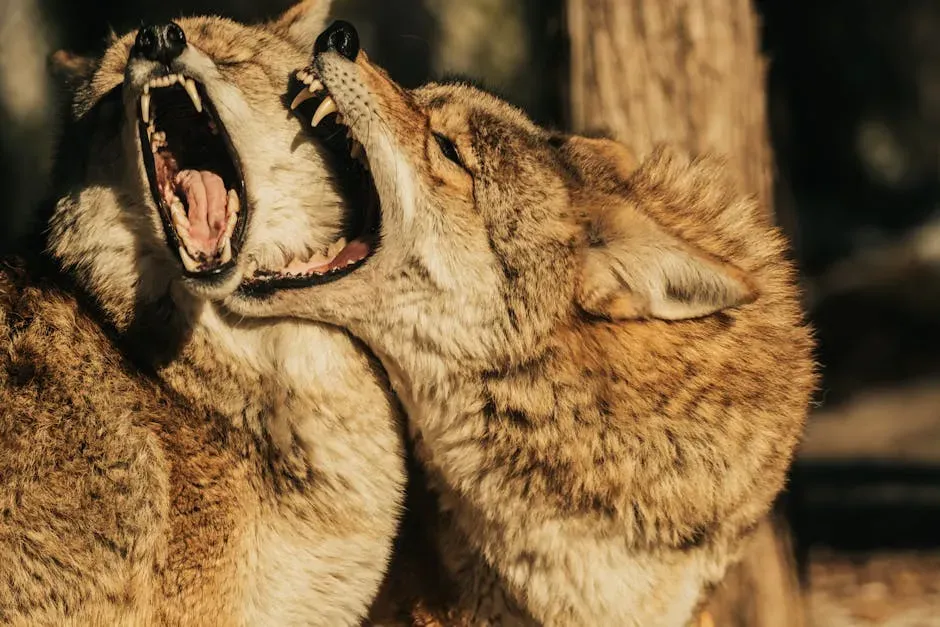
Coyotes have been known to team up with badgers when hunting small game, with the coyote chasing the animal to ground and the badger digging it out. This cross-species cooperation isn’t accidental. It’s a consistent, documented strategy that benefits both animals.
Coyotes have also been known to hunt cooperatively with eagles and ravens, who lead them to potential prey. Ravens can’t get through the tough skin of a deer or elk carcass, so they rely on coyotes to open it. Eagles, with their incredible vision, can locate weak and isolated animals that make easy prey for coyotes. The arrangement is mutually beneficial, and the coyote is smart enough to take full advantage.
#10: Their Senses Are Finely Tuned Survival Tools
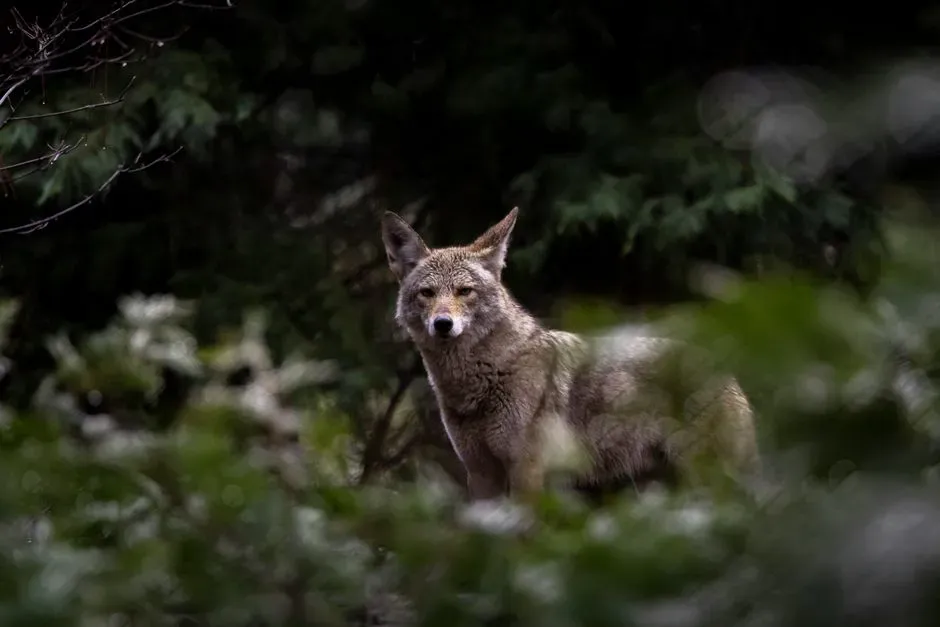
Coyotes have a keen sense of smell and are capable of detecting scents from two kilometers away. They use this sense to locate prey, avoid predators, and communicate with other coyotes. That level of olfactory sensitivity is closer to what you’d expect from a search-and-rescue dog than a wild canine navigating a city park.
Their eyes have more rods than cones, allowing them to produce more rhodopsin pigment at night. This adaptation ensures that these predators can see better in low-light conditions. The addition of the tapetum lucidum under the retina gives them excellent eyesight in low-light environments. Combine sharp night vision with hearing precise enough to pinpoint a mouse under snow, and you have a sensory package built for relentless efficiency.
#11: They Play a Vital Role in Ecosystem Health
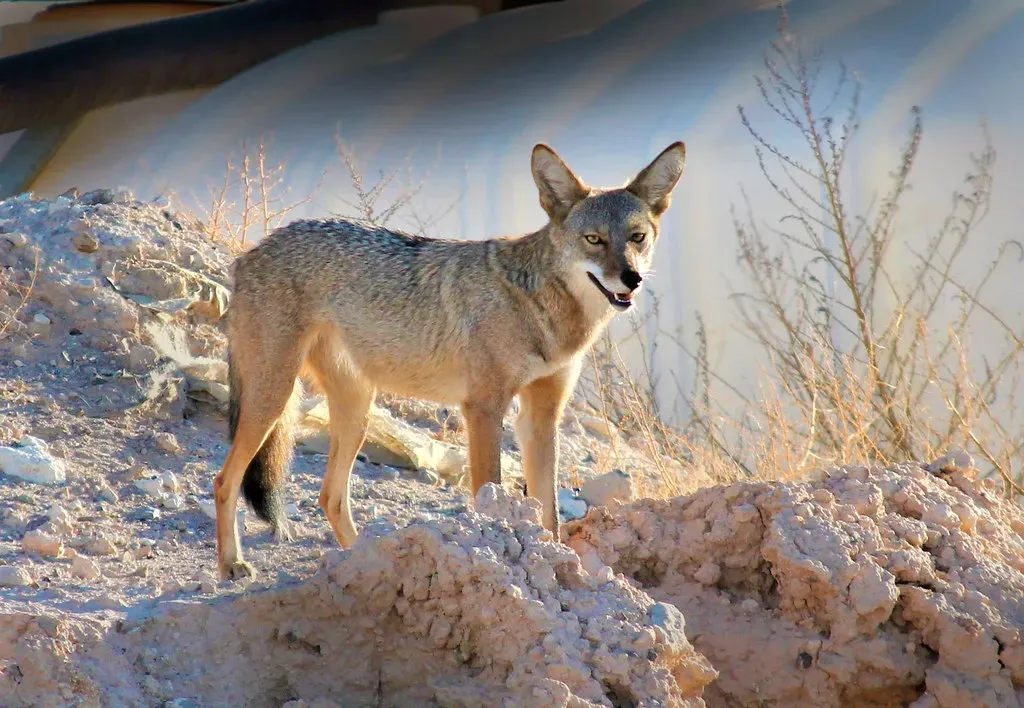
Coyotes play a crucial role in the ecosystem as both predators and scavengers, maintaining the balance of various animal populations. Despite their often elusive nature, coyotes are an integral part of the natural landscape with a fascinating array of behaviors that make them one of the most intriguing members of the Canidae family.
Coyotes play an important role in maintaining a balanced ecosystem, even in urban settings. They are pragmatic omnivores who will eat almost anything, but rodents are their primary prey, especially rabbits, voles, and mice. A single coyote can consume well over 1,000 rodents in a year. Removing coyotes can trigger what’s known as mesopredator release, leading to an increase in populations of smaller predators like foxes, raccoons, and skunks, which in turn can negatively impact ground-nesting birds, reptiles, and other vulnerable species.
#12: They Are Thriving in Our Cities
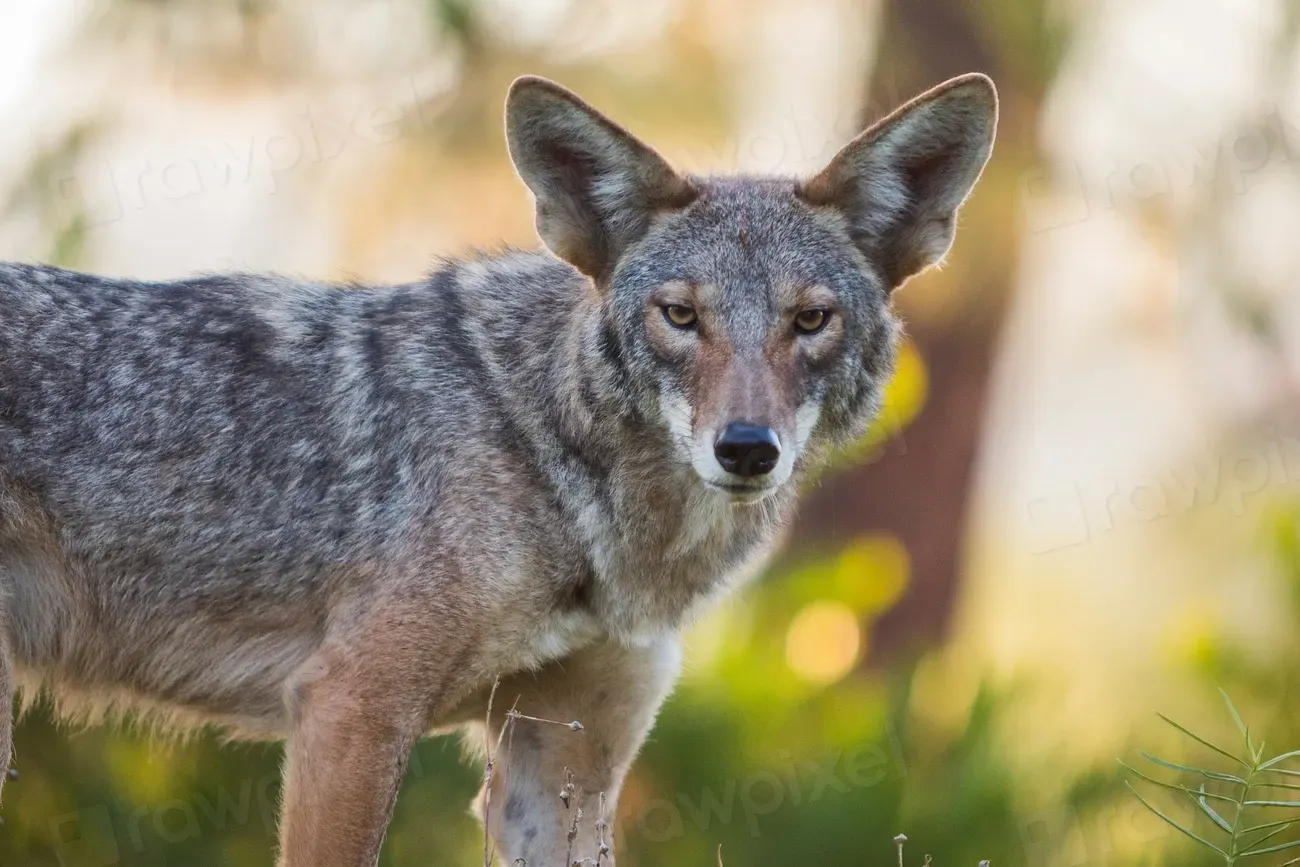
Urban coyotes have learned to navigate human environments, using traffic patterns, artificial lighting, and even subway tunnels to avoid humans while exploiting urban resources. These clever canines demonstrate impressive behavioral flexibility in cities. They’re not accidents of urban sprawl; they’ve actively learned to read the human world around them.
One of the most adaptable animals in the world, the coyote can change its breeding habits, diet, and social dynamics to survive in a wide variety of habitats. Coyotes have made their way into almost every major city, thriving in both rural and urban environments. As climate patterns continue to shift, coyotes show an incredible ability to adapt, adjusting their breeding times, hunting territories, and behavior patterns to thrive in warmer or changing climates, making them one of the few species actually expanding their range alongside global warming.
A Species That Earns Its Reputation
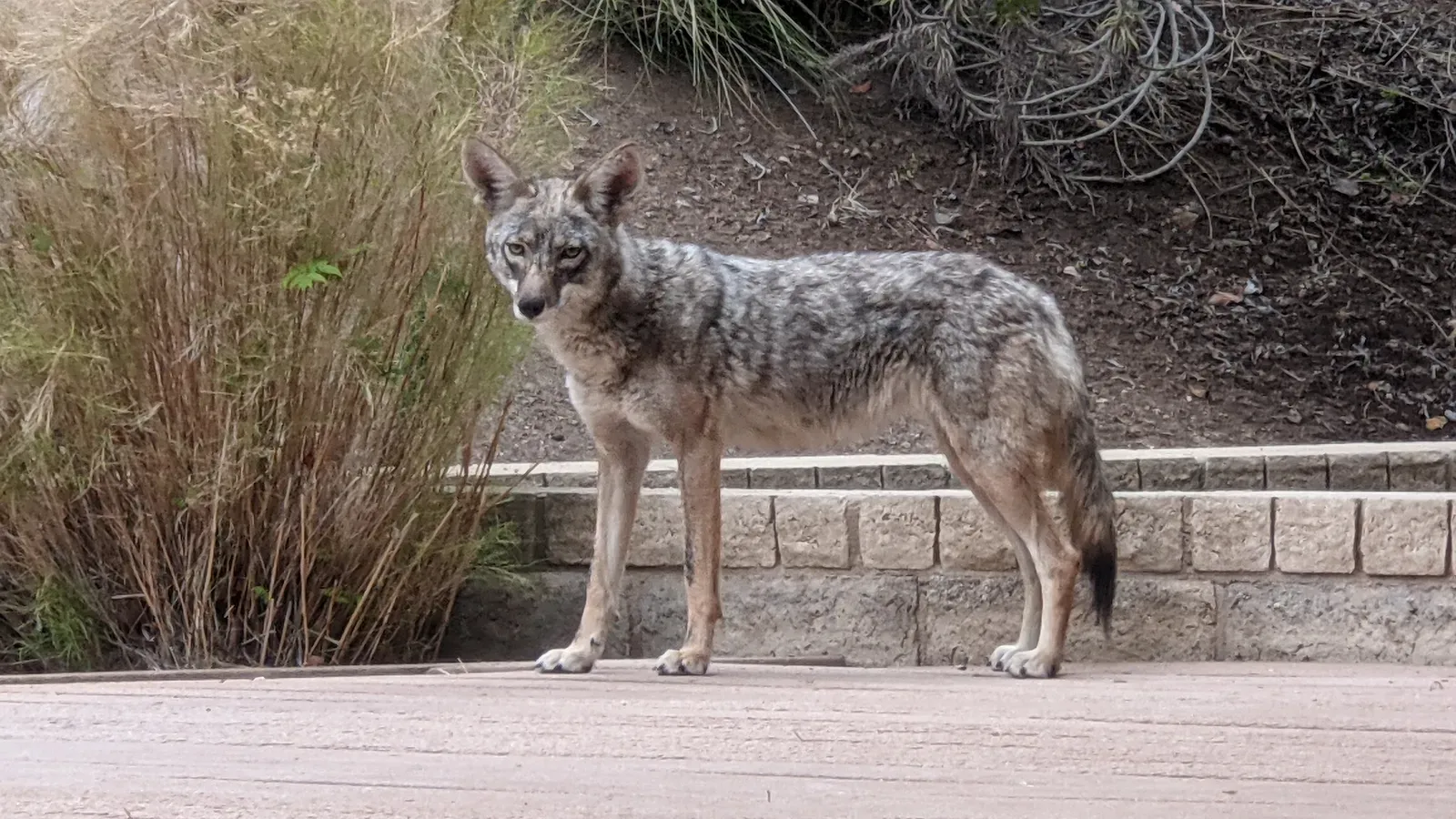
Coyotes are resilient, intelligent, and vital to the ecosystems they call home. They’re not villains – they’re survivors. That distinction matters. For over a century, humans have tried to reduce their numbers through traps, poisons, and guns, and the coyote has responded by spreading further, breeding faster, and learning new tricks.
The coyote has managed to expand its range and increase its population while other species struggle or fail, and that says something genuinely remarkable about the relationship between intelligence, flexibility, and survival. In a natural world under increasing pressure from human expansion and climate change, the coyote is not just coping. It’s flourishing. That’s a story worth paying attention to.

- 8 Amazing Landmarks To See When Visiting Dakota - July 14, 2026
- 23 Things Hospice Vets Wish Every Family Knew Before a Dog's Final Weeks - July 14, 2026
- 10 Unique Facts About The ‘Lost World’ of Madagascar - July 14, 2026