

Picture a world where delicate wings shimmer in the sunlight, carrying stories of survival that span millions of years. Yet today, many of these ethereal creatures teeter on the edge of existence. From remote mountainous peaks to tropical rainforests, some of ‘s most magnificent butterflies face an uncertain future, their populations dwindling to numbers that scientists can count on their fingers.
These remarkable insects represent more than just beauty. They serve as crucial pollinators and environmental indicators, their presence or absence telling us volumes about ecosystem health. What makes their stories even more compelling is how each species has adapted to incredibly specific habitats and host plants, making them both uniquely precious and devastatingly vulnerable.
Miami Blue Butterfly
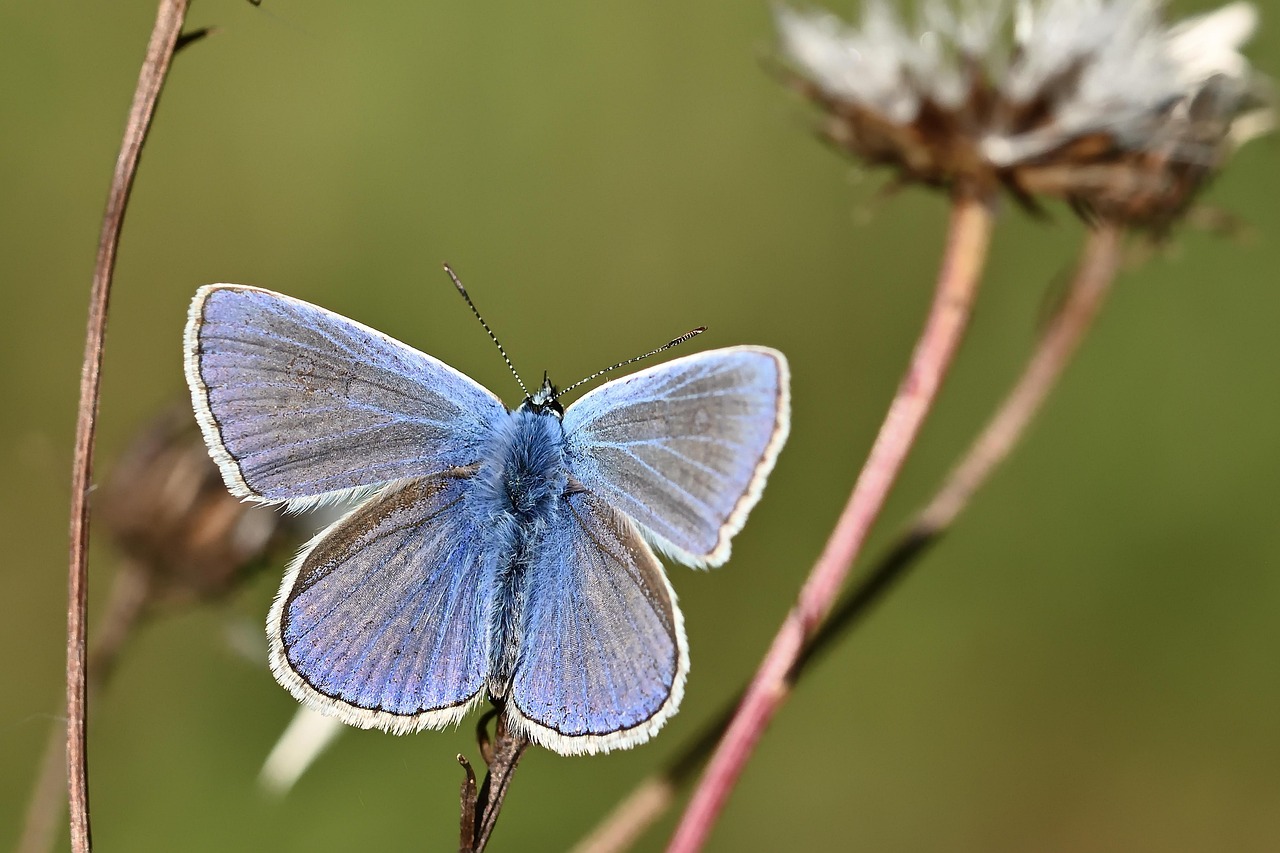
The Miami Blue holds the heartbreaking distinction of being North America’s rarest butterfly. With fewer than 100 individuals remaining, it claims the title of the rarest butterfly in the world. Once commonly found along Florida’s coastal mainland, this tiny jewel has been reduced to scattered populations in the Florida Keys.
Hurricane Andrew in 1992 dealt a devastating blow to the species, nearly wiping it out completely. The butterfly remained completely unseen until 1999, when researchers discovered a small population in Bahia Honda State Park. Today, conservation efforts focus intensely on protecting the few remaining individuals in the Marquesas Keys.
Palos Verdes Blue Butterfly
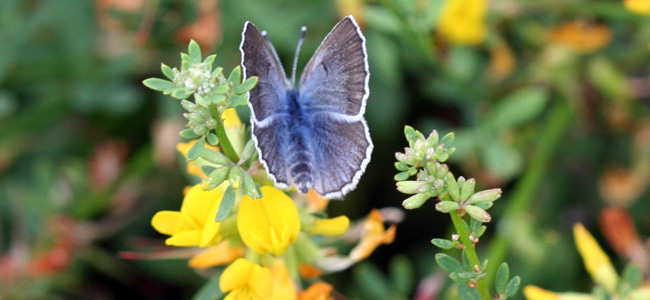
The Palos Verdes blue competes with the Miami Blue for the title of world’s rarest butterfly. Presumed extinct until 1994, when researchers discovered a surviving population in San Pedro, California, this tiny butterfly’s story reads like a conservation miracle.
With a wingspan of only one inch, the Palos Verdes blue is remarkably small. In 1982, the city of Rancho Palos Verdes bulldozed the butterfly’s most extensive known habitat to build a baseball field, an act believed to have been a principal cause of the species’ near-extinction. Through intensive captive breeding programs and habitat restoration, scientists work desperately to prevent this butterfly from disappearing forever.
Sinai Baton Blue
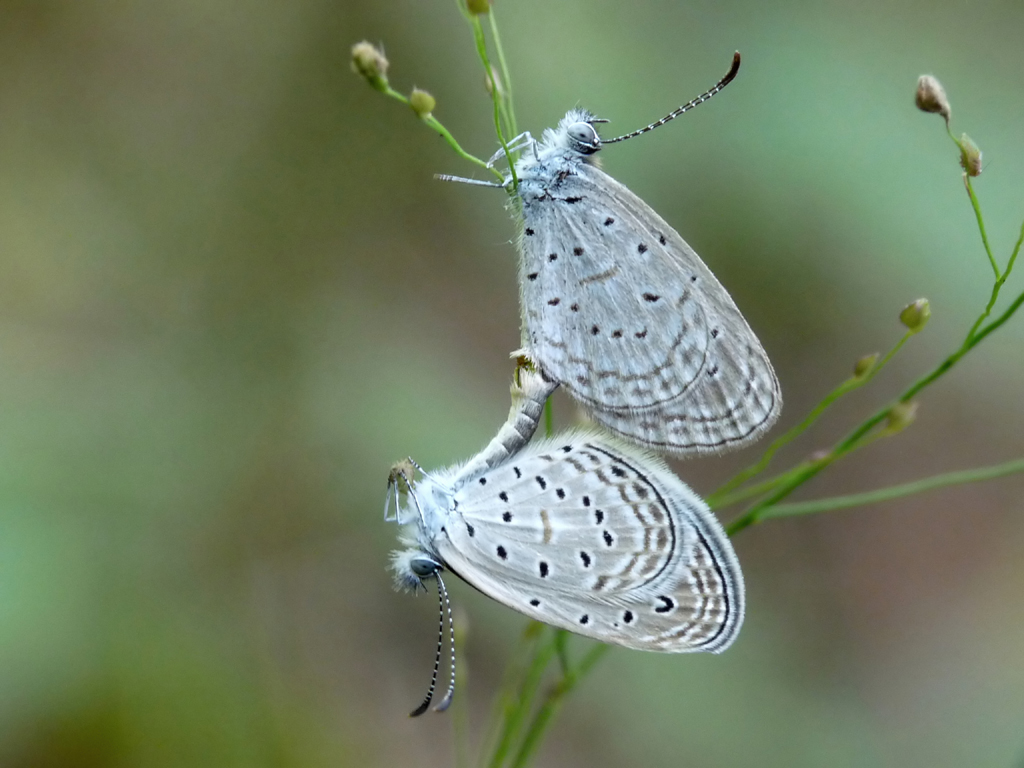
The Sinai Baton Blue is not only one of the rarest , it is among the world’s smallest butterflies. Native to one area in the Sinai Peninsula in Egypt called the Saint Katherine Protectorate, it is estimated that there are only about 2,300 individuals living in an area measuring 7 square kilometers.
This minuscule butterfly faces a precarious future tied directly to its food source. The Sinai Baton Blue’s population is affected by the distribution of Sinai Thyme, which only grows in small patches in the mountains of the Saint Katherine Protectorate. Scientists first formally described this species in 1975, yet serious conservation efforts didn’t begin until 2001.
Queen Alexandra’s Birdwing
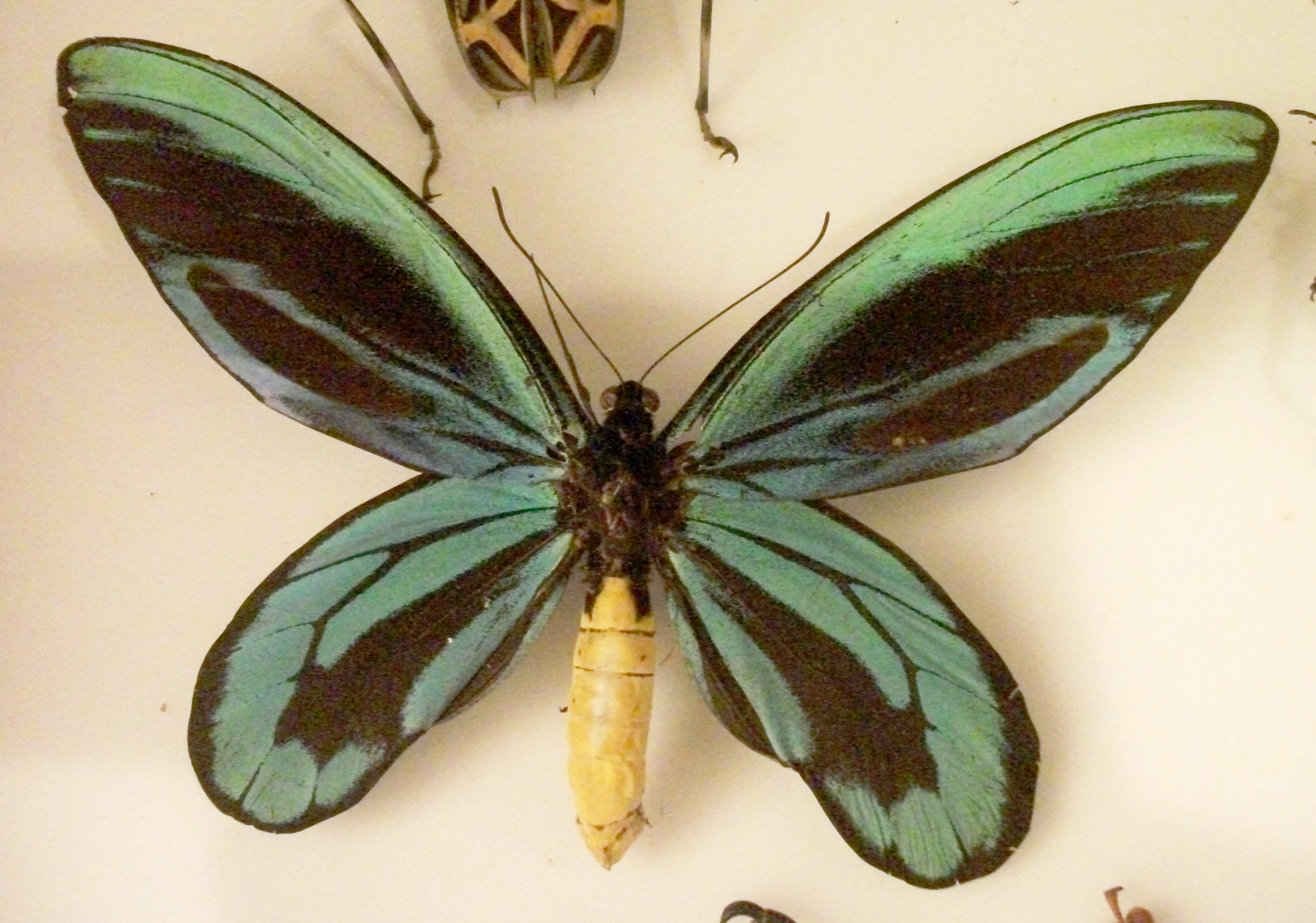
With females boasting wingspans of 10 to 11 inches, the Queen Alexandra’s Birdwing is the largest butterfly on earth. This magnificent creature is only found in Papua New Guinea’s Oro Province, making it both geographically restricted and incredibly vulnerable to habitat loss.
The butterfly still hasn’t recovered from a volcanic eruption that wiped out much of its habitat in 1951. Because this butterfly is so rare and endangered, trade is illegal, though it remains a collectors’ favorite due to its drop-dead gorgeous appearance. Its populations have shrunk dramatically, with densities now at only ten butterflies per square kilometer.
Mitchell’s Satyr Butterfly
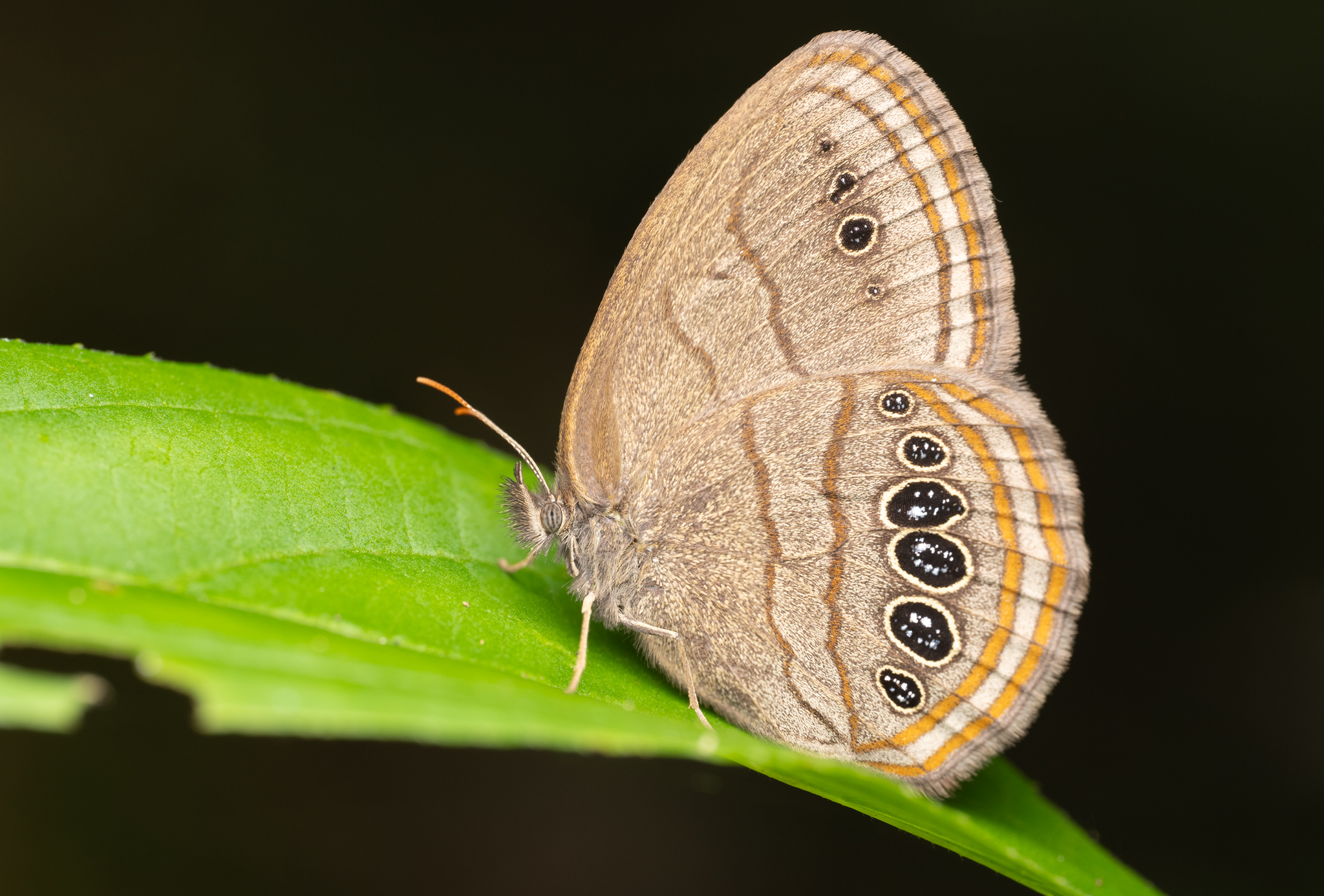
The Mitchell’s satyr has been federally endangered since 1991, persisting in only a handful of prairie fen wetlands in Michigan and Indiana. This small, brown butterfly lives in prairie fen habitat, but widespread destruction and degradation of wetlands combined with fire suppression have resulted in small, isolated populations.
The Mitchell’s satyr butterfly is found at just 18 highly isolated sites in the Eastern USA. These specialized wetland creatures depend entirely on specific sedge grasses for survival, making them exceptionally sensitive to habitat changes. Conservation programs now include captive breeding efforts to supplement wild populations before they disappear completely.
Oregon Silverspot Butterfly
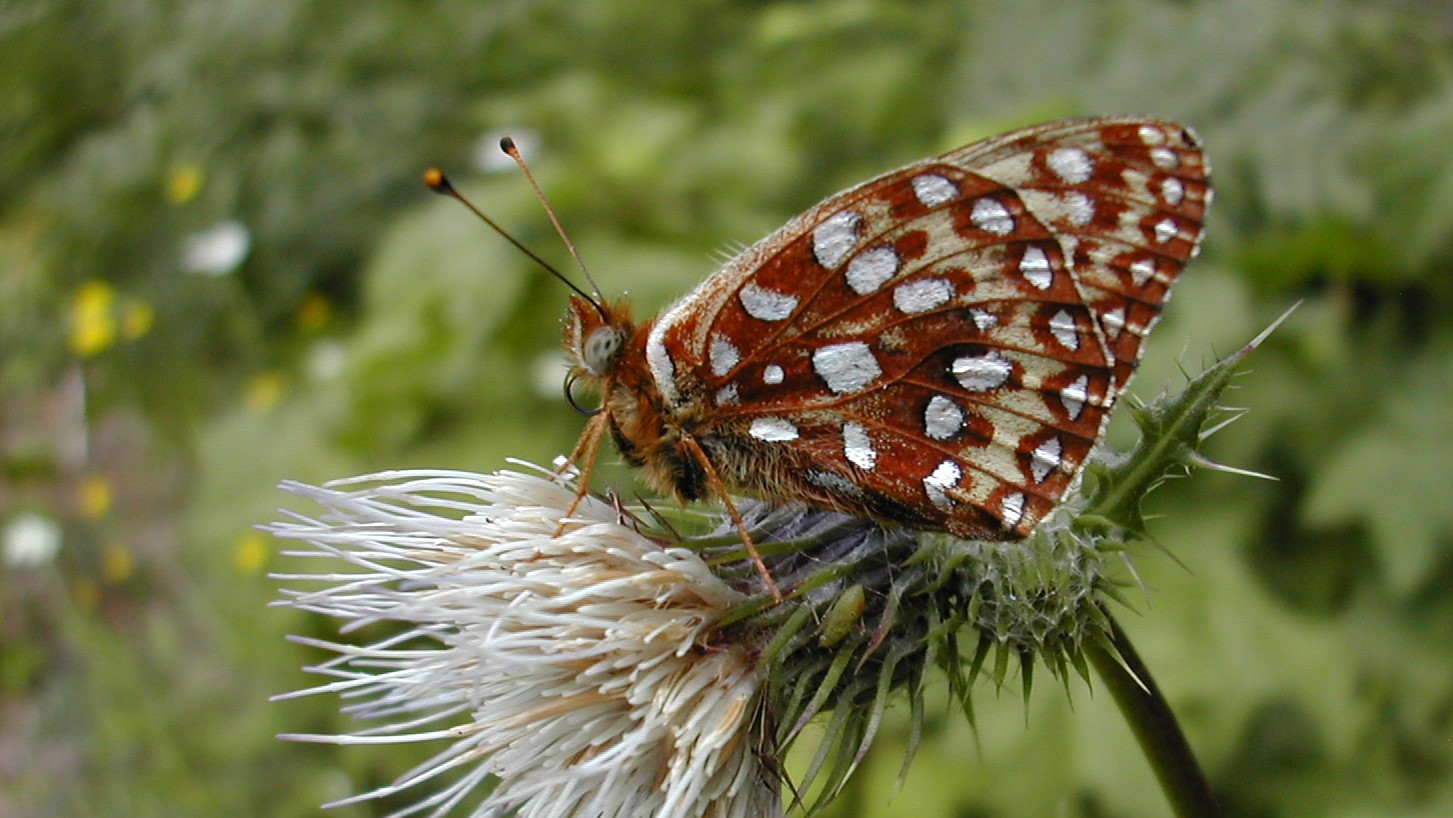
The Oregon Silverspot is found along the Oregon coast and in the Coast Range, in just a few locations, and is one of three butterflies found in Oregon protected under the Federal Endangered Species Act. Listed federally as threatened since 1980, it is only found in four places in the world: North of Lake Earl, California, and the Siuslaw National Forest, Mt. Hebo, and Cascade Heads.
It’s their precise diet that’s put the silverspots on the brink of extinction, as the early blue violet vanished from much of its historic range, out-competed by invasive species. Zoo releases now mark the biggest-ever conservation efforts, with experts noting that most silverspot populations would now be extinct without this recovery program.
Karner Blue Butterfly
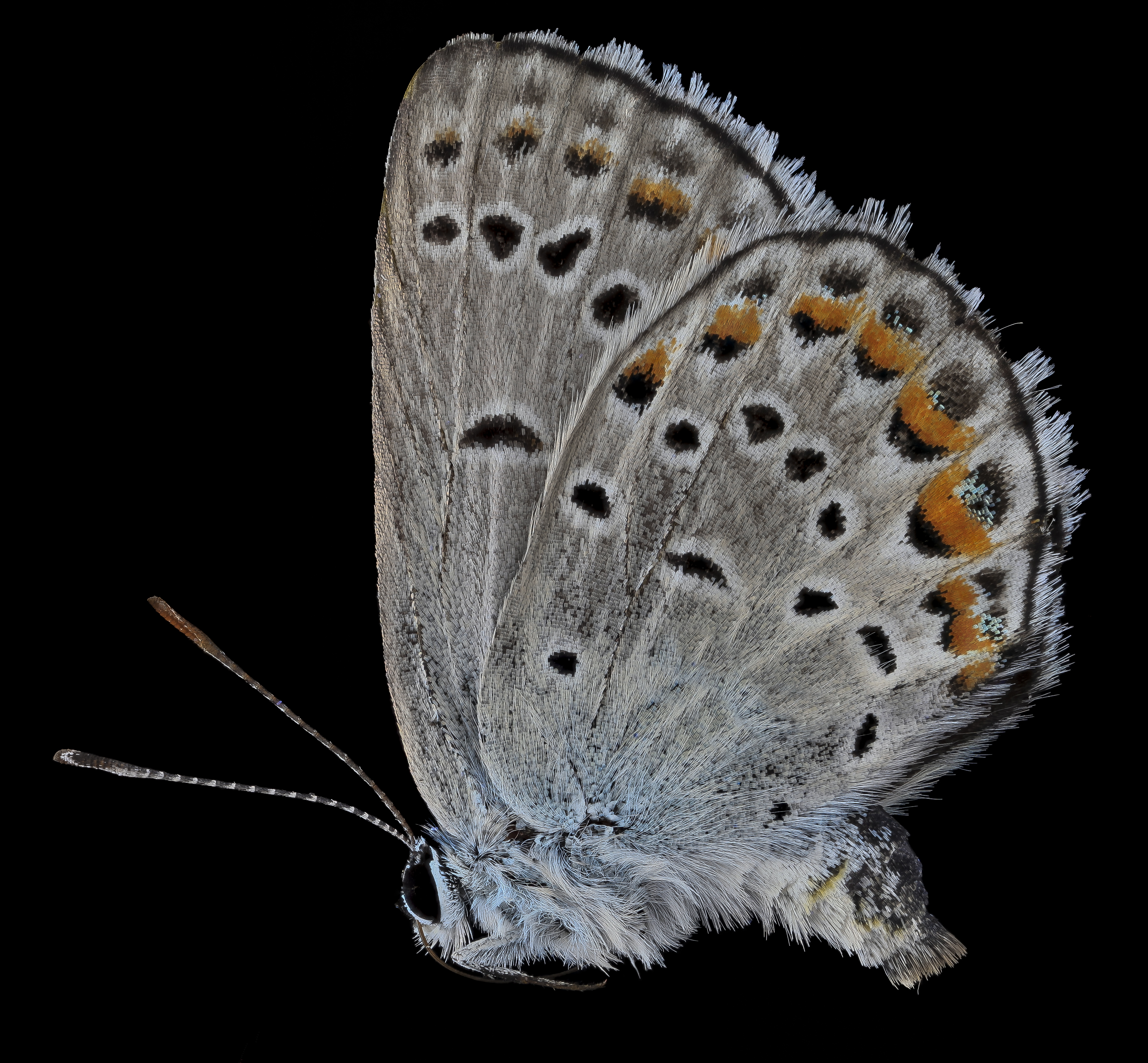
The Karner blue butterfly has been federally endangered since 1992, having vanished from many of its historical ranges with its largest remaining populations in Michigan and Wisconsin. At the time it was federally listed, the population had declined rangewide by 99%, though intensive habitat restoration since then has put the species on the long path toward recovery.
Karner caterpillars feed only on wild lupine plants, and the butterfly was classified as endangered in the United States in 1992. The species was first identified by novelist Vladimir Nabokov, adding a literary connection to its scientific significance. The Necedah National Wildlife Refuge in central Wisconsin is home to the world’s largest population of Karner blues.
Saint Francis’ Satyr Butterfly
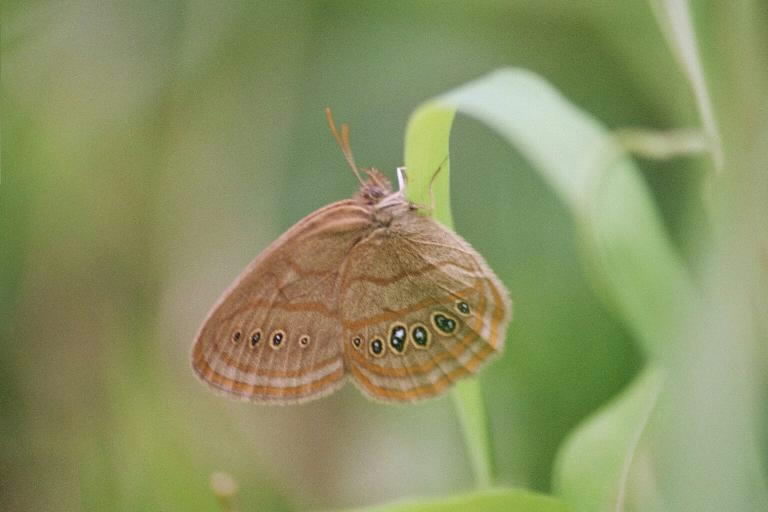
The St. Francis Satyr is a small brown butterfly the size and weight of a folded postage stamp that lives at Fort Bragg, a military base near Fayetteville, North Carolina, and nowhere else. The St. Francis Satyr now numbers around 1,000 and are found in an area of less than 20 acres.
This butterfly has perhaps the most unusual conservation story of all rare species. The Satyr may have survived because of the bombs tested on the grounds of Fort Bragg. The military exercises create the specific disturbed habitat conditions this butterfly requires, making it dependent on continued bombing activities for its survival.
Lange’s Metalmark Butterfly
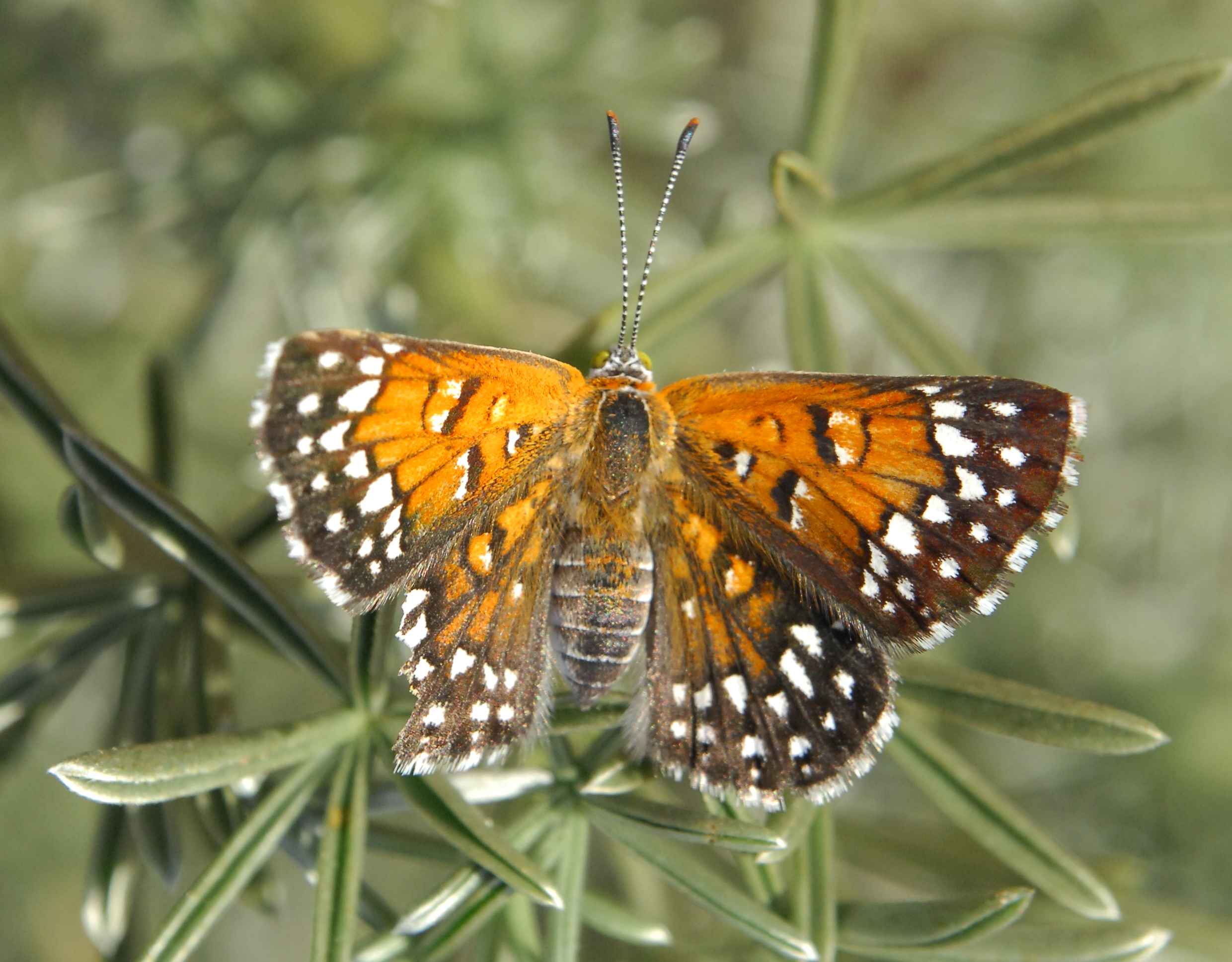
The stunning Lange’s Metalmark ranks as the fourth rarest of all known varieties of , with recent estimates placing the surviving population at no more than 450 individuals. This butterfly is so rare that it has only ever been found in the Antioch Sand Dunes and nowhere else in the world.
One of the main reasons for the Lange’s Metalmark’s rarity is because the butterflies will only lay eggs on one specific type of buckwheat, a subspecies called naked buckwheat. Discovered in 1933, this remarkable creature represents a subspecies of the Mormon metalmark, making its conservation status even more precarious due to its highly specialized habitat requirements.
Island Marble Butterfly
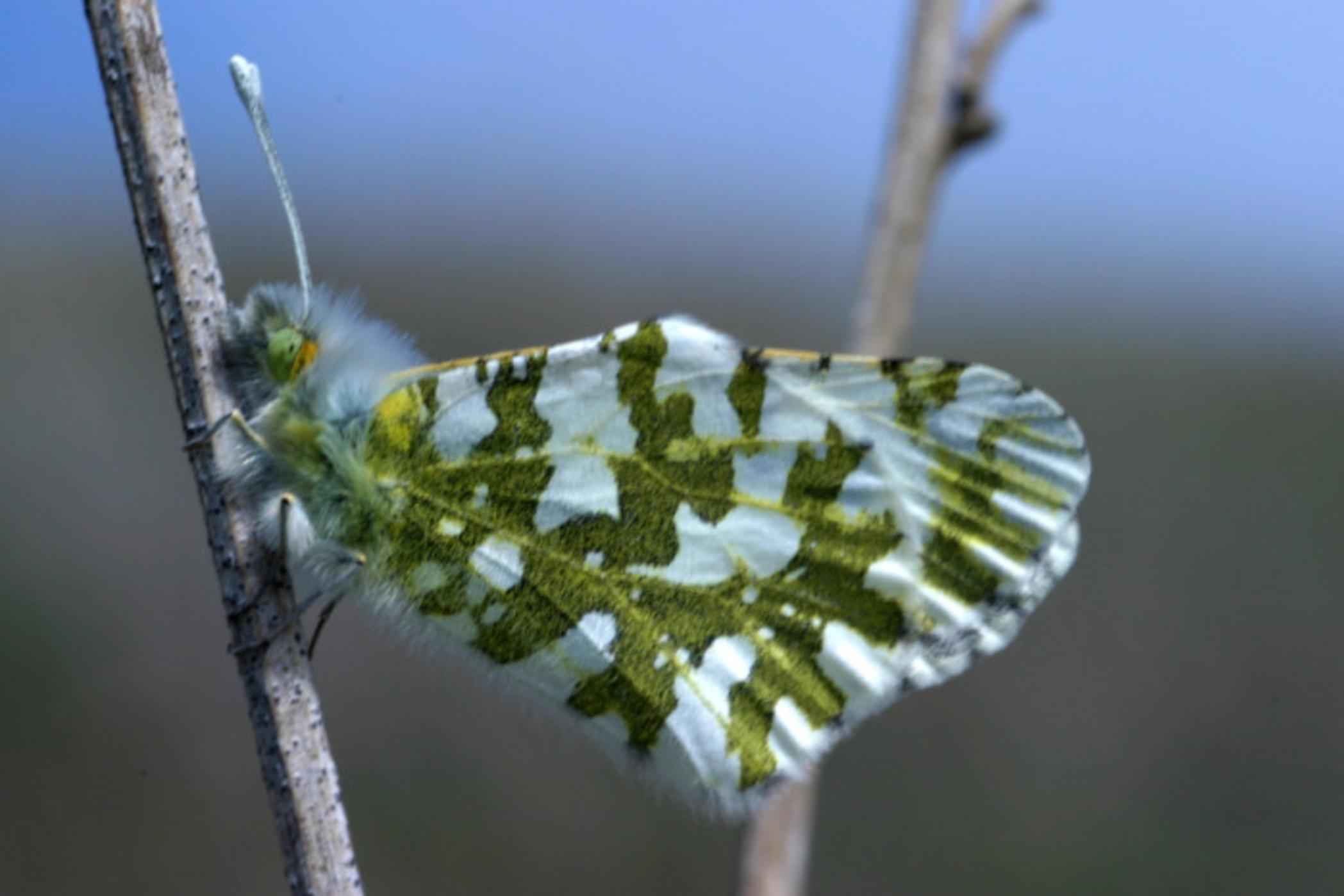
The delicate beauty known simply as the Island Marble remains an extremely rare species of Lepidoptera. Entomologists previously believed this little butterfly to be extinct in the wild since 1908, until a survey undertaken in 1998 discovered several living individuals.
Native to the San Juan Islands in Washington State, the species’ preferred habitats are open grasslands, native prairie, fields, pastures, gravel pits, lagoon margins, marine beaches, and dunes. Larval survival is about 6% because of predators like deer, human disturbances, and spiders. This incredibly low survival rate makes every individual critically important to the species’ continuation.
Leona’s Little Blue Butterfly
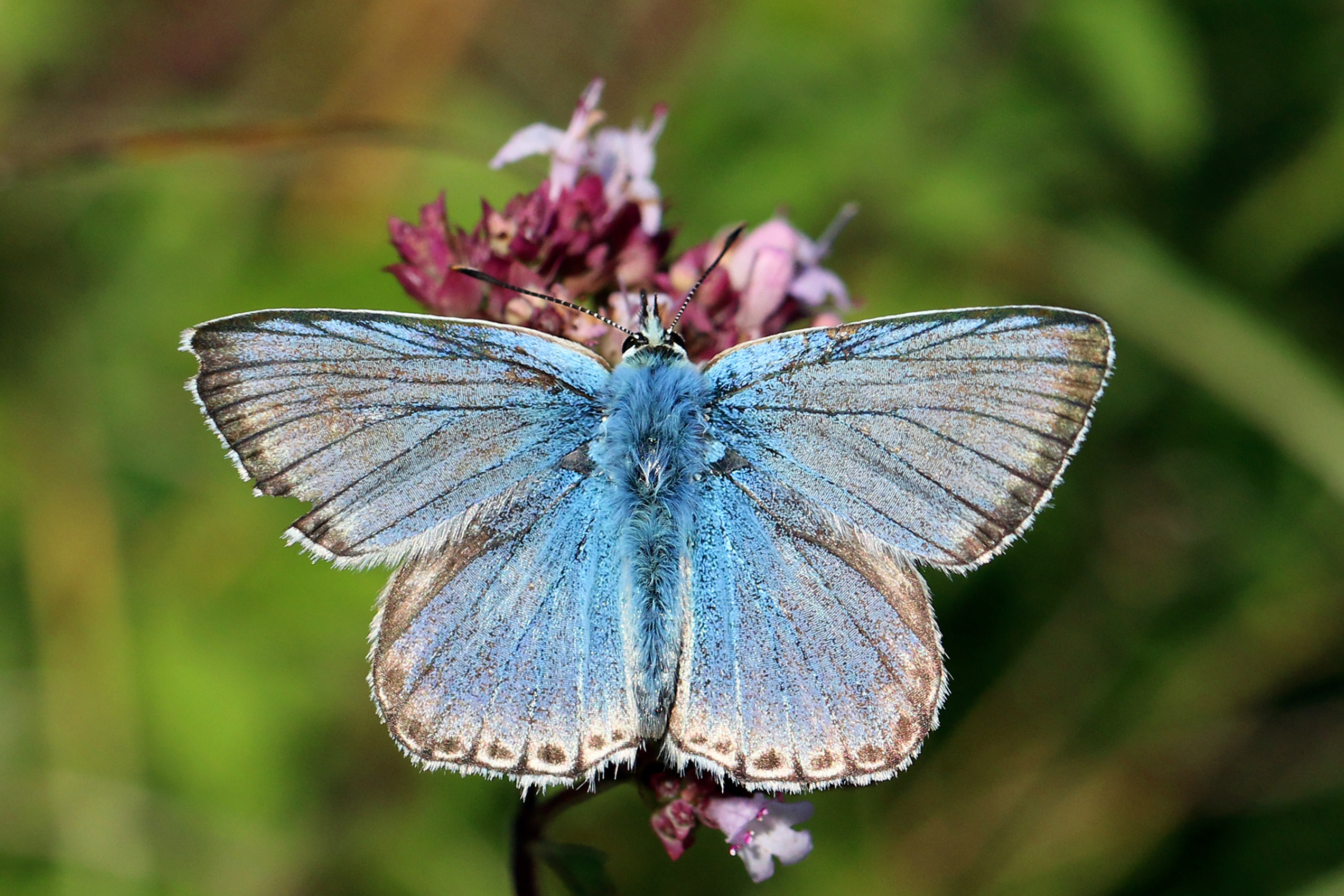
Leona’s little blue butterfly is one of the rarest and is the only butterfly endemic to Oregon. You can only find it in a specific area in Oregon: six square miles of ash-pumice habitat southeast of Crater Lake.
It is a small butterfly with a 0.75-inch wing width, making it nearly as tiny as it is rare. Despite its small population, the Leona’s Little Blue butterfly is not listed as endangered, with the U.S. Fish and Wildlife Service announcing that listing was unnecessary. This decision remains controversial among conservationists who worry about the species’ long-term viability.
Papilio Moerneri
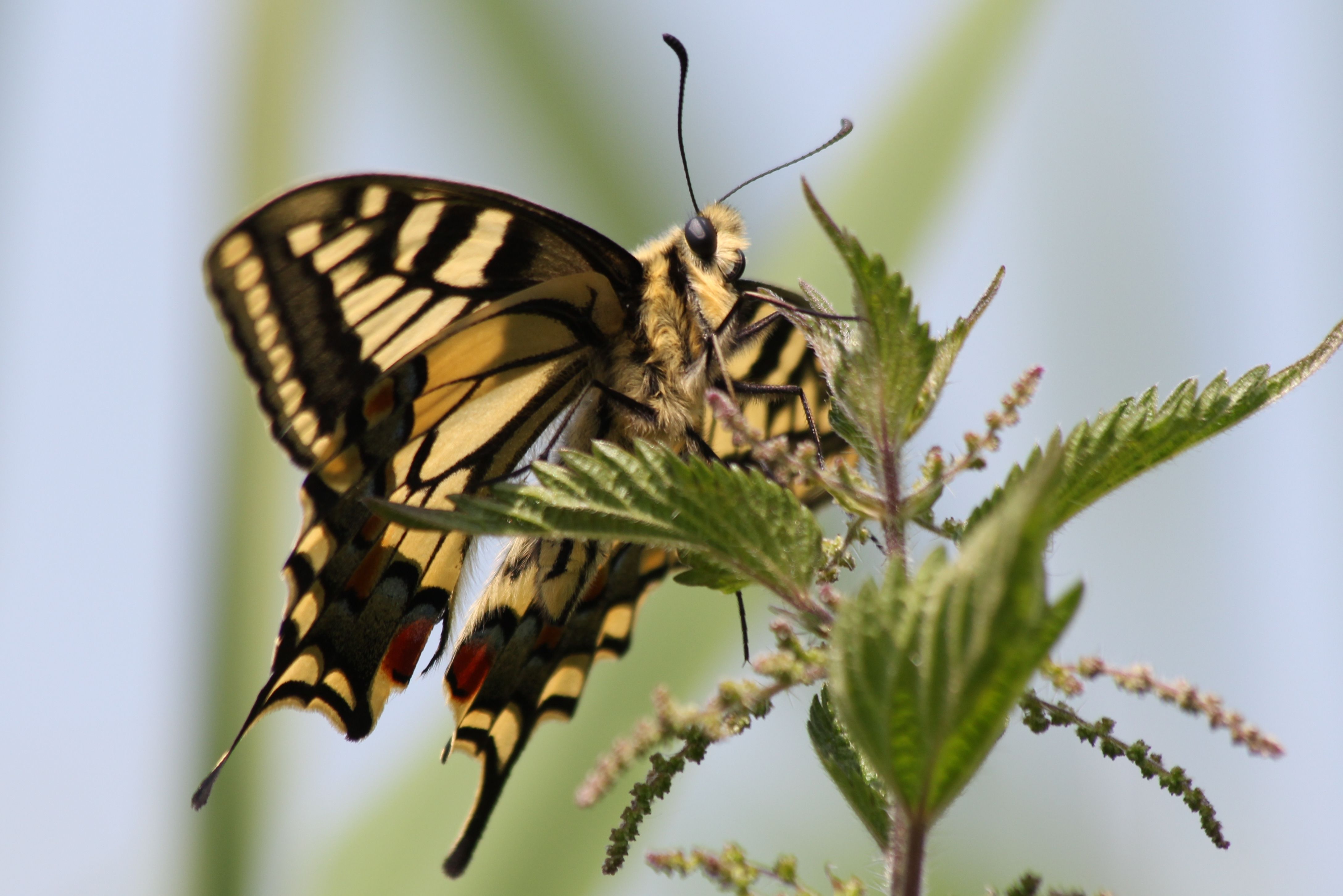
Papilio Moerneri has no common name and is native to Papua New Guinea, where it is the least known of all swallowtails. This elusive butterfly has not been seen since 1924, making it potentially extinct though scientists hold out hope for rediscovery.
The complete absence of recent sightings makes this butterfly one of the most mysterious species on Earth. Nearly a century has passed without confirmed observations, yet the dense, unexplored regions of Papua New Guinea’s rainforests could still harbor hidden populations. Conservation efforts remain impossible without knowing whether the species still exists, highlighting the urgent need for comprehensive surveys in remote tropical regions.
Conclusion
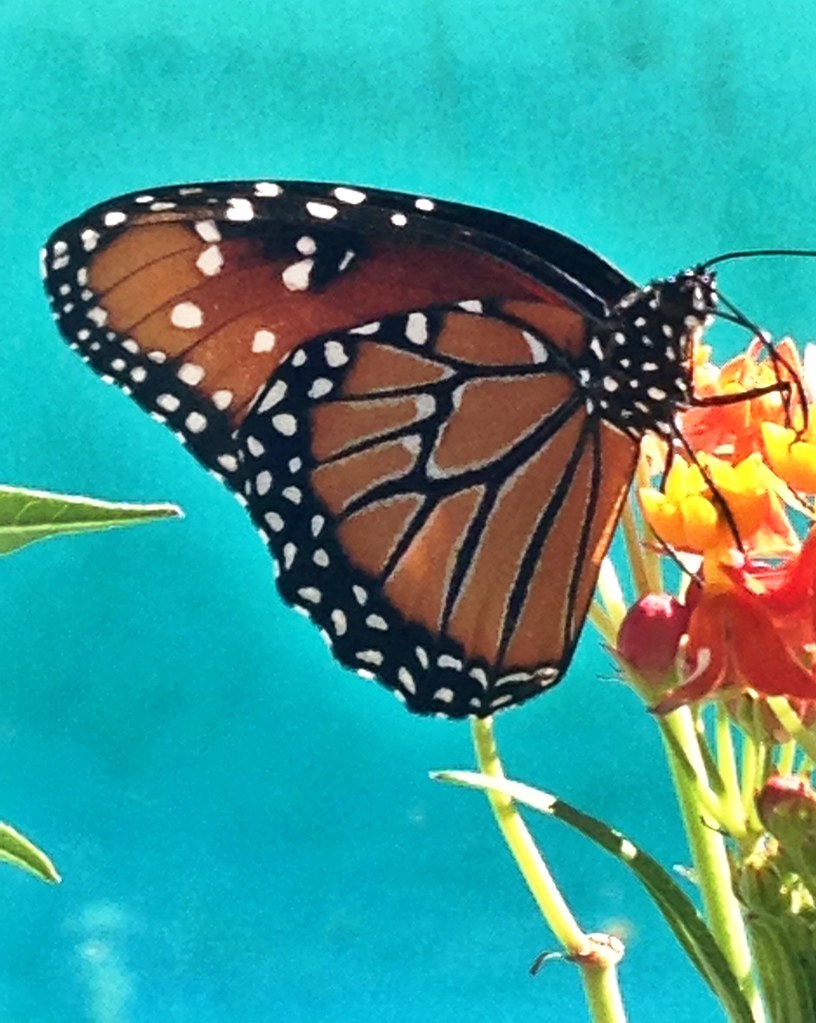
These twelve butterflies represent far more than individual species facing extinction. They embody the delicate balance of ecosystems worldwide and serve as living reminders of how quickly we can lose irreplaceable natural treasures. Each butterfly’s story reveals common threats: habitat destruction, climate change, invasive species, and human development pressures that continue to mount.
Yet their stories also demonstrate the power of dedicated conservation efforts. From captive breeding programs to habitat restoration projects, scientists and volunteers work tirelessly to pull these species back from the brink. The success stories, like the Palos Verdes blue’s rediscovery and the Oregon silverspot’s breeding breakthroughs, prove that with enough commitment and resources, we can make a difference.
What strikes me most profoundly is how these tiny creatures, some with wingspans smaller than a postage stamp, carry the weight of entire ecosystems on their gossamer wings. Their survival depends not just on our conservation efforts, but on our willingness to fundamentally rethink how we interact with the natural world. What do you think we can do in our own communities to help protect these vanishing beauties?

- Where to Go Birdwatching in Florida - August 15, 2026
- The Spirit Animals That Reflect The Traits of Zodiac Sign Virgo - August 15, 2026
- What Native American Philosophy Says About The Horse Spirit Animal - August 15, 2026