

In the vast and diverse animal kingdom, certain giants roam the lands, captivating our imagination and reminding us of the grandeur of nature. From towering elephants to massive rhinos, the world’s largest land animals showcase Earth’s fauna’s astonishing diversity and resilience. Join us on a journey to explore these incredible creatures, understanding their unique characteristics, behaviors, and the challenges they face in the modern world.
African Elephant The Gentle Giant

🔥 Would you like to save this?
We'll email this post to you, so you can come back to it later!
Standing as the largest land animal on Earth, the African elephant is a creature of immense size and strength. Adult males can weigh up to 13,000 pounds and reach heights of 13 feet at the shoulder. These magnificent mammals inhabit the savannas, forests, and deserts of Africa. Known for their intelligent social structures, elephants communicate using a complex system of sounds and are known for their strong family bonds.
Asian Elephant A Close Cousin

🔥 Would you like to save this?
We'll email this post to you, so you can come back to it later!
While slightly smaller than their African relatives, Asian elephants are still colossal, weighing up to 11,000 pounds. They differ not only in size but in physical traits like smaller ears and a convex or flat back. Found across various regions of Asia, these elephants play crucial roles in their ecosystems but face significant threats from habitat loss and poaching.
White Rhinoceros The Majestic Beast

🔥 Would you like to save this?
We'll email this post to you, so you can come back to it later!
With a name derived from an Afrikaans word meaning “wide,” the white rhinoceros is famed for its expansive mouth, adapted for grazing. Weighing up to 5,000 pounds, these animals are social beings that live in groups called crashes. Despite being a conservation success story in some regions, they remain endangered due to poaching driven by demand for their horns.
Hippopotamus The Aquatic Titan
🔥 Would you like to save this?
We'll email this post to you, so you can come back to it later!
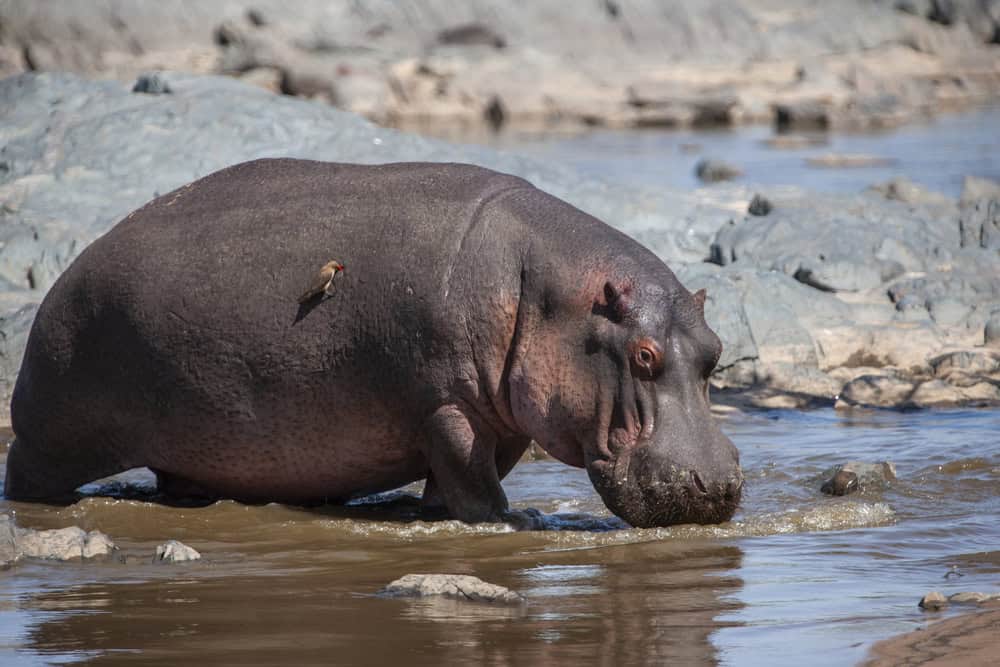
The hippo is not only one of the largest land animals but also among the most aggressive. Weighing up to 4,000 pounds, they spend a significant amount of time in water to keep cool. Found throughout sub-Saharan Africa, their massive bodies and powerful jaws make them formidable in their watery habitats, although they still face threats from habitat encroachment and illegal hunting.
Giraffe The Elegant Tower

🔥 Would you like to save this?
We'll email this post to you, so you can come back to it later!
With their impossibly long necks and slender legs, giraffes are iconic giants of the African savannas. While not the heaviest animals, they are the tallest, reaching heights of up to 18 feet. Their height provides an impressive advantage for spotting predators and reaching treetop foliage. Tragically, giraffe populations are witnessing a decline due to habitat fragmentation and poaching.
Bison North America’s Giant

🔥 Would you like to save this?
We'll email this post to you, so you can come back to it later!
The majestic bison, once roaming the Great Plains in massive herds, is the heaviest land animal in North America. Weighing up to 2,800 pounds, these herbivores are known for their shaggy coats and massive heads. Conservation efforts have been pivotal in their recovery from near extinction, providing a powerful testament to human-led conservation initiatives.
Water Buffalo The Asian Heavyweight

🔥 Would you like to save this?
We'll email this post to you, so you can come back to it later!
Domesticated for thousands of years, the water buffalo remains a crucial part of agricultural life in Asia. Wild populations, however, weigh up to 2,600 pounds and require conservation attention due to dwindling numbers. Their adaptability to wet environments makes them vital for rice cultivation in the regions they inhabit.
Elk The Grandeur of the Forest
🔥 Would you like to save this?
We'll email this post to you, so you can come back to it later!
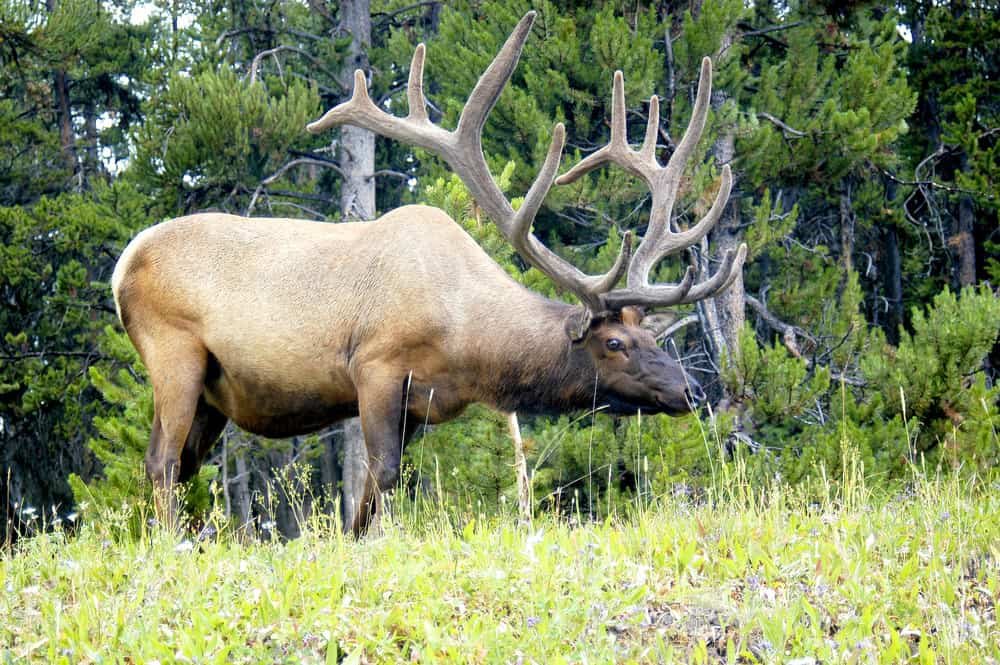
Elks are among the largest species in the deer family, with males weighing up to 1,300 pounds. These majestic creatures are found in North America and eastern Asia, recognized for their impressive antlers. Elks play significant roles in their ecosystems, but they can also face threats from overhunting and habitat encroachment.
Moose The Northern Colossus

🔥 Would you like to save this?
We'll email this post to you, so you can come back to it later!
Standing as the tallest members of the deer family, moose are native to the forests of the northern hemisphere. Males can weigh up to 1,600 pounds and are known for their unique, paddle-shaped antlers. Moose populations remain stable across many areas, though they face increased challenges from climate change and human expansion.
Gaur The Mighty Wild Ox

🔥 Would you like to save this?
We'll email this post to you, so you can come back to it later!
Also known as the Indian bison, the gaur is the largest living bovine species, weighing up to 3,300 pounds. Found primarily in South Asia, this imposing animal is known for its muscular build and striking appearance. Despite being formidable, gaurs are classified as vulnerable due to habitat destruction and hunting.
Kodiak Bear The Island Titan

🔥 Would you like to save this?
We'll email this post to you, so you can come back to it later!
Named after Alaska’s Kodiak Archipelago, the Kodiak bear is one of the two largest bear species alive today. Weighing up to 1,500 pounds, these bears have adapted to their island habitat with a diet predominantly consisting of salmon and other rich local resources. Conservation efforts ensure their habitats remain protected, helping maintain stable population numbers.
Siberian Tiger The Striking Predator

🔥 Would you like to save this?
We'll email this post to you, so you can come back to it later!
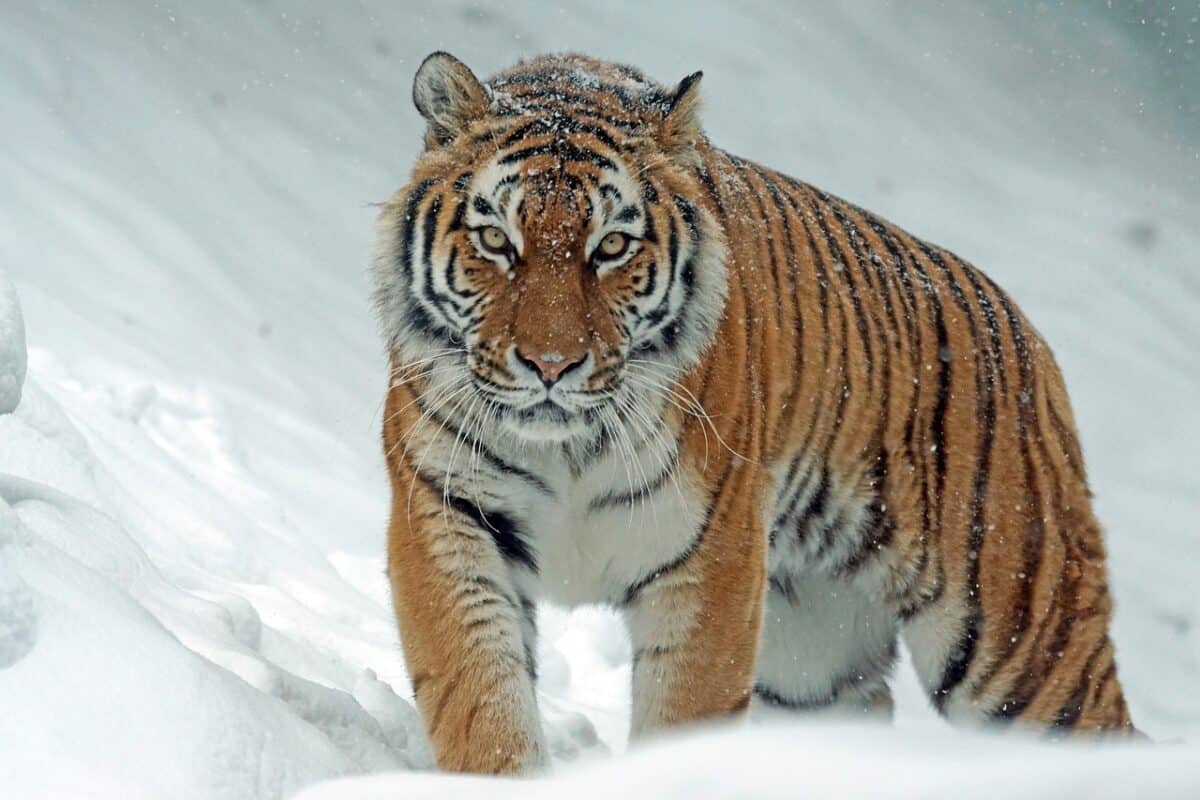
Although not a herbivore like many on this list, the Siberian tiger deserves a mention. Weighing up to 660 pounds, it is the largest of the big cats. Found in the forests of Russia and China, these tigers are apex predators but face critical endangerment due to poaching and habitat loss. Conservation efforts remain vital to ensure their survival.
Conclusion:

🔥 Would you like to save this?
We'll email this post to you, so you can come back to it later!
In conclusion, the world’s largest land animals are as diverse as they are awe-inspiring, each playing a crucial role in maintaining the balance of their ecosystems. Efforts to protect these incredible creatures are essential, as many face threats from habitat destruction, poaching, and climate change. By appreciating and advocating for these giants, we enrich our collective understanding of the natural world and strengthen our commitment to its preservation.

As a little kid, I fell in love with nature, wildlife, and animals. Living in the USA, South Africa, Italy, China and Germany gave me the opportunity to discover the world's Wildlife. My favorite animals are Mountain Gorillas, Siberian Tigers, and Great White Sharks.
I'm a certified PADI Open Water Diver, went to Everest Base Camp and Trekked Gorillas in Uganda. I hold a Master of Science in Economics and Finance.
Please send any feedback to feedback@animalsaroundtheglobe.com
- 18 Powerful Lessons We Can Learn from Orca Social Structure - November 5, 2026
- 10 Incredible Migration Journeys in the Animal Kingdom - November 5, 2026
- 10 Sounds Dogs React To And 3 That Annoy Them - November 5, 2026
Leave a comment
You must be logged in to post a comment.