
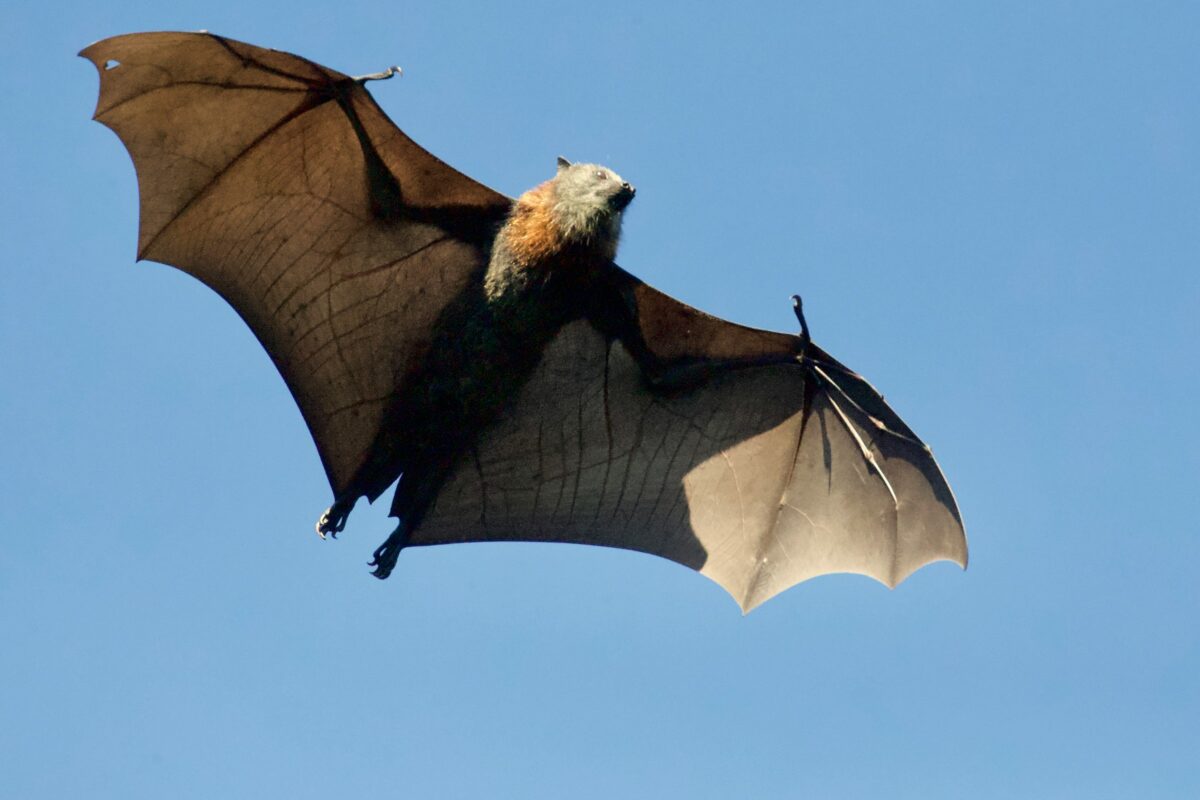
Imagine navigating the world with senses so sharp they reveal hidden dimensions – sensing magnetic fields, detecting electric currents, or perceiving ultraviolet light. While humans rely on sight, sound, taste, touch, and smell, many animals experience the world through extraordinary senses beyond our comprehension. Let’s delve into 12 mind-blowing animal senses that humans will never possess.
Magnetoreception: Navigating Earth’s Magnetic Fields
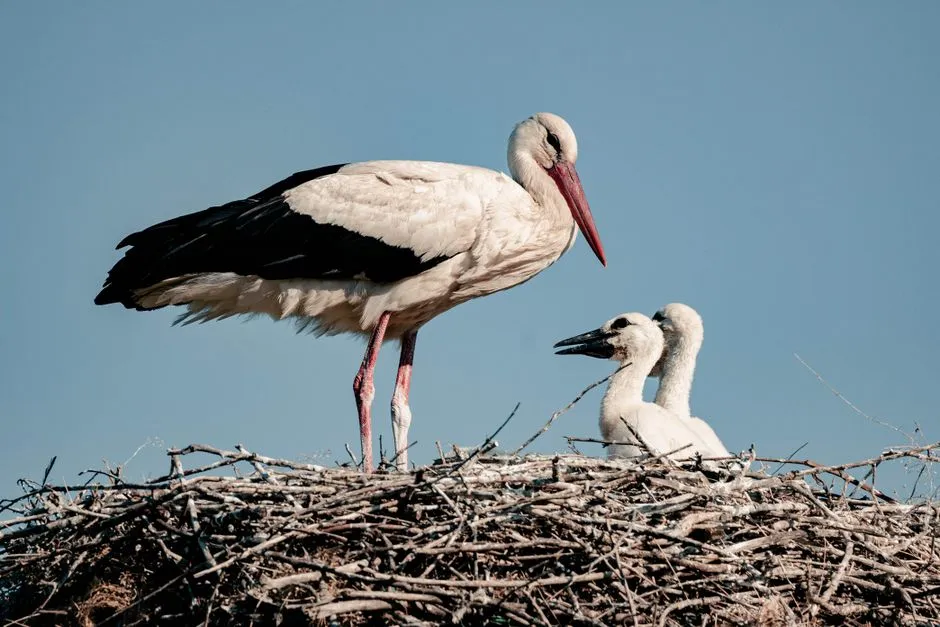
Many animals, including birds, sea turtles, and certain insects, possess magnetoreception – the ability to detect Earth’s magnetic fields. This sense enables them to navigate vast distances during migration with remarkable precision. Scientists believe that proteins called cryptochromes in their eyes play a role in this magnetic sensitivity. Imagine having an internal compass that guides you across continents without a map or GPS.
Electroreception: Detecting Electric Fields
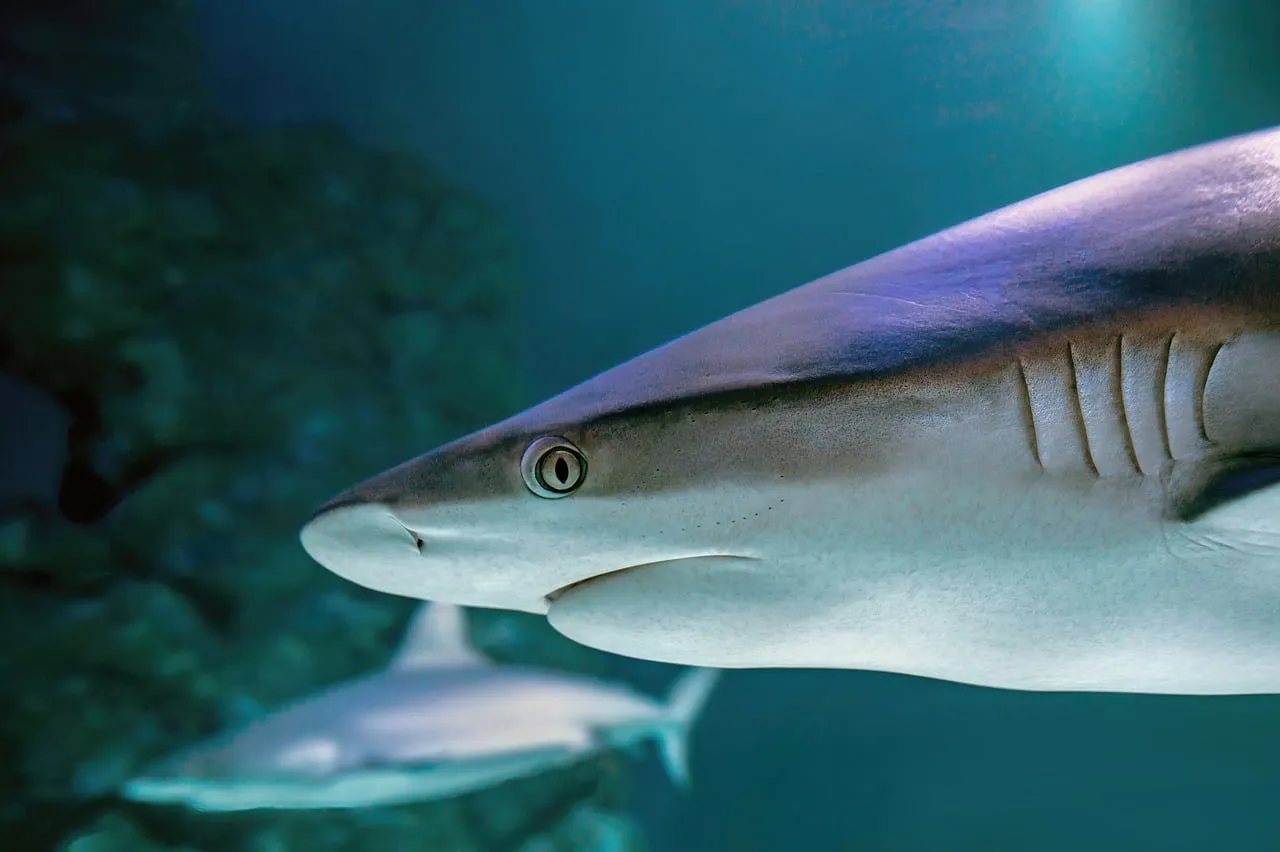
Sharks, rays, and some fish have evolved electroreception, allowing them to sense electric fields produced by other organisms. Specialized organs called ampullae of Lorenzini detect these minute electrical signals, aiding in locating prey hidden beneath sand or navigating murky waters. This ability provides a significant advantage in environments where visibility is limited.
Infrared Vision: Seeing Heat Signatures
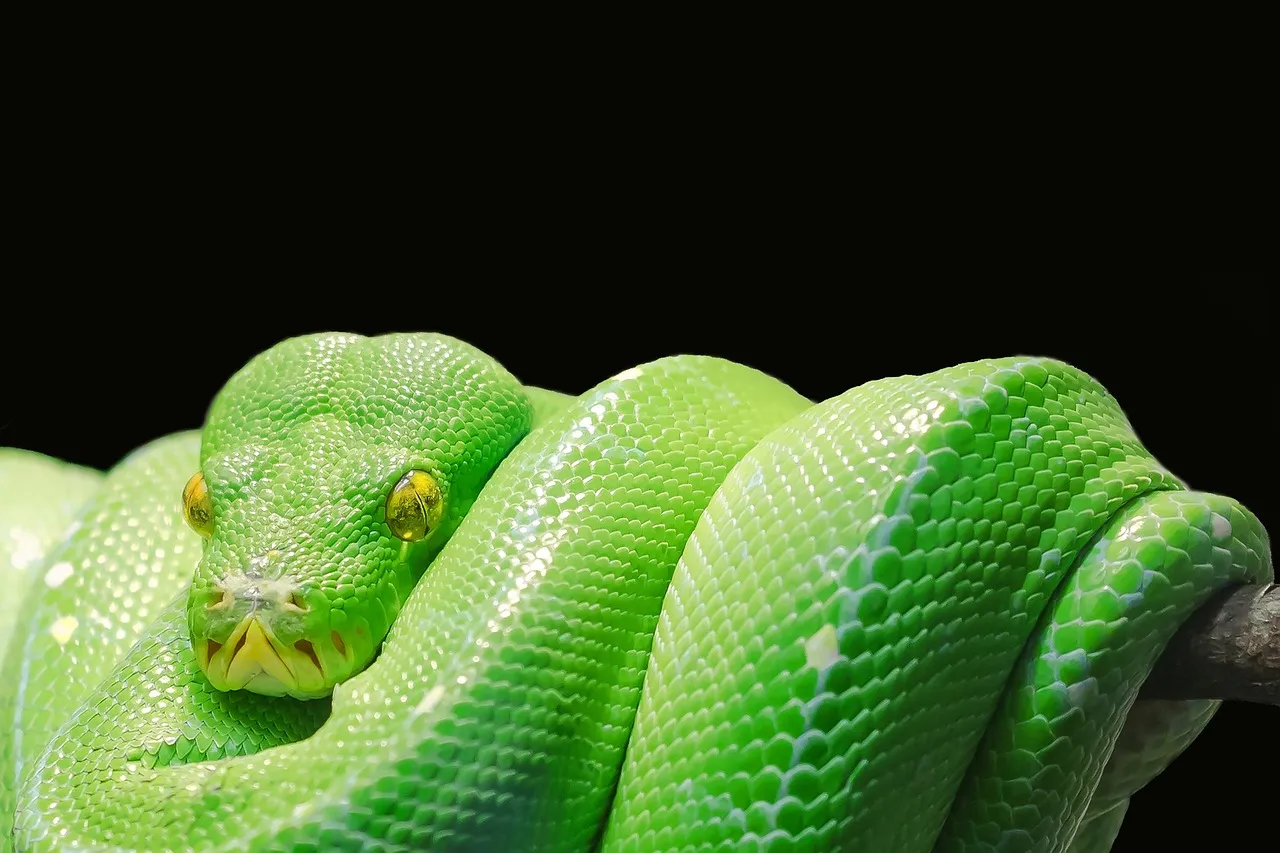
Pit vipers, boas, and pythons can detect infrared radiation, essentially allowing them to “see” heat. Specialized pit organs on their heads sense temperature differences, enabling them to locate warm-blooded prey even in complete darkness. This thermal imaging capability is crucial for hunting at night or in dense foliage.
Ultraviolet Vision: Perceiving Hidden Patterns
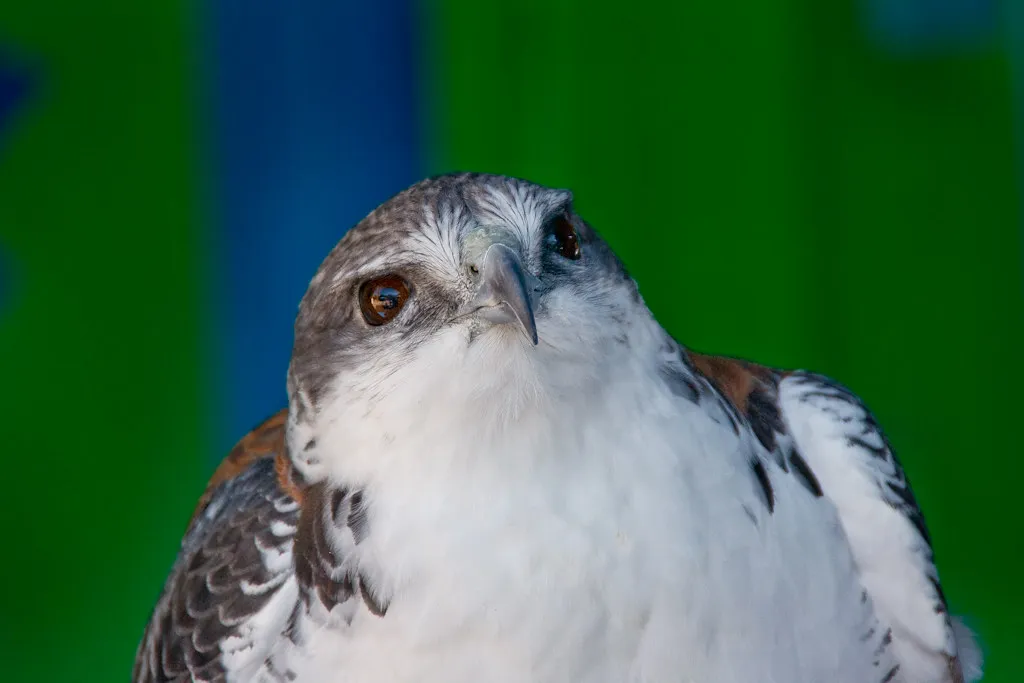
Many birds, insects, and some fish can see ultraviolet (UV) light, revealing patterns and colors invisible to humans. This ability aids in finding food, selecting mates, and avoiding predators. For instance, certain flowers have UV patterns that guide pollinators to their nectar, a visual cue entirely hidden from human eyes.
Echolocation: Navigating with Sound
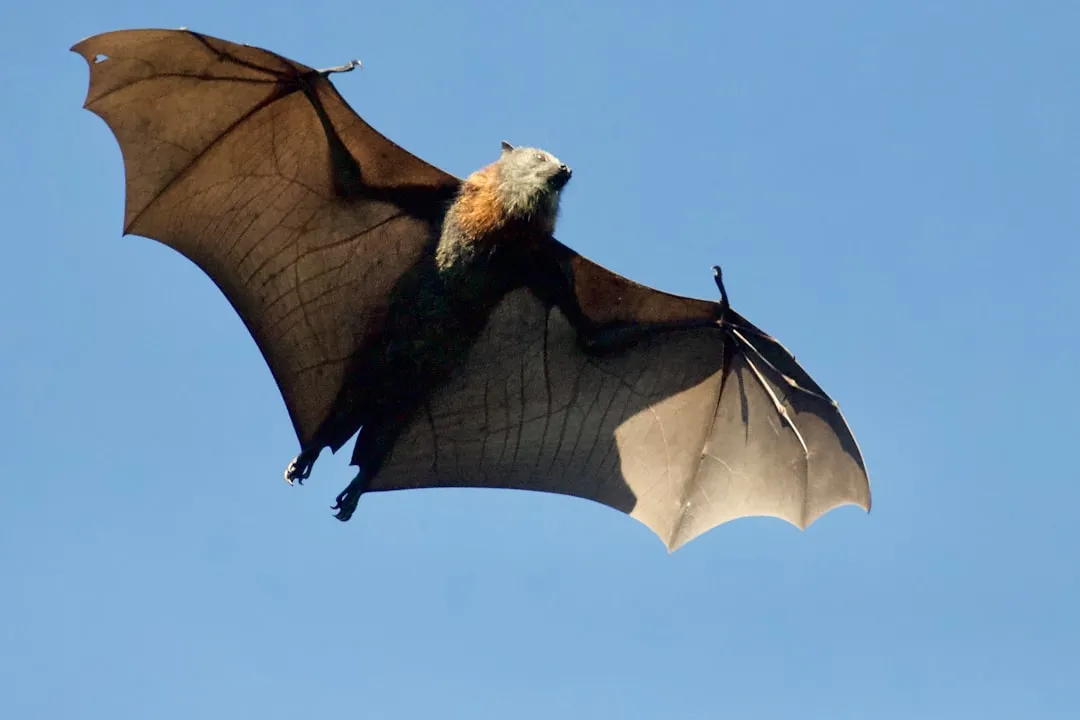
Bats and dolphins use echolocation to navigate and hunt. By emitting high-frequency sounds and interpreting the returning echoes, they construct detailed mental maps of their surroundings. This sonar-like system allows them to detect objects, prey, and obstacles with remarkable accuracy, even in complete darkness or murky waters.
Polarized Light Detection: Navigating with Light Waves

Bees and ants can detect polarized light, which helps them navigate and communicate. They use patterns of polarized light in the sky as a compass, enabling precise orientation and direction-finding. This built-in GPS system is crucial for foraging and returning to their nests.
Super Smell: Olfactory Overdrive

Dogs have an olfactory system far superior to humans, with up to 300 million scent receptors compared to our 5 million. This heightened sense of smell allows them to detect substances at incredibly low concentrations, track scents over long distances, and even identify certain diseases in humans. Their world is rich with scents we can’t even fathom.
Electrolocation: Sensing Electric Fields in Water
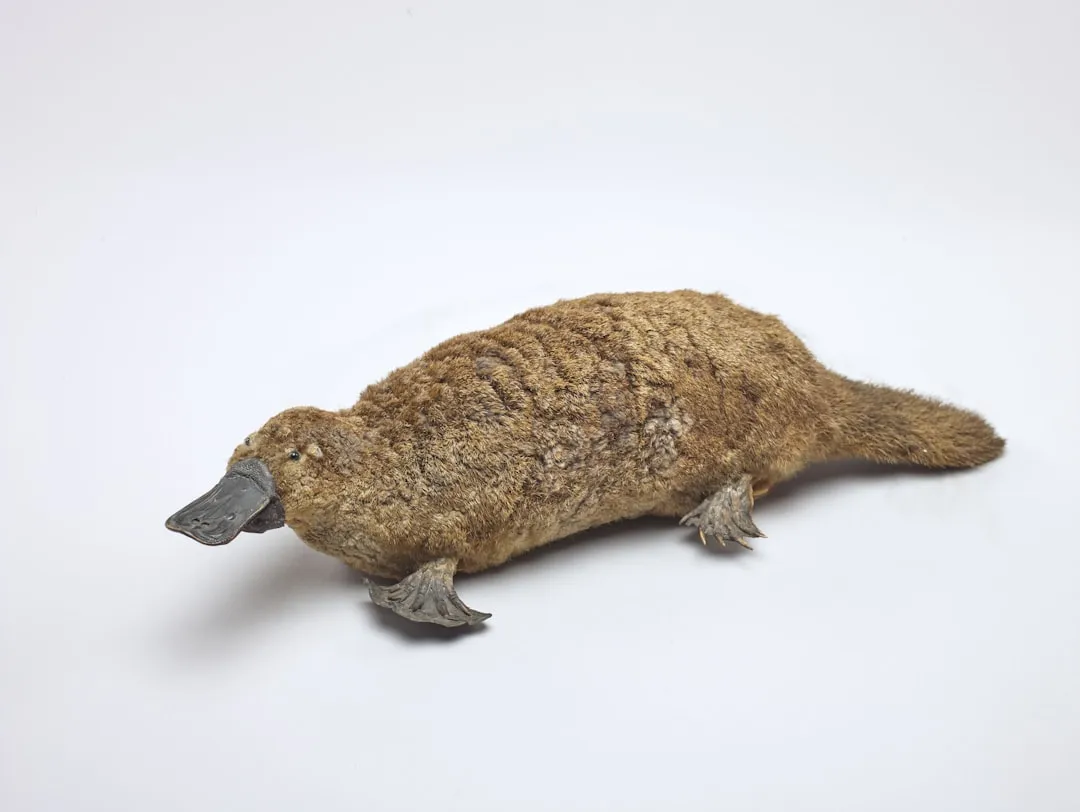
The platypus uses electrolocation to detect electric fields generated by the muscle contractions of its prey. Specialized receptors in its bill allow it to hunt effectively in murky waters where vision is compromised. This unique adaptation makes the platypus a proficient hunter in its aquatic environment.
Seismic Communication: Feeling Vibrations
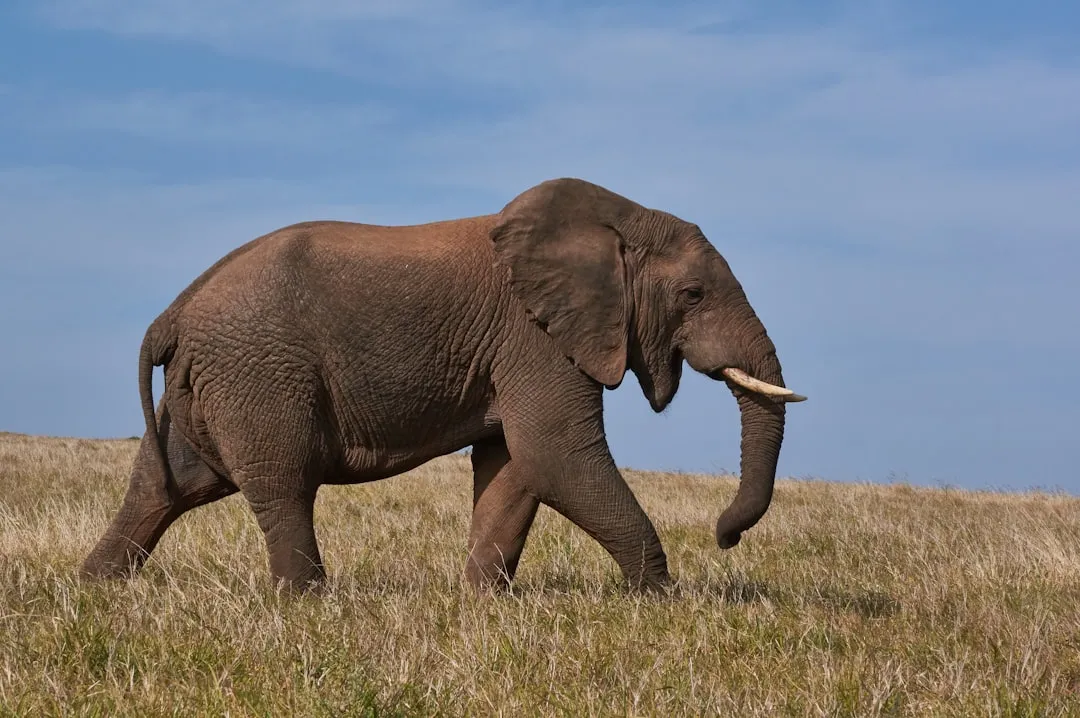
Elephants can detect seismic vibrations through their feet, allowing them to communicate over long distances. They produce low-frequency sounds that travel through the ground, which other elephants can sense, facilitating coordination and alerting them to potential dangers. This form of communication is vital for their social structure and survival.
Barometric Pressure Detection: Predicting Weather Changes
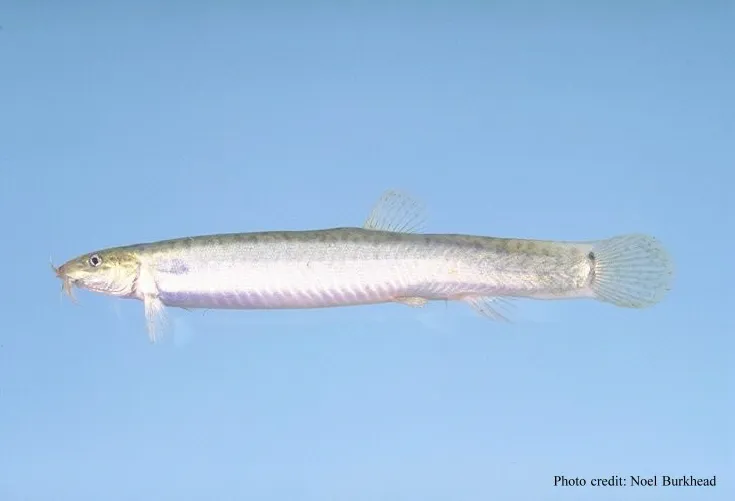
Some fish, like the oriental weatherfish, can detect changes in barometric pressure. They become more active or agitated before storms, allowing them to seek shelter or adjust their behavior accordingly. This sensitivity to atmospheric changes is a valuable survival tool in their aquatic habitats.
Mechanoreception: Sensing Mechanical Pressure
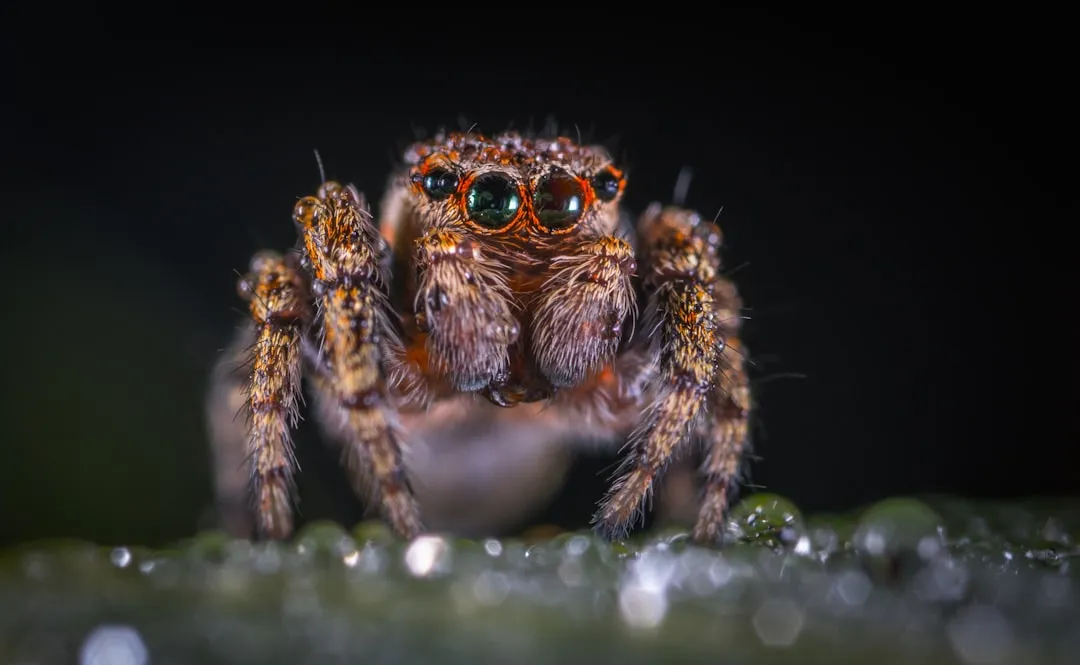
Spiders have specialized sensory organs called slit sensilla that detect mechanical pressures and vibrations. This allows them to sense prey caught in their webs or approaching predators, even without relying on vision. Their ability to detect such subtle changes in their environment is crucial for their survival.
Polarization Vision: Seeing Light Orientation

Certain insects, like bees, have polarization vision, enabling them to detect the orientation of light waves. This ability helps them navigate and find food sources by perceiving patterns of polarized light in the sky, which are invisible to humans. It’s like having a built-in compass that guides them through their environment.
These extraordinary senses highlight the incredible diversity of life on Earth and remind us of the limitations of our own perception. While we may never experience the world as these animals do, understanding their unique abilities deepens our appreciation for the natural world. It also challenges us to consider how much of our environment remains unseen and unheard, existing just beyond the reach of our human senses. What other hidden wonders might be waiting for us to discover?

- America’s Most Dangerous Fault Lines You’ve Probably Never Heard Of - July 14, 2026
- Animal Psychology Says If You See a Large Gathering of Crows in Your Yard at Dawn It Is a Sign of Complex Social Behaviour – and the Cognitive Power Required for It Belongs to an Elite Group of Species - July 14, 2026
- 10 World’s Most Beautiful Gardens - July 14, 2026