
Worried about unexpected vet bills?
Pet insurance can cover thousands in unexpected vet costs. Get a free quote from Lemonade in under 2 minutes.
Get My Free Quote →Sponsored · Opens Lemonade.com
is a state that wears its wildness on its sleeve. From the tangled cypress swamps of the Atchafalaya Basin to the wide Gulf marshes dissolving into open water, this is a place where nature feels close, immediate, and alive. It’s easy to fall under the impression that such rich landscapes can absorb any amount of pressure, that the wildlife simply adapts and moves on.
The reality is more sobering. The U.S. Fish and Wildlife Service lists 22 species as federally endangered, the most serious classification before extinction, and beyond that, nearly 700 additional native species earn designation as “Species of Greatest Conservation Need” by state wildlife managers. What follows is a closer look at twelve of the animals most at risk of vanishing from ‘s remarkable landscape.
1. Kemp’s Ridley Sea Turtle
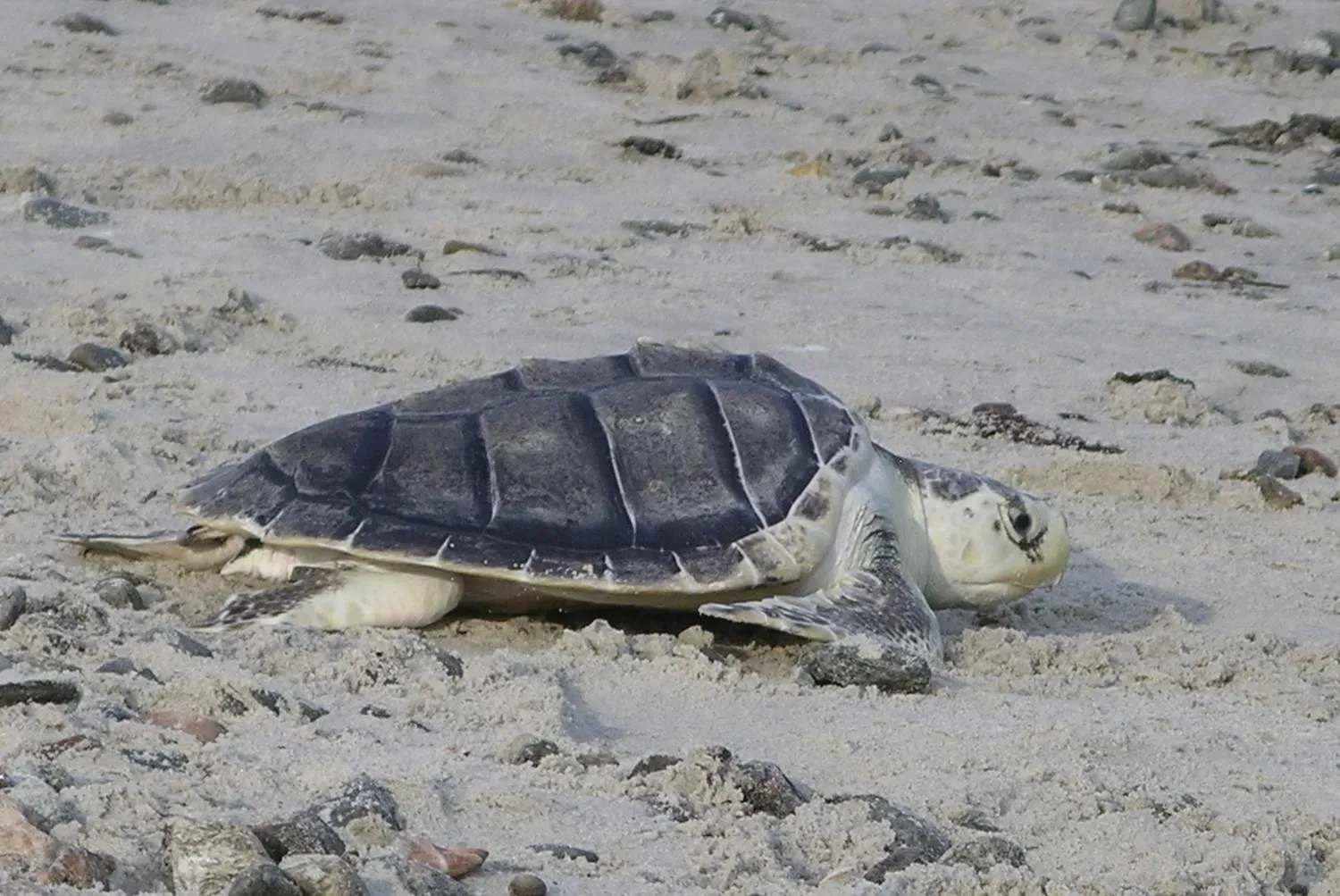
The Kemp’s ridley sea turtle is the smallest and most endangered sea turtle in the world. They feed primarily on crabs and small fish, but unfortunately their population has been severely threatened for decades due to commercial fishing bycatch.
These turtles are unique in that all females nest along the same shoreline at the same time, and they also nest during the day, likely to help promote the survival of their young. Known as arribada nesting, Kemp’s ridley turtles are one of only two turtle species that lay their eggs in this manner. Only around 2,500 Kemp’s ridley sea turtle females remain worldwide, making Louisiana’s Gulf Coast habitat absolutely crucial for the species.
2. Ivory-Billed Woodpecker
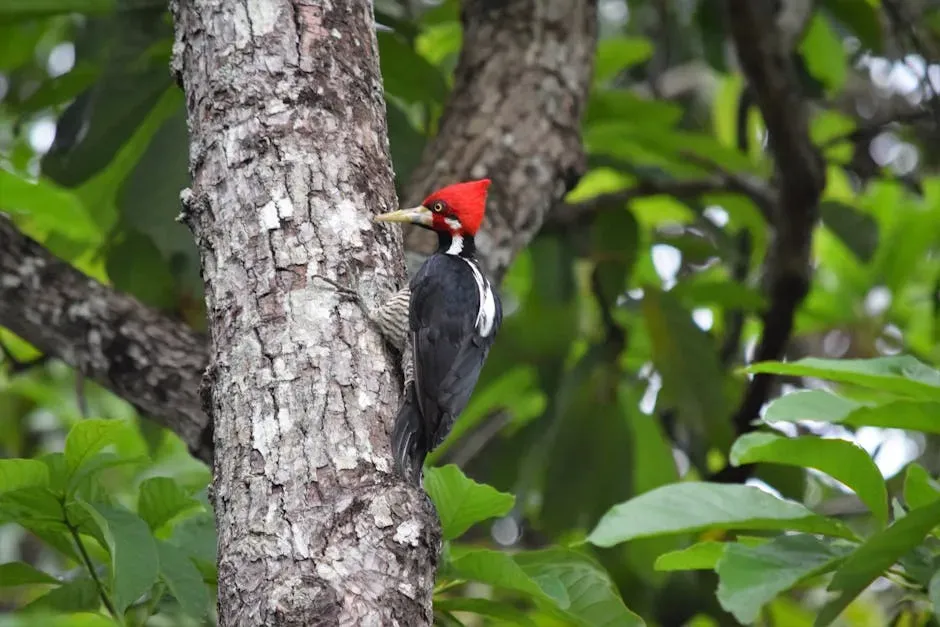
No bird captures Louisiana’s conservation story quite like the Ivory-billed Woodpecker. This magnificent creature earned the nickname “Lord God Bird” from startled observers who witnessed its impressive presence. At nearly two feet tall with a three-foot wingspan, the Ivory-bill dominated the canopy of ancient bottomland hardwood forests.
They require expansive areas of continuous forests with large trees and must have a constant supply of dead or dying trees so they can excavate cavities and forage for beetle larvae, which is their main source of diet. They also like forests with open canopies so that they can fly unhindered. Nobody has definitively spotted an Ivory-billed Woodpecker since 1944, though October 2023 brought intriguing new evidence from Louisiana’s remote swamplands.
3. Pallid Sturgeon
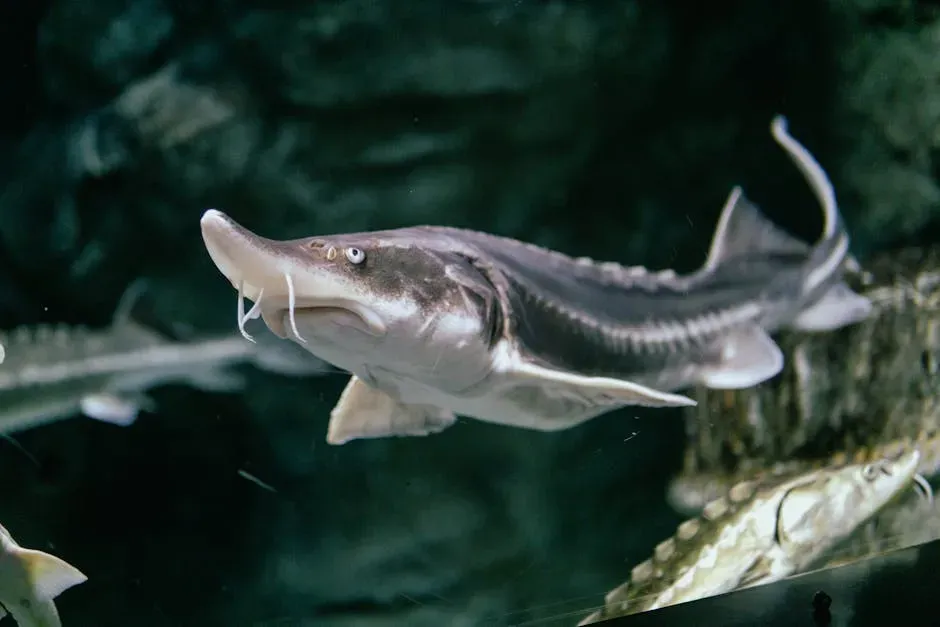
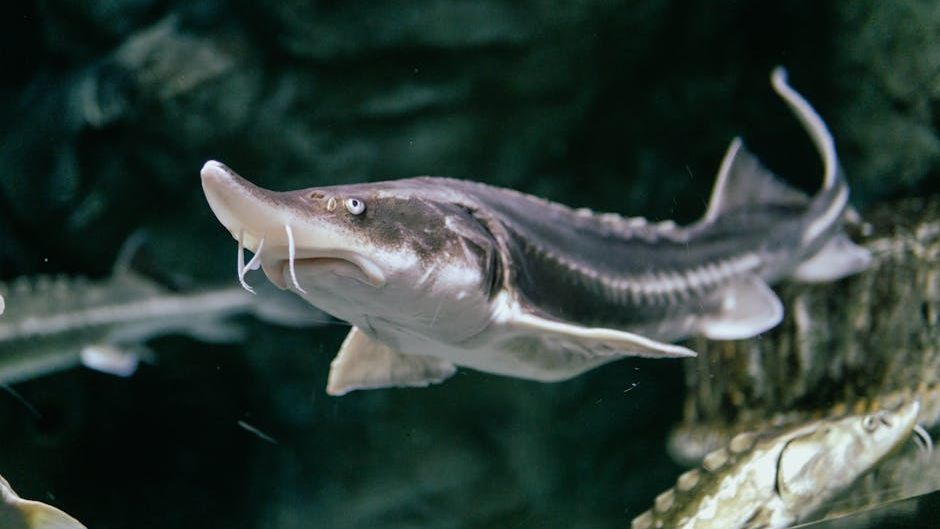
Fossil evidence places sturgeon ancestors in Earth’s waters for over 100 million years. They swam alongside dinosaurs and survived whatever catastrophe eliminated those giants. Federal protection came in 1990, making the Pallid Sturgeon the first endangered fish species in the Missouri River drainage, and Louisiana’s Mississippi, Atchafalaya, and Red Rivers provide critical habitat for remaining populations.
The species requires free-flowing conditions for successful reproduction because fertilized eggs must drift hundreds of miles downstream while developing into juveniles. Modifications to the river systems they inhabit have significantly altered the distribution and decreased the number of individuals of this species by eliminating or changing their spawning sites.
4. Red-Cockaded Woodpecker
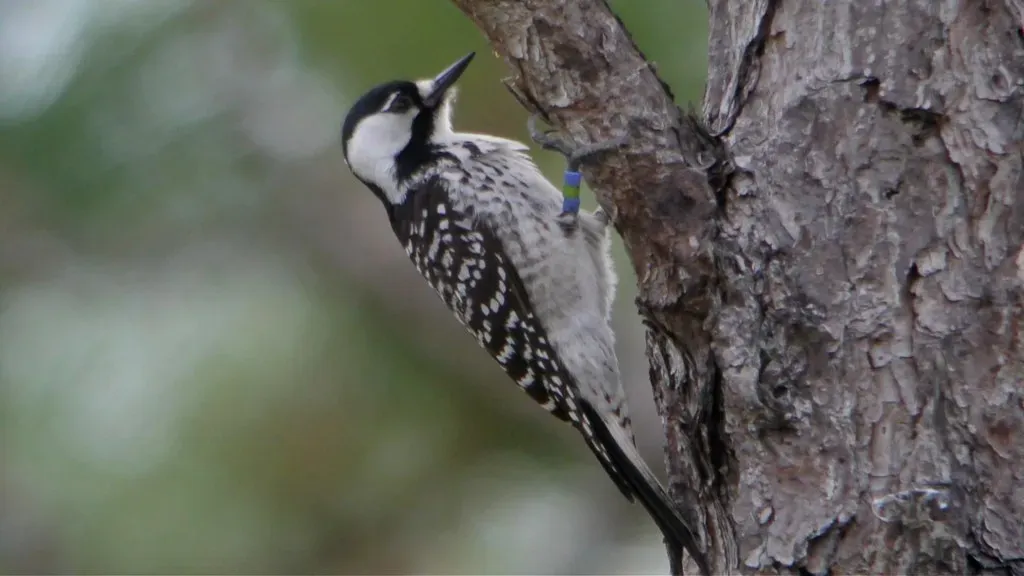
The Red-cockaded Woodpecker demonstrates remarkable specialization with’s pine ecosystems. Unlike most woodpecker species that excavate cavities in dead trees, Red-cockaded Woodpeckers exclusively nest in living pines. They specifically target trees infected with red heart fungus, a disease that softens the heartwood and makes cavity construction feasible.
Louisiana’s Red-cockaded Woodpecker populations concentrate on public lands where forest managers can maintain suitable habitat conditions. Military installations, national forests, and wildlife management areas provide the majority of breeding territories. Prescribed burning proves essential for maintaining the open understory conditions these birds require.
5. Whooping Crane
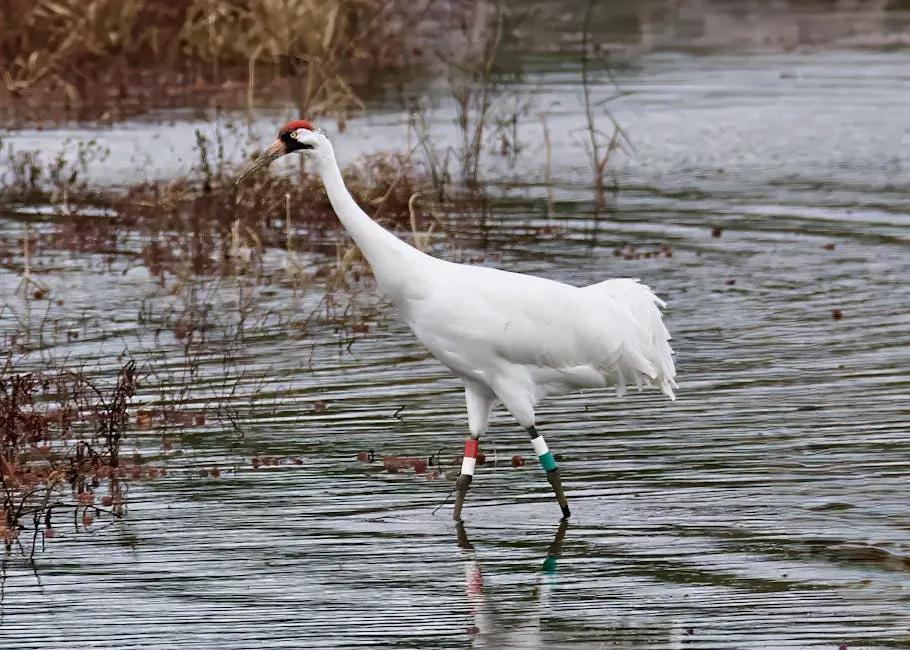
The whooping crane occurs only in North America and is North America’s tallest bird, with males approaching five feet when standing erect. Historically, whooping cranes occurred in both a resident, non-migratory flock as well as migratory birds that wintered in the state. Conversion of prairies to mechanized agriculture and unregulated hunting led to the decline of this species both nationally and at the state level, and by 1945, only two cranes remained .
The primary threats to whooping cranes relate to the species’ low abundance and limited distribution. Both factors make the species particularly susceptible to natural catastrophes such as drought or hurricanes and human-caused catastrophes such as oil and chemical spills. Poaching is another major threat. The species is still considered endangered, but as of 2025, there are over 800 whooping cranes in three separate wild populations along with a captive population.
6. Louisiana Pearlshell Mussel
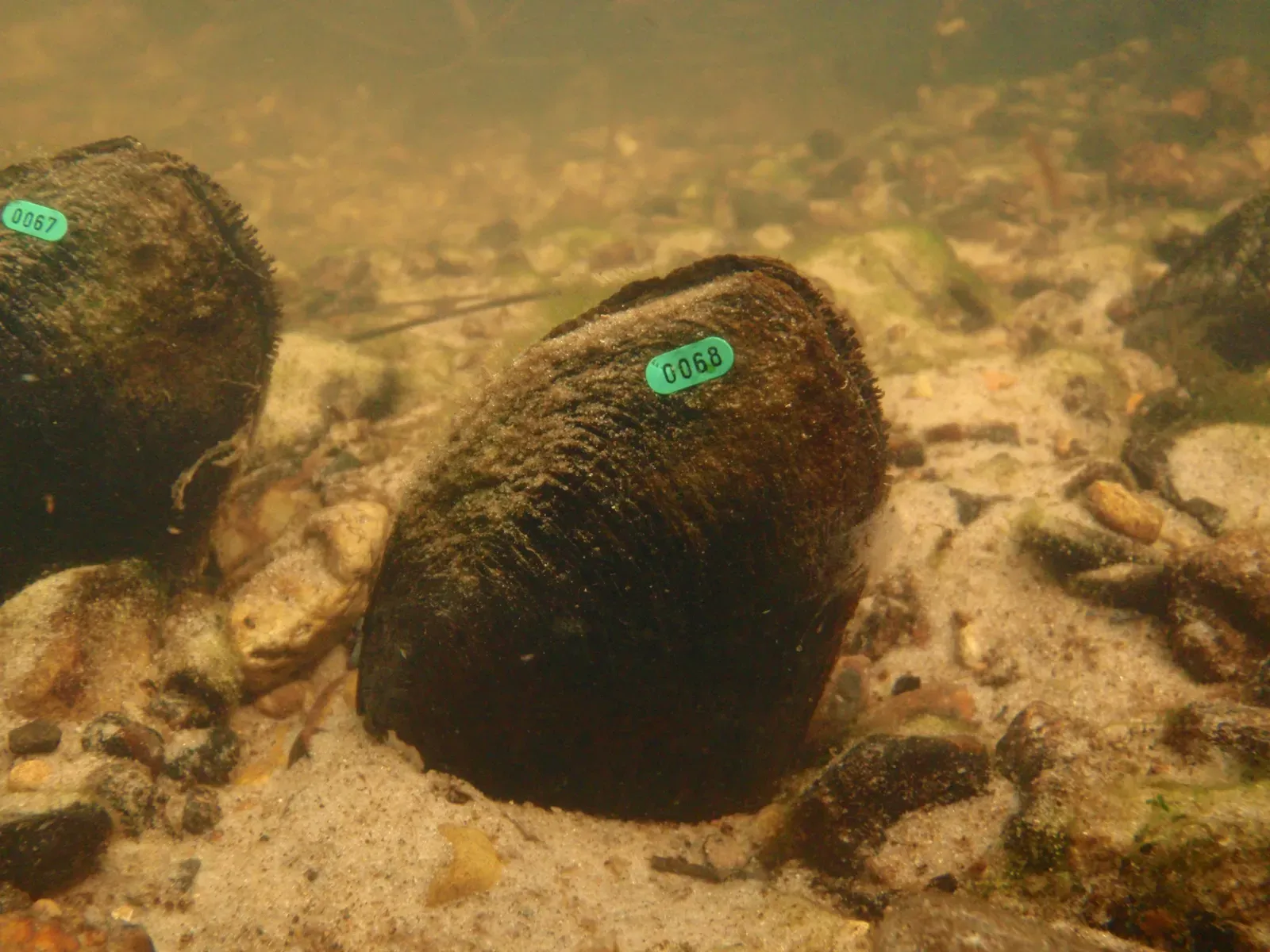
Uploaded by AlbertHerring, Public domain)
Found only in central Louisiana, the Louisiana pearlshell mussel has one of the most restricted ranges of any freshwater mussel in the United States. It inhabits small, clear streams with sandy or gravel bottoms and steady flows, where its larvae, called glochidia, depend on specific host fish species to develop.
Because of its extremely limited range and low population, the species is highly sensitive to disturbance. Sedimentation, pollution, changes in stream flow from land development, and the loss of host fish have all contributed to its decline. This species is threatened due to pollution and other factors affecting water quality. Beaver dams may also constitute a threat by changing the water flow in streams, as well as clear cuts which allow erosion to occur and thus siltation, which changes the composition of the river beds.
7. Leatherback Sea Turtle
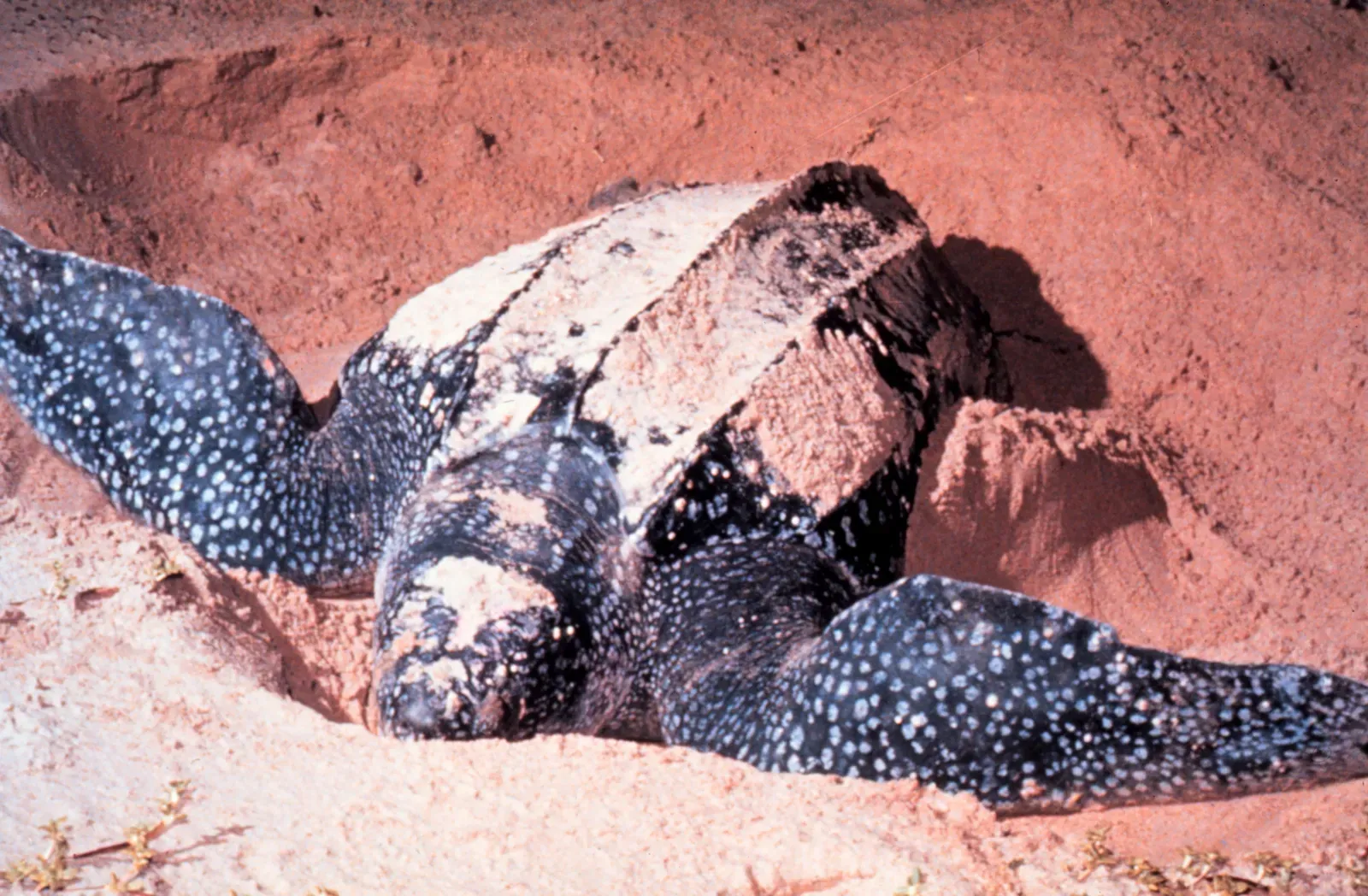
The leatherback sea turtle is the largest living turtle and one of the most wide-ranging marine species in the world. Reaching lengths of over six feet, leatherbacks differ from other sea turtles in that they have a flexible shell instead of hard scutes. Their dark, blotched carapaces help them blend into the open ocean, where they feed primarily on jellyfish.
Leatherbacks face numerous threats, including bycatch in commercial fishing nets, ingestion of or entanglement in marine debris, especially plastic bags that resemble jellyfish, and the loss of nesting beaches. Climate change and ocean pollution have further disrupted their feeding and migration patterns.
8. Gopher Tortoise
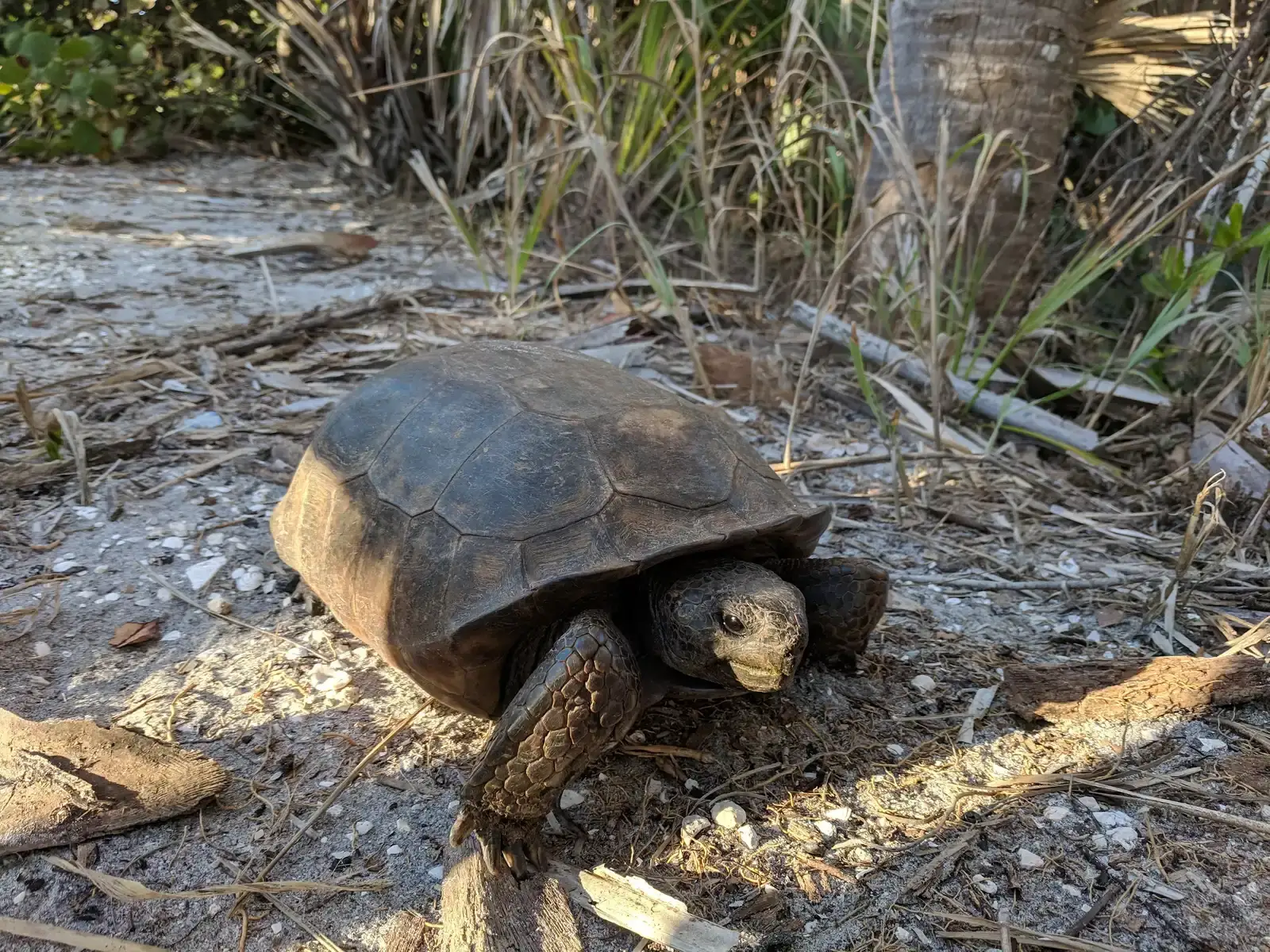
Gopher tortoises, who are residents of the coastal plains of the United States’ southeastern region, have earned their name for the intricately designed and well-constructed burrows they create to survive extreme temperatures. Their favorite foods are grass, legumes, and fruits. Though conditions vary from one state to another, gopher tortoises are listed as an endangered species due to the disruption of habitats caused by agricultural and urban development.
Decline has concentrated many remaining gopher tortoise populations along pipeline and power line rights-of-way within their range. Tortoise burrows can also be found along road rights-of-way and other marginal habitats, including fence rows, orchard edges, golf course roughs and edges, old fields, and pasturelands. Their role as a “keystone species” runs deep. Well over a hundred other animal species use their burrows for shelter and protection.
9. Ringed Map Turtle
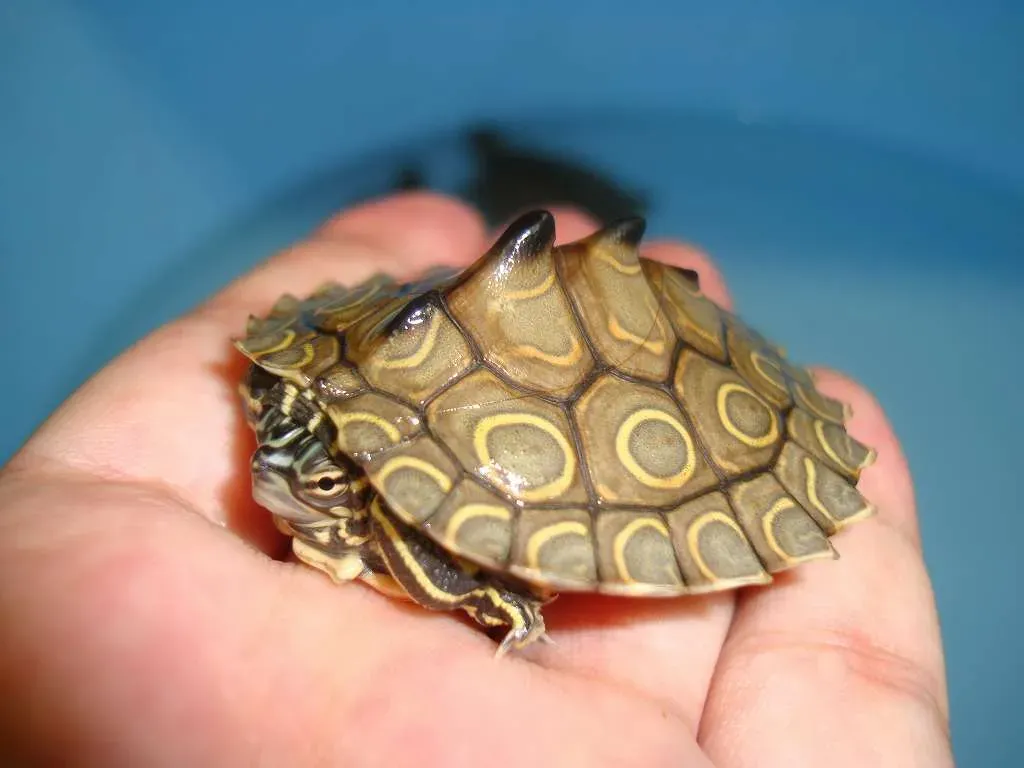
The ringed map turtle is endemic to the Pearl and Bogue Chitto River drainages, primarily in clean systems with a moderate current, open canopy, and numerous sandy nesting beaches. Their carapace has a background color that is dark olive-brown with distinct yellow to reddish rings on the scutes. The head is also distinct with a large yellow spot behind each eye.
, the ringed map turtle occurs in the Bogue Chitto River south of Franklinton and in the Pearl River north of Louisiana Highway 190 in St. Tammany and Washington Parishes. It is found in riverine habitats with moderate currents, channels wide enough to permit sunlight penetration for several hours each day, numerous logs for basking, and large, sandy banks used for nesting. They are in decline because their river systems have been altered, which has decreased the number of exposed sandbars on which they lay their eggs.
10. Interior Least Tern
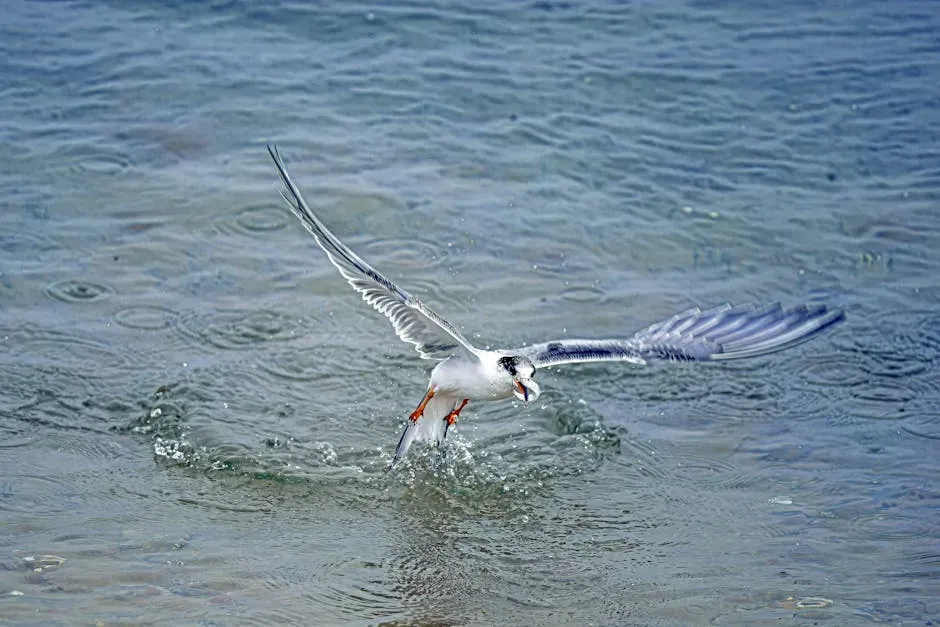
The interior least tern is the smallest tern in North America and can be found breeding on sand or gravel bars of rivers or lakes. It measures about 9.5 inches tall with a wingspan of 14.7 inches. Their plumage varies depending on the time of the year, but their tails are short and deeply forked. They are the only adult tern with a slender yellow bill with a black tip.
, the interior least tern historically occurred along the Mississippi River north of Baton Rouge. Few birds have been observed along the Mississippi River in surveys conducted over recent years. Several nesting colonies have recently been found along the Red River in northwestern Louisiana. They are in decline due to habitat loss and unnatural changes in river hydrology, with other factors including predation, oil spills, and severe weather.
11. Hawksbill Sea Turtle
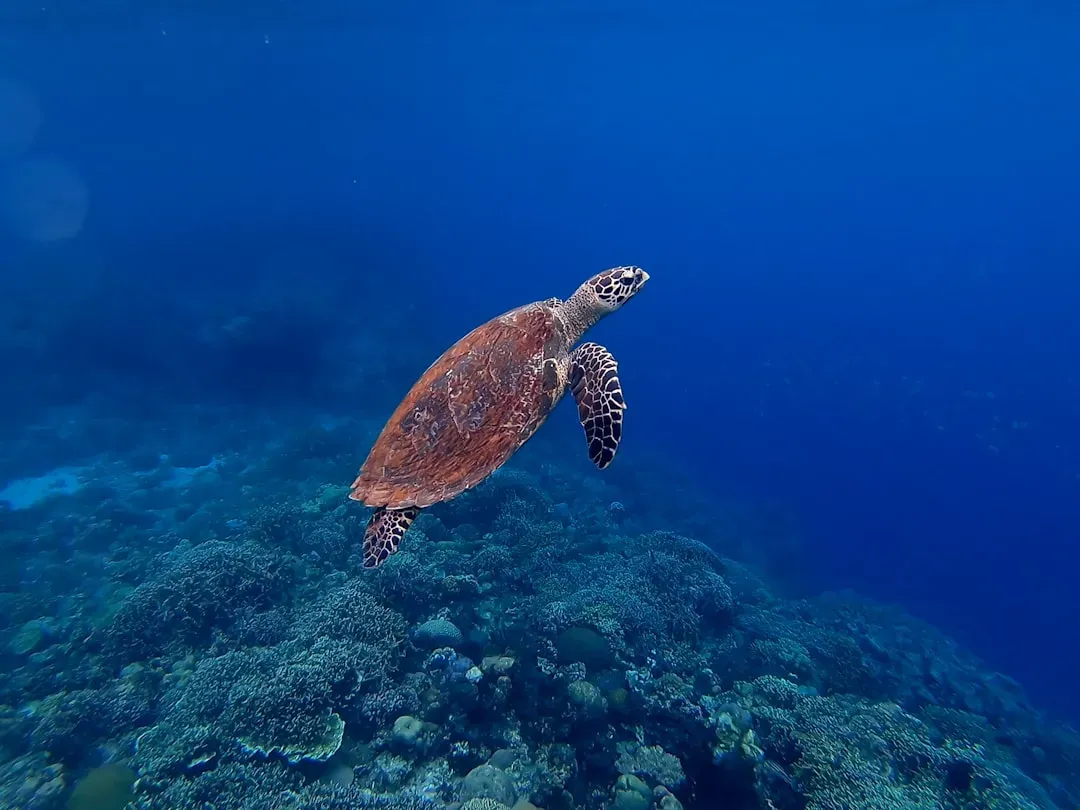
The endangered Hawksbill Sea Turtle is one of seven species of sea turtles found throughout the world. One of the smaller sea turtles, it has overlapping scutes, or plates, that are thicker than those of other sea turtles. This protects them from being battered against sharp coral and rocks. Their distinctive narrow, pointed beak, the feature that gives them their name, is perfectly shaped for extracting sponges from reef crevices.
Threatened animal species include five species of sea turtles: green, hawksbill, Kemp’s ridley, leatherback, and loggerhead. The hawksbill is among the most critically vulnerable of this group globally, with populations lost to decades of tortoiseshell harvesting, coastal development, and reef degradation throughout the Gulf of Mexico.
12. Fat Pocketbook Pearly Mussel
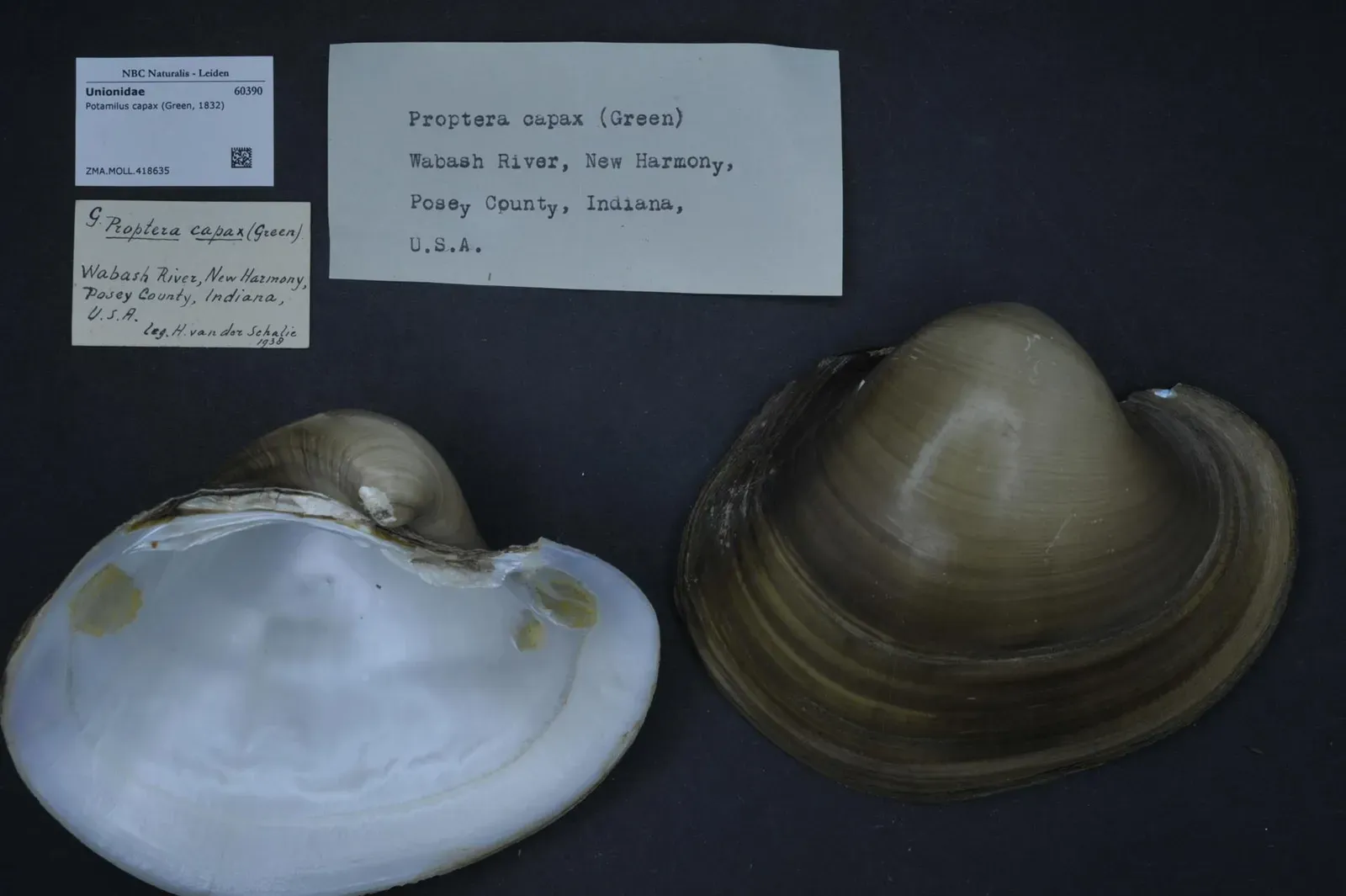
Three endangered mussel species represent the remnants of Louisiana’s once-abundant freshwater mussel fauna: the Fat Pocketbook Pearly Mussel in the Mississippi River, the Pink Mucket Pearly Mussel in Bayou Bartholomew, and the Louisiana Pearlshell Mussel found only in Rapides and Grant parishes. The Fat Pocketbook is arguably the most imperiled of the three.
The fat pocketbook pearly mussel has a smooth, rayless, shiny yellow to brown shell measuring up to five inches long. Almost 700 species of native Louisiana plants and animals are considered Species of Greatest Conservation Need, a designation that includes Louisiana’s threatened and endangered species as well as uncommon species that rely on imperiled habitats such as barrier islands for survival. The fat pocketbook is among the most symbolically invisible yet ecologically vital members of that group, quietly filtering river water and sustaining aquatic food webs.
A State at a Crossroads

Louisiana is a hub for entertainment, food, and local traditions. The natural landscape and the wildlife that inhabit it are intertwined in the history and culture of the state, making it all the more important to keep them around for a long time to come.
The Louisiana Department of Wildlife and Fisheries coordinates comprehensive species recovery programs with federal partners and conservation organizations, including captive propagation facilities, habitat restoration projects, population monitoring programs, applied research studies, and community education initiatives. The Louisiana Black Bear earned removal from endangered status in 2016 after successful habitat protection and population restoration programs, proving that recovery is genuinely possible when the will and resources align.
These twelve animals are not abstract statistics. They are creatures that evolved alongside Louisiana’s bayous, pine forests, and Gulf waters over thousands of years. What happens to them is, in many ways, a direct reflection of the choices being made about the land, water, and economic priorities of the state right now. The species that disappear quietly are the ones nobody realized they were losing until it was already too late.
Worried about unexpected vet bills?
Pet insurance can cover thousands in unexpected vet costs. Get a free quote from Lemonade in under 2 minutes.
Get My Free Quote →Sponsored · Opens Lemonade.com

- The US States With the Most Elk - June 6, 2026
- The Hidden Downside To Putting A Bird Feeder In Your Yard - June 6, 2026
- How Volcanoes, Quakes, and Ice Ages Rewrote the Prehistoric Map of Life - June 6, 2026