
There are moments when you stumble across something that makes you question reality itself. Some places seem like they belong in a science fiction movie or a dream sequence rather than on a map of the United States. The fact that these spots exist, that you can actually visit them and touch the same ground that nature or history shaped in utterly bizarre ways, feels almost impossible.
Yet here we are in 2025, living in a country that contains landscapes so otherworldly that even photographers struggle to capture their true essence. From geysers that shouldn’t exist to caves made of ice and sinkholes that appear to drain entire oceans, America hides some truly mind bending secrets. Ready to discover what’s real? Let’s dive in.
Fly Geyser, Nevada
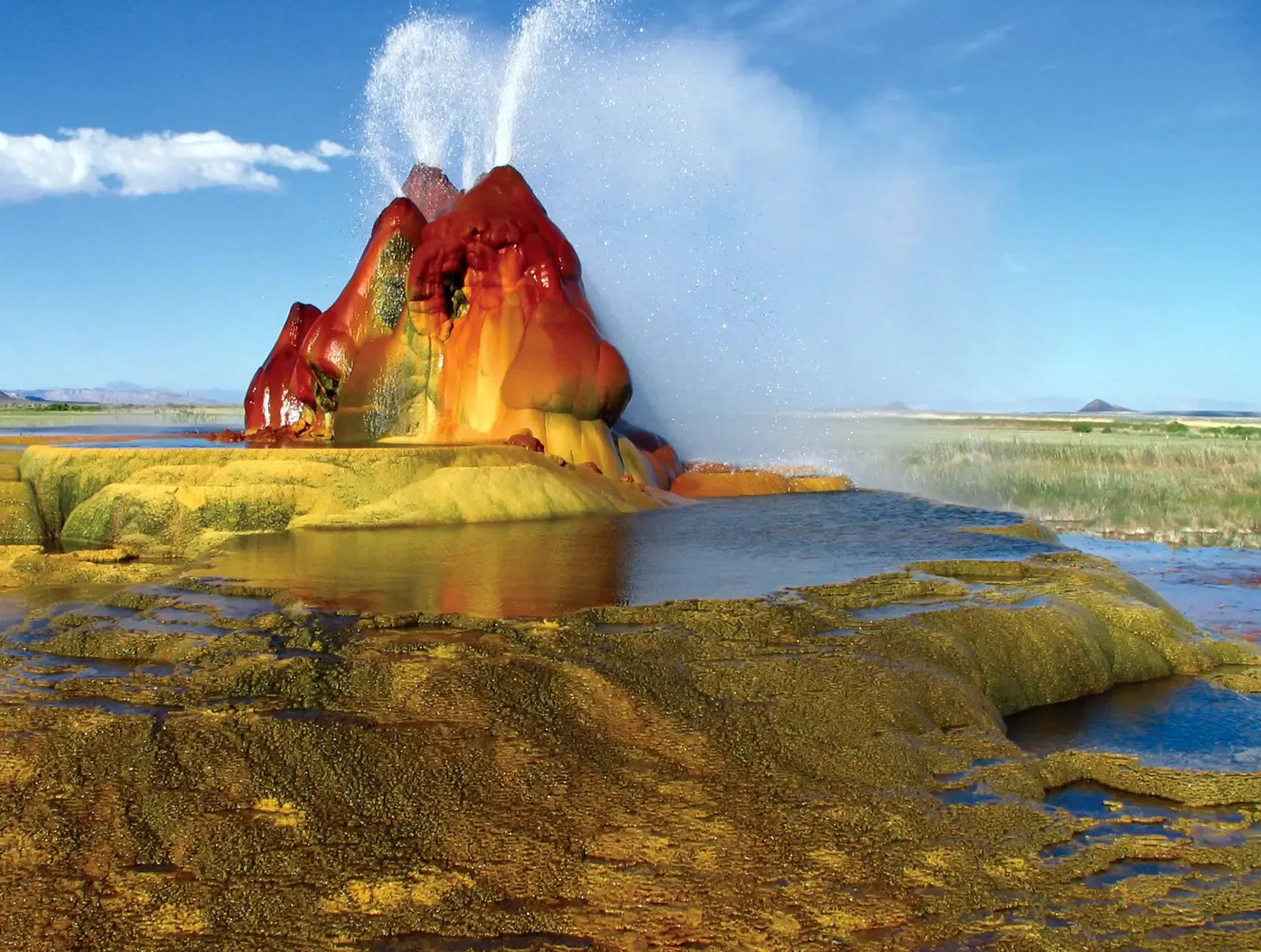
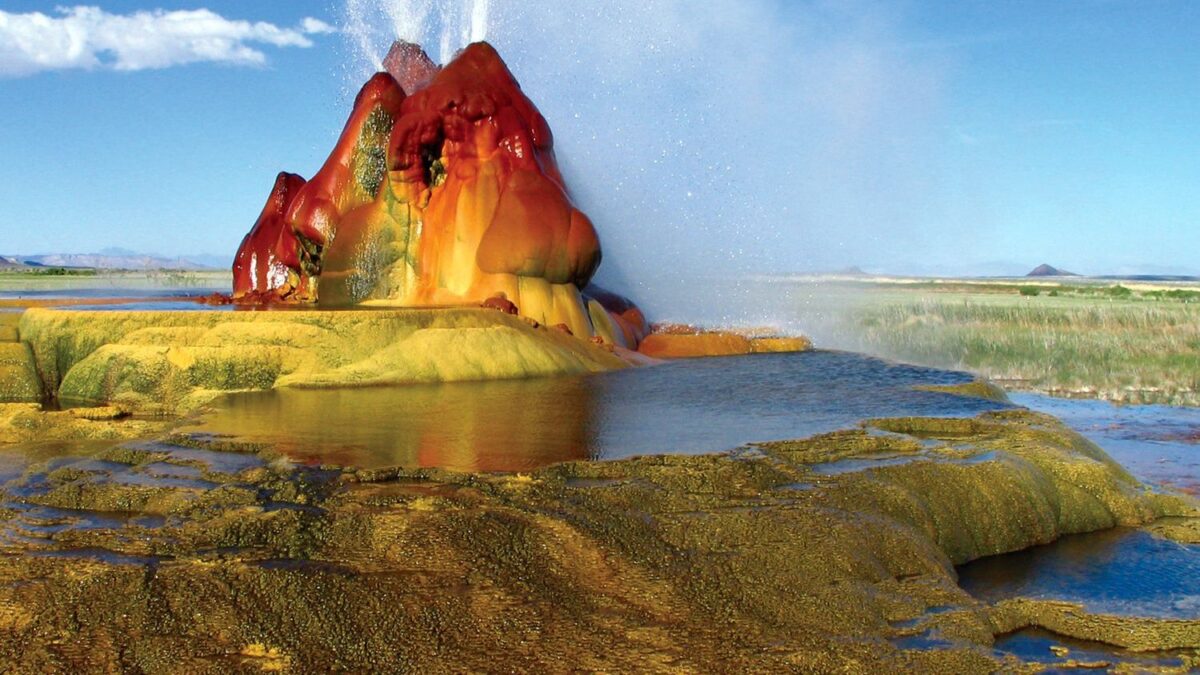
Fly Geyser stands as one of Nevada’s hidden gems, shooting water up to 5 feet into the air in a mesmerizing display. The geyser’s vibrant, multicolored formations are caused by thermophilic algae thriving in the hot water, adding to its otherworldly appearance. What makes this place even stranger is that it wasn’t created by nature alone.
This geothermal geyser was accidentally created in the early 1900s when a well was drilled and geothermal water began to escape through the cracks, with efforts to cap it failing. The result looks like something an alien civilization left behind. Although the geyser itself isn’t open to the public, you can see it from State Route 34, just a short distance away.
Thor’s Well, Oregon
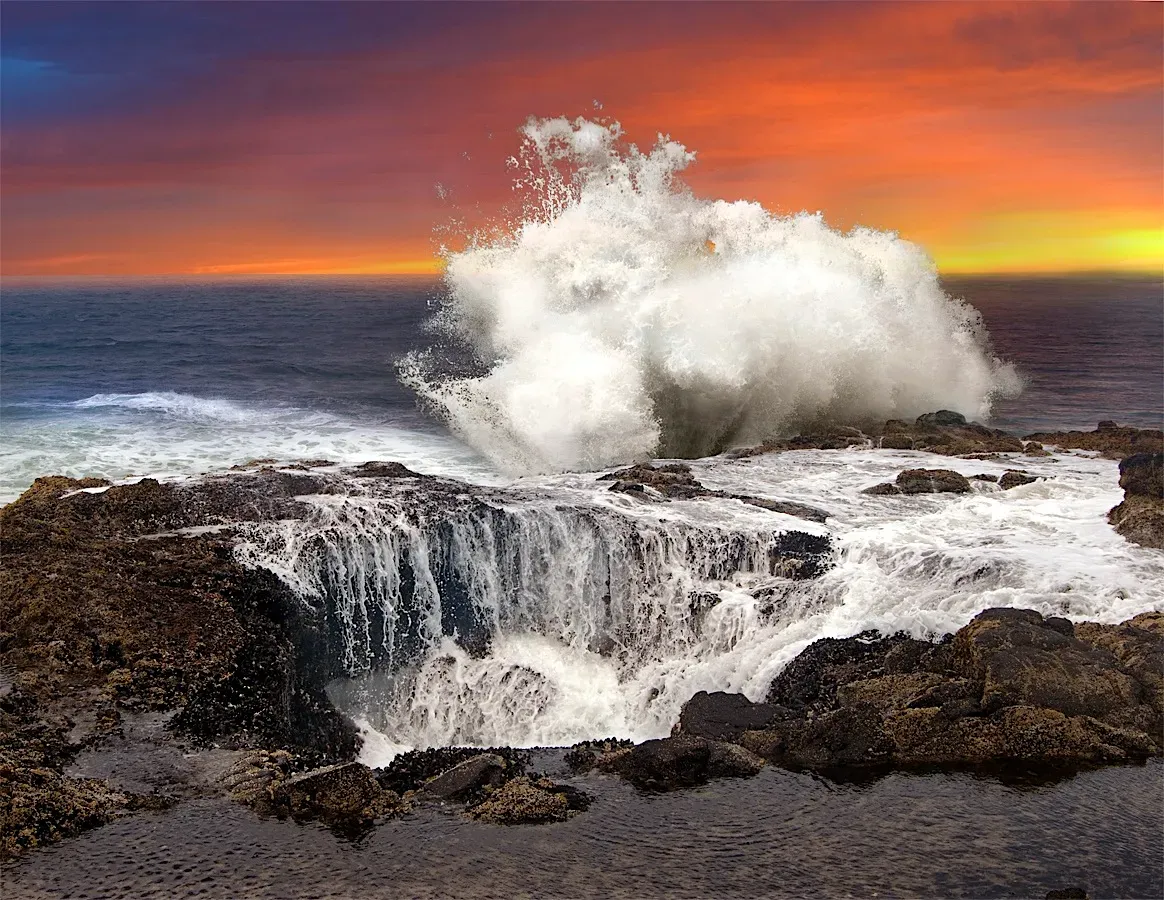
Sitting on the edge of the Oregon coast near Cape Perpetua, a gaping, seemingly bottomless sinkhole swallows the unbroken stream of seawater around it. Also known as the drainpipe of the Pacific, the well is actually a hole in the rock that only appears to drain water from the ocean. The illusion is so convincing that you’ll find yourself staring at it, trying to figure out where all that water is actually going.
Researchers now believe that Thor’s Well began as a large sea cave that slowly formed over thousands of years as waves crashed into the volcanic rock, eventually collapsing and leaving a bowl shaped hole just meters from shore. Although it looks like a bottomless pit, the hole is only 20 feet deep. The site is most spectacular at high tide or during storms when water washes violently over the rocks and funnels into the hole, creating a show that nature photographers dream about.
Glass Beach, California
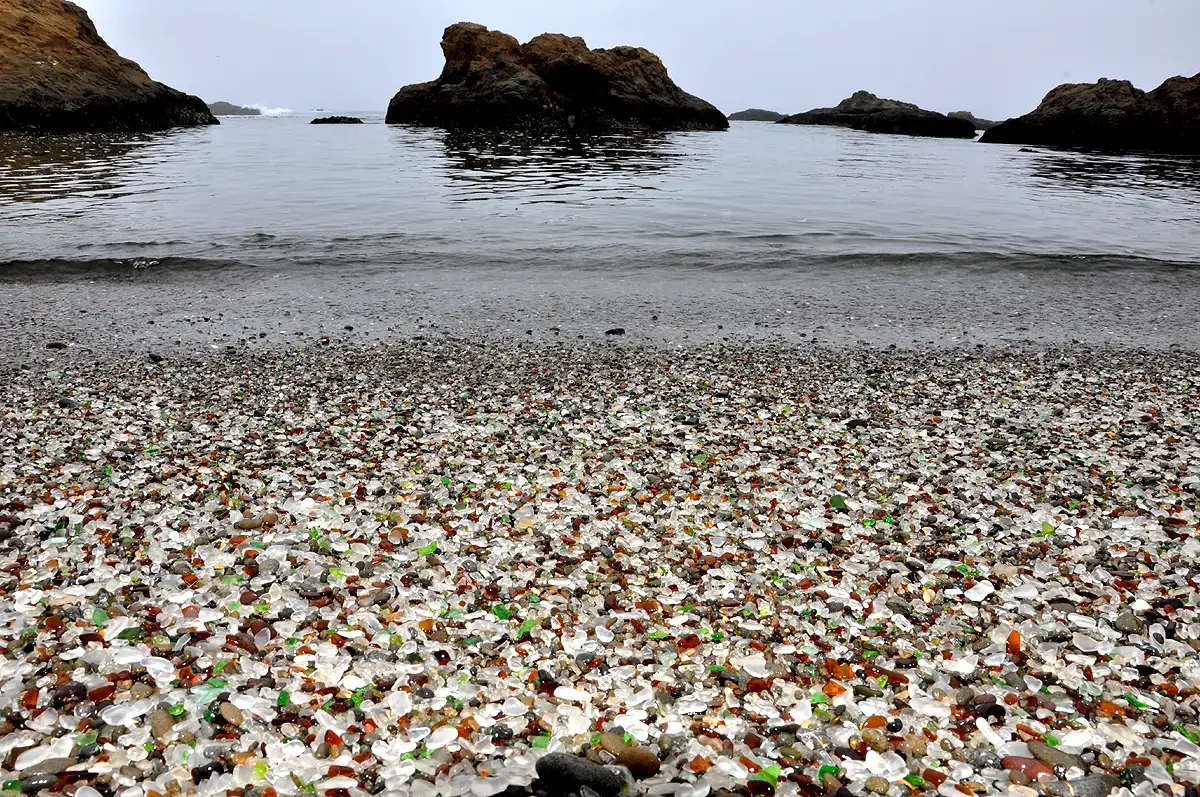
A visit to Glass Beach in Fort Bragg shows you just how creative Mother Nature can be. This beach is the result of decades (1906 to 1967) of people dumping garbage of all types into the ocean by throwing it over the cliffs, with this garbage eventually washing up onshore in the form of smooth pieces of glass. What was once an environmental disaster has transformed into something strangely beautiful.
The ocean took decades of trash and turned it into treasure. Lucky explorers may stumble upon precious gems, such as sapphire remnants from apothecary bottles or ruby red shards from pre 1967 car taillights. It’s a reminder that sometimes nature has a way of reclaiming even our worst mistakes and turning them into art.
Antelope Canyon, Arizona
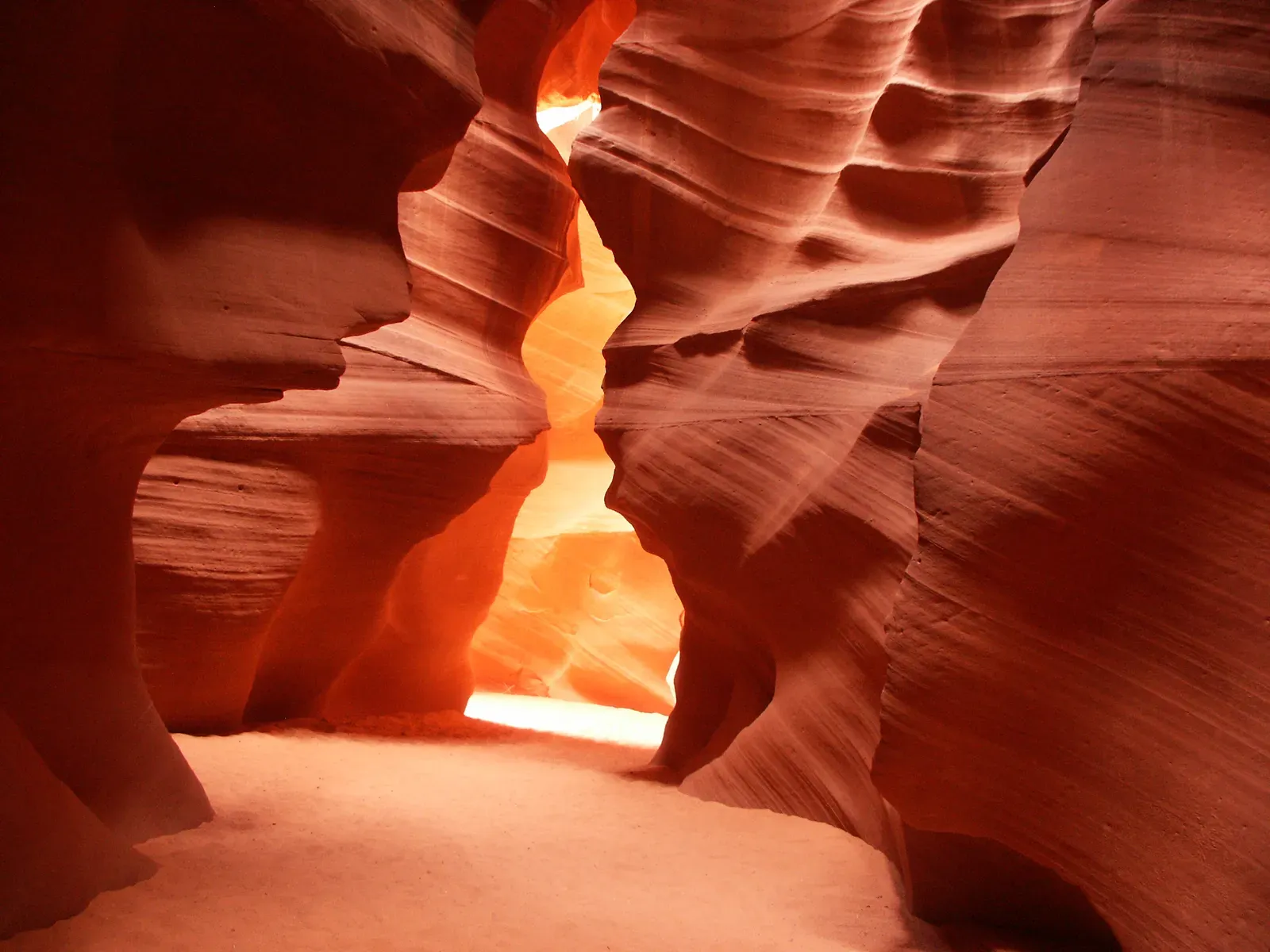
Antelope Canyon is one of nature’s most impressive masterpieces, featuring swirling sandstone walls in a towering corridor of fiery reds and oranges. Walking through this slot canyon feels like stepping into another dimension where light and rock perform an eternal dance. Visitors flock from around the globe to witness the light beams that pierce through the narrow crevices, a phenomenon that occurs especially during the summer months at noon.
Located in the Navajo Nation near Page, Arizona, Antelope Canyon is actually divided into 6 separate sections with 2 being the most photogenic: Upper Antelope Canyon and Lower Antelope Canyon. To experience Antelope Canyon, you must book a guided tour as it’s located on protected Navajo land, with tours typically lasting around 1.5 to 2 hours and spots filling up quickly, especially during peak season.
The Wave, Arizona
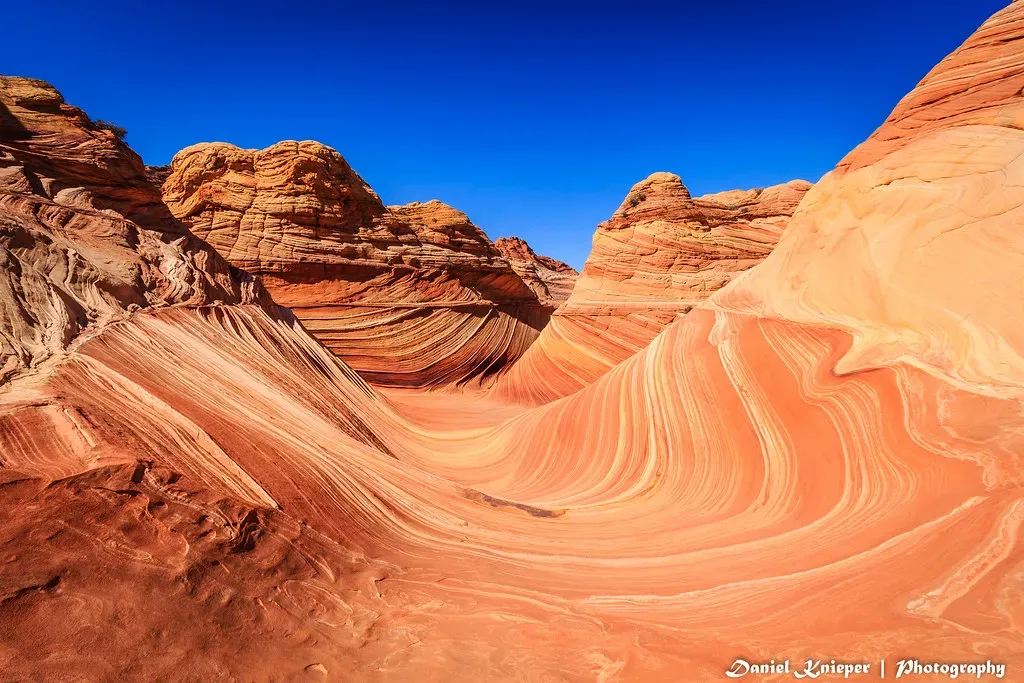
On the slopes of Arizona’s Coyote Buttes, an area of mesmerizing swirling color patterns and unusual striations in the Navajo Sandstone awaits. The Wave looks like someone took a paintbrush to stone and created flowing ribbons frozen in time. Honestly, even the most vivid photographs can’t quite capture the sensation of standing there.
These days, access to the Wave is highly restricted, with only a limited number of permits issued per day to preserve the site’s natural rock. Getting a permit is like winning a lottery, which somehow makes the place even more mythical. The striated sandstone formations seem to ripple like water caught mid motion, a geological masterpiece that took millions of years to create.
Horseshoe Bend, Arizona
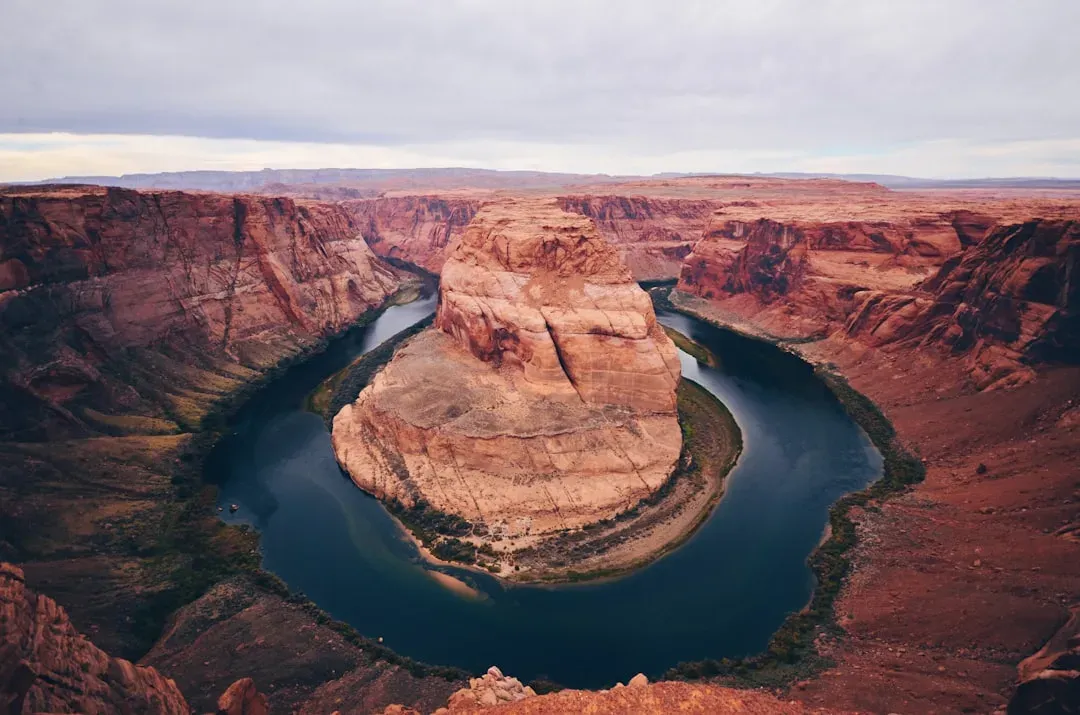
Located near the town of Page, Arizona, Horseshoe Bend is a mesmerizing geological wonder that showcases a horseshoe shaped incised meander carved out by the mighty Colorado River over millions of years. As you stand at the overlook, which is about a 1,000 foot drop, you’re treated to a breathtaking panoramic view of the Colorado River winding its way through the red hued sandstone canyon.
For a long time Horseshoe Bend was mostly popular with nearby residents, but the yearly visitor count sharply increased with exposure through social media, with the lookout now a major tourist destination with more than 2 million visitors a year. The trail to the overlook is a 1.5 mile round trip over an Architectural Barriers Act compliant trail that is ideal for the whole family and welcomes wheelchairs, strollers, and leashed dogs, with the relatively flat, packed dirt trail taking about 20 minutes to hike each way.
White Sands National Park, New Mexico
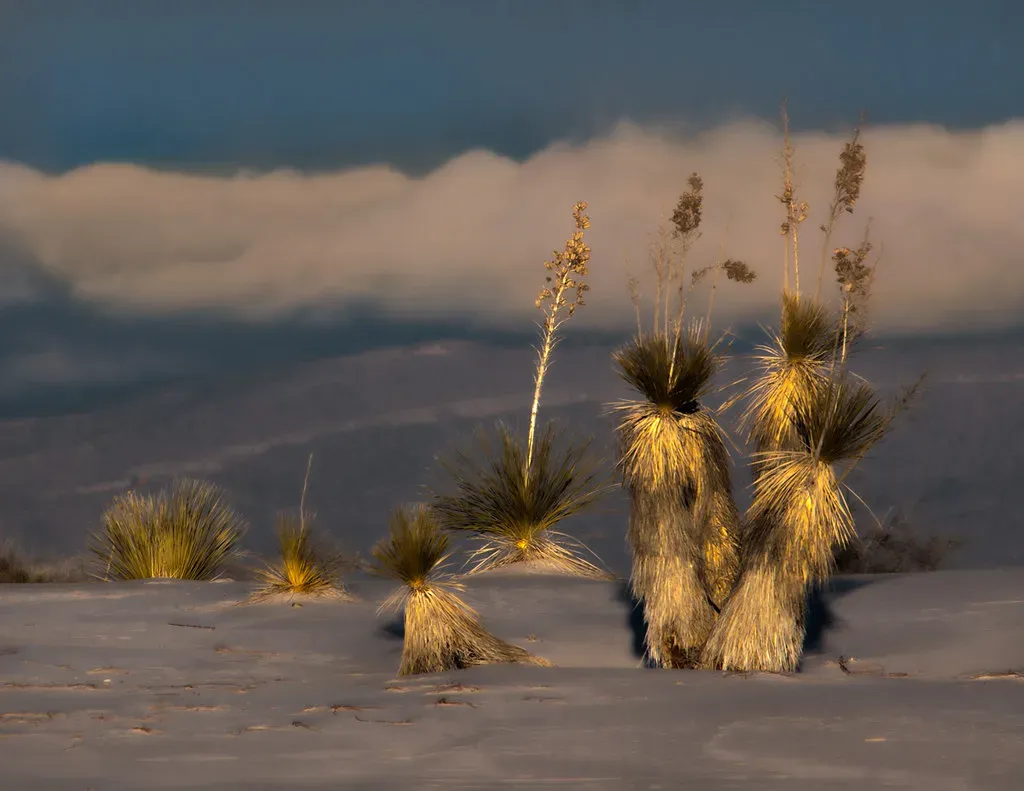
The sand at White Sands is white owing to the fact that it’s made of gypsum, the same material that comprises plaster, blackboard chalk and drywall, with 4.5 billion tons of the stuff covering 145,762 acres near Alamogordo, New Mexico. Walking across these dunes feels surreal, like you’ve been transported to another planet entirely. The landscape stretches endlessly in waves of pure white.
The dunes shift and change with the wind, creating an ever evolving desert that never looks quite the same twice. During sunset or sunrise, the white sands take on shades of pink and gold that make you feel like you’re walking through a watercolor painting. It’s hard to believe this hostile landscape was once considered for a health resort.
Devils Postpile, California
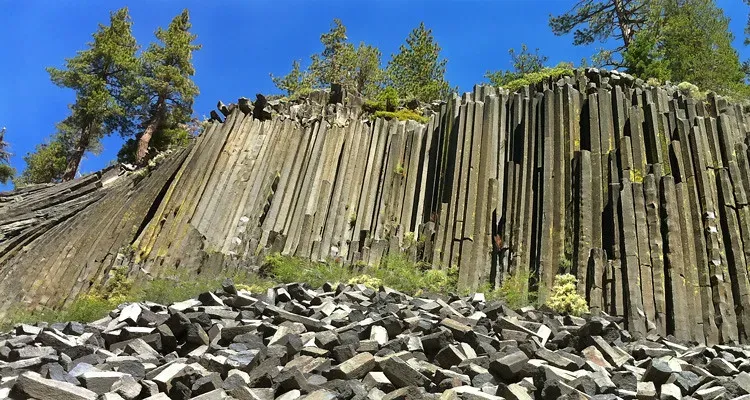
Although it appears to be a human made wonder, the Devils Postpile is instead a rare geological formation made of hexagonal basalt columns, with the landmark’s stunningly symmetrical appearance formed by the cooling and contracting of lava flows around 100,000 years ago. The columns look so perfectly geometric that your brain struggles to accept they’re natural.
The scale of the site has eroded over time, but some of the stones still rise as high as 60 feet, with Devils Postpile under threat of demolition in 1911 to build a dam before President William Howard Taft proclaimed the site a U.S. national monument to protect it. The mosaic like appearance of the formation stands in stark contrast to the surrounding Sierra Nevada mountains, with visitors able to enjoy a short 2.5 mile walk to the nearby Rainbow Falls during summer months when the monument is open to the public.
Bisti Badlands, New Mexico
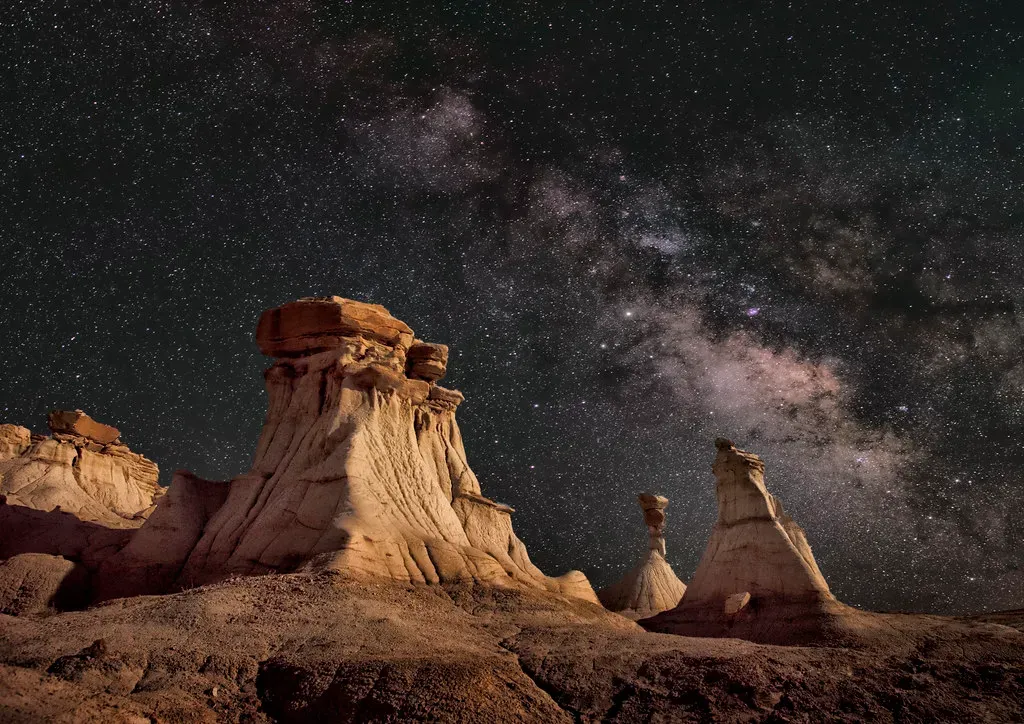
Wild and inhospitable, the Bisti/De-Na-Zin Wilderness is a rolling landscape of badlands that can’t be fully accessed by road, ideal for hardcore hikers looking to escape the crowds. Once a river delta, this area has topography like you’ve never seen, with water receding from these parts and leaving behind bizarre rock formations made of sandstone, shale, mudstone, coal and silt.
There are pinnacles, spires and mushroom shaped rocks, caused by weathering over the millennia, with little shade, no water sources and searing summer temperatures making a day out here for the hardy. Some of the best known stone structures go by names such as “Cracked Eggs” and “Stone Wings”. The alien landscape seems more at home on Mars than in New Mexico.
Painted Hills, Oregon
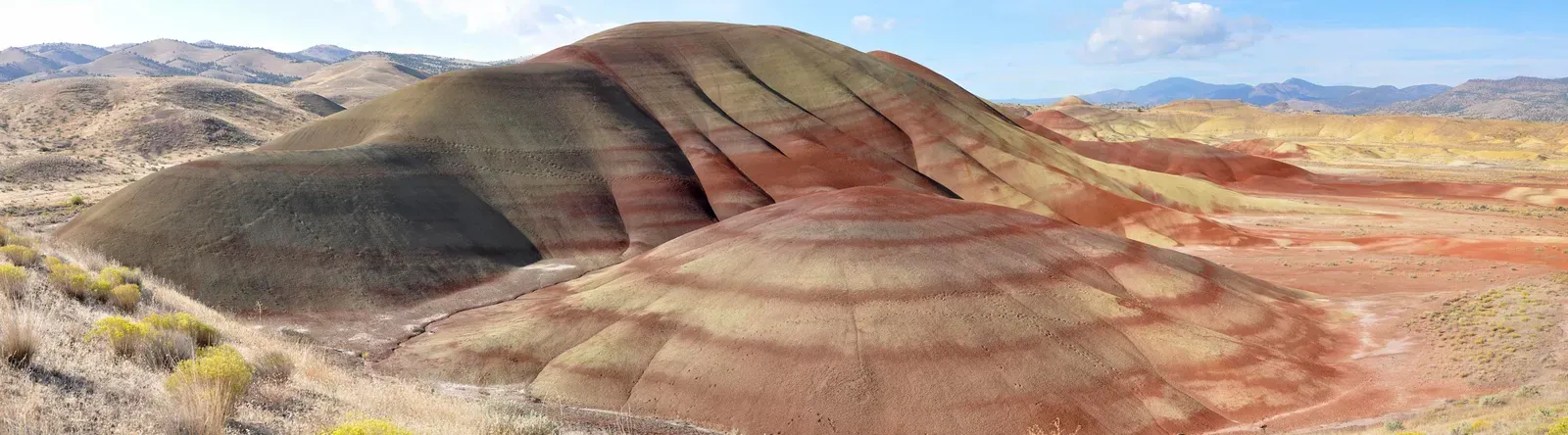
The Painted Hills are more than a mind bending natural masterpiece, with millions of years of history making up the unexpected multi colored layers of this ancient landscape in central Oregon. Located in the John Day Fossil Beds National Monument, the rainbow hued hills started as volcanic fallout and continued to form over millions of years of climatic changes and geological processes.
The spectrum of colors splashed across the rock formations, which range from deep red and purple to golden yellow and inky black, are the result of the soil’s unique minerals and rock formations. Each layer tells a story of different climatic periods, creating what looks like nature’s own abstract painting. The hills change appearance depending on moisture and light, meaning every visit offers something slightly different.
Grand Prismatic Spring, Yellowstone
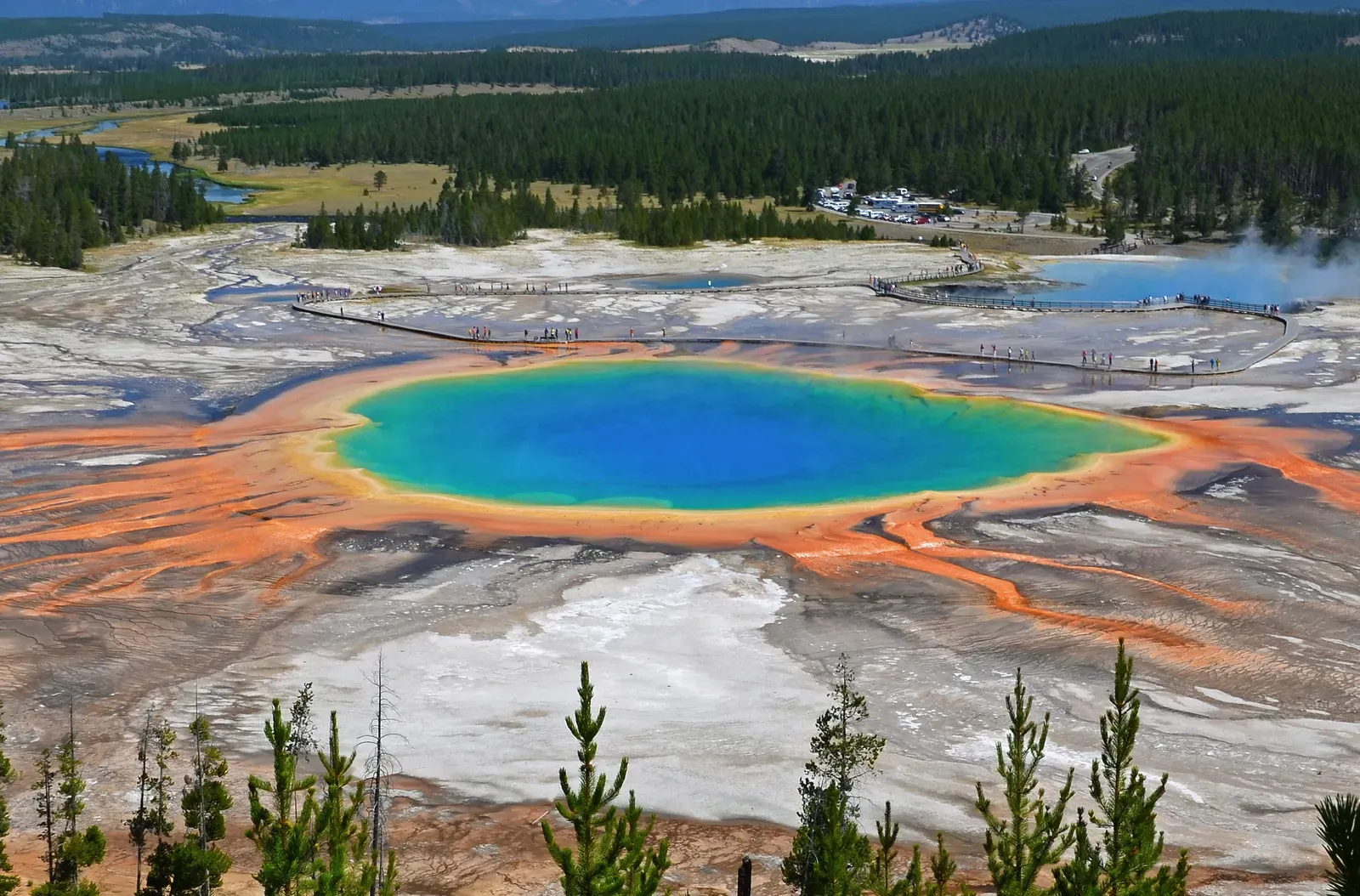
Grand Prismatic Spring is the largest hot spring in the United States and one of the most colorful natural wonders, known for its vivid rainbow hues created by different types of bacteria that thrive in the hot water. The colors are so impossibly vibrant that they look Photoshopped, yet they’re completely real. Standing near the spring, you can feel the heat radiating from the earth itself.
The center of the spring is a deep blue, surrounded by rings of green, yellow, orange, and red that shift with the seasons and temperature. Steam rises from the surface, creating an ethereal atmosphere that makes the whole scene feel dreamlike. There are two ways to experience Grand Prismatic Spring: one from above and one from the boardwalk trail, each offering a completely different perspective of this natural wonder.
Salvation Mountain, California
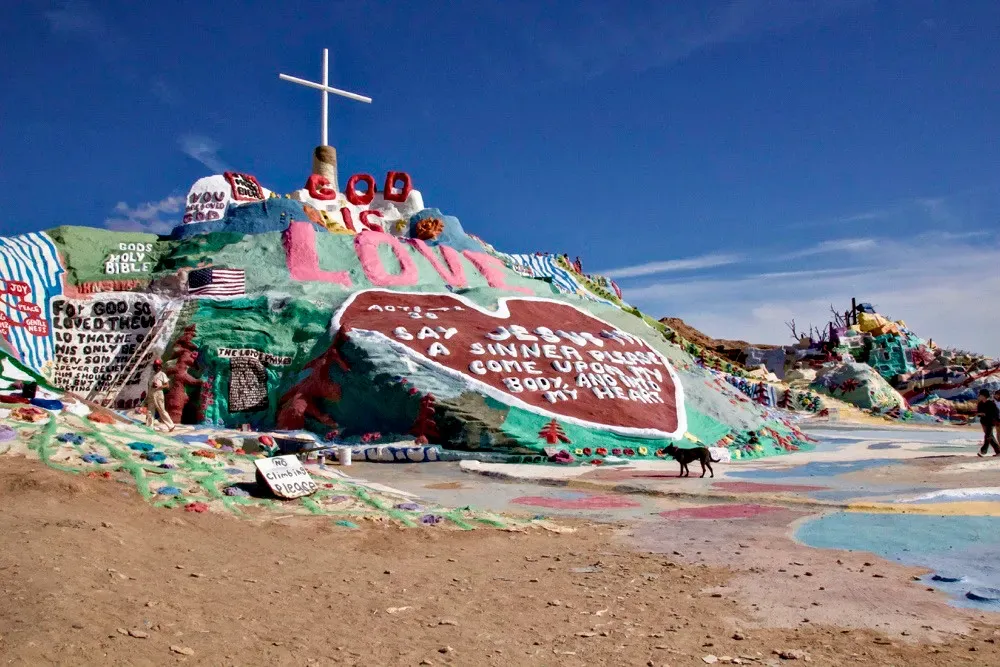
Located in the Colorado Desert near Slab City, Salvation Mountain stands as one of America’s most unusual folk art installations. Created by Leonard Knight over nearly three decades using adobe clay, donated paint, and found materials, this vibrant hillside monument rises several stories high. Bright yellows, reds, blues, and pinks cover every surface with biblical verses and declarations of love.
What started as one man’s vision transformed into a pilgrimage site for artists, travelers, and curiosity seekers from around the world. The mountain continues to be maintained by volunteers who paint and repair it to prevent deterioration in the harsh desert climate. It’s a testament to what one person with dedication and faith can create, proving that some of America’s most unusual places are born not from geological forces but from human imagination and persistence.
Conclusion
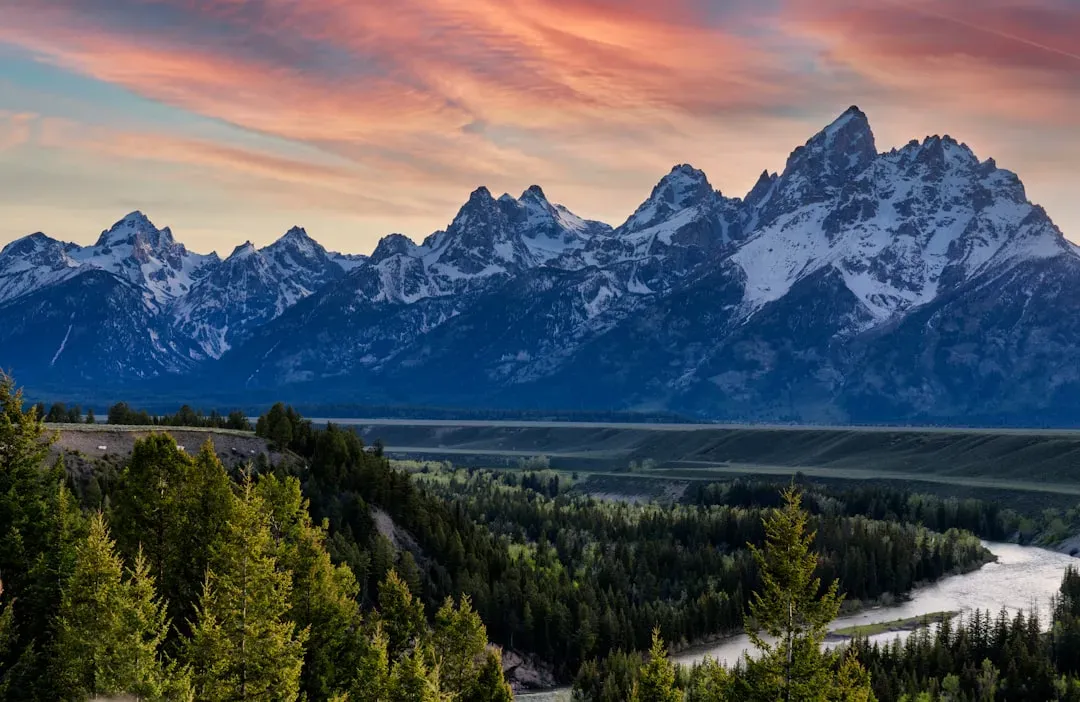
These twelve places remind us that reality can be stranger and more beautiful than anything we could dream up. From accidentally created geysers to ancient geological formations that defy logic, the United States contains landscapes that challenge our understanding of what’s possible. Each location tells a story, whether written by millions of years of natural processes or decades of human creativity.
The best part? These places aren’t hidden in some remote corner of the world. They’re right here, waiting to be explored. Some require permits and careful planning, while others simply ask that you show up with respect and wonder. So what do you think? Which of these unreal places would you visit first? Let us know in the comments.

- 8 States With the Most Tornadoes in The US - June 25, 2026
- 11 Incredible Journeys of Migratory Animals Across Continents - June 25, 2026
- 7 Wild Animals That Can Defeat A Polar Bear - June 25, 2026