
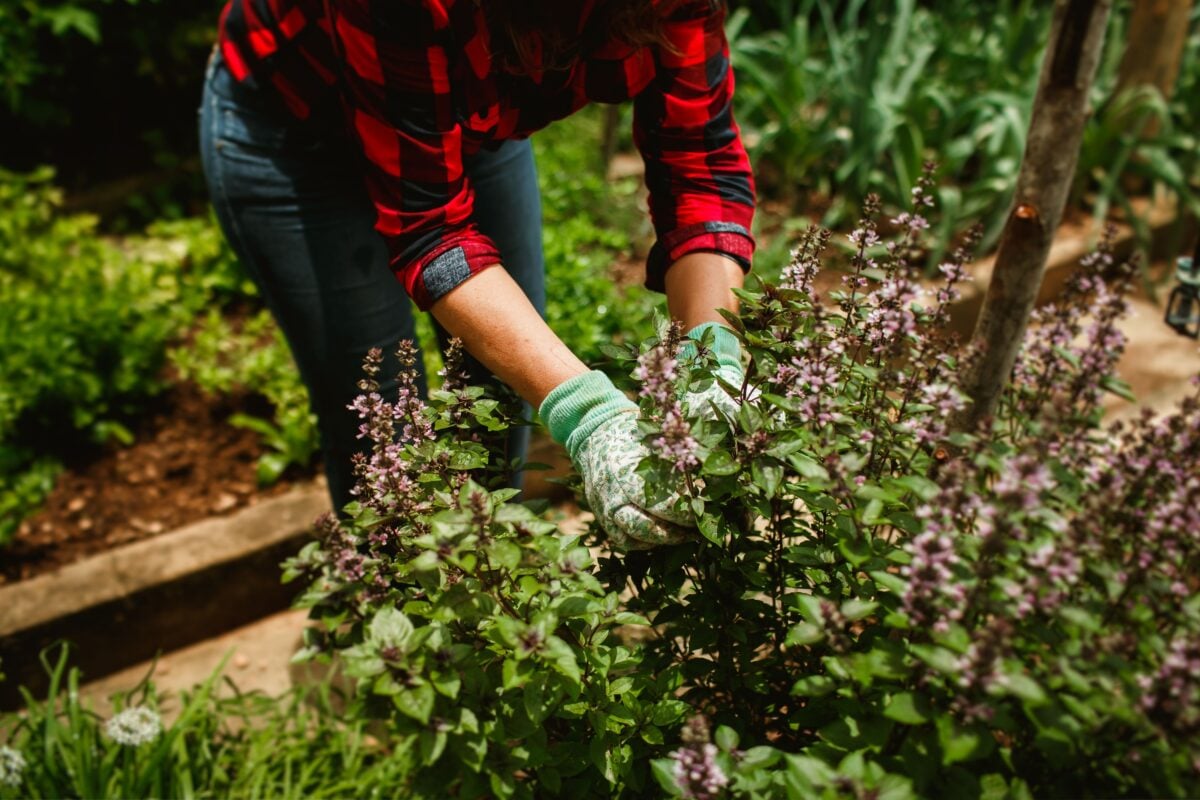
Most people think you have to pick a side: a garden for bees and butterflies, or a yard for songbirds. That’s the myth. The truth ecologists keep quietly confirming is that the exact same plants can feed both, if you choose the right ones in the right combinations.
Here’s the part that stings a little: most American yards are basically green deserts. Neat lawns, a few clipped shrubs, nothing a bee or a chickadee could actually survive on. But swap out even a handful of plants, and that same yard can turn into a buzzing, fluttering, singing hotspot by midsummer. Below are the twelve combinations serious birders and pollinator experts actually plant, counting down to the one design that outperforms all the others.
#12 – Native Coneflower Borders That Turn Into Seed Buffets
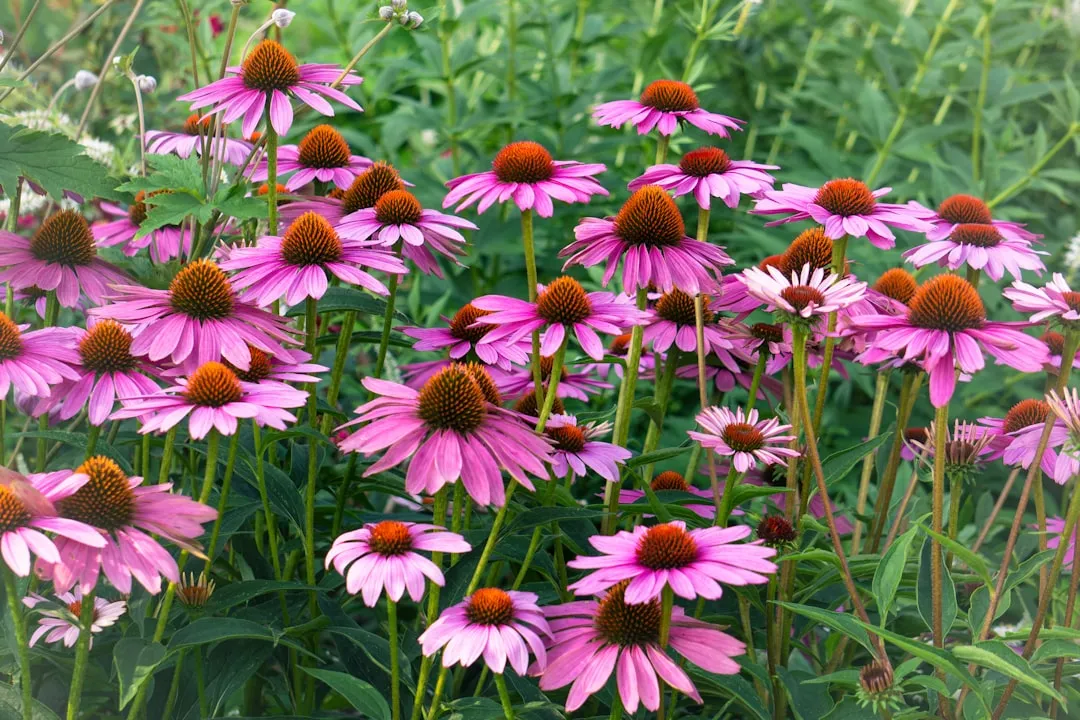
Coneflowers look like basic landscaping filler, but they’re secretly one of the best two-for-one plants you can put in the ground. Those big daisy-like blooms pull in native bees, bumblebees, butterflies, and even hummingbirds all summer long. Their shallow, nectar-rich centers act like a landing strip, easy to reach and easy to feed from.
Plant them in clumps, not singles, and mix purple coneflower (Echinacea purpurea) with pale coneflower (E. pallida) for a longer bloom window. Skip the fancy hybrid “double” forms at the big-box store; they look showy but often offer pollinators almost nothing. Here’s where most people ruin it: they deadhead the second the blooms fade. Don’t. Those dried, spiky cones become seed buffets for goldfinches, chickadees, and sparrows, and a single mature clump can feed dozens of birds well into fall if you just let the stems stand through winter.
Fast Facts
- Native to central and eastern North America, so it’s already adapted to most U.S. climates.
- Blooms from early summer well into fall, one of the longest windows of any native perennial.
- Typically grows 2 to 4 feet tall, easy to tuck into borders or mixed beds.
- Seed heads left standing feed goldfinches, chickadees, and sparrows straight through winter.
#11 – Bee Balm Patches That Hummingbirds Treat Like Personal Feeders
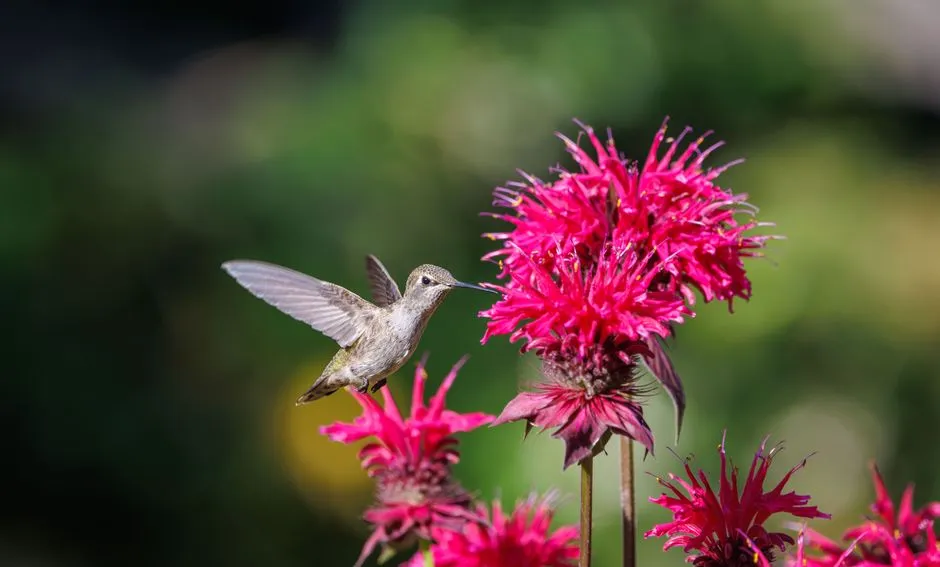
Bee balm (Monarda) is that wild, firework-looking flower most people either ignore or yank out because it “spreads too much.” That’s exactly why pollinator experts love it. Dense clusters of tubular blooms produce insane amounts of nectar, and hummingbirds treat them like a personal feeder that never needs refilling or scrubbing out.
Red varieties like Monarda didyma are classic hummingbird bait, while purples and pinks bring in a wider range of native bees. Let it grow into a big, messy patch instead of a tidy row, and you get cover as well as food: wrens and sparrows will dive into those tall stems to hide from hawks and neighborhood cats. Leave the seed heads standing and finches and juncos will work them over all fall. One overlooked bonus: the dense stems host insects, which are the actual protein nestling birds need to survive. Neighbors might call it too wild. The birds will vote with their wings.
#10 – Sunflower Strips That Become Late-Summer Bird Rallies
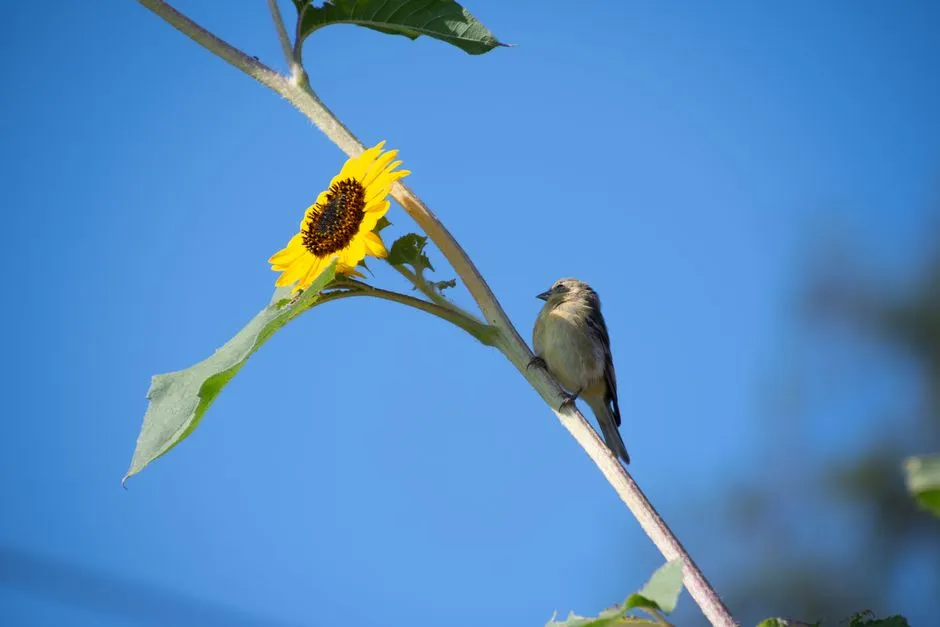
Most people plant a couple of sunflowers, take a photo, and let the rest rot. That’s the mistake. A proper sunflower strip works like a seasonal stadium for pollinators and birds alike. While they’re blooming, sunflowers act like neon signs to native bees and butterflies, offering huge, open landing pads and effortless nectar. Smaller, branching types like ‘Lemon Queen’ or native Helianthus species produce far more blooms than one giant decorative head ever could.
The real payoff comes after the petals drop. Mature, drying heads become massive seed platforms that pull in finches, cardinals, nuthatches, chickadees, and even woodpeckers clinging sideways to pry out every last seed. Plant a dense enough patch and you may never need to buy a bag of birdseed again. Some gardeners think dead stalks look messy in November. Serious birders will tell you that’s prime habitat, not trash waiting to be cleaned up.
#9 – Milkweed Meadows That Feed Monarchs and Insect-Hunting Songbirds
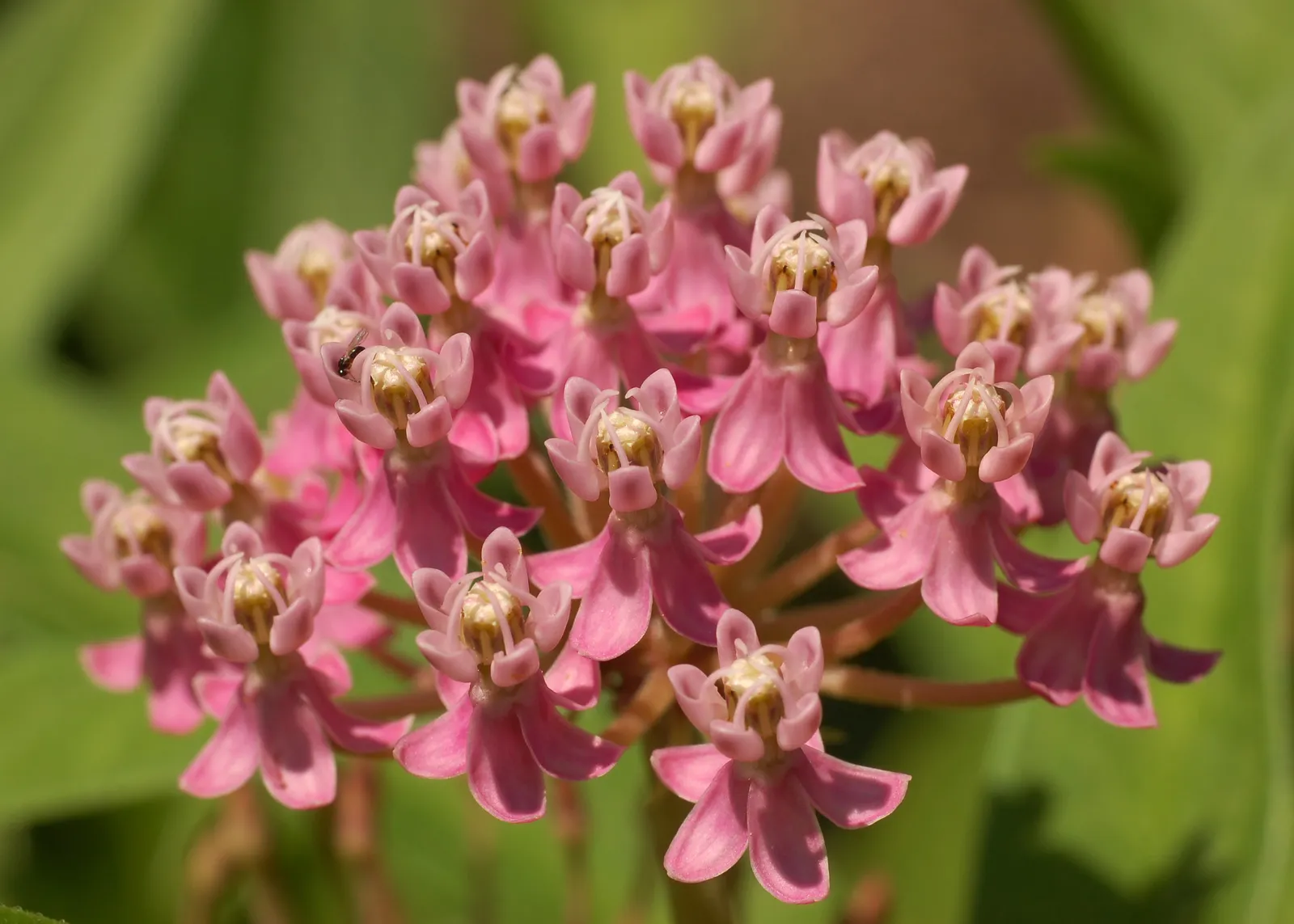
Everyone knows milkweed is essential for monarch butterflies. Almost nobody connects it to songbirds. Common milkweed, swamp milkweed, and butterfly milkweed host monarch caterpillars while also feeding bees, wasps, and other butterflies with steady nectar. A stand of native milkweed in full bloom can literally sound like it’s humming.
Here’s the part that surprises people: not every pollinator-to-bird connection is about seeds. During nesting season, most songbirds need soft-bodied insects far more than they need seeds. Milkweed hosts monarchs, aphids, and beetles, and those bugs become the exact food that wrens, warblers, and flycatchers feed their chicks. A yard with more bugs is, quite literally, a yard where more baby birds survive. Spray pesticides on your milkweed because you don’t like aphids, and you’re quietly starving the same birds you claim to want.
#8 – Goldenrod and Aster Combos That Turn Fall Into a Wildlife Finale
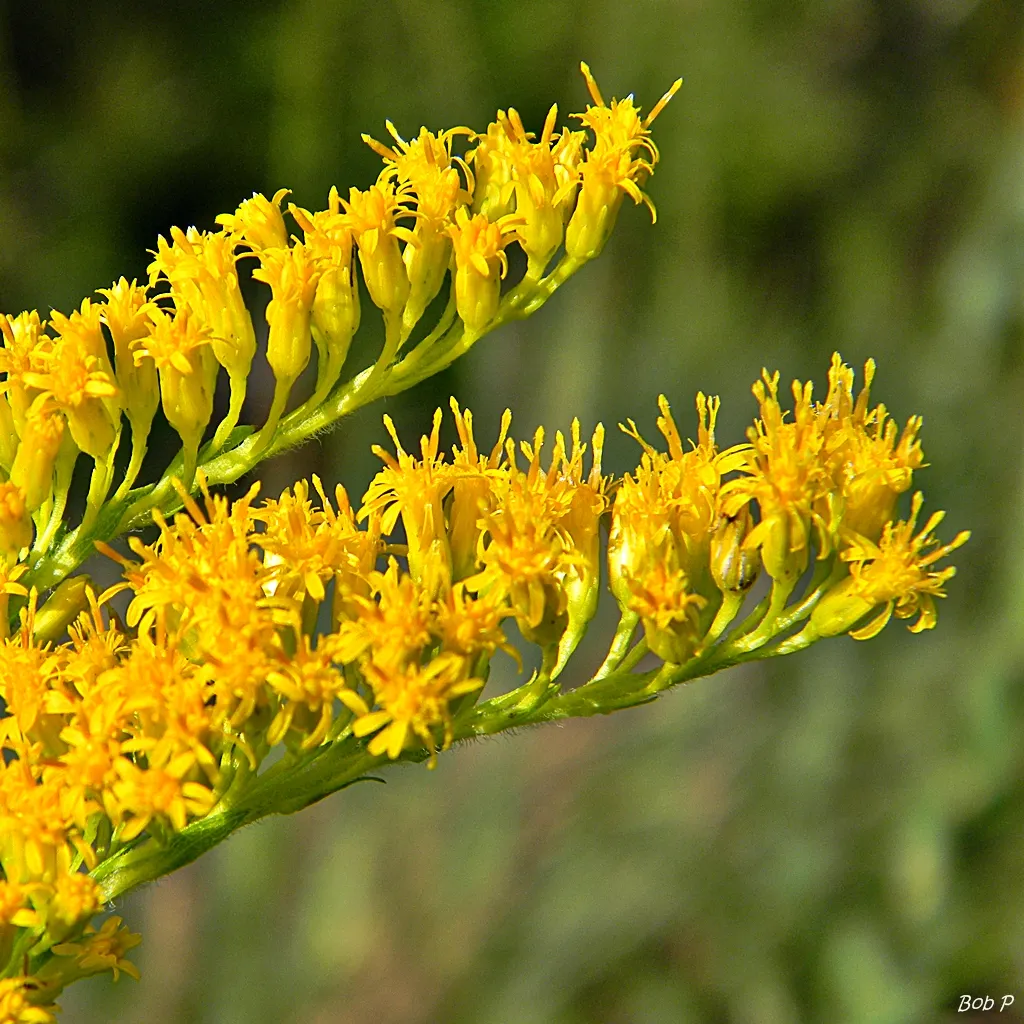
Most people blame goldenrod for their allergies, rip it out, or never plant it at all. Spoiler: it’s usually ragweed doing the damage, and that suspicion is costing your yard one of its best assets. Goldenrod paired with native asters is arguably the single most important late-season combo for pollinators, blooming exactly when everything else is fading and giving bees, butterflies, and migrating pollinators a crucial nectar bridge before winter.
When those blooms dry out, both plants scatter tiny seeds that finches, sparrows, and juncos pick through like confetti. The tall, wiry stems double as cover and roosting spots on windy or snowy days, and insects overwinter inside the hollow stalks, becoming winter snacks for foraging chickadees and nuthatches. Cut everything “tidy” in October and you’re deleting your own fall food supply. Let one corner grow wild instead, and watch what shows up in late September.
At a Glance
- Blooms in late summer through fall, right when most other nectar sources have dried up.
- Widely blamed for allergies, though ragweed, not goldenrod, is the usual culprit.
- Dried seed heads feed finches, sparrows, and juncos into early winter.
- Hollow stems shelter overwintering insects, a food source chickadees rely on when snow covers the ground.
#7 – Serviceberry Trees: Spring Bloom, Summer Fruit, Year-Round Action
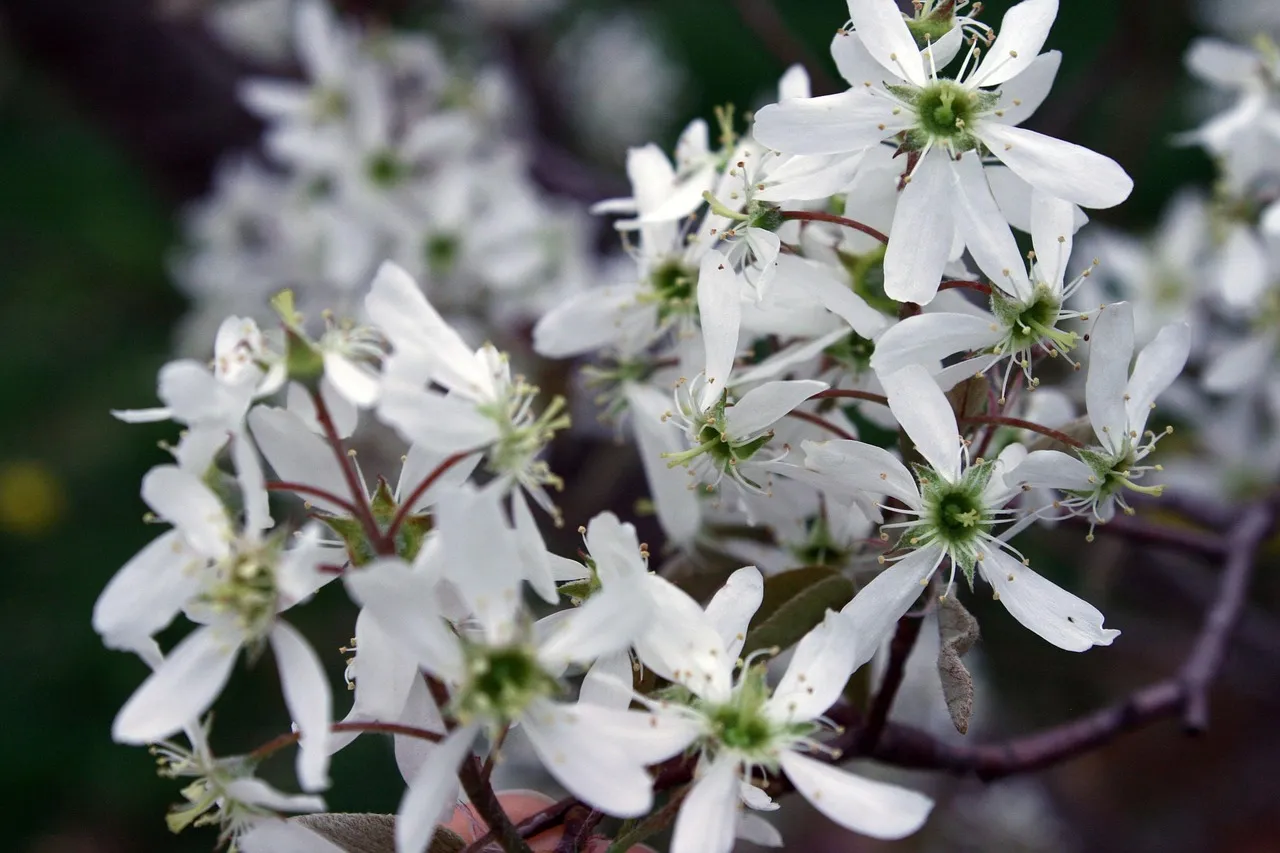
If you want one plant that quietly does everything, serviceberry (Amelanchier) might be the most underrated pick in American gardening. In early spring it explodes into clouds of white flowers that offer some of the earliest nectar and pollen around, and because almost nothing else is blooming yet, every single flower gets used. It isn’t a showoff tree. It’s a workhorse.
Then comes the real drama. Serviceberry fruits ripen in late spring and get devoured by cedar waxwings, robins, cardinals, catbirds, and orioles almost as fast as they turn color. People who say “I never see birds in my yard” usually just don’t have a plant like this one. If you want any berries for yourself, you’ll have to move faster than the birds do. Unlike ornamental cherries bred purely for looks, a serviceberry is actually feeding something every single season.
#6 – Native Salvia and Penstemon Rows for Continuous Nectar Highways
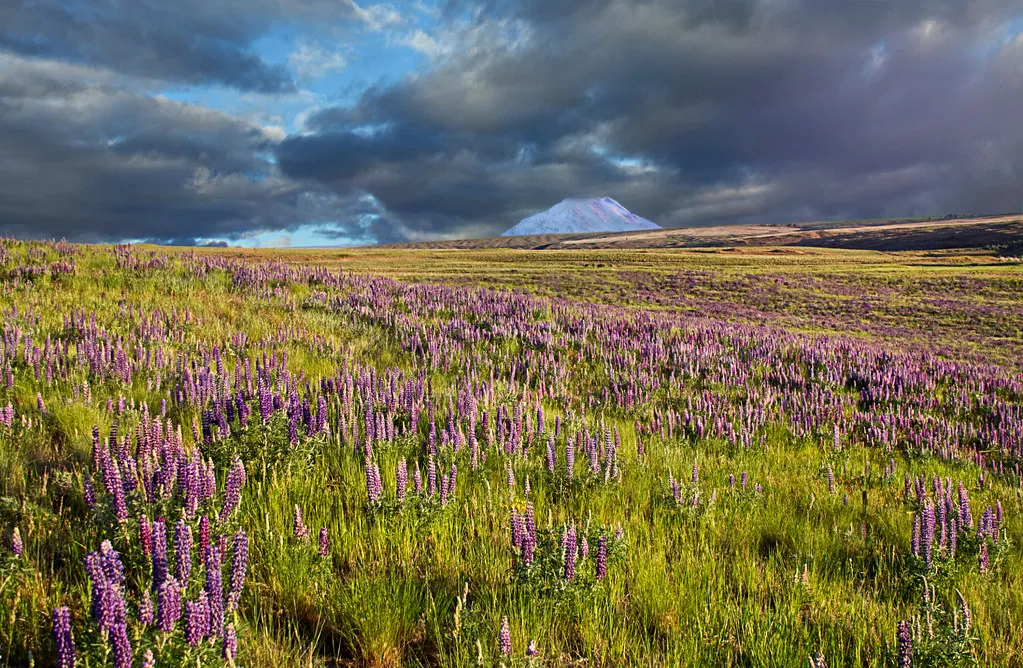
Garden centers love pushing imported salvias as “hummingbird plants,” but the real move is pairing native salvia species with native penstemons in a long, layered border. Blue sage (Salvia azurea), pitcher sage (Salvia pitcheri), and penstemons like Penstemon digitalis produce tubular blooms that hummingbirds, bumblebees, and long-tongued bees work relentlessly, with overlapping bloom times creating a nectar highway from late spring into late summer.
Songbirds benefit in quieter ways here. Hummingbirds themselves are territorial and dramatic, which is entertainment enough, but the real value is in what’s hiding among the stems: small insects and spiders that insectivorous birds hunt constantly. Once seeds form, finches and sparrows pick at the dried flower spikes too. Some traditional birders still swear by seed feeders alone, but gardens rich in flowering natives consistently support bigger, healthier bird populations than a feeder ever could on its own.
#5 – Native Grass and Wildflower Mixes That Turn Lawns Into Living Habitat
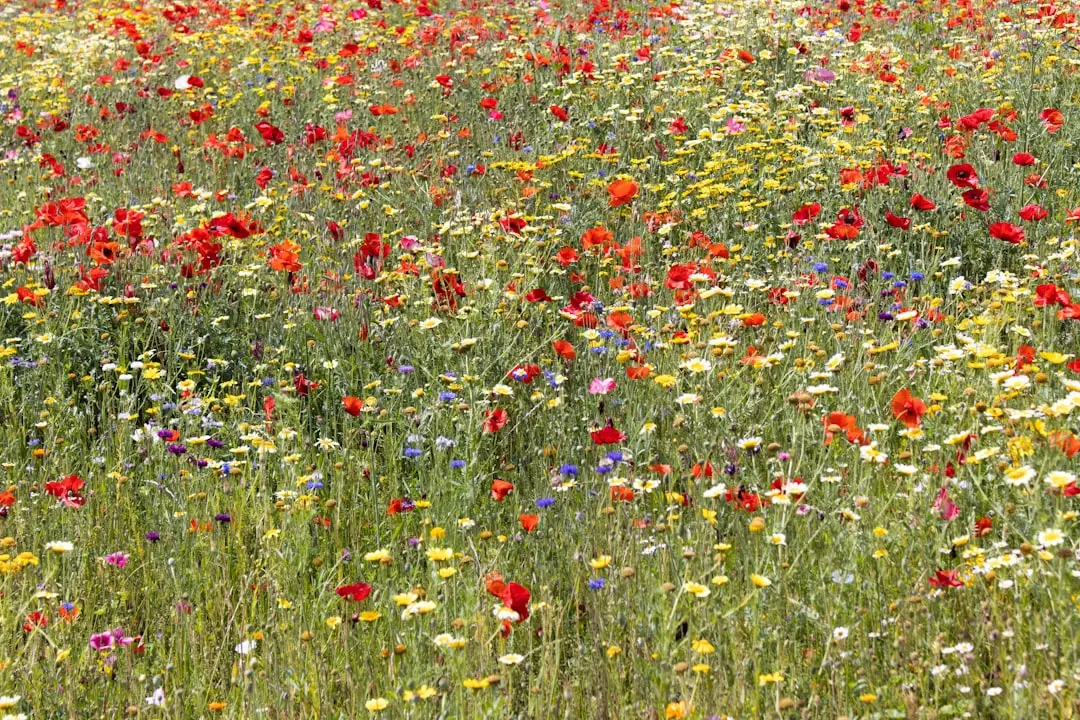
This is the one that makes people either lean in or get defensive. The classic American lawn is a biological dead zone for pollinators and birds, full stop. Swap even a quarter of your turf for native grasses and wildflowers, and everything changes almost overnight. Little bluestem, switchgrass, and Indian grass mixed with coneflower, black-eyed Susan, and coreopsis create structure, movement, and food where there used to be nothing.
Songbirds benefit even more than pollinators do here. Grass seed heads feed finches, sparrows, and towhees, the dense base of bunch grasses provides hiding and nesting habitat, and insects living in the thatch become essential protein for growing chicks. A lawn-only yard is one of the biggest ecological wastes of space in suburbia, and a native meadow patch isn’t messy, it’s functioning habitat. Start with a defined, edged section so it reads as intentional, and watch the life come rushing back.
Quick Compare
- Turf lawn: shallow roots, mowed weekly, offers almost no food or shelter for wildlife.
- Native meadow patch: deep roots, cut once a year, feeds seed-eaters and shelters insects all season.
- Turf lawn: looks tidy but functions as a biological dead zone.
- Native meadow patch: looks a little wild but functions as real, working habitat.
#4 – Joe-Pye Weed and Ironweed Towers for Butterflies and Perching Birds
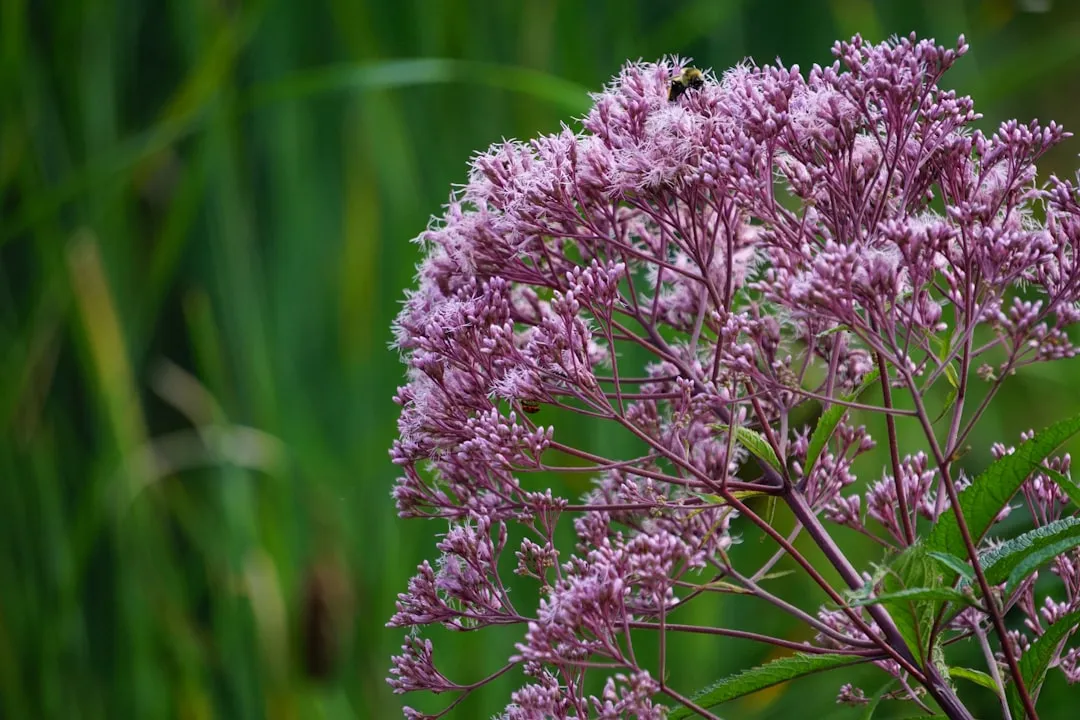
Tall, dramatic plants like Joe-Pye weed and ironweed get dismissed as “too big” for small yards, and that dismissal costs people a lot. These towering natives create vertical structure that pollinators and birds both rely on constantly. Joe-Pye’s huge mauve flower heads are butterfly magnets loaded with nectar, pulling in swallowtails, monarchs, and dozens of native bees, while ironweed’s intense purple blooms stretch the show later into the season.
Birds treat these plants as lookout posts, especially in open yards. Goldfinches, wrens, and sparrows will perch on top, sing, and scan for predators from up there. Once the flowers go to seed, finches cling to the dried heads, picking out seeds nobody else even notices are there. Tuck a clump into the back of a border instead of another dwarf shrub that offers nothing but shape, and you’ll gain height, drama, and a lot more winged traffic.
#3 – Shrub Thickets: Elderberry, Viburnum, and Ninebark for Food and Shelter
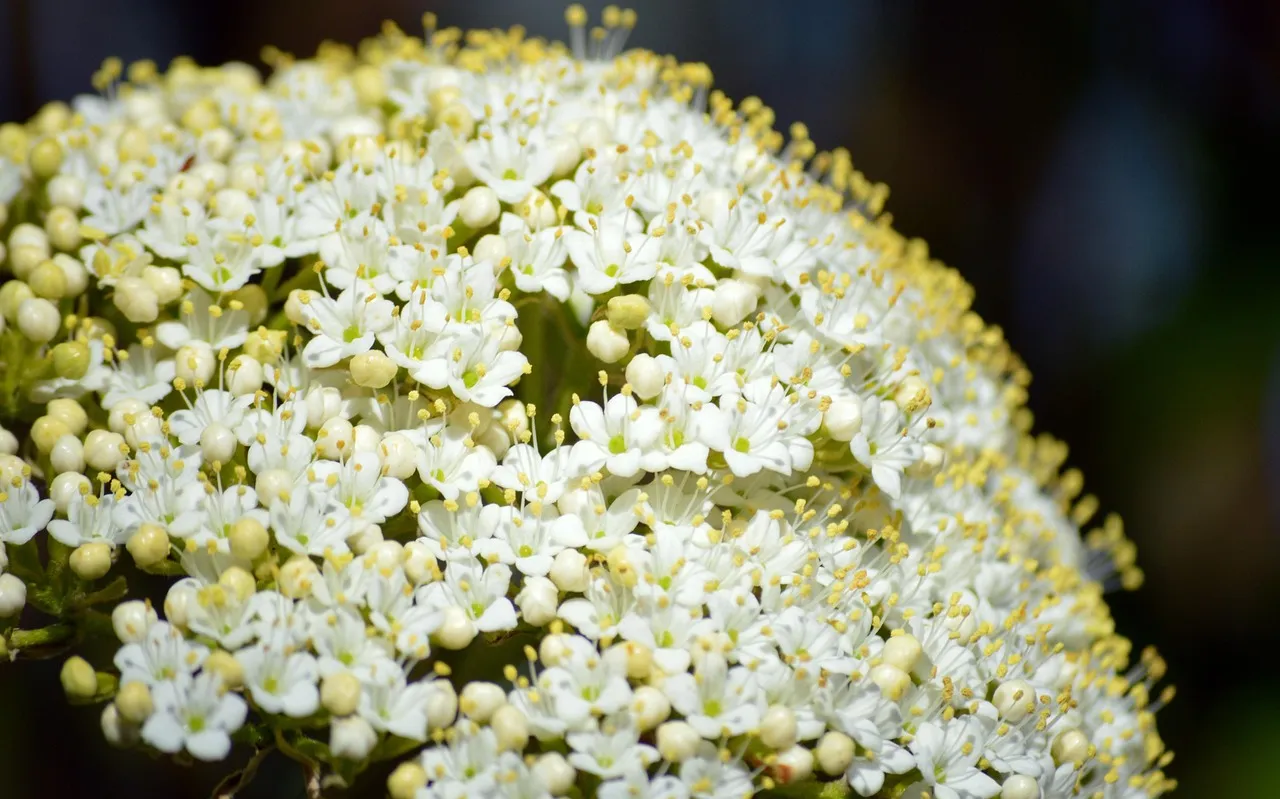
Most landscapers still default to boxwood and yew, evergreen cubes that do almost nothing for wildlife. Swap those out for a mixed thicket of elderberry, native viburnums, and ninebark, and you’ve quietly built a pollinator-and-bird engine. Their spring flowers are genuinely valuable nectar and pollen sources, buzzing with bees, flies, beetles, and butterflies thanks to varied bloom shapes and timing.
By summer and fall, the berries take over. Elderberries and viburnum fruits are beloved by robins, thrushes, catbirds, and waxwings, while ninebark’s peeling bark and dense branching create hiding and nesting spots low to the ground.
Gardening for wildlife should be your goal. What you’re trying to do is provide habitat.
Douglas W. Tallamy
A huge percentage of bird life happens exactly here, low and out of sight, in the layers homeowners keep clearing away for the sake of tidy foundation plants. Add a brush pile or a fallen log in back, and you’ve built a mini-sanctuary no plastic birdhouse can compete with.
#2 – Herb Gardens (Yes, Really): Sage, Fennel, and Dill as Hidden Pollinator Powerhouses
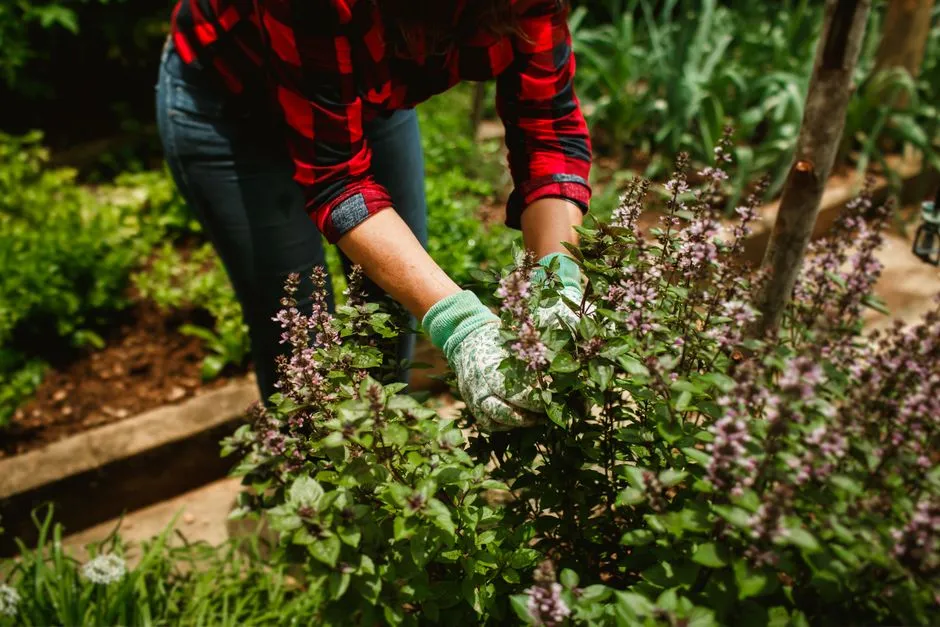
Herb gardens get treated like kitchen accessories instead of ecological tools, which is a shame because they can be shockingly important for pollinators and birds. Perennial herbs like sage, thyme, oregano, and lavender produce small but intensely nectar-rich blooms that keep native bees and hoverflies busy all day, as long as you let them flower instead of clipping them into submission.
Fennel and dill, allowed to bolt, become host plants for swallowtail butterflies, which is where birds enter the picture. Insects on herbs are prime hunting targets for warblers, wrens, and chickadees, and fennel or dill left to fully seed becomes a tiny buffet finches love to pick apart. The irony is that most gardeners rip out bolting herbs for the sake of neatness, quietly stripping away habitat they didn’t even know they had. Tolerate a little chaos, and your herb patch turns into a micro food web instead of a garnish factory.
#1 – Layered Native Hedges: The Ultimate Songbird-Pollinator Superstructure
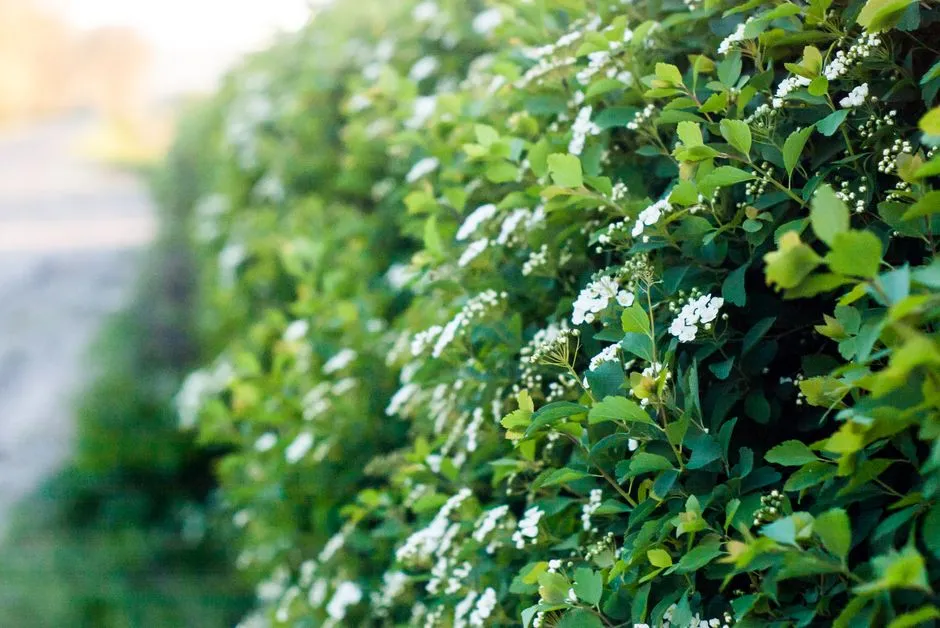
If one design beats all the others, it’s a layered native hedge: trees, shrubs, perennials, and groundcovers stacked together along a property line or fence. Picture serviceberry or crabapple up top, viburnum, elderberry, and ninebark in the middle, coneflower, aster, bee balm, and goldenrod underneath, and native sedges or violets at ground level. It mimics a natural woodland edge, the exact kind of structure where biodiversity explodes.
Pollinators get flowers at every height, in every season, from early spring straight through to frost. Songbirds get everything in one corridor: nesting sites, cover from predators, insects for chicks, berries and seeds for adults, and shelter through winter. This is where the shyer, more sensitive species start showing up, warblers, thrushes, quiet sparrows, instead of just the usual pigeons. Backyard bird counts consistently show more diversity around structurally complex, native-heavy plantings like this. It isn’t magic. It’s design. Forget the lonely feeder on a pole and build a living hedge instead, and your yard stops being a backdrop and starts being part of a real ecosystem.
Why It Stands Out
- Stacks four layers, trees, shrubs, perennials, and groundcovers, into one corridor of habitat.
- Offers nectar or food in every season, not just a single showy month.
- Covers every songbird need at once: nesting sites, insect protein, berries, seeds, and winter shelter.
- Tends to draw shyer species like warblers and thrushes instead of just the usual yard regulars.
The Bottom Line
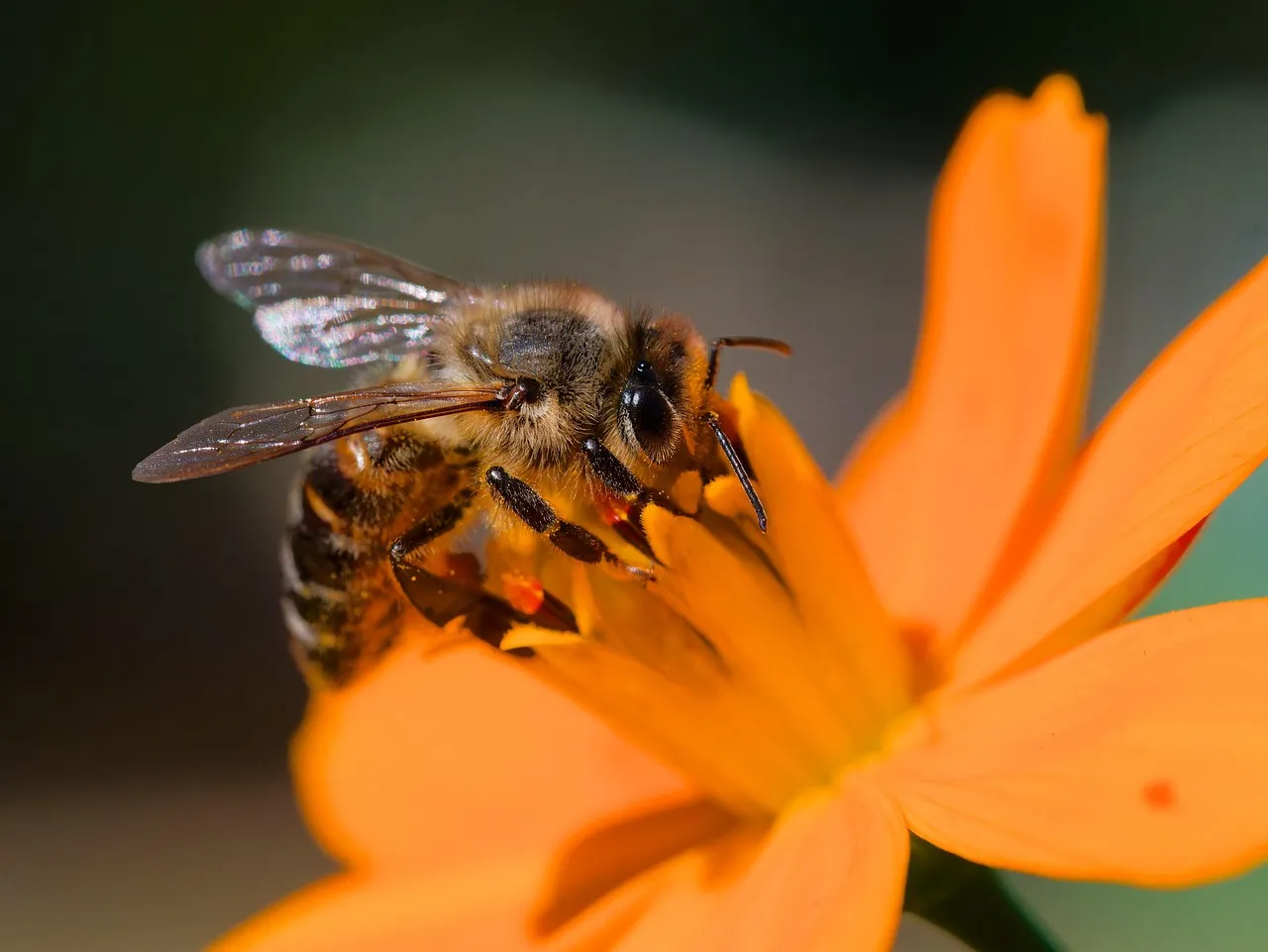
When you stop chasing sterile curb appeal and start planting for function, your whole yard changes character. Coneflowers, bee balm, sunflowers, milkweed, goldenrod, serviceberries, native grasses, tall perennials, berry shrubs, herbs, and layered hedges don’t just look good, they feed pollinators and songbirds all year long, in every season, without a single bag of birdseed.
The uncomfortable truth is that perfectly manicured lawns and imported ornamentals are quietly starving the exact wildlife people claim to love. A slightly wilder, more intentional garden does the opposite. It hums, it flutters, it sings. You don’t need acres to matter, just smarter plant choices and a tolerance for the kind of “mess” that’s actually life happening right outside your window.
Which of these combos would you try first, and which one would you never let near your yard?

- 10 Native Trees Every Backyard Bird Depends on Eventually - August 4, 2026
- What It Means When Crows Begin Following a Hawk - August 4, 2026
- 7 Things That Attract Groundhogs Into a Garden - August 4, 2026