


The first step to nurturing a thriving garden without a green thumb is understanding the environment you’re working with. Pay close attention to the sunlight patterns in your space, recognizing which areas bask in daylight and which remain in the shade. Additionally, be aware of temperature variations, as these can affect plant growth. Choose plants that are native to your area’s climate, as these are more likely to thrive with minimal intervention.
Start with Easy-to-Grow Plants

For beginners, selecting plants known for their hardiness can be a game-changer. Look for species that require minimal maintenance, such as succulents, zinnias, marigolds, or ferns. These plants can withstand less-than-perfect conditions and will build your confidence as a gardener.
Utilize High-Quality Soil
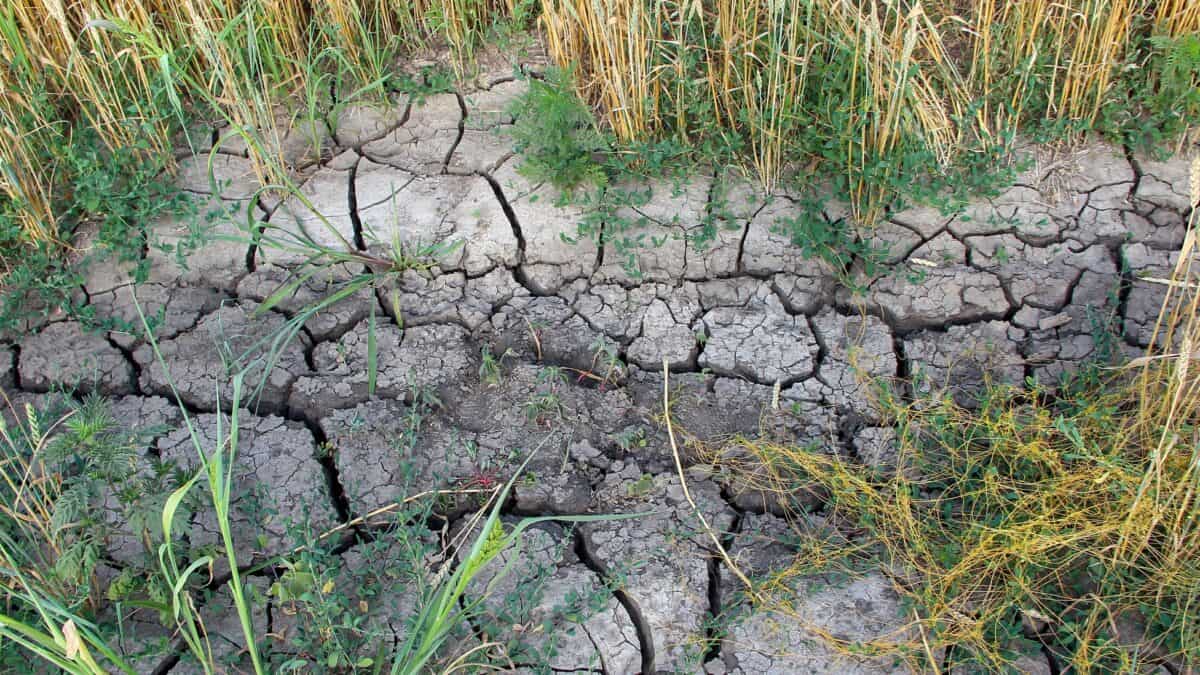
High-quality soil is the foundation of a healthy garden. Invest in nutrient-rich, well-draining soil to give your plants the best start. Consider incorporating organic matter, like compost, which enriches the soil and feeds your plants over time. This will help ensure that your garden remains vibrant and lush.
Practice Strategic Watering

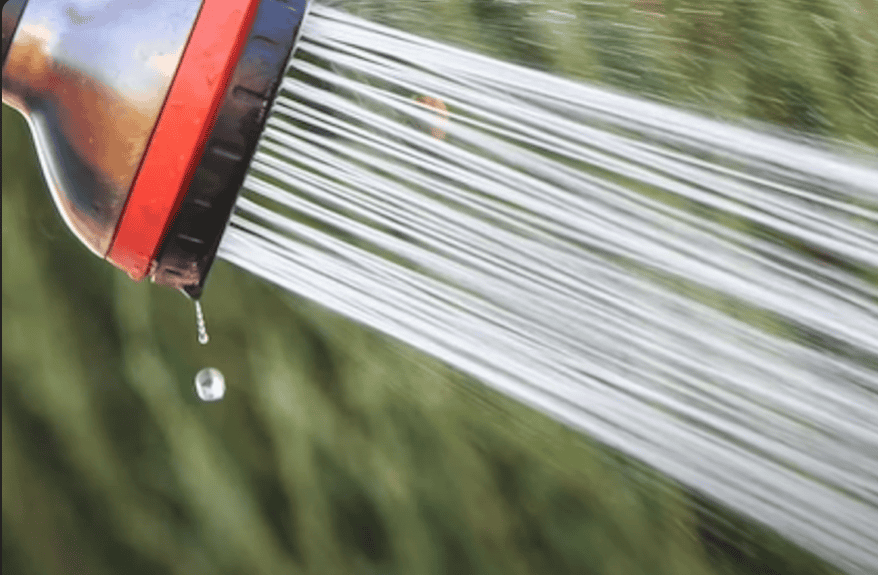
Overwatering is a common pitfall for new gardeners. To avoid this, water your plants deeply but less frequently. This encourages roots to grow deeper into the soil. Observe your plants regularly, and only water them when the soil feels dry about an inch below the surface. Remember, different plants have varying water needs, so adjust accordingly.
Embrace Mulching

Mulching offers a wealth of benefits for your garden. It helps retain moisture, suppress weeds, and regulate soil temperature. Apply a layer of organic mulch, such as wood chips or straw, around your plants. This not only aids in their growth but also adds an aesthetically pleasing touch to your garden.
Implement Companion Planting

Companion planting is an ancient technique that involves growing certain plants together to enhance each other’s growth. For example, planting basil near tomatoes can improve the flavor of the tomatoes and help repel pests. Research compatible plant pairings to maximize the health and productivity of your garden.
Adopt Pest Control Methods

Managing pests naturally is essential for maintaining a thriving garden. Introduce beneficial insects, like ladybugs or lacewings, to combat pests such as aphids and caterpillars. You can also use natural repellents, such as neem oil or garlic spray, to protect your plants without harsh chemicals.
Regularly Prune Your Plants

Pruning is not just about aesthetics; it encourages healthier growth and prevents diseases. Regularly trim dead or diseased leaves and shape your plants to allow for adequate airflow. This practice helps your garden remain in optimal health, making it easier for plants to thrive.
Rotate Crops to Maintain Soil Health
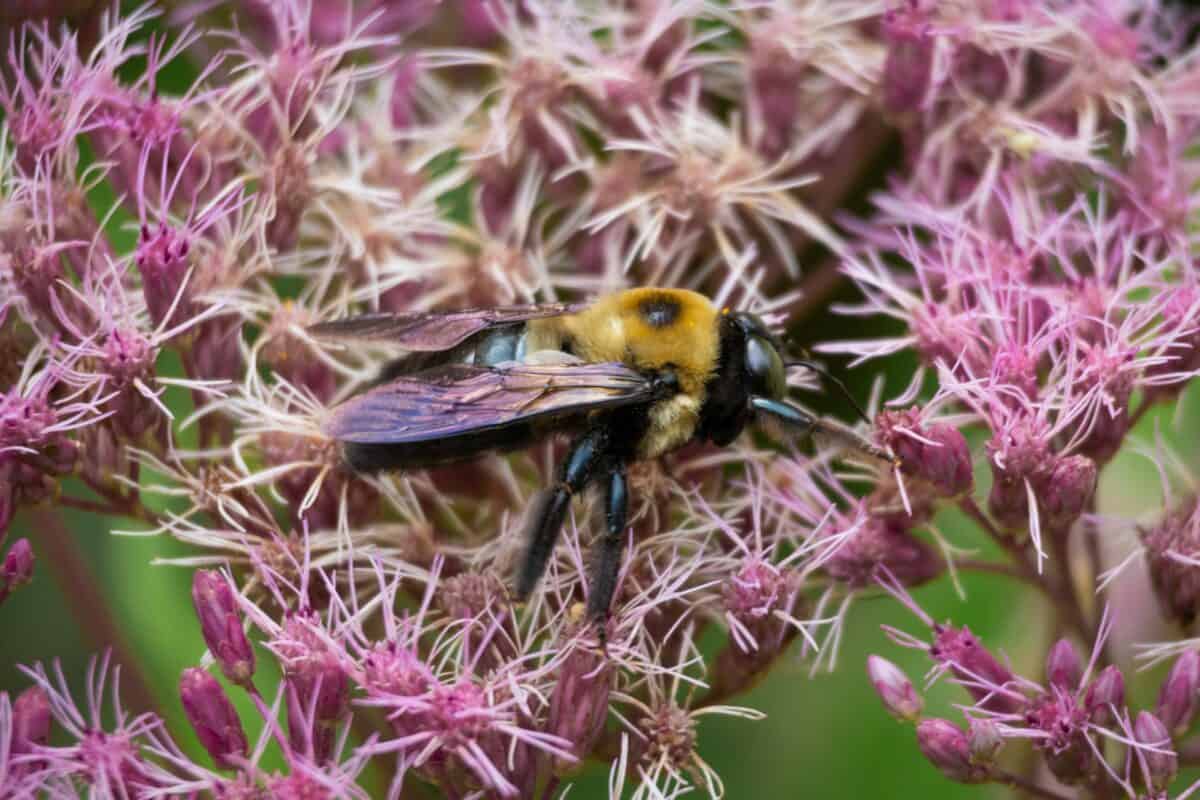
Crop rotation is a simple practice that prevents soil exhaustion. By changing the planting locations of your crops each year, you can prevent the build-up of soil-borne pests and diseases and manage nutrient depletion. This ensures your garden remains productive and fertile over time.
Leverage Raised Beds for Better Control

If you’re struggling with poor soil conditions, consider using raised beds. They allow for improved drainage and better soil control and can extend the growing season by warming up quicker in the spring. Raised beds are also easier to manage and can help anyone cultivate a flourishing garden.
Educate Yourself Continually
The world of gardening is vast and constantly evolving. Stay updated by reading gardening books, joining online forums, and attending workshops. This will help you learn from other gardeners’ experiences and adapt to the latest gardening techniques. Remember, even seasoned gardeners continually learn and improve their skills.
Enjoy the Process

Lastly, remember that gardening is as much about the journey as it is about the destination. Enjoy the process of nurturing your plants, and take pride in your successes. Patience and observation go a long way, turning what seems like hard work into a fulfilling hobby.
By following these 12 secret tips, you empower yourself to develop a thriving garden, even without a green thumb. Your garden journey is uniquely yours, and with persistence and learning, you’ll see your space transform into a vibrant haven.

As a little kid, I fell in love with nature, wildlife, and animals. Living in the USA, South Africa, Italy, China and Germany gave me the opportunity to discover the world's Wildlife. My favorite animals are Mountain Gorillas, Siberian Tigers, and Great White Sharks.
I'm a certified PADI Open Water Diver, went to Everest Base Camp and Trekked Gorillas in Uganda. I hold a Master of Science in Economics and Finance.
Please send any feedback to feedback@animalsaroundtheglobe.com
- 13 Birds That Migrate Thousands of Miles Without Rest - July 22, 2026
- 10 Most Unique Reptiles You will See in the US - July 21, 2026
- 3 Dangerous Invasive Species the USA Must Eradicate - July 21, 2026