

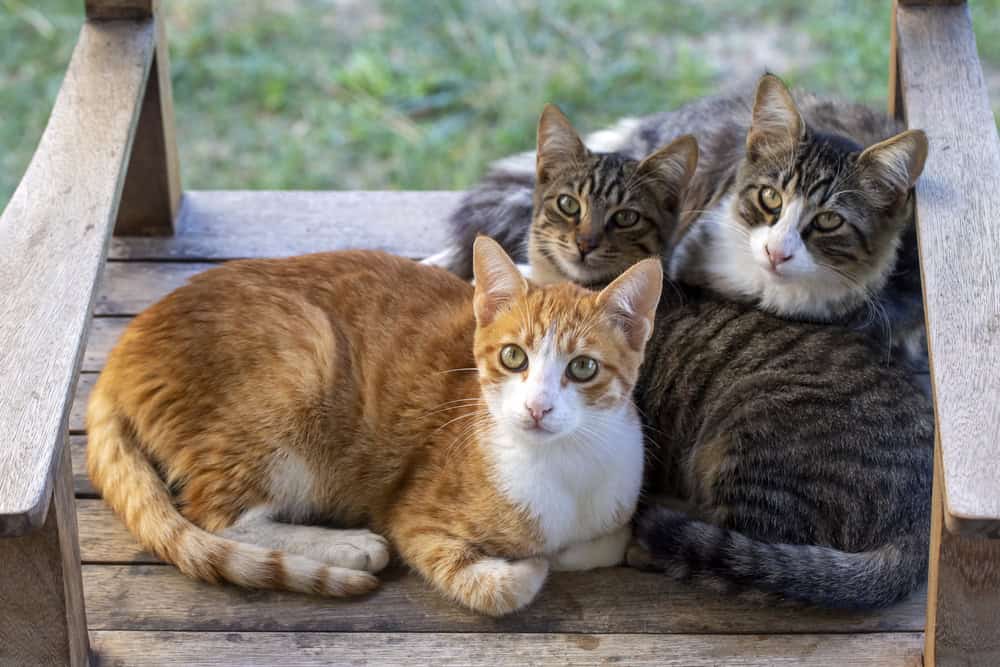
Cats are fascinating creatures, known for their independent and often mysterious behavior. However, like humans, they can experience boredom if their environment doesn’t offer enough stimulation. A bored cat can develop unwanted behaviors, leading to a less harmonious home. Recognizing the signs of boredom in your feline friend is crucial to ensuring their mental and physical well-being. Here’s what to look for and how to address it.
12. Excessive Sleeping

Cats are known for their love of sleep, often catching 12-16 hours of shut-eye daily. However, if your cat seems to be asleep all day, every day, it might indicate boredom rather than fatigue. Lack of stimulation can lead to an increase in sleep as a way of passing time. Introducing interactive play sessions and exploring different toys can help break this cycle and engage your cat more actively during its waking hours.
11. Destructive Behavior

If your cat is clawing at furniture or knocking items off shelves, it might not simply be a desire to test gravity. These behaviors often signal a need for mental stimulation. Providing scratching posts, cat trees, and puzzle toys can help redirect their energy positively and satisfactorily.
10. Overgrooming

Overgrooming is a common outlet for anxiety and boredom in cats. If your feline friend is excessively licking or biting its fur, it might be an attempt to cope with a lack of mental stimulation. Creating a more engaging environment with safe outdoor views, interactive toys, and daily playtime can alleviate stress and boredom.
9. Increased Vocalization
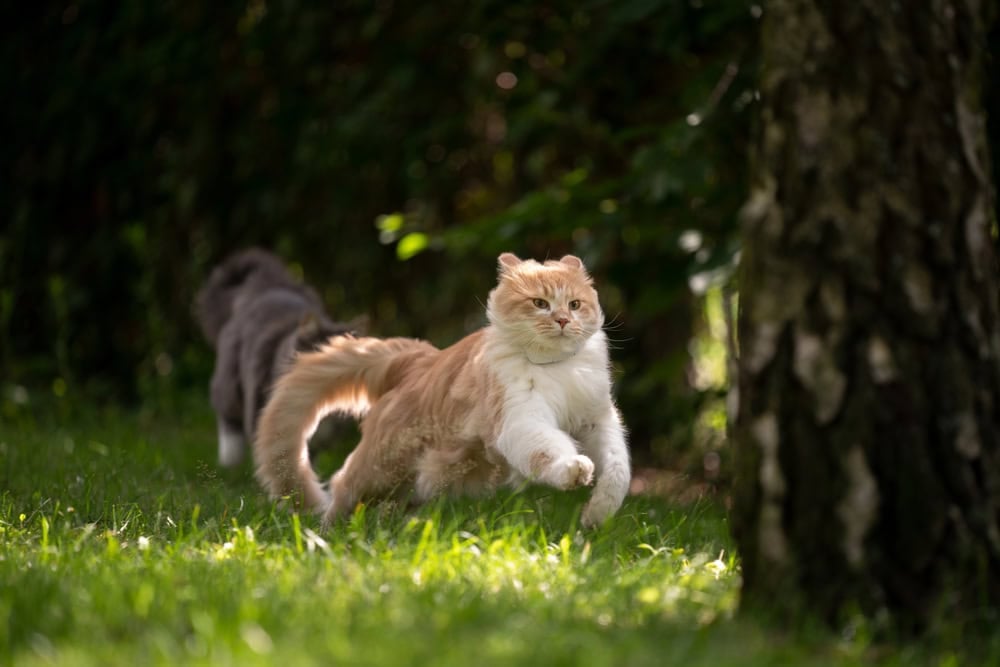
A bored cat may become more talkative, using meows and yowls to express dissatisfaction. This increase in vocalization can sometimes be mistaken for a need for food or attention, but it often signifies a craving for more environmental enrichment. Engaging with your cat using interactive toys or teaching it new tricks can help satisfy this need for interaction.
8. Lack of Interest in Normal Activities

Cats are curious by nature, and a sudden lack of interest in things they once enjoyed can be a clear sign of boredom. Whether it’s a reluctance to play, chase, or explore their surroundings, this disinterest can be reversed by introducing variety into your cat’s routine. Rotating toys and exploring different types of interactive games can rejuvenate their interest.
7. Obesity or Weight Gain

Just like humans, cats can gain weight when they become inactive due to boredom. Without stimulating activities, they may resort to overeating as a primary pastime. To combat this, incorporate scheduled play sessions and introduce food puzzles that encourage them to work for their rewards, promoting both physical activity and mental engagement.
6. Aggression or Irritability

A bored cat may start to display signs of irritability or unwarranted aggression toward other pets or even humans. This behavior often emerges from pent-up energy and frustration. Introducing daily playtime sessions focusing on hunting and chasing can help them channel this energy more constructively.
5. Pacing or Restlessness

Restless pacing is often a sign that a cat is trying to find something to do but fails to capture its interest. This behavior can be addressed by creating an engaging environment through vertical spaces, such as shelves or cat trees, and window perches that provide entertainment from the outdoors.
4. Litter Box Issues
Inappropriate toileting outside the litter box can sometimes stem from boredom. Cats may seek other areas to relieve themselves as a way to gain attention or express their displeasure with an unstimulating environment. Ensuring that your cat’s environment is engaging and enriching, combined with regular cleaning of the litter box, can mitigate this issue.
3. Chasing Nonexistent Objects

Cats are hunters by nature, and if your cat starts chasing shadows or imaginary prey, it may be an expression of boredom. To satisfy this instinct, engage your cat with laser pointers, feather wands, or other toys that simulate prey movement.
2. Decreased Appetite

Boredom can sometimes lead to a decreased interest in food. If your cat isn’t motivated to eat, it could be less about the food itself and more about a lack of stimulation in its daily routine. Encourage activity before mealtimes to stimulate their appetite and incorporate food-dispensing toys to make eating more engaging.
1. Obsessive Licking or Sucking Fabrics
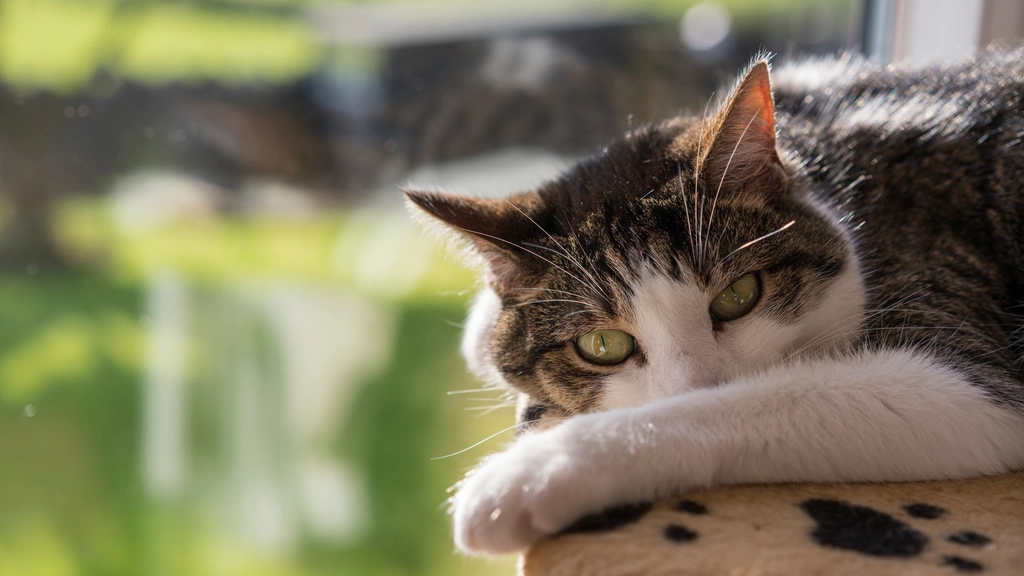
This behavior might stem from stress or boredom as cats seek out something comforting or stimulating. To counteract fabric licking or sucking, offer alternatives like cat-friendly chew toys or soft toys to cuddle, and ensure your cat receives adequate playtime and attention.
Conclusion:
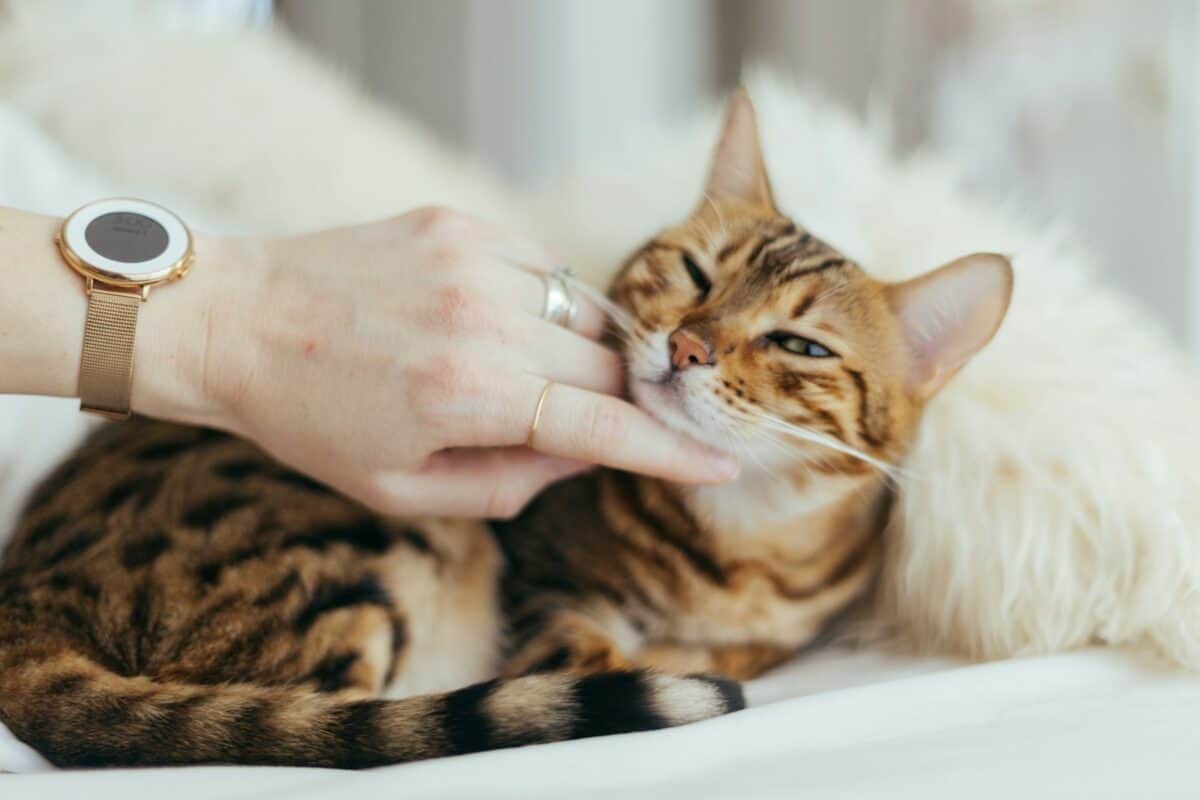
In conclusion, understanding the signs of boredom in cats is crucial to maintaining their mental and physical health. Cats need stimulation to thrive, and a varied environment can enrich their lives significantly. By observing your cat’s behavior, you can identify these signs early and take proactive steps to ensure your feline friend remains happy and healthy. Implementing engaging playtime, providing stimulating toys, and ensuring an enriched environment will not only alleviate boredom but also strengthen the bond between you and your pet.

As a little kid, I fell in love with nature, wildlife, and animals. Living in the USA, South Africa, Italy, China and Germany gave me the opportunity to discover the world's Wildlife. My favorite animals are Mountain Gorillas, Siberian Tigers, and Great White Sharks.
I'm a certified PADI Open Water Diver, went to Everest Base Camp and Trekked Gorillas in Uganda. I hold a Master of Science in Economics and Finance.
Please send any feedback to feedback@animalsaroundtheglobe.com
- The 10 Rarest Dog Breeds Making a Comeback in America - July 19, 2026
- 13 Creatures That Survived Mass Extinctions - July 19, 2026
- 12 Pets That Are Perfect for Seniors - July 19, 2026