

Your backyard is a bustling ecosystem teeming with life that often goes unnoticed. While you might be familiar with common visitors like squirrels, robins, and butterflies, there’s a hidden world of fascinating creatures that make their homes just steps from your door. These overlooked species play crucial roles in maintaining the ecological balance of your local environment, from pollinating plants to controlling pest populations. Let’s explore twelve surprising residents that might be sharing your outdoor space right now, operating just beyond your everyday awareness.
12. The Resourceful Opossum

North America’s only marsupial, the Virginia opossum (Didelphis virginiana), is likely a regular visitor to your yard after dark. These nocturnal creatures with their distinctive white faces and naked tails are often misunderstood but provide invaluable ecological services. A single opossum can consume up to 5,000 ticks per season, significantly reducing the population of these disease-carrying parasites. They’re also remarkably resistant to rabies due to their low body temperature and have partial immunity to snake venom. Despite their somewhat unsettling appearance when threatened—they famously “play dead” by entering a catatonic state—opossums are gentle creatures that help keep your garden healthy by eating rotting fruit, snails, and even small rodents.
11. The Industrious Miner Bee
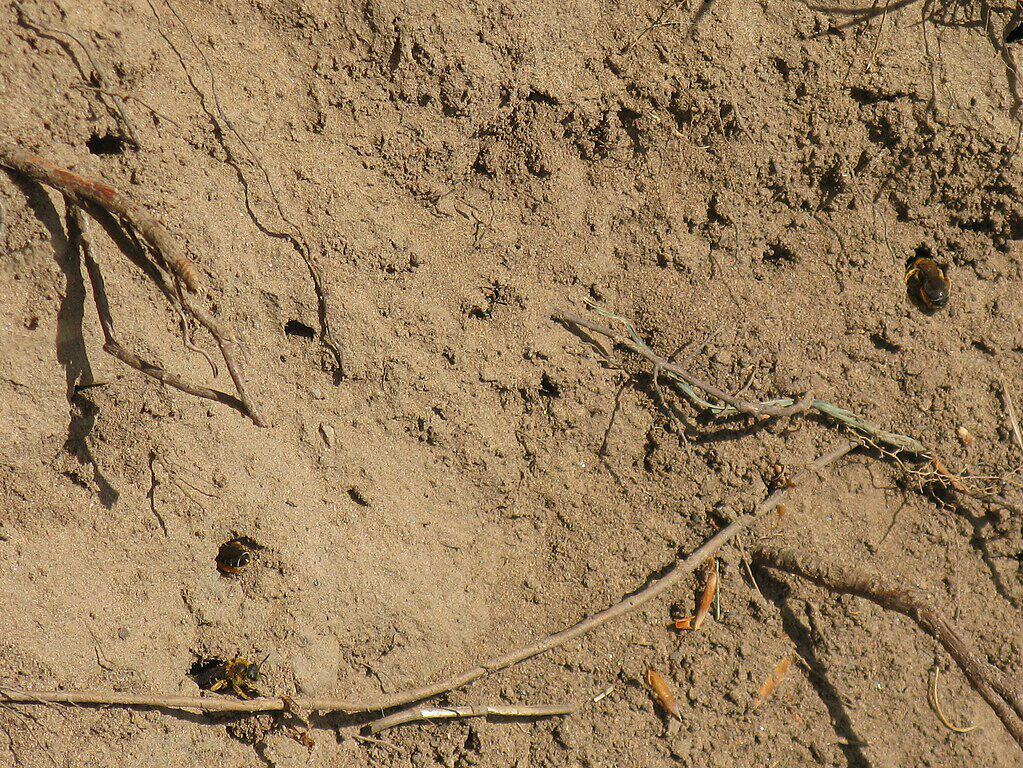
Unlike their honeybee cousins that live in large colonies, miner bees (Andrena spp.) are solitary insects that create individual underground nests in well-drained soil. These docile bees emerge in early spring, with females digging small tunnels marked by tiny mounds of soil that resemble ant hills. Though easily overlooked, miner bees are exceptional pollinators, particularly for early-blooming fruit trees and berries. Males don’t even possess stingers, and females rarely sting unless directly handled. Their early-season pollination work is crucial for many food crops, making them valuable garden allies. Look for their distinctive mining activities in bare patches of soil or along garden pathways during spring.
10. The Elusive Five-Lined Skink
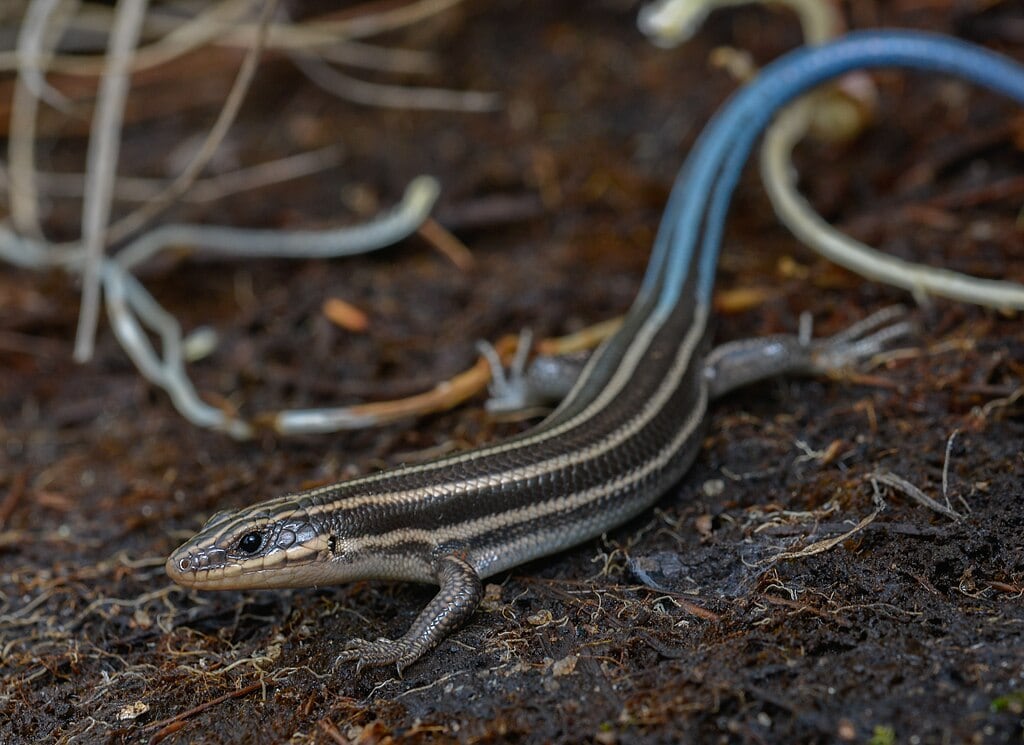
The five-lined skink (Plestiodon fasciatus) is one of North America’s most colorful lizards, yet many homeowners never realize these reptiles inhabit their yards. Juvenile skinks are particularly striking with bright blue tails and five distinctive light stripes running the length of their bodies, though this coloration fades as they mature. These agile lizards make their homes in rotting logs, rock piles, or beneath loose bark, emerging to hunt insects during warm daylight hours. They’re beneficial predators that help control populations of ants, spiders, crickets, and other invertebrates. Despite reaching only 5-8 inches in length as adults, five-lined skinks can live up to 6 years in the wild, becoming long-term residents of undisturbed corners of your yard.
9. The Secretive Short-Tailed Shrew

Bas-Saint-Laurent — Province de Québec — Canada Prise en october 2006 — Taken in October 2006. Image via wikimedia commons.
The short-tailed shrew (Blarina brevicauda) might be one of the most common yet least seen mammals in North American yards. These small, velvety gray creatures with pointed snouts spend most of their lives in tunnels beneath leaf litter or soil. Don’t let their tiny size fool you—short-tailed shrews are voracious predators with venomous saliva that they use to paralyze prey, consuming up to three times their body weight daily in insects, worms, and even small rodents. With metabolisms so rapid they must eat almost constantly, these shrews serve as natural pest controllers. Their high-pitched echolocation calls are typically too high for human ears to detect, allowing them to hunt effectively in complete darkness beneath your garden.
8. The Underappreciated Wheel Bug
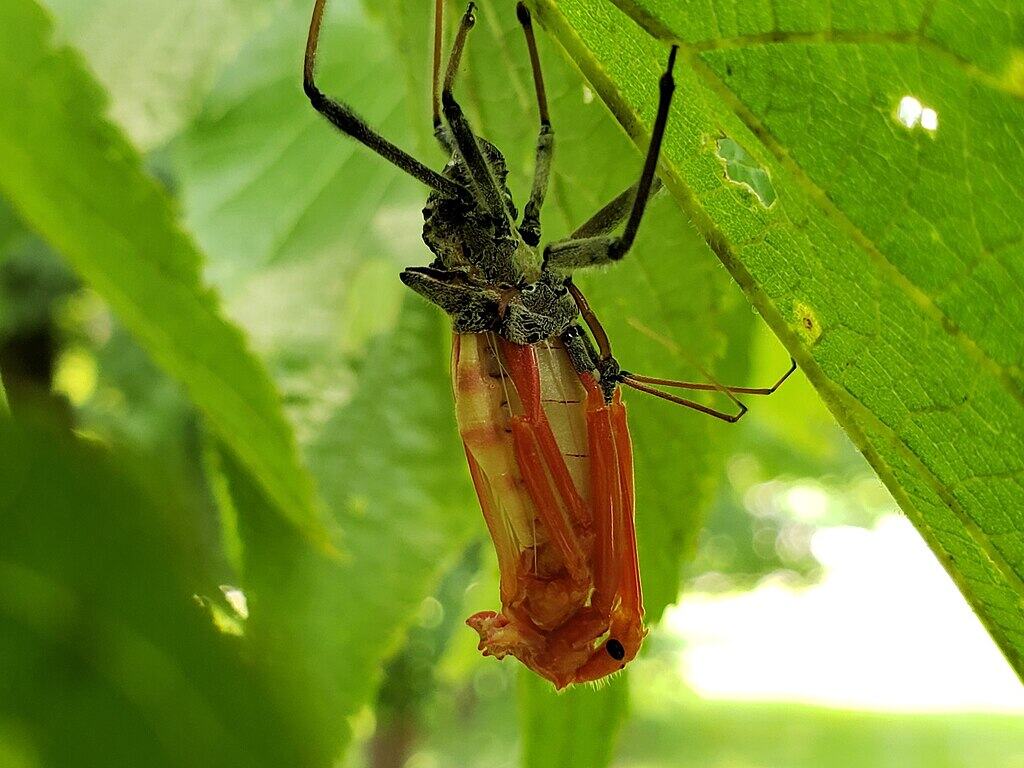
The wheel bug (Arilus cristatus) features one of the most distinctive silhouettes in the insect world, with a cogwheel-shaped crest rising from its thorax. This large assassin bug (reaching over an inch in length) is a beneficial predator that hunts caterpillars, beetles, and other garden pests using a curved proboscis to inject enzymes that dissolve its prey’s internal tissues. While their appearance might seem intimidating, wheel bugs prefer to avoid human contact, though their defensive bite is painful if mishandled. Their unusual appearance, combined with their slow, deliberate movements, often leads people to overlook them despite their size. A female wheel bug can deposit over 40 barrel-shaped eggs on tree bark in autumn, ensuring another generation of these garden guardians for the following year.
7. The Nocturnal Flying Squirrel
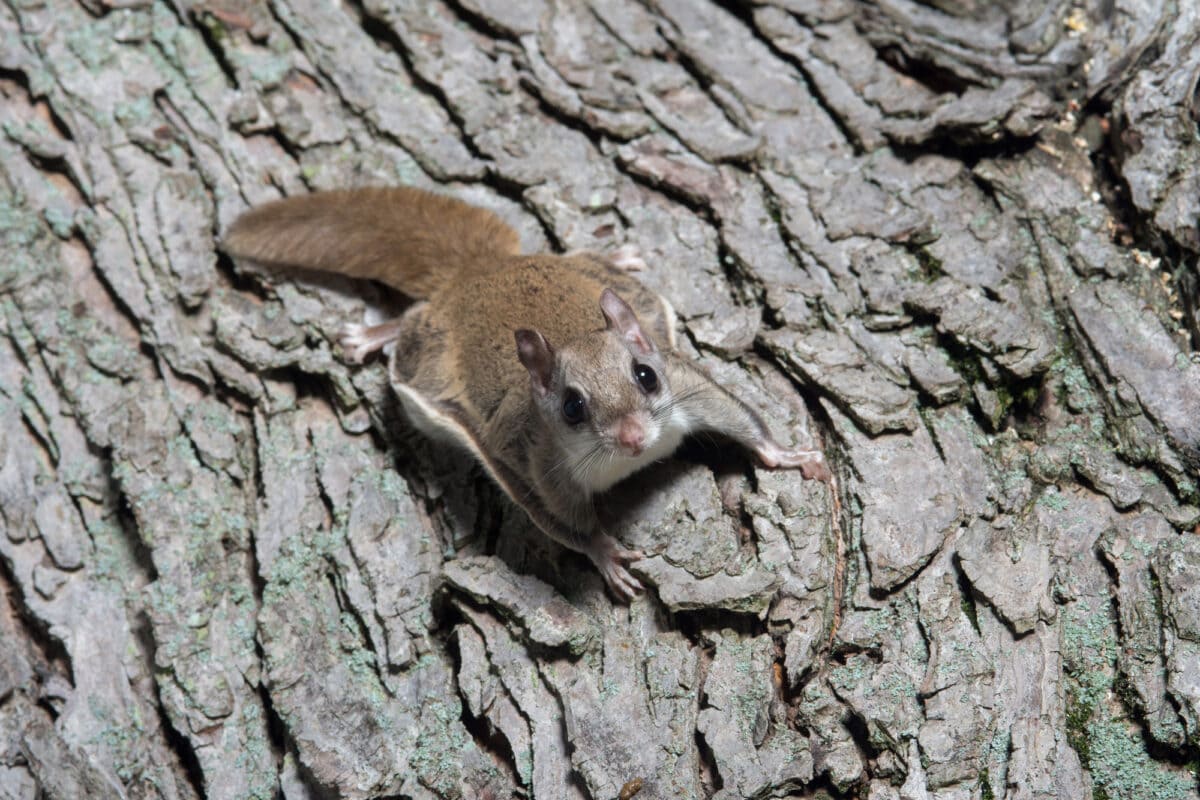
Unlike their diurnal tree squirrel relatives, Northern flying squirrels (Glaucomys sabrinus) and Southern flying squirrels (Glaucomys volans) conduct their business under cover of darkness, which is why many homeowners never realize these gliding mammals inhabit their yards. These enchanting creatures don’t truly fly but glide between trees using a special membrane called a patagium that stretches from wrist to ankle. With their large eyes adapted for night vision and incredibly soft fur, flying squirrels are primarily seed and nut foragers but also consume fungi, helping to spread beneficial mycorrhizal spores throughout forest ecosystems. They’re highly social, often nesting in groups during winter months for warmth. Their silent nocturnal glides, sometimes spanning over 150 feet, happen right over many backyards without ever being noticed.
6. The Cryptic Luna Moth

The luna moth (Actias luna) is one of North America’s most spectacular insects, yet many people never encounter this nocturnal giant despite its presence in their yards. With a wingspan reaching up to 4.5 inches and distinctive long, sweeping tails on their hindwings, adult luna moths are a breathtaking pale green with eyespots on each wing. What makes them particularly elusive is their incredibly short adult lifespan—they live only about one week and don’t even possess functional mouthparts for eating. Their sole purpose as adults is reproduction, with females releasing powerful pheromones at night to attract males. The caterpillars feed on the foliage of birch, walnut, hickory, and other hardwood trees for about three months before pupating. Despite their size and beauty, luna moths remain largely unseen due to their brief adult lives and nocturnal habits.
5. The Versatile Fence Lizard
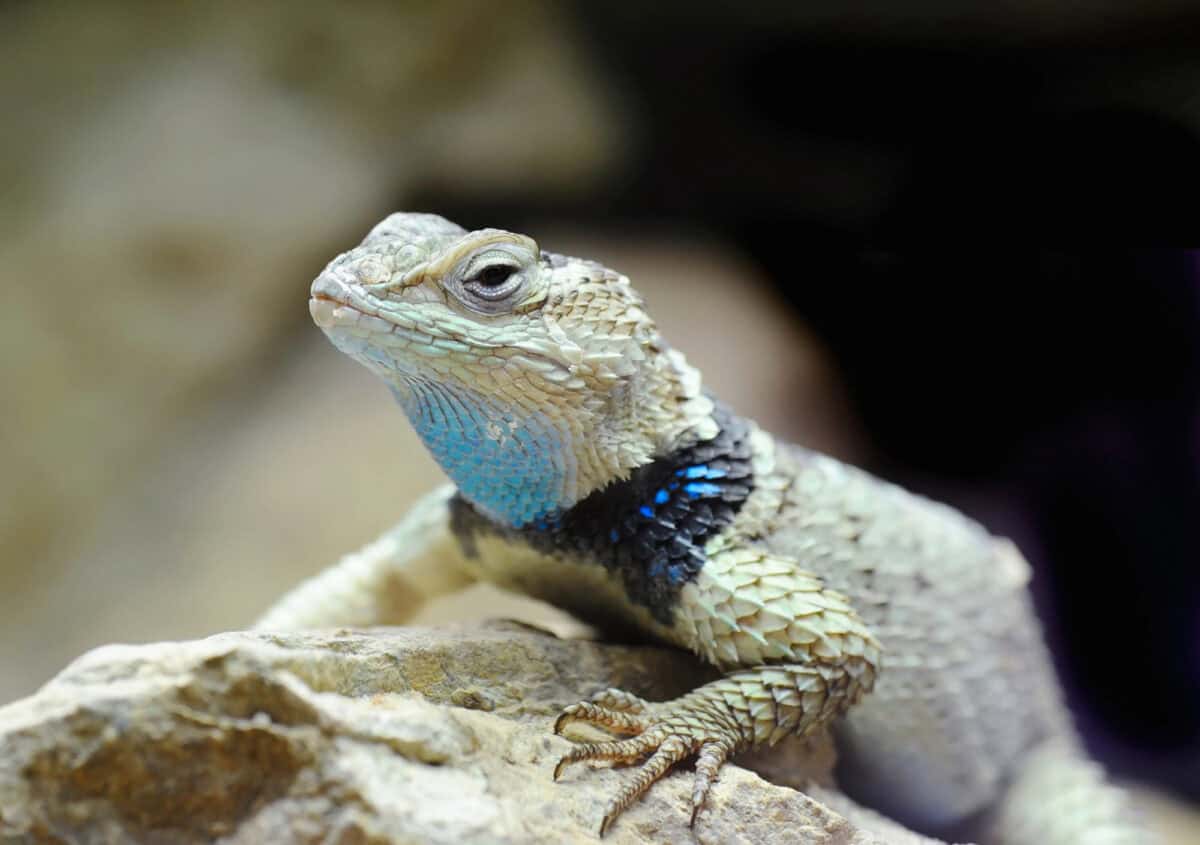
Eastern fence lizards (Sceloporus undulatus) are masters of camouflage, blending perfectly with tree bark, wooden fences, and rock surfaces where they bask in the sun. Males sport iridescent blue patches on their throats and bellies, which they display during territorial disputes and mating rituals. These insectivorous reptiles consume significant quantities of ants, beetles, and spiders, making them beneficial for natural pest control. Interestingly, some populations have evolved longer legs and faster sprint speeds in areas where invasive fire ants are present, demonstrating rapid evolutionary adaptation. During winter months, fence lizards brumate (the reptile equivalent of hibernation) in protected crevices or underground burrows, emerging on unusually warm winter days to briefly bask. Though common across the eastern and central United States, their exceptional camouflage means many homeowners never notice these frequent backyard residents.
4. The Hardworking Cicada Killer Wasp
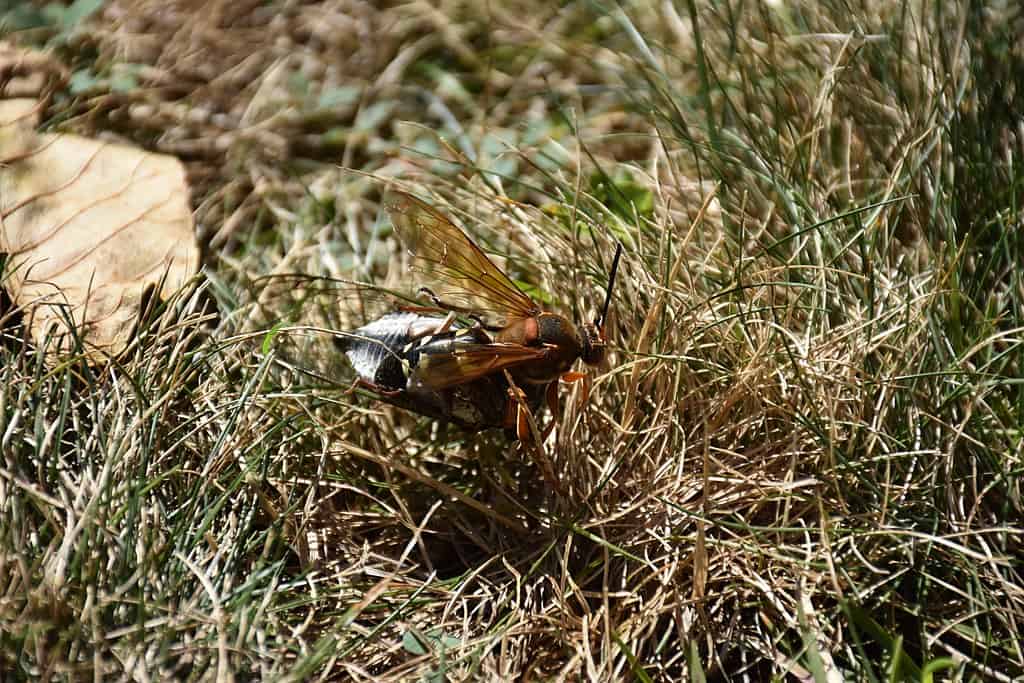
Despite their intimidating size, reaching up to 1.5 inches in length, cicada killer wasps (Sphecius speciosus) are non-aggressive beneficial insects frequently misidentified as “murder hornets.” These impressive wasps dig distinctive burrows in well-drained soil, creating small mounds that homeowners often mistake for destructive ground-nesting activities. The female wasps hunt cicadas, paralyzing them with a sting before dragging the much larger prey back to their underground chambers as food for their larvae. Males, despite their territorial aerial patrols, lack stingers entirely. Females rarely sting humans unless directly handled or stepped on with bare feet. Their presence indicates a healthy ecosystem, as they help regulate cicada populations naturally. The next time you spot these large wasps in late summer, observe from a respectful distance to witness their remarkable hunting behaviors.
3. The Inconspicuous Spring Peeper
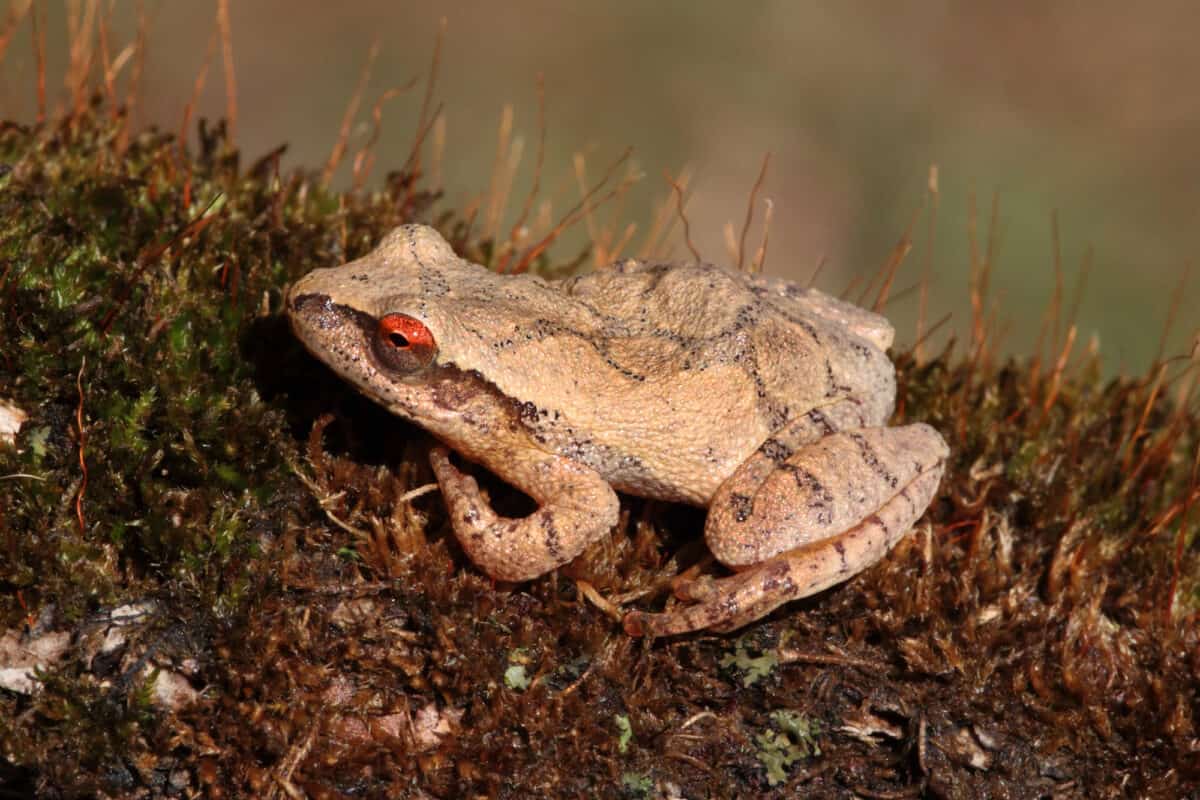
The spring peeper (Pseudacris crucifer) is a tiny treefrog measuring just 0.75 to 1.5 inches in length, recognizable by the distinctive dark “X” pattern on its back. While their chorus of high-pitched “peep” calls announces spring evenings throughout eastern North America, few people ever actually see these diminutive amphibians. Outside of breeding season, spring peepers disperse into woodland and yard habitats, climbing shrubs and trees in search of small insects. They can change color from brown to gray to match their surroundings and possess specialized toe pads that allow them to cling to vertical surfaces, including the siding of homes. Most remarkably, these tiny frogs can survive freezing of up to 65% of their body water during winter through special adaptations, including “antifreeze” compounds in their blood. Your garden likely provides crucial habitat for these beneficial insect consumers.
2. The Mysterious Red-Backed Salamander

The red-backed salamander (Plethodon cinereus) might be the most abundant vertebrate in northeastern forests, yet remains virtually unknown to most homeowners. These slender woodland salamanders—typically featuring a distinctive red or lead-colored stripe down their back—don’t require water bodies for reproduction, laying their eggs in moist soil or rotting logs. What makes them truly remarkable is their ecological impact: they can reach densities of up to 2,700 individuals per acre and play a crucial role in leaf litter decomposition and carbon sequestration by consuming fungi and small invertebrates. Unlike most amphibians, they lack lungs entirely, breathing entirely through their skin and mouth tissues, which requires them to stay in moist microhabitats. Creating undisturbed areas with rotting logs and leaf litter in your yard provides essential habitat for these secretive and ecologically important salamanders.
1. The Misunderstood Wolf Spider

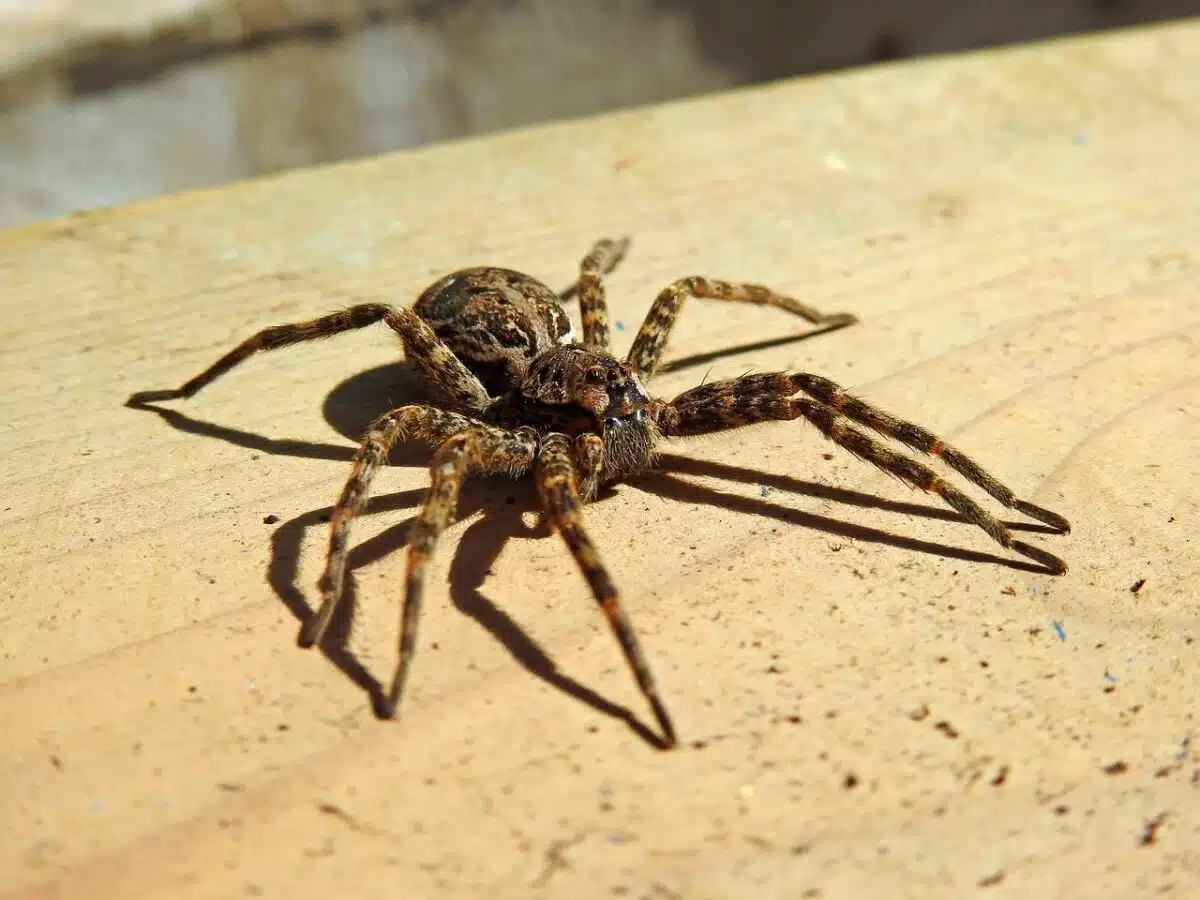
Wolf spiders (family Lycosidae) are among the most common yet least appreciated backyard predators. Unlike web-building spiders, these agile hunters actively pursue their prey with excellent vision provided by eight eyes arranged in three rows. Female wolf spiders display remarkable maternal care, carrying their egg sacs attached to spinnerets at the rear of their abdomen. After hatching, dozens of spiderlings climb onto their mother’s back, riding there for several days until ready to disperse. Though their size and rapid movements can be startling, wolf spiders are beneficial predators that help control pest insect populations in lawns and gardens. They rarely bite humans unless directly threatened or handled, despite their somewhat intimidating appearance. At night, their eyes reflect flashlight beams with a distinctive greenish glow, revealing just how many of these helpful arachnids patrol your yard after dark.
Conclusion:

Your backyard is far more than just an extension of your living space—it’s a complex ecosystem supporting an astonishing diversity of life forms that operate largely unnoticed. The twelve species highlighted here represent just a fraction of the wildlife that might be present in your outdoor environment, each playing vital ecological roles from pest control to pollination to soil health maintenance. By creating habitat diversity through native plantings, brush piles, water features, and reduced chemical use, you can support these fascinating creatures while enhancing the ecological resilience of your property. Next time you step outside, take a moment to look more closely at the leaf litter, garden soil, tree trunks, and quiet corners—you might be surprised to discover who’s been sharing your space all along.

As a little kid, I fell in love with nature, wildlife, and animals. Living in the USA, South Africa, Italy, China and Germany gave me the opportunity to discover the world's Wildlife. My favorite animals are Mountain Gorillas, Siberian Tigers, and Great White Sharks.
I'm a certified PADI Open Water Diver, went to Everest Base Camp and Trekked Gorillas in Uganda. I hold a Master of Science in Economics and Finance.
Please send any feedback to feedback@animalsaroundtheglobe.com
- 15 Gardening Tips That Are a Hummingbird’s Nightmare (— Avoid #4 at All Costs) - July 23, 2026
- 15 Most Misunderstood Dog Breeds - July 23, 2026
- 14 Dog Breeds That Do not Need Much Exercise - July 23, 2026