

Backyards once held more quiet observers than they do today. A flash of crimson against bare branches or a clear whistle cutting through winter air drew steady notice from those who watched the seasons turn.
Cardinals offered reliable signs of change and continuity in the natural world. Their routines became part of everyday awareness for people who spent time outdoors without screens or schedules pulling them away.
They Keep Singing Through the Coldest Months

Northern cardinals produce clear, whistled songs even when snow covers the ground. Older listeners often paused to track these notes as a marker that life continued despite harsh weather. The males especially repeat their phrases from high perches, creating a steady soundtrack across neighborhoods.
This winter singing stands out because many other songbirds fall silent until spring. People noticed how the sound carried farther on still, cold days. It became a small reassurance that the cycle of seasons would hold.
They Defend Their Space With Determination
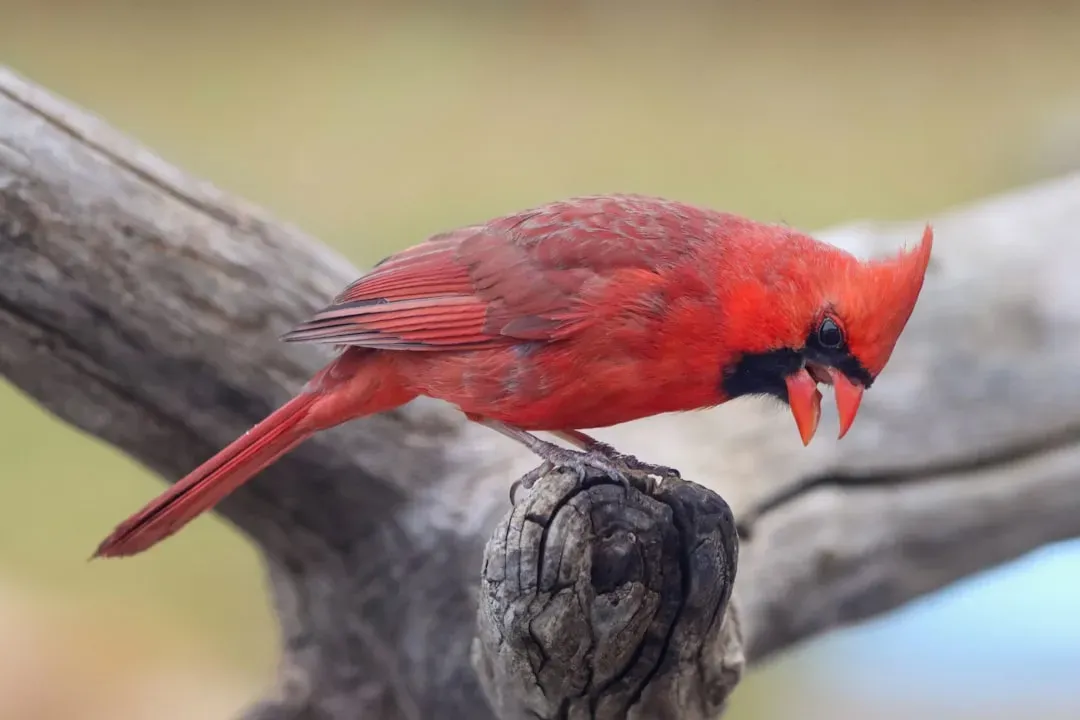
Male cardinals chase intruders from their chosen area with quick flights and sharp calls. They focus on other males of their own kind, sometimes clashing at the edges of yards or gardens. This behavior kept territories stable from one year to the next.
Observers learned to recognize the pattern of repeated patrols along fence lines or tree rows. The consistency helped mark where one pair ended and another began. Such steady boundaries reflected the birds’ attachment to a single place.
They Form Long Term Pair Bonds
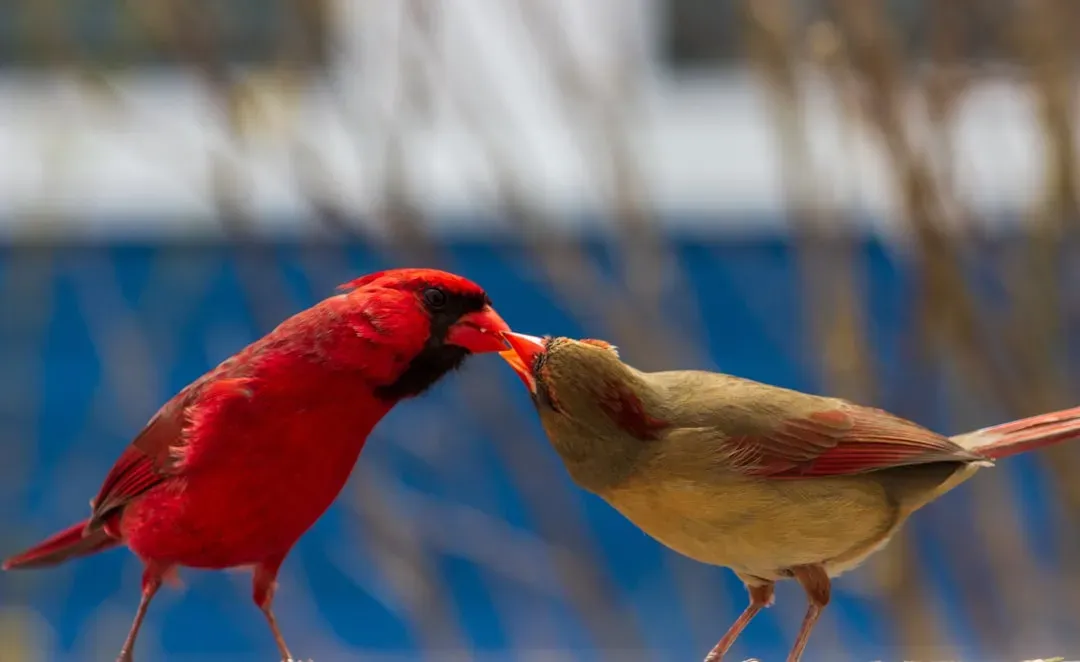
Cardinals often stay with the same mate across multiple seasons. The pair works together on nest sites and food sources once breeding begins. This partnership showed up in shared movements around the same few acres.
Older generations tracked these pairs by noting consistent appearances at certain feeders or shrubs. The loyalty added a layer of predictability to backyard bird life. It contrasted with species that switched partners more freely.
They Build Nests Low in Dense Cover

Females weave cup shaped nests from twigs, grass, and leaves in thick shrubs or young trees. The placement stays close to the ground, usually under five feet high. This choice offered protection from larger predators while staying accessible for observation.
People who walked the same paths daily often spotted the construction process in early spring. The neat, hidden structures rewarded careful looking without disturbing the birds. Such sites became familiar landmarks in local green spaces.
They Raise Several Broods Each Year
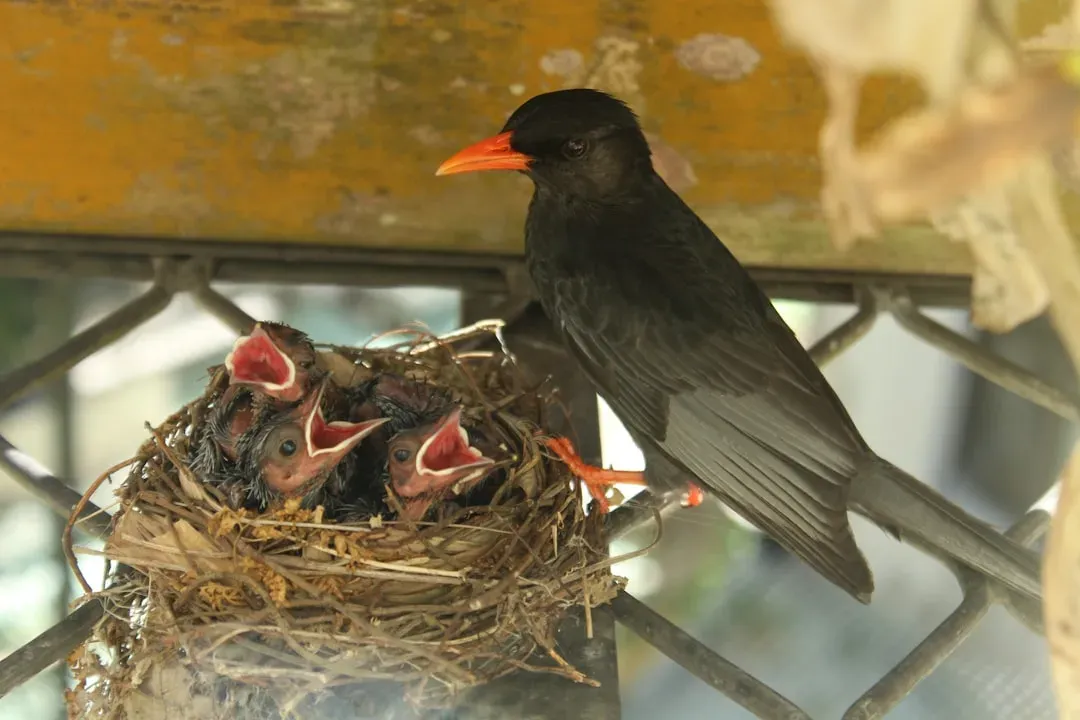
A single pair can produce two or three sets of young between spring and late summer. Each cycle involves fresh nest building and feeding duties. The repeated activity kept cardinals visible and active for months.
Watchers noted the progression from eggs to fledglings in the same general area. This productivity stood out compared with birds that manage only one attempt. It contributed to steady cardinal numbers in many regions.
They Visit Feeders With Regularity
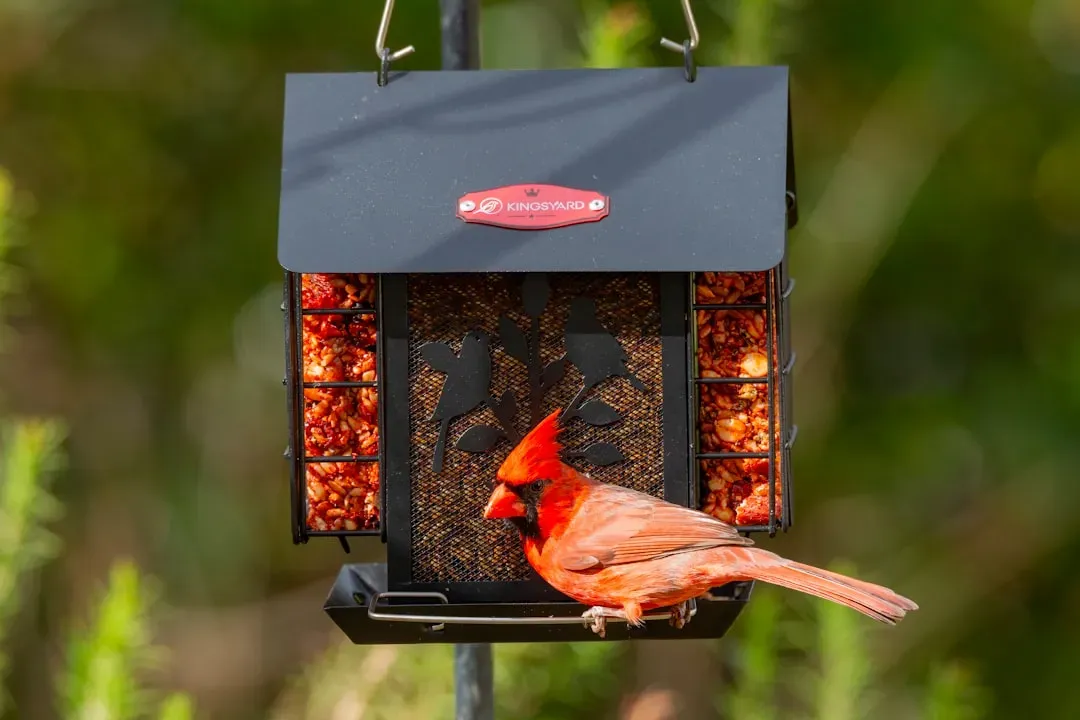
Cardinals favor sunflower seeds and other offerings at backyard stations. They arrive at predictable times, often in pairs or small groups. The habit made them reliable daily visitors for anyone who maintained a feeder.
Older observers adjusted their routines around these arrivals, sometimes timing walks or coffee breaks to coincide. The birds’ preference for certain seed types became common knowledge passed along informally. Such patterns turned feeders into small community hubs.
They Show Clear Differences Between the Sexes

Males display vivid red plumage while females appear in softer brown tones with red accents. Both share the pointed crest on the head. This contrast allowed quick identification from a distance.
People learned to distinguish the roles each played in daily life. The brighter males drew initial attention, yet the subtler females handled much of the nesting work. The visual distinction added interest to casual watching.
They Stay in One Area Year Round

Most cardinals do not migrate far, remaining in the same region through all seasons. Their presence offered continuity when other birds disappeared in fall. This residency made them familiar residents rather than seasonal guests.
Longtime observers could count on seeing the same individuals or their offspring nearby. The stability supported ongoing notes about local bird populations. It reinforced a sense of place tied to the landscape.
They Mix Seeds and Insects in Their Diet
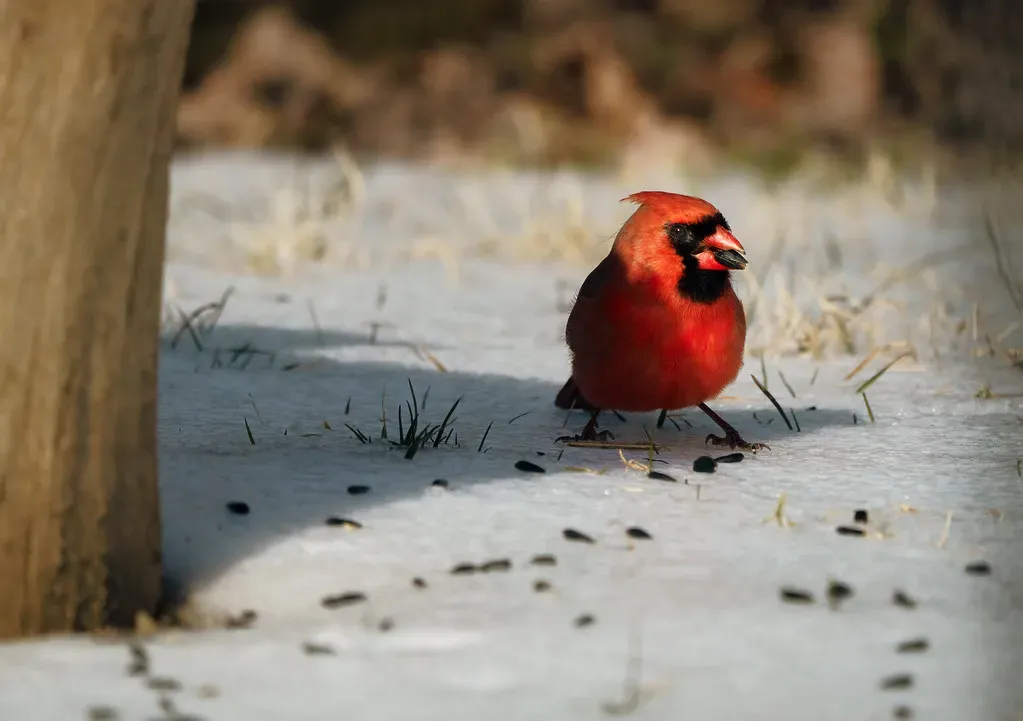
Cardinals consume a range of foods, shifting from seeds in winter to insects and berries in warmer months. This flexibility supported their year round activity. The varied menu kept them active in different parts of the yard.
Those who scattered different foods noticed which items drew the birds at specific times. The adaptability reflected practical survival in changing conditions. Such details rewarded patient watching over quick glances.
They Bathe and Preen in Open Water

Cardinals dip into birdbaths or shallow puddles to clean their feathers. They return to the same spots regularly for this routine. The behavior kept their bright plumage in good condition.
Observers often placed water sources near feeders to encourage these visits. The splashing created brief, lively moments amid quieter hours. It added another layer to the daily rhythm of backyard life.
They Raise Their Young With Careful Feeding
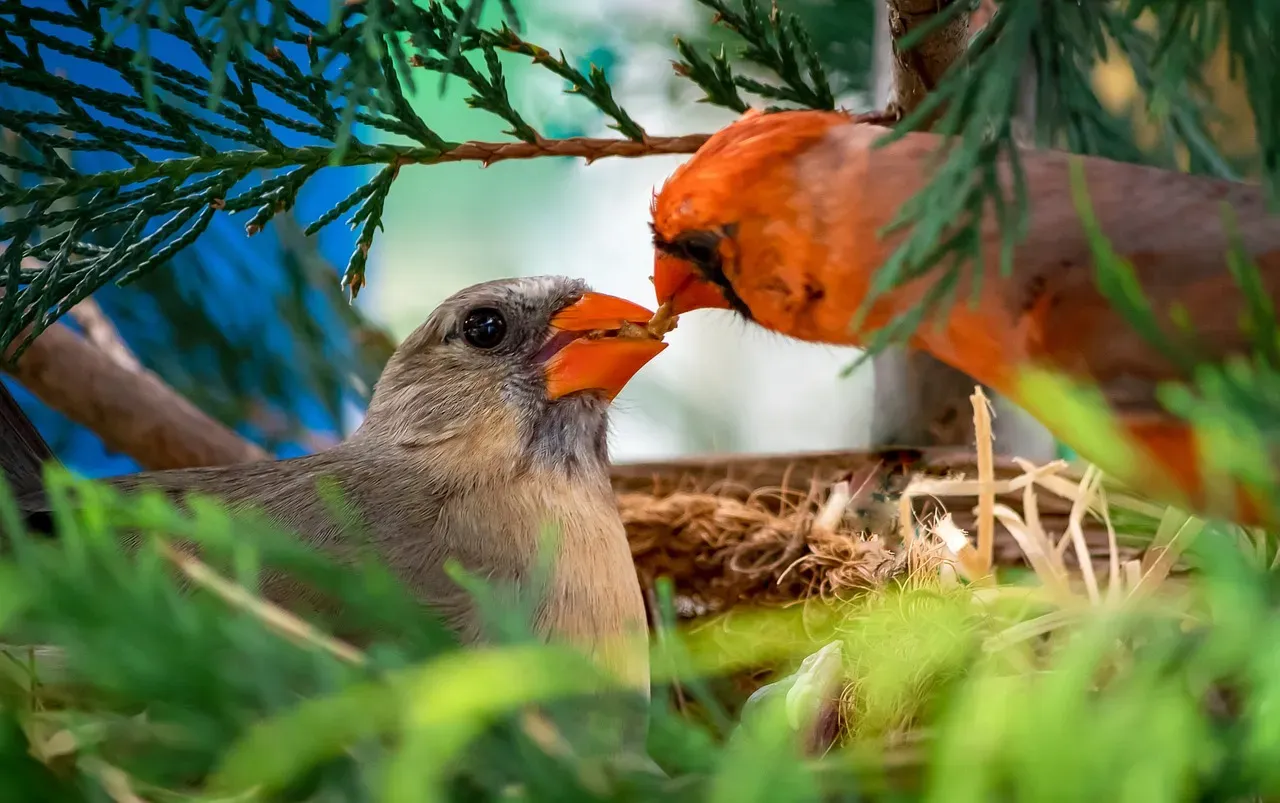
Both parents bring food to the nestlings, with males sometimes taking a larger share early on. The process involves repeated trips from nearby perches. This dedication helped ensure the survival of each brood.
People who watched from a respectful distance saw the steady traffic of adults returning with insects or seeds. The coordination between mates stood out during peak feeding times. Such efforts highlighted the investment required to raise the next generation.
They Respond to Changes in Their Surroundings

Cardinals adjust their movements when new plants grow or structures appear nearby. They explore fresh cover while maintaining core areas. This responsiveness kept them present even as yards evolved over time.
Long term watchers noted how the birds adapted without abandoning familiar spots. The flexibility supported their continued success in human altered landscapes. It offered quiet lessons in resilience through small daily adjustments.
These steady habits of cardinals once formed part of the background rhythm that older generations tracked without effort. Paying attention to them today still connects us to that same patient way of noticing the world close at hand. The birds continue their routines regardless of how much else changes around them.

- 10 Amazing Facts About Penguins - July 24, 2026
- 8 Ways to Create a Wildlife-Friendly Backyard Oasis for Local Critters - July 24, 2026
- How to Keep Your Pet Safe from Household Hazards - July 24, 2026