

Most people assume an old dog slowing down is just “getting old.” The stiff walk to the water bowl, the extra hours of sleep, the hesitation before jumping on the couch – it all gets written off as inevitable.
But veterinarians see it differently. Many of those quiet changes are actually your dog trying to tell you something, and the dogs whose owners catch the signals early often live their final months far more comfortably than the ones whose owners simply wait it out.
12 – Recognize the Silent Signs of Pain Before It’s Too Late
🔥 Would you like to save this?
We'll email this post to you, so you can come back to it later!
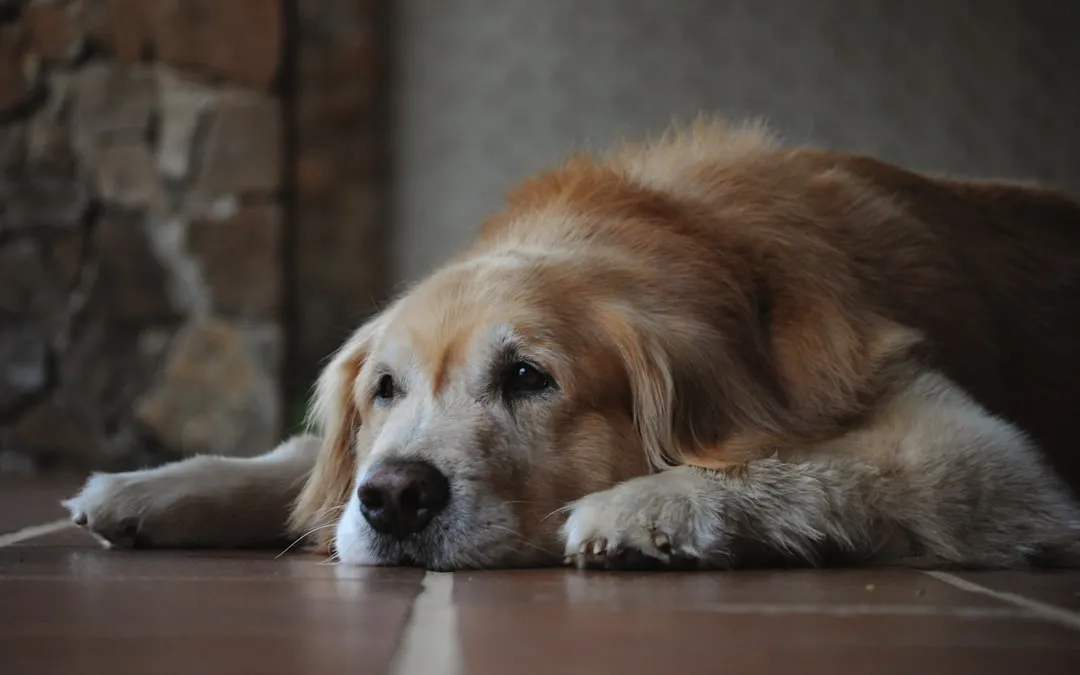
Dogs are hardwired to hide pain. It’s an instinct left over from their wild ancestors, who couldn’t afford to look weak in front of predators or rivals. So instead of yelping, your senior dog might just eat a little less, sleep a little more, or take the stairs a little slower – and it’s easy to mistake all of it for “just getting older.”
That’s exactly why paying close attention matters so much right now. A change in appetite, a new reluctance to jump on the bed, restless nights instead of peaceful ones – these are often the only clues you’ll get. Catching them early and looping in your vet can mean the difference between months of quiet suffering and months of real comfort.
Worth Knowing
- Slower eating or picking at food is often an early pain signal, not just pickiness
- Reluctance to jump, climb stairs, or rise from a lying position can point to joint pain
- Excessive licking or chewing at a paw, hip, or leg may signal localized discomfort
- Restlessness or pacing at night is frequently overlooked as “just aging” but deserves a vet’s attention
11 – Take Pain Management Seriously, Not as a Last Resort
🔥 Would you like to save this?
We'll email this post to you, so you can come back to it later!
Here’s the hard truth: pain is not a normal, harmless part of getting old, even though it’s treated that way constantly. Arthritis, joint degeneration, and internal aches build slowly, and many senior dogs simply learn to live with a level of discomfort no dog should have to tolerate.
A real pain management plan changes that story completely. NSAIDs, joint supplements, acupuncture, even laser therapy can bring visible relief – dogs who were barely moving start greeting you at the door again. Work with your vet to build a plan tailored to your dog’s exact condition, and don’t wait for a crisis to start it.
10 – Redesign Their World So It Stops Working Against Them
🔥 Would you like to save this?
We'll email this post to you, so you can come back to it later!
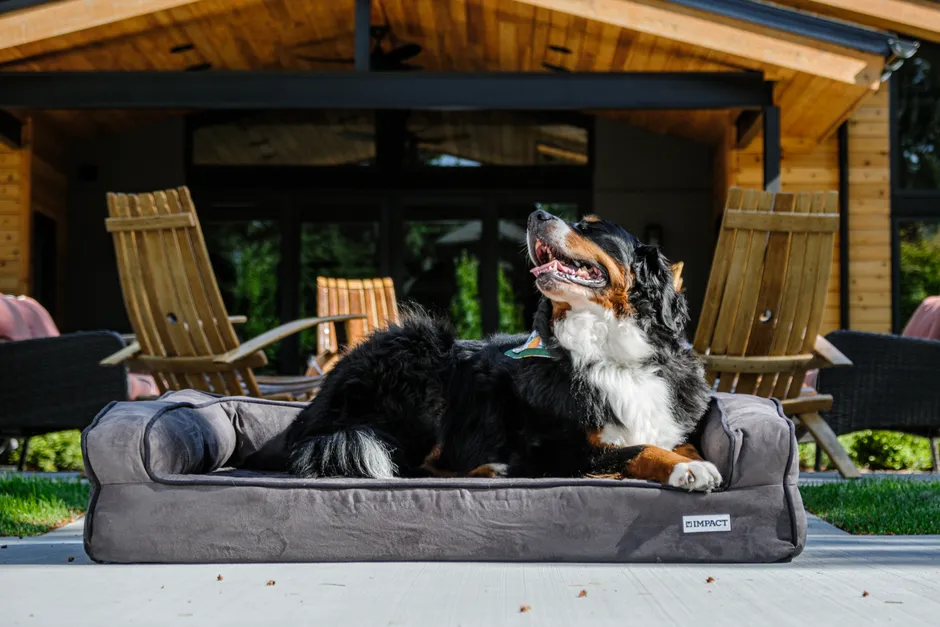
Picture your dog’s daily obstacle course: slick hardwood floors, a raised food bowl that strains an arthritic neck, a bed too flat to cushion aching hips. None of it seems dramatic day to day, but it adds up to real, constant discomfort.
Small fixes make an outsized difference here. An orthopedic bed cradles sore joints all night long. Non-slip rugs prevent the kind of fall that can turn a good week into a terrifying one. A ramp by the stairs or the car can restore a dog’s confidence in moving through spaces they once loved.
9 – Protect the Routines That Still Make Sense to Them
🔥 Would you like to save this?
We'll email this post to you, so you can come back to it later!
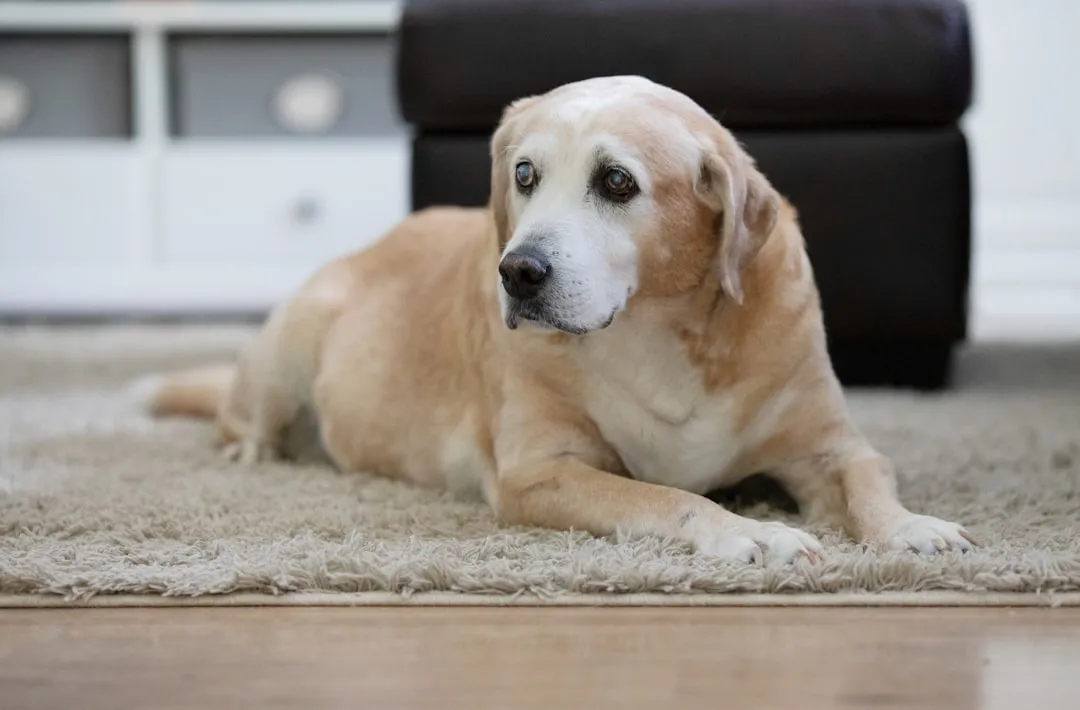
An aging dog’s world can start to feel unpredictable – sounds and faces get harder to place, energy comes and goes without warning. In the middle of that fog, routine becomes an anchor. The same walk time, the same dinner time, the same nightly ritual tells your dog: this part of life still makes sense.
You don’t have to keep everything exactly the same – shorter walks and gentler play are completely fine. What matters is the rhythm staying familiar. That predictability quietly reduces anxiety and gives your dog something steady to hold onto when so much else is changing.
8 – Rethink What’s Actually on Their Plate

🔥 Would you like to save this?
We'll email this post to you, so you can come back to it later!
The food that kept your dog thriving at three years old isn’t necessarily doing them any favors at thirteen. Metabolism slows, joints need more support, and cognitive function benefits from very specific nutrients most standard adult formulas don’t prioritize.
A senior-specific diet, built with your vet’s input, can ease joint pain, protect against unwanted weight gain, and even support a sharper mind for longer. It’s one of the simplest changes you can make, and one of the ones owners skip most often simply because their dog “seems fine” eating the same old food.
Quick Compare
- Calories: adult formulas fuel higher activity; senior formulas trim calories to match a slower pace
- Joint support: senior diets often add glucosamine and chondroitin that standard adult food skips
- Digestibility: senior formulas typically include easier-to-digest proteins and added fiber
- Cognitive support: many senior diets add antioxidants and omega-3s aimed at brain health
7 – Watch the Water Bowl Closer Than You Think You Need To
🔥 Would you like to save this?
We'll email this post to you, so you can come back to it later!
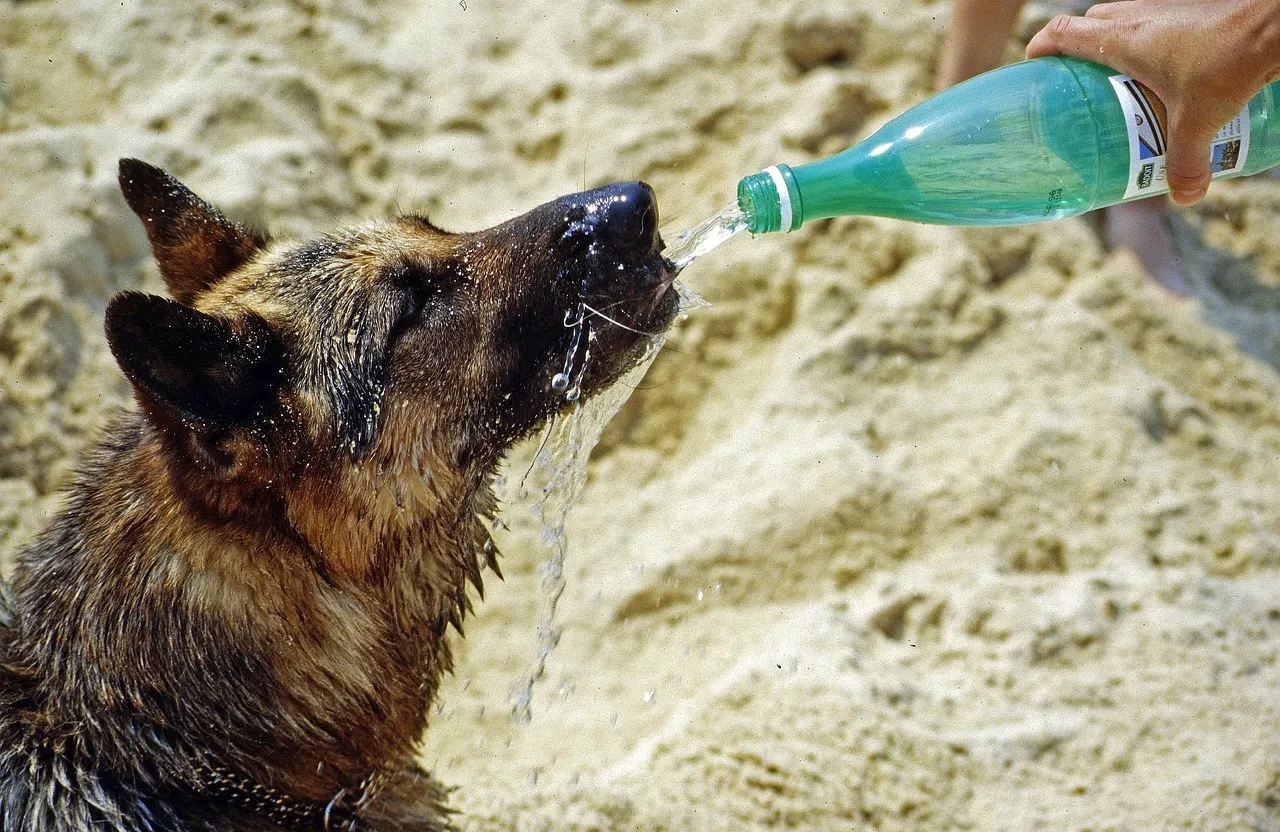
Dehydration in senior dogs sneaks up quietly. Older dogs often drink less without anyone noticing, sometimes because thirst signals dull with age, sometimes because getting up and walking to the bowl feels like too much effort.
The fix doesn’t have to be complicated. Extra water stations around the house, a splash of broth or moisture mixed into meals, even a pet fountain that encourages drinking can all help. Keep an eye on how much they’re actually consuming, and flag any sudden changes to your vet before they become bigger problems.
6 – Keep Their Mind Working, Not Just Their Body Resting
🔥 Would you like to save this?
We'll email this post to you, so you can come back to it later!
Cognitive decline is one of the quieter heartbreaks of watching a dog age – the confusion in familiar rooms, the blank stare where recognition used to be instant. It’s not always reversible, but it can often be slowed.
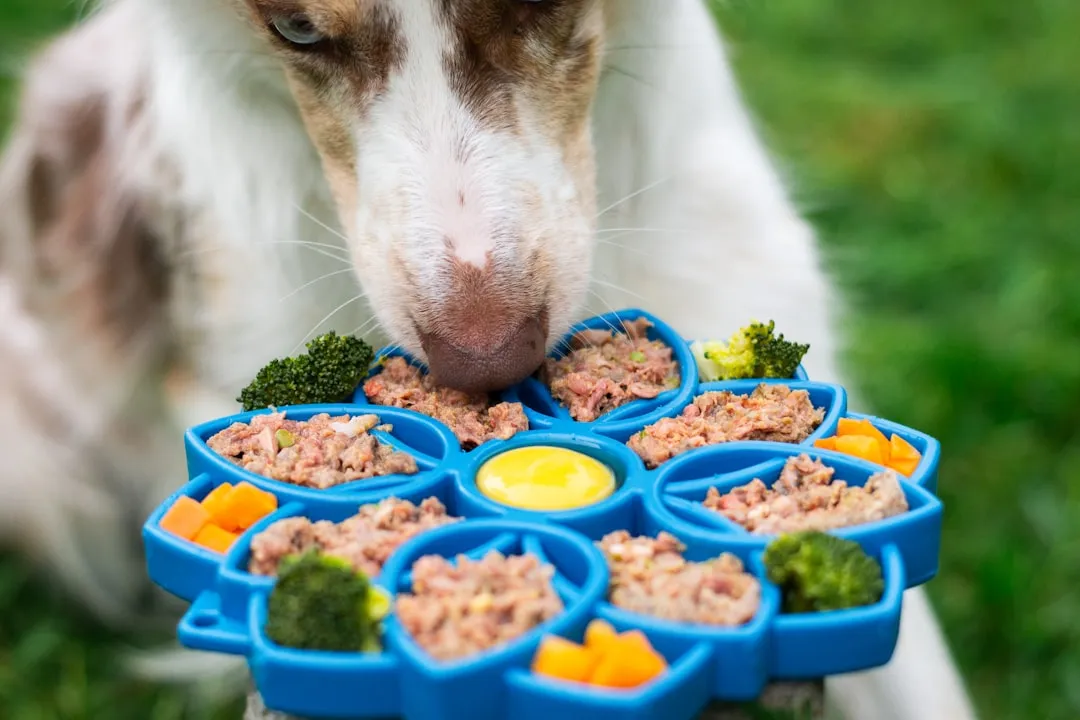
Puzzle feeders, gentle new tricks, or simply letting them sniff new ground on a walk all give an aging brain something to do. Mental engagement isn’t just entertainment at this stage; it’s genuinely protective, and it can ease the restlessness that often comes with cognitive decline.
At a Glance
- Puzzle feeders that slow down mealtime and spark problem-solving
- Short “sniff walks” that let a dog explore at their own pace
- Simple new tricks or refreshed cues to keep the brain active
- Rotating toys weekly to keep novelty and curiosity alive
5 – Learn to Speak Their New Language

🔥 Would you like to save this?
We'll email this post to you, so you can come back to it later!
As hearing and vision fade, the dog who used to come running at the sound of a leash jingling might not even notice you’ve walked into the room. It’s disorienting for them, and often heartbreaking for you, but it doesn’t have to break the connection you’ve built.
Hand signals, floor vibrations, and scent cues become the new vocabulary between you. Approaching slowly so you don’t startle them, and staying patient when they don’t respond the way they used to, keeps trust intact during a period that could otherwise feel very isolating for your dog.
4 – Don’t Let Vet Visits Become an Afterthought
🔥 Would you like to save this?
We'll email this post to you, so you can come back to it later!
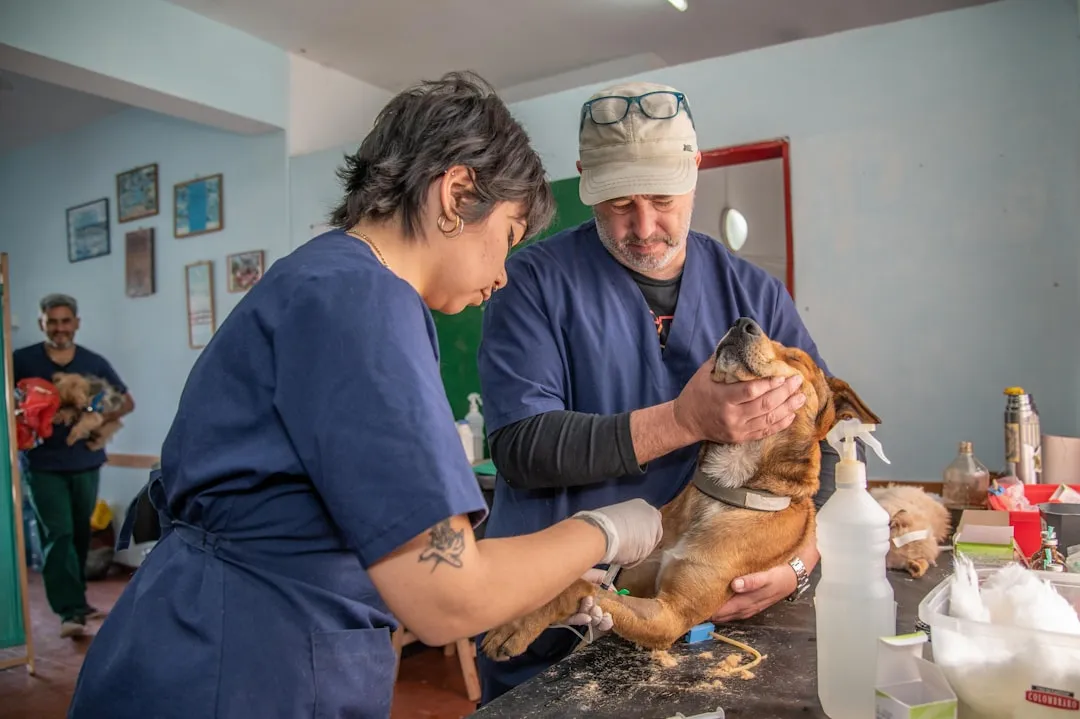
It’s tempting to space out vet visits once a dog seems “stable,” but stability in a senior dog can shift fast. Conditions like kidney disease, heart issues, or tumors often develop silently until they’re advanced.
Bi-annual checkups catch these shifts while there’s still time to act. Bloodwork, weight checks, and honest conversations with your vet about what you’re noticing at home let you adjust pain management and care plans before a small issue turns into an emergency.
Fast Facts
- Most vets recommend twice-yearly exams once a dog is considered senior
- Routine bloodwork can flag early kidney or liver changes before symptoms appear
- Regular weight checks help catch muscle loss that’s easy to miss at home
- Dental exams often uncover a hidden source of chronic pain in older dogs
3 – Give Them Your Presence, Not Just Your Care Routine
🔥 Would you like to save this?
We'll email this post to you, so you can come back to it later!
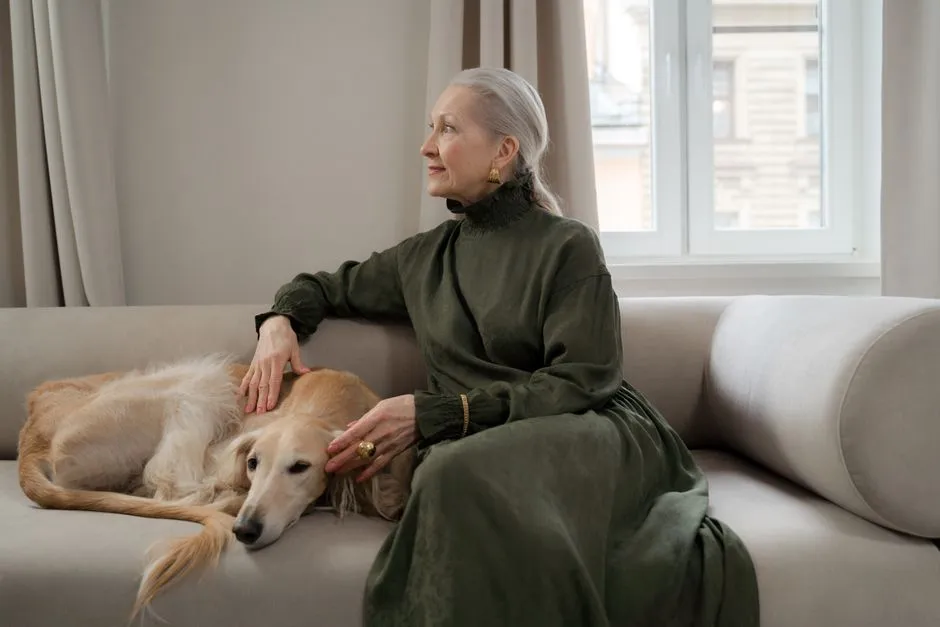
Physical comfort only tells half the story. Aging dogs can experience real anxiety and confusion, and no orthopedic bed or supplement can replace the simple reassurance of you sitting beside them.
Quiet time together, gentle touch, and a calm household atmosphere do more for a senior dog’s emotional state than most owners realize. Your presence is its own form of medicine right now.
The bond with a good dog is as lasting as the memory of a good sunset.
Wilson Rawls
2 – Face the Hardest Conversation Before You’re Forced To
🔥 Would you like to save this?
We'll email this post to you, so you can come back to it later!
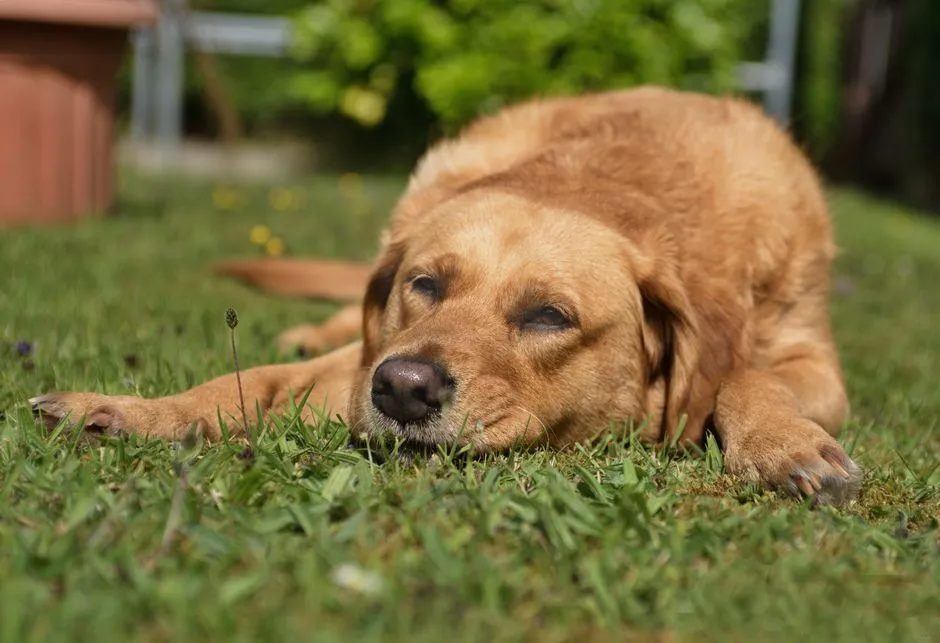
Nobody wants to think about their dog’s final days while that dog is still curled up on the couch. But planning ahead, while it’s still a calm decision and not a panicked one, is one of the most loving things you can do.
Talk openly with your vet about options like in-home euthanasia or hospice-style palliative care. Knowing what dignity and comfort can look like at the very end takes some of the fear out of it, for both you and the family members who’ll be part of that decision.
1 – Let Yourself Grieve Before the Grief Even Arrives
🔥 Would you like to save this?
We'll email this post to you, so you can come back to it later!
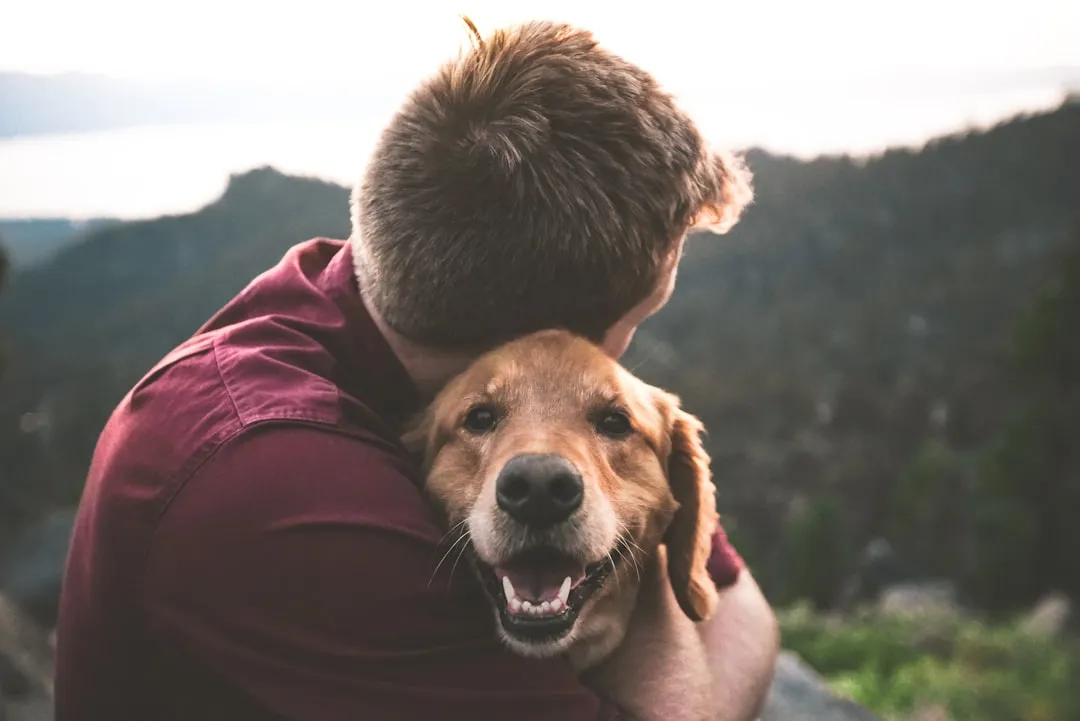
Caring for a dying dog is exhausting in a way that’s hard to explain to people who haven’t lived it. The anticipatory grief, the constant vigilance, the emotional whiplash of good days followed by bad ones – it wears people down.
Lean on the people around you, or find a pet loss support group if you need one. Taking care of your own heart isn’t selfish here; it’s what keeps you steady enough to give your dog the calm, patient presence they need most in these final months.
If there’s one uncomfortable truth in all of this, it’s that most suffering in senior dogs goes unnoticed simply because it doesn’t look dramatic. It looks like slowness. Like quiet. Like “just getting old.”
The owners who make the biggest difference aren’t the ones with the most resources – they’re the ones who stop assuming and start paying attention. Your dog can’t tell you in words that something hurts. But if you’re watching closely enough, they don’t have to.

- 7 Everyday Habits That Can Make Your Senior Dog Happier - November 5, 2026
- 10 Enigmatic Structures That Continue to Puzzle Scientists Today - November 5, 2026
- 10 Strange Ruins in the Americas That Challenge What We Know About Early History - November 5, 2026