
They Hit the Feeder in Quick Succession
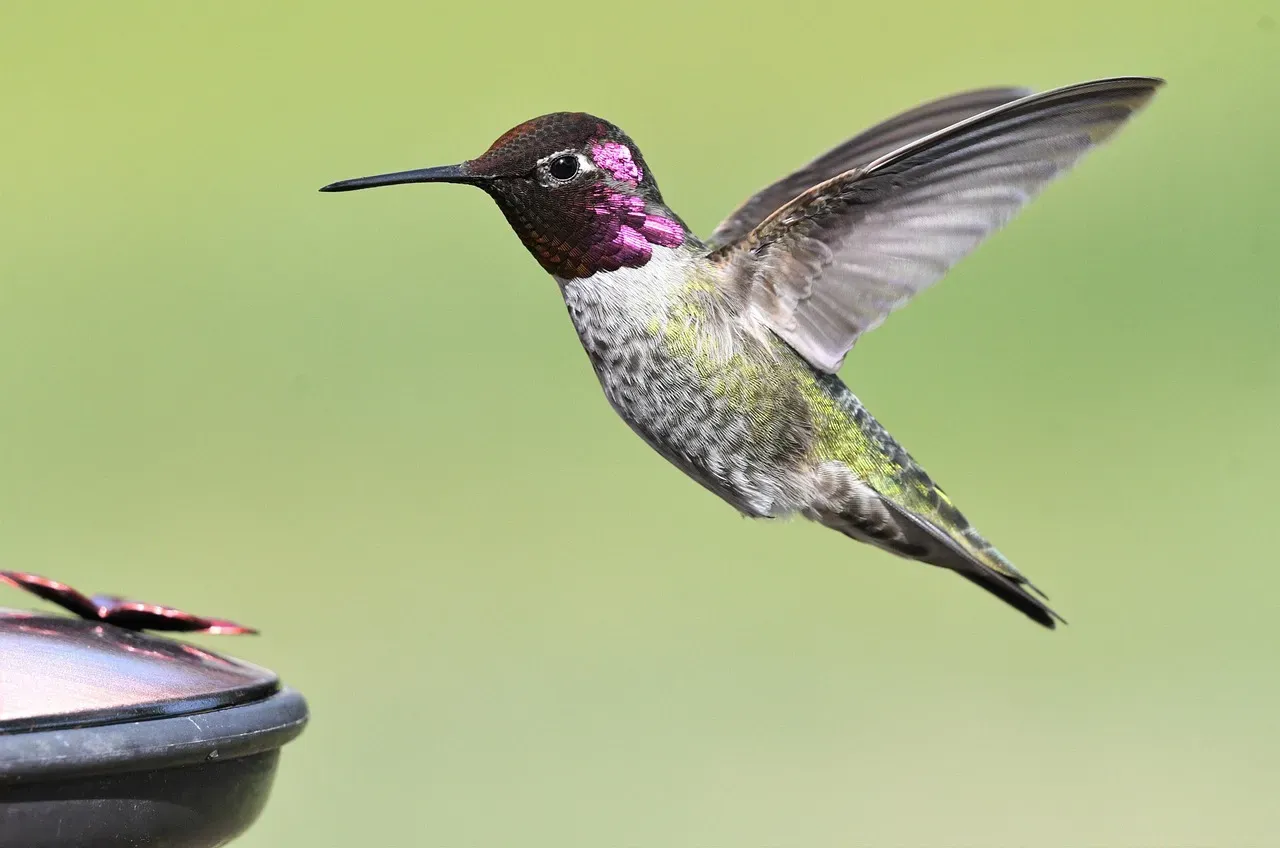
Minutes before pressure drops, hummingbirds often show up at feeders more frequently than usual. A single bird might return every few seconds instead of the normal spacing between visits. This rush appears tied to their ability to sense falling barometric pressure, prompting them to top off energy reserves while they still can.
Camera footage sometimes captures the same individual making repeated short hops between the feeder and a nearby perch. The pattern looks almost frantic compared with calmer hours earlier in the day. It gives the impression they are racing an invisible clock.
Chases Between Birds Become More Intense
Territorial disputes tend to sharpen right before a storm arrives. Males dive and chase one another with sharper turns and louder wing whirs than during routine hours. The extra energy spent on these displays suggests they are clearing rivals from prime feeding spots while time remains.
Reviewing garden camera clips often shows these encounters clustered in the final window before clouds roll in. The birds seem unwilling to share resources when conditions are about to change. It adds a layer of urgency visible even in short recordings.
They Perch Lower and Closer to Cover
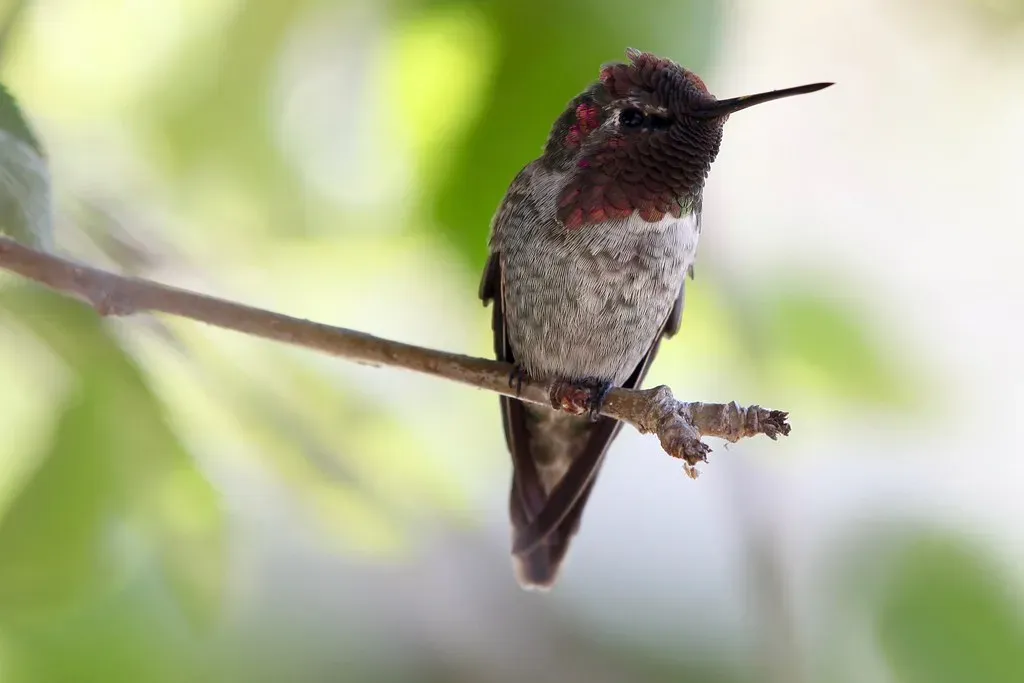
Instead of staying high in open branches, hummingbirds start choosing lower, more protected perches. They tuck near dense foliage or under eaves where wind will have less effect. This shift happens quietly and can be easy to miss without a camera pointed at the usual spots.
Footage reveals them gripping twigs more firmly than normal, as if testing their hold. The choice of location looks deliberate, almost like they are rehearsing the shelter they will need once rain begins. It is a small adjustment that stands out when watched back.
Preening Sessions Grow Longer and More Thorough
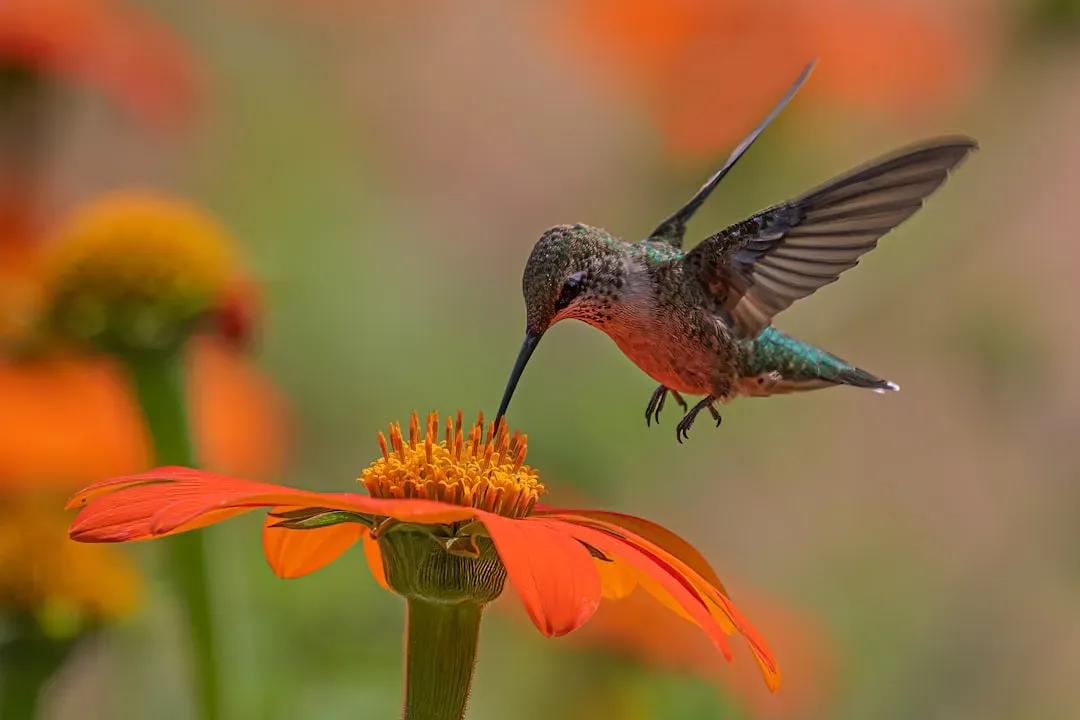
Birds spend extra time smoothing feathers and shaking out droplets that are not yet falling. The motions look methodical, as though they are preparing their water resistant plumage for what is coming. Garden cameras catch these extended grooming bouts in the minutes leading up to the first gusts.
The activity often alternates with quick glances toward the sky. It creates a rhythm that differs from the brief preens seen on sunny afternoons. Observers note the birds appear more focused on maintenance than on feeding during these stretches.
Flight Paths Dip Closer to the Ground
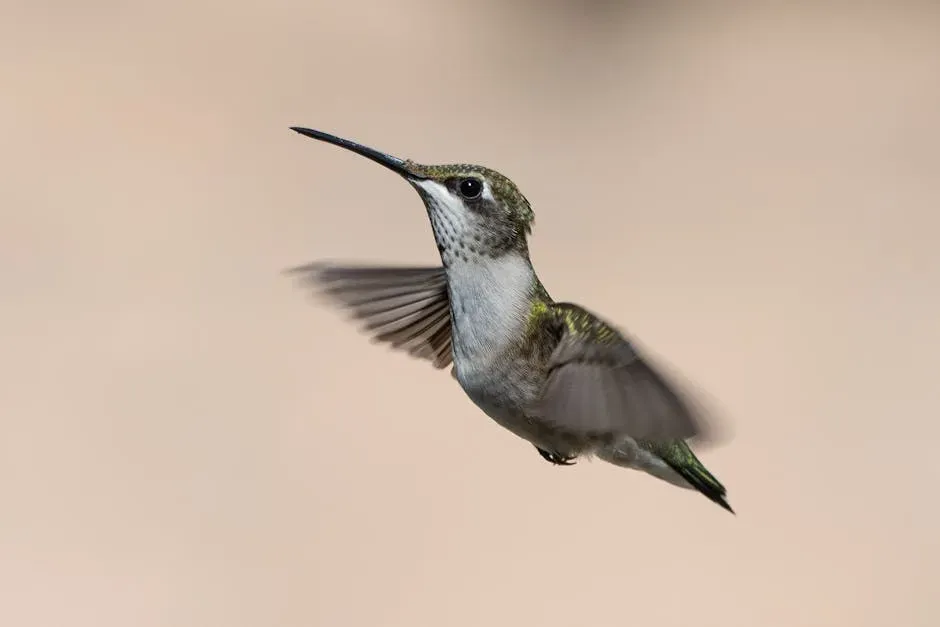
Instead of high arcs between flowers, hummingbirds fly lower and straighter. The change reduces exposure to stronger upper winds that often precede storms. Slow motion clips from backyard cameras highlight this lowered trajectory clearly.
The pattern shows up consistently across different yards and seasons. It gives the birds a more direct route while they continue to forage. The adjustment is subtle yet noticeable once you compare clips from calm versus stormy days.
They Pause Mid Hover More Often
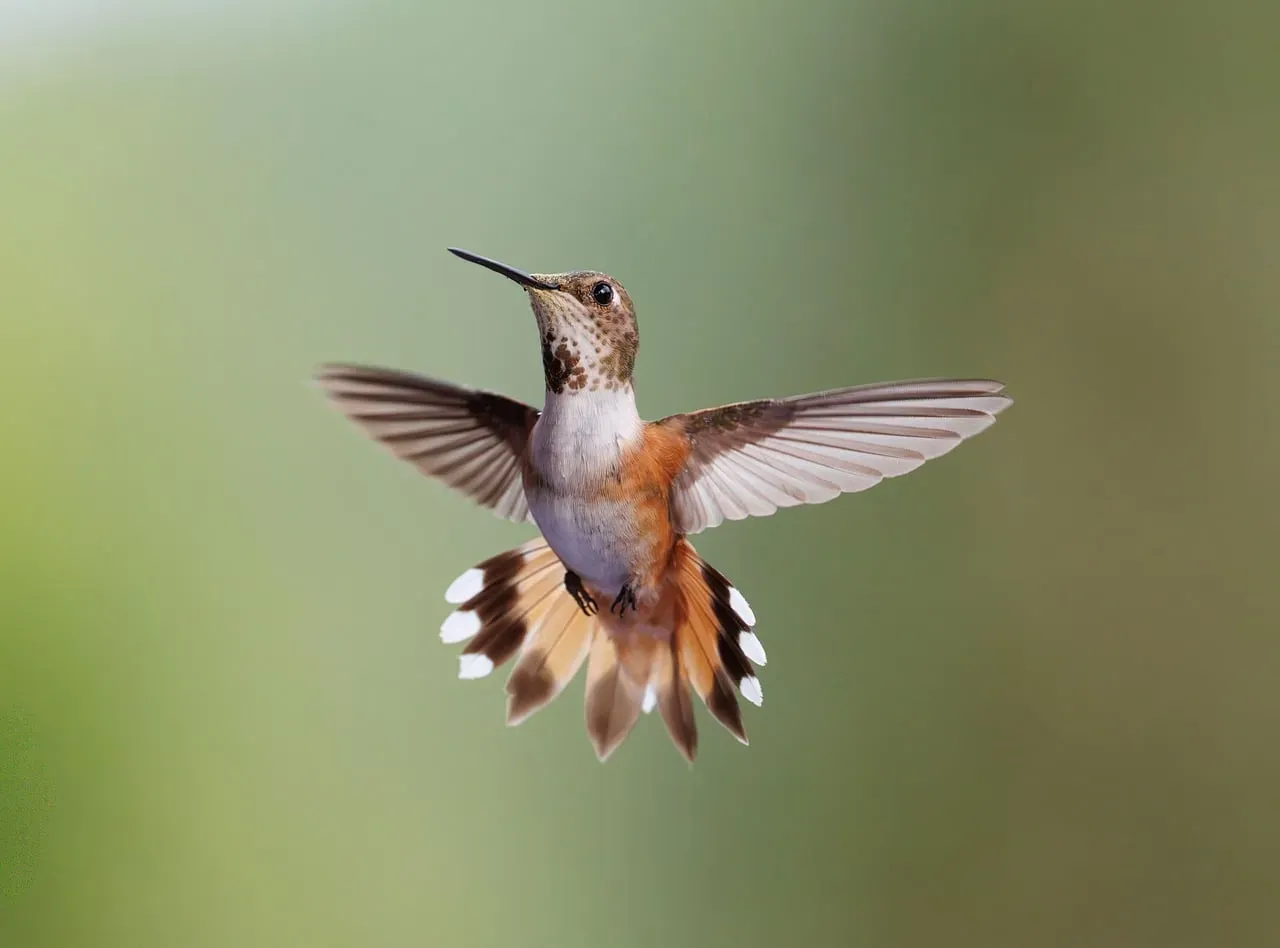
Hovering sessions break into shorter bursts with frequent pauses on nearby twigs. The birds seem to rest between sips rather than sustaining the usual nonstop wingbeats. Camera recordings capture these brief landings that become more common right before weather shifts.
The pauses allow them to scan the surroundings without expending as much energy. It creates a stop and start rhythm that stands out against their typical fluid motion. The behavior looks like a way to conserve strength ahead of heavier conditions.
Shaking Motions Increase Even in Still Air
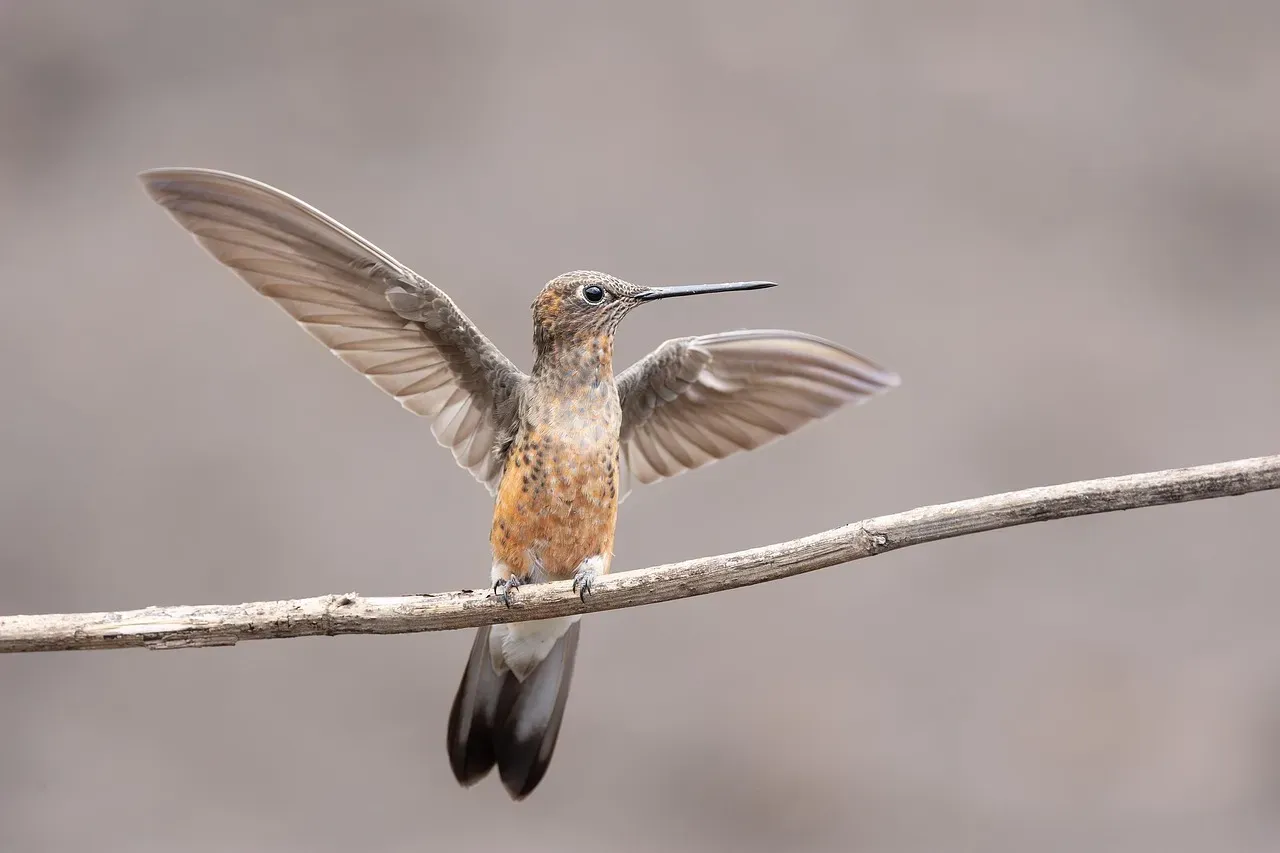
Hummingbirds perform quick head and body shakes that resemble their rain shedding technique. These motions happen before any drops appear, almost as practice or response to the changing atmosphere. Footage from motion triggered cameras often isolates these isolated shakes in the final minutes.
The action helps keep feathers aligned and ready. It appears instinctive rather than reactive to actual moisture. Watching the sequence in replay shows how precisely timed these movements can be.
They Cluster Near Multiple Feeders at Once
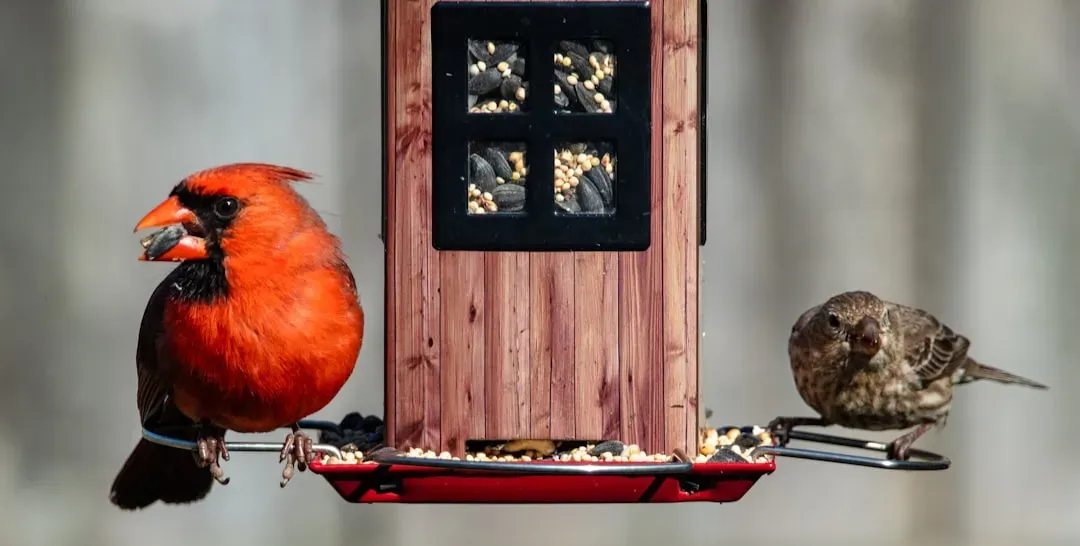
Instead of defending a single source, birds may visit several feeders in rapid order. This spreads their options when one location might become inaccessible during heavy rain. Garden setups with multiple stations reveal this wider circuit on camera.
The movement looks purposeful, as though they are mapping backup resources. It contrasts with the tighter territorial loops seen during stable weather. The pattern emerges clearly in time lapse reviews of the hour before a storm.
Alert Scanning Replaces Casual Perching
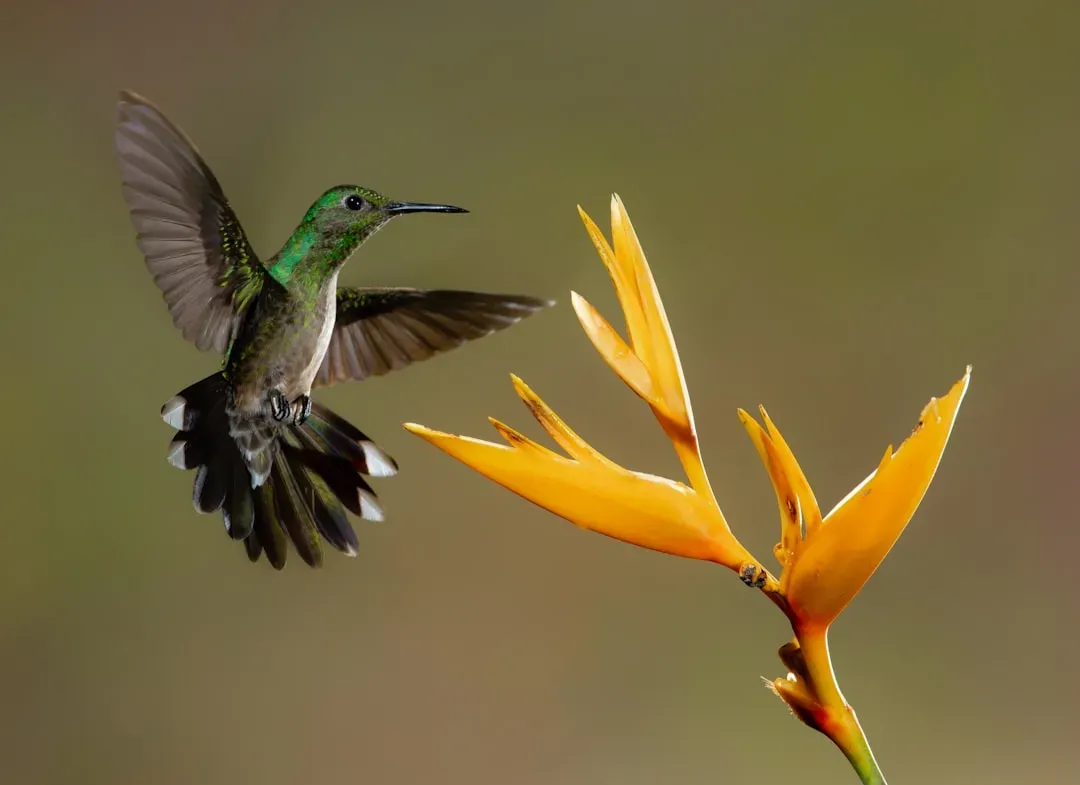
While resting, hummingbirds turn their heads more frequently and hold stiller bodies. The posture suggests heightened awareness of shifting light or distant sounds. Close up camera angles catch the quick side to side glances that replace relaxed preening.
This vigilance appears tied to sensing the approaching front. It creates a quiet tension visible even without sound in the footage. The change in posture is small but consistent across observations.
Wing Beats Slow Slightly Between Flights
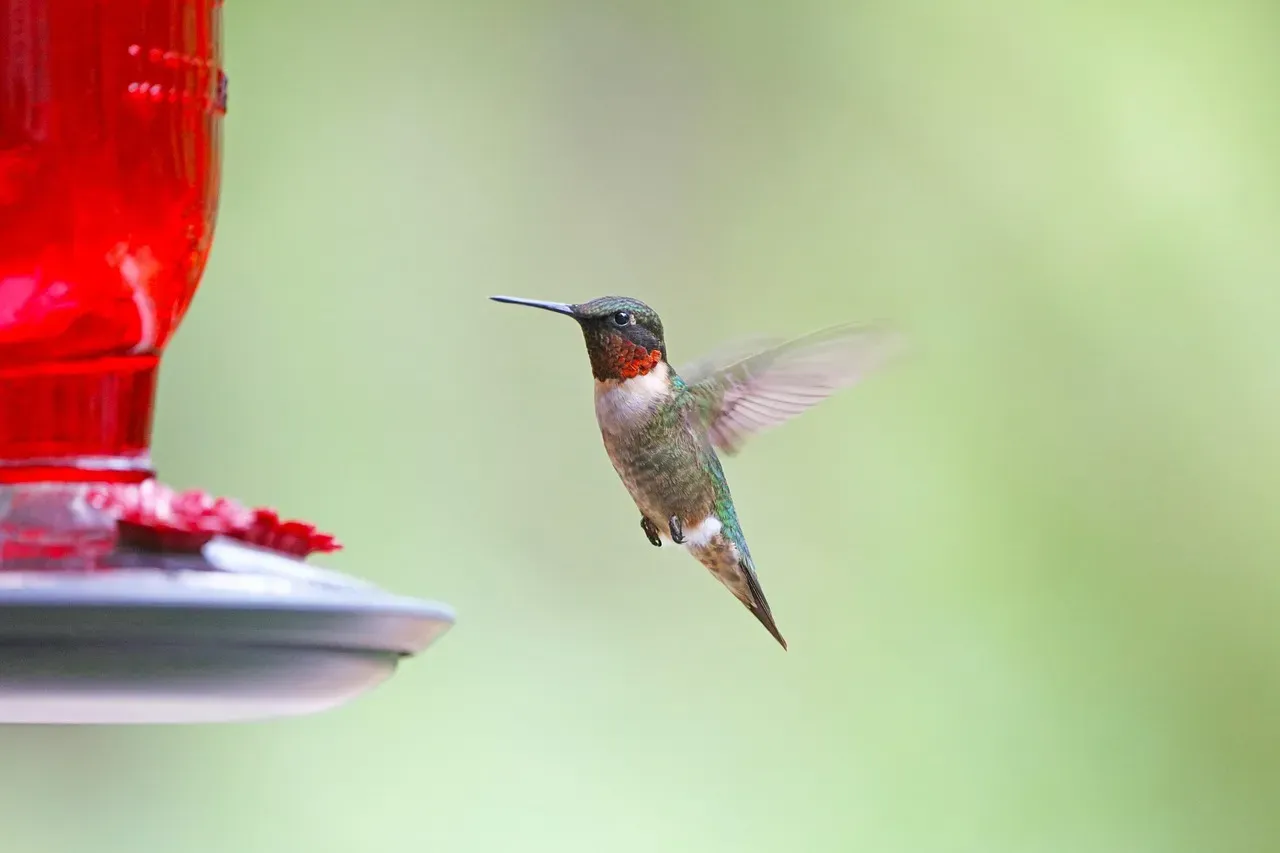
The characteristic hum of their wings drops in tempo during short glides or hovers. The adjustment may help conserve energy as conditions deteriorate. Recordings sometimes isolate these slightly slower beats in the moments just before rain starts.
The difference is subtle on normal playback but clear in slowed clips. It pairs with the increased resting time already noted. Together the two behaviors paint a picture of measured preparation.
They Return to the Same Perch Repeatedly
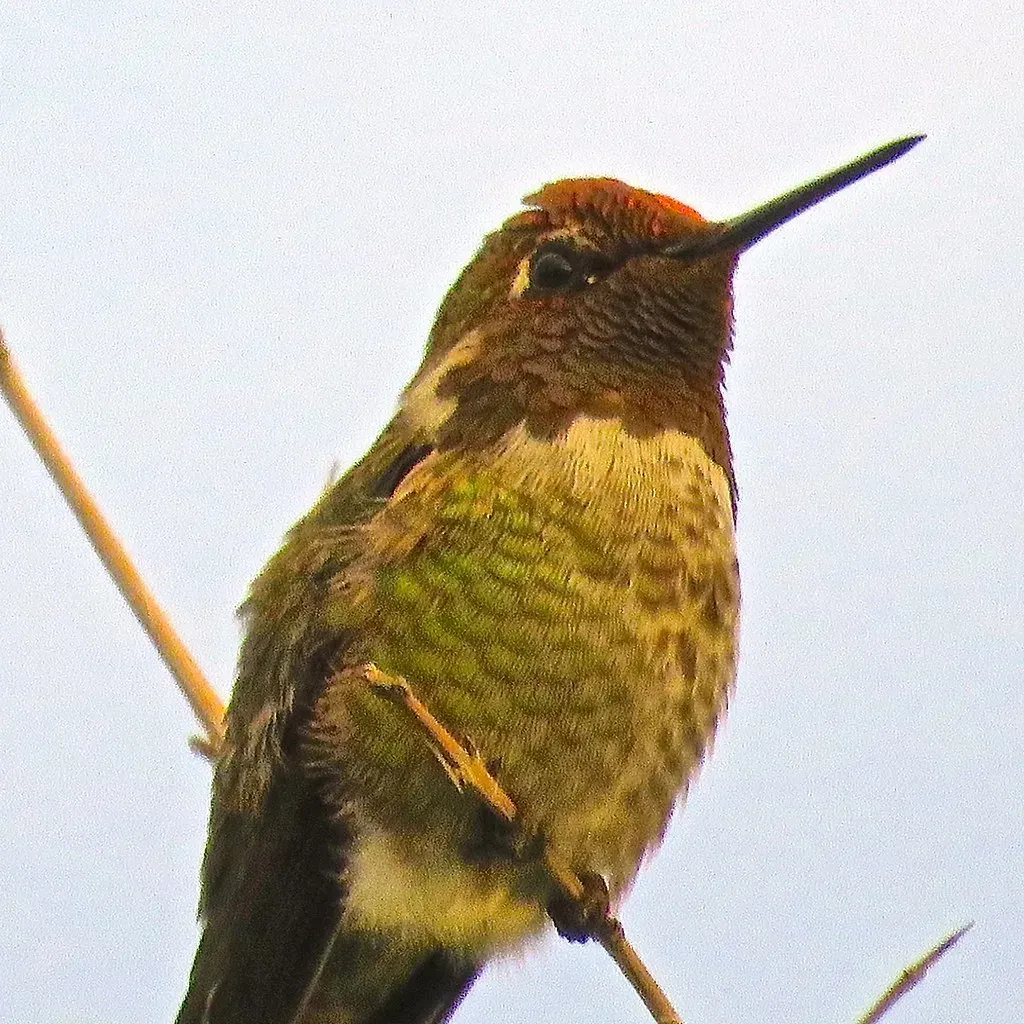
Instead of exploring new branches, hummingbirds cycle back to one or two favored spots. These perches tend to offer the best wind protection nearby. Camera views focused on those locations show the repeated returns building in frequency.
The loyalty to a single safe spot looks like a final check before settling in. It gives the birds a reliable base as the sky darkens. The pattern repeats enough to become recognizable in seasonal footage.
Activity Drops Abruptly Right at the Edge
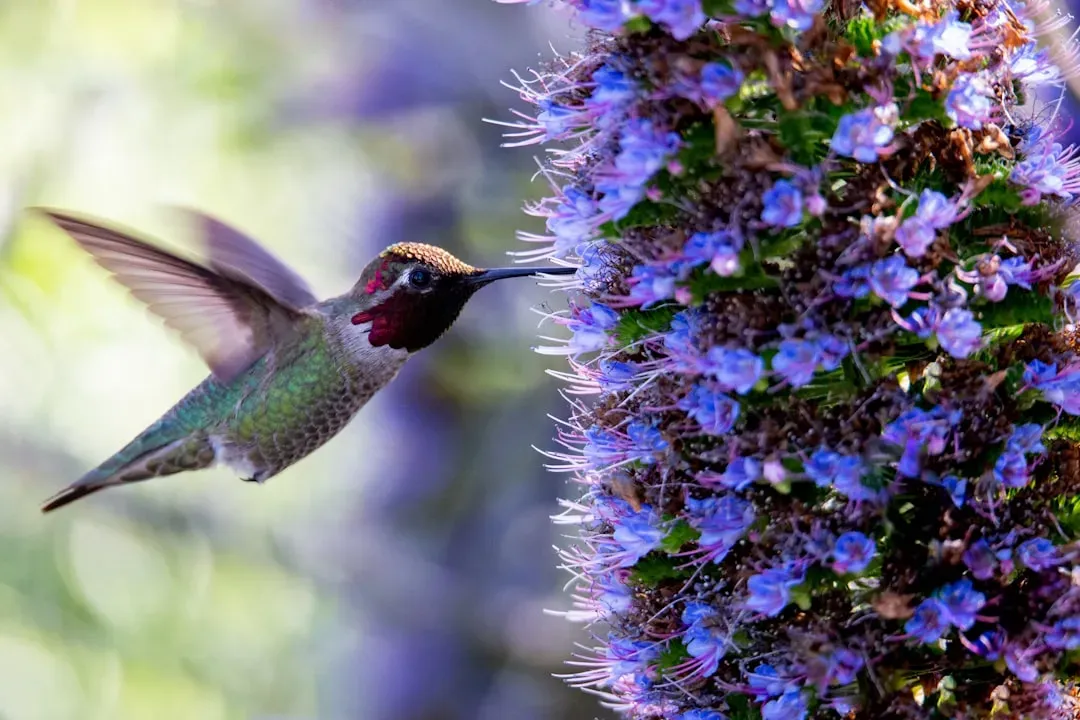
After the rush of feeding and preening, the birds often vanish from open areas within a narrow window. They move into dense cover and stay there as the first rain arrives. Garden cameras frequently record this sudden quiet after the earlier burst of motion.
The transition happens fast enough that it can look like the birds simply disappeared. In reality they have tucked away in advance. The contrast between the busy minutes before and the stillness after makes for striking before and after clips.
The patterns captured on garden cameras remind us how finely tuned these tiny birds are to their surroundings. Paying attention to those small shifts adds a layer of connection to the wildlife sharing our yards, even when the forecast already says change is on the way.
- 10 Facts About Belted Kingfishers and Their Headfirst Hunting Style - August 9, 2026
- 5 Simple Tips to Create a Wildlife-Friendly Backyard Habitat - August 9, 2026
- 7 Ways to Keep Your Indoor Cat Entertained and Mentally Stimulated - August 9, 2026