
They ramp up feeding into nonstop sessions
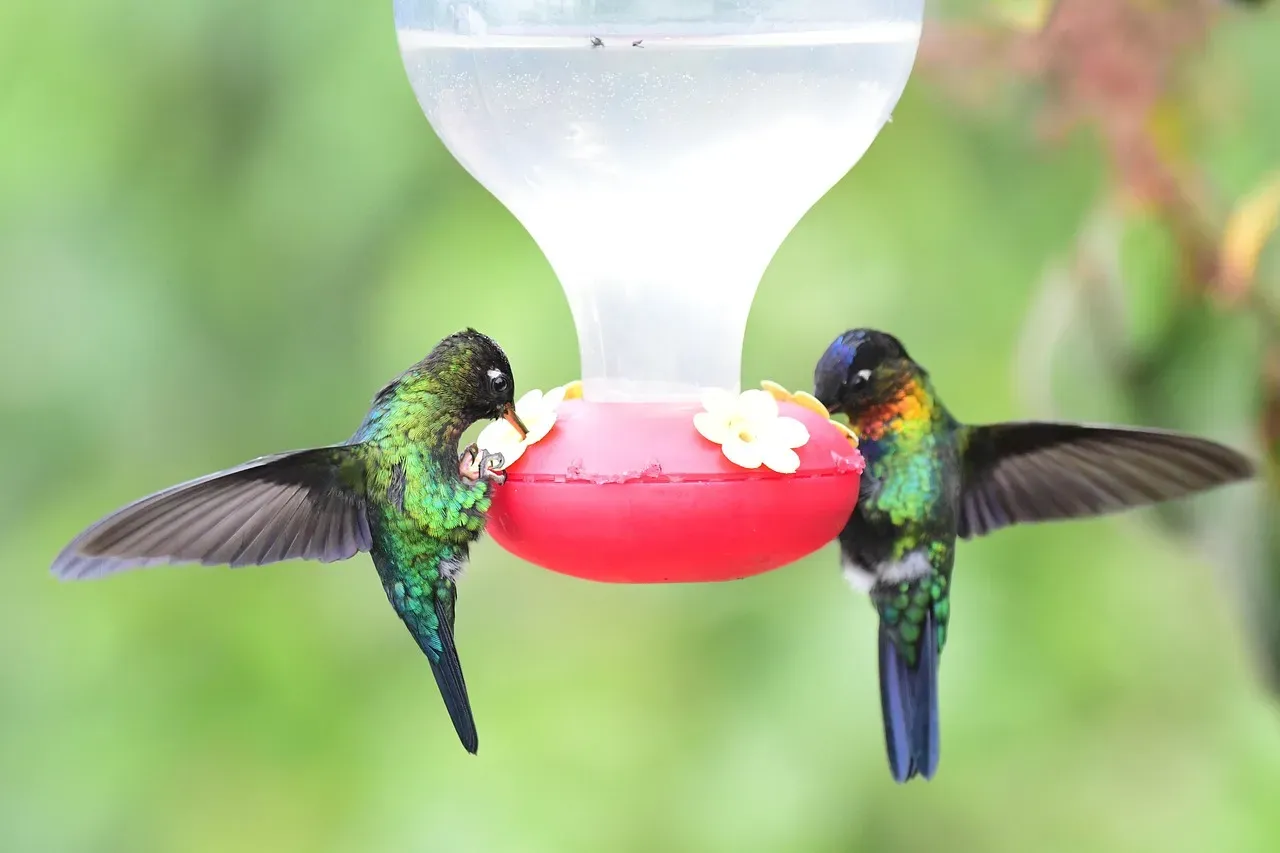
Hummingbirds enter a phase of intense eating known as hyperphagia. They lap nectar and snatch insects almost without pause, building the energy reserves needed for travel. This shift turns ordinary feeder visits into prolonged marathons that last longer than usual.
Observers might notice the birds returning to the same sources repeatedly within minutes. The extra calories go toward both immediate use and storage for the road ahead. Such focused foraging stands out once you watch for it over several days.
Fat deposits become visible under the skin
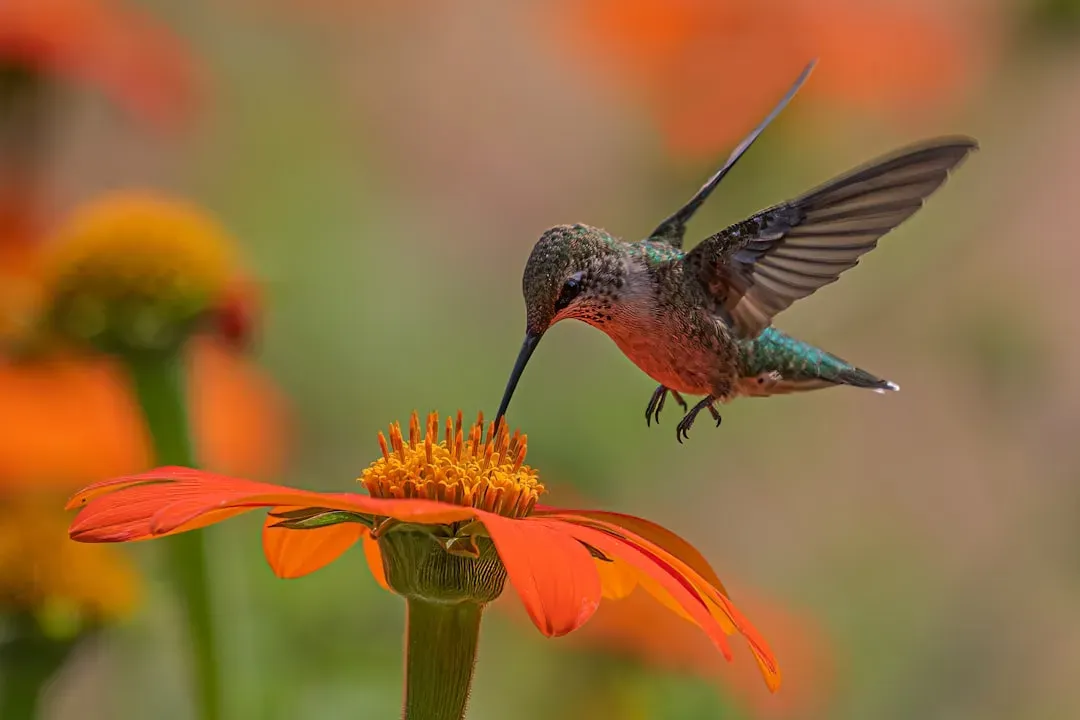
Extra weight shows up as subtle bulges along the flanks and near the wishbone area. These yellow fat stores stretch the skin slightly and can make feathers stand out a bit more than normal. The change happens gradually as the birds consume more protein and sugars.
A typical three gram bird can add nearly its own weight in fat over a short period. This preparation allows nonstop flights across large bodies of water. The plump appearance fades quickly once migration begins and the reserves burn off.
They tolerate other birds at shared food sources
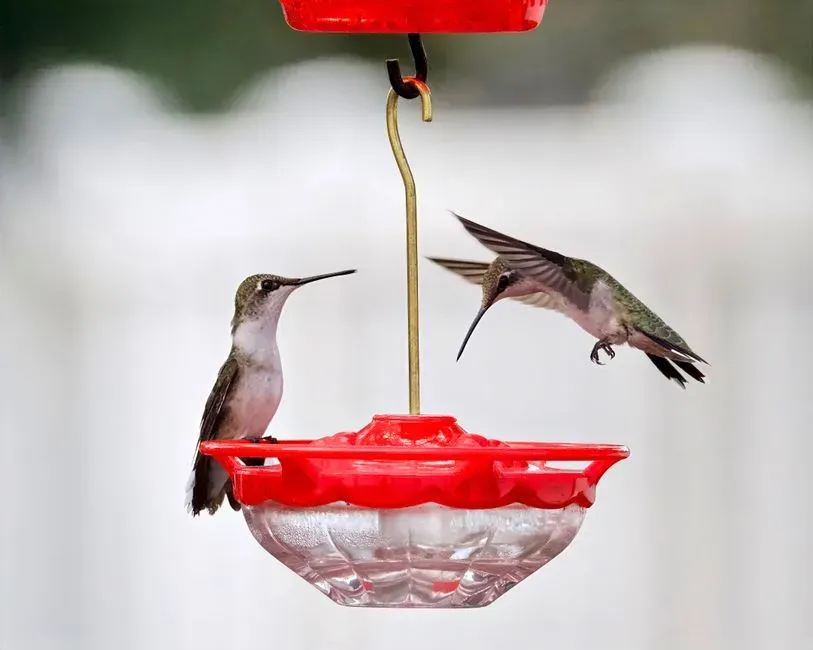
Normally solitary and quick to chase rivals away, hummingbirds ease their territorial drive before departure. Multiple birds may sip from the same feeder or flower patch without the usual aerial skirmishes. This temporary truce helps everyone refuel faster.
The behavior appears most often at reliable backyard stations during peak preparation weeks. It contrasts sharply with the aggressive displays seen earlier in the season. Watch closely and the reduced chases become noticeable.
They skip their regular perching spots after meals
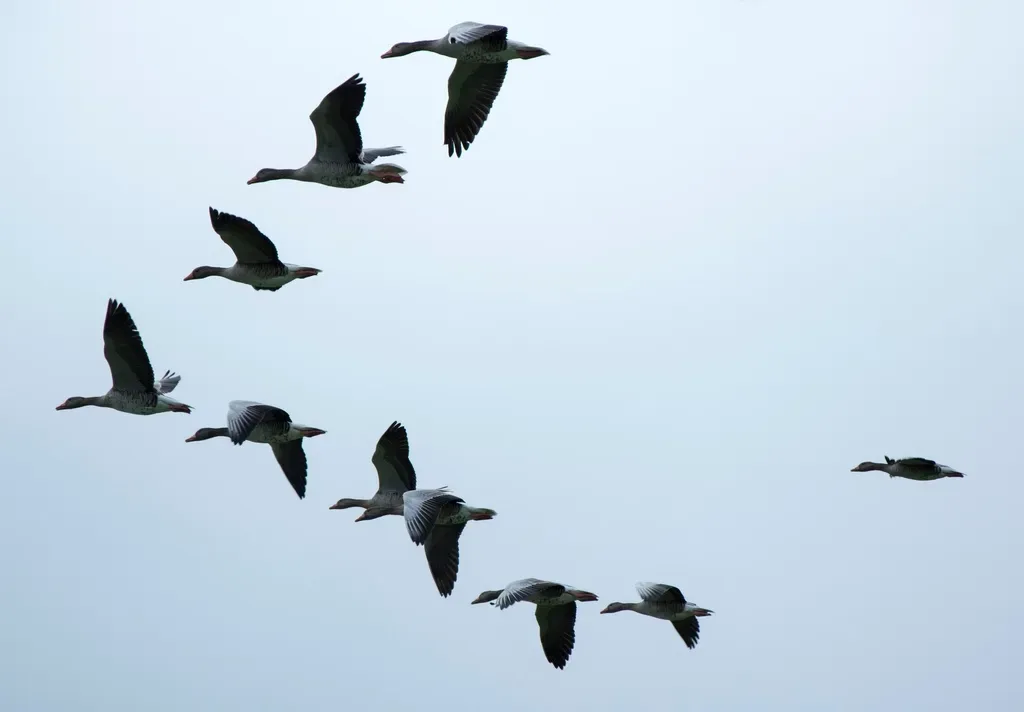
Instead of settling on a favorite branch to preen and guard territory, the birds lift off and head in a consistent southern direction. This direct departure replaces the lingering routines of summer. The pattern repeats across several individuals at the same location.
The change signals that migration instincts have taken over daily habits. Birds that once defended a small area now treat the site as a quick stop only. Such shifts in movement stand out to anyone tracking individual birds over time.
They seek out more insects and spiders for protein
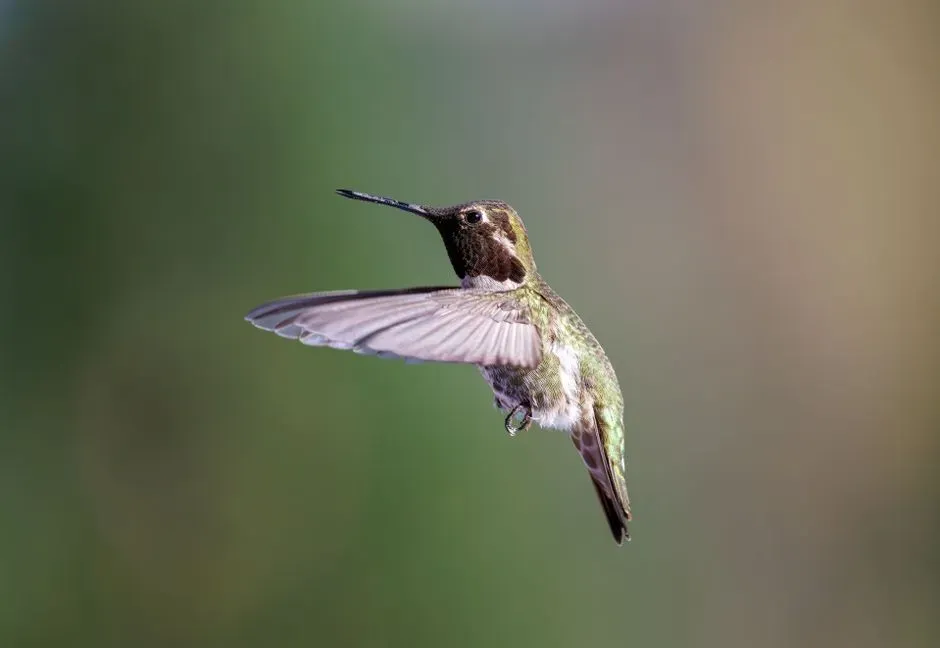
Nectar provides quick energy, yet the birds increase their pursuit of tiny prey to strengthen flight muscles. They hover near foliage or spider webs in search of these supplements. The added protein supports the physical demands of long distance travel.
This dietary adjustment happens alongside the nectar binge. It supplies building blocks that pure sugar cannot offer. Careful watchers may spot the birds pausing longer at certain plants or garden edges.
Feathers show slight ruffling from stored reserves
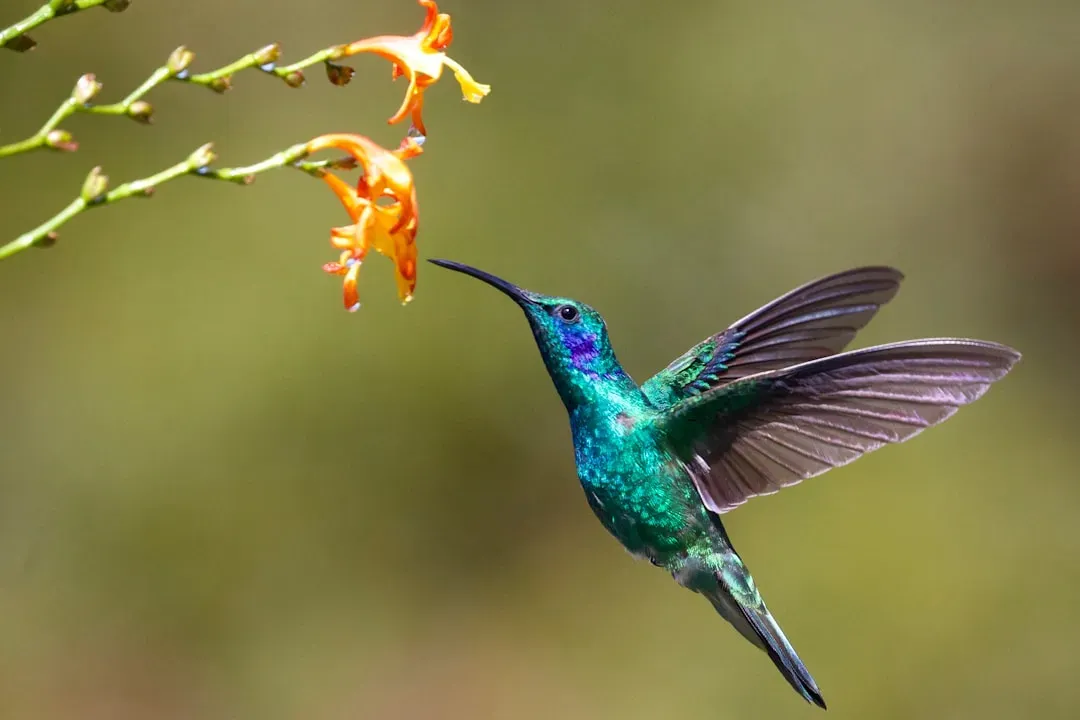
The extra fat pushes against the skin and lifts some contour feathers just enough to create a softer outline. The effect remains subtle and easy to miss during quick glances. It appears most clearly when the bird pauses in good light.
These minor changes reflect the body preparing for extended exertion. Once the fat is used, the sleek shape returns. Regular visitors to feeders sometimes catch this detail during close observation.
Young birds explore new areas more freely
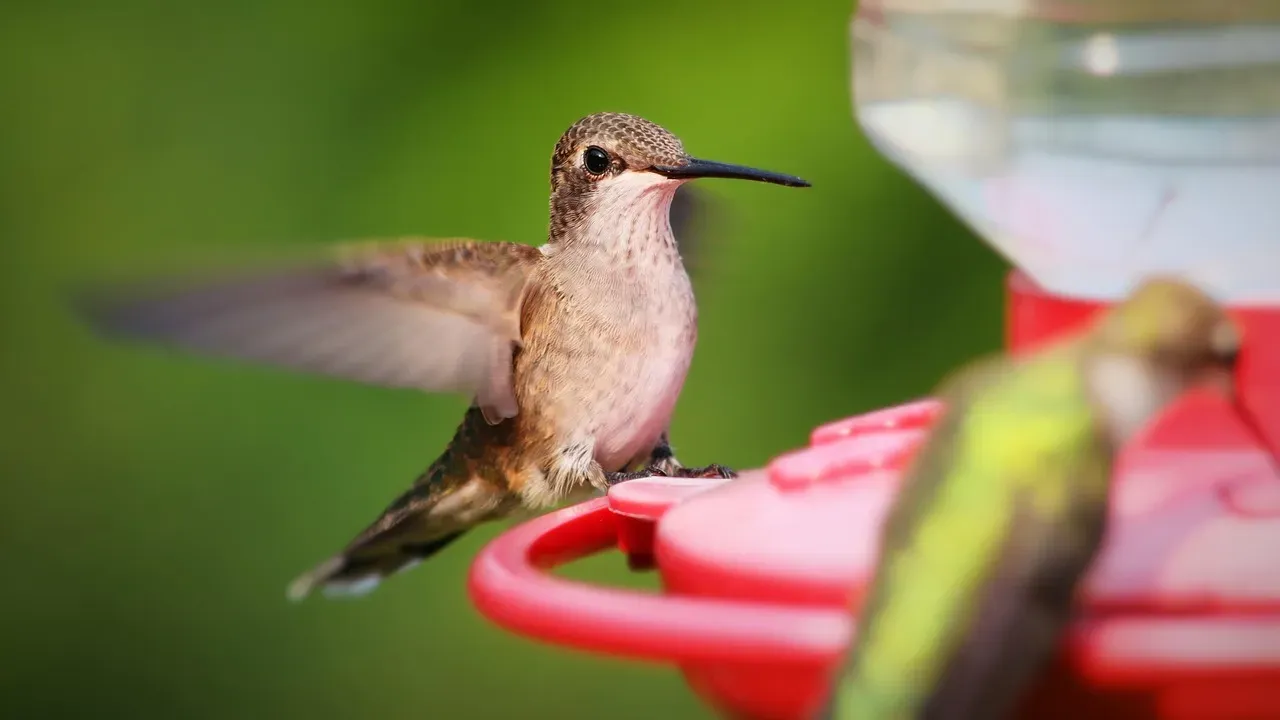
Juveniles that stayed close to familiar flowers begin venturing farther in search of additional resources. They test different garden corners or nearby patches they ignored earlier. This curiosity helps them locate reliable stops along future routes.
The behavior coincides with the overall push to gain weight. It prepares the next generation for independent travel. The expanded range becomes evident when the same young birds appear in new spots day after day.
They reduce elaborate courtship or display flights
The dramatic dives and chases that mark breeding season taper off as energy shifts toward migration. Birds conserve strength instead of performing for mates or rivals. The quieter skies reflect this change in priorities.
Displays that once filled afternoons now occur only rarely. The focus stays on feeding and resting. This calm period often lasts until the birds depart.
They adjust roosting spots for better shelter
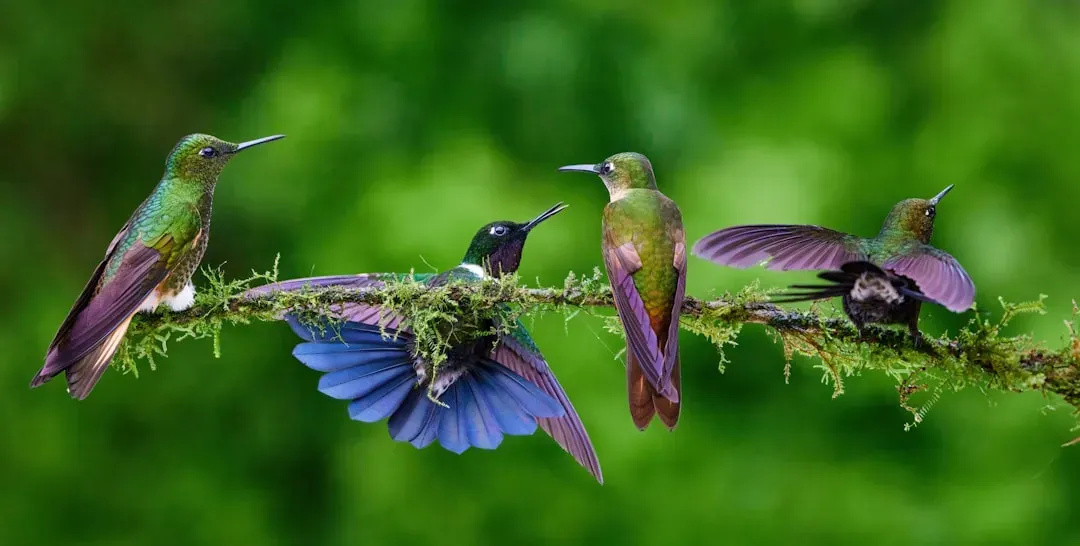
Before leaving, hummingbirds choose slightly more protected perches at night. These locations offer extra cover from wind or predators during the critical fattening phase. The shift remains small yet consistent across individuals.
Torpor use may increase as well to save energy overnight. The birds still wake early to resume feeding. Such quiet adjustments support the larger journey ahead.
They respond to shorter daylight by feeding earlier
Changing day length triggers earlier starts to the daily routine. Birds appear at feeders or flowers as soon as light allows. This timing maximizes hours available for building reserves.
The pattern emerges gradually over successive weeks. It aligns with environmental cues that signal the season ahead. Observers who note arrival times can track the shift.
They make longer flights between feeding stops
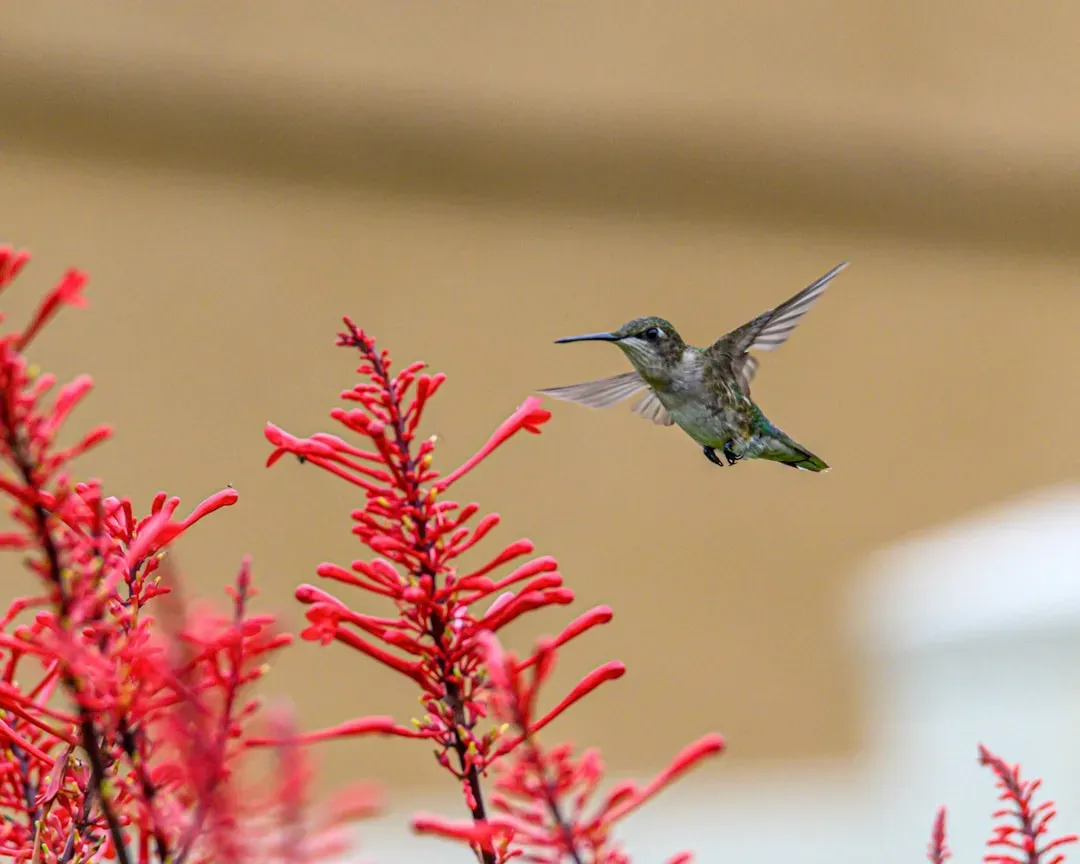
Instead of short hops within a small territory, the birds cover greater distances between nectar sources. These extended segments build endurance for the migration itself. The change shows in their departure paths after each meal.
Low level flight over treetops becomes more common as they test routes. Stops remain frequent but the overall movement trends southward. The pattern distinguishes migrants from resident birds.
They store energy in ways that support nonstop segments
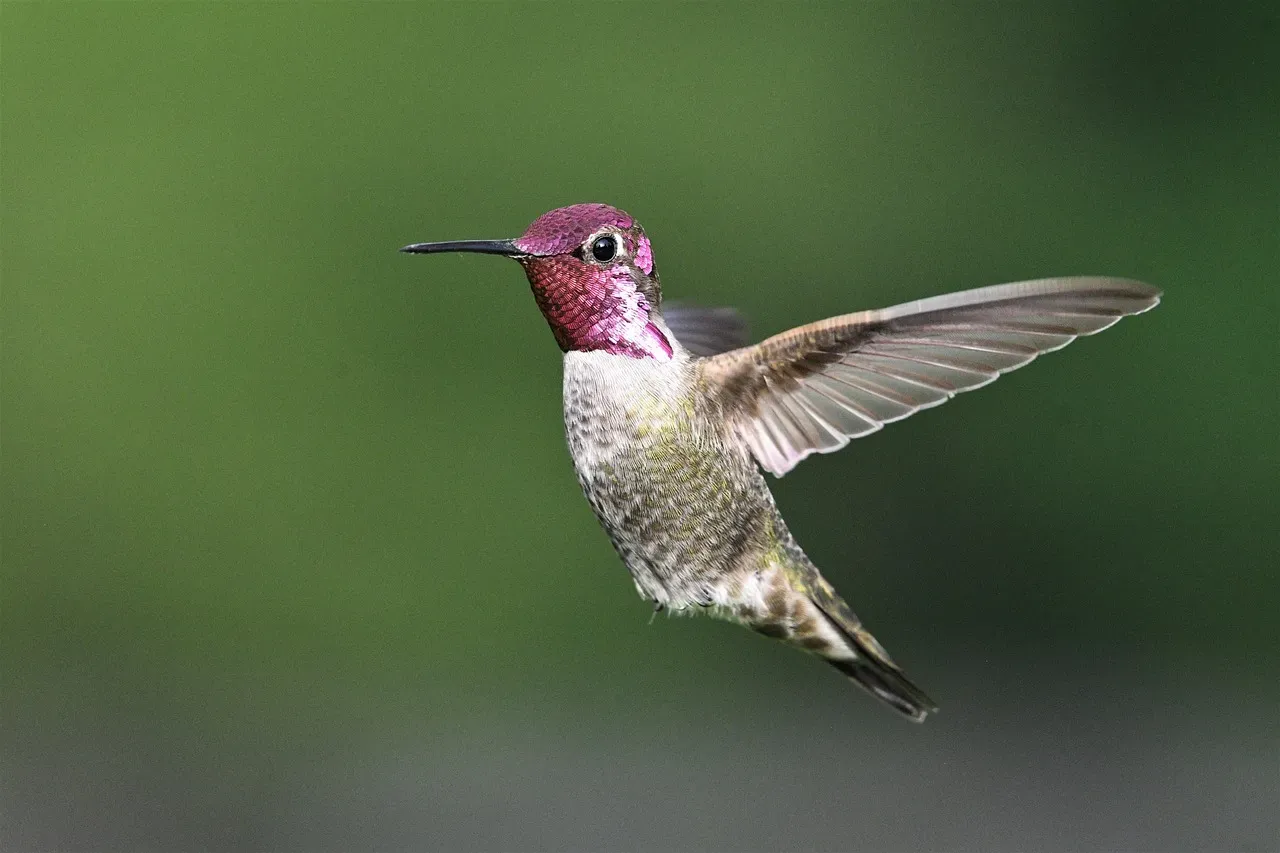
The accumulated fat allows flights of many hours without refueling. Birds time departures to take advantage of favorable winds when possible. This preparation turns ordinary garden visitors into capable long distance travelers.
The efficiency comes from both the quantity and quality of stored reserves. Protein supports muscle function while fat provides sustained power. The result appears in their ability to cross large distances once they leave.
Hummingbirds reveal these preparations only to those who watch with patience and attention to small details. Their quiet transformations remind us how much life happens beyond the obvious flashes of color and sound. Paying closer attention turns ordinary backyard moments into windows on remarkable journeys.