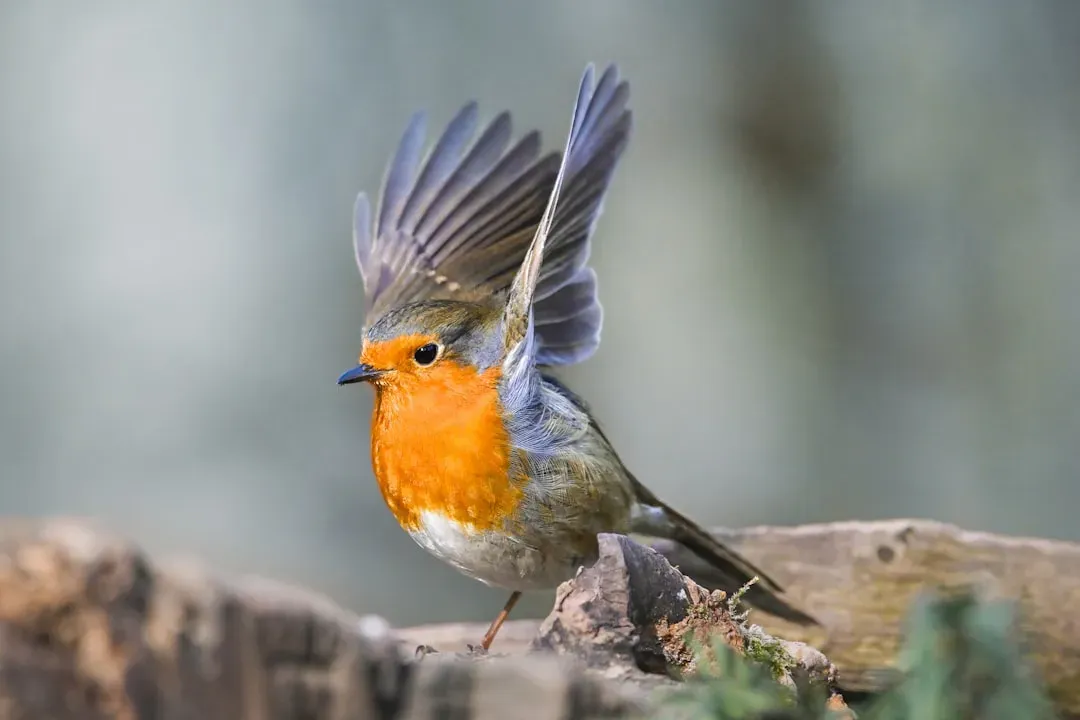
12 Things Robins Do Before Heavy Rain That Birdwatchers Have Noticed for Generations-feature image/Pexels
Robins, those familiar harbingers of spring with their bright red breasts and cheerful songs, have long been observed by birdwatchers as natural barometers of impending weather changes. Their behaviors before heavy rain are not just fascinating; they offer a glimpse into the intricate ways wildlife adapts to environmental cues. Here are 12 behaviors that robins exhibit before a downpour, as noted by keen observers over generations.
Increased Foraging Activity
Increased Foraging Activity (Image Credits: Pixabay)
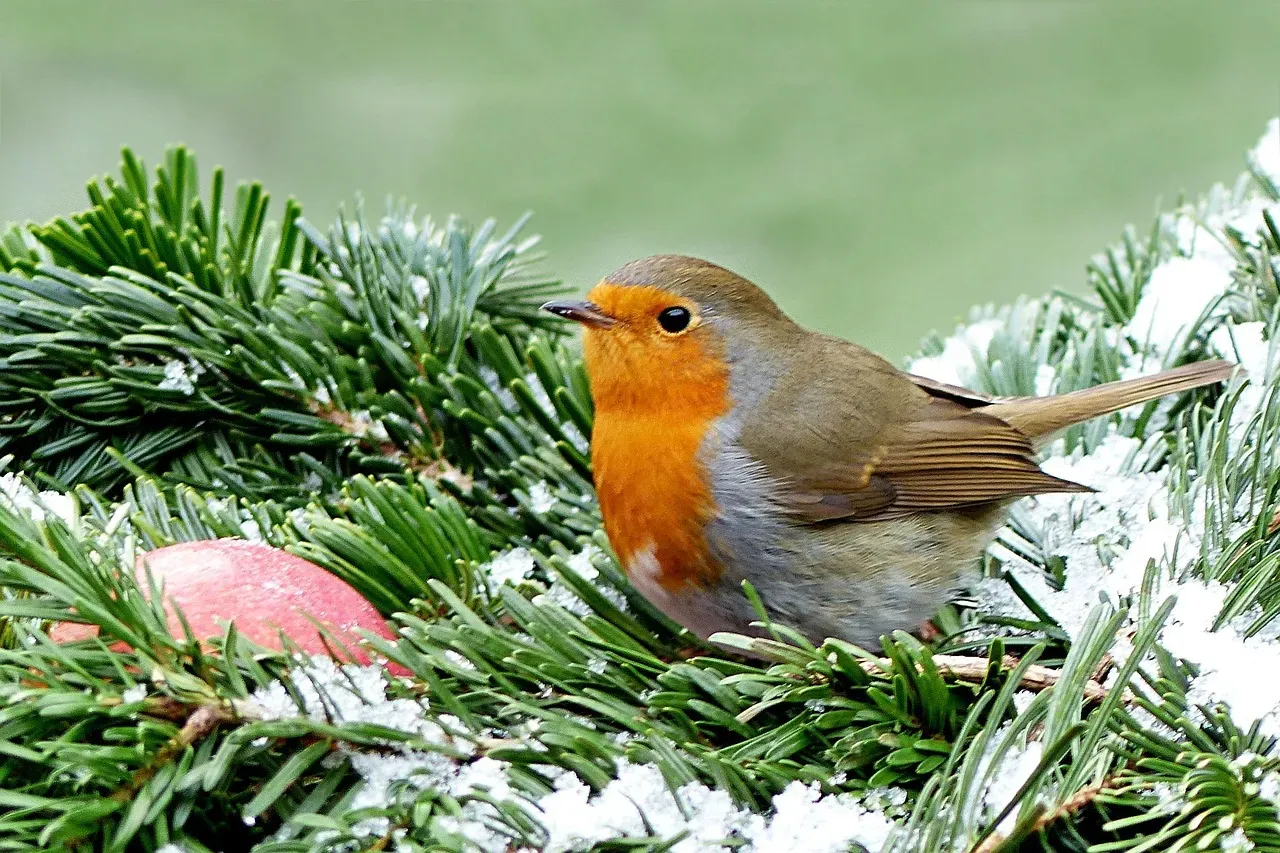
As the sky darkens and the air grows heavy with moisture, robins often intensify their search for food. This behavior is driven by an instinct to stock up on energy reserves before the rain limits their foraging opportunities. They can be seen darting across lawns, plucking earthworms and insects with heightened urgency.
This pre-rain feeding frenzy ensures they have sufficient energy to endure periods when heavy rainfall makes food scarce. It’s a survival strategy that underscores their acute sensitivity to atmospheric changes.
Seeking Shelter in Dense Foliage
Seeking Shelter in Dense Foliage (Image Credits: Pexels)
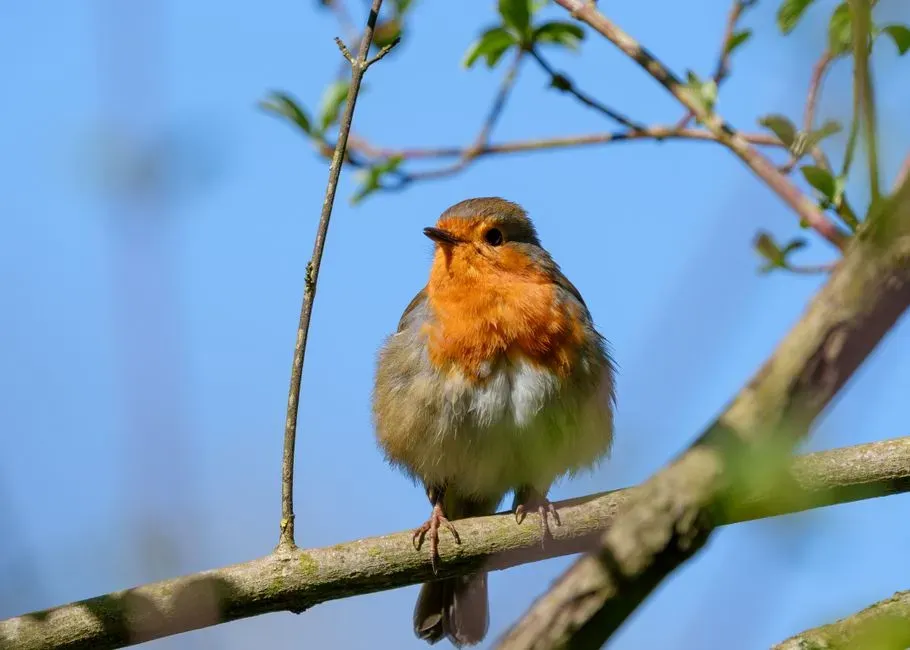
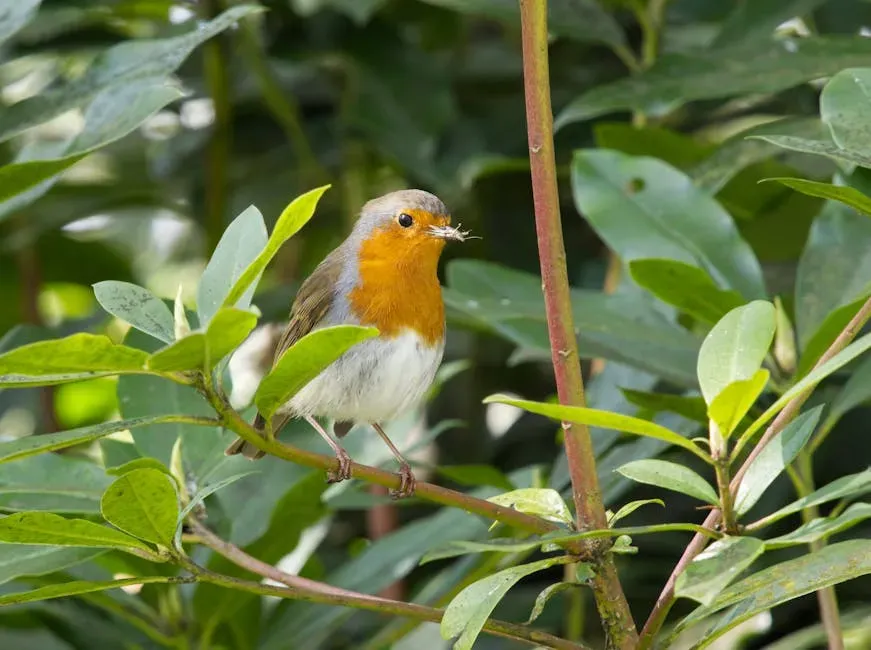
Robins are known to seek refuge in thick shrubs and trees as rain approaches. These natural shelters provide protection from the elements, allowing them to stay dry and conserve body heat. By positioning themselves deep within the foliage, they minimize exposure to wind and rain.
This behavior highlights their instinctual drive to find safe havens, ensuring they remain warm and dry during inclement weather. It’s a testament to their adaptability and survival instincts.
Decreased Singing
Decreased Singing (Image Credits: Pexels)
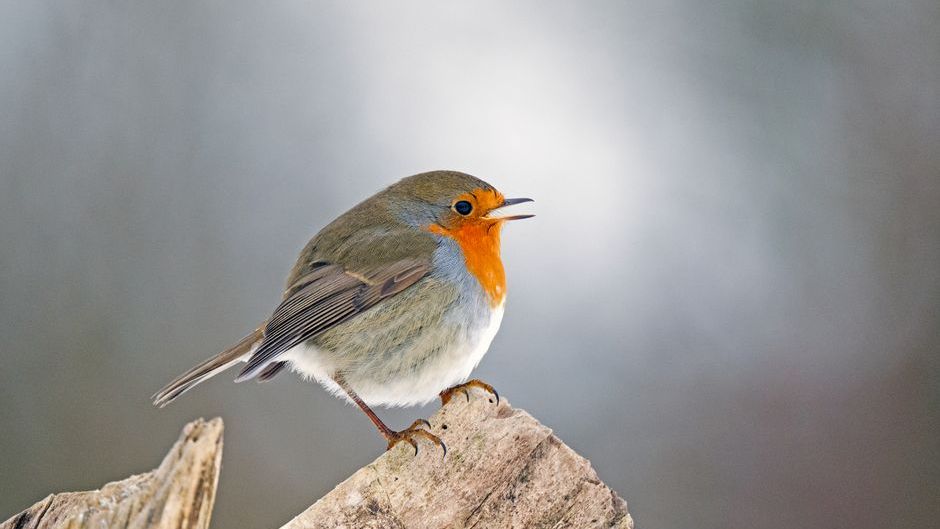
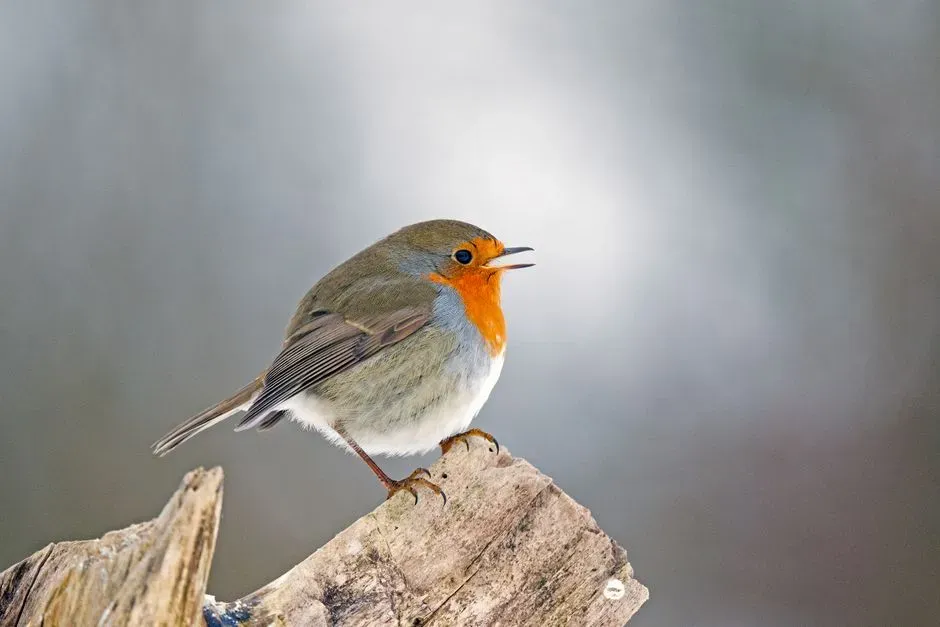
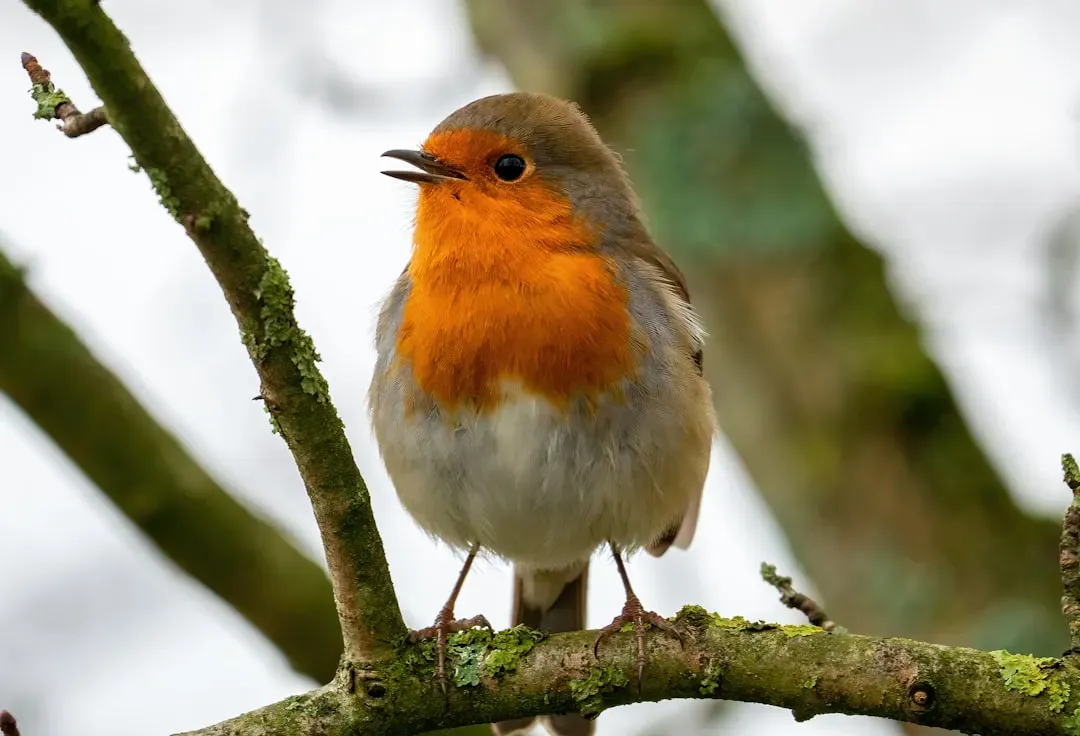
A noticeable quietness often precedes a storm, as robins reduce or cease their singing. This silence is a strategic move to conserve energy and avoid drawing attention to themselves when conditions are about to become unfavorable. The absence of their melodious tunes serves as an auditory cue to the impending weather change.
By limiting vocalizations, robins can focus on essential survival activities, such as foraging and seeking shelter, without expending unnecessary energy. It’s a subtle yet significant behavioral adaptation to their environment.
Low Flight Patterns
Low Flight Patterns (Image Credits: Unsplash)
Before heavy rain, robins often fly closer to the ground. This behavior is influenced by changes in barometric pressure and wind patterns that make higher altitude flight more challenging. By staying low, they can navigate more effectively and remain closer to potential food sources and shelter.
This adjustment in flight altitude demonstrates their responsiveness to atmospheric conditions, allowing them to maintain control and efficiency in their movements. It’s a practical adaptation to ensure their safety and sustenance.
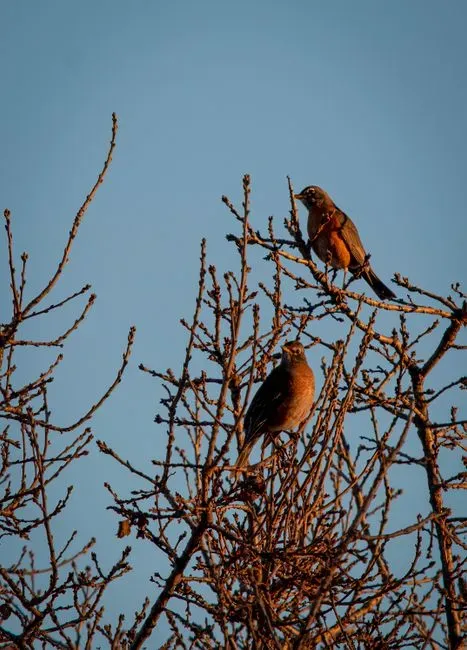
Gathering in Groups
Gathering in Groups (Image Credits: Pexels)
Robins may congregate in larger numbers before a storm. This communal behavior provides safety in numbers and increases the efficiency of foraging efforts. By feeding together, they can quickly locate and exploit abundant food sources before the rain sets in.
Such gatherings also offer social interactions that can be crucial for information sharing about food availability and shelter locations. It’s a collective strategy that enhances their chances of weathering the storm successfully.
Restlessness and Frequent Movements
Restlessness and Frequent Movements (Image Credits: Unsplash)
An observable restlessness often characterizes robins before heavy rain. They may exhibit increased hopping, fluttering, and short flights, indicating heightened alertness to changing weather conditions. This behavior reflects their sensitivity to environmental cues and the urgency to prepare for the impending rain.
This restlessness ensures they are actively seeking out the best resources and shelters available, optimizing their chances of enduring the storm unscathed. It’s a proactive approach to survival in the face of nature’s unpredictability.
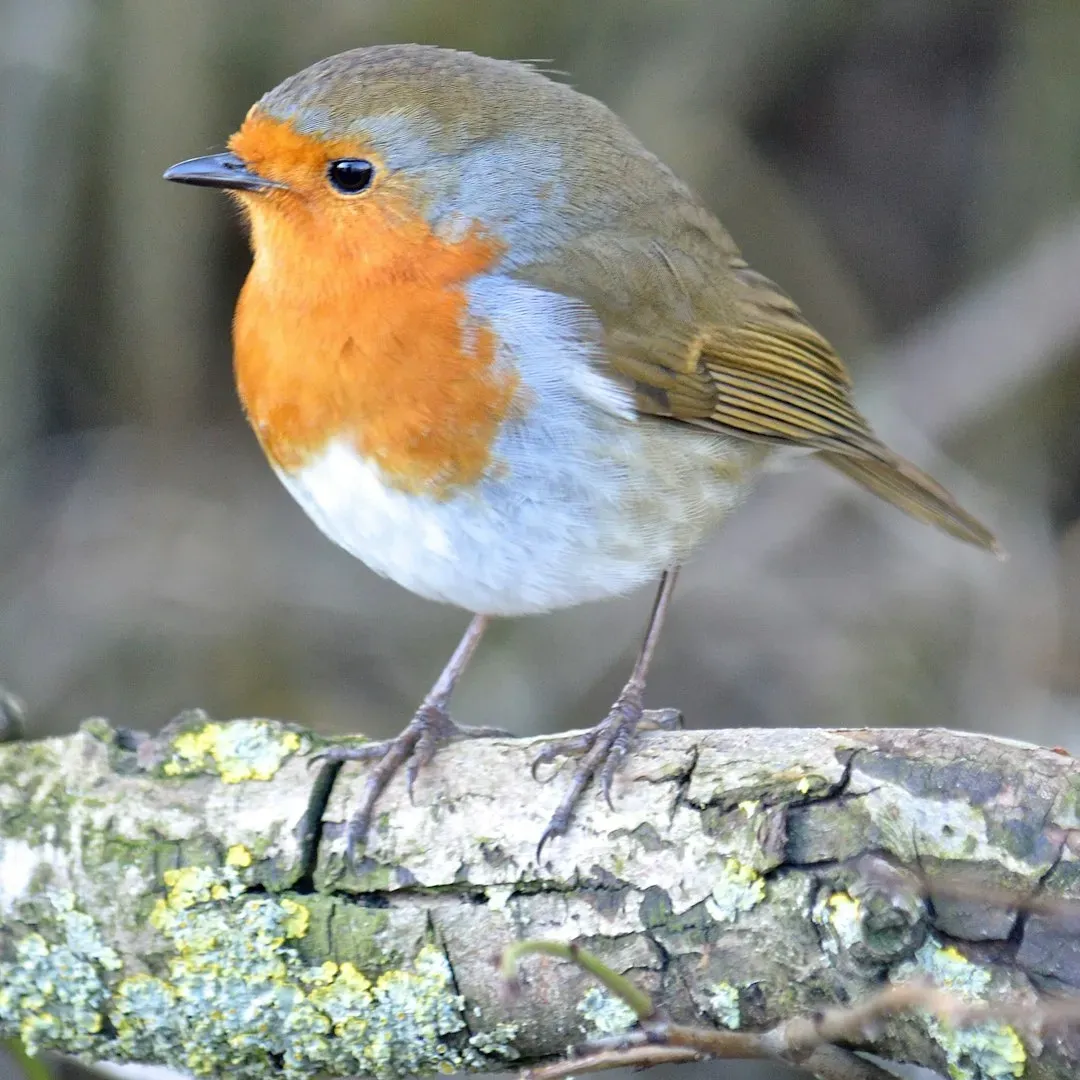
Preening and Feather Maintenance
Preening and Feather Maintenance (Image Credits: Unsplash)
Before a downpour, robins often engage in meticulous preening. This grooming behavior involves cleaning and aligning their feathers, which is essential for maintaining waterproofing and insulation. By ensuring their plumage is in optimal condition, they enhance their ability to repel water and retain body heat during the rain.
This attention to feather maintenance is a critical aspect of their preparation, highlighting the importance of physical upkeep in their survival strategy. It’s a reminder of the intricate relationship between behavior and physiology in the animal kingdom.
Increased Vocalizations Before Silence
Increased Vocalizations Before Silence (Image Credits: Unsplash)
Interestingly, some robins may increase their calls and chirps just before a storm, followed by a sudden silence. This burst of vocal activity could serve as a communication tool among the flock, signaling the need to seek shelter. The abrupt quiet that follows is a collective response to the imminent weather change.
This pattern of vocalization and silence underscores the complex social dynamics within robin communities, where communication plays a vital role in group survival. It’s a fascinating glimpse into their cooperative behaviors.
Feeding on Ground-Dwelling Insects
Feeding on Ground-Dwelling Insects (Image Credits: Pexels)
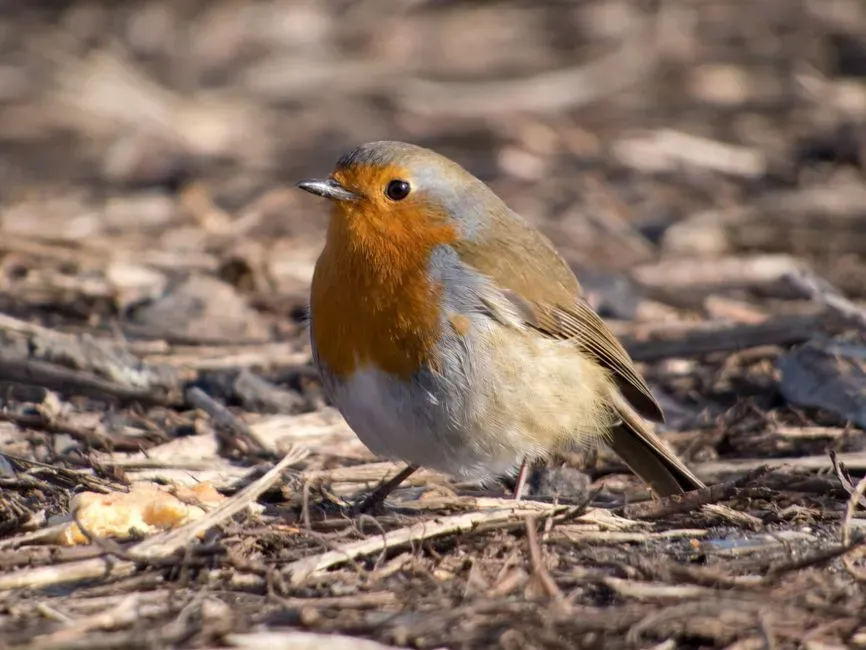
Robins often focus on ground-dwelling insects before rain, taking advantage of the increased activity of these creatures in moist conditions. This targeted foraging allows them to maximize their energy intake in a short period, preparing them for the reduced feeding opportunities during the storm.
By exploiting this temporary abundance, robins demonstrate their opportunistic feeding habits and adaptability to changing environmental conditions. It’s a clear example of their resourcefulness in the face of impending challenges.
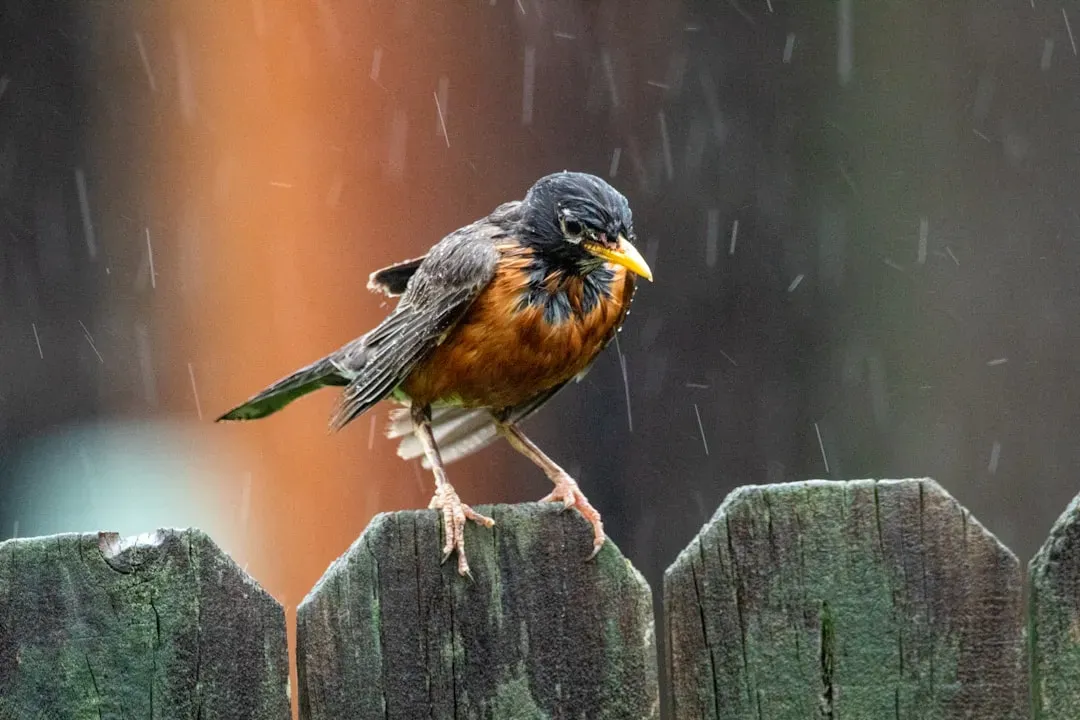
Utilizing Man-Made Structures for Shelter
Utilizing Man-Made Structures for Shelter (Image Credits: Pexels)
In urban and suburban areas, robins may seek shelter under eaves, porches, or other man-made structures as rain approaches. These locations offer dry and protected spaces, showcasing their ability to adapt to human-altered environments. This behavior reflects their resourcefulness in finding suitable shelter in diverse habitats.
Their use of human structures highlights the intersection between wildlife and human habitats, emphasizing the importance of considering wildlife needs in urban planning. It’s a testament to their resilience and adaptability.
Fluffing Fe
Did you find this helpful? Share it with a friend who’d love it too!
Gargi is an MA in History and a B.Ed graduate from India, with a deep passion for animals and wildlife awareness. As an article writer and editor at Animals Around The Globe, she combines her love for storytelling with her dedication to educating readers about animals, conservation, and responsible pet care. A devoted dog lover, Gargi enjoys creating engaging and informative content that inspires compassion and awareness toward the natural world.