
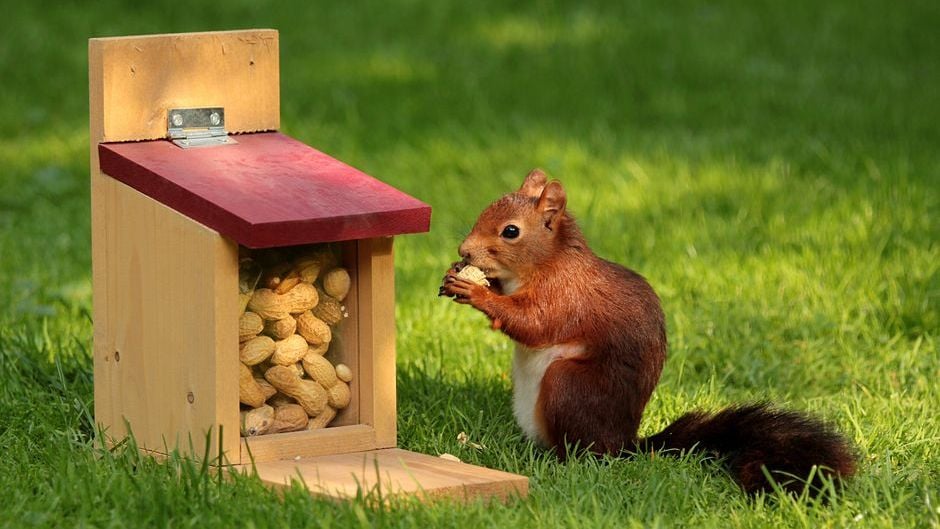
Rapid Tail Flicking Signals Nearby Aerial Threats
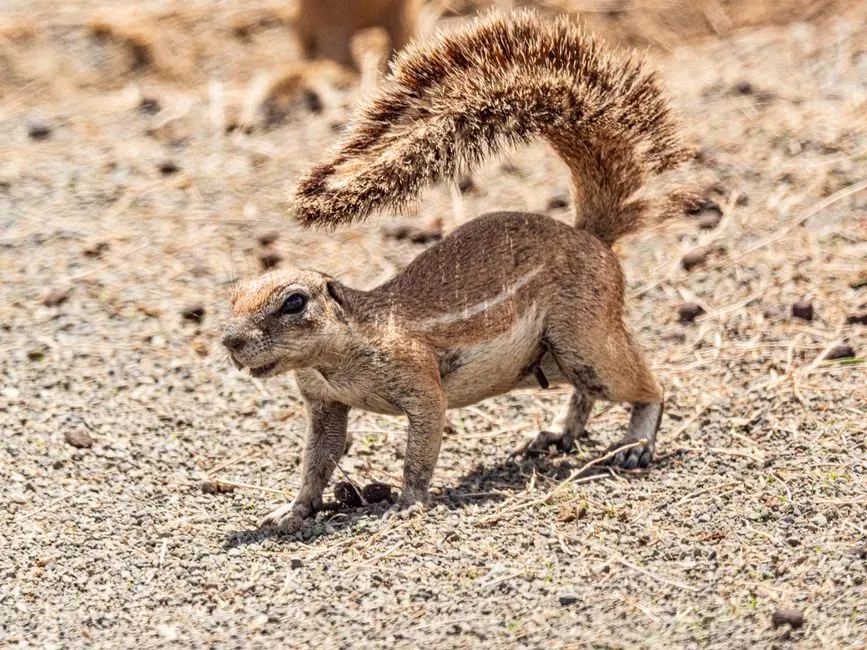
Squirrels flick their tails in sharp, repeated motions when they detect birds of prey overhead. This action serves as both a personal alert and a signal to others that danger lurks above. The motion draws attention without requiring sound that might attract the predator further.
Neighbors often dismiss the flicking as simple nervousness or play. In reality it frequently coincides with hawks circling or perching nearby. Watching the direction of the tail can even hint at where the threat sits in the trees or sky.
Sharp Chattering Calls Warn of Ground Predators
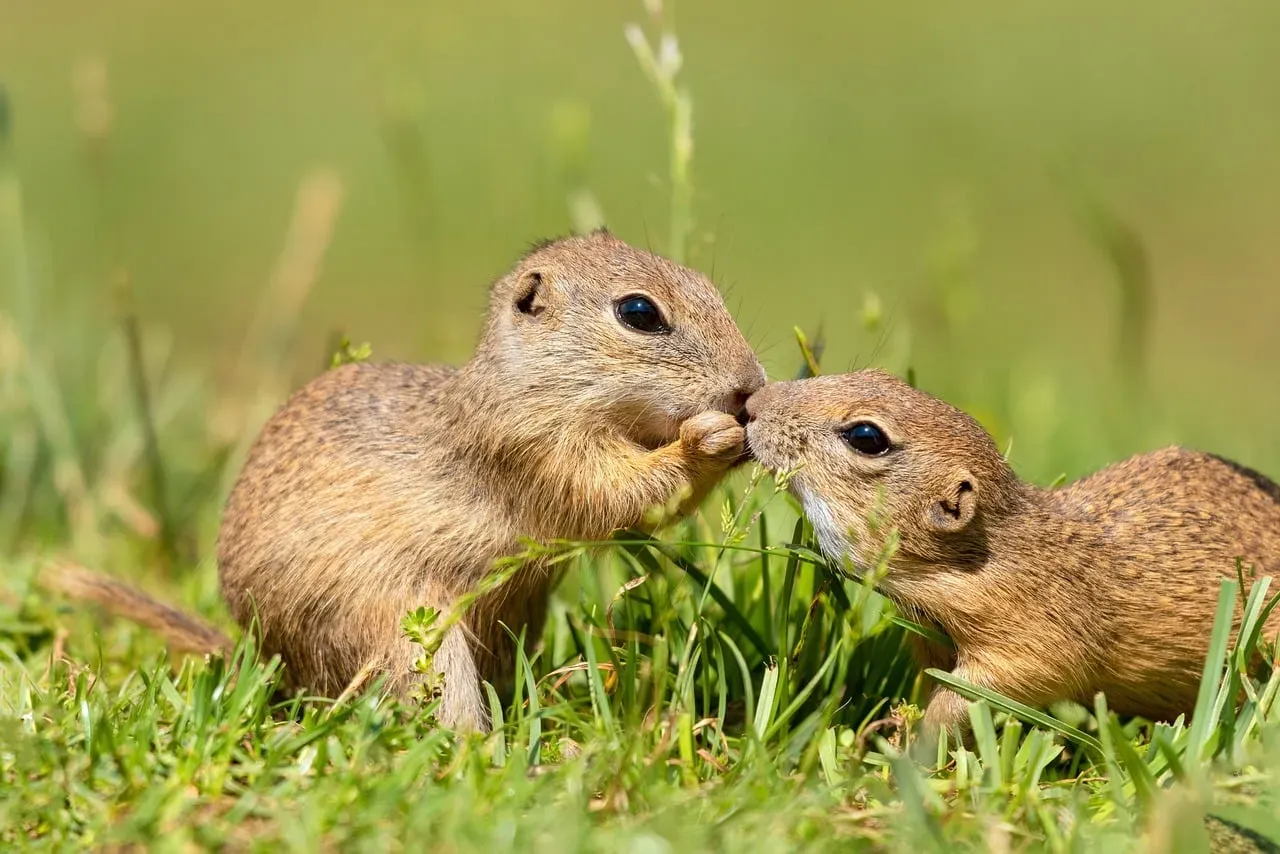
When squirrels produce quick, repetitive chattering sounds they are usually responding to cats, dogs, or other terrestrial threats. These vocalizations carry across yards and alert nearby squirrels to stay vigilant or seek cover. The calls differ in rhythm depending on how close the danger feels.
People hear the noise and assume the animals are simply arguing over food. Yet the pattern often repeats when a new pet enters the area or when a stray wanders through. Consistent chattering in one corner of the yard can mark a recurring visitor that deserves a closer look.
Freezing in Place Indicates Immediate Danger
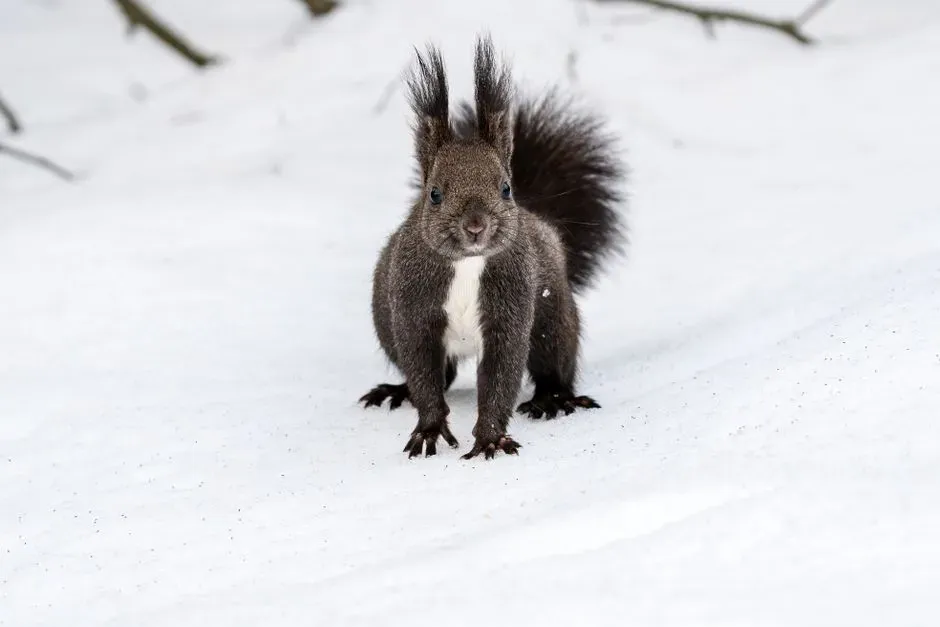
A squirrel that suddenly stops all movement and holds a rigid posture is assessing a potential threat. This alert stance allows the animal to listen and watch without giving away its position. It commonly occurs when something unfamiliar enters the space.
Observers might think the squirrel is just resting or sunning itself. The freeze typically lasts only seconds before the animal either bolts or resumes activity once the risk passes. Repeated freezing in the same spot often tracks the path of a neighborhood cat or a curious child.
Foot Stomping Communicates Strong Alarm
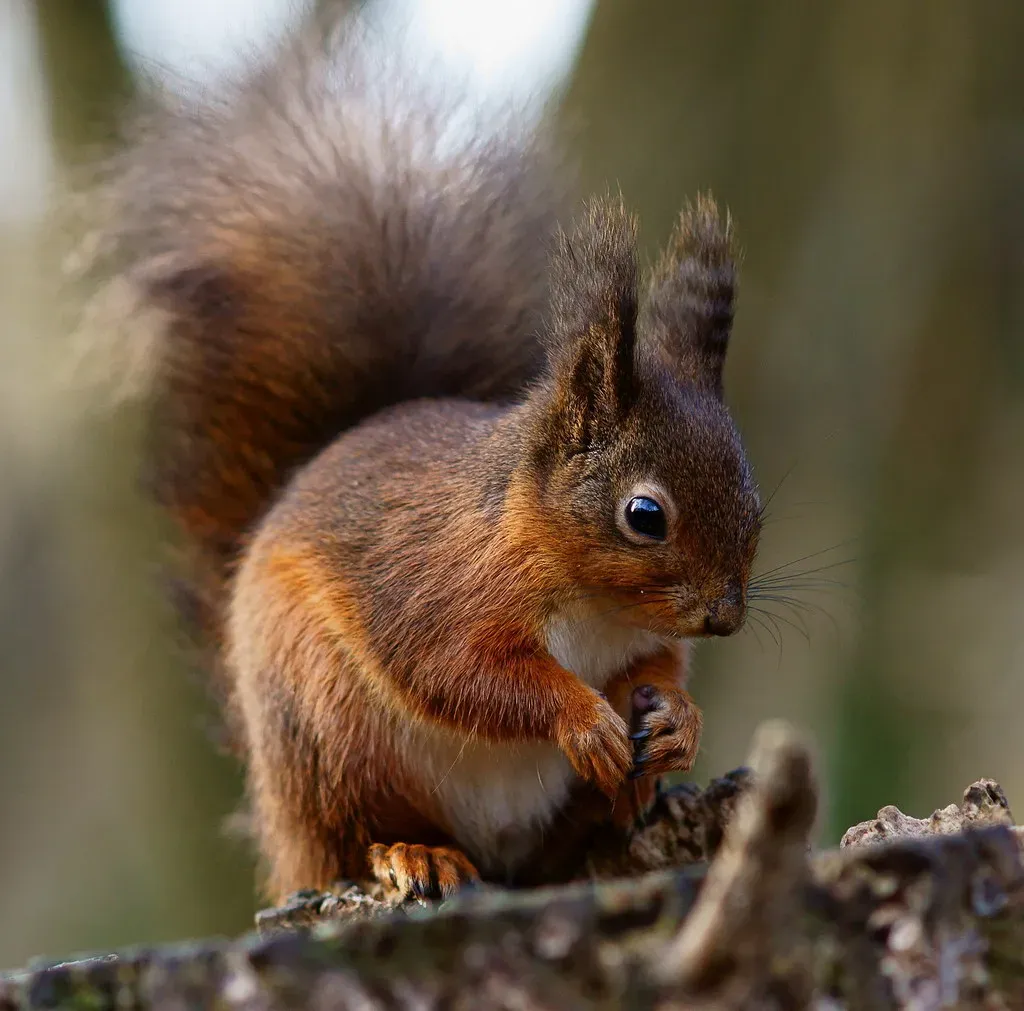
Squirrels sometimes stamp their hind feet against branches or the ground to emphasize a warning. The sound travels and reinforces vocal or tail signals already in use. It adds urgency when the threat feels especially close.
Most residents never connect the soft thumps with anything important. The behavior tends to appear alongside other alerts and can mark the presence of snakes or larger mammals moving through the underbrush. Noticing the timing helps identify which parts of the yard feel least secure.
Distinct Kuk Calls Point to Specific Predators
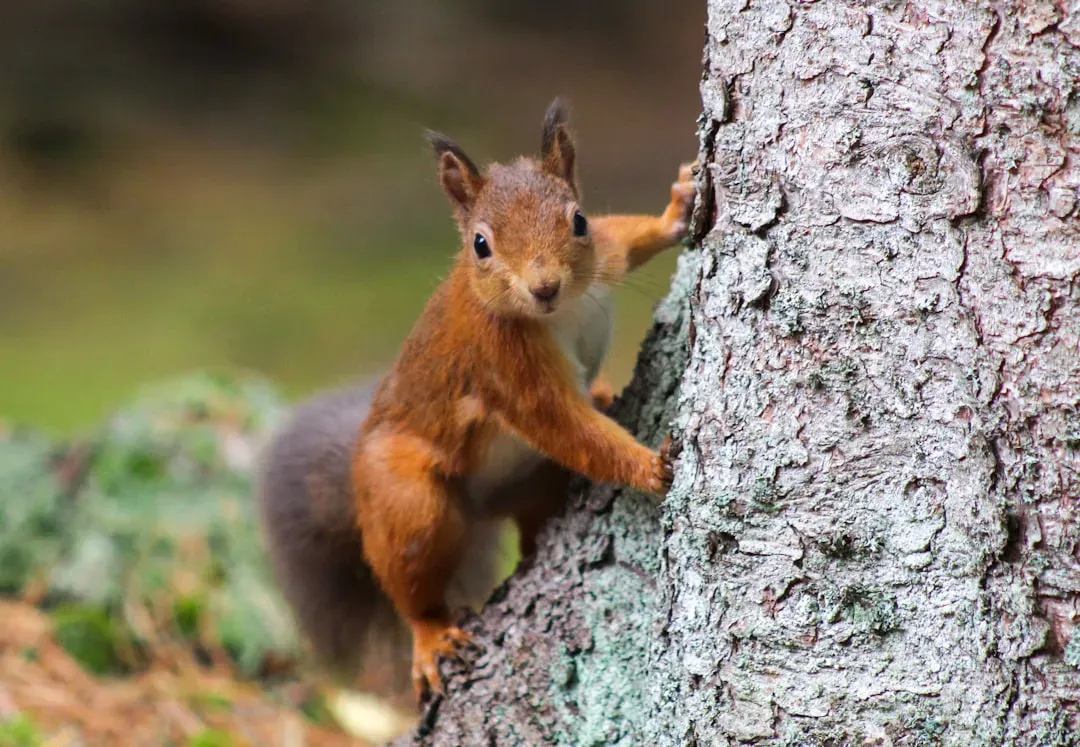
Short, sharp kuk sounds represent one type of alarm that squirrels reserve for certain dangers. Researchers have noted these calls often link to ground based threats rather than aerial ones. The repetition and volume increase as the risk draws nearer.
Listeners frequently mistake the noise for ordinary squirrel chatter. Paying attention to whether the calls come from high branches or lower levels reveals whether the concern involves birds or four legged visitors. Consistent use in one area suggests a reliable pattern worth monitoring.
Zigzag Running Reveals Evasion Tactics
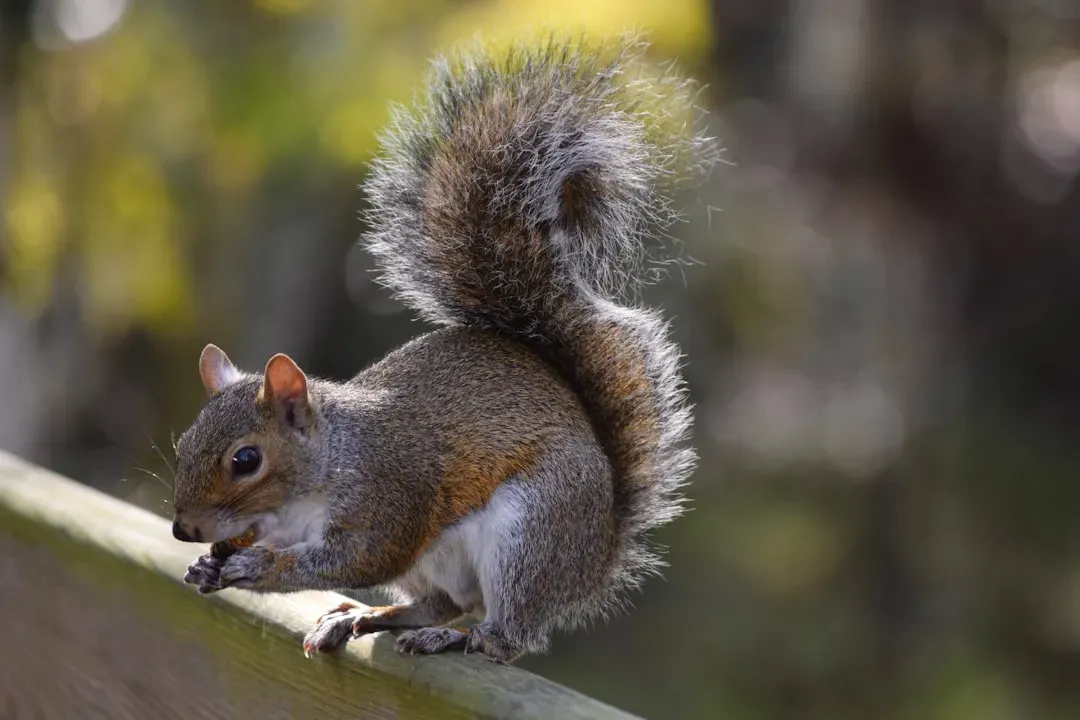
Squirrels dash in irregular patterns when they sense pursuit or scanning eyes from above. The unpredictable path makes it harder for predators to track them. This movement often follows an initial alert signal.
Viewers may see only playful energy in the quick turns. The pattern becomes more pronounced near open spaces or when the squirrel heads toward cover. Tracking where the runs begin and end can highlight zones that feel exposed or newly risky.
Group Gathering and Mobbing Deters Threats
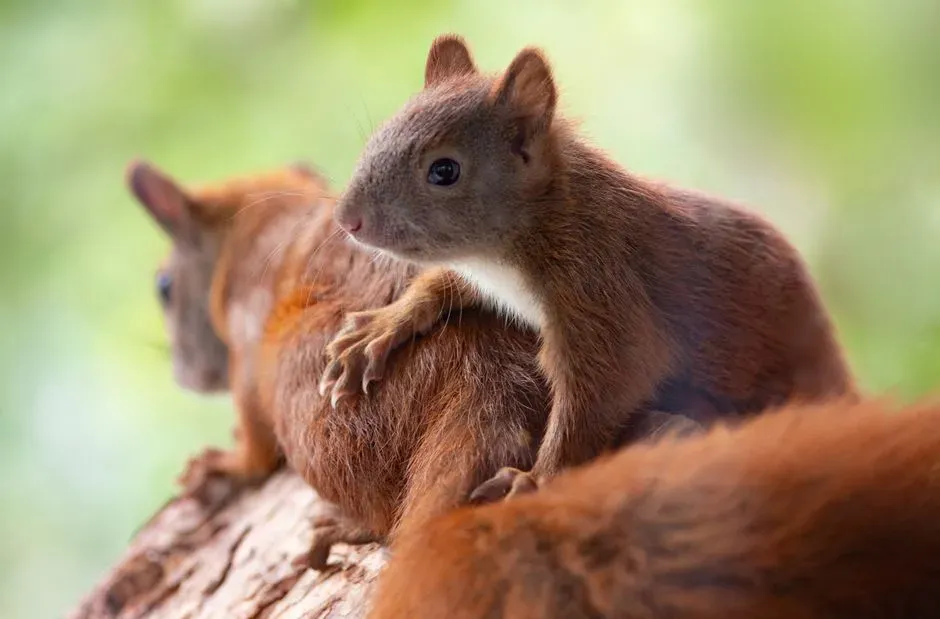
Multiple squirrels converging on one spot and directing attention outward often means they are confronting a shared danger. This mobbing behavior combines calls, tail movements, and positioning to discourage the intruder. It appears most often with persistent threats like cats or owls.
Passersby notice the cluster but rarely consider the reason behind it. The gathering usually dissolves once the pressure eases. Locations that trigger repeated group responses tend to sit near nesting sites or reliable food sources that need protection.
Unusual Caching Patterns Suggest Resource Shifts
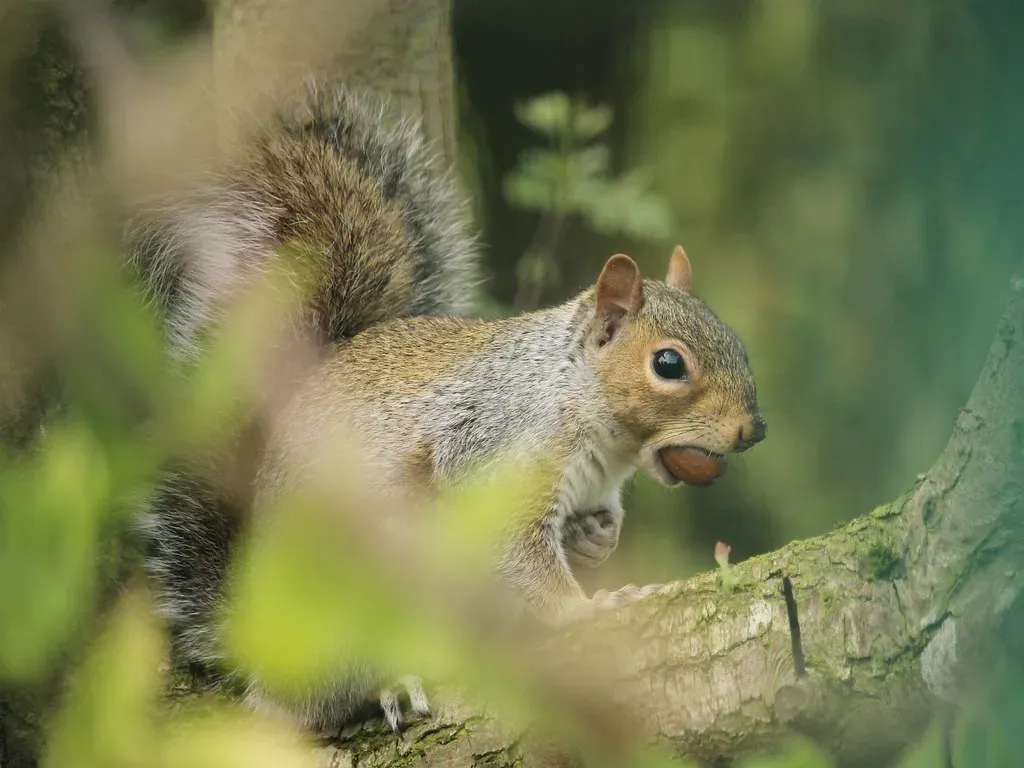
Squirrels bury nuts and seeds in new or concentrated spots when food availability changes. The choice of location can reflect awareness of competition or upcoming scarcity. These caches sometimes appear in areas previously ignored.
Most people view the digging as routine preparation for winter. Shifts in where the holes appear can indicate new obstacles or disturbances elsewhere in the yard. Observing the pattern over weeks shows which resources the animals now treat as more valuable or vulnerable.
High Perching and Scanning Tracks Environmental Changes
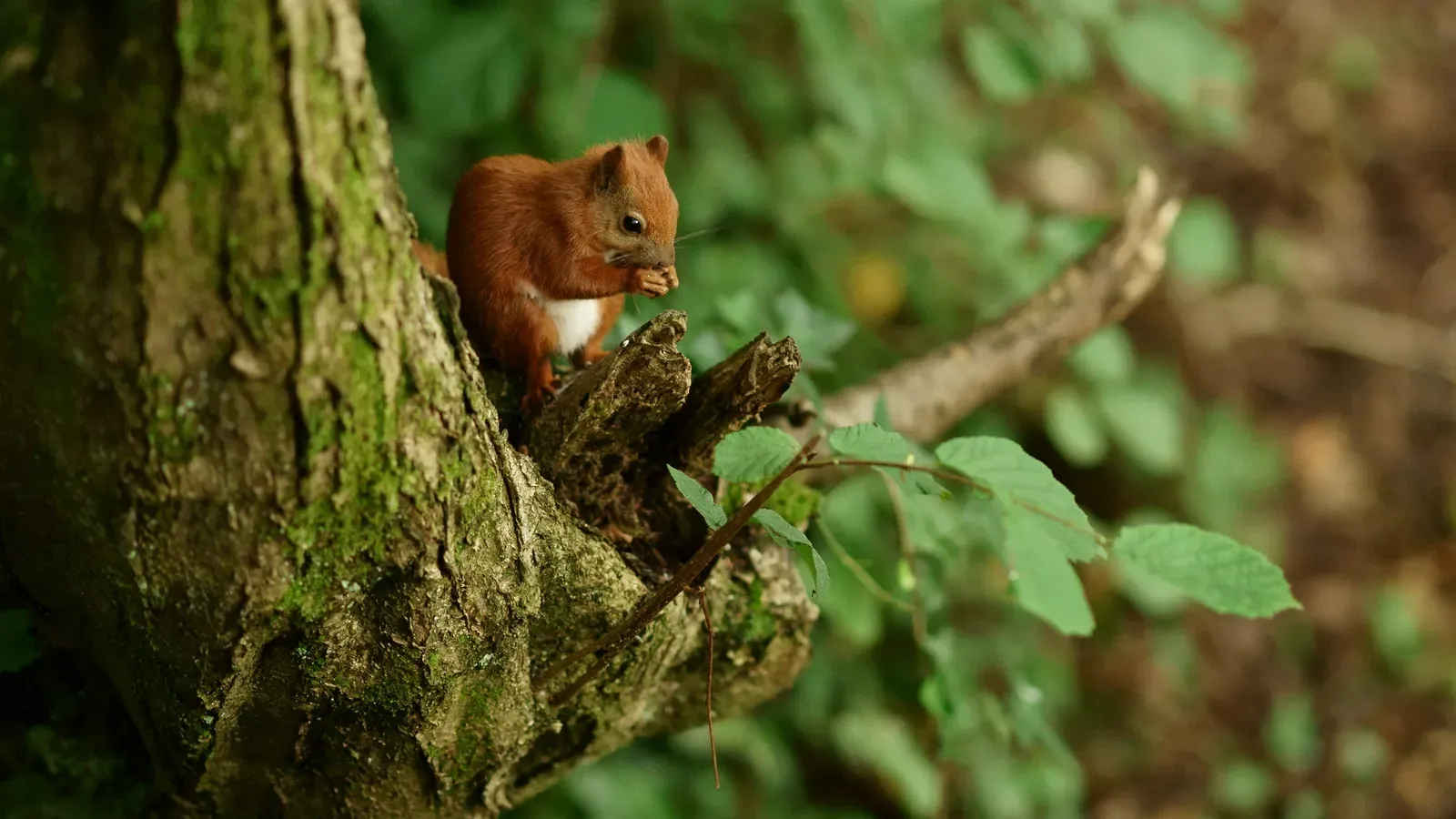
Squirrels climb to elevated positions and remain still while surveying the surroundings. This behavior helps them monitor for both predators and alterations in their territory. It increases during seasons when new activity occurs nearby.
Residents often overlook the quiet observation as normal squirrel curiosity. The duration and frequency of these scans can rise when construction, new plantings, or seasonal shifts affect cover. Consistent use of the same vantage points marks areas the animals consider worth watching closely.
Avoidance of Certain Feeders Signals Local Risks
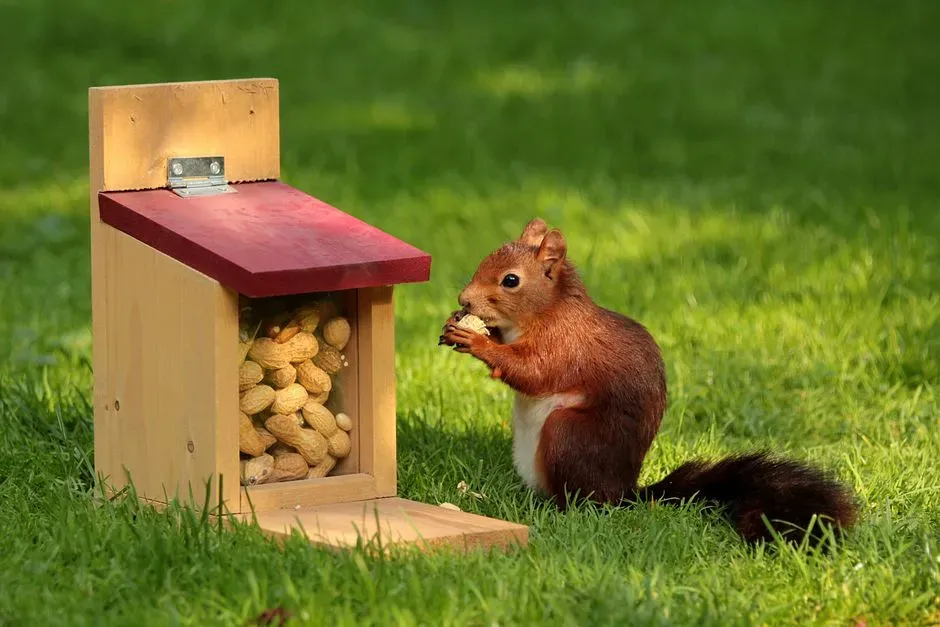
Squirrels that suddenly bypass established feeding stations may be responding to recent disturbances or threats in those spots. The change reflects learned caution rather than loss of interest. Other squirrels sometimes follow the same avoidance.
Owners assume the animals have found better sources elsewhere. The pattern often aligns with the arrival of a new predator or repeated human interference. Noting which stations remain popular versus those that empty helps identify safer versus riskier zones.
Moaning Sounds Accompany Heightened Vigilance
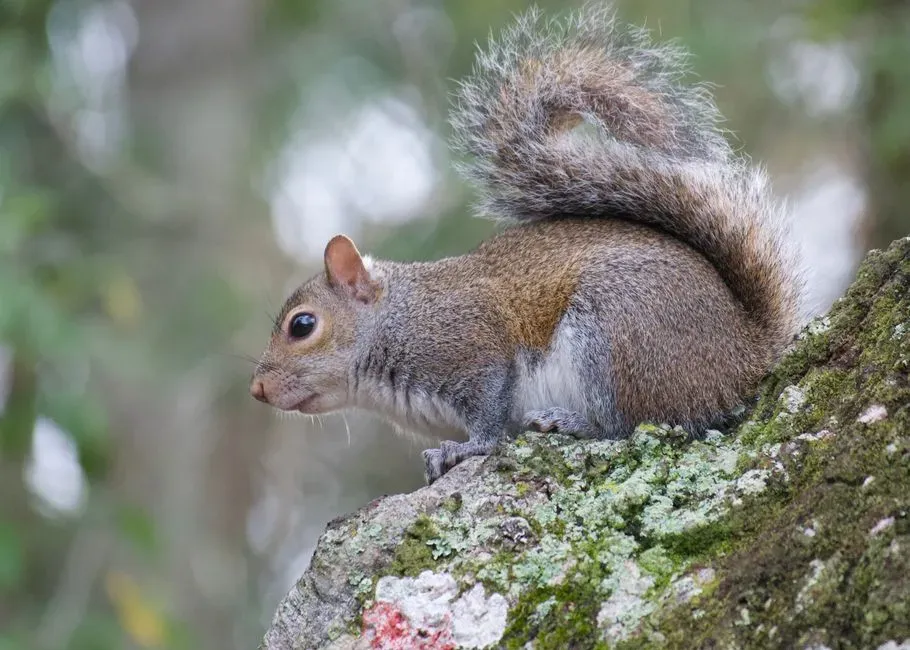
Lower pitched moans serve as a quieter alarm that squirrels use when they want to stay less conspicuous. These calls pair with reduced tail movement and occur more often with aerial threats that require stealth. The sound carries less distance but still conveys urgency to nearby animals.
Listeners rarely register the softer tones amid everyday background noise. The moans tend to appear when squirrels remain in place rather than fleeing immediately. Their presence can mark situations where escape routes feel limited or when the threat hovers at a distance.
Combined Tail and Vocal Displays Mark Serious Concerns
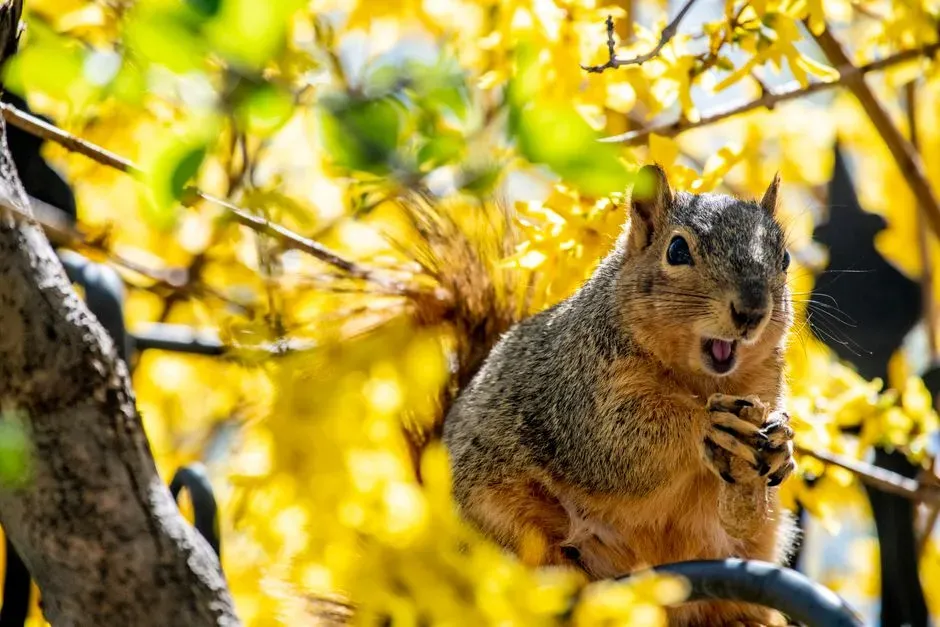
When tail flagging occurs together with repeated calls the combination signals a higher level of alarm. Squirrels use this dual approach to communicate both the type and proximity of danger. The display draws attention from other squirrels while also potentially deterring the predator.
Observers see the activity as general excitement. The intensity and duration of the paired signals often correspond to threats that persist or return regularly. Locations that trigger these full displays deserve extra attention for patterns that affect the whole yard ecosystem. Squirrels offer a running commentary on yard conditions that rewards quiet observation over time. Their signals accumulate into a clearer picture of what moves through the space when people are not looking. Noticing these details turns ordinary wildlife into a practical source of local awareness.

- The JWST Found A Jekyll-and-Hyde Galaxy In The Early Universe - August 2, 2026
- 10 Heartwarming Ways A Chihuahua Shows They’ve Bonded With You - August 2, 2026
- How Does Neglecting Dog Training Affect Them? - August 2, 2026