
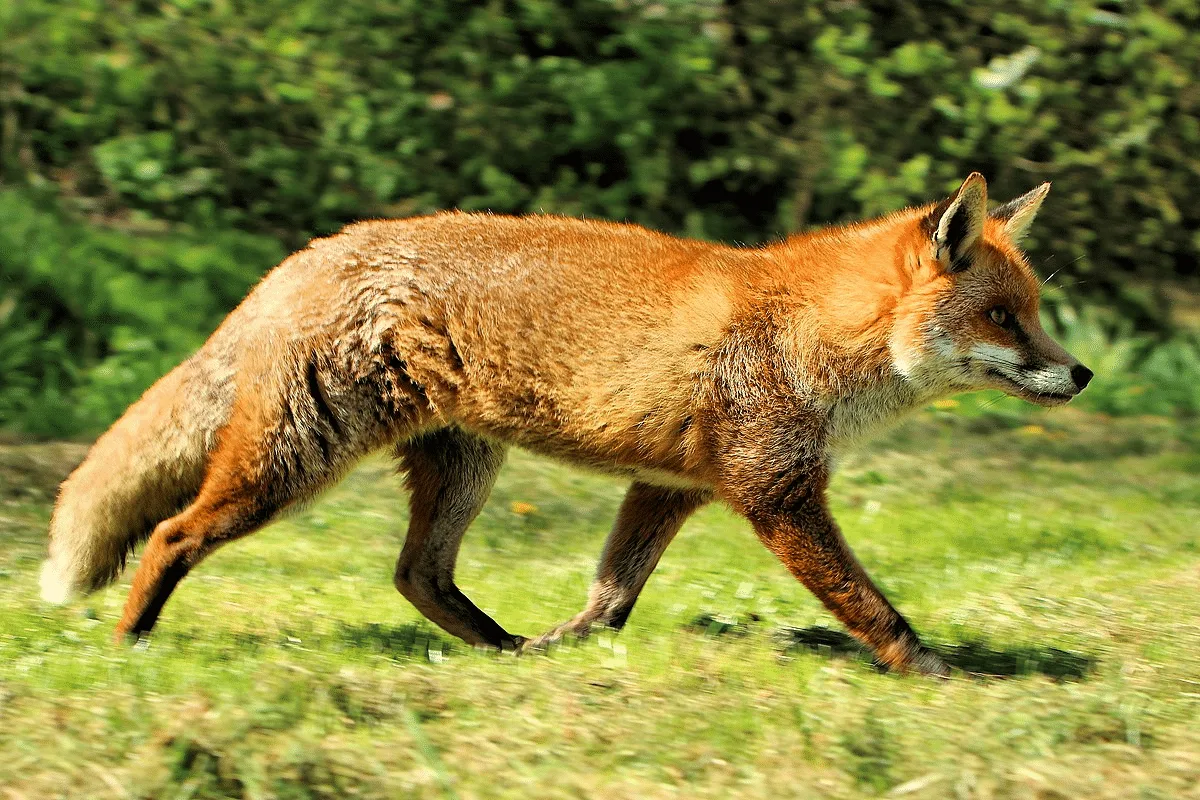
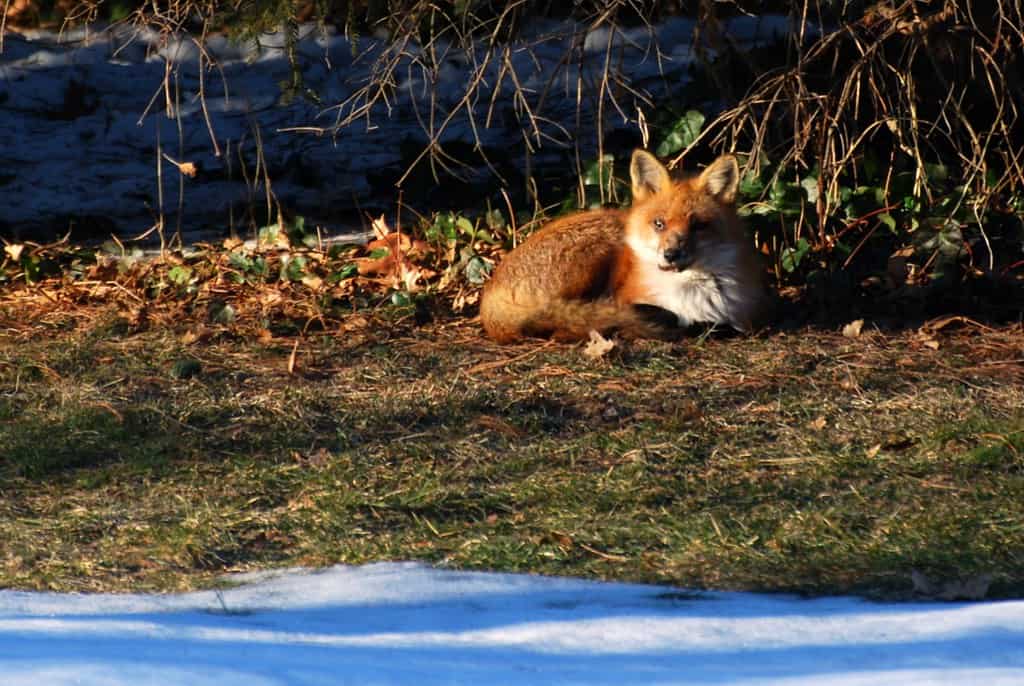
You know that feeling when you catch a glimpse of something moving in your peripheral vision, only to turn and see a sleek, russet-colored form disappearing into the shadows? That’s probably a fox, and if you’re seeing them regularly in your backyard, there’s a reason they keep coming back. These clever creatures aren’t just wandering aimlessly – they’re drawn to specific elements that make your property irresistible to them. Understanding what attracts foxes can help you either welcome these fascinating visitors or take steps to discourage them, depending on your preference. From food sources to shelter opportunities, foxes have particular needs that your backyard might be fulfilling without you even realizing it.
12. Pet Food Left Outside

Leaving your dog or cat’s food bowl outside is like rolling out the red carpet for foxes. These opportunistic feeders have an incredible sense of smell and can detect pet food from quite a distance. Once they discover this reliable food source, they’ll make regular visits to your property, often returning at the same time each day. The high protein content in pet food is particularly appealing to foxes, especially during breeding season when they need extra nutrition. Even if you think you’re being careful by only leaving food out during the day, remember that foxes are crepuscular animals, meaning they’re most active during dawn and dusk when your pets might still be eating.
11. Compost Piles and Organic Waste

Your well-intentioned compost pile might be sending dinner invitations to every fox in the neighborhood. Foxes are attracted to the decomposing organic matter, fruit scraps, and vegetable waste that make up most compost heaps. They’re particularly drawn to meat scraps, fish bones, and dairy products that some people mistakenly add to their compost. The smell of rotting food can travel surprisingly far, and foxes have learned that compost piles often contain easy meals. If you notice your compost being disturbed or scattered around, it’s likely that foxes are treating it as their personal buffet. Even seemingly innocent items like apple cores and banana peels can be enough to attract these curious creatures.
10. Bird Feeders and Fallen Seeds

That charming bird feeder you installed to attract cardinals and blue jays? It’s also attracting foxes, though not in the way you might expect. While foxes don’t typically eat birdseed directly, they’re incredibly interested in the rodents and small birds that congregate around feeders. The scattered seeds on the ground create a feeding area for mice, rats, and ground-feeding birds – all of which are natural prey for foxes. This creates a perfect hunting ground where foxes can wait patiently for an easy meal. Additionally, the constant activity around bird feeders can signal to foxes that your yard is a thriving ecosystem worth investigating. Many homeowners are surprised to learn that their innocent bird-watching hobby is actually creating a predator-prey dynamic in their backyard.
9. Small Animals and Livestock

If you keep chickens, rabbits, or other small animals in your backyard, you’ve essentially created a fox magnet. Foxes are natural predators of poultry and small mammals, and they’re incredibly persistent when they’ve identified a potential food source. The scent of these animals, combined with their sounds and movements, can attract foxes from considerable distances. Even well-secured coops and runs aren’t always foolproof, as foxes are excellent diggers and surprisingly agile climbers. They’re also patient hunters who will observe your property for days or weeks, learning the routines and identifying weak points in your animal housing. The presence of these prey animals triggers deep-seated hunting instincts in foxes, making your backyard an irresistible target.
8. Garbage Cans and Trash Bags

Your weekly garbage collection might be a routine chore for you, but it’s a treasure hunt for foxes. These intelligent scavengers have learned that human trash often contains food scraps, meat packaging, and other edible items. Foxes are remarkably good at opening poorly secured garbage cans and tearing through plastic bags to access the contents inside. They’re particularly attracted to the smell of meat, fish, and dairy products, but they’ll also investigate bags that contain fruit and vegetable scraps. The problem is compounded when neighbors in your area also have unsecured trash, creating a neighborhood-wide attraction for foxes. Once they establish a route through your area for garbage picking, they’ll continue to visit regularly, often becoming bolder and more destructive over time.
7. Water Sources

Like all animals, foxes need access to fresh water, and your backyard water features might be exactly what they’re looking for. Ponds, fountains, bird baths, and even leaky hoses can attract foxes, especially during dry seasons or hot summer months. Foxes are also drawn to swimming pools, though they typically only drink from the edges rather than swimming. The sound of running water from fountains or dripping faucets can be particularly attractive to foxes, as it signals a reliable water source. If you have a koi pond or other water feature with fish, you’re providing both water and a potential food source, making your property doubly attractive. During winter months, unfrozen water sources become even more valuable to wildlife, including foxes.
6. Dense Vegetation and Overgrown Areas
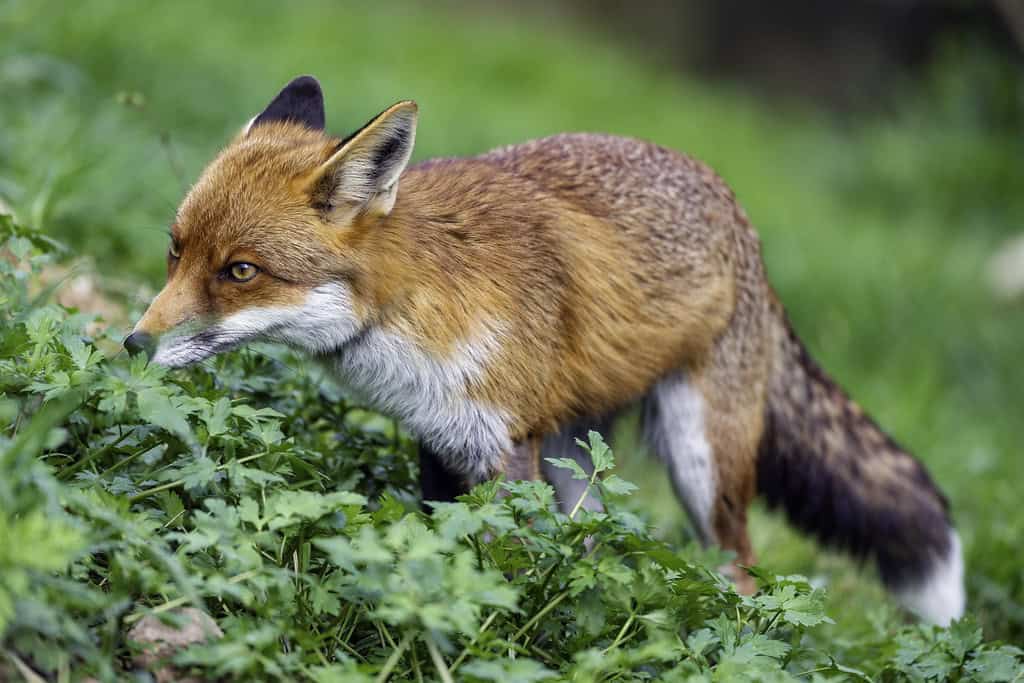
Foxes are naturally cautious animals that prefer to move through areas where they can remain hidden from view. Overgrown bushes, dense hedgerows, and untrimmed vegetation provide perfect cover for foxes traveling through your property. These areas also tend to harbor small rodents and insects that foxes enjoy eating, creating a dual attraction of food and shelter. Foxes particularly love areas where they can create multiple escape routes, such as thick plantings near fences or structures. The combination of cover and hunting opportunities makes overgrown areas of your yard extremely appealing to these clever predators. If you’ve noticed pathways or flattened areas in your dense vegetation, it’s likely that foxes are using these as regular travel corridors.
5. Shelter Opportunities
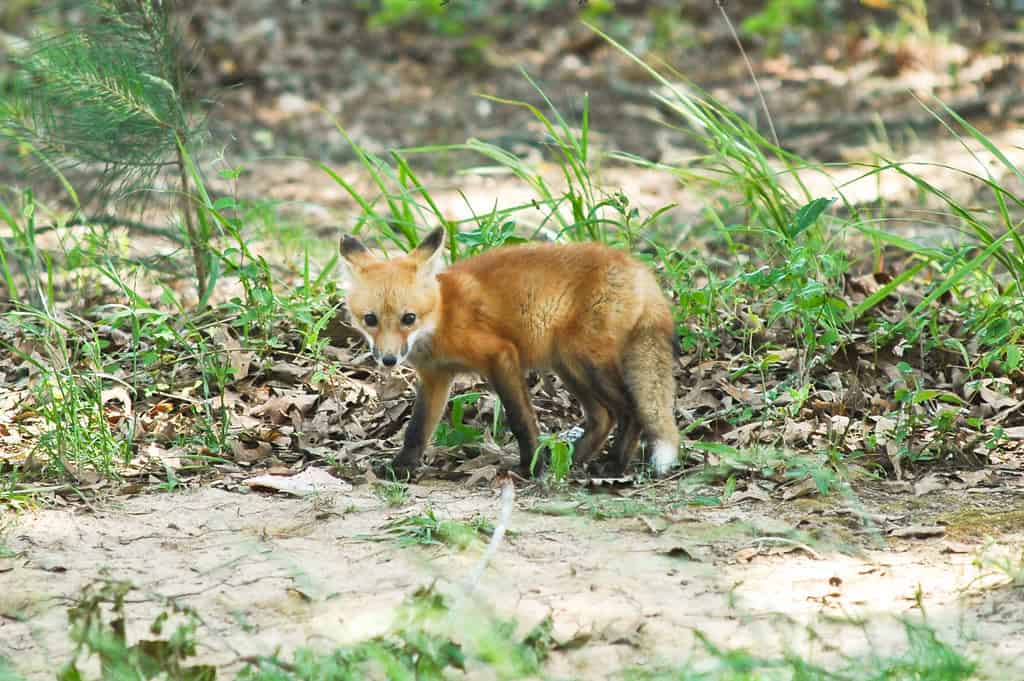
Foxes are always on the lookout for secure places to rest, hide, and potentially raise their young. Sheds, garages, crawl spaces under porches, and abandoned structures provide ideal shelter opportunities that foxes find irresistible. They’re particularly drawn to areas that offer multiple entry and exit points, allowing them to escape quickly if threatened. Foxes are excellent diggers and may create dens under existing structures, or they might take over burrows abandoned by other animals. During breeding season, pregnant females become especially motivated to find secure denning sites, making your property’s shelter opportunities even more attractive. Even something as simple as a pile of lumber or stacked yard debris can provide enough shelter to interest a fox.
4. Fruit Trees and Berry Bushes
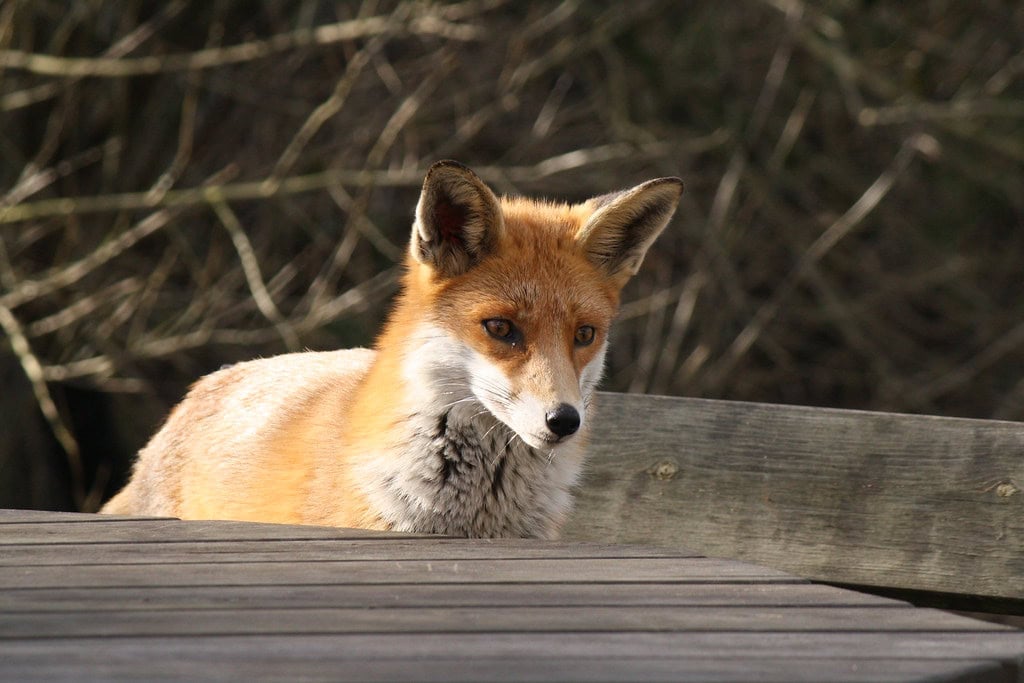
Many people don’t realize that foxes are omnivores with a surprisingly varied diet that includes fruits and berries. Apple trees, pear trees, and berry bushes can be significant attractants, especially when fruit is ripe and falling to the ground. Foxes are particularly fond of grapes, strawberries, and blackberries, and they’ll visit these food sources repeatedly during harvest season. The fallen fruit creates a sweet smell that carries well and can attract foxes from neighboring areas. Even after the main harvest, foxes will continue to visit fruit trees and bushes, searching for any remaining fruit or even eating the insects that are attracted to the rotting produce. This seasonal attraction can establish a pattern of fox visits that continues throughout the year.
3. Rodent Populations

If your property has a thriving population of mice, rats, or other small rodents, you’ve essentially created a fox restaurant. Foxes are excellent hunters and a single fox can consume dozens of rodents per week. Properties with rodent problems often attract foxes because these predators can sense the abundant prey through various signals including scent, sound, and visual cues. Bird feeders, compost piles, and outdoor pet food can all contribute to rodent populations, which in turn attract foxes. The presence of rodents is often the primary reason foxes become regular visitors to residential areas. Once foxes establish a hunting territory in your yard, they’ll continue to patrol it regularly, even if the rodent population fluctuates.
2. Lack of Human Activity

Foxes are naturally wary of humans and are more likely to visit properties where they feel safe from human interference. Quiet backyards, especially those with minimal foot traffic or outdoor activity, become attractive to foxes looking for undisturbed hunting and foraging opportunities. Properties where owners travel frequently or spend little time outdoors are particularly appealing to foxes. They’re quick to recognize patterns in human activity and will adjust their visiting times accordingly. Even something as simple as changing your outdoor routine can either attract or deter foxes from your property. Foxes are also more likely to visit properties where they can observe human activity from a safe distance, allowing them to assess whether the area is truly safe for exploration.
1. Neighboring Fox Populations

The most significant factor in attracting foxes to your backyard is the presence of foxes in your general area. Foxes are territorial animals, but their territories often overlap, especially in suburban areas where suitable habitat is limited. If your neighbors are already dealing with fox visitors, it’s very likely that your property will eventually be explored as well. Foxes establish regular patrol routes through their territories, and your backyard might simply be part of their daily or weekly circuit. Young foxes dispersing from their birth territories are also likely to investigate your property if it’s in an area where foxes are already established. The presence of fox scent marks and pathways in your neighborhood creates a sort of “fox highway” that can lead directly to your backyard.
Conclusion
Understanding what attracts foxes to your backyard empowers you to make informed decisions about whether to welcome or discourage these remarkable visitors. Whether you’re charmed by their intelligence and beauty or concerned about their impact on your pets and property, knowledge is your best tool. Remember that foxes are simply following their natural instincts to find food, water, shelter, and safe territory. By addressing the specific attractants on your property, you can effectively influence fox behavior and create the outdoor environment that best suits your needs and preferences.
