


Dogs, like humans, experience a range of emotions including anxiety and stress. Understanding what calms our canine companions and what triggers their anxiety is crucial for responsible pet ownership. Dogs communicate their emotional state primarily through body language, and being attentive to these signals helps us create environments where they can thrive. Whether you have a naturally anxious dog or are simply looking to enhance your pet’s wellbeing, this guide will explore twelve effective calming strategies and three common anxiety triggers to avoid.
12. Consistent Daily Routines

Dogs are creatures of habit who thrive on predictability. Establishing and maintaining a consistent daily schedule for feeding, walking, playing, and sleeping provides your dog with a sense of security and stability. When dogs know what to expect throughout their day, they experience less anxiety and feel more in control of their environment. This predictability is especially important for dogs who have experienced trauma or rehoming, as it helps rebuild their trust in their surroundings.
Research shows that inconsistent routines can actually increase cortisol levels (the stress hormone) in dogs. Even minor adjustments to their schedule can cause unease in sensitive dogs. While maintaining perfect consistency isn’t always possible, try to keep major elements of your dog’s routine relatively stable. When changes are necessary, introduce them gradually and pair them with positive experiences to help your dog adjust.
11. Physical Exercise and Mental Stimulation

Regular physical exercise is one of the most effective ways to reduce anxiety and promote calmness in dogs. Physical activity not only burns excess energy but also triggers the release of endorphins—natural mood elevators that create feelings of happiness and relaxation. The type and amount of exercise should be appropriate for your dog’s breed, age, and health status. While herding and sporting breeds typically need vigorous daily exercise, brachycephalic (flat-faced) breeds might require gentler activities.
Equally important is mental stimulation, which helps prevent boredom and the destructive behaviors that often accompany it. Puzzle toys, training sessions, nose work activities, and interactive games all provide valuable mental exercise. Studies indicate that dogs who receive adequate mental stimulation show fewer signs of anxiety, are less likely to develop compulsive behaviors, and generally appear more content and relaxed. Aim to incorporate both physical exercise and mental challenges into your dog’s daily routine for optimal results.
10. Safe Spaces and Comfort Zones
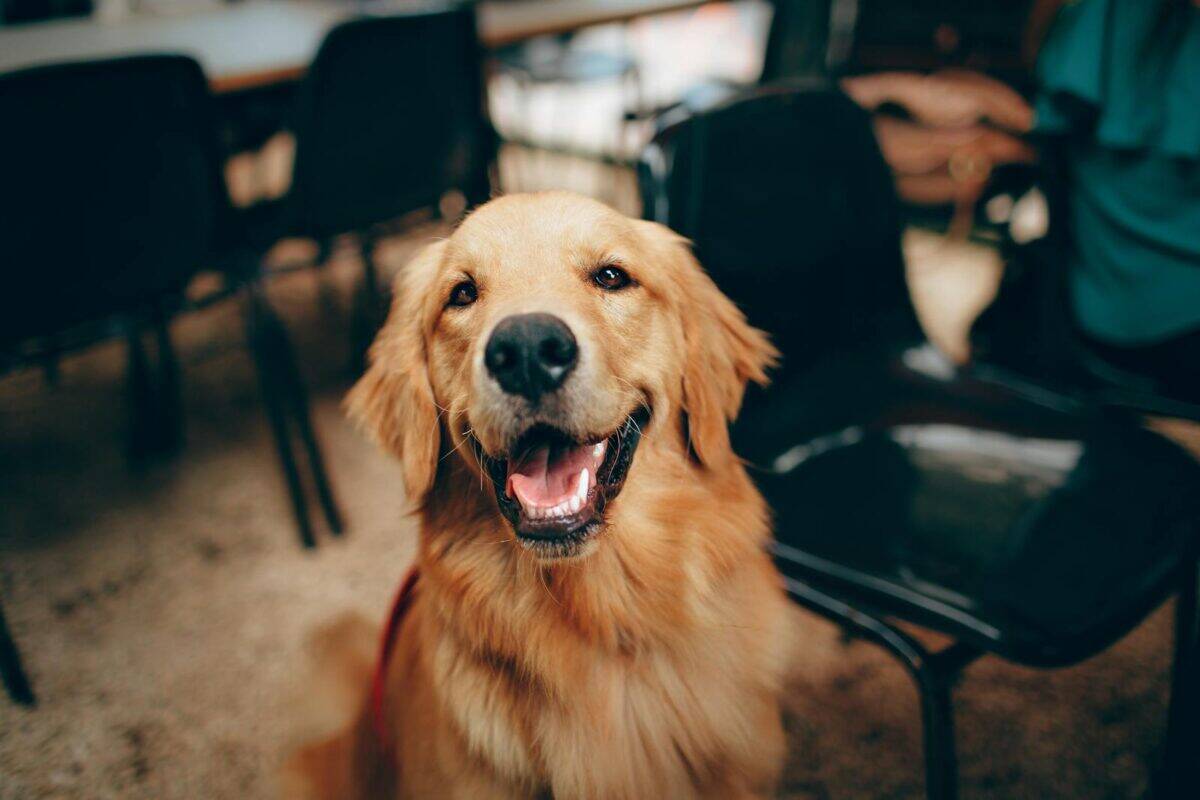
Every dog needs a designated safe space where they can retreat when feeling overwhelmed or anxious. This might be a crate (when properly introduced as a positive space), a dog bed in a quiet corner, or a specific room where disturbances are minimal. These spaces should be consistently respected as the dog’s personal sanctuary, where they won’t be disturbed when seeking solitude. Make this area comfortable with soft bedding and perhaps an item of clothing carrying your scent, which can provide additional comfort.
The concept of a safe space works with a dog’s natural denning instinct—the innate desire for a secure, enclosed area. For maximum effectiveness, never use this space for punishment or isolation. Instead, associate it with positive experiences by occasionally placing treats or favorite toys there. During particularly stressful events like thunderstorms or fireworks, having an established safe space can significantly reduce your dog’s anxiety level by giving them a sense of control and security.
9. Calming Music and White Noise

Sound therapy has shown remarkable effects on canine anxiety. Studies conducted at animal shelters have demonstrated that certain types of music—particularly classical compositions and specially designed “dog music” with simplified melodies and regular rhythms—can significantly reduce stress behaviors in dogs. These calming sounds work by masking startling noises and providing auditory consistency that helps regulate a dog’s nervous system. Many pet owners report success with music by composers like Mozart or Beethoven, as well as specialized canine relaxation music available on streaming platforms.
White noise machines can also be beneficial, especially for dogs who are easily startled by environmental sounds or those living in noisy urban environments. These devices create a consistent sonic background that blocks sudden, anxiety-provoking noises. Some dogs respond well to nature sounds like gentle rainfall or soft waves. For maximum effectiveness, introduce calming sounds during relaxed times so your dog forms positive associations with them before you use them in potentially stressful situations.
8. Massage and Physical Contact
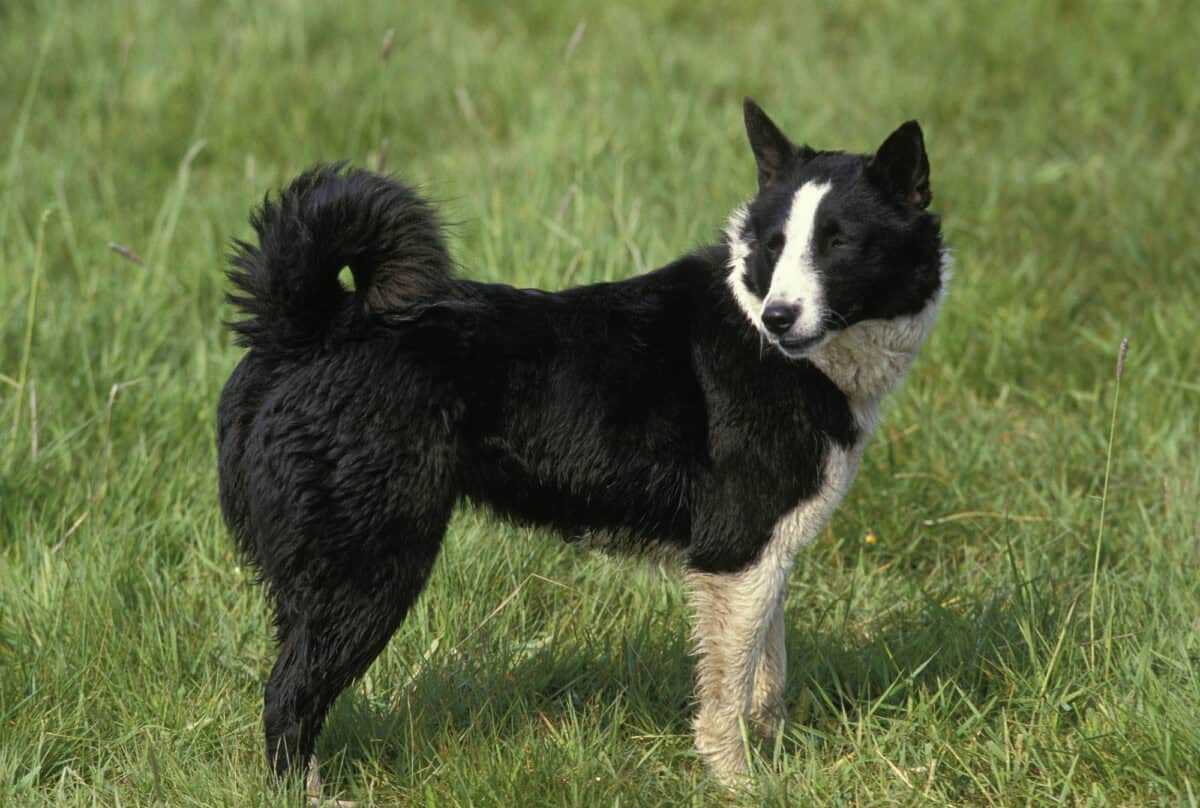
Gentle massage can work wonders for anxious dogs, releasing tension and promoting relaxation through the power of touch. The physical connection between humans and dogs triggers the release of oxytocin—often called the “love hormone”—in both species, creating feelings of bonding and security. Long, slow strokes along your dog’s back, gentle circular motions on their chest, or light pressure on larger muscle groups can help reduce stress. Many dogs particularly enjoy gentle ear rubs, which stimulate endorphin release.
When massaging your dog, pay attention to their body language to ensure they’re enjoying the experience. Signs of relaxation include soft eyes, loose body posture, and perhaps a contented sigh. If your dog seems uncomfortable, adjust your technique or try again later. Remember that some anxious dogs may initially be touch-sensitive, so begin with brief sessions and gradually increase duration as your dog becomes more comfortable. Consistent massage sessions can build trust while providing your dog with a reliable calming ritual.
7. Calming Scents and Pheromones

A dog’s sense of smell is remarkably powerful—up to 100,000 times more sensitive than a human’s—making aromatherapy and pheromone products potentially effective calming tools. Synthetic dog-appeasing pheromones (DAP), which mimic the comforting pheromones mother dogs release while nursing puppies, are available as diffusers, sprays, and collars. These products have been clinically shown to reduce anxiety in many dogs, particularly during stressful events like thunderstorms, fireworks, or veterinary visits. They work by triggering innate calming responses tied to early puppyhood memories of security.
Certain essential oils may also provide calming benefits when used appropriately and safely. Lavender, chamomile, and valerian have demonstrated mild sedative effects in some studies. However, it’s crucial to note that dogs can be sensitive to concentrated essential oils, so these should always be heavily diluted and never applied directly to a dog’s skin or within their reach. Always consult with your veterinarian before introducing aromatherapy, as some essential oils can be toxic to dogs, and individual responses vary significantly.
6. Appropriate Training and Positive Reinforcement

Consistent, reward-based training builds confidence in dogs while strengthening the human-canine bond. Dogs who understand what’s expected of them and have reliable ways to communicate with their humans typically experience less anxiety. Basic obedience commands give dogs a framework for navigating the world and provide a sense of security through clear boundaries. Training sessions that use positive reinforcement—rewarding desired behaviors rather than punishing mistakes—create positive emotional associations with learning and with the trainer.
Counterconditioning and desensitization techniques are particularly valuable for dogs with specific anxieties. These methods involve gradually exposing dogs to mild versions of their triggers while pairing the experience with something positive, slowly changing their emotional response. For example, a dog fearful of car rides might start by simply receiving treats near a stationary vehicle, eventually working up to short pleasant drives. This type of training requires patience but can produce profound changes in anxious dogs by replacing fear with neutral or positive associations.
5. Calming Wraps and Pressure Garments

Pressure wraps and anxiety vests apply gentle, constant pressure to a dog’s torso, similar to swaddling an infant. This pressure stimulates receptors that trigger the parasympathetic nervous system—responsible for “rest and digest” functions—helping to lower heart rate and reduce stress hormones. The most well-known commercial product is the ThunderShirt, but similar effects can be achieved with properly applied ace bandages or specially designed canine anxiety wraps. These garments are particularly effective during thunderstorms, fireworks displays, or other acute anxiety-provoking events.
Research suggests that pressure therapy works through deep touch pressure stimulation, which has a neurological calming effect. While not effective for every dog, many owners report significant improvement in anxiety symptoms when using these products. For best results, introduce pressure wraps during calm periods rather than waiting until your dog is already anxious. This allows them to form positive associations with wearing the garment. If using a commercial product, follow the manufacturer’s guidelines for proper fit and duration of use to ensure safety and maximum effectiveness.
4. Dietary Considerations and Supplements

What your dog eats can significantly impact their anxiety levels and overall nervous system function. Diets high in quality protein help maintain stable blood sugar levels, preventing the irritability and stress that can accompany hunger or blood sugar fluctuations. Some research suggests that diets rich in omega-3 fatty acids support brain health and may reduce anxiety, while excessive additives and artificial ingredients might contribute to hyperactivity in sensitive dogs. Consistent meal timing also helps maintain hormonal balance, which can affect mood and stress responses.
Various supplements have shown promise for reducing canine anxiety, though efficacy varies between individuals. L-theanine (an amino acid found in green tea), alpha-casozepine (a milk protein with calming properties), and tryptophan (which converts to serotonin in the body) have demonstrated mild anxiolytic effects in some studies. Veterinary-formulated calming supplements often combine several ingredients for a synergistic effect. Always consult your veterinarian before starting any supplement regimen, as interactions with medications or underlying health conditions must be considered, and proper dosing is essential for safety and effectiveness.
3. Consistent and Calm Human Behavior

Dogs are remarkably attuned to human emotions and often mirror their owners’ stress levels. Research has demonstrated that cortisol (a stress hormone) levels in dogs correlate with those of their owners, suggesting an emotional contagion between species. By maintaining your own calm demeanor, particularly during potentially stressful situations, you can help prevent anxiety in your dog. This doesn’t mean suppressing all emotions, but rather being mindful of how your behavior might affect your canine companion, especially during challenging times.
Consistent handling and interaction styles also help dogs feel secure. When multiple family members use different commands, have varying expectations, or interact with the dog in contradictory ways, confusion and anxiety can result. Establish household rules for dog interaction that everyone follows, creating predictability that helps your dog understand what to expect from human interactions. During anxious moments, avoid the common mistake of offering excessive reassurance, which can inadvertently reinforce anxious behavior. Instead, project calm confidence while providing gentle, matter-of-fact support.
2. Interactive Play and Bonding Activities

Regular interactive play serves multiple purposes in reducing canine anxiety. Beyond providing exercise and mental stimulation, play strengthens the bond between dogs and their humans, creating positive associations and building trust. Games like fetch, tug-of-war (with proper rules), hide-and-seek, and obstacle courses engage different aspects of a dog’s natural behaviors while creating opportunities for success and reward. The resulting confidence boost can help reduce general anxiety, especially in dogs who are uncertain about their place in the household.
Trick training represents another valuable bonding activity with anxiety-reducing benefits. Learning and performing tricks gives dogs a sense of accomplishment while providing a constructive outlet for their energy and focus. The clear communication required during training sessions helps dogs better understand human expectations, reducing the stress of uncertainty. Additionally, having a repertoire of familiar behaviors that reliably earn rewards gives anxious dogs a constructive way to seek attention and interaction, potentially replacing problematic anxiety behaviors with more positive alternatives.
1. Social Interaction with Other Dogs

For many dogs, appropriate socialization with other canines provides comfort and security. Dogs are naturally social animals who can benefit from the companionship of their own species. Regular positive interactions with compatible dogs, whether through organized playdates, visits to dog parks (for dogs with appropriate temperaments), or even adding another dog to the family, can reduce separation anxiety and general stress for some dogs. These interactions allow for species-specific communication and play that humans simply cannot replicate.
However, it’s crucial to ensure that all canine social interactions are positive and appropriate for your dog’s individual temperament. Forced socialization or overwhelming situations can increase anxiety rather than alleviate it. Start with controlled introductions to known, stable dogs, preferably in neutral territory, and always supervise interactions. Pay attention to your dog’s body language—play bows, relaxed movement, and reciprocal play indicate positive experiences, while tucked tails, stiff postures, or hiding suggest discomfort. For some dogs, particularly those with negative past experiences, one-on-one interactions may be preferable to group settings.
Things That Make Dogs Anxious Inconsistent Rules and Boundaries

Dogs thrive on clear, consistent expectations. When rules constantly change—for example, being allowed on furniture sometimes but scolded for it at other times—dogs become confused and anxious about which behaviors are acceptable. This inconsistency creates an unpredictable environment where dogs can never be certain if their actions will result in praise or correction. The resulting uncertainty can lead to chronic stress, as the dog remains in a constant state of vigilance, attempting to interpret conflicting signals about behavioral expectations.
Similarly problematic is inconsistency between different family members, where one person enforces certain rules while others do not. This creates a situation where the dog must learn different behavioral protocols for different people, which can be cognitively taxing and stressful. To prevent this anxiety trigger, establish clear household rules for your dog that all family members understand and consistently enforce. When changes to rules are necessary, implement them systematically and be patient as your dog adapts to the new expectations.
Things That Make Dogs Anxious Punishment-Based Training Methods

Aversive training techniques that rely on punishment, fear, or intimidation are significant anxiety triggers for many dogs. These methods—including shock collars, alpha rolls, leash corrections, and verbal intimidation—may temporarily suppress unwanted behaviors but often create long-term behavioral problems by damaging the human-dog relationship and creating negative associations with training and handling. Studies have consistently shown that dogs trained with punishment-based methods display more stress signals and may develop defensive aggression as they attempt to protect themselves from perceived threats.
The anxiety caused by aversive training methods extends beyond the training session itself. Dogs may become generally fearful of their handlers or develop specific fears related to equipment or environments associated with the unpleasant experiences. In contrast, positive reinforcement methods that focus on rewarding desired behaviors rather than punishing mistakes build confidence and trust while achieving reliable behavioral results. For anxious dogs in particular, force-free training approaches that emphasize choice, engagement, and clear communication provide the consistency and positive interactions needed to reduce overall stress levels.
Things That Make Dogs Anxious Excessive Confinement or Isolation

While dogs need appropriate periods of rest and quiet time, excessive confinement or social isolation can trigger significant anxiety. Dogs are naturally social creatures evolved to live in family groups, and prolonged isolation runs counter to their biological needs. Dogs regularly left alone for extended periods (generally more than 8-10 hours) often develop behavioral issues including destructive chewing, excessive barking, inappropriate elimination, and in some cases, full-blown separation anxiety. The stress of isolation can manifest physically as well, with symptoms including digestive upset, excessive shedding, and compromised immune function.
Spatial restriction without appropriate exercise or mental stimulation represents another common anxiety trigger. Keeping dogs in crates, small rooms, or yards for excessive periods without adequate physical and mental outlets creates frustration and stress. While crates can be valuable training tools and even sources of security when properly introduced, extended confinement without sufficient exercise beforehand often leads to anxiety. If work schedules or other circumstances require your dog to spend significant time alone, consider options like doggy daycare, pet sitters, dog walkers, or creating enriched environments with puzzle toys and safe chewing options to mitigate the negative effects of necessary alone time.
Conclusion: Creating a Balanced Approach to Canine Calm
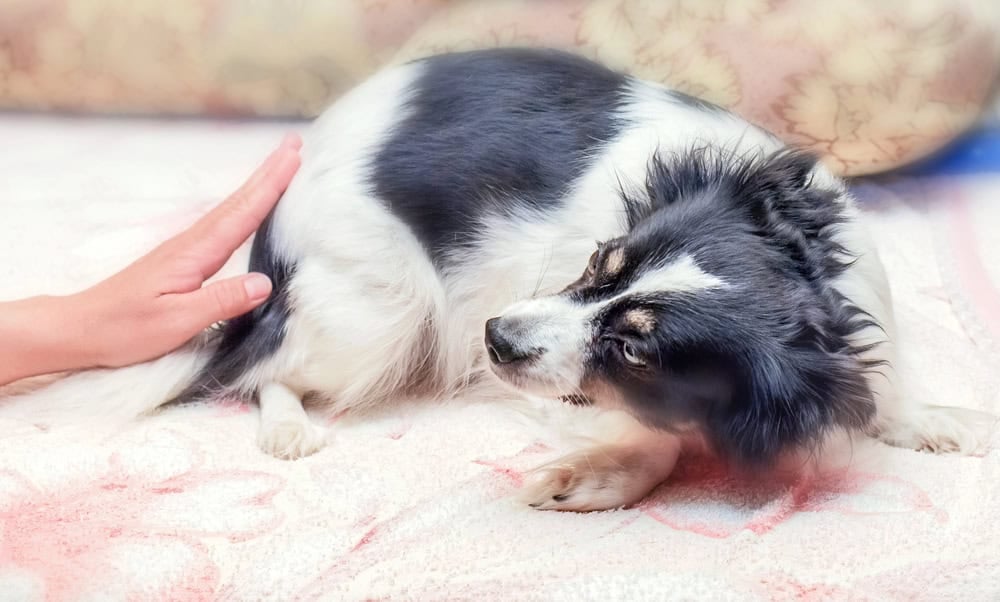
Understanding what calms and what triggers anxiety in dogs is key to helping them feel safe, happy, and emotionally balanced. From soothing music and gentle massages to maintaining a consistent routine, small actions can make a big difference in your dog’s well-being. Creating a peaceful environment and recognizing your dog’s unique preferences can help reduce stress and encourage better behavior over time.
On the flip side, it’s just as important to recognize the things that may unintentionally make your dog anxious — such as loud noises, sudden changes, or being left alone too often. By being mindful of these stressors and taking proactive steps to avoid or manage them, you can build a stronger, more trusting bond with your furry friend. Ultimately, a calm dog is a healthier, happier dog — and a more joyful companion for you.

As a little kid, I fell in love with nature, wildlife, and animals. Living in the USA, South Africa, Italy, China and Germany gave me the opportunity to discover the world's Wildlife. My favorite animals are Mountain Gorillas, Siberian Tigers, and Great White Sharks.
I'm a certified PADI Open Water Diver, went to Everest Base Camp and Trekked Gorillas in Uganda. I hold a Master of Science in Economics and Finance.
Please send any feedback to feedback@animalsaroundtheglobe.com
- 12 Creatures That Use Deception to Survive in the Wild - June 26, 2026
- 12 Animals That Can Learn and Mimic Human Speech - June 26, 2026
- 14 Wild Animals That Live Longer Than You had Expect - June 26, 2026