
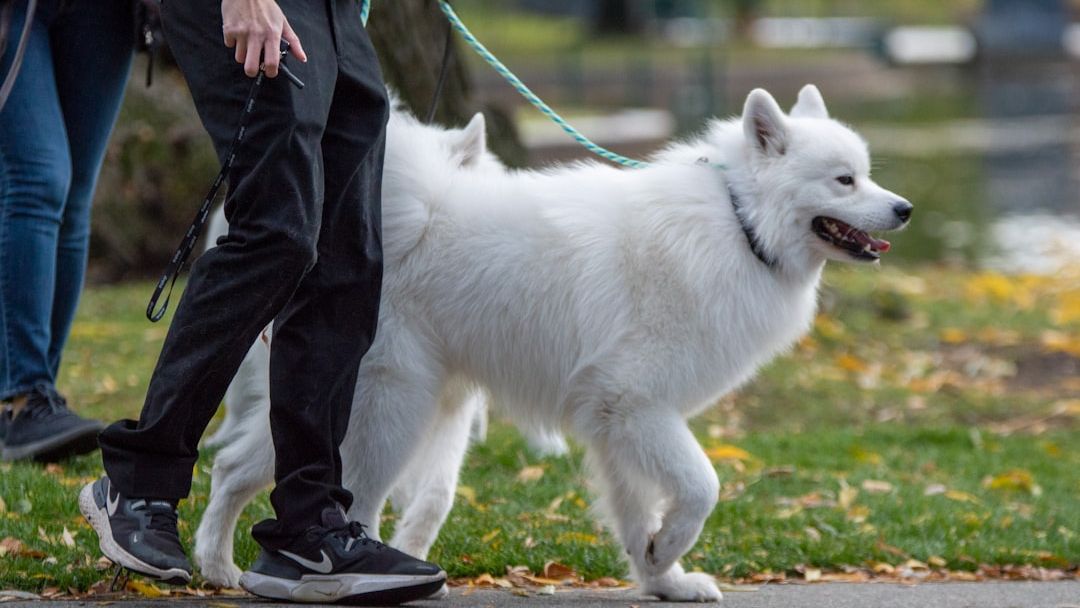
Many people who have shared their lives with dogs for decades feel they have the routine down cold. Yet the quiet observations from veterinary clinics suggest that a few adjustments, especially as both owner and dog enter later years, can shift daily life in meaningful ways.
The details often come down to noticing small changes before they grow larger and finding ways to keep the partnership comfortable on both sides of the leash.
Senior Checkups Catch Issues Earlier Than Expected
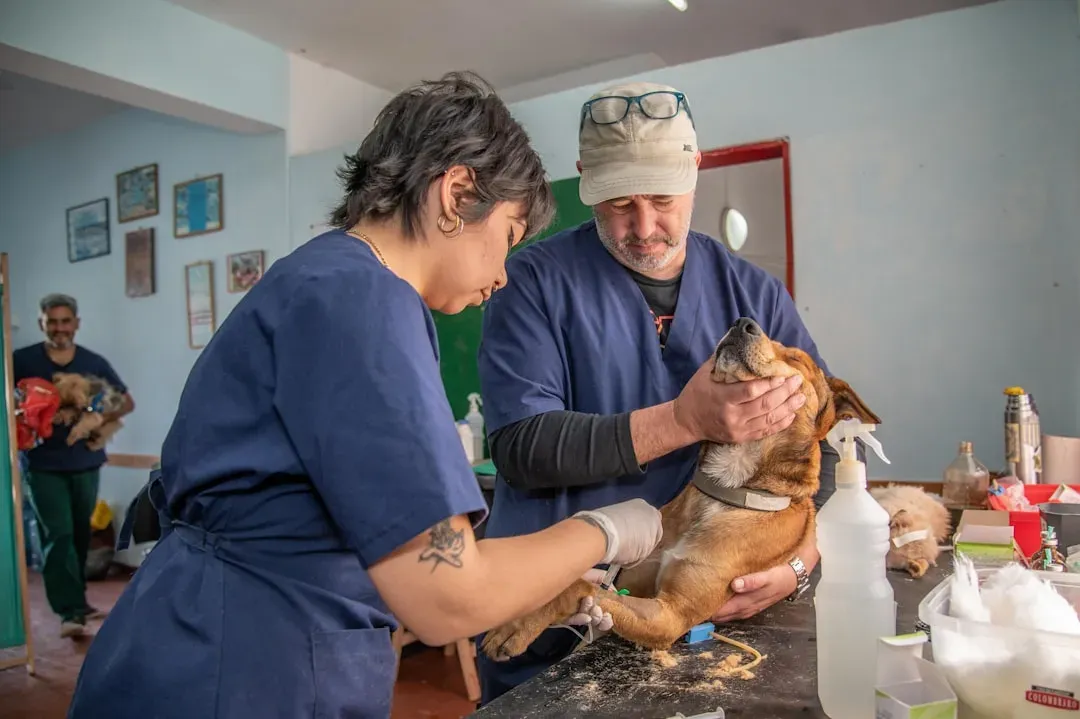
Dogs age faster than people realize, and what looks like normal slowing can hide conditions that respond well to early attention. Vets often see owners bring in pets only when symptoms become obvious, yet twice yearly visits after age seven allow bloodwork and exams to flag kidney changes or heart murmurs while they remain manageable.
These appointments also give time to discuss how an owner’s own mobility or schedule might affect medication timing or follow up care at home.
Food Portions Need Regular Recalculating
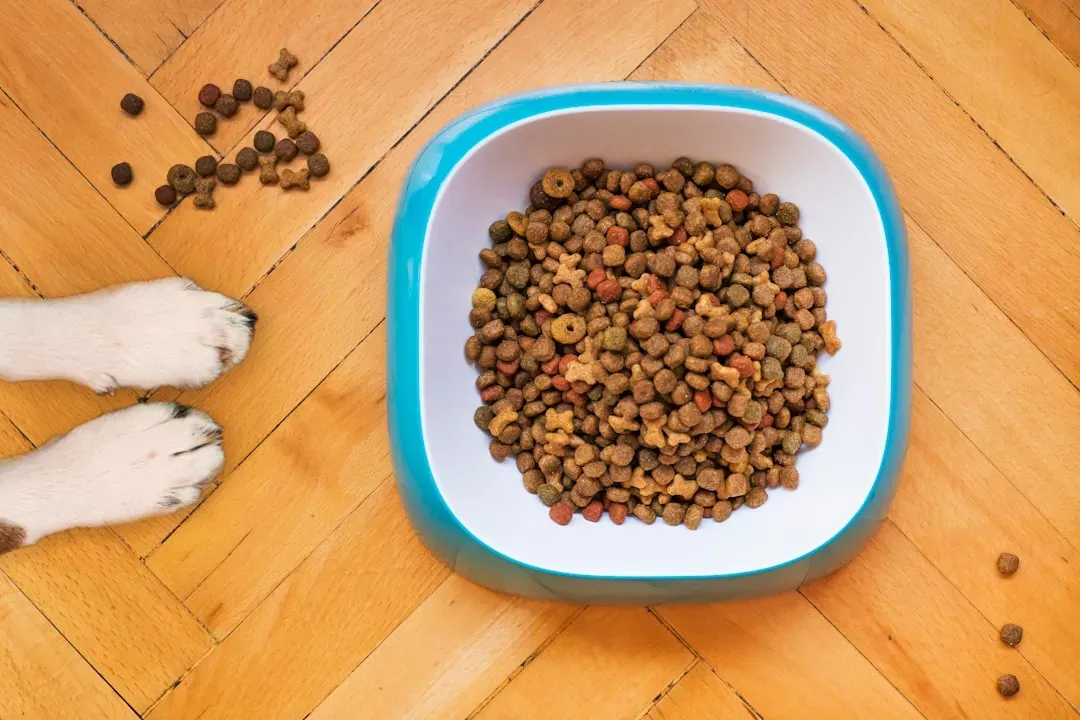
Metabolism slows in older dogs just as it does in people, so the same bowl of kibble that worked at five years old can quietly add extra pounds by ten. Vets notice that many owners over sixty keep the same feeding habits out of habit, yet adjusting protein levels and calories helps maintain muscle without straining joints.
A quick scale check at home every few weeks, combined with a vet review of the current formula, prevents the gradual weight creep that shortens comfortable years.
Short Walks Beat Long Ones for Joint Health
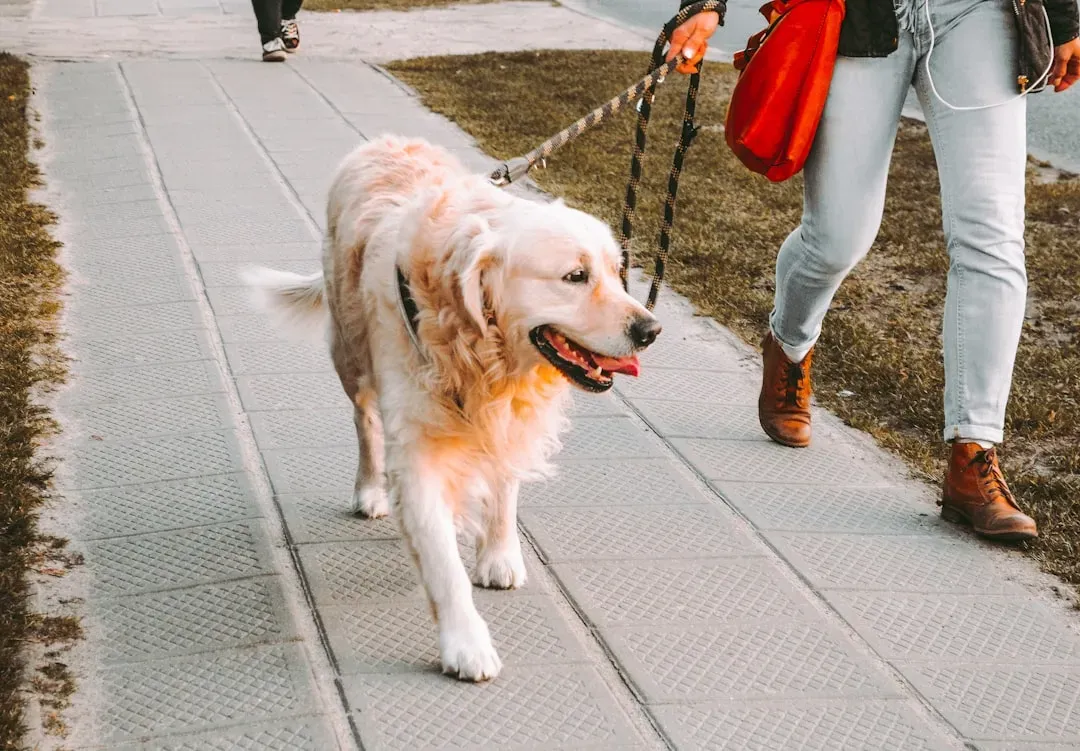
Arthritis develops gradually, and what once felt like a brisk daily loop can now cause stiffness that shows up hours later. Owners in their sixties sometimes push for the same distance they managed years ago, yet several shorter outings spread through the day keep circulation moving without the post walk limp.
Adding a few minutes of gentle stretching or a ramp for the car can make those outings sustainable for both dog and handler.
Dental Care Protects More Than Just Teeth
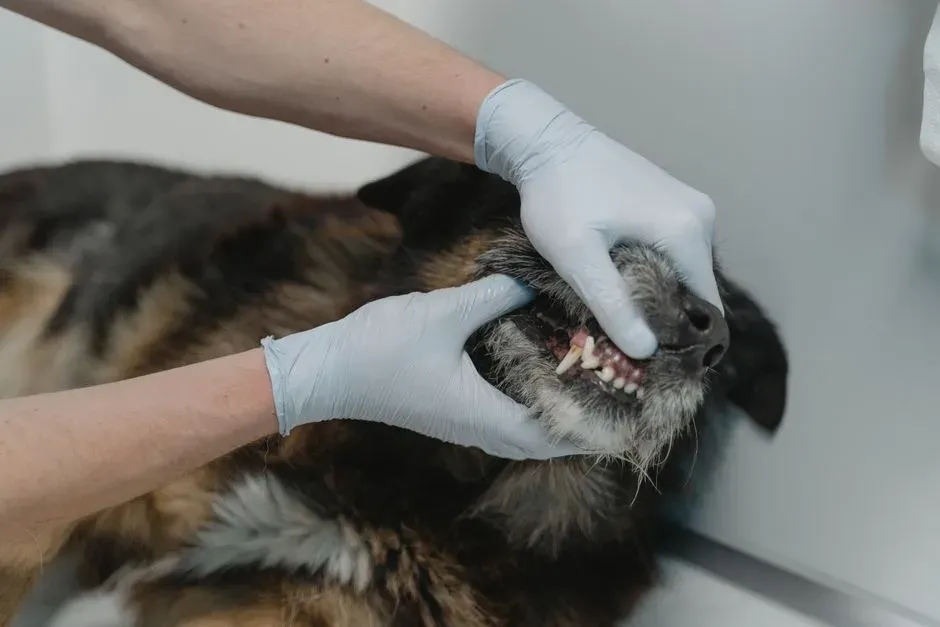
Plaque buildup leads to bacteria that travel through the bloodstream and affect organs, yet many owners assume bad breath is simply part of aging. Professional cleanings under anesthesia, when the dog is stable, remove the source far more effectively than daily chews alone.
Between visits, finger brushes or dental gels fit easily into an evening routine and reduce the frequency of those deeper cleanings.
Pain Shows Up in Quiet Ways
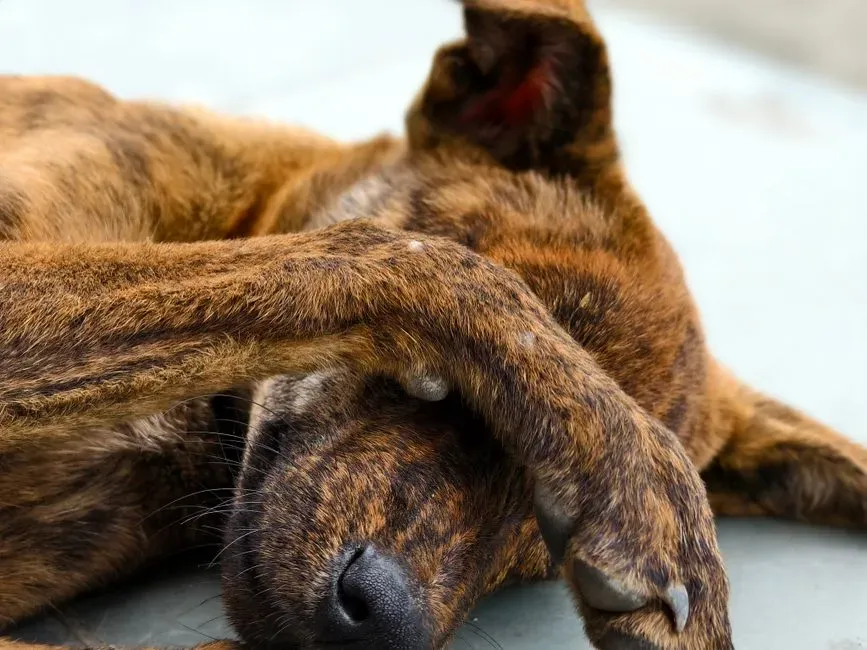
Dogs rarely vocalize discomfort the way people expect, so a sudden reluctance to jump on the bed or a shift in how they greet family at the door can signal trouble. Owners who have lived with the same dog for years sometimes read these changes as personality shifts rather than physical ones.
Video clips of the dog moving around the house help vets spot subtle guarding or uneven steps that an exam table might miss.
Preventatives Still Matter in Later Life
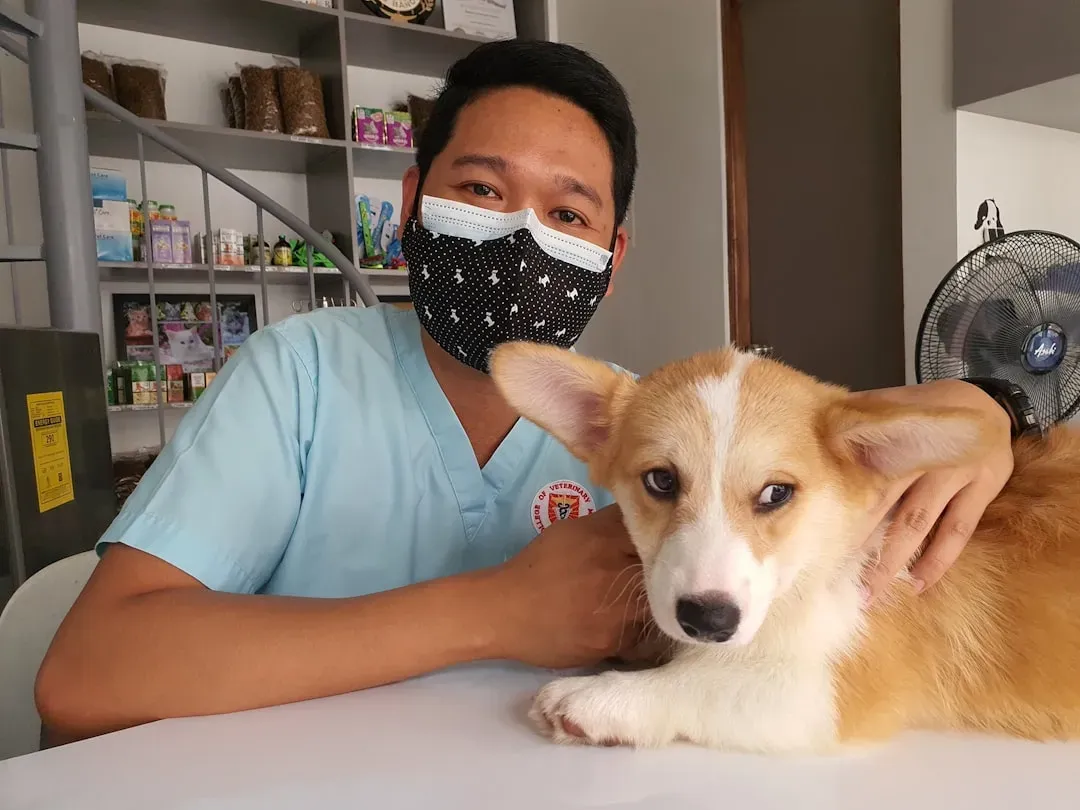
Heartworm and flea protection remain essential even when the dog spends more time indoors, because a single missed dose can create problems that compound with age. Vets see cases where owners ease off these products once the dog slows down, yet the risk from mosquitoes or yard visitors does not disappear.
Monthly reminders on a phone calendar keep the habit consistent without adding another daily task.
Mental Games Keep the Mind Sharp
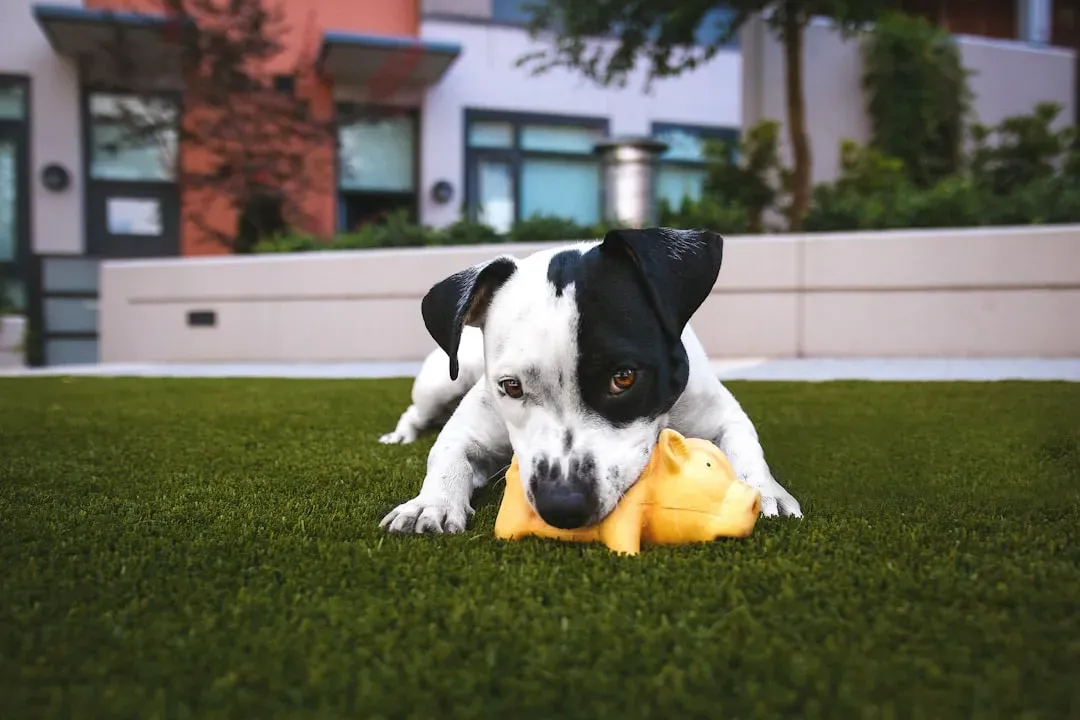
Cognitive changes appear as disorientation or altered sleep patterns, and simple puzzle feeders or scent games provide stimulation without requiring extra physical effort. Owners often focus on physical comfort and overlook the value of five minutes of nose work each evening.
These activities also create shared moments that strengthen the daily rhythm both dog and person rely on.
Weight Management Starts With Small Daily Choices
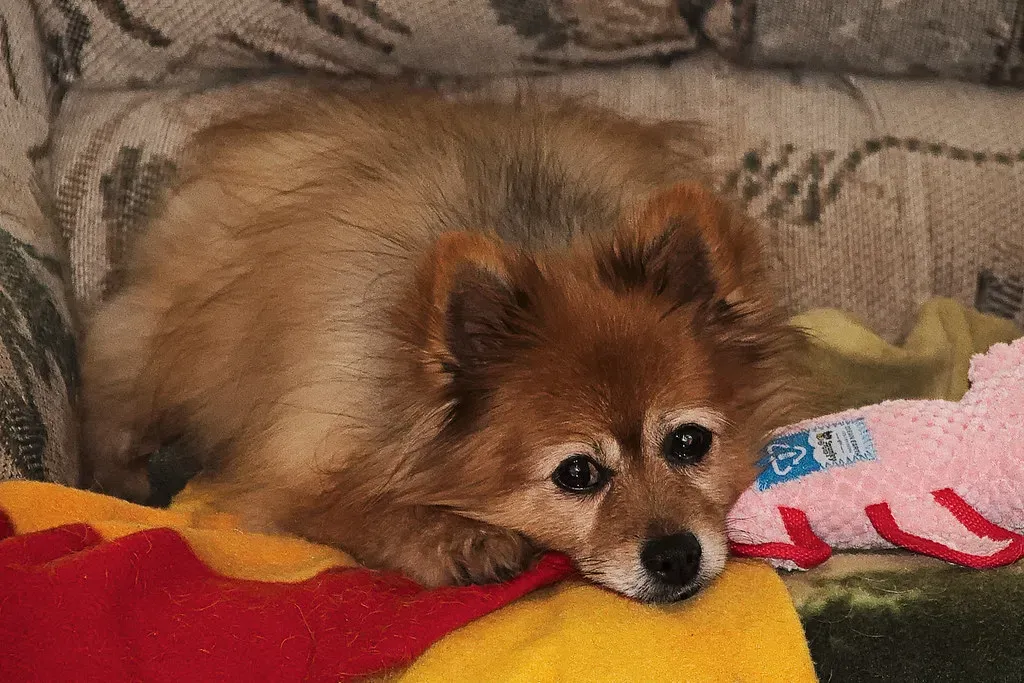
Treats given from the table or during long afternoons add up quickly when activity levels drop. Vets recommend measuring portions once a week rather than estimating, because the difference between a healthy senior weight and one that stresses the heart can be only a few ounces.
Swapping high calorie snacks for carrot slices or green beans keeps the ritual of giving without the extra load.
Home Adjustments Ease Daily Movement
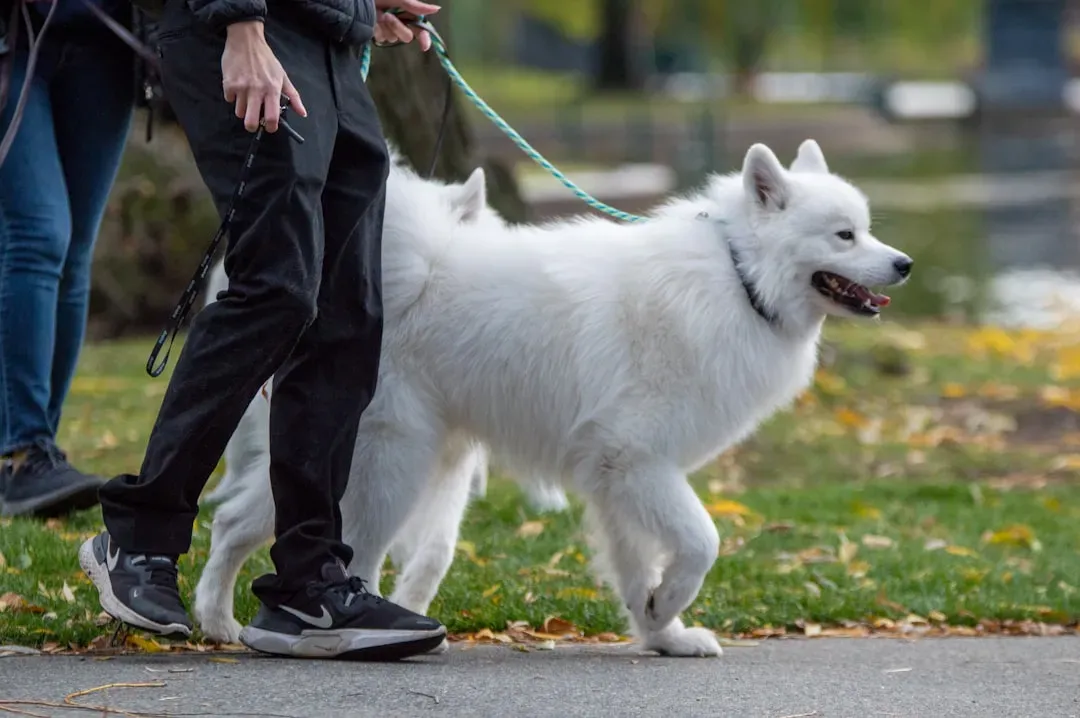
Area rugs with nonslip backing and raised food bowls reduce the strain of bending or slipping on hard floors. Owners who have lived in the same house for years may not notice how a single step up to the deck now challenges balance.
These small changes often extend the time a dog can navigate independently and reduce the worry of falls for everyone involved.
Cognitive Support Comes From Routine
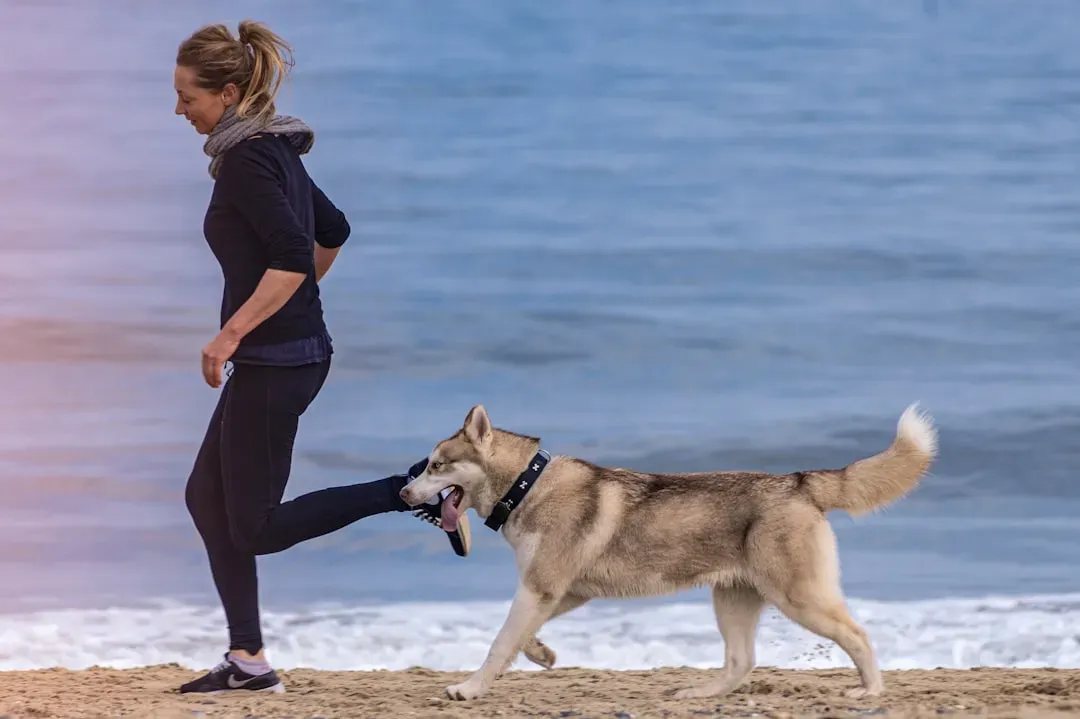
Consistent feeding times, familiar walking routes, and night lights in hallways help dogs with fading senses stay oriented. Vets notice that sudden schedule changes, even well intentioned ones like new furniture placement, can increase nighttime pacing.
Keeping a simple log of sleep and appetite patterns makes it easier to spot when something feels off and deserves a call to the clinic.
Planning for the Future Reduces Later Stress
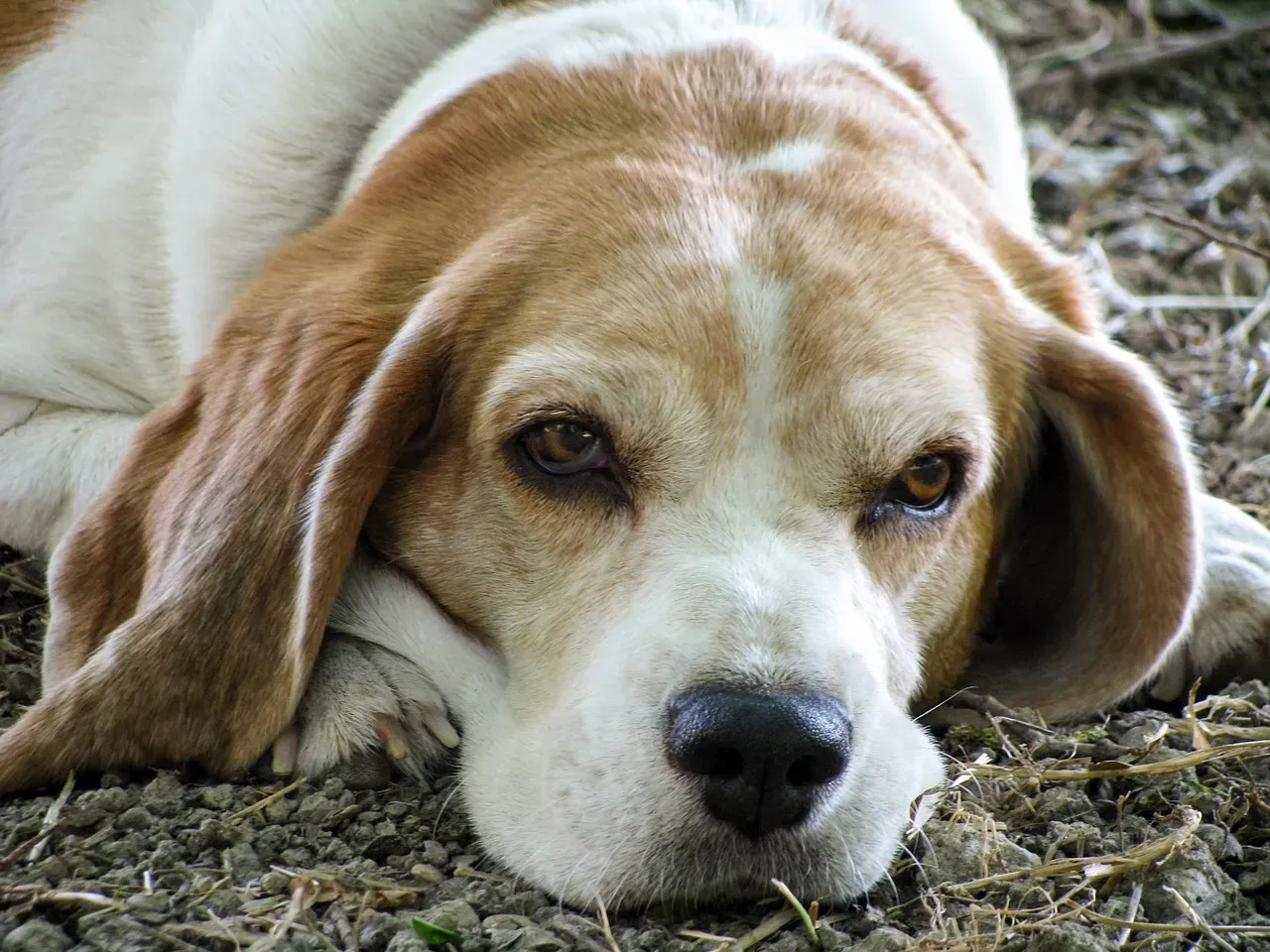
Discussing end of life preferences while the dog is still comfortable allows owners to make decisions without urgency. Many people over sixty already handle similar planning for themselves, yet the same conversations about their dog often wait until a crisis arrives.
A folder with medical records and a trusted friend or family member who knows the dog’s habits provides peace of mind on both sides.
Your Own Energy Levels Shape the Partnership
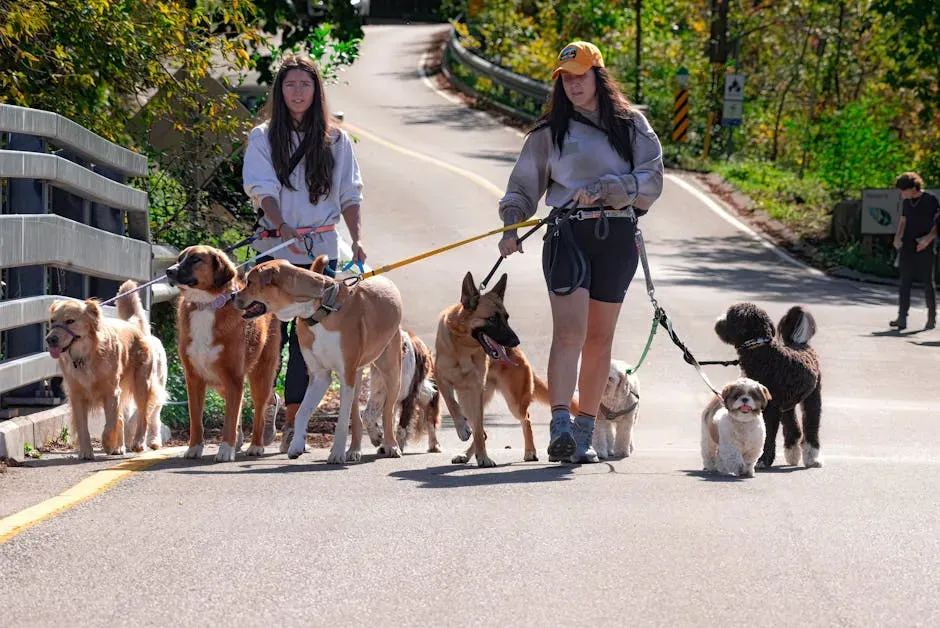
Owners who feel their own stamina changing sometimes hesitate to ask for help walking the dog or carrying supplies. Vets see that honest conversations with family or hiring a reliable dog walker preserves the bond without turning care into a burden.
Recognizing when to adjust expectations keeps the relationship enjoyable rather than exhausting for either party.
These observations come from years of watching dogs and their people navigate the later chapters together. Small shifts in attention and habit often add up to more comfortable days for everyone involved.

- Why Crows Can Remember Your Face for Years (And What They Do With That Information) - August 14, 2026
- Watch This Penguin Experience Snow for the First Time - August 14, 2026
- The Colorado River Is Drying Up – Here’s What Happens When It Finally Runs Out - August 14, 2026