
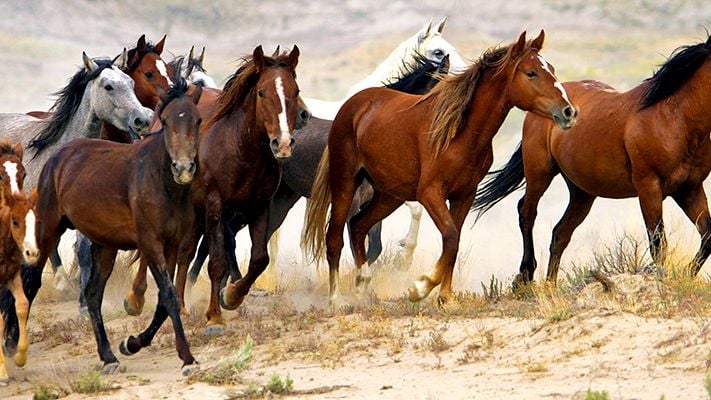
There is something quietly remarkable about seeing a horse that answers to no one. No saddle, no fence line, no name tag. Just an animal navigating a landscape on its own terms, the way its ancestors did long before barns and bridles were part of the picture.
The mustang is a free-roaming horse of the Western United States, descended from horses brought to the Americas by the Spanish conquistadors. Though often called wild horses, they are technically feral, meaning they descend from once-domesticated animals that returned to a free-roaming life. That distinction matters less when you see a herd moving across a canyon ridge at dusk. The experience is the same either way.
As of March 1, 2026, the nationwide population of wild horses and burros is estimated at 85,466 animals. They are scattered across deserts, coastlines, mountain ranges, and badlands. Some states hold thousands; others hold just a few hundred clinging to isolated islands. Across all of them, the story of how these horses got there, and why they’re still there, is worth knowing.
Nevada: The Heartland of the American Mustang
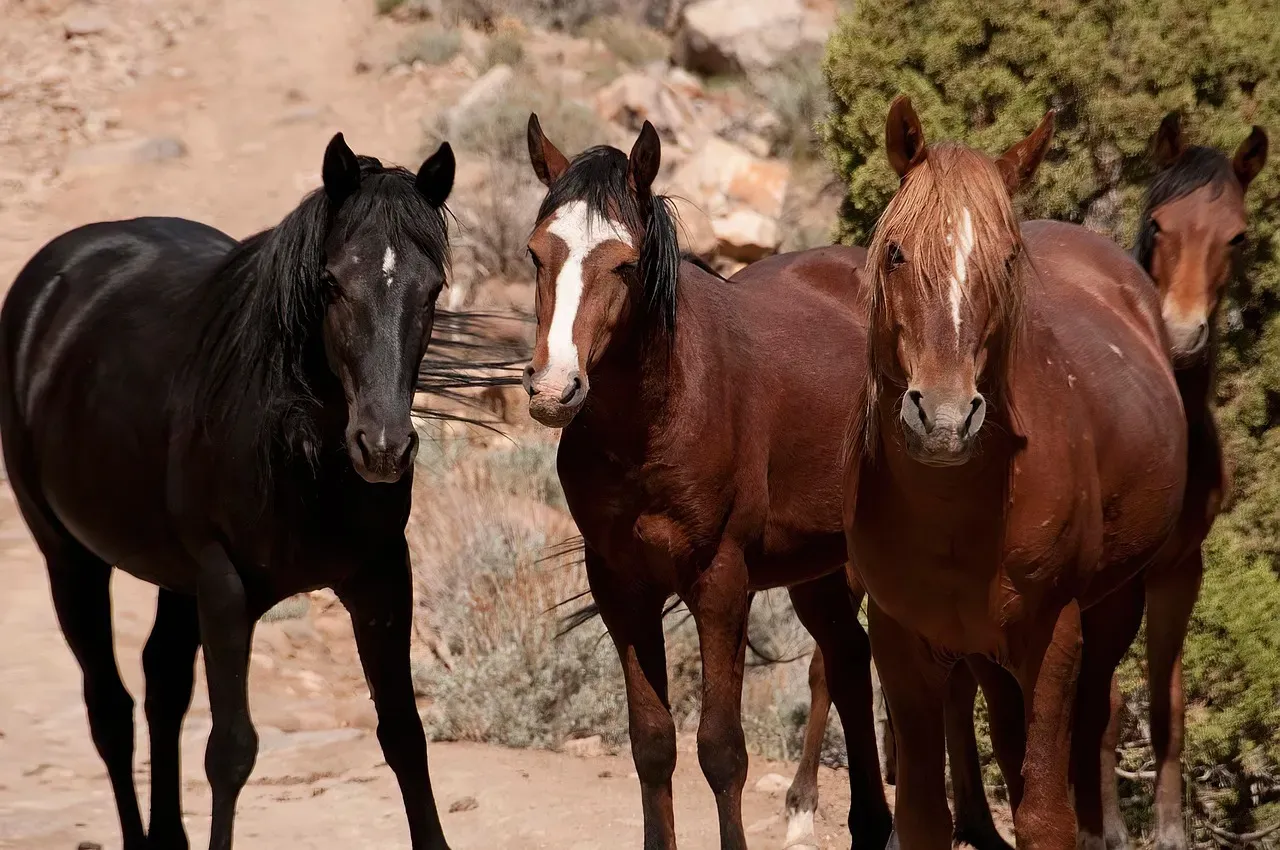
Nevada is, without question, the center of gravity for wild horses in the United States. More than half of all free-roaming mustangs in North America are found in Nevada, which even features horses on its State Quarter. The sheer scale of the state’s open landscape makes it the closest thing to true horse country that still exists today.
Much of Nevada is wide open with a desert-like climate, which means wild animals can be found throughout the state, but it can be difficult to pinpoint migrating herds at any given time given the sheer volume of space throughout the 17 counties. The Virginia Range, located between Reno and Virginia City, offers the most reliable viewing opportunity.
The Virginia Range became famous partly because the large mustangs there fueled the Free-Roaming Wild Horses and Burros Act of 1971 as a result of the protest made by Velma Johnston. Johnston, known popularly as “Wild Horse Annie,” helped turn public outrage over cruel roundup methods into one of the most sweeping animal protection laws in American history.
Wyoming: Home to America’s Rarest Curly-Haired Mustangs
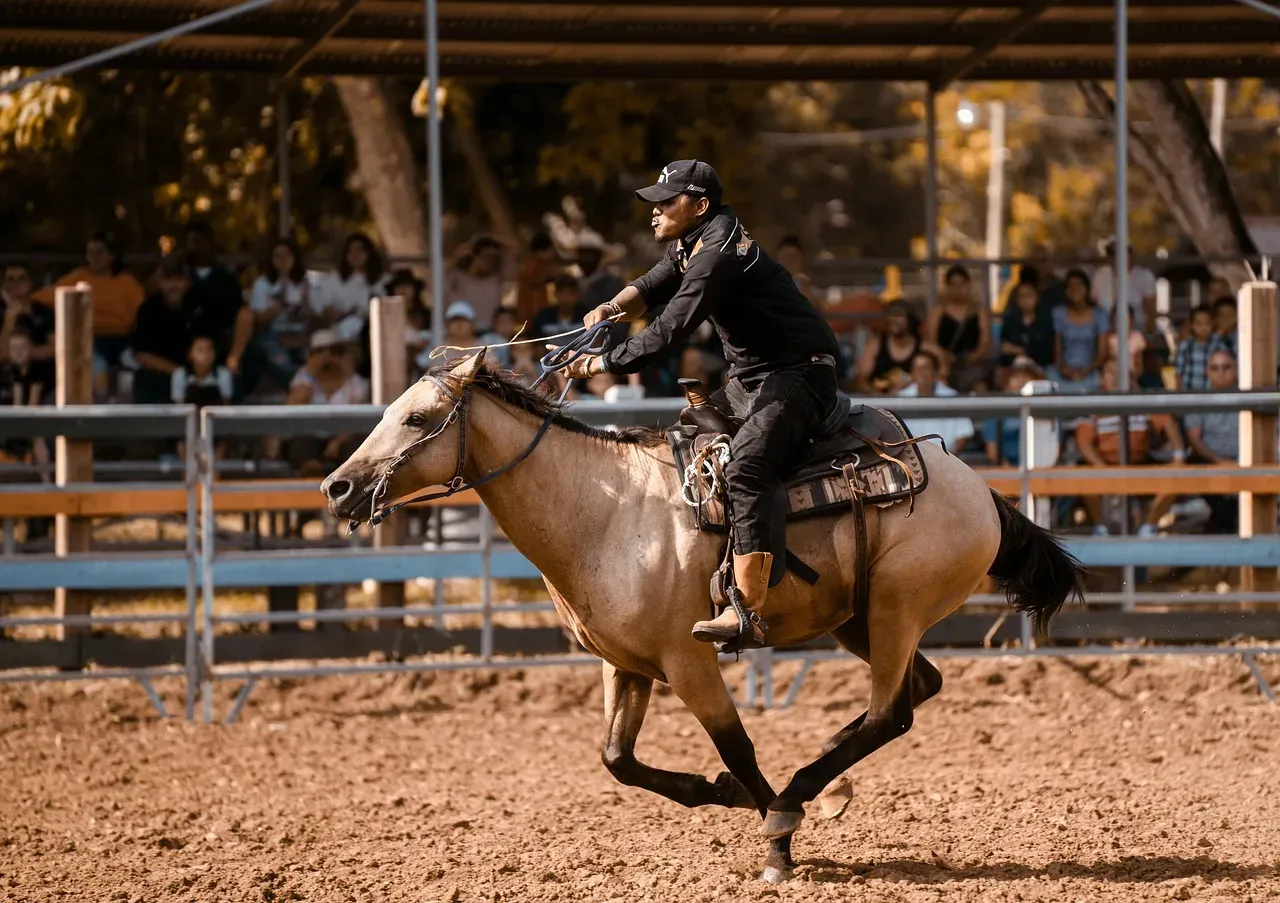
Wyoming hosts approximately 6,000 to 7,000 wild mustangs, and the state’s landscapes, including grasslands and mountains, provide great grazing opportunities. It is a place where the idea of the American West still feels tangible and unscripted.
Wyoming offers something truly extraordinary: one well-known herd is thought to include several hundred horses, about 100 of which are of the unusual curly-haired variety, the largest known population of these rare animals in the country. They represent a genetic thread that connects modern wild herds to something older and more unusual.
The broad sagebrush plains and high mountain terrain of Wyoming create an environment where horses can genuinely thrive with minimal human interference, which is part of why their numbers here have remained comparatively stable across the decades.
Colorado: Surviving on the Western Slope
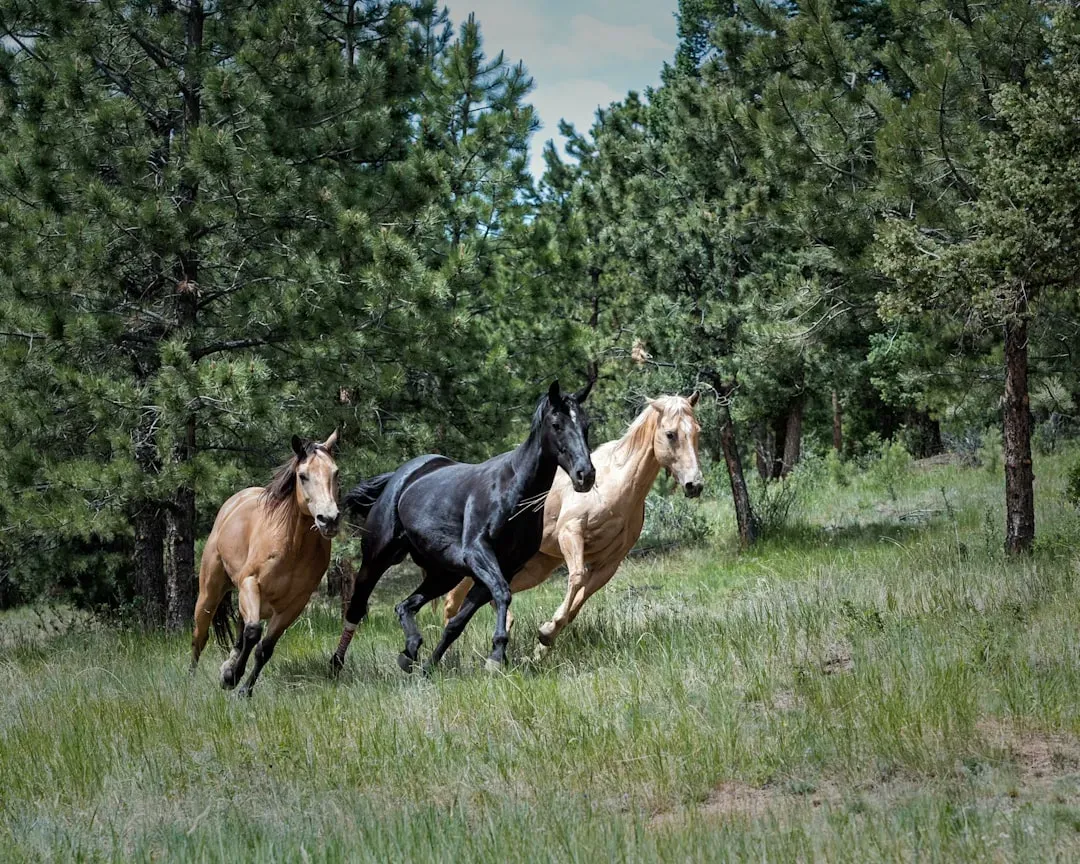
Within Colorado, wild horses can only be found on the western slope of the Rocky Mountains, where the Bureau of Land Management manages existing herds in four specific Herd Management Areas. The terrain is rugged, the winters harsh, and the politics around these animals are especially contentious.
The Sand Wash Basin Herd Management Area is managed by the Bureau of Land Management and encompasses a total of 157,730 acres of public and state land. It is one of the most visited wild horse areas in the entire country, drawing photographers and conservationists year-round.
Federal and state officials have concentrated on fertility control options that would help maintain herd sizes of the roughly 1,300 wild horses roaming free in Colorado. The debate between preservation advocates and land managers remains active, with no simple resolution in sight.
Utah: Desert Herds Pushing the Limits of Survival
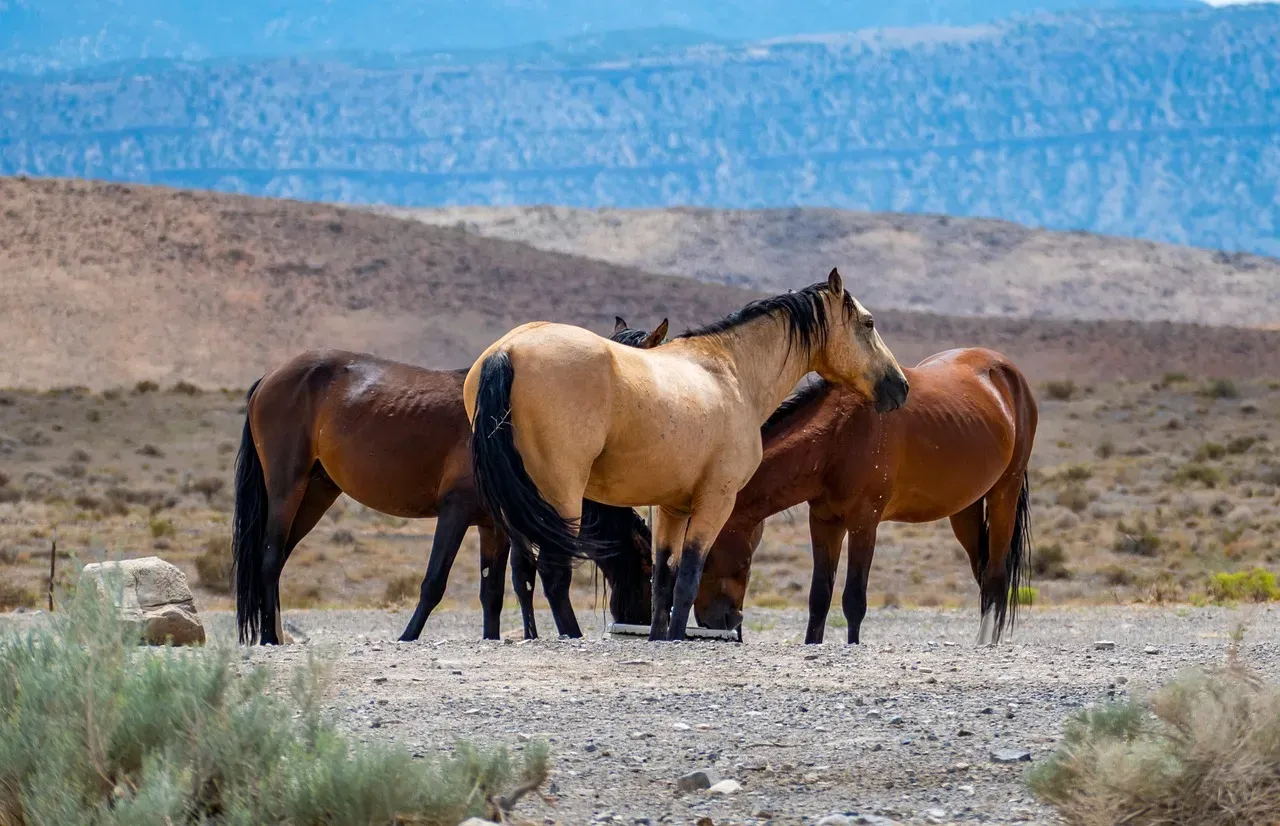
Herds of wild horses can be found in Arizona, California, Colorado, Idaho, Montana, Nevada, New Mexico, Oregon, Utah, and Wyoming, and each of these herds is incredibly unique, with its own genetic background, history, and survival techniques honed from years of living in deep relationship with the surrounding environment.
Utah’s wild horse population occupies some of the most visually dramatic terrain in North America, from high desert plateaus to canyon country near the Colorado border. In some very arid areas of the range, it can take 20 acres or more to sustain one horse for a single month, which illustrates just how much ground these animals must cover to survive.
The scale of Utah’s public land holdings means there is room for these horses to exist, at least for now, but the ongoing pressure from cattle grazing interests and growing land-use conflicts keeps the future uncertain for many individual herds.
Arizona: Desert Mustangs Against a Dramatic Backdrop
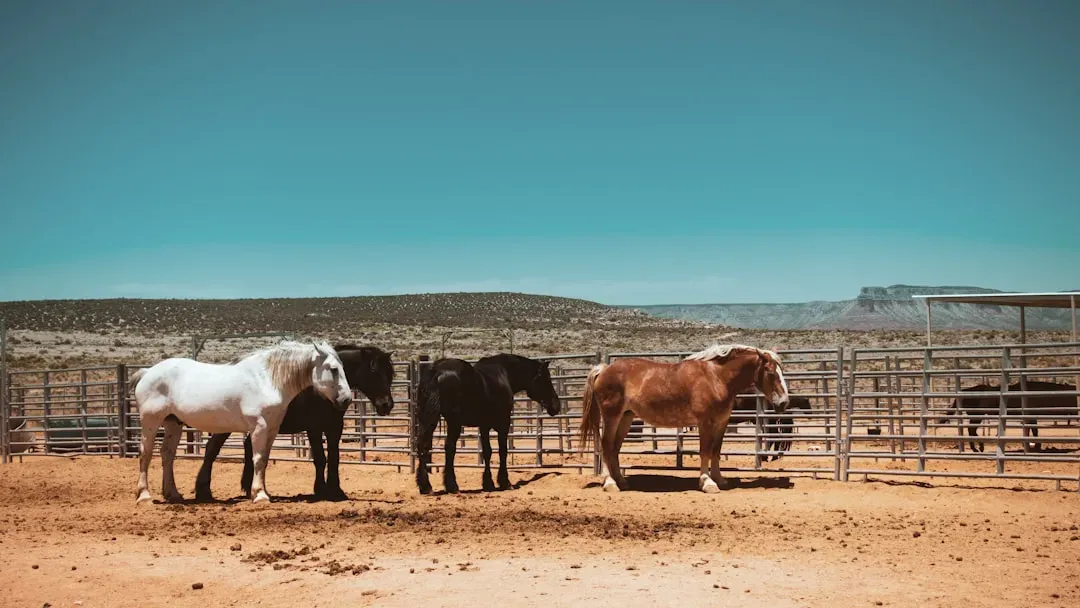
Arizona, similarly to Nevada, has vast open spaces of desert-like climate, and horses can usually be found throughout the state. The Heber Wild Horse Territory, managed by the U.S. Forest Service in the Apache-Sitgreaves National Forests, is among the most well-known herd areas in the state.
Arizona horses have adapted remarkably to life in hot, arid conditions. Horses have evolved in ways that allow them to live in difficult environments, including deserts, salt marshes, barrier islands, canyons, and prairies. That adaptability is part of what makes them so resilient, even in landscapes that seem inhospitable at a glance.
The ongoing challenge in Arizona, as in much of the West, is balancing these herds with the needs of ranchers and wildlife agencies managing other sensitive species on the same land. It’s a tension without an easy resolution.
Montana: The Pryor Mountains and Ancient Spanish Blood
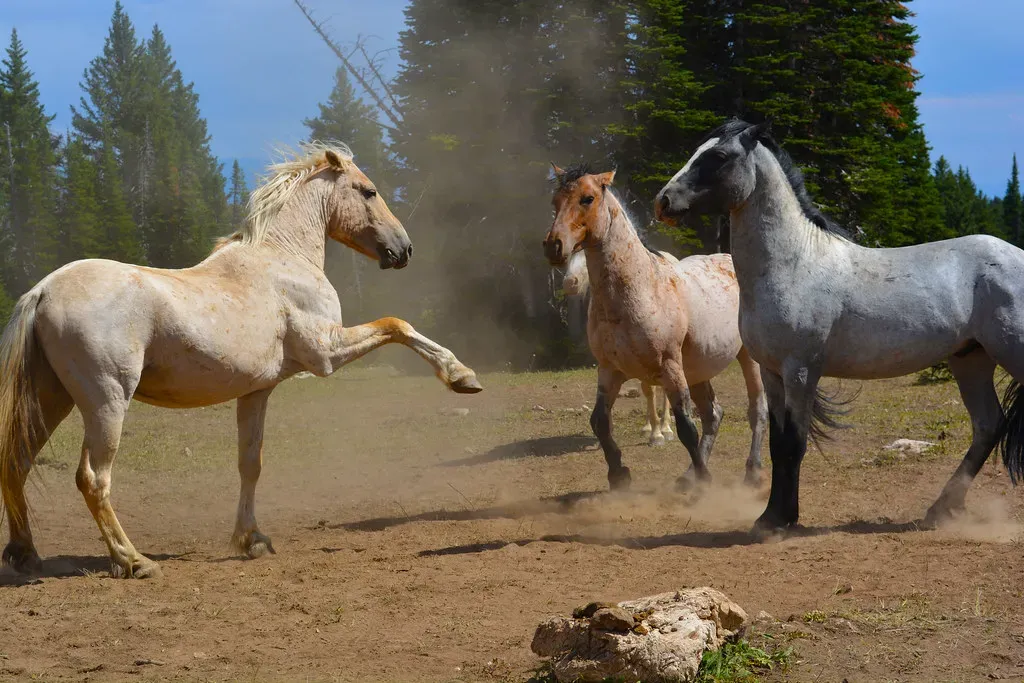
Tucked along the Montana-Wyoming border, the Pryor Mountains shelter one of America’s most historic wild horse populations. This herd has occupied these rugged peaks since at least the 1700s, making them descendants of Spanish horses brought north by Native American tribes, and their genetic makeup includes rare Spanish Barb characteristics rarely found elsewhere.
The landscape here is breathtaking but challenging, with steep canyons, limestone cliffs, and high-altitude meadows. Horses navigate this terrain with impressive agility, often appearing on ridgelines against dramatic sky backdrops. The Pryor Mountain Wild Horse Range was one of the first areas established specifically to protect wild horse populations following the 1971 Act.
For researchers and conservationists, the Pryor herd holds particular value because its relative isolation has preserved a genetic lineage that is increasingly rare across the wider mustang population.
Oregon: Steens Mountain and the Kiger Mustang
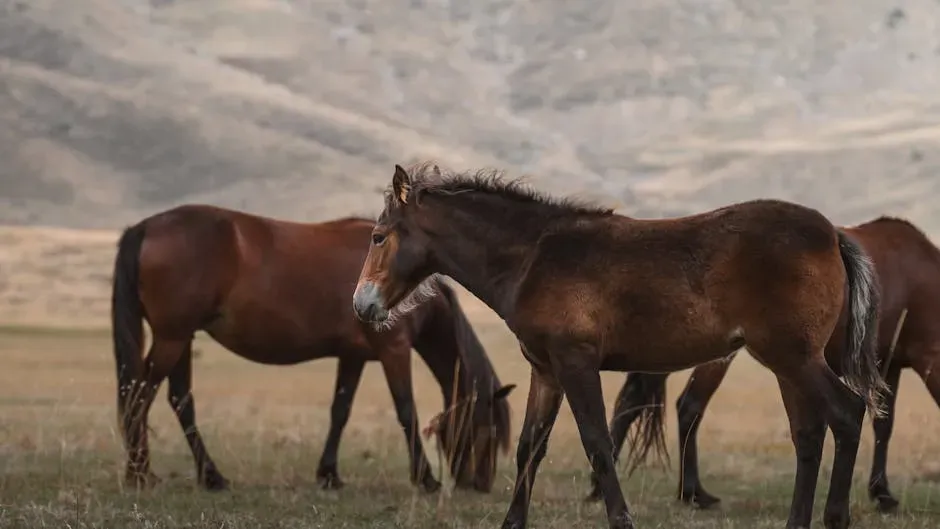
Oregon holds a special place in the wild horse story. Wild, free-roaming horses can be found on public lands across 10 western states, and wild burros also roam rangeland in California, Nevada, Arizona, Utah, and Oregon. The state’s eastern high desert supports several active herds.
Among them, the Kiger mustangs of Steens Mountain stand apart. Believed to carry exceptionally strong Spanish Colonial Horse genetics, the Kiger is a distinctive dun-colored horse with primitive markings. Scientists have noted their unusual uniformity of appearance, a sign of genetic isolation over many generations.
Oregon’s BLM-managed herd areas face the same population management pressures as those in Nevada and Wyoming, but the Kiger Mustang’s uniqueness has generated a dedicated conservation community that actively monitors and advocates for the herd’s protection.
California: Where Urban Sprawl Meets Wild Horses
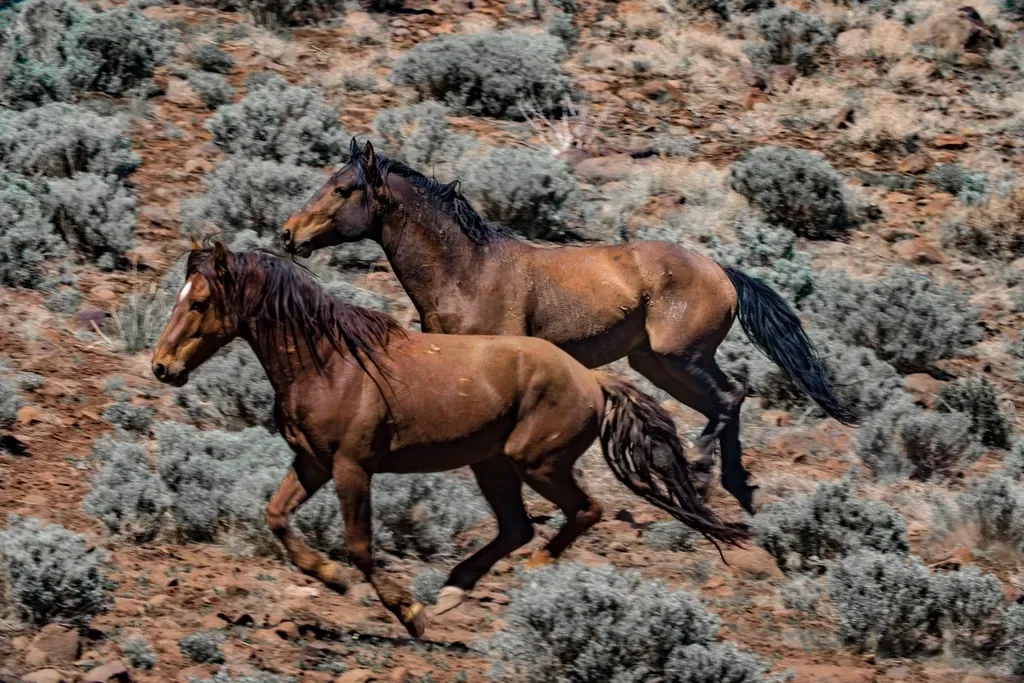
California presents one of the more complex wild horse situations in the country. The states with the most wild horses include California, Nevada, Oregon, Utah, and Arizona. California’s populations are scattered across its inland high desert and volcanic plateau regions, far from the coastline most people associate with the state.
The Modoc Plateau in northeastern California and the Surprise Field Office area are among the key zones where managed herds exist. Wild horses are becoming less common overall, because many are being caught and domesticated and the available public land for them to roam is shrinking. California’s rapid land development makes this pressure especially acute.
Still, established herds in these remote corners of the state persist, and several advocacy groups based in California have been among the most vocal nationwide in pushing for non-lethal population management and expanded protected range.
Idaho: Sagebrush Country and the High Desert Range
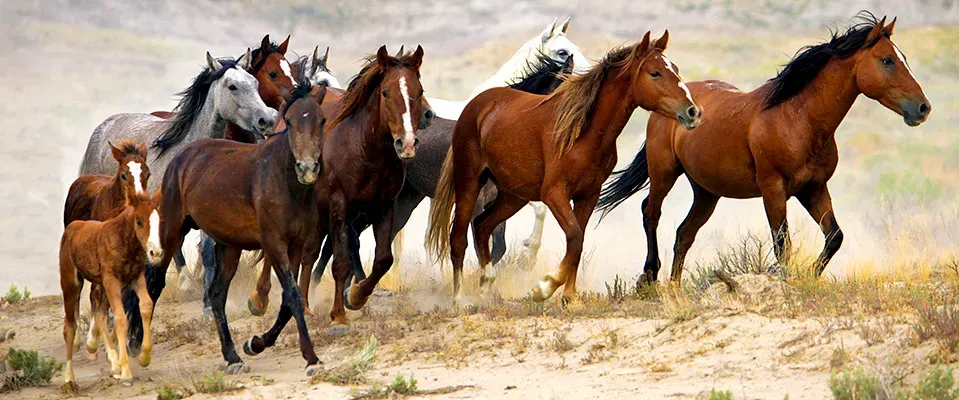
Southern Idaho’s Saylor Creek area encompasses over 100,000 acres of classic high-desert landscape where wild horses roam in small bands across seemingly endless sagebrush plains, offering a glimpse of how the Old West looked before modern settlement, with around 150 horses adapted to the harsh conditions of cold winters and hot, dry summers.
Idaho’s wild horse populations are generally smaller than those in Nevada or Wyoming, but they occupy terrain that has changed very little over the past century. The remoteness that makes these herds hard to visit is also what has allowed them to survive with minimal disruption.
These horses not only have to contend with human development that often cuts off their access to food and water resources, but with climate changes that threaten their already tough habitat. In a semi-arid state like Idaho, those pressures are increasingly real.
North Dakota: Wild Horses of the Badlands
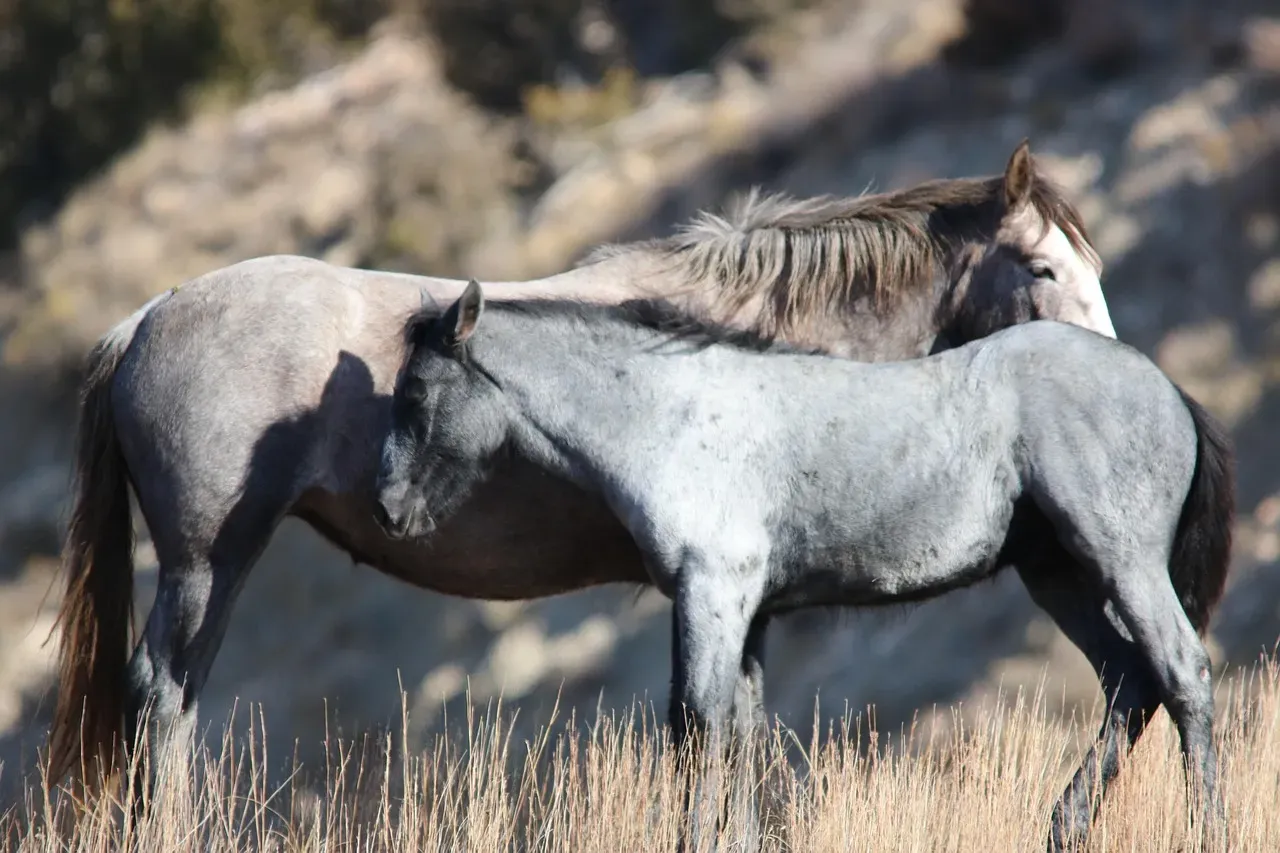
Not many people associate North Dakota with wild horses, but Theodore Roosevelt National Park has one of the most interesting feral horse stories in the entire country. President Theodore Roosevelt visited this part of North Dakota during the open-range era, when ranchers allowed horses to roam freely. In 1954, the park was fenced and rangers rounded up all the horses they could, removing around 200, but a few bands eluded capture and have continued to prosper over the decades.
The south unit of the park is home to a herd of approximately 300 American bison and a historic demonstration herd of feral horses. These horses have become one of the park’s defining attractions, drawing visitors who may never have considered North Dakota a wildlife destination.
Wild horses were already established in the North Dakota Badlands when President Truman signed the bill creating Theodore Roosevelt National Memorial Park in 1947, and for decades upon decades these horses have coexisted peacefully with the national park, becoming a hugely popular attraction and an indelible symbol of the untamed character of the Badlands.
Virginia and Maryland: The Famous Pony Islands of the East Coast
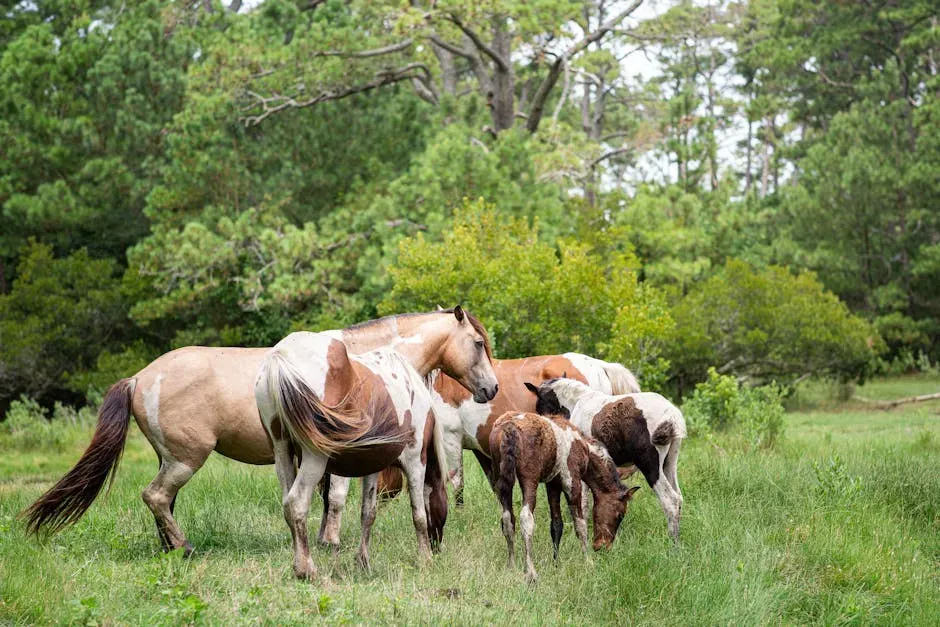
Most wild horse conversations center on the West, but not all wild horses reside in the West. Wild breeds can be found on the East Coast as well, for those who know where to look. Assateague Island, split between Maryland and Virginia, is the most famous coastal horse habitat in the country.
Maryland is home to wild horse herds on Assateague Island, the northernmost state on the East Coast where it is common to see wild horses. The herds living on this island are feral and free to roam, living completely off the land, and the National Park Service manages the horses by carefully tracking their population numbers.
On the Virginia side, more horses live on Chincoteague Island than on the Maryland portion of Assateague, roughly 150 compared to 75, and they are contained within two fenced areas of the island managed by the Chincoteague Volunteer Fire Company. Every July, the annual Chincoteague Pony Swim draws enormous crowds as the horses cross the channel between islands, a tradition that has continued for nearly a century.
North Carolina: Spanish Mustangs on the Outer Banks
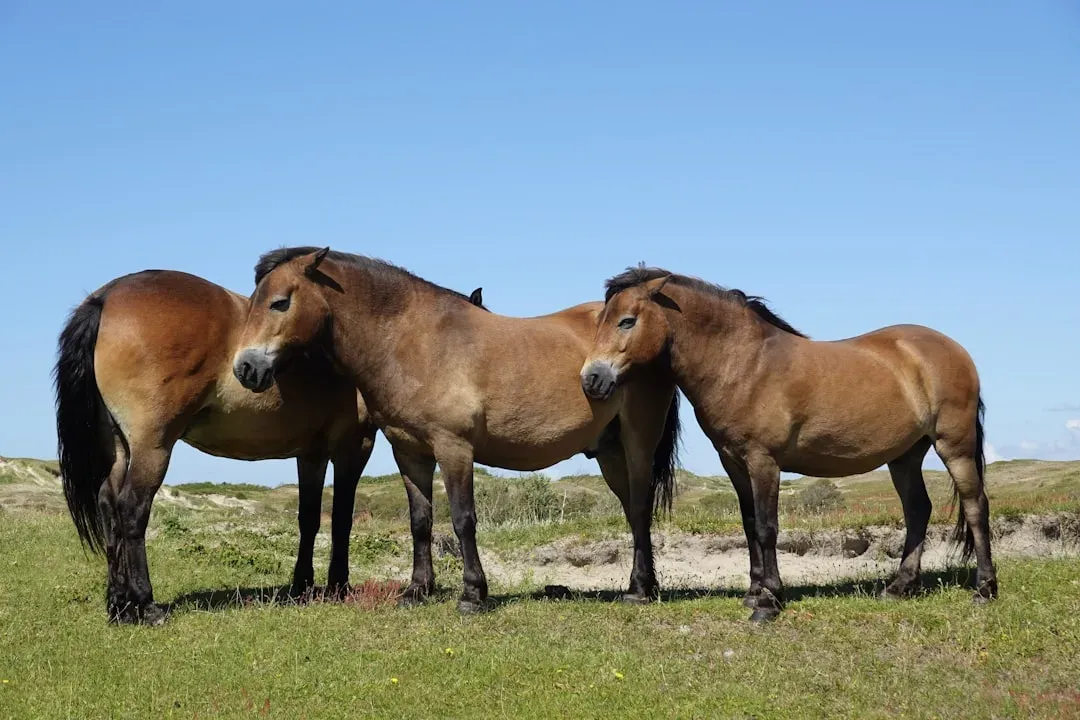
For more than 500 years, the most enduring residents of the Outer Banks, the wild Colonial Spanish Mustangs, have called this sliver of land between sound and sea home. They are feral horses descended from a herd brought by explorers as early as the 1520s, and they are recognized as the state horse of North Carolina. Few wild horse stories carry as much historical weight.
Shackleford Banks, part of Cape Lookout National Seashore near Beaufort, is home to approximately 110 to 130 wild horses and offers one of the most accessible wild horse viewing experiences along the Crystal Coast. The island is reachable only by boat or ferry, with no roads and no permanent human presence.
In 2024, the population of Shackleford Banks wild horses was 119, just under the legislated target range of 120 to 130 horses. Cape Lookout National Seashore teams up with the Foundation for Shackleford Horses to keep an eye on the population, with every horse tracked individually and detailed records kept on births, deaths, family groups, and genetics, ensuring these horses will continue roaming Shackleford Banks for generations to come.
Why It Matters: The Broader Significance of Free-Roaming Horses
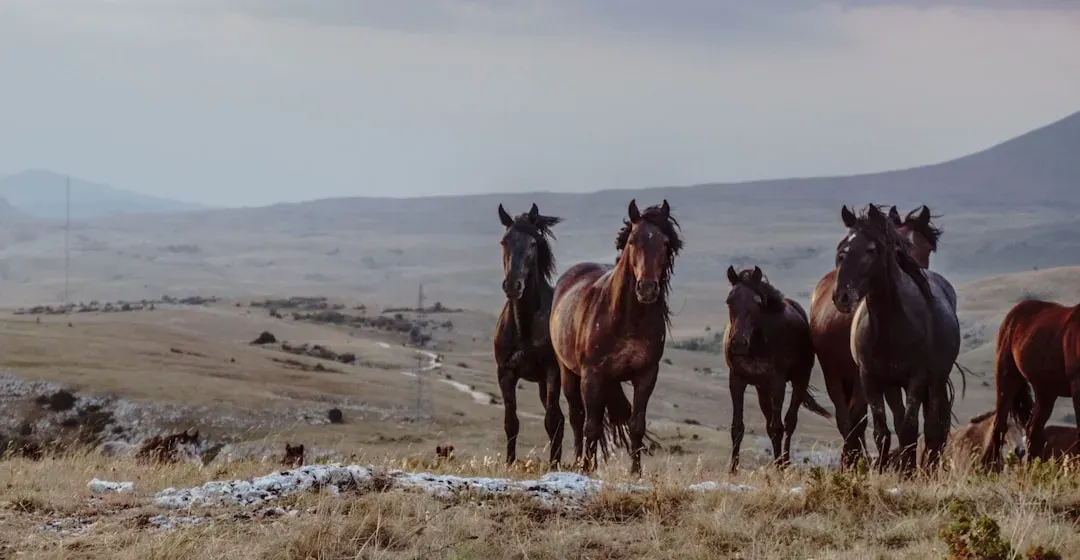
The Bureau of Land Management created the Wild Horse and Burro Program to implement the Wild Free-Roaming Horses and Burros Act, passed by Congress in 1971. Broadly, the law declares wild horses and burros to be “living symbols of the historic and pioneer spirit of the West” and stipulates that the BLM and the U.S. Forest Service have the responsibility to manage and protect herds in their respective jurisdictions.
The dual statutory mandate to protect wild horse populations while at the same time protecting rangelands from deterioration is a considerable challenge. Managing these herds requires constant balancing between ecology, land use, animal welfare, and public sentiment, none of which pull neatly in the same direction.
Without natural population controls such as predation, herds can increase at a rate of up to 20 percent annually, doubling in size in just four to five years if not appropriately managed. This biological reality is central to every policy debate around these animals. Advocates and land managers may disagree on methods, but the growth rate itself is not in dispute.
The arguments for protecting wild horses go well beyond sentiment. They are ecological participants, historic artifacts of human migration and Indigenous trade routes, and increasingly, subjects of tourism economies in rural communities that have few other major draws. Their presence contributes to a lived sense of wildness in a country where genuinely wild places keep shrinking.
The legal framework may date back to 1971, but the question of how much room America is willing to make for free-roaming animals is one that gets reexamined with every budget cycle, every roundup, and every congressional hearing. Since 1971, about 220,000 horses and burros have been adopted through the BLM, a figure that speaks to the scale of the effort required just to keep things in balance. What that balance looks like in another 50 years depends entirely on choices being made right now.

- 12 Architectural Wonders From The Ancient World That Inspire Us Today - July 18, 2026
- 6 Beautiful Ancient Cities That Time Forgot (But Shouldn’t) - July 18, 2026
- 6 Common Animal Behaviors That Are Often Misunderstood by Humans - July 18, 2026