


The giant panda, with its distinctive black and white markings, has captivated human hearts worldwide for generations. These iconic bears, native to the mountainous regions of central China, are known for their bamboo diet and seemingly cuddly appearance. However, beyond their charming exterior lies a complex creature with fascinating behaviors that many people never get to witness. From their peculiar eating habits to their unexpected climbing abilities, pandas exhibit a range of behaviors that might surprise even the most dedicated animal enthusiasts. This article explores thirteen of the most unusual, entertaining, and scientifically interesting behaviors that make giant pandas truly unique in the animal kingdom.
The Somersault Slide Pandas as Natural Gymnasts

Giant pandas have developed a playful method of navigating their mountainous habitat that resembles gymnastics. When descending steep slopes, pandas often engage in what researchers call “somersault slides,” where they roll and tumble downhill in a controlled manner. This behavior isn’t just entertaining to watch—it’s actually an energy-efficient way for these bears to move quickly downhill without expending too much energy, which is crucial for an animal with such specific dietary needs.
Wildlife biologists studying panda behavior in the Wolong Nature Reserve have documented pandas performing these rolls even as adults, suggesting this isn’t merely juvenile play but a practical locomotion technique. The behavior seems to be instinctual rather than learned, with even young pandas in captivity exhibiting similar rolling behaviors when presented with inclined surfaces. This unique adaptation highlights how pandas have evolved specific behaviors to navigate their challenging mountain habitat efficiently.
Bamboo Processing The Meticulous Eaters

Pandas display remarkably fastidious eating habits when it comes to their bamboo diet. Rather than simply chomping down on bamboo stalks, pandas have developed a sophisticated processing technique. They use their powerful jaws and specialized enlarged wrist bones (which function somewhat like thumbs) to peel and prepare bamboo before consumption. This behavior involves meticulously stripping away the tough outer layers to reach the more nutritious inner parts of the plant.
Interestingly, pandas are extremely selective about which parts of the bamboo they eat. They consume different parts of the plant throughout the year based on nutritional content—preferring shoots in spring, leaves in summer, and stems in autumn and winter. Research from the Chengdu Research Base of Giant Panda Breeding has shown that an individual panda can spend up to 14 hours a day eating, consuming approximately 20-40 pounds of bamboo, yet they utilize a surprisingly precise technique despite this massive volume. This selective feeding behavior helps them maximize nutrient intake from a food source that is notoriously low in nutritional value.
Scent Marking Through Handstands
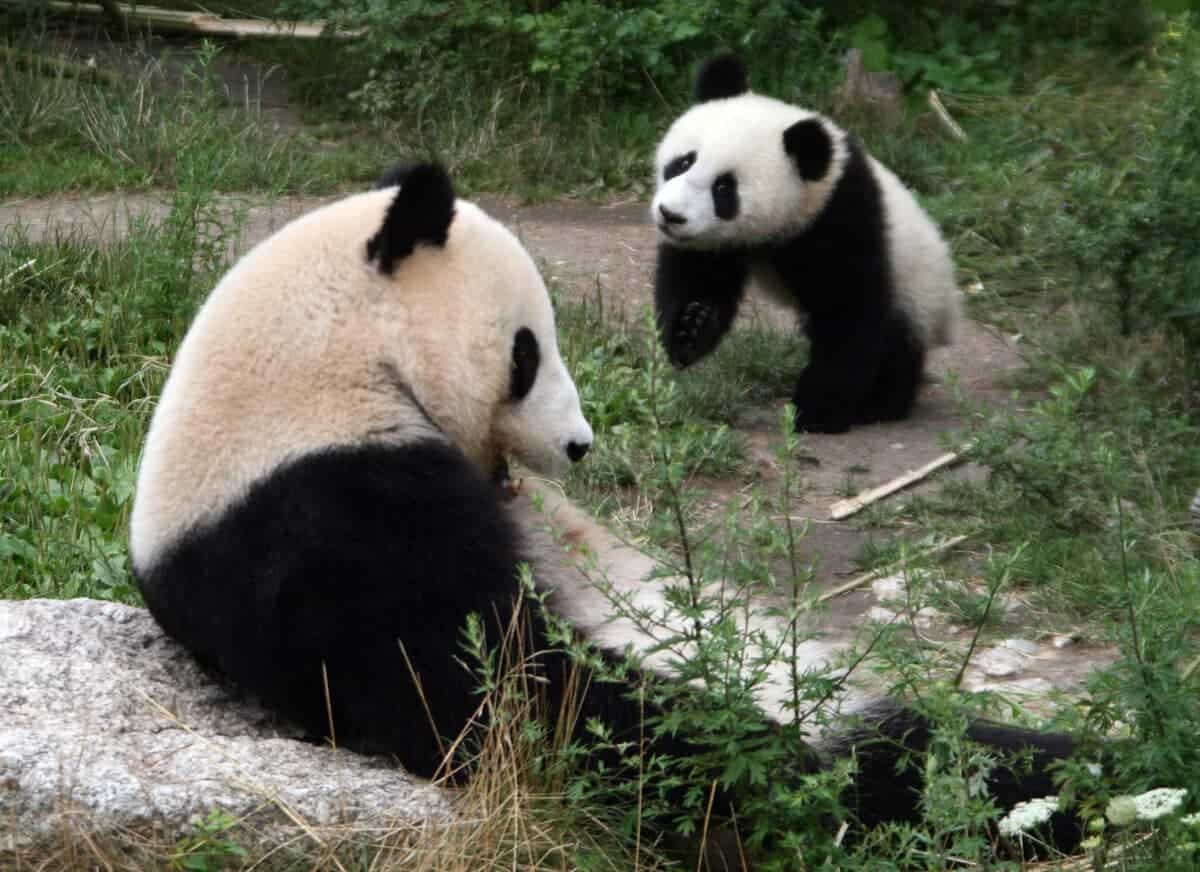
One of the most unusual behaviors in the panda’s repertoire is their distinctive method of scent marking. Unlike many other mammals that simply spray or rub scent glands against objects, giant pandas have been observed performing handstands to mark trees with their anal glands. This acrobatic behavior allows them to place their scent marks higher on trees than would be possible on all fours, potentially making the scent more noticeable to other pandas in the area.
Researchers from the San Diego Zoo Wildlife Alliance have documented that this handstand marking tends to increase during mating season, suggesting it plays an important role in reproductive communication. The height of the mark may indicate the size and strength of the panda, serving as an honest signal of the animal’s physical condition. Camera trap studies in the wild have captured pandas holding this inverted position for up to 30 seconds while carefully positioning their scent, demonstrating remarkable balance and core strength for such bulky animals.
The Peculiar “Panda Bleat”
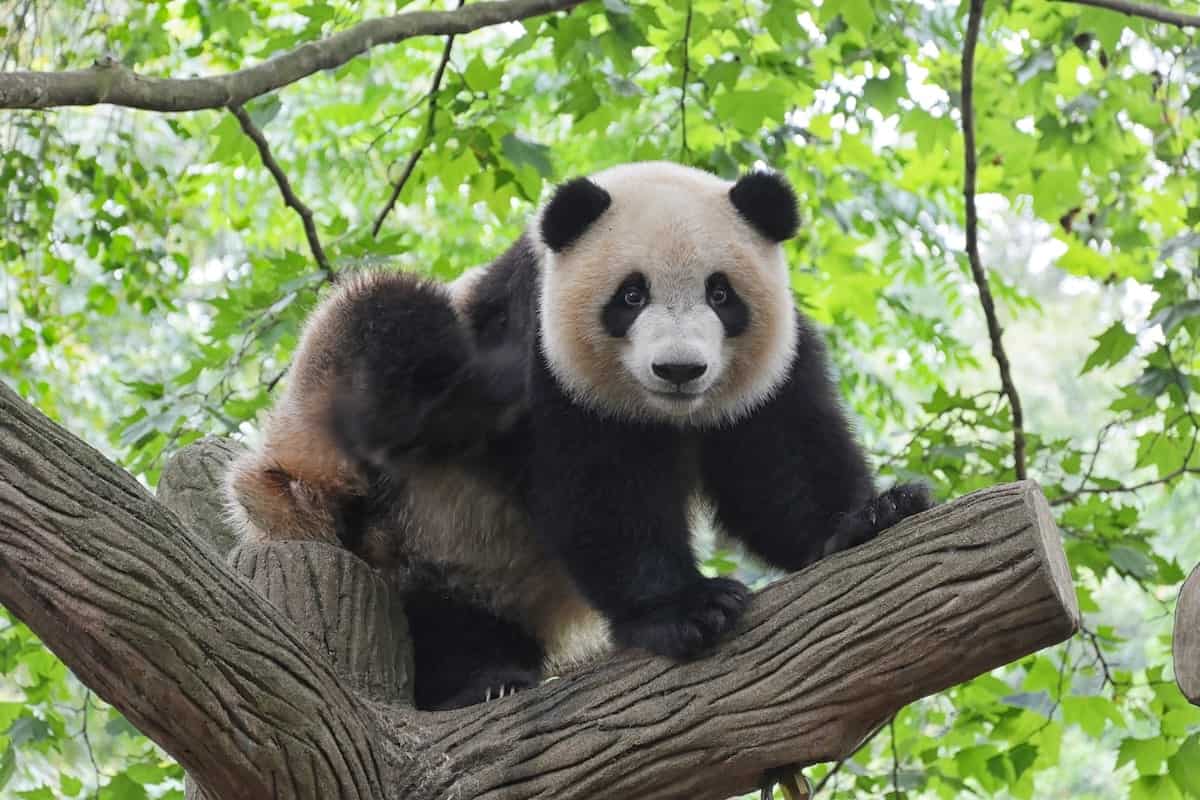
Despite their size and bear classification, giant pandas have developed a unique vocalization that sounds nothing like the growls or roars of other bears. The “panda bleat” is a high-pitched, goat-like sound that serves as their primary form of vocal communication. This distinctive call carries well through their dense forest habitat and can communicate everything from mating readiness to territorial warnings.
Acoustic analysis conducted by the Chinese Academy of Sciences has identified over 11 different vocalizations in the panda’s repertoire, with the bleat being the most common and distinctive. Female pandas use an especially high-pitched version of this call during their brief fertile period, which lasts only 2-3 days per year. This vocal behavior is critical for reproductive success in the wild, where pandas live relatively solitary lives and need to locate potential mates across substantial distances. Cubs also produce a unique “milk bleat” when nursing, establishing this unusual vocalization as a lifelong communication tool for these animals.
Snow Bathing and Winter Play
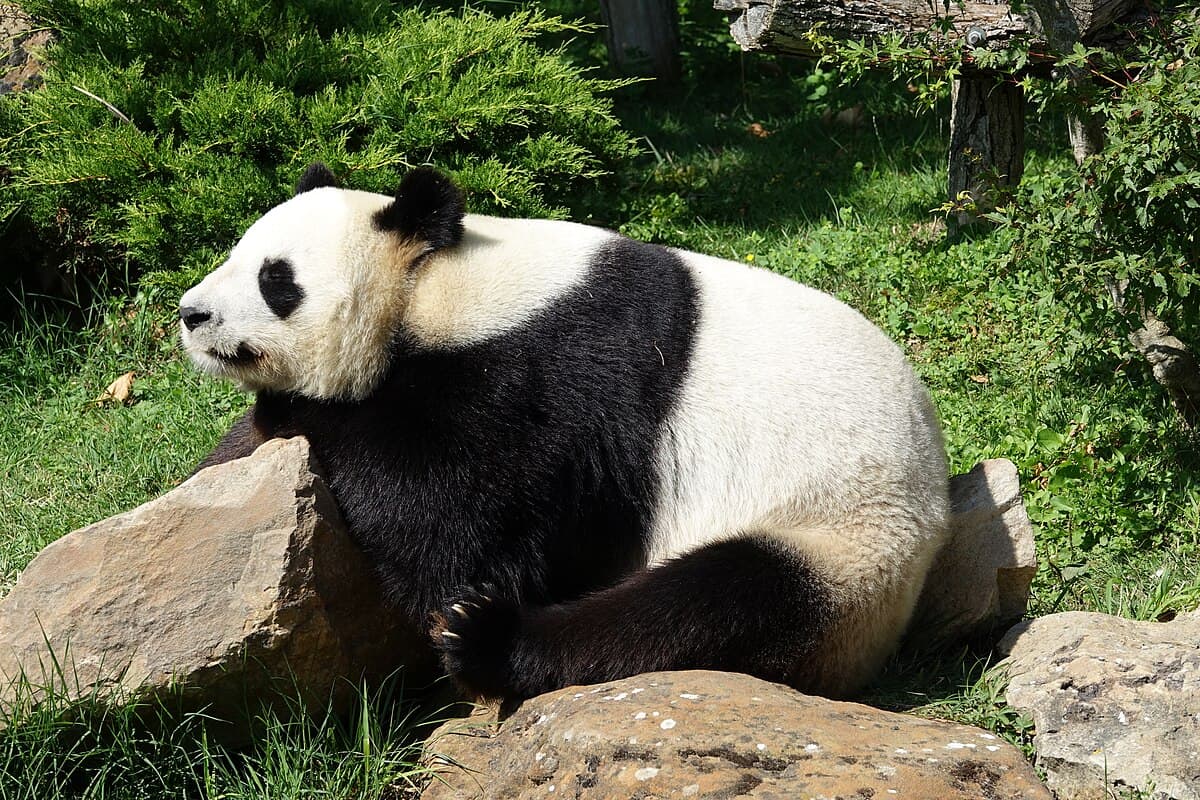
While many bears hibernate during winter months, giant pandas remain active year-round due to their specialized bamboo diet. What’s particularly fascinating is their enthusiastic interaction with snow. Pandas in snowy regions have been observed deliberately rolling in fresh snowfall, sliding down snowy slopes on their backs, and even making what appear to be snow angels. This behavior, documented extensively at both the Smithsonian’s National Zoo and in China’s Wolong Nature Reserve, seems to serve multiple purposes beyond simple play.
Zoologists believe this snow bathing may help pandas regulate their body temperature, as their thick fur and high activity levels can cause overheating even in cold environments. Additionally, the behavior may serve grooming purposes, with snow potentially helping to clean their dense fur. Research tracking wild pandas during winter months has shown they actually increase their activity levels during snowfall, suggesting these bears have a special affinity for snowy conditions that influences their behavioral patterns. Unlike many animals that avoid harsh weather, pandas seem to actively seek out and enjoy winter precipitation.
Synchronized Conception and Embryonic Diapause

Female pandas exhibit one of the most unusual reproductive behaviors in the mammal world—delayed implantation or embryonic diapause. After conception, the fertilized egg floats freely in the reproductive tract for several months before implanting in the uterine wall and beginning development. This remarkable adaptation allows pandas to time the birth of their cubs to coincide with optimal bamboo conditions, typically in the late summer when nutritional content is highest.
What makes this behavior even more extraordinary is the level of synchronization observed in wild panda populations. Studies conducted in the Qinling Mountains show that females within the same region often give birth within weeks of each other, despite mating at different times. This synchronized reproductive strategy maximizes cub survival by ensuring births occur when food resources are abundant. Researchers from the Chengdu Panda Base have determined that this behavior evolved as a direct response to the boom-and-bust cycles of bamboo flowering and die-offs, representing a sophisticated evolutionary adaptation to the pandas’ specialized diet.
The Curious Case of Panda Sleep Positions

Giant pandas have developed some of the most unusual sleeping postures in the bear family. Unlike most bears that typically curl up when resting, pandas often sleep in what researchers call the “planking position”—flat on their backs with limbs splayed outward. Even more remarkably, they frequently sleep in trees, balancing their bulky 220-330 pound bodies on branches that seem far too precarious for an animal of their size.
Sleep studies conducted at the Beijing Zoo have documented pandas sleeping in positions that would be uncomfortable or even dangerous for other bears, including draped over branches, wedged in tree forks, or with their heads hanging downward. These unusual positions may have evolved as energy conservation mechanisms, as pandas need to minimize unnecessary movement due to their low-energy bamboo diet. Camera trap footage from Foping Nature Reserve has captured wild pandas napping in positions that defy gravity, demonstrating remarkable balance even while completely unconscious. This behavior also serves as protection from predators, as sleeping in trees keeps pandas safe from their historical predators like jackals and wild dogs.
Water Play and Swimming Abilities

Despite common misconceptions that pandas avoid water, these bears actually display surprising aquatic abilities and a genuine enthusiasm for water play. Wild pandas have been observed deliberately seeking out streams and pools, especially during warmer months. They don’t just drink from these water sources—they often fully immerse themselves, displaying a range of swimming and splashing behaviors that indicate comfort in aquatic environments.
Research from the Chengdu Research Base has documented pandas using distinct swimming strokes similar to a dog paddle but with their characteristic panda modification. They’ve been recorded swimming across rivers up to 100 feet wide in their natural habitat. Perhaps most interestingly, pandas engage in what appears to be intentional water play, including repeatedly dunking their heads underwater, creating splashes with their paws, and floating on their backs. This behavior challenges the stereotypical view of pandas as sedentary creatures and suggests they have a more diverse behavioral repertoire than previously thought. Some researchers hypothesize that water play may serve as environmental enrichment for these intelligent animals, providing mental stimulation beyond their feeding activities.
Seasonal Dietary Shifts and Bamboo Selection

One of the most scientifically intriguing panda behaviors is their ability to make sophisticated seasonal dietary shifts despite having a digestive system more suited to carnivores than plant-eaters. Pandas display remarkable selectivity in their bamboo consumption, shifting not just between different bamboo species but between specific parts of the plants throughout the year. This behavior represents a sophisticated nutritional strategy that compensates for their physiological limitations.
Research conducted by Chinese and American scientists has revealed that pandas can detect minute differences in protein, fiber, and starch content in bamboo plants. In spring, they preferentially eat young shoots with higher protein content; in summer, they transition to leaves; and in fall and winter, they primarily consume stems. A fascinating study published in Functional Ecology demonstrated that pandas migrate vertically up and down mountains to follow the optimal nutritional windows of different bamboo species at different elevations. This behavior requires significant energy expenditure but results in a net nutritional gain. Essentially, pandas have evolved behavioral adaptations to compensate for their physiological constraints, representing an extraordinary case of behavioral evolution.
The “Panda Shuffle” During Courtship

During their brief annual mating season, male pandas perform what researchers have dubbed the “panda shuffle”—a distinctive gait that serves as part of their courtship display. This behavior involves a slow, swaying walk with exaggerated head movements and a characteristic foot-dragging motion that leaves distinctive marks on the forest floor. The shuffle is accompanied by specific vocalizations and is believed to communicate the male’s size, strength, and genetic quality to potential mates.
Field studies in the Qinling Mountains have documented this behavior in detail, noting that successful males perform more elaborate versions of the shuffle. The behavior appears to be innate rather than learned, as captive-born males with no exposure to other adult pandas still perform the shuffle when they reach sexual maturity. What makes this behavior particularly unusual is that it contradicts the energy conservation strategies pandas typically employ; during mating season, males will perform this energetically costly display repeatedly and travel considerable distances in search of females. This represents one of the few instances where pandas willingly expend significant energy, highlighting the evolutionary importance of reproduction even in a species that has evolved to minimize unnecessary exertion.
Pseudo-Thumb Manipulation and Dexterity
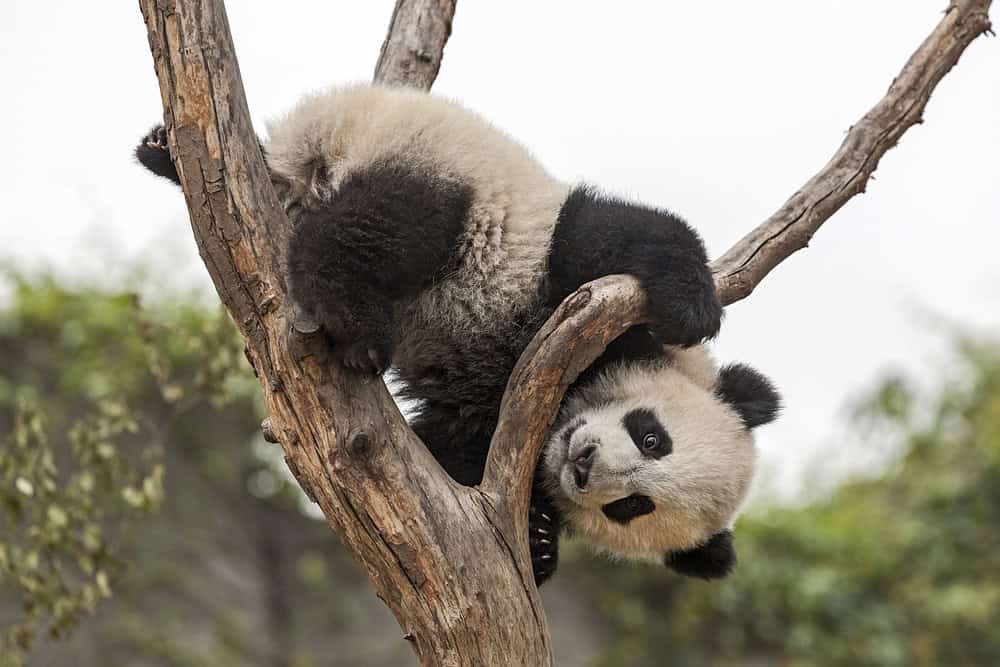
Perhaps one of the most remarkable panda behaviors involves their use of the “pseudo-thumb”—an enlarged wrist bone that functions somewhat like an opposable thumb. This anatomical adaptation allows pandas to manipulate bamboo with surprising dexterity. What’s fascinating is not just the anatomical feature itself, but how pandas have developed specialized behaviors to maximize its functionality. They use this adaptation to strip bamboo leaves, break stems at precise angles, and even hold objects while examining them.
Behavioral studies at the San Diego Zoo have documented pandas using this pseudo-thumb in ways that demonstrate problem-solving abilities. For example, pandas have been observed using their pseudo-thumb to manipulate enrichment devices, unwrap food items, and even unscrew lids from containers. This level of manual dexterity is unusual among bears and represents a behavioral adaptation that coevolved with their anatomical specialization. Research from the Chinese Academy of Sciences suggests that this behavior developed relatively recently in evolutionary terms, appearing after pandas transitioned to a bamboo diet approximately 2-3 million years ago. The combination of anatomical adaptation and behavioral innovation demonstrates the remarkable evolutionary plasticity of these specialized bears.
Solitary Yet Social The Paradox of Panda Communication

Giant pandas present a fascinating behavioral paradox: they live primarily solitary lives yet maintain a complex communication system. Unlike many solitary animals that interact only for mating, pandas have developed elaborate methods to communicate with conspecifics they rarely see face-to-face. Beyond the previously mentioned scent marking, pandas leave a variety of intentional communication signals including bark scrapes, urine deposits, and claw marks that create a “community bulletin board” in shared territories.
Research using GPS collars and camera traps has revealed that pandas carefully monitor these communication posts, with individuals regularly visiting marking trees to gather information about other pandas in the area. Field studies by the Smithsonian Conservation Biology Institute have documented pandas spending considerable time investigating these marks, suggesting they extract detailed information about the depositor’s sex, reproductive status, size, and how recently they passed through the area. This sophisticated communication system allows pandas to maintain what researchers call a “social network without socializing”—they know their neighbors intimately despite rarely encountering them directly. This behavior represents an unusual adaptation that balances the energetic benefits of solitary living with the evolutionary advantages of maintaining social awareness.
Conclusion: The Behavioral Complexity of Nature’s Black and White Icon

Giant pandas have evolved a remarkable suite of behaviors that challenge our understanding of bear biology and adaptation. From their sophisticated bamboo processing techniques to their surprising aquatic abilities, these behaviors represent millions of years of evolutionary refinement in response to their specialized ecological niche. The seemingly contradictory nature of many panda behaviors—energy conservation alongside acrobatic displays, solitary living with complex communication, and carnivore physiology with herbivore feeding strategies—highlights the fascinating complexity of these iconic animals.
Understanding these unique behaviors has profound implications for conservation efforts. As we work to protect the remaining wild panda populations and their habitat, knowledge of their behavioral needs helps create more effective conservation strategies and more appropriate captive environments for breeding programs. The unusual behaviors described in this article remind us that pandas are far more than the cute, bamboo-munching symbols they’ve become in popular culture—they are sophisticated animals with complex behavioral adaptations that have allowed them to survive in a challenging ecological niche.
As research continues, we’re likely to discover even more fascinating aspects of panda behavior that further illuminate their evolutionary journey. The giant panda stands as a testament to nature’s adaptability, demonstrating how behavior can evolve to overcome physiological and ecological challenges. In their black and white simplicity, pandas reveal the colorful complexity of behavioral evolution and remind us why these remarkable animals are worth our continued protection and study.

As a little kid, I fell in love with nature, wildlife, and animals. Living in the USA, South Africa, Italy, China and Germany gave me the opportunity to discover the world's Wildlife. My favorite animals are Mountain Gorillas, Siberian Tigers, and Great White Sharks.
I'm a certified PADI Open Water Diver, went to Everest Base Camp and Trekked Gorillas in Uganda. I hold a Master of Science in Economics and Finance.
Please send any feedback to feedback@animalsaroundtheglobe.com
- 12 Species That Never Stop Growing - July 31, 2026
- 11 Smallest Animals That Pack a Punch - July 31, 2026
- 7 Birds That Are Famous for Their Unbelievable Migrations - July 31, 2026