
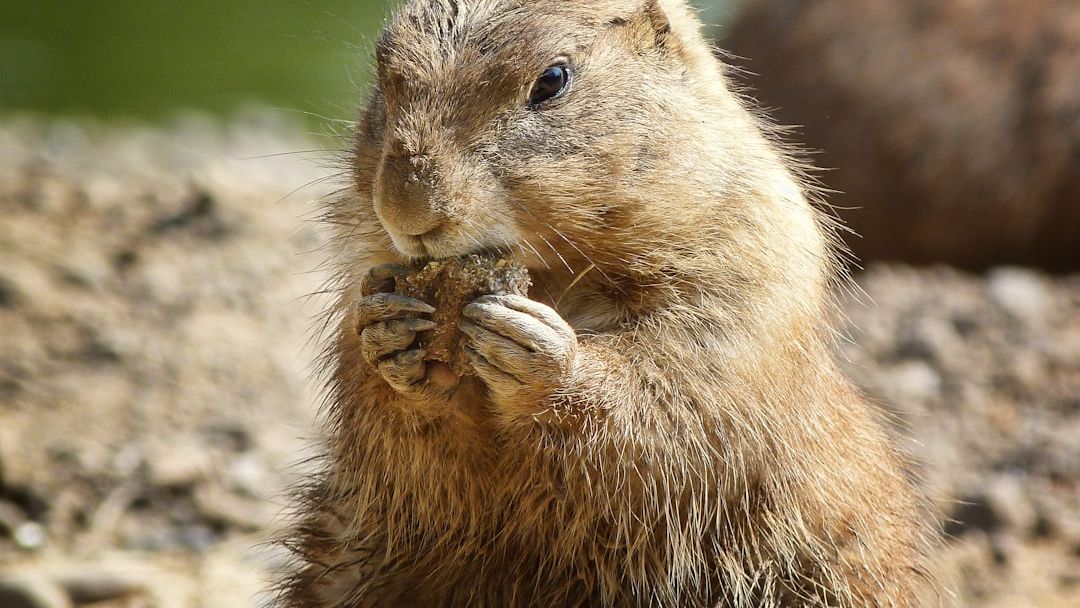
Most people driving across the American grasslands barely glance at the small, round-bellied creatures popping in and out of the ground beside the highway. They look simple enough. They yip, they vanish, they reappear. But spend a little time reading the science behind prairie dogs, and what initially seems like a minor roadside curiosity turns into one of the most quietly astonishing stories in the animal world.
Prairie dogs have some of the most complex systems of communication and social structures in the animal kingdom. From the engineering of their underground cities to a vocal system that some researchers believe edges toward actual language, these small rodents have earned a level of scientific attention that few would have predicted.
They Are Not Actually Dogs
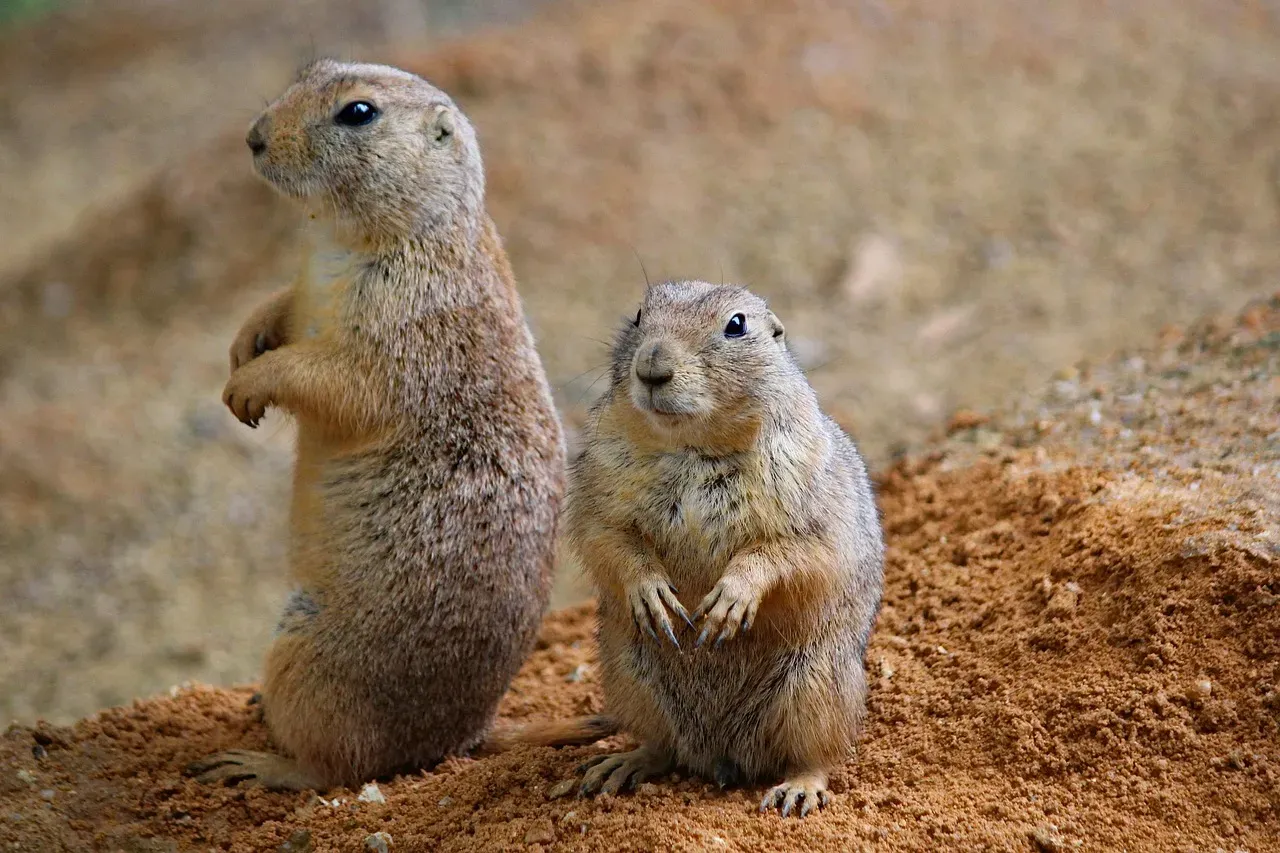
The name trips people up every time. Despite the name, prairie dogs are not actually canines. Along with marmots, chipmunks, and several other genera, they belong to the ground squirrels, part of the larger squirrel family Sciuridae.
Their name actually comes from their high-pitched warning bark, which early European settlers thought sounded like a small dog. So the “dog” part is about acoustics, not biology.
There are five recognized species of prairie dog: black-tailed, white-tailed, Gunnison’s, Utah, and Mexican prairie dogs. Each occupies a slightly different habitat, though all share the same core behaviors and ecological roles.
Their Underground Towns Are Architectural Marvels
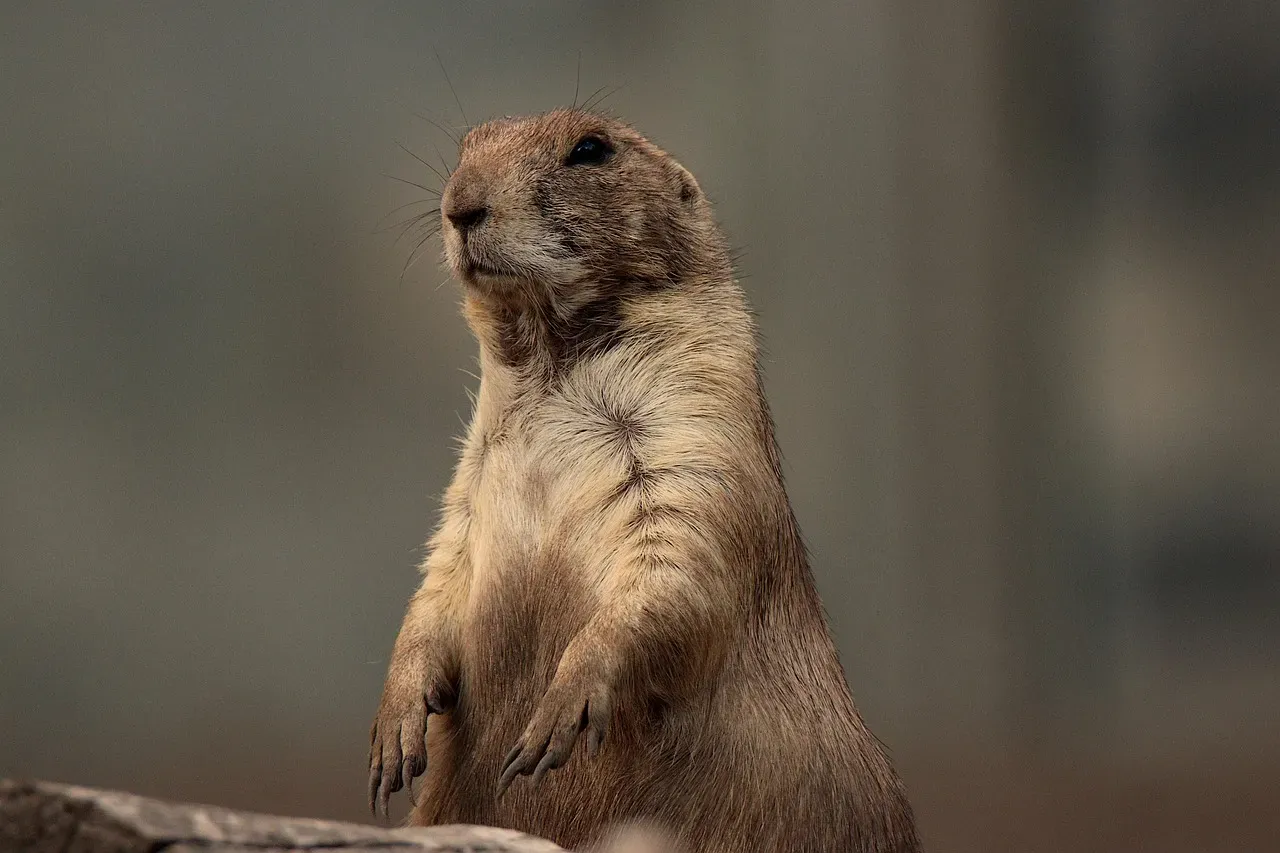
Prairie dogs construct intricate tunnel systems, often referred to as “towns,” that can span several acres. These burrows provide shelter from predators and extreme weather conditions. Each town consists of separate chambers designated for sleeping, nursing young, and even waste disposal.
The tunnels contain separate “rooms” for sleeping, rearing young, storing food, and eliminating waste. The level of interior organization is genuinely surprising for an animal this size.
Burrow entrances are often encircled by conspicuous mounds of dirt. Known as dome and rim craters, these prevent flooding, create drafts through burrows for better ventilation, and provide an elevated point from which individuals can scan for predators.
The Largest Known Prairie Dog Town Was Staggering in Scale
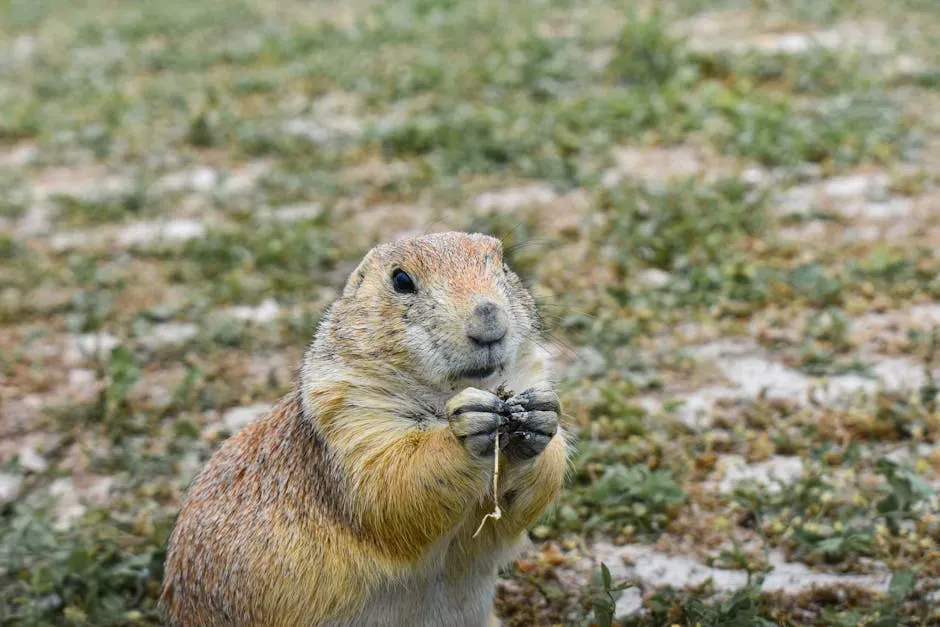
Naturalist Vernon Bailey once described an enormous prairie dog town that in 1901 spanned nearly 25,000 square miles across central Texas and contained an estimated 400 million prairie dogs. That is a territory larger than many countries.
Before westward expansion of non-native Americans, there were hundreds of millions of black-tailed prairie dogs living in North America. Some estimates place the figure even higher, possibly reaching into the billions across the entire Great Plains.
Today, that picture is radically different. Their small, scattered colonies now occupy only one to two million acres, a fraction of what they once covered. The contrast is difficult to fully absorb.
Family Groups Called Coteries Form the Core of Society
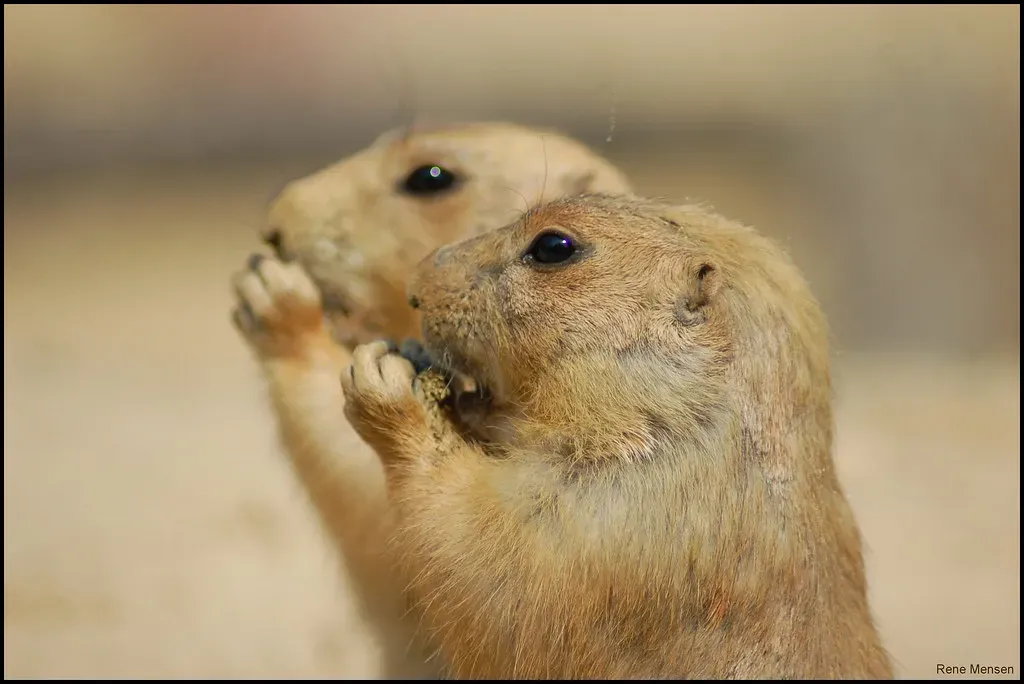
Prairie dogs are very social and live in closely-knit family groups called “coteries.” Coteries usually contain an adult male, one or more adult females, and their young offspring. These coteries are grouped together into wards, or neighborhoods, and several wards make up a colony or town.
The size of a coterie depends on the species but can range from one to twenty-six individuals. These coteries form something similar to neighborhoods, and several coteries make up a prairie dog town or colony.
When juvenile prairie dogs mature, they are forced to disperse from their coterie and either establish a new coterie or leave the colony altogether to search for a new colony or a suitable site to establish a new colony. Multiple colonies, which exchange dispersing individuals, are called a complex. Complexes are important to the success of the prairie dog, allowing for repopulation of smaller colonies and for maintaining genetic diversity.
Their Communication System May Be the Most Sophisticated in the Animal Kingdom
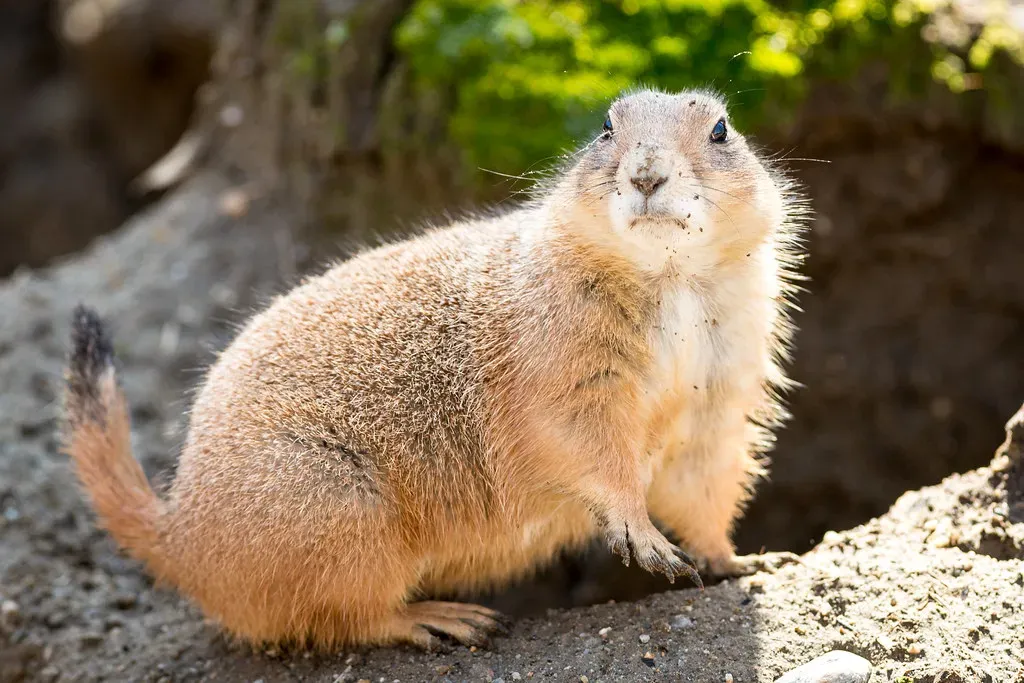
Biologist Con Slobodchikoff, who has studied prairie dog language for over thirty years, discovered that these animals possess one of the most complex vocal communication systems ever documented in non-human animals. Prairie dogs use distinct alarm calls that specify not just the presence of a predator, but identify its type, size, color, and even speed of approach.
A prairie dog can vocalize whether an approaching human is wearing blue or yellow clothing, or whether a hawk is flying directly overhead or circling at a distance. That level of descriptive detail in a vocalization is remarkable by any measure.
Also remarkable is the amount of information crammed into a single chirp lasting a tenth of a second. Researchers have found that these brief sounds can carry a dense, structured package of information about the world around the colony.
They Can Construct New Words for Unfamiliar Objects
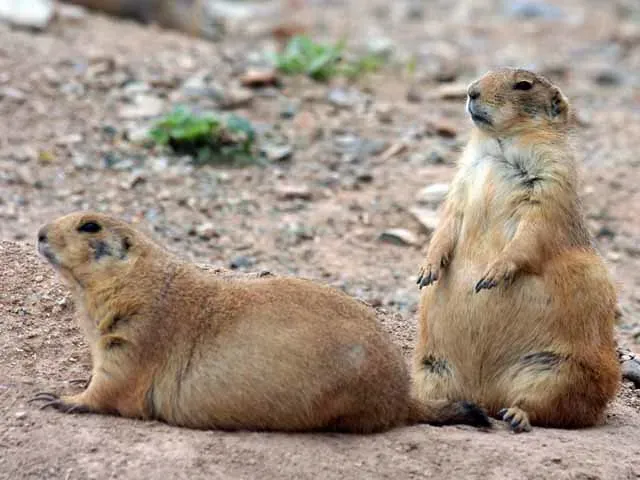
Through Slobodchikoff’s research, it has been found that prairie dogs have the ability to construct new words referring to novel objects or animals in their environment, which is called productivity. Prior to the study, only humans had been recognized with the ability of productivity within a communication system.
Research on wild prairie dogs has demonstrated that the rodents can create calls for objects that are “unfamiliar.” The prairie dogs were presented with shapes they wouldn’t encounter naturally. Rather than give one single “unknown threat” call for all the unfamiliar objects, the prairie dogs made distinct alarm calls for each shape. This indicates that the animals aren’t relying on just a fixed set of alarm calls. Instead, they are creating new calls in the moment to describe unfamiliar objects. This process is known as “productivity” and it is a key hallmark of language.
Prairie Dogs Have Regional Dialects
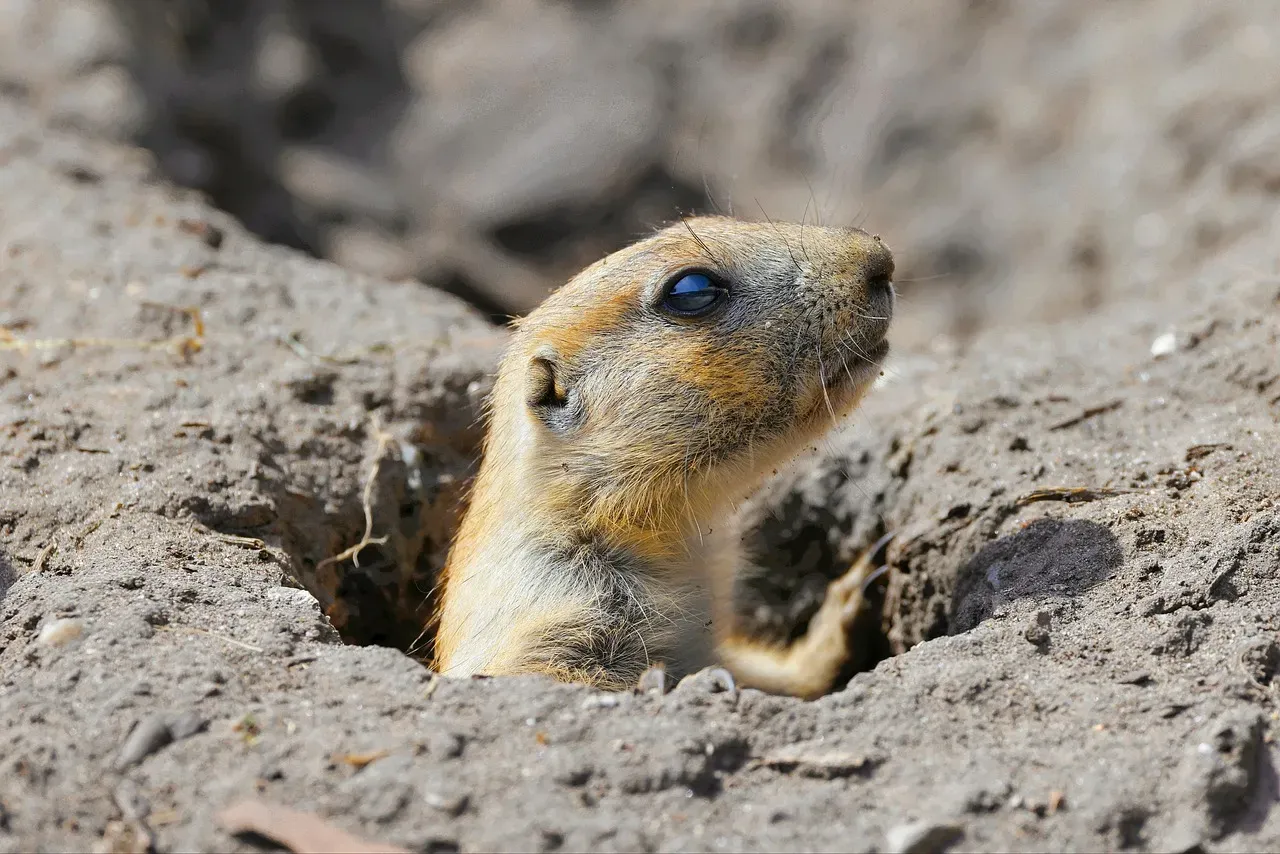
Slobodchikoff’s team expanded their work to see if different communities used the same sounds in the same ways. They found that they did, but they also found regional differences. The regional differences held up to statistical scrutiny, meaning they weren’t just noise in the analysis, but consistent dialects of the prairie dog vernacular. The researchers found that the degree of difference between the various communities was directly proportional to their distance from one another.
The closer two communities live, the more their calls resemble each other. The further apart, the greater the divergence. This mirrors patterns found in human languages, and it suggests that prairie dog communication has a genuinely cultural dimension.
The Jump-Yip Is One of Nature’s Most Mysterious Gestures
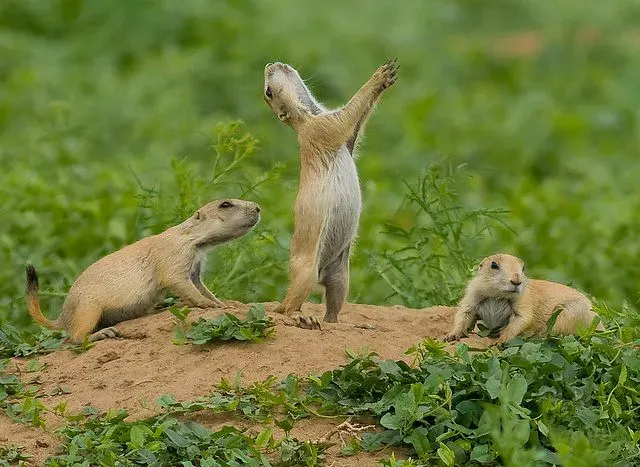
One mysterious behavior popular with several species is the “jump-yip,” a gesture-vocalization combination frequently compared to a stadium wave, in which many prairie dogs in a row cry aloud while tossing their arms, and sometimes their full bodies, into the air. An entire colony can get swept up in a jump-yip. While it’s not entirely clear what these contagious bouts are for, researchers suspect they might be a prairie dog’s way of making sure everyone else is paying attention.
Increased responsiveness of neighboring town members resulted in bout initiators devoting a significantly greater proportion of time to active foraging. Contagious jump-yips thus function to assess neighbors’ alertness, soliciting social information to assess effective conspecific group size in real time.
In other words, the jump-yip may serve as a kind of collective roll call. One prairie dog essentially checks whether the rest of the colony is alert, and then adjusts its own behavior accordingly. It’s a social pulse-check performed in mid-air.
They Greet Each Other With a “Kiss”
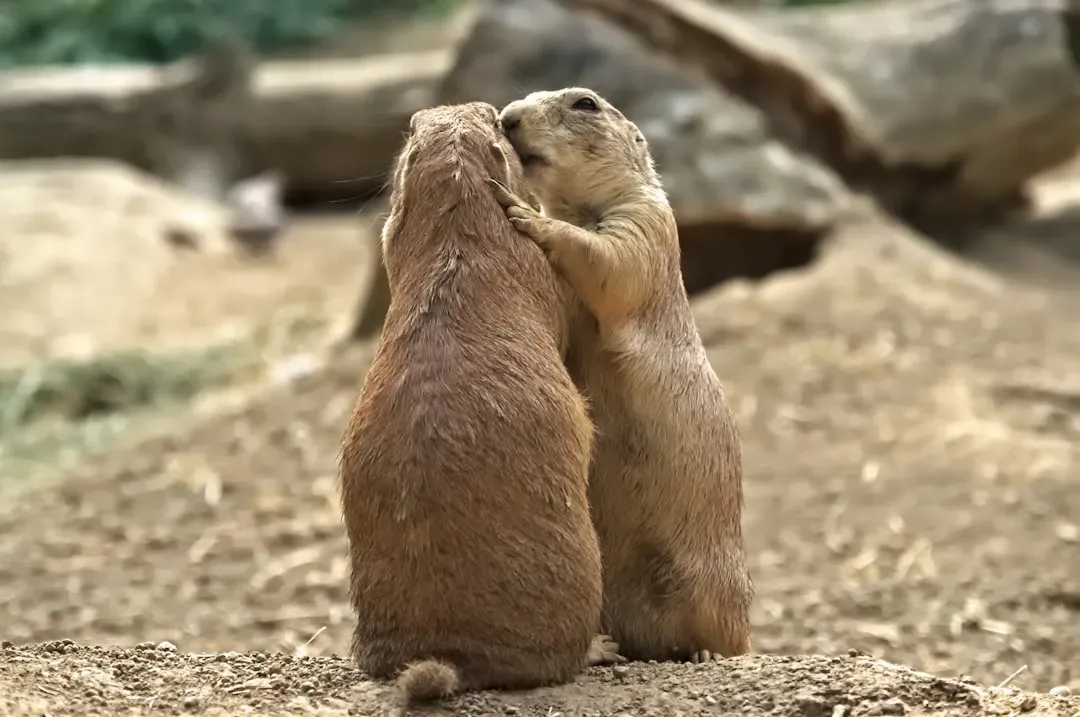
Much like grooming behavior in primates, prairie dog “greet kisses” reveal complex social networking. The behavior involves two prairie dogs touching mouths, and it carries real social information about relationships, alliances, and group membership.
Not everyone gets kissed equally. There are community bridges, those that kiss members of neighboring social groups, and there are hubs, those that just seem to get all the kisses. These social hubs appear to play an outsized role in the cohesion of the whole colony network.
Allogrooming, the act of grooming each other, has been observed in the black-tailed and Utah prairie dog species. By grooming each other, blood-related prairie dogs reinforce social bonds while simultaneously controlling flea infestations.
Alarm Calls Are Tailored to Specific Predators
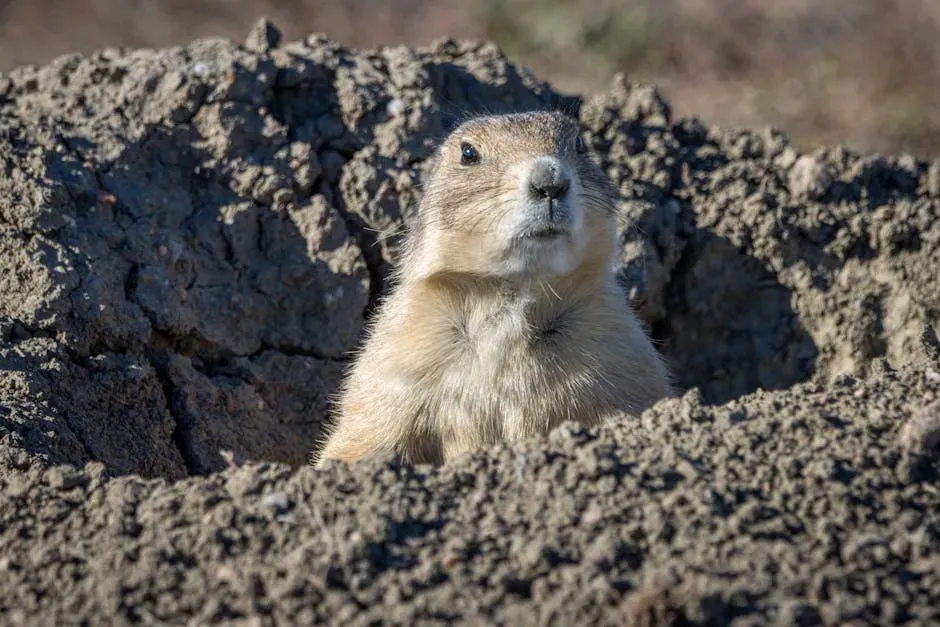
The prairie dog’s alarm calls vary with different predators. There are three distinct mid-pitched sounds for birds including red-tailed hawks, golden eagles, and bald eagles, and four high-pitched quick sounds for mammals like coyotes, dogs, and humans.
If the alarm indicates a hawk diving toward the colony, all the prairie dogs in its flight path dive into their holes, while those outside the flight path stand and watch. If the alarm is for a human, all members of the colony immediately rush inside the burrows. For coyotes, the prairie dogs move to the entrance of a burrow and stand outside the entrance, observing the coyote.
Prairie dogs will relay alarm calls even if they haven’t personally spotted the danger, creating an information cascade that can travel across an entire town in minutes. This coordinated defense system represents a form of collective intelligence, where the group’s awareness and response capabilities exceed that of any individual.
They Are a Keystone Species That Supports Hundreds of Others
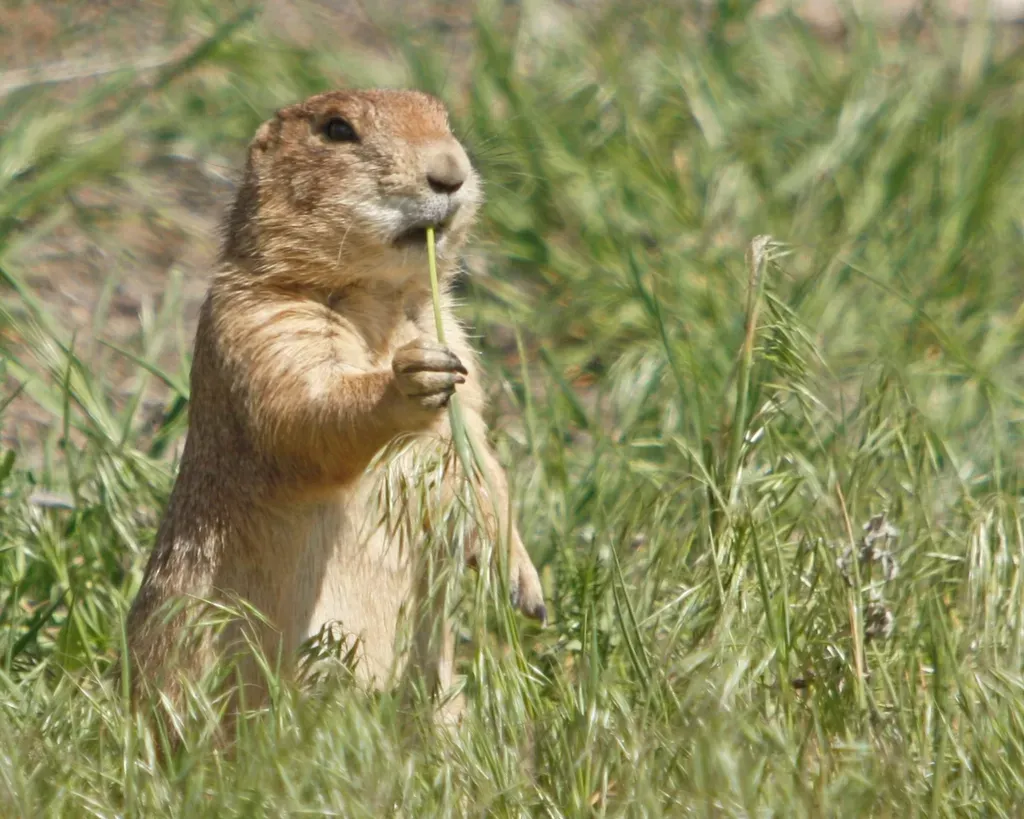
Prairie dogs are considered a “keystone” species because their colonies create islands of habitat that benefit approximately 150 other species, including the endangered black-footed ferret. They are also a food source for many animals, including mountain plover, burrowing owl, Ferruginous hawks, swift fox, and endangered black-footed ferrets.
Desert cottontail rabbits, prairie rattlesnakes, barred tiger salamanders, plains spadefoot toads, camel spiders, innumerable insects, and other animals that can’t dig on their own also live in prairie dog burrows. Some species occupy active burrows while others, such as burrowing owls, find shelter in abandoned areas.
Grazing species such as plains bison, pronghorn, and mule deer have shown a proclivity for grazing on the same land used by prairie dogs, with their regeneration of topsoil being important for maintaining healthy humus. The ecological connections ripple outward far beyond what a small burrowing rodent might appear to influence.
Their Burrowing Actually Improves the Soil
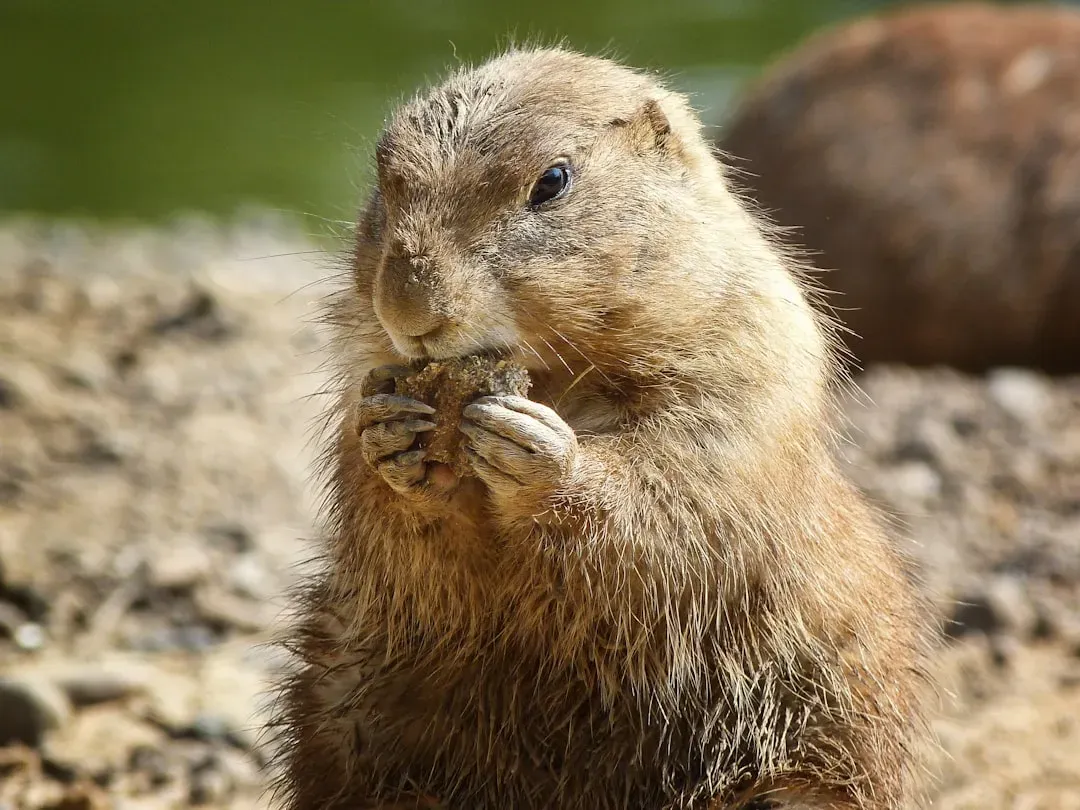
Tunneling essentially tills the soil, promoting nitrogen uptake by plants. The burrows allow rainwater to flow down into the soil and remain in the water table. Prairie dog scat adds organic matter to the soil. The result is more succulent, nutritious, and digestible forage.
Their mound-building encourages grass development and renewal of topsoil, with rich mineral and nutrient renewal in the soil, which can be crucial for soil quality and agriculture. Their landscaping, a constant trimming and digging routine, quietly regenerates the ground beneath much of the American prairie.
Large grazers such as bison and pronghorn have been found to be drawn to prairie dog towns for grazing. The activity of all the prairie dogs makes for grasses and wildflowers that not only grow very quickly but are also very high in nitrogen, an element useful in digestion and sought after by grazers.
Prairie Dog Populations Have Declined Dramatically and Face Real Threats
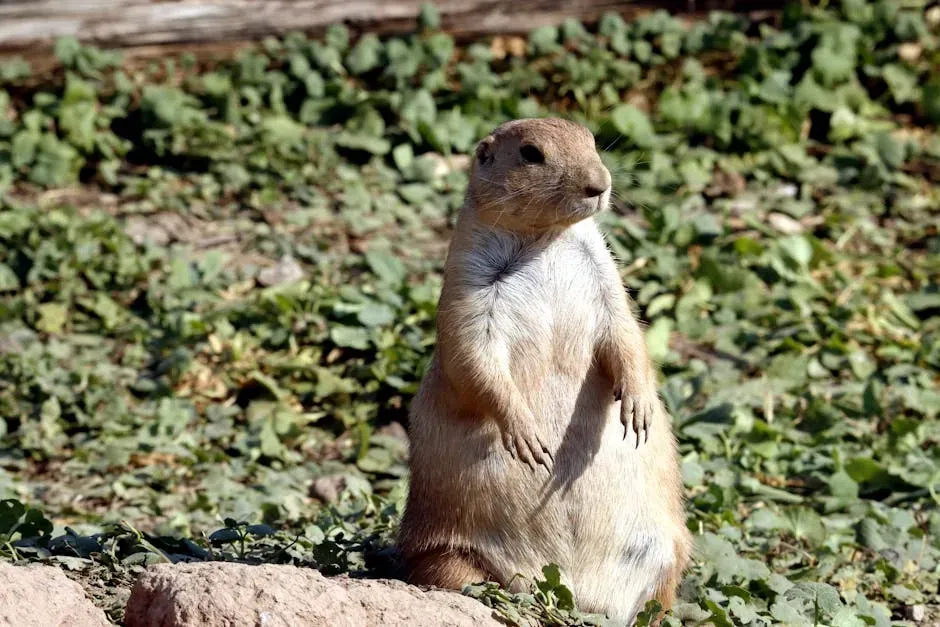
Sylvatic plague and habitat loss have contributed to an estimated roughly ninety-eight percent population decline in prairie dog numbers. Sylvatic plague is an introduced wildlife disease, the same species that causes bubonic or pneumonic plague in humans, which has decimated prairie dogs throughout their range. The loss of prairie dogs is also attributed to mass poisoning campaigns conducted from 1918 to the present.
As the number of prairie dogs dramatically declined, it caused a ripple effect that impacted the success of other Great Plains species. Black-footed ferrets are now one of the most endangered mammals in North America because their chief food, the black-tailed prairie dog, has been reduced in numbers.
Of the five species of prairie dog, two are listed as species of “Least Concern,” one as “Vulnerable,” and two as “Endangered” on the red list published by the IUCN. The conservation urgency is real, and the stakes extend well beyond the prairie dogs themselves.
Conclusion
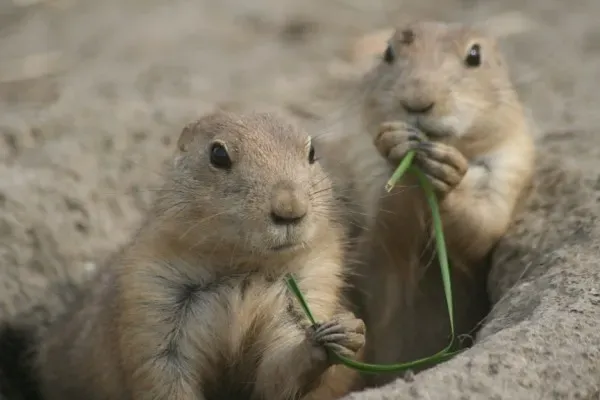
Prairie dogs have a way of defying expectations at every turn. What looks like a simple colony of burrowing rodents turns out to be a layered society with regional dialects, collective intelligence, elaborate greetings, and an ecological footprint that sustains hundreds of other species.
The extraordinary social complexity of prairie dog networks challenges our preconceptions about animal intelligence and social capabilities. Their multi-layered communities, sophisticated communication system, and intricate social dynamics reveal cognitive abilities that were once thought to exist only in primates and a few other mammalian groups.
The quiet truth about prairie dogs is that their survival matters far beyond the grasslands they occupy. Lose them, and a vast, interconnected web of life begins to unravel. Understand them, and we find ourselves reconsidering what intelligence, community, and communication actually look like in the natural world.

- 10 Dog Breeds That Are Not Suitable for First-Time Owners - July 22, 2026
- 10 Ways the Creek (Muscogee) Shaped the Early American Southeast - July 22, 2026
- 12 Animals That Have Mastered the Art of Camouflage - July 22, 2026