

The ocean covers more than two thirds of our planet’s surface, and still, most of it remains a mystery. What we do know is that some of the most sophisticated minds on Earth live beneath those waves. Not in research labs or cities, but in the deep, in reef crevices, in pods moving across open water.
Intelligence in the ocean doesn’t follow a single template. Some creatures solve puzzles in complete solitude. Others build culture, mourn their dead, and teach their young. The variety of cognitive life in the sea is genuinely staggering, and science keeps uncovering more of it.
Dolphins Have Brains Bigger Than Yours
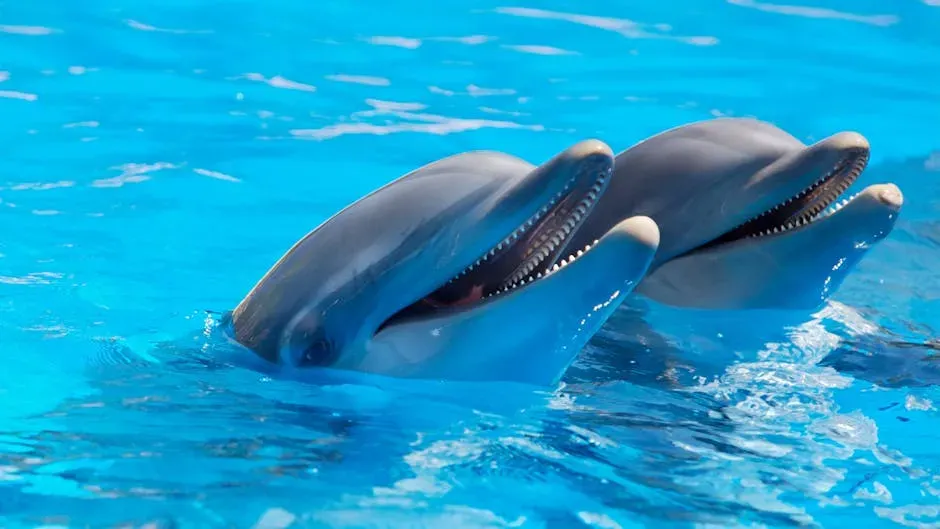
Dolphin intelligence is remarkable: at 3.5 pounds, the species has a larger brain than humans. That’s not just a quirky number. It reflects millions of years of evolutionary investment in complex cognition.
Dolphin brains have spindle neurons, which are specialized brain cells linked to recognition, memory, reasoning, communication, and more advanced abilities. These neurons were once thought to be exclusive to humans and great apes.
The dolphin’s brain cortex features the same convoluted folds that are associated with human intelligence, and dolphins and their kin are the only marine mammals that have passed the mirror test of self-awareness. That’s a remarkably short list to be on.
Octopuses Have Nine Brains and Use Them All
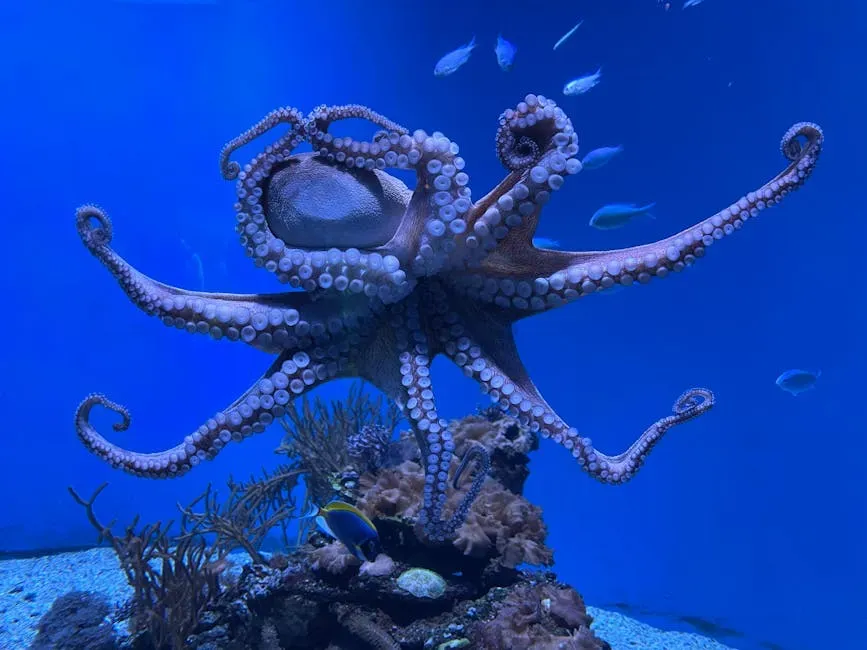
Giant Pacific octopuses are the most intelligent mollusks. These smart creatures have one brain in their head cavity and one additional brain in each arm. All together, giant Pacific octopuses have nine brains, one for the central nervous system and eight for motor function. These nine brains make giant Pacific octopuses extremely smart, allowing them to solve puzzles, socialize, and learn.
Octopuses have one central, doughnut-shaped brain, but two thirds of their neurons are in their arms. This means that each arm has its own “mini-brain” of sorts and can act independently.
The remaining two-thirds, roughly 40 million neurons per arm, are distributed throughout the limbs themselves, meaning each arm can taste, touch, and react to its environment with a degree of independence. It’s a form of intelligence that simply has no parallel on land.
Orcas Pass Down Culture Like Humans Do
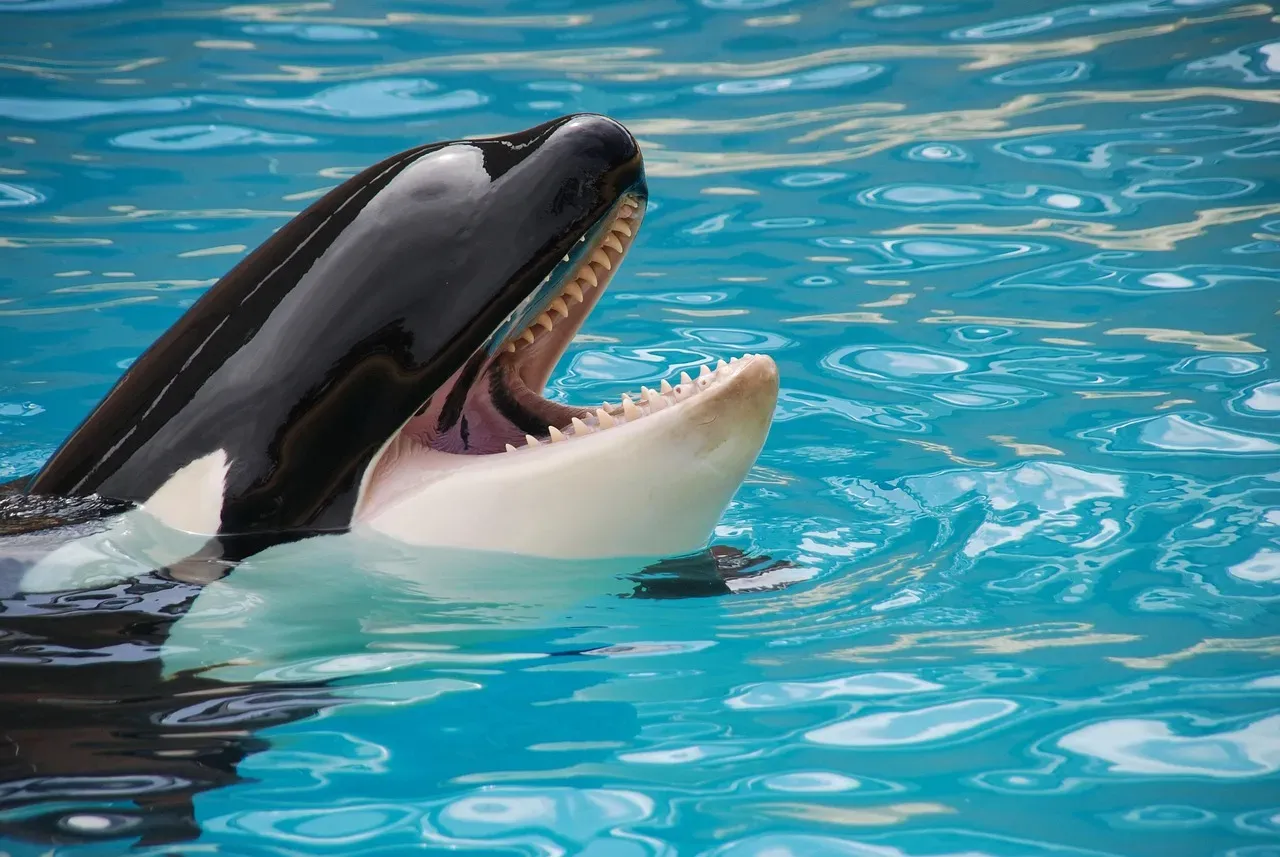
Killer whales possess the second-largest brain of any ocean creature, with an exceptionally developed limbic system governing emotions and social connections. These apex predators demonstrate distinct cultural behaviors, with different pods developing unique hunting techniques passed down through generations.
Antarctic orcas create coordinated waves to wash seals off ice floes, a behavior requiring precise timing and teamwork. Some populations intentionally beach themselves to capture prey before wiggling back to safety, a high-risk strategy requiring extraordinary body control.
Some animals, such as orcas, even have dialects, which are unique vocalizations that are specific to a particular group of animals. Think of it as a regional accent, but passed deliberately from one generation to the next.
The Sperm Whale Holds the Record for Largest Brain
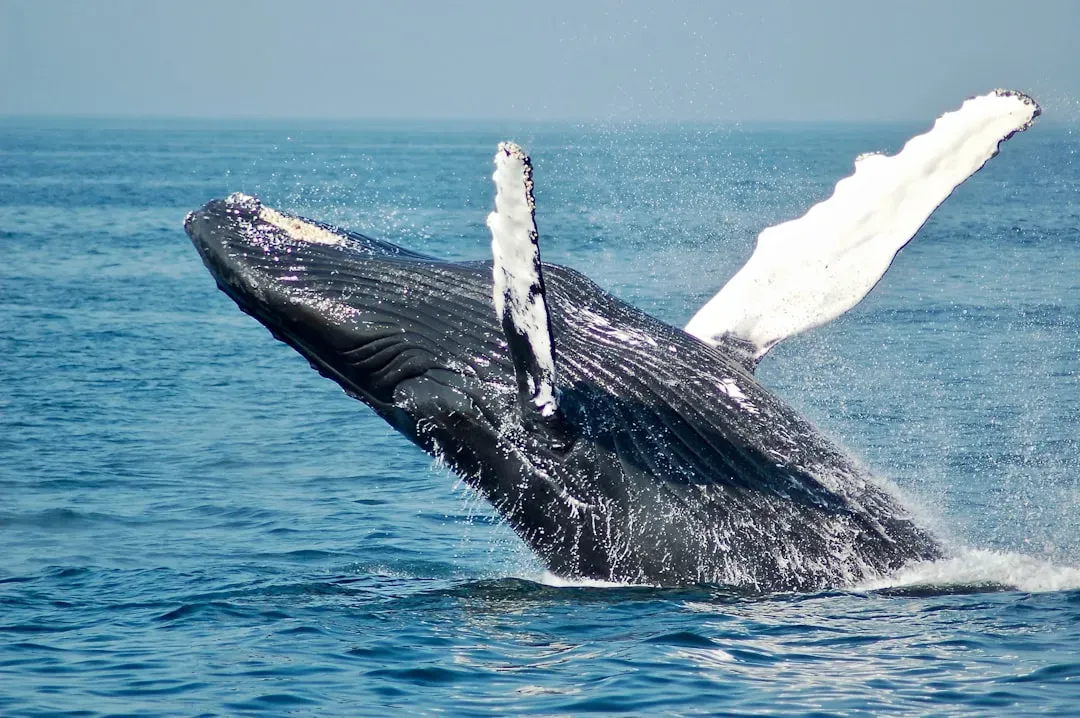
The sperm whale brain is the largest known of any modern or extinct animal, weighing on average about 7.08 kilograms, more than five times heavier than a human brain, and has a volume of about 8,000 cubic centimetres.
Sperm whales possess excellent echolocation abilities. Some scientists believe the sperm whale’s large head and the waxy substance created from the spermaceti organ in their head may play a strong role in improving the whale’s echolocation. Echolocation allows these marine mammals to locate prey and navigate the ocean in complete darkness.
Field studies have documented impressive cultural learning of dialects, foraging sites, and foraging and feeding strategies in cetaceans. Culture, the transmission of learned behavior, is one of the attributes of cetaceans that most sets them apart from the majority of other nonhuman species.
Octopuses Are Master Escape Artists
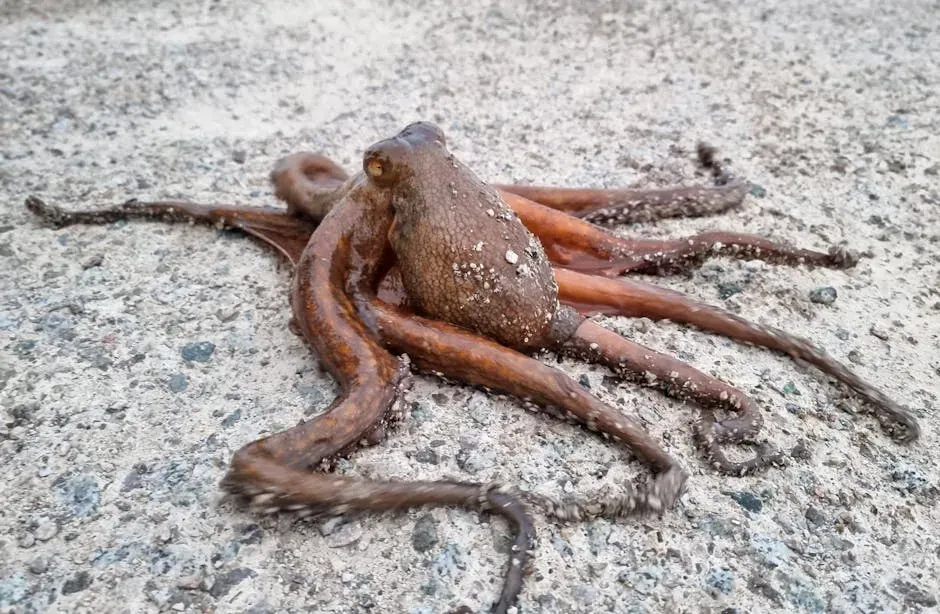
One night at the National Aquarium of New Zealand, a covert operation took place. Inky, a young octopus, decided he’d had enough of life behind glass. When he discovered that the lid of his enclosure had been left slightly ajar, he saw the opportunity. He squeezed through the gap, traversed himself down the side of the tank, made his way across the aquarium floor avoiding obstacles, and eventually found a drainpipe that led to the open ocean.
Another octopus at the Santa Monica Aquarium learned to short-circuit lights by squirting water at bulbs when nobody was watching. These aren’t accidents. They represent deliberate, goal-oriented problem-solving.
Inky’s escape wasn’t only a display of physical agility; it was a striking example of problem-solving and hints at a deeper kind of intelligence.
Manta Rays Can Recognize Their Own Reflection
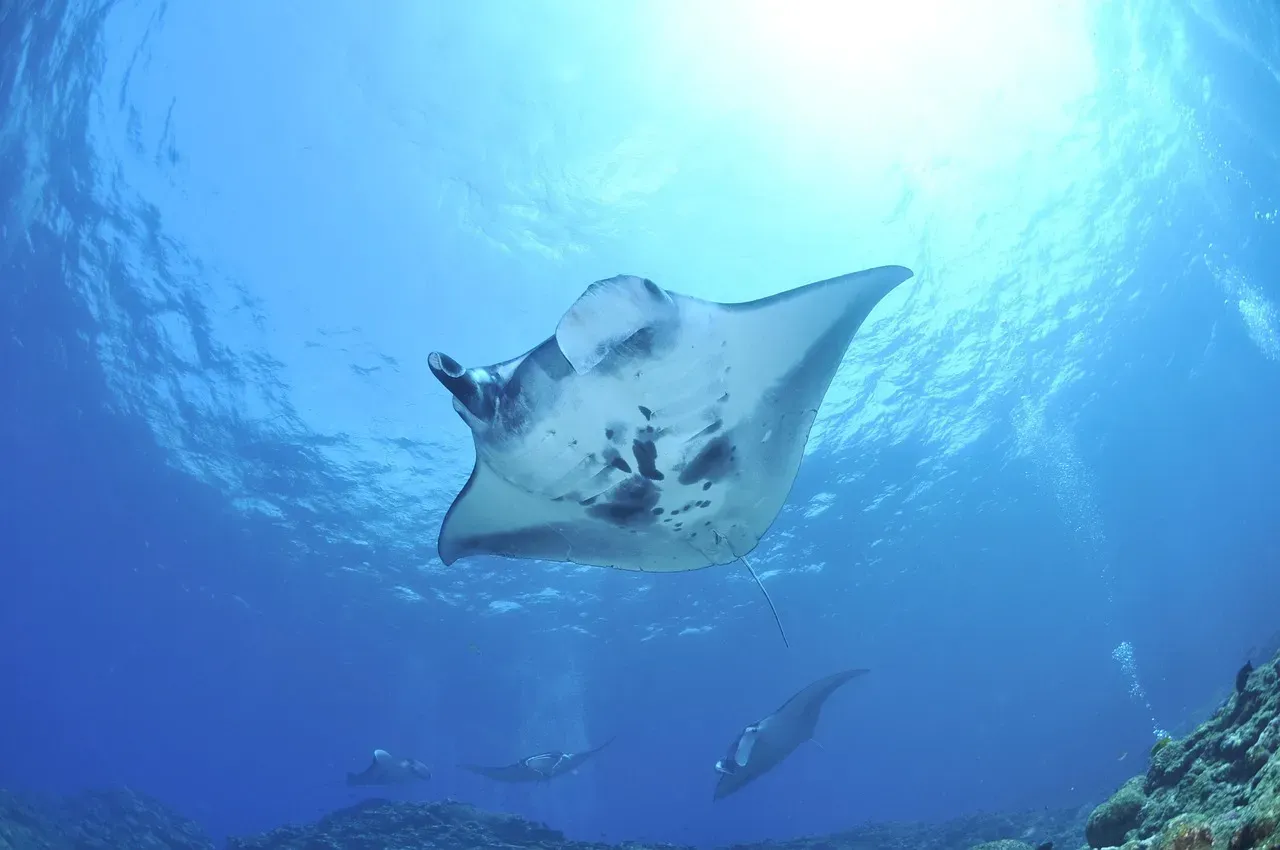
Manta rays have larger brains than any other fish species, with extensive sections for learning, problem-solving, and communication. Manta rays can have brains up to ten times larger than those found in whale sharks, despite the latter being the biggest fish underwater.
Self-awareness isn’t standard among underwater creatures, but manta rays defy this norm. These intelligent sea creatures can recognize their reflection, and no other fish can do this.
Mantas are playful: they love flying, and you can see whole schools jumping together at dawn and dusk. These creatures also get curious around humans, and mantas will interact and play with them on purpose.
Dolphins Give Each Other Names
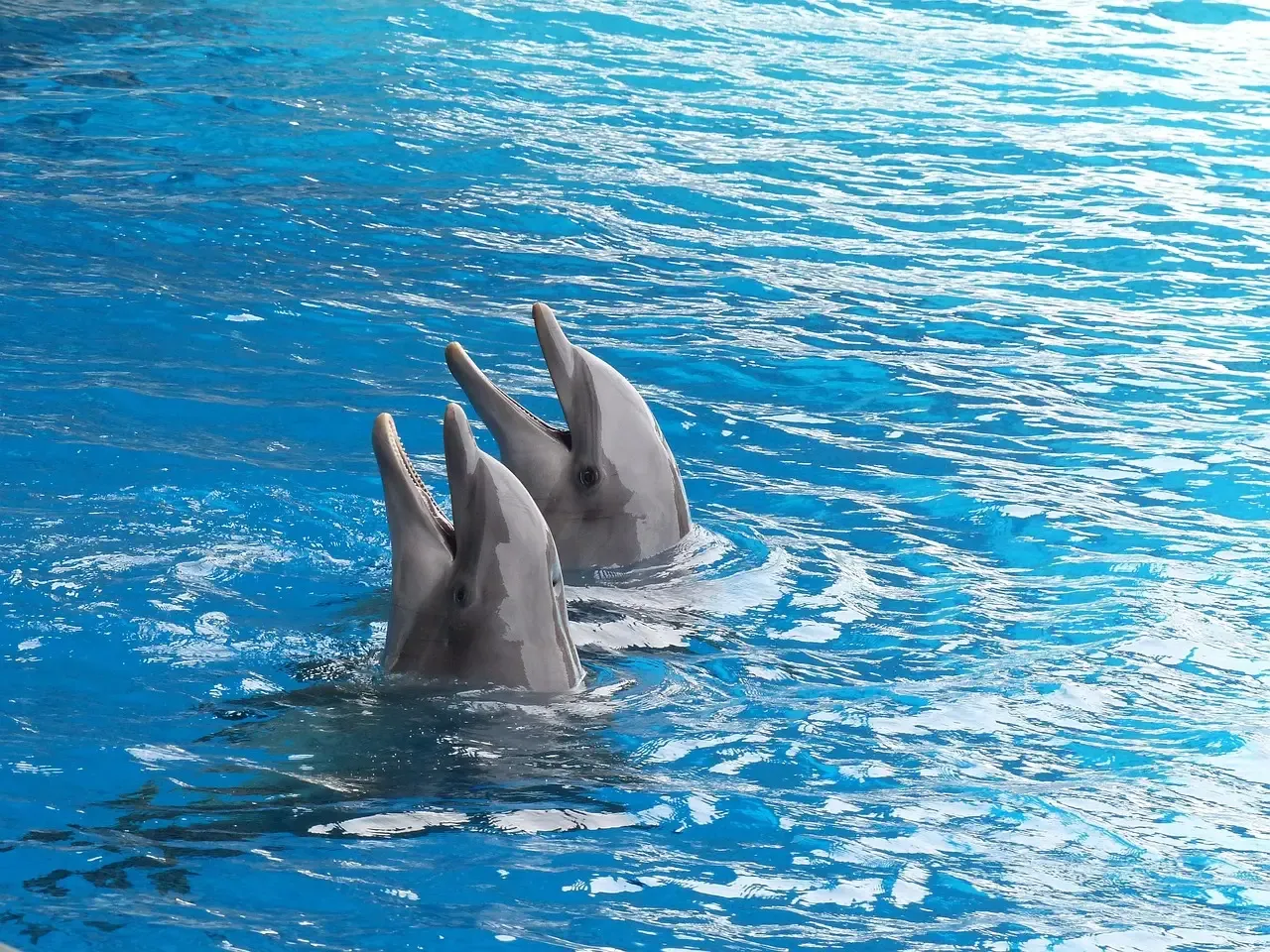
Bottlenose dolphins display empathy, strong bonds, and even unique “names” for one another through specific whistles. Each dolphin develops its own signature whistle early in life, and other dolphins use it to call that specific individual.
Dolphins can remember events and learn concepts, adapting their behaviour as a result of previous experiences. They communicate with each other to create complex hunting and feeding strategies, manage relationships in their pods, and have intimate bonds with their young. They understand not only words but can interpret the order of words.
When working with human fishermen in Brazil, dolphins signal precisely when and where to cast nets, a partnership benefiting both species. That kind of cross-species coordination requires genuine understanding of another animal’s intentions.
Octopuses Evolved Intelligence Entirely on Their Own
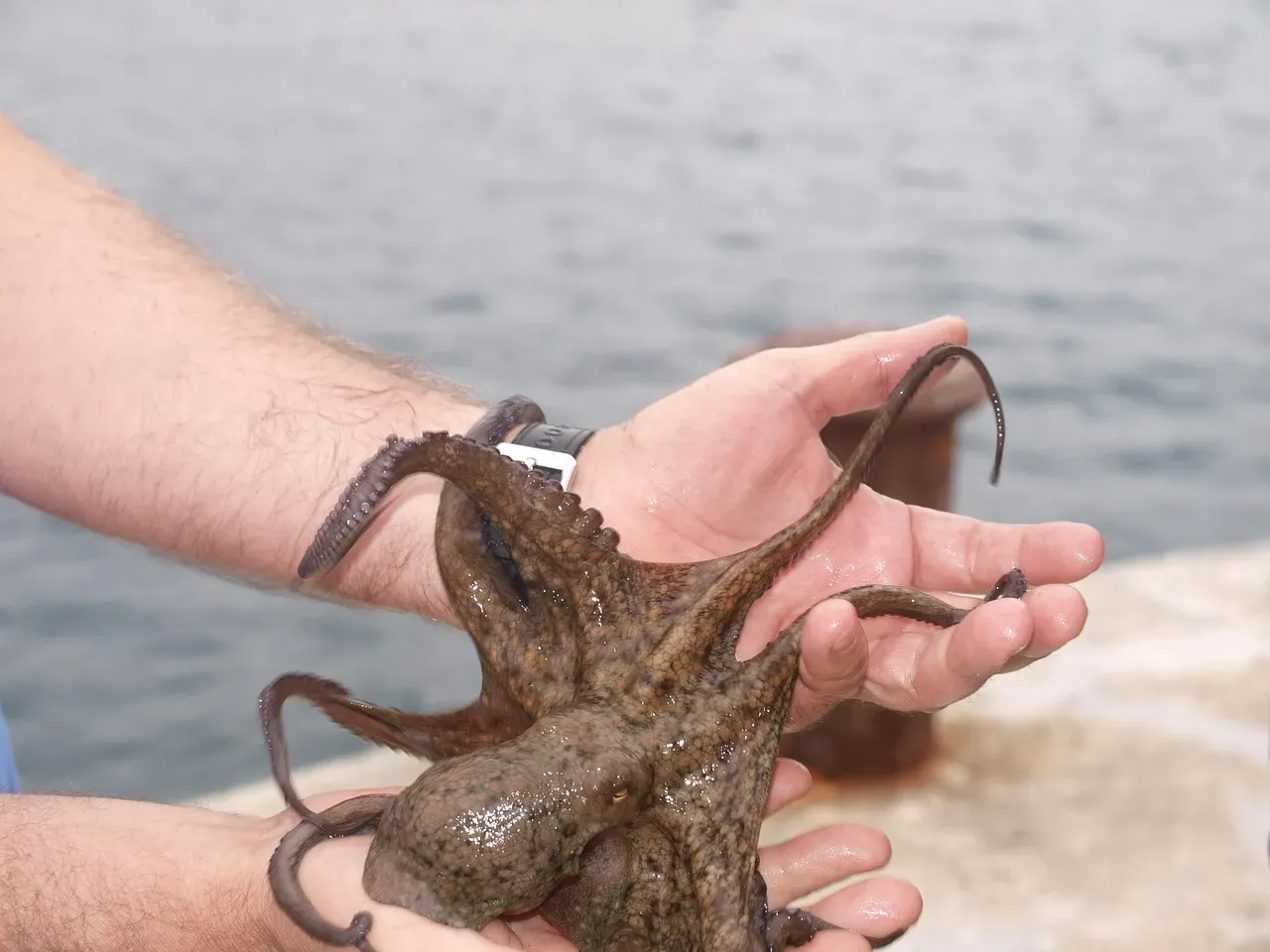
Octopuses and humans last shared a common ancestor more than 500 million years ago, a simple wormlike creature with nothing resembling a complex brain. That means octopus intelligence evolved completely independently from vertebrate intelligence.
Researchers have found that octopus brains have become more complex by using a lot more regulatory RNAs to control gene activity, just as vertebrates did. Two completely separate evolutionary paths arriving at similar cognitive outcomes is genuinely remarkable.
The leading explanation is that octopuses occupy an unusually demanding ecological niche. They are soft-bodied animals with no shell, no venom in most species, and no armor. They live in complex, three-dimensional environments where threats come from every direction. Their brain was the only weapon available.
Cuttlefish Can Delay Gratification
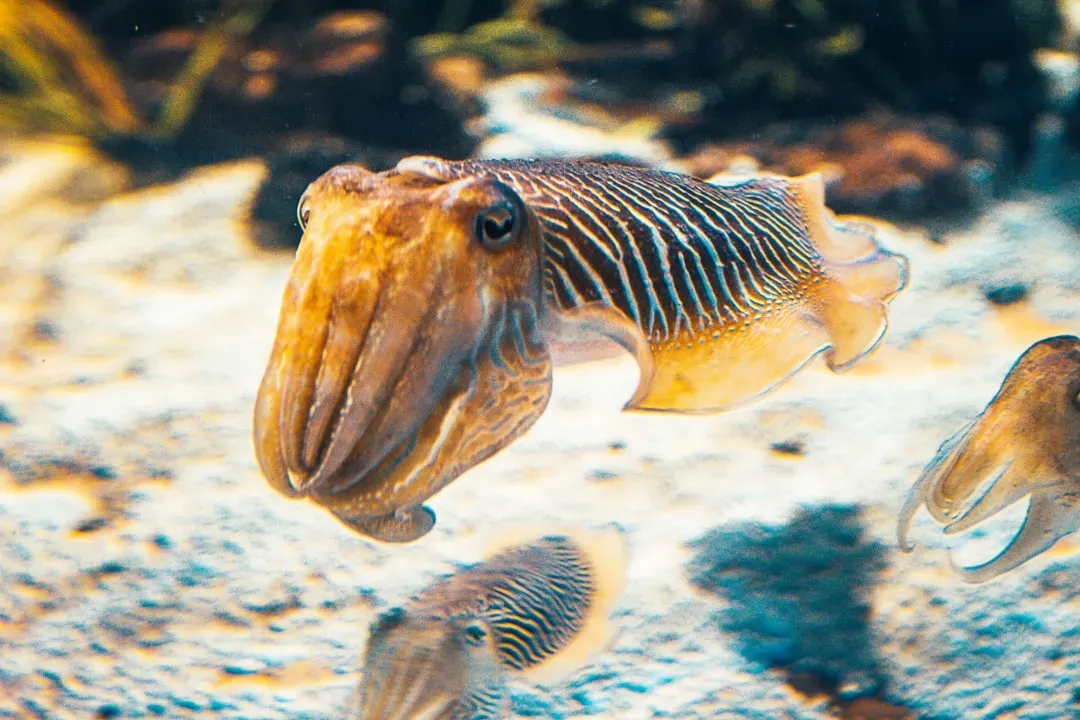
Cuttlefish have been shown to have the capacity for future planning and reward processing after being tested with the Stanford marshmallow experiment. They are the first invertebrate ever documented to demonstrate this ability.
Researchers also discovered that the individual cuttlefish that showed the best self-control on the cuttlefish version of the marshmallow test also did better on a different learning task, suggesting a link between self-control and intelligence.
Common cuttlefishes are some of the most intelligent invertebrates on the planet. These sea creatures lack hard armor, so they must rely on their intelligence to outsmart predators. Their large brains, compared to their size, enable them to camouflage and trick their predators.
Dolphins Sleep With Half Their Brain at a Time
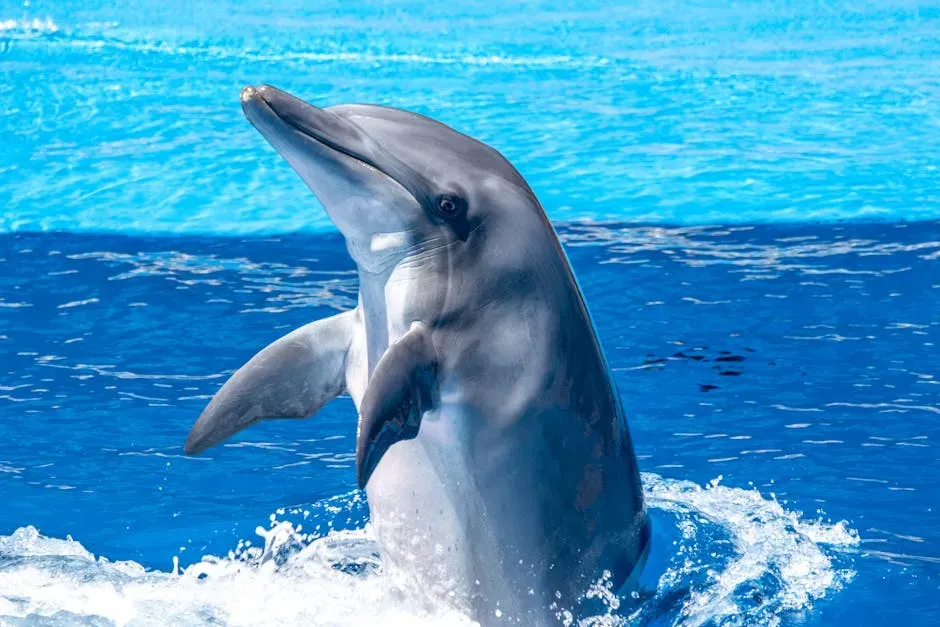
Dolphins sleep only one hemisphere of their brain at a time, possibly to control their voluntary respiration system or to be vigilant for predators. It’s one of the most unusual sleep adaptations found in any animal on Earth.
Perhaps the most obvious difference between human brains and those of dolphins is that they have an entire area dedicated to echolocation. Dolphins can “see” with sonar, a skill called echolocation. Sound travels much better in water than light does, so it makes more sense for dolphins to sense their surroundings with sound.
Dolphins can check out each other’s pregnancies and eavesdrop on the echolocating clicks of other dolphins to figure out what they’re looking at. That level of shared sensory awareness goes well beyond simple communication.
Orcas Show Grief and Emotional Intelligence
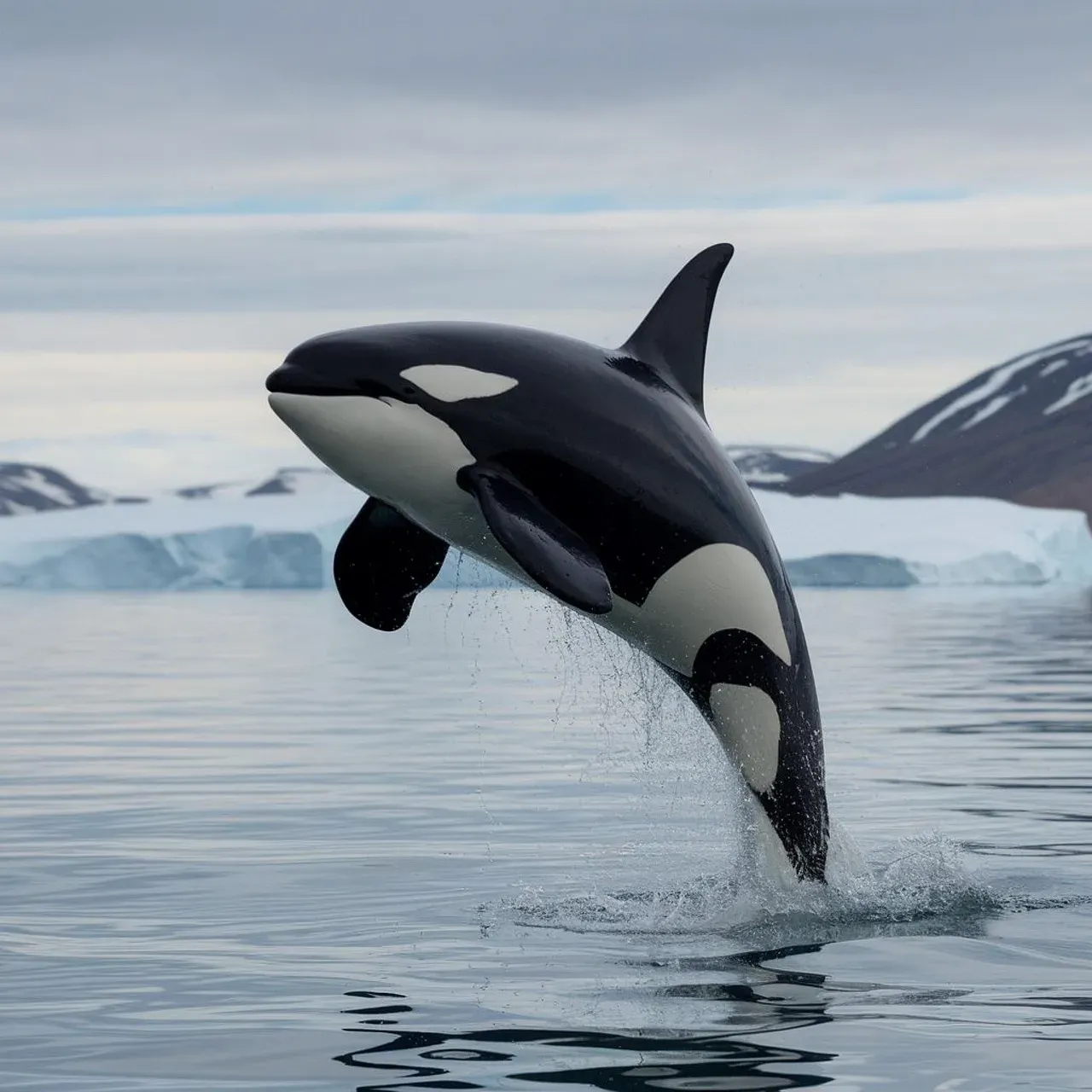
Orcas form lifelong bonds and mourn their dead, as seen in the story of Tahlequah, an orca who carried her deceased calf for 17 days. That behavior draws a quiet, undeniable line between mere instinct and something more.
Orcas enjoy living with family and friends and have social groups similar to elephants. You can see several generations of these creatures traveling together, and just like dolphins, older orcas pass down their knowledge to younger ones.
Killer whales perform spy hopping and lob tailing to show different forms of body language. Spy hopping lets orcas look around their surroundings by slightly holding their heads above water, while lob tailing involves them using their fins to thrash their tails in the water. The gesture helps orcas grab the attention of their fellow whales or warn them of possible dangers.
Octopuses Have Personalities and Recognize Faces
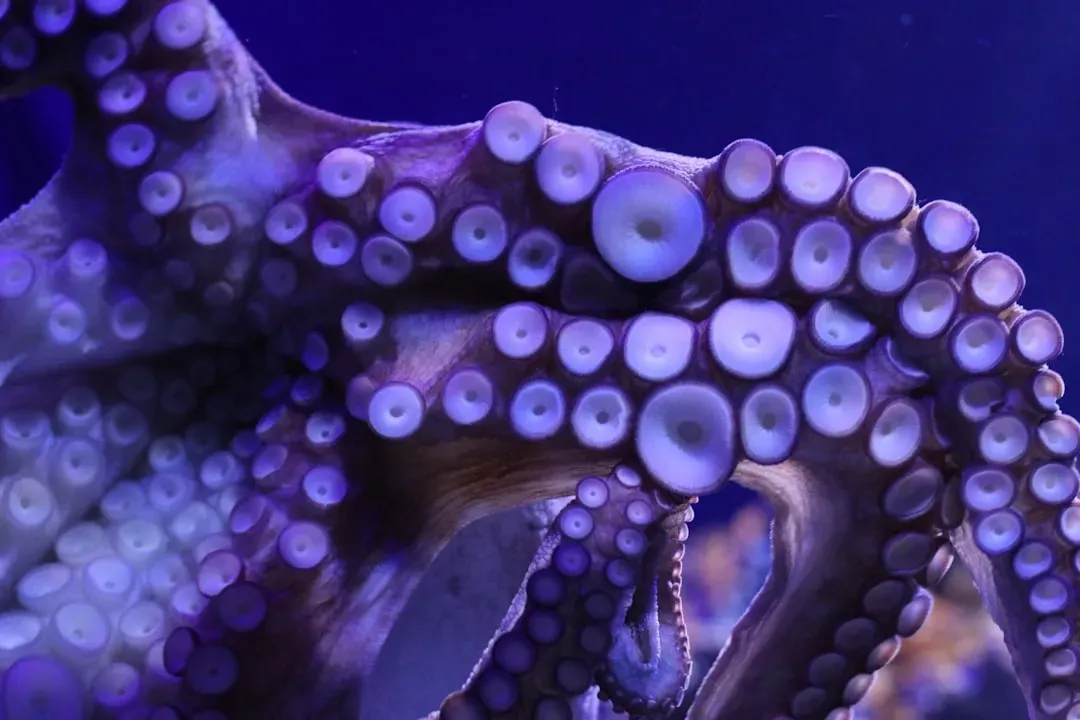
Octopuses are capable of experiencing pleasure and pain, stress, and excitement. They also have individual personalities, meaning some will be more curious while others will be more cautious.
In some instances, octopuses have been seen to recognise individuals, including human faces. For a solitary creature with a lifespan often measured in months, that’s a startling cognitive capability.
Octopuses possess both short- and long-term memory, and their arms, which contain two-thirds of their neurons, can act semi-independently, allowing them to multitask. They’ve been seen playing with objects, a behaviour often associated with higher intelligence.
Intelligence in the Ocean Is Legally Recognized
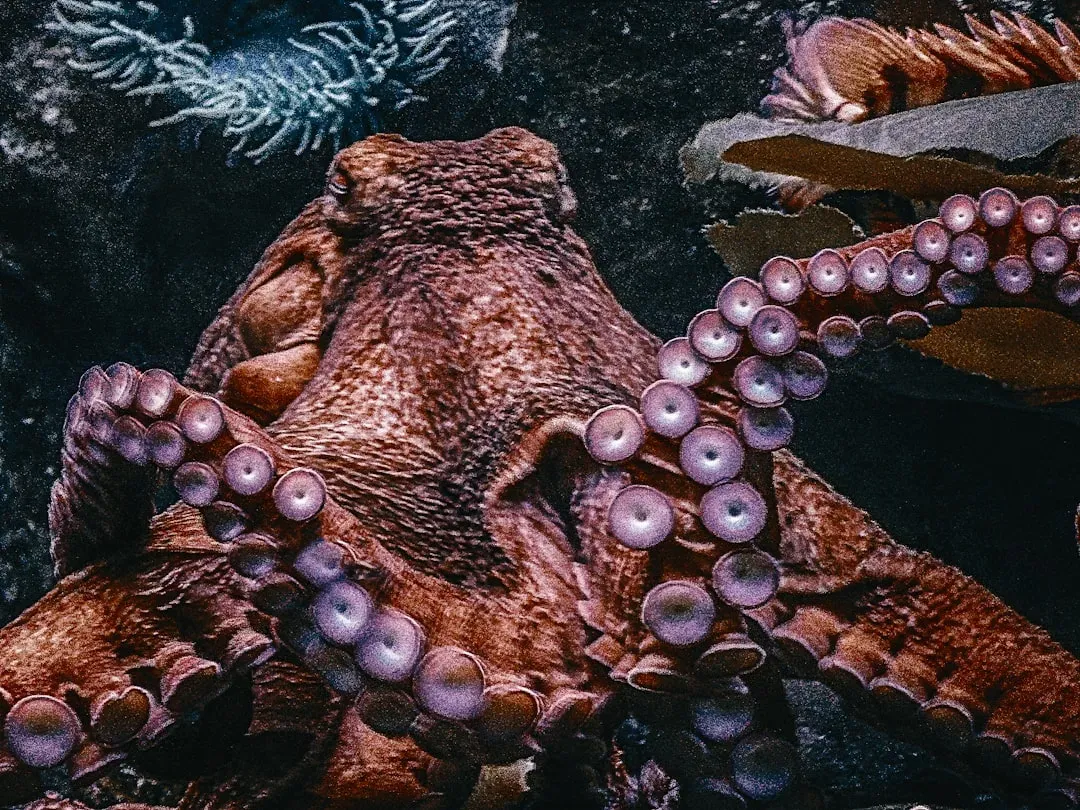
Cephalopods are legally classified as being at least as sentient as vertebrates in some countries and have been compared to intelligent extraterrestrials, due to their convergently evolved mammal-like intelligence.
Octopus intelligence is so well established that the United Kingdom formally recognized them as sentient beings in 2022. That’s a significant legal milestone for an animal without a spine.
Due to their intelligence, cephalopods are commonly protected by animal testing regulations that do not usually apply to invertebrates. In the UK from 1993 to 2012, the common octopus was the only invertebrate protected under the Animals (Scientific Procedures) Act 1986. The science had convinced lawmakers long before the public conversation caught up.
Conclusion: The Ocean Thinks
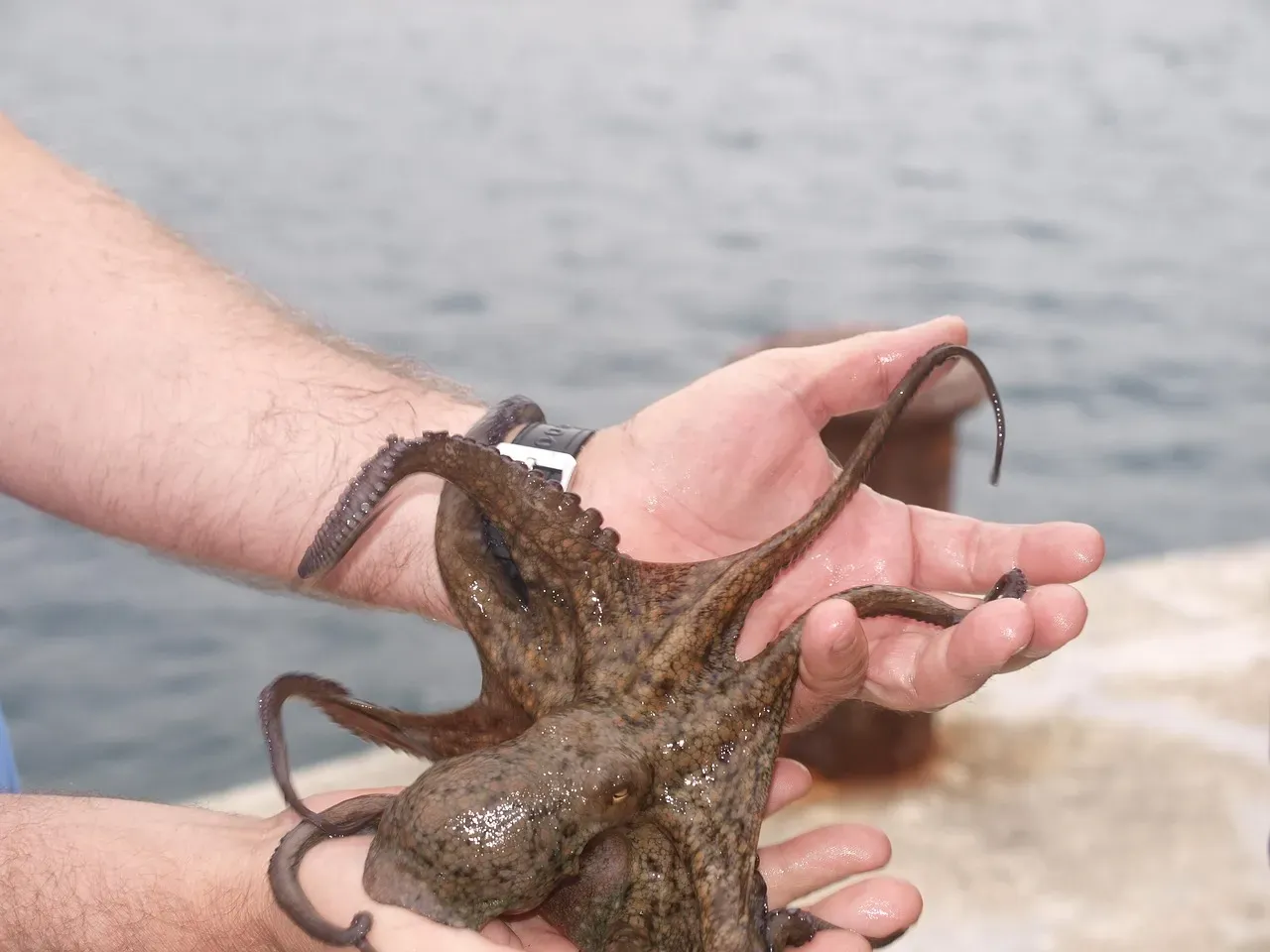
What makes ocean intelligence so compelling isn’t just the raw cognitive ability these creatures display. It’s that so much of it evolved in total isolation from the path that led to human brains. From problem-solving cephalopods to cooperative hunting strategies, marine animals display astonishing intelligence that rivals many land mammals. Scientists have documented remarkable behaviors showing memory, tool use, social learning, and even self-awareness among these underwater thinkers.
The more researchers look, the more they find. With hundreds of millions of neurons, octopuses display a range of complex behaviors. They solve puzzles, escape mazes, and might even dream. Yet how they became so smart remains an evolutionary mystery scientists are still working to unravel.
Perhaps the most honest takeaway is this: the ocean hasn’t run out of surprises. Every decade, some behavior turns up that reshapes what we thought we knew about animal minds. The smartest creatures down there have been thinking long before we started paying attention.
