


Volcanoes are typically associated with destruction and desolation, but they also offer a unique opportunity for various species to thrive in unexpected ways. These fiery giants birth a unique landscape full of fresh minerals and nutrients, attracting a variety of wildlife. From resilient plants that become pioneers in volcanic soil to the adaptable animals that find refuge in these tumultuous environments, the story of life around volcanoes is as dramatic and inspiring as the eruptions themselves.
Tough Terrain, Tough Species

Despite their inhospitable appearance, areas surrounding volcanoes are often teeming with life. The rugged terrains formed by volcanic eruptions can create new habitats and microclimates that suit specific species. The constant change in these areas means that only the most adaptable creatures survive and sometimes, even flourish.
The Volcano Rabbit A Tiny Survivor
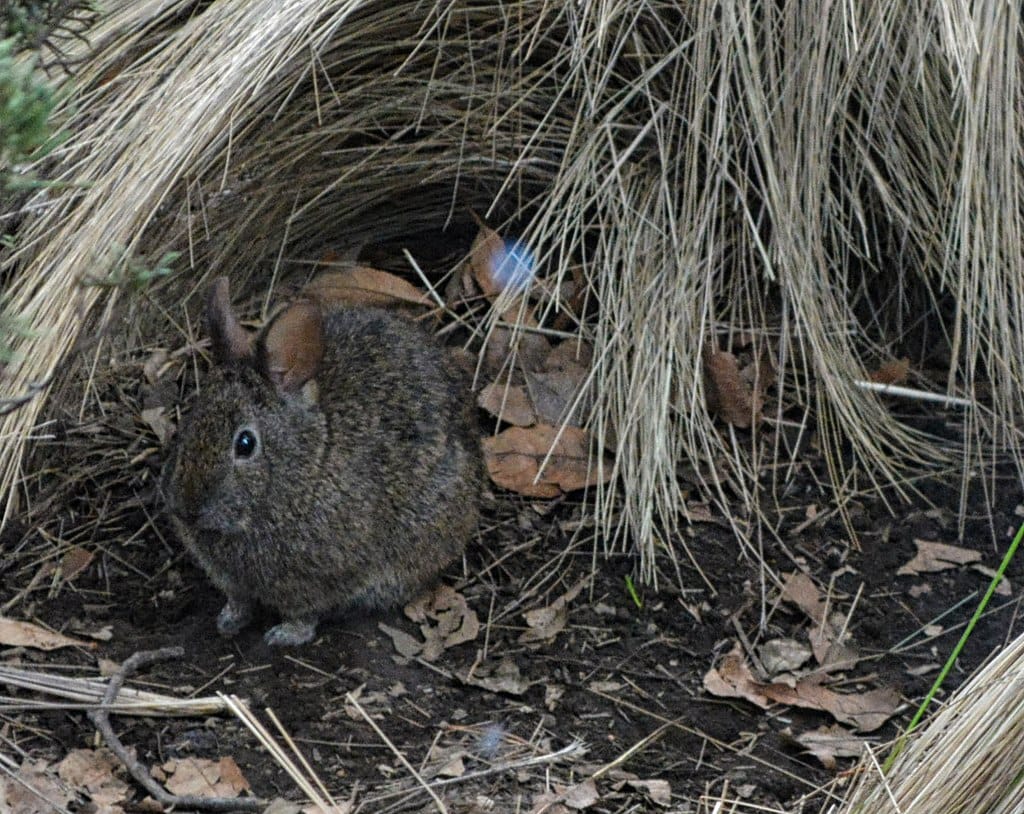
The volcano rabbit, also known as the zacatuche, is one of the smallest rabbit species in the world, found only near the slopes of volcanoes in Mexico. These rabbits have evolved to hide among the dense grasslands of the volcanic terrain, using their diminutive size to avoid predators efficiently.
Galápagos Marine Iguanas Adaptation Specialists

Famous for their ability to forage in the sea, Galápagos marine iguanas are truly remarkable. The volcanic islands of the Galápagos provide them with a rugged habitat where they bask on the dark lava rocks to absorb heat. They have developed unique adaptations, such as flattened tails for swimming and strong claws for clinging to rocks in the rough ocean.
Robust Lava Lizards

Lava lizards, closely related to the Galápagos iguanas, also call volcanic terrains their home. These agile and fast-footed reptiles thrive on the islands’ rocky surfaces, feeding on small insects. Their impressive ability to regulate their body temperature helps them survive the harsh temperatures of their volcanic habitat.
Enduring Hawaiian Geese Nene
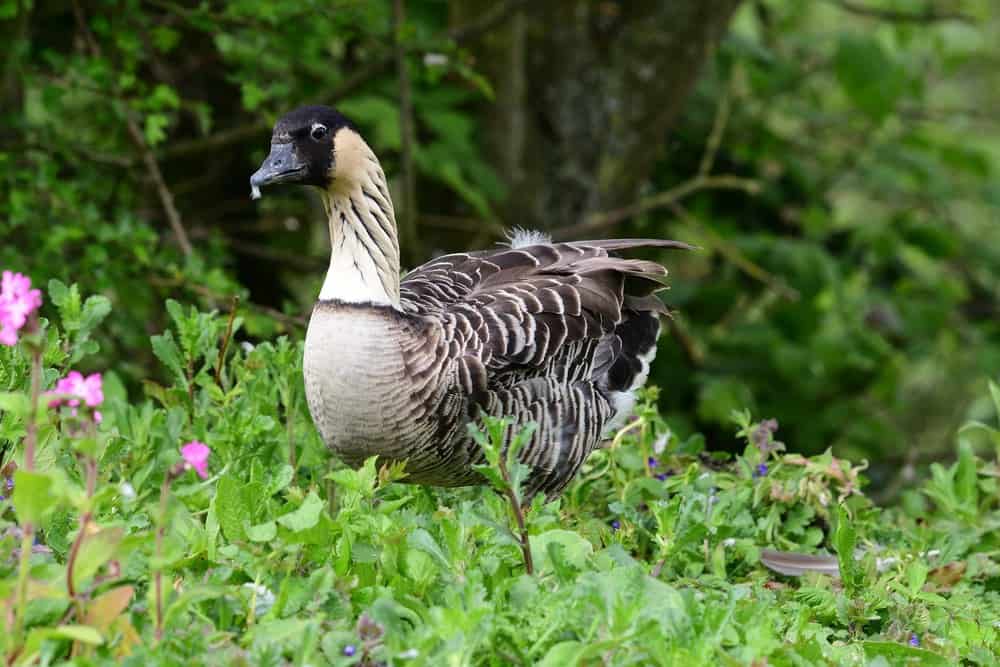
The nene, or Hawaiian goose, is a resilient bird species that has learned to live on volcanic fields of Hawaii. These geese are well-adapted to traverse the rough terrain, thanks to their unique foot structure that allows them to walk across jagged lava without injury.
Resilient Ferns and Pioneer Plants

Before animals can colonize new volcanic ecosystems, plants must pave the way. Pioneer species like ferns are among the first to grow on new lava flows, slowly breaking down rock into soil. Their presence lays the groundwork for more complex plant and animal communities to establish themselves.
Ash-Defying Terns

Certain tern species, like the sooty tern, have been observed nesting near active volcanoes. The nutrient-rich ash and disturbed environments provide abundant food sources for these birds, allowing them to thrive in conditions many would consider perilous.
Bats Night-time Navigators

Some species of bats are known to roost in volcanic caves, taking advantage of the abundant insects that also find a home in the crevices and vents. The warmth and shelter provided by these caves offer a perfect environment for these nocturnal creatures.
Volcano-Inhabiting Foxes

The daring red fox has been seen on the slopes of volcanoes, particularly in areas like the Kamchatka Peninsula. These opportunistic feeders benefit from the rich biodiversity that often pops up around volcanic areas, hunting small mammals, birds, and even insects that thrive in the nutrient-rich soils.
Hardy Invertebrates Lava Crickets

Lava crickets are among the few invertebrates that can withstand and inhabit freshly formed lava fields. These crickets play an essential role in new volcanic landscapes, serving as prey for other animals and kickstarting the volcanic food web.
Tenacious Arthropods

Various arthropods, such as spiders and beetles, have been found in surprisingly high numbers on volcanic slopes. These insects and arachnids display a keen ability to find sustenance and warmth in the cracks and crevices provided by volcanic rock formations.
Aquatic Wonder Tilapia in Volcanic Lakes

In some cases, volcanic crater lakes become ecosystems of their own. Species like tilapia have adapted to living in these isolated ecosystems, finding wide use in regions where they are introduced, yet they also represent the adaptability of species in volcano-formed environments.
Conclusion: Life Finds a Way

Volcanoes, with their raw and seemingly hostile nature, illustrate nature’s resilience and adaptability. Each animal and plant thriving in these environments tells a story of perseverance and specialized adaptation. From the smallest invertebrates to larger mammals and birds, life does more than merely endure; it prospers against one of nature’s most formidable forces. The interplay of destruction and rebirth around volcanoes continues to be a testament to the resilience of nature.

As a little kid, I fell in love with nature, wildlife, and animals. Living in the USA, South Africa, Italy, China and Germany gave me the opportunity to discover the world's Wildlife. My favorite animals are Mountain Gorillas, Siberian Tigers, and Great White Sharks.
I'm a certified PADI Open Water Diver, went to Everest Base Camp and Trekked Gorillas in Uganda. I hold a Master of Science in Economics and Finance.
Please send any feedback to feedback@animalsaroundtheglobe.com
- 13 Animals That Thrive Near Volcanoes - August 10, 2026
- 10 Cat Habits That Confuse Even Veterinarians - August 10, 2026
- 10 Species That Evolved to Breathe Through Skin - August 10, 2026
Leave a comment
You must be logged in to post a comment.