
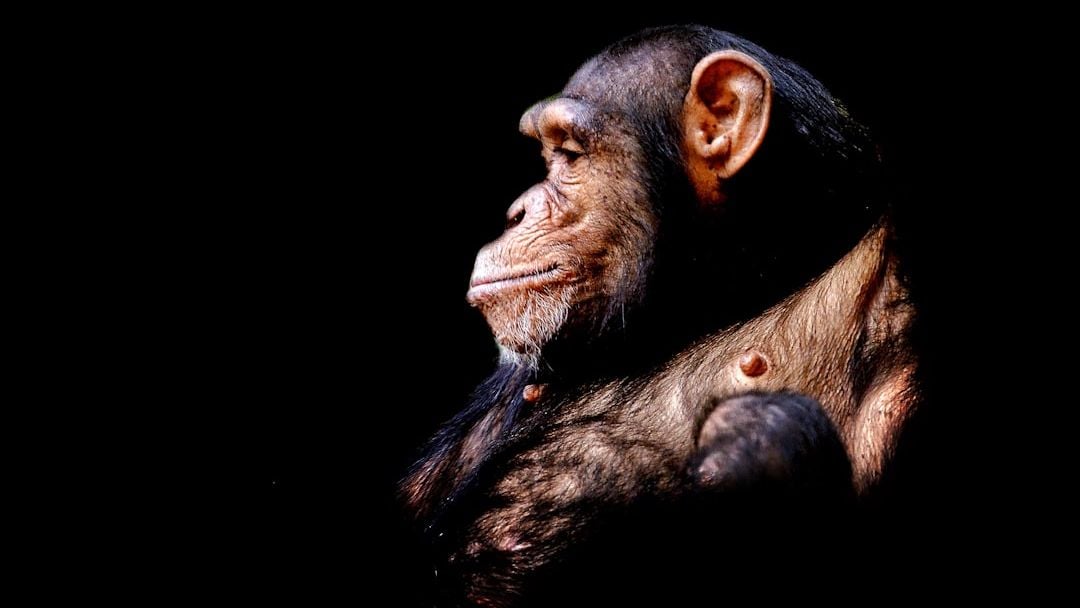
Most of us were taught that grief is a human thing – that animals operate on instinct, not heartbreak. But spend five minutes talking to a veterinarian who has watched a horse refuse food for weeks after losing its rider, or a parrot tear out its own feathers after its owner died, and that old assumption starts to fall apart fast. The evidence coming out of clinics, sanctuaries, and long-term field studies isn’t subtle anymore. These animals don’t just miss their companions. They mourn them.
What’s striking isn’t just that it happens – it’s how it happens. The signs track eerily close to what we recognize in human grief: withdrawal, appetite loss, behavioral collapse, and in some cases, a physical decline that no medication fully fixes. Vets see it across species that couldn’t be more different from each other. Some of what they’ve documented will genuinely surprise you.
#13 – Cats: The Independent Myth That Vets Keep Debunking
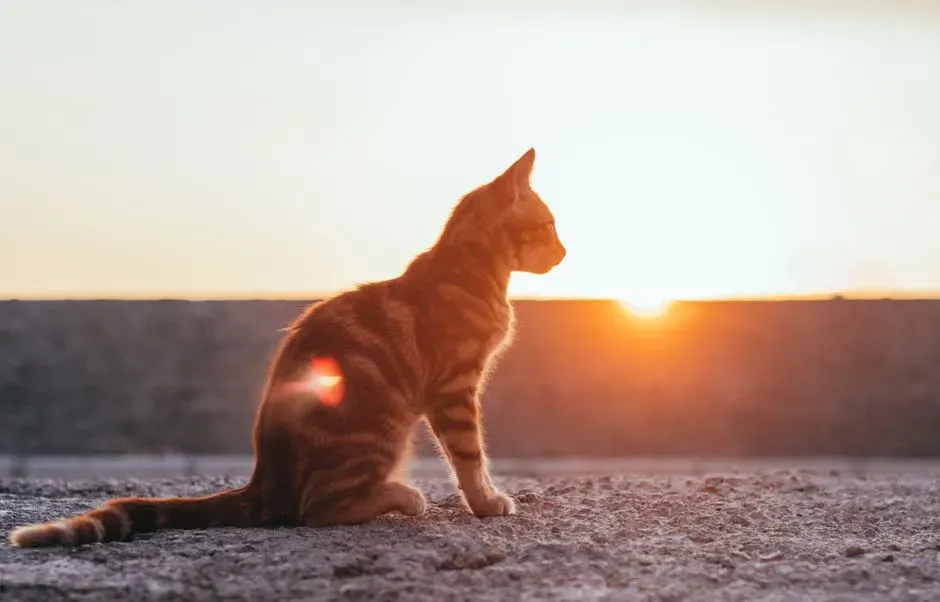
The "cats don’t care" narrative is one of the most persistent lies in pet ownership – and vets are tired of it. Cats that appear aloof in daily life often form attachments so deep that losing a bonded companion sends them into a visible spiral: hiding for weeks, refusing meals, yowling through the night in ways owners have never heard before. Cortisol spikes and prolonged behavioral changes show up in clinic records in patterns that look less like "quirky cat stuff" and more like clinical grief.
One of the more quietly devastating behaviors vets document is a cat grooming the body of a deceased companion, or refusing to leave the spot where that companion died. Cats have also been observed seeking out the belongings of a deceased owner – sleeping on unwashed clothes, pressing against a familiar chair – for months after the loss. The attachment was always there. Most owners just didn’t see it until it was gone.
Fast Facts
- One study found that 97% of cats became more clingy and needy after losing a companion animal in the home.
- Grief-related hiding can last weeks to months, often mistaken for illness or personality change.
- Cats may fixate on the deceased’s belongings – scent is believed to be a primary grief trigger.
- Cortisol elevation linked to grief stress can suppress feline immune function and invite secondary illness.
#12 – Horses: Bonds That Outlast Stables and Riders

Horses don’t treat trusted humans as service providers. They treat them as herd members – and that distinction matters enormously when separation happens. Vets who work with horses regularly see the aftermath of rehoming or owner loss play out in the animal’s body: pacing, weight drop, colic-like symptoms with no physical cause, and a dullness in the eyes that experienced handlers recognize immediately as something emotional, not medical.
The detail that tends to stop people cold is this: horses have been observed remembering and grieving specific companions years after separation, sometimes refusing new riders in ways that suggest the old bond isn’t just forgotten. When a key member of a herd is removed, the social structure can destabilize enough to cause secondary health problems in the animals left behind. Vets emphasize watching for these signs during ownership changes – the grief doesn’t always announce itself loudly.
#11 – Parrots: Lifelong Pairs That Grieve Like Widows
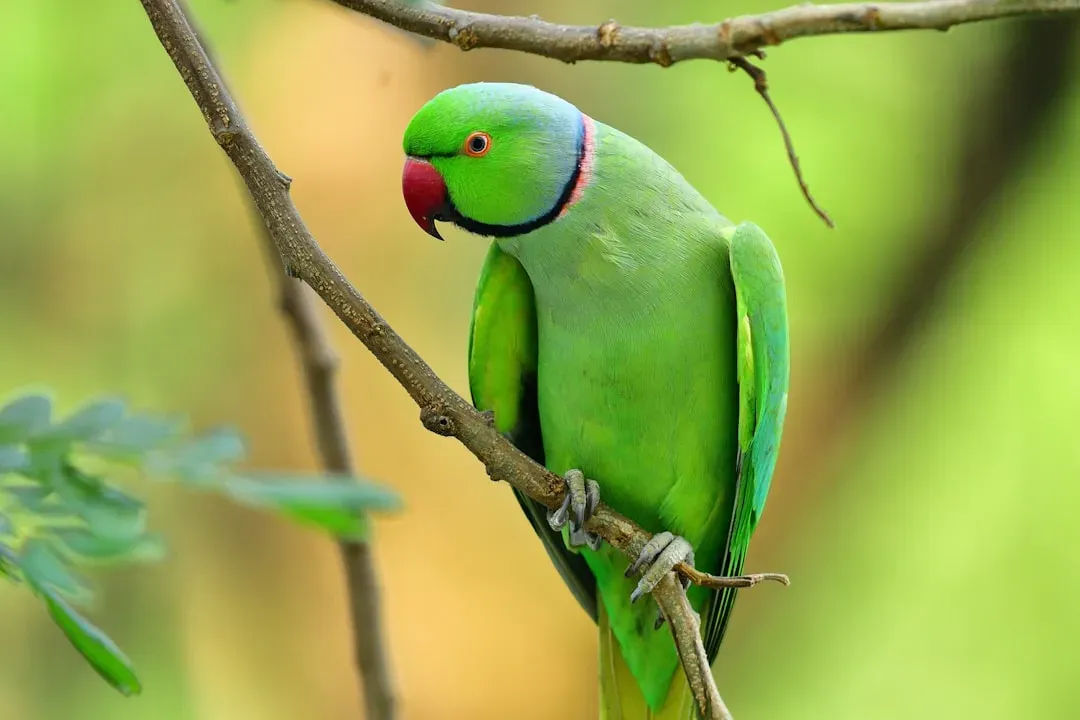
Avian vets will tell you that parrots don’t do casual relationships. Species like African greys and cockatoos form monogamous-style bonds that can last decades, and when a mate or primary owner dies, the behavioral collapse can be dramatic. Feather-plucking, refusal to eat, mournful vocalizations that continue for months – these are the signs that bring birds into specialist clinics, and they are not rare.
What makes parrots particularly striking is the cognitive layer underneath the grief. African greys have been documented making what look like search attempts – vocalizing in ways that seem designed to locate the missing partner, problem-solving to find them. Some develop depression severe enough to require medication, including self-harm behaviors that escalate without intervention. For a bird often sold as a low-maintenance pet, the emotional stakes turn out to be extraordinarily high.
At a Glance: Parrot Grief Warning Signs
- Feather-plucking – a physical stress response that can cause lasting skin damage.
- Prolonged vocalization – repetitive calls that mimic search behavior for a missing companion.
- Appetite refusal – lasting days to weeks; can trigger life-threatening weight loss in smaller species.
- Social withdrawal – rejection of human interaction from a bird previously hand-tame and engaged.
- Medication dependency – in severe cases, anti-anxiety or antidepressant treatment becomes necessary.
#10 – Pigs: Smarter Than Dogs and Just as Attached
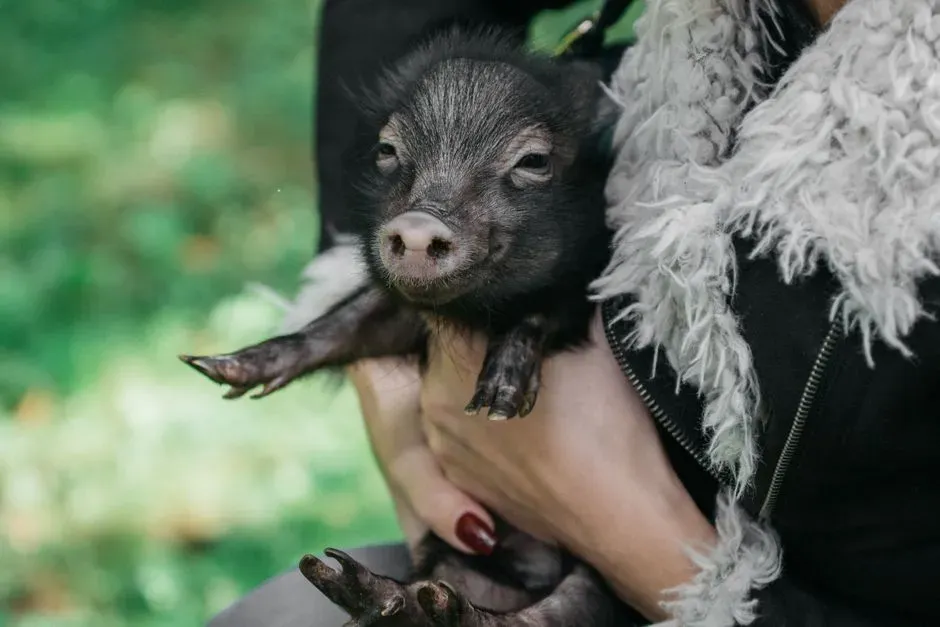
Pigs routinely score higher than dogs on cognitive tests, and their emotional lives match that intelligence. Farm and exotic vets describe animals that recognize individual caregivers, respond to routine disruptions with visible distress, and form bonds with littermates or owners that run genuinely deep. When those bonds are broken – through a sale, a move, or a death – the behavioral fallout can include aggression, depression, and digestive problems that won’t resolve until the animal’s social environment is stabilized.
The behavior that tends to catch vets off guard is the emergence of repetitive, anxiety-driven behaviors after loss – pacing patterns, obsessive rooting, rhythmic movements that look like the same kind of displacement behavior seen in institutionalized humans. Owners often don’t anticipate this because pigs project competence and energy. The grief only becomes visible when the companion disappears and takes part of the pig’s world with it.
#9 – Cows: Maternal and Social Grief That Lasts
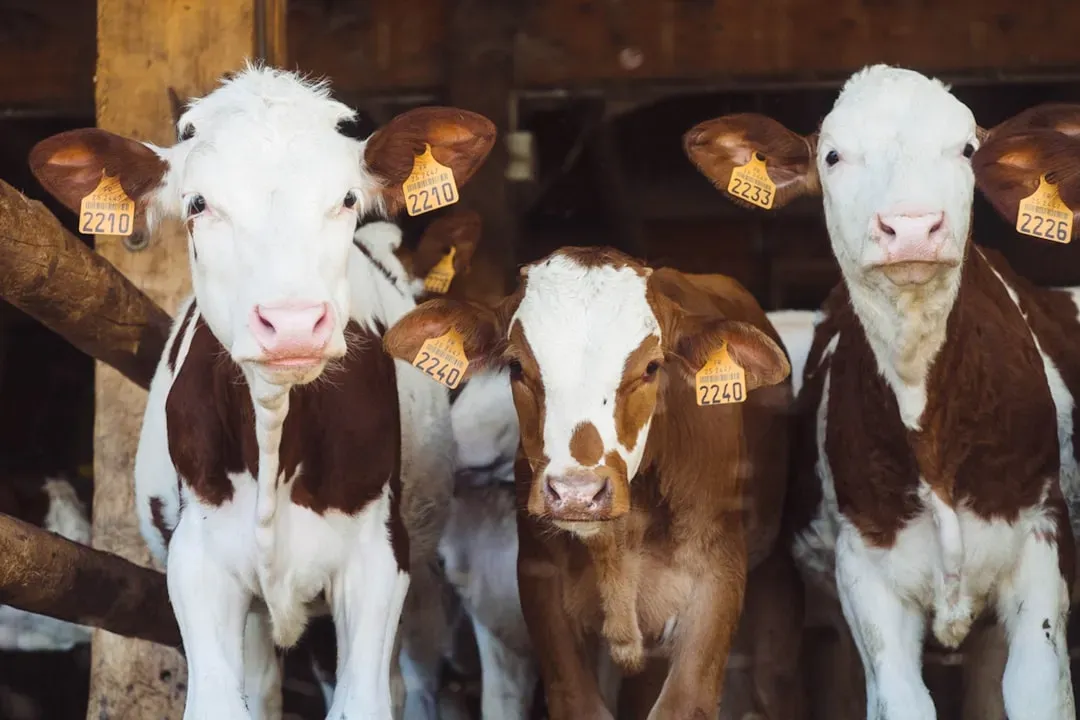
Ask any dairy vet what happens when a calf is separated from its mother, and you’ll get a quiet, matter-of-fact description that’s hard to shake. Cows call. They call for hours, then days, moving toward the area where the calf was last seen, returning to it repeatedly. Milk production drops. Weight drops. The animal’s attention narrows to the loss in a way that mirrors what any parent would recognize.
What the long-term farm studies add to this picture is even more uncomfortable: cows subjected to repeated separations can develop chronic stress conditions that affect future reproductive health. Some have been observed lingering near removal areas or visiting sites where herd mates died long after the fact. The emotional life of cattle is one of the most consistently underestimated realities in agricultural veterinary practice, and the vets who work with them know it.
#8 – Sheep: Flock Members Who Remember and Mourn
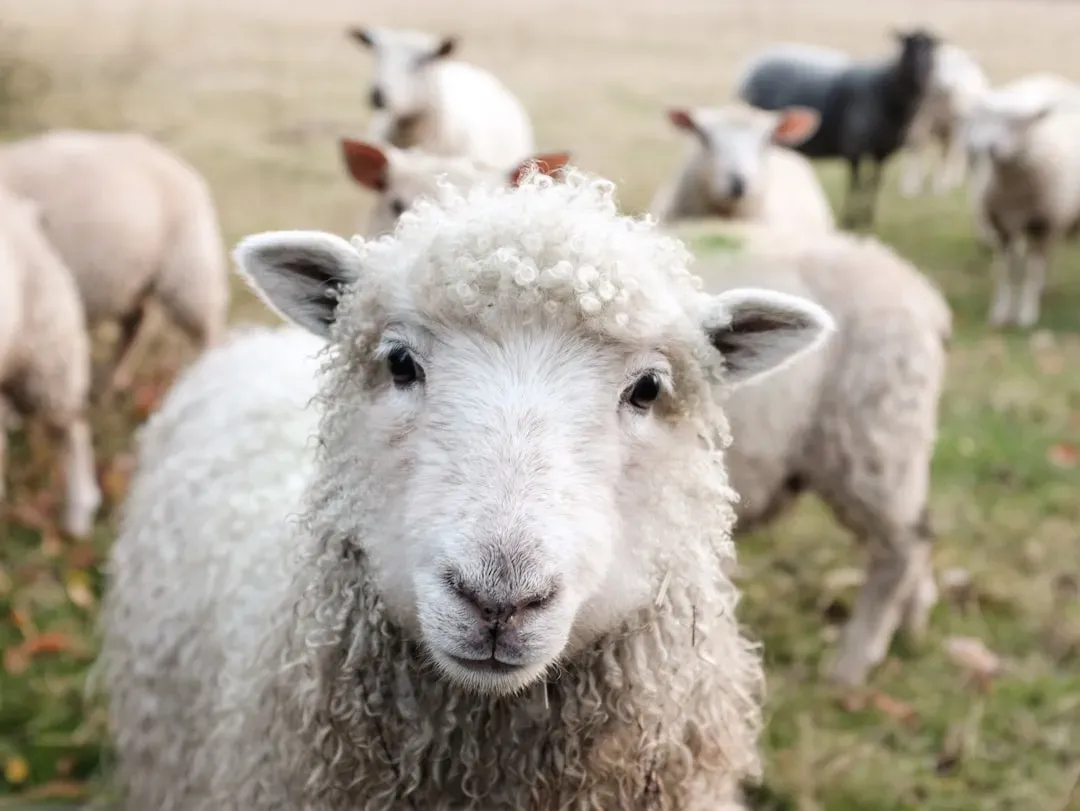
Sheep carry a reputation as simple, interchangeable animals – and that reputation is badly wrong. Within flocks, pair bonds form that are specific and durable, and when those bonds break, the signs are observable and consistent: isolation from the group, reduced grazing, a kind of listless withdrawal that experienced shepherds learn to recognize as something beyond physical illness. Ewes separated from lambs can sustain vocal distress for days.
The research detail that tends to land hardest is this: sheep can recognize and show emotional responses to photos or scents of lost flock members months after separation. That’s not reflexive behavior. That’s memory actively interacting with loss. The animal is not just reacting to an absence – it is recognizing a specific individual who is no longer there. The gap between that and what we call grief is smaller than most people want to admit.
Worth Knowing
- Sheep can distinguish and remember up to 50 individual sheep faces – and hold those memories for over two years.
- Isolated sheep show measurable cortisol spikes within hours of being separated from bonded flock mates.
- Reduced grazing after a bond-loss isn’t laziness – it’s one of the earliest and most reliable grief indicators shepherds track.
- Vocal distress calls from separated ewes have been documented persisting for 72 hours or more.
#7 – Rabbits: Prey Species With Hidden Emotional Depths
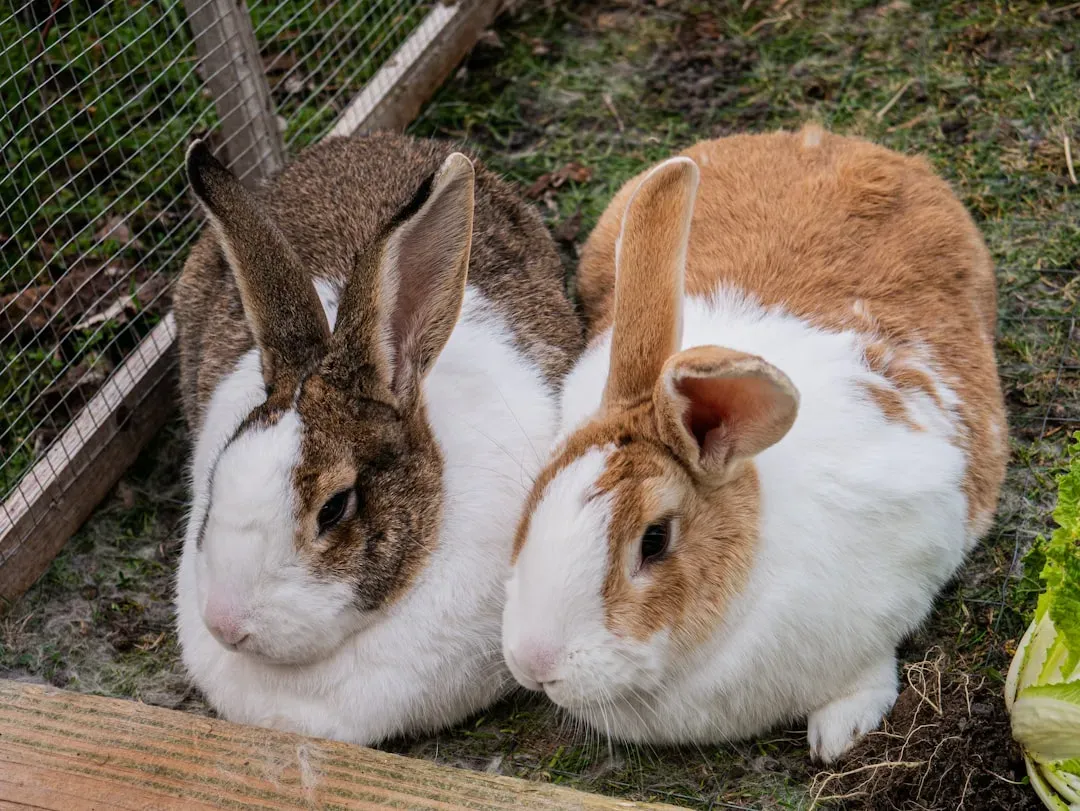
Rabbits are prey animals, which means they are evolutionarily wired to hide vulnerability. That makes grief in rabbits particularly dangerous – by the time an owner notices something is wrong, the animal may already be in serious physical decline. Exotic pet vets link the loss of a bonded mate directly to GI stasis, a potentially fatal condition in which the digestive system slows or stops, often triggered by acute stress. The rabbit doesn’t announce its heartbreak. It internalizes it until the body gives out.
There are documented cases of rabbits dying within weeks of losing a long-term mate, with no identifiable cause beyond the grief itself. Before that endpoint, the signs are easy to miss or misread: refusing favorite foods, becoming withdrawn, losing interest in movement. Vets who work with bonded rabbit pairs now routinely counsel owners on what to watch for – because catching it early can genuinely be the difference between life and death.
#6 – Guinea Pigs: Social Creatures That Crumble Without Company
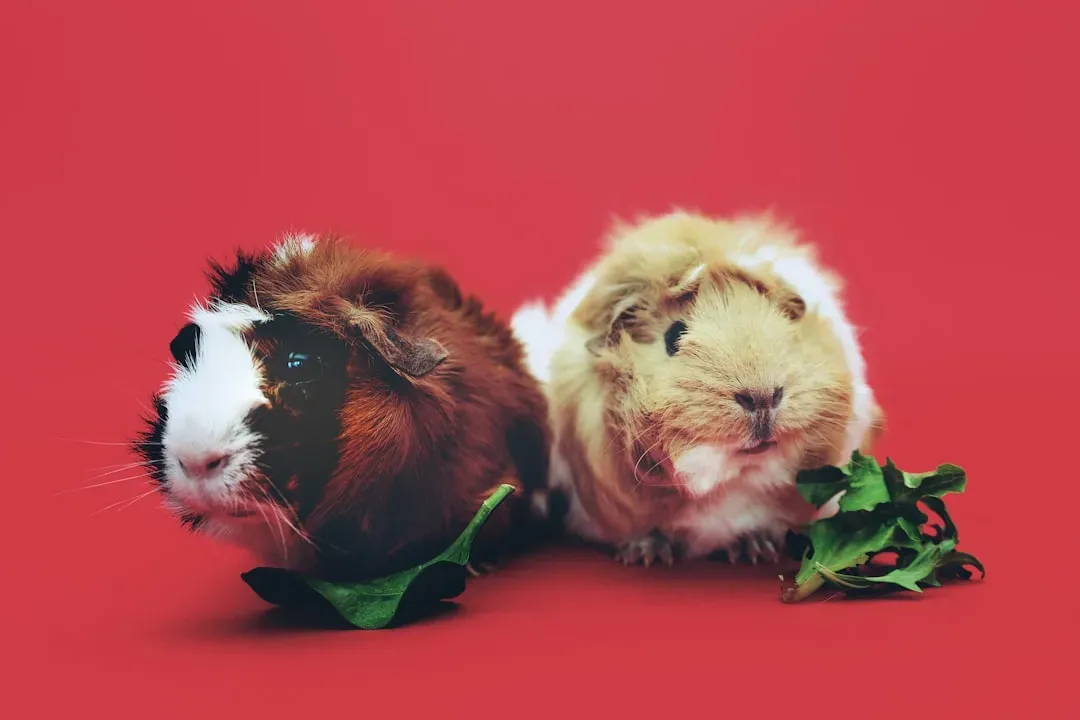
Small mammal vets are consistent on this point: guinea pigs should almost never be kept alone, and the reason is not just behavioral enrichment – it’s health. These animals synchronize their lives with their companions in ways that run deeper than proximity. Bonded pairs eat together, sleep together, groom each other, and regulate each other’s stress responses. When one is gone, the other can unravel quickly, showing lethargy, weight loss, and immune suppression that makes them vulnerable to infections they would otherwise fight off easily.
Clinical depression in guinea pigs is a real diagnosis, not an anthropomorphic stretch, and the treatment isn’t medication – it’s social connection. Vets often recommend careful introduction to a new companion as part of recovery, alongside environmental enrichment to keep the surviving animal engaged. Solo housing, even in a comfortable cage, is one of the most common welfare failures in guinea pig ownership, and it becomes most visible in the wake of loss.
#5 – Ferrets: Playful Pets With Serious Attachment Issues
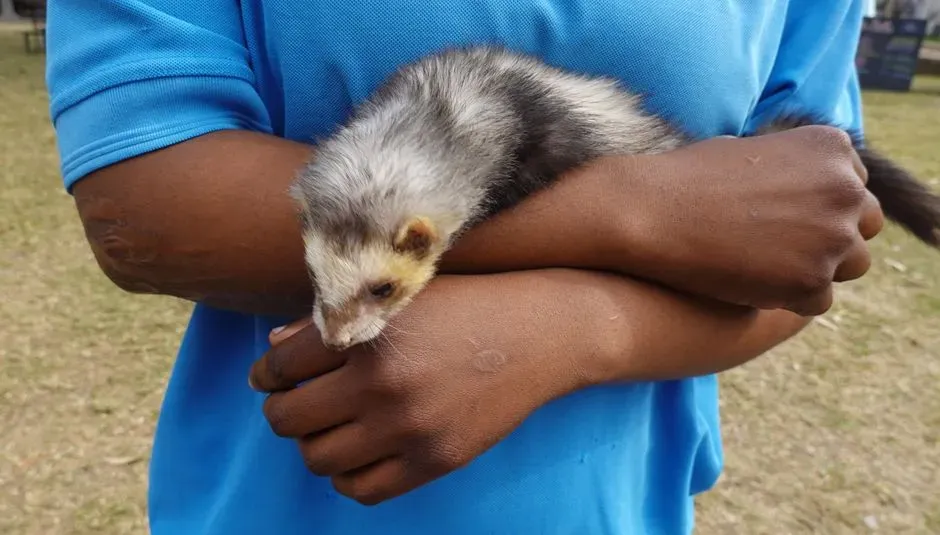
Ferrets move through the world at a volume that makes it easy to underestimate what they’re capable of feeling. They are relentlessly energetic, mischievous, and performatively unbothered – right up until the moment a bonded cage mate or owner disappears. Ferret specialists track cases where animals that previously ricocheted through every waking hour simply stop playing. They slow down, stop eating, and become shadows of themselves in ways that are startling to watch.
One behavior that vets and owners have documented repeatedly is hoarding – ferrets collecting and clustering around items that belong to or smell like the missing companion. It looks like their usual acquisitive play at first glance, but the specificity of what gets hoarded and the persistence of the behavior marks it as something different. The grief is real. The energy that usually masks it is just temporarily gone.
#4 – Budgies and Small Birds: Flock Grief in Miniature
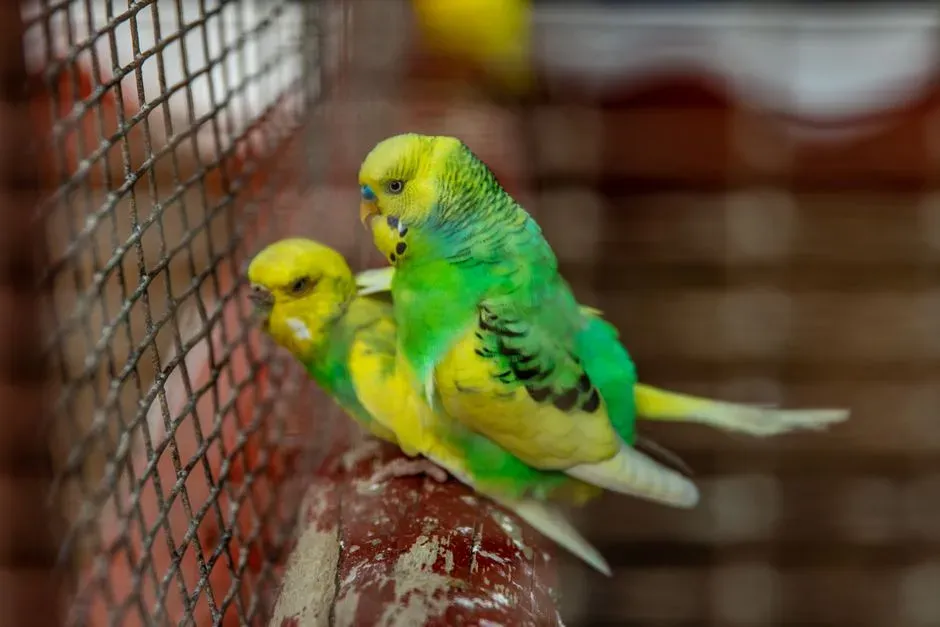
A home with a pair of budgies has a particular soundtrack – constant chatter, calls back and forth, the small ongoing conversation of two birds who have oriented their entire social world around each other. Avian vets describe what happens when one of those birds dies as a kind of silence that isn’t peaceful. The surviving bird fixates on the empty perch. The chatter stops. Feather condition deteriorates. The bird that was previously impossible to ignore becomes still in a way that feels wrong to anyone who knew it before.
What surprises owners is the duration. Some budgies refuse to bond with a new companion for a year or more after a loss, showing disinterest or active avoidance of introduced birds. This mirrors what avian vets see in larger parrot species – the loyalty to the lost companion persists well past what owners expect from a small bird. The emotional architecture is the same. The scale is just smaller.
#3 – Chimpanzees: Primate Grief That Mirrors Our Own
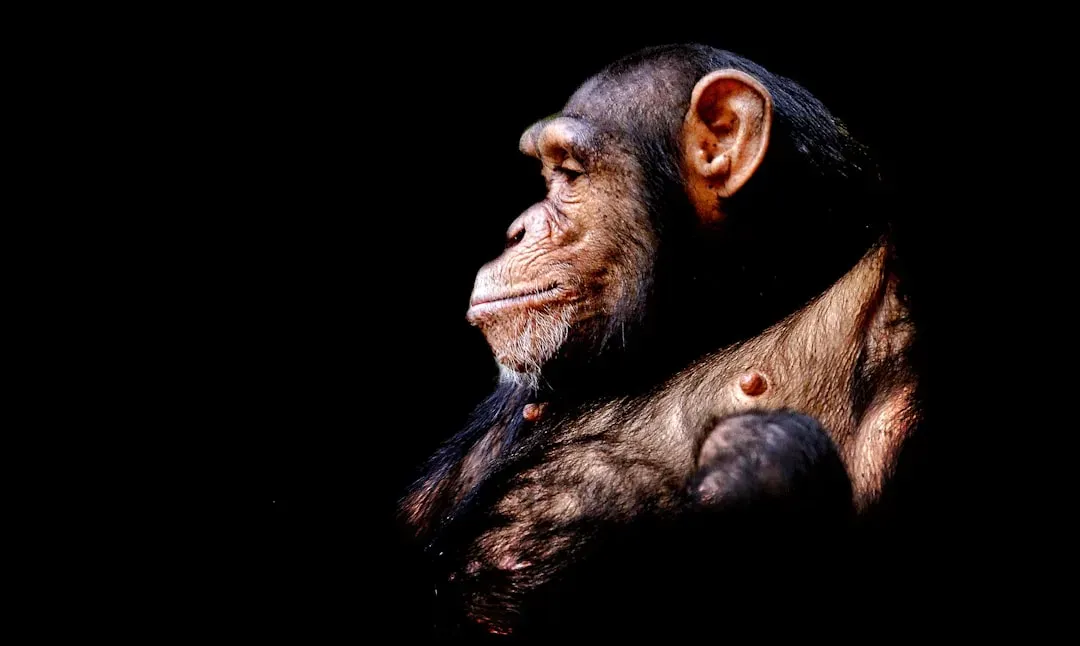
Primatologists and sanctuary vets have documented chimpanzee behavior around death that is difficult to describe without using the word "funeral." Individuals guard the bodies of deceased troop members, sometimes for days. Mothers carry deceased infants for weeks. Social grooming of the body occurs. The troop grows quieter. And in the weeks and months that follow, surviving members show measurable changes in health, social ranking, and behavior that track closely with what researchers would expect from a grieving human community.
The individual cases are the hardest to look away from. Chimpanzees have been recorded refusing food and showing physical signs of distress – including what appears to be weeping – after the death of close kin. Long-term field studies show that losing a mother, in particular, can alter a chimpanzee’s social trajectory and health outcomes for the rest of its life. The question of where their grief ends and ours begins stops being easy to answer the longer you look at the data.
Quick Compare: Chimpanzee vs. Human Grief Responses
- Vigil keeping – chimps stay with dying group members through the night, growing quiet and still.
- Body grooming – documented in multiple studies; researchers describe it as consolation behavior.
- Infant carrying – chimp mothers have carried deceased infants for weeks, mirroring human denial responses.
- Social withdrawal – surviving troop members show reduced interaction and appetite for weeks after a loss.
- Attempted resuscitation – observed behavior that researchers liken to denial and refusal to accept death.
#2 – Elephants: Matriarchal Mourning That Spans Generations
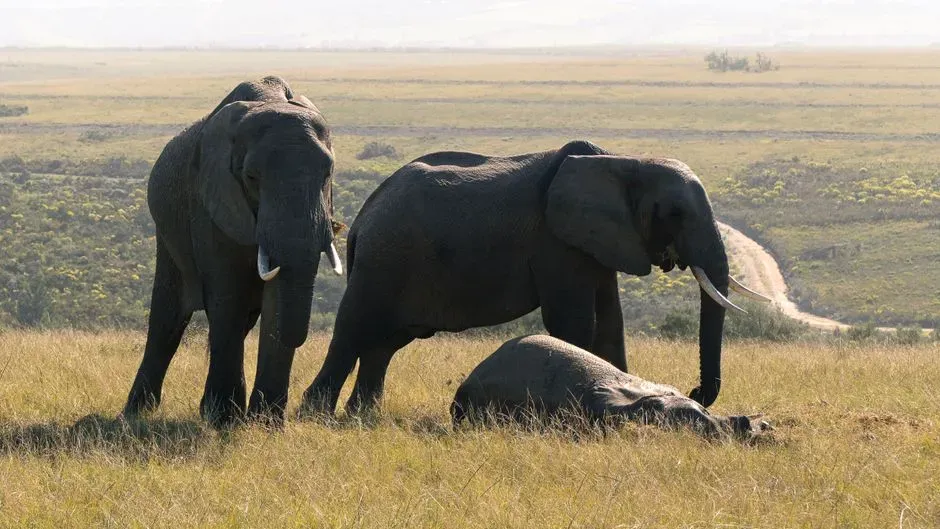
Elephants are the species that tends to break through whatever remaining skepticism people carry about animal grief. Wildlife and zoo vets, along with decades of field research, document behaviors that are hard to explain away: herds returning to the bones of deceased family members and touching them repeatedly with their trunks, sometimes years after the death. Migration routes altered to pass through sites where significant losses occurred. Herds slowing, clustering, and growing protective of vulnerable members during periods of mourning.
The memory piece is what sets elephants apart even among highly social species. They appear to remember specific individuals – not just categories of threat or food or place, but this animal, this loss, this location – across decades. Calves who lose their mothers show developmental and behavioral disruptions that persist into adulthood. The grief reshapes them. In herds that have experienced significant poaching losses, researchers have documented intergenerational trauma passed down through disrupted matriarchal structure. That is not instinct. That is something closer to history.
The question is not whether animals have emotions, but why we spent so long assuming they didn’t.
Frans de Waal, primatologist and author
#1 – Dogs: The Gold Standard of Cross-Species Attachment

No species generates more clinical data on grief than dogs, and the consistency across decades of veterinary practice is striking. Separation from a primary owner or bonded canine companion can trigger a cascade that looks, by every measurable indicator, like depression: appetite loss, immune suppression, behavioral withdrawal, disrupted sleep, and a loss of interest in activities the dog previously lived for. In the most severe cases, the physical decline is steep enough to shorten lifespan. Vets don’t use the word "grief" loosely – but with dogs, they use it regularly.
What pushes dogs to the top of this list isn’t just the intensity of what they experience – it’s the frequency. Canine grief shows up in clinics more than any other species, in animals of every breed and age, in losses involving humans and other dogs alike. Some dogs have developed what amounts to a broken-heart syndrome after losing their primary person – a physiological collapse that no amount of food, comfort, or substitute affection can fully reach. The bond dogs form with their people is, by the evidence, one of the most complete cross-species attachments that exists. When it breaks, they feel it in every way that matters.
Fast Facts: Dog Grief by the Numbers
- 86% of surviving dogs showed negative behavioral changes after a companion dog died in the home.
- 36% experienced decreased appetite; approximately 11% refused food entirely.
- A 2021 University of Milan study found surviving dogs searched for deceased companions, became clingier, and showed altered sleep patterns.
- Grief-related behavior changes typically last 2 to 6 months, though some dogs show signs well beyond that window.
- Dogs grieving a human loss may also mirror the emotional state of other grieving humans in the household.
Here’s what all of this adds up to: the idea that grief is a uniquely human experience is not just incomplete – it’s contradicted by the animals sharing our homes, our farms, and our ecosystems. Vets aren’t being sentimental when they document these responses. They’re describing what they see, repeatedly, across species that have almost nothing else in common. The attachments are real. The losses are real. And the grief that follows is as real as anything that happens inside a clinic. The least we can do is take it seriously.
