
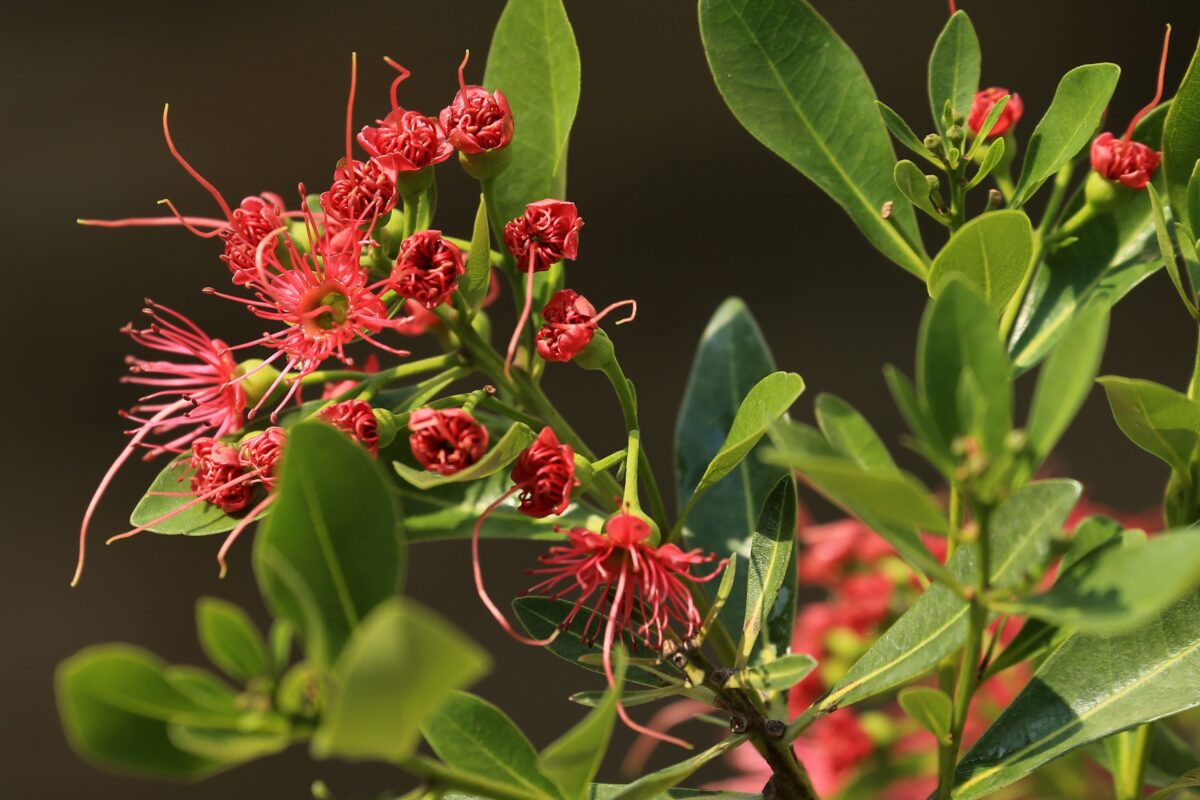
Your neighbor’s lawn looks like a golf course. Not a weed in sight, edges trimmed razor-straight, mulch beds fresh every spring. Wildlife biologists have a quieter name for that yard: a desert.
That’s the part nobody wants to hear. The tidier and more “finished” a backyard looks, the less life it usually holds. Biologists who study suburban ecosystems keep running into the same pattern, over and over, in yard after yard: native-heavy, slightly messy properties support roughly twice the wildlife of the picture-perfect ones next door. And the habits everyone assumes are harmless, the fence, the feeder, the weekend spray bottle, are often the exact reasons the birds, bees, and small mammals moved on. Here’s what they wish more people knew before the next mow.
#13 – The Overlooked Power of a Simple Water Source
🔥 Would you like to save this?
We'll email this post to you, so you can come back to it later!
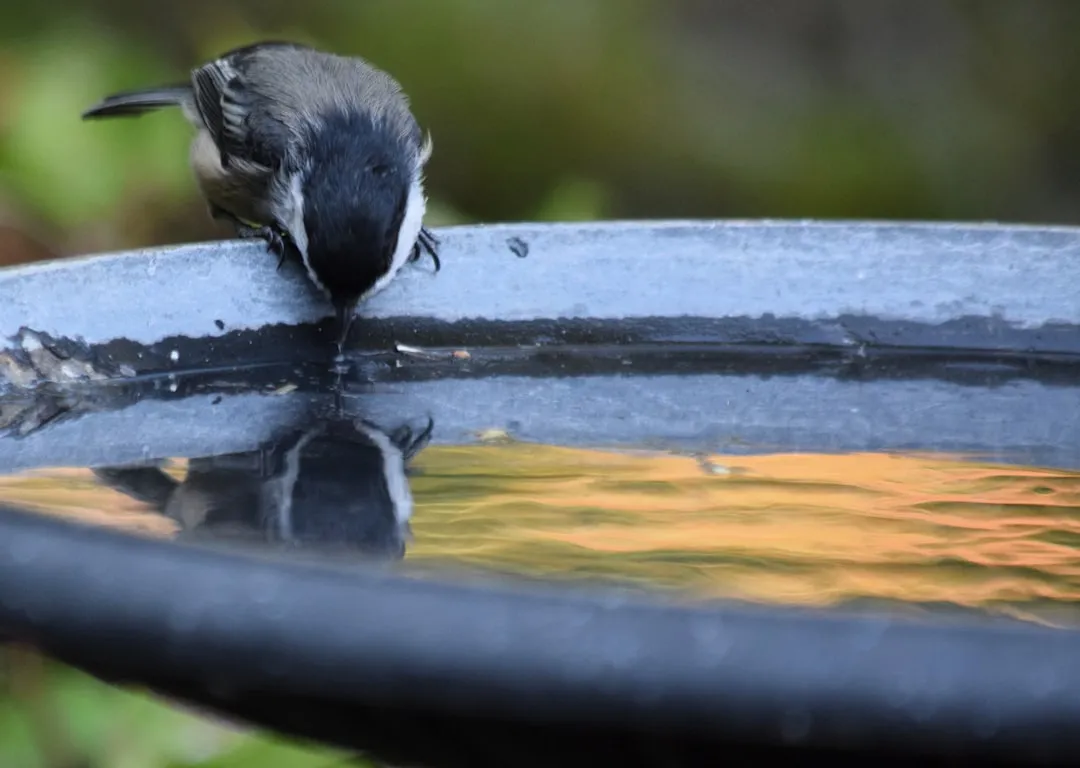
Most people assume birds and pollinators find enough water on their own. Biologists say that’s rarely true, especially in a dry summer. A single reliable water source can triple the number of species visiting a yard that would otherwise get skipped entirely by anything more particular than a sparrow.
It doesn’t take much. A shallow birdbath or a small pond with sloping edges keeps insects and amphibians from drowning while giving everything else a lifeline. Add a dripper or a small fountain and the traffic jumps again, because moving water mimics a natural stream and signals safety in a way still water never quite does. Biologists have noticed that one dependable water feature often outperforms several feeders combined when it comes to pulling in a genuinely wider range of visitors.
Yards with year-round water have shown up to 50% more species diversity than nearly identical properties without it.
#12 – Why Solid Fences Quietly Kill Backyard Biodiversity
🔥 Would you like to save this?
We'll email this post to you, so you can come back to it later!
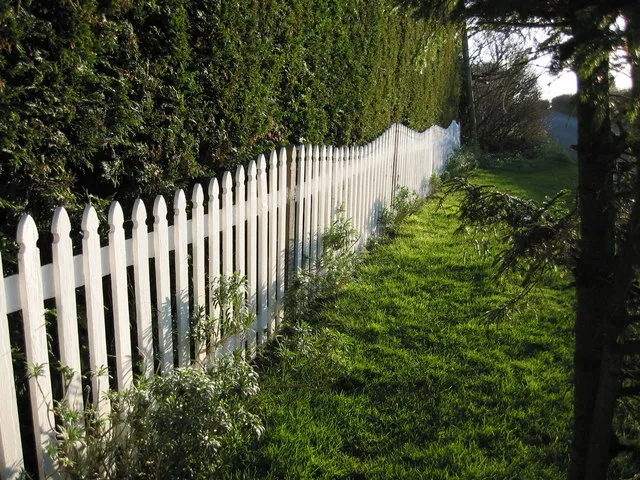
Homeowners put up privacy fences for security and neatness, never suspecting they’re building a wall against wildlife too. Camera-trap studies show solid fences correlate with the lowest biodiversity of any single yard feature biologists track, worse than pesticide use, worse than heavy mowing.
The fix isn’t tearing the fence down. Open-style designs, or even a few gaps left at ground level, let small mammals and reptiles keep using the natural paths they’ve traveled for generations. Yards with those gaps, paired with a couple of feeders, consistently pulled in the highest bird and mammal counts in the same studies.
One unbroken fence line can cut deer, rabbit, and fox activity by more than half compared to an unfenced property next door.
Fast Facts
- Solid privacy fences block ground-level corridors animals have used for generations
- A gap as small as 6 to 8 inches at the base lets rabbits, foxes, and turtles pass through
- Open picket, split-rail, or wire designs consistently support more animal traffic than solid panels
- Connected yards form a larger habitat network, even across separate properties
#11 – The Real Reason Pesticides Backfire on Your Own Property
🔥 Would you like to save this?
We'll email this post to you, so you can come back to it later!
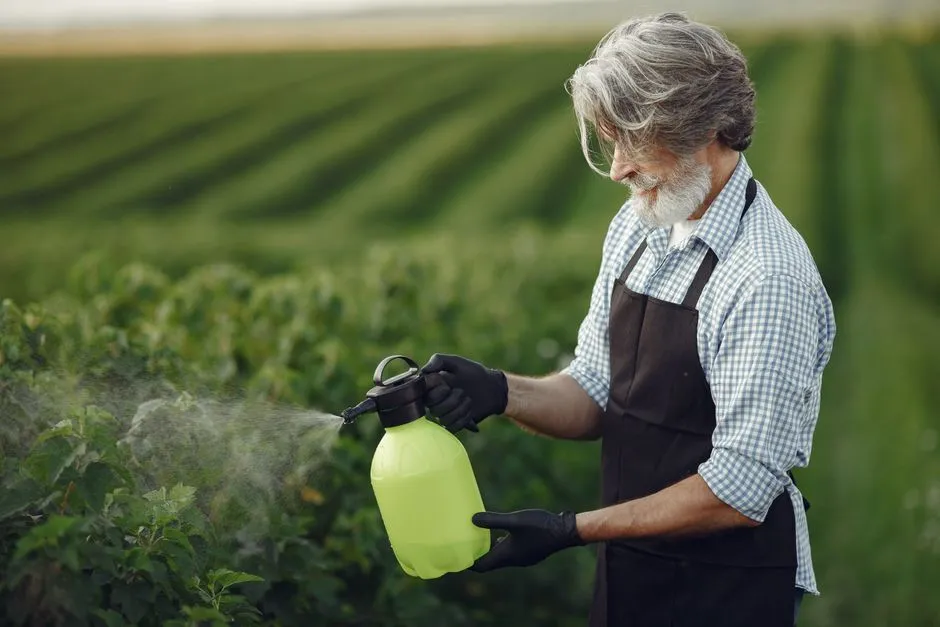
The instinct is almost automatic: aphids show up, the spray bottle comes out. Biologists watch this play out constantly, and they say it usually makes the problem worse, not better, because the chemicals kill off the beneficial insects that were quietly keeping pests in check.
Skip the spray and something interesting happens. Native predators rebound, and outbreaks often settle down on their own within a few weeks. Residential studies keep showing that chemical-free yards host noticeably more pollinators and songbirds, simply because the food chain underneath them never got broken in the first place.
In nature nothing exists alone.
Rachel Carson, Silent Spring
Even products labeled “organic” can linger in soil and harm ground-nesting bees far more than most homeowners expect.
#10 – Leaving Leaves Is Secretly the Best Free Habitat Upgrade
🔥 Would you like to save this?
We'll email this post to you, so you can come back to it later!
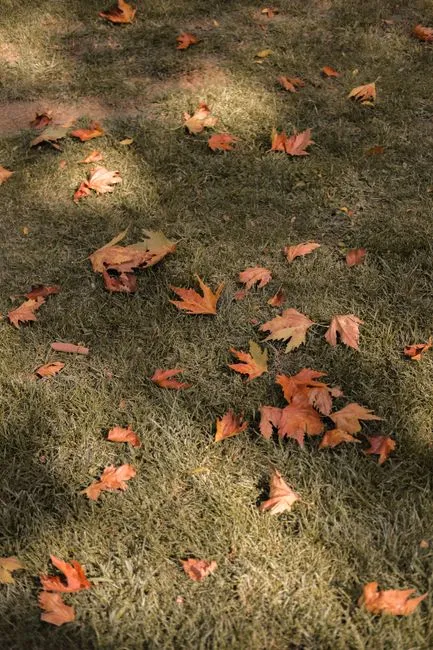
Every fall, the same ritual plays out on driveways across the country: rake, bag, repeat. Biologists watch this with a wince, because that layer of fallen leaves is actually a functioning ecosystem, sheltering overwintering insects, salamanders, and fungi that birds depend on the moment spring arrives.
Leaving even a section of yard untouched costs nothing and does more than most purchased habitat products combined. It also feeds the soil directly, cutting down on how much fertilizer a lawn needs later in the season.
Yards with deep leaf layers can host ten times more invertebrates than bare, raked soil.
#9 – Brush Piles Outperform Fancy Shelters Every Time
🔥 Would you like to save this?
We'll email this post to you, so you can come back to it later!
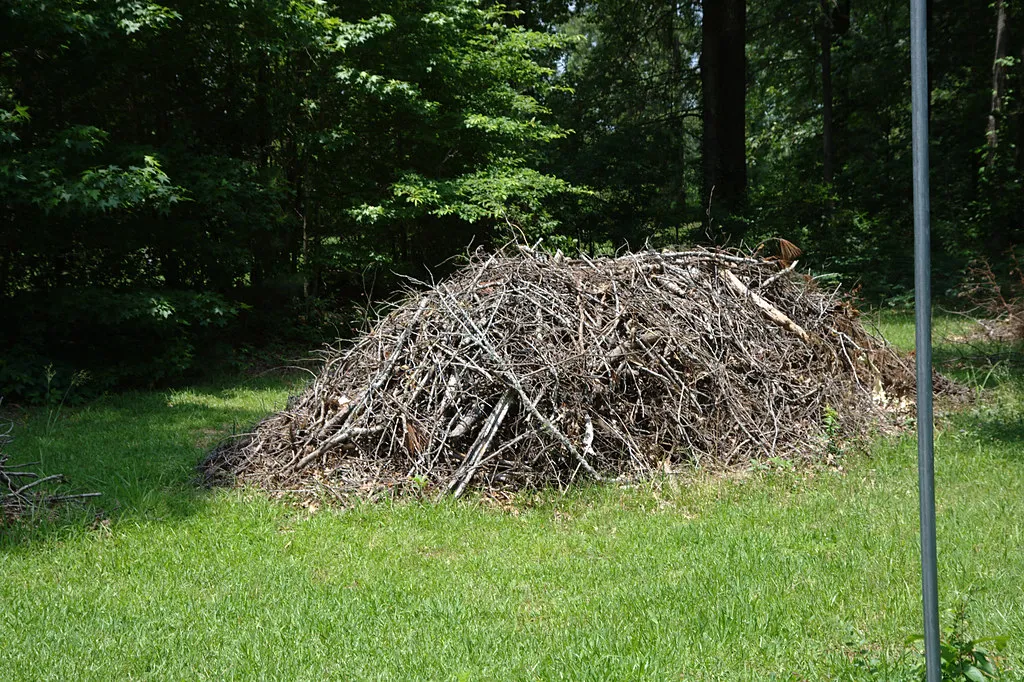
Store-bought birdhouses look like the responsible choice, tidy, decorative, easy to point to. But biologists say a simple pile of branches and logs will out-attract a birdhouse almost every time, drawing in reptiles, small mammals, and beneficial insects that a painted wooden box was never built to hold.
The trick is placement. Keep the pile away from the house foundation and it becomes pure benefit with none of the rodent risk people worry about.
One well-built brush pile can shelter dozens of creatures through a single winter, where a single nest box might host one pair, if you’re lucky.
#8 – Vertical Layers Beat Flat Lawns for Hidden Diversity
🔥 Would you like to save this?
We'll email this post to you, so you can come back to it later!
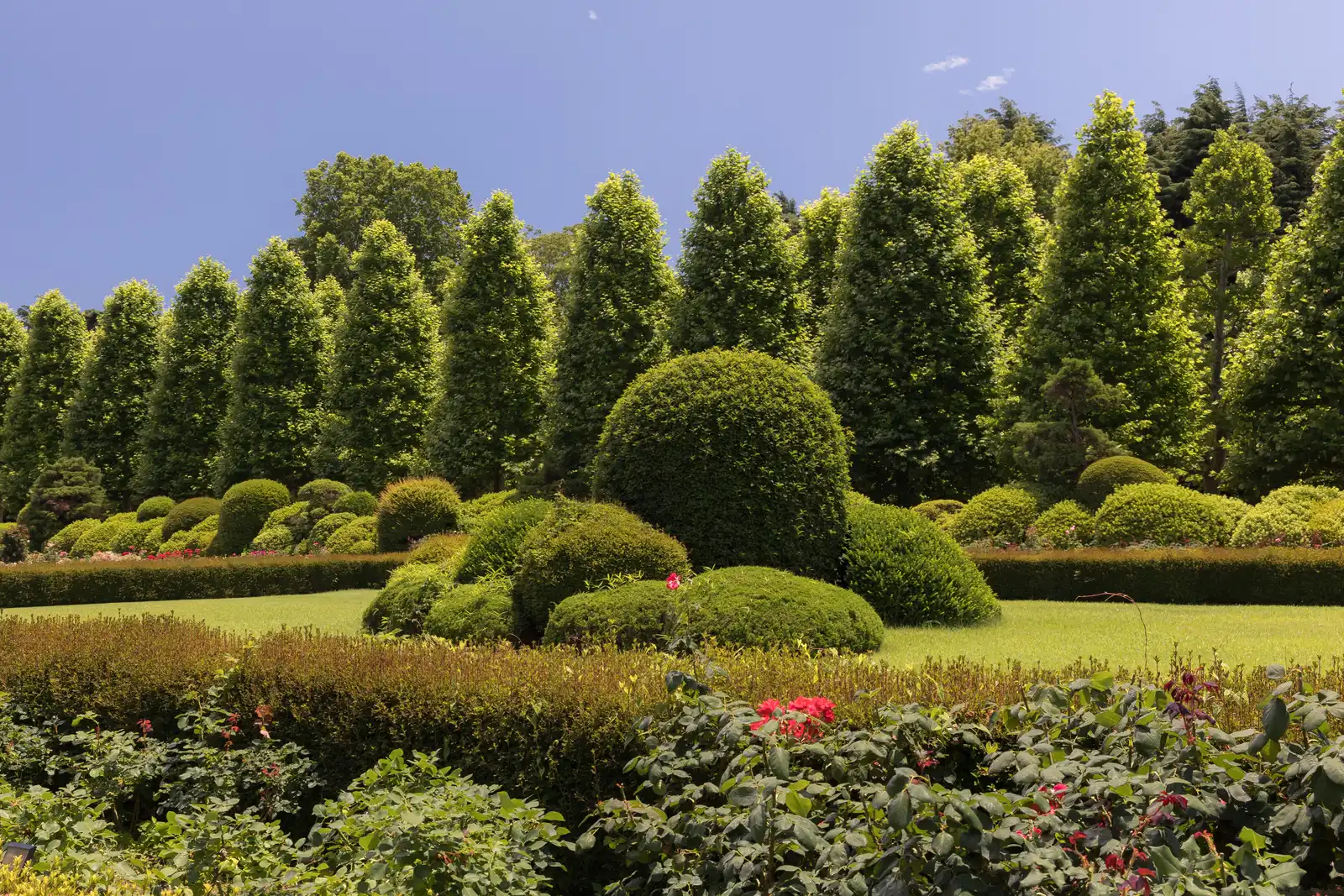
Most yards get maintained at one flat height because it’s easier to mow. But a yard with trees, shrubs, and groundcover stacked on top of each other mimics a forest, and forests support far more life than a lawn ever will, because every layer creates a different niche for a different creature.
Studies comparing multi-layered yards to single-layer designs found the layered ones consistently drew in more mammals and pollinators. It doesn’t require a total overhaul either.
Adding just a few native shrubs has been shown to double the number of bird species recorded in a yard.
#7 – Supplemental Feeding Often Creates More Problems Than It Solves
🔥 Would you like to save this?
We'll email this post to you, so you can come back to it later!
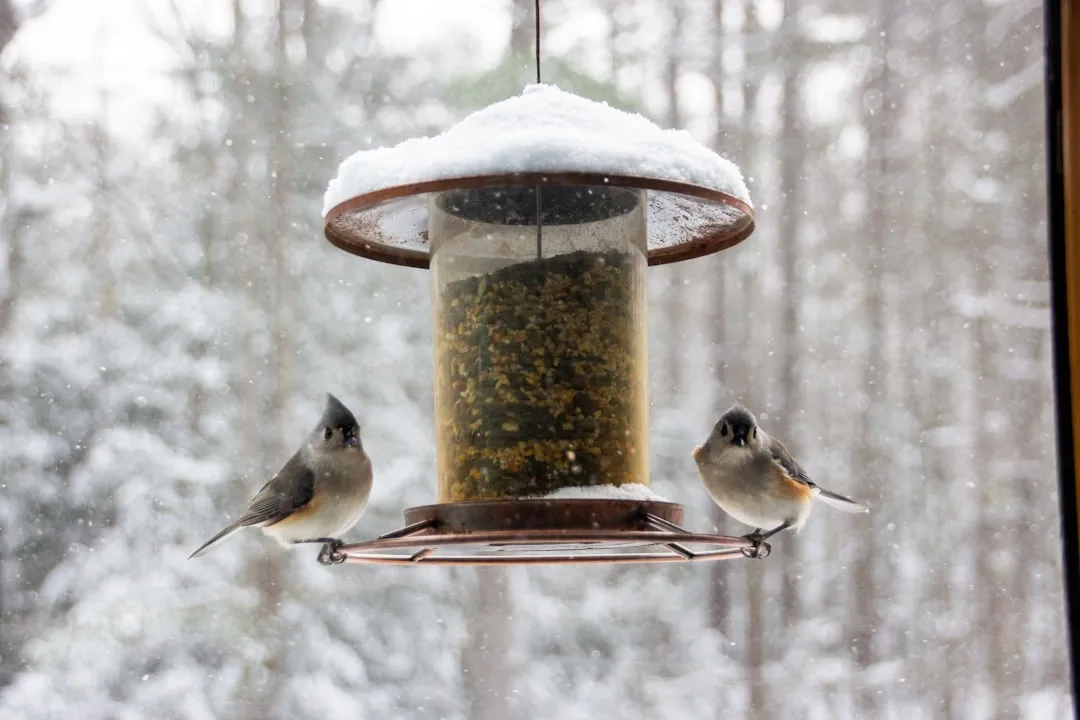
Bird feeders feel like an act of pure kindness, and for a lot of people they are. But biologists increasingly warn that poorly maintained feeders concentrate birds in ways that spread disease and create unhealthy dependency, especially when they’re never cleaned.
Proper upkeep and seasonal use matter more than constant refills. Native plants, meanwhile, provide steadier long-term nutrition without any of the crowding risk.
A dirty, overused feeder can do more net harm to a bird population than simply planting the right native vegetation instead.
Quick Compare
- Dirty, overused feeder: spreads disease, crowds birds unnaturally
- Clean feeder, washed weekly: safer, but still best used seasonally
- Native plantings: steady nutrition year-round with no crowding risk at all
#6 – Window Collisions Are a Bigger Killer Than Most Realize
🔥 Would you like to save this?
We'll email this post to you, so you can come back to it later!
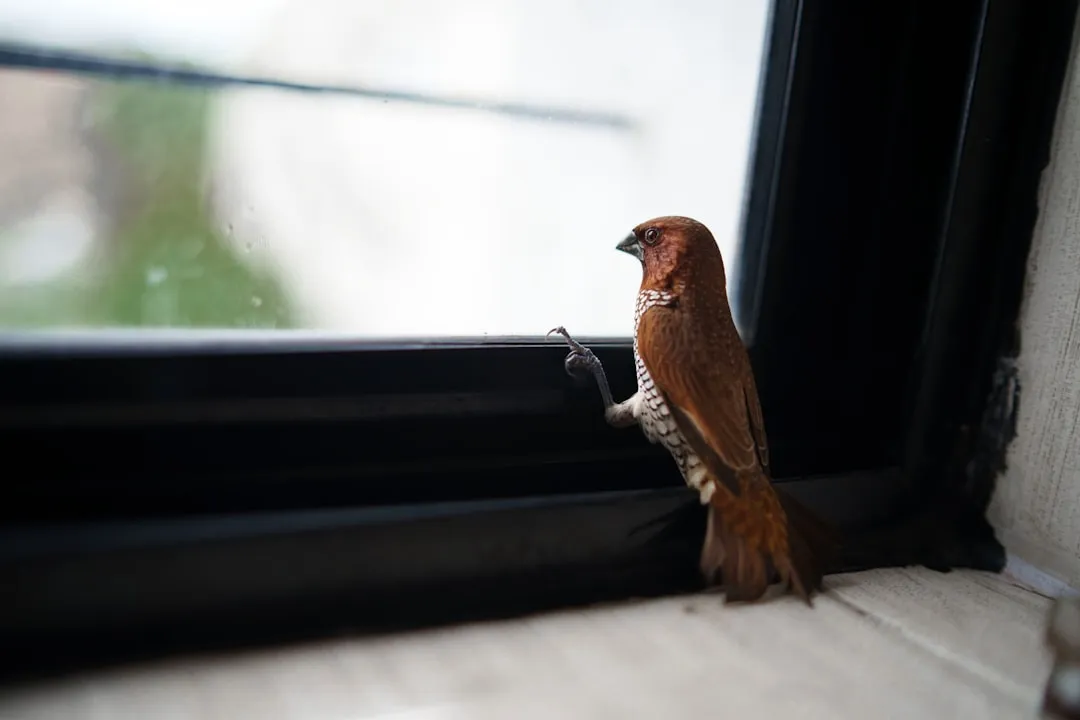
Nobody thinks of their living room window as a hazard, but biologists rank reflective glass among the deadliest features in an otherwise wildlife-friendly yard. The irony stings: the more successful you are at attracting birds, the more collisions you risk if the glass isn’t addressed.
Simple decals, screens, or just angling feeders farther from windows cut strikes dramatically. It’s a five-minute fix for a problem most homeowners never even notice is happening.
Millions of birds die every year from home window strikes, and a large share of those deaths happen in ordinary suburban yards.
#5 – Shrinking the Lawn Is the Change That Pays Off Fastest

🔥 Would you like to save this?
We'll email this post to you, so you can come back to it later!
There’s a deep-rooted belief that a full, green lawn is what makes a property look valuable. Biologists say that belief is costing homeowners money and wildlife in equal measure. Cutting turf by even 30% frees up space for higher-value habitat and immediately lowers maintenance costs.
Clover or native groundcover can fill that space and start supporting pollinators almost right away. Smaller lawns consistently correlate with higher overall biodiversity, simply because they leave room for more varied plantings.
Homeowners who shrink their lawn often save hundreds on mowing and watering while seeing noticeably more wildlife within a single season.
#4 – Snags and Dead Wood Are Gold for Cavity Nesters
🔥 Would you like to save this?
We'll email this post to you, so you can come back to it later!
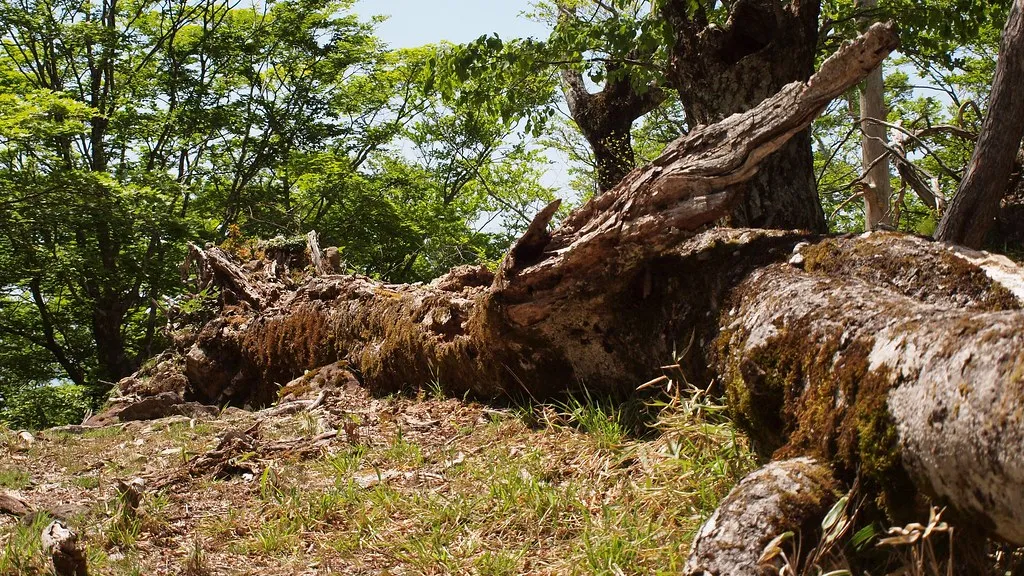
A dead tree feels like a job that needs doing, cut it down, haul it off. But biologists insist a standing snag or a downed log is doing work a live tree simply cannot replicate, especially for woodpeckers, owls, and the insects that depend on decaying wood.
Positioning any dead wood safely away from structures keeps the benefit without the risk. It’s one of the easiest habitat upgrades a homeowner can make, mostly by doing nothing at all.
A single mature snag can support dozens of species over the years, far more cavity-nesting activity than a live tree of the same size ever will.
#3 – Outdoor Cats Secretly Undermine Every Other Effort
🔥 Would you like to save this?
We'll email this post to you, so you can come back to it later!
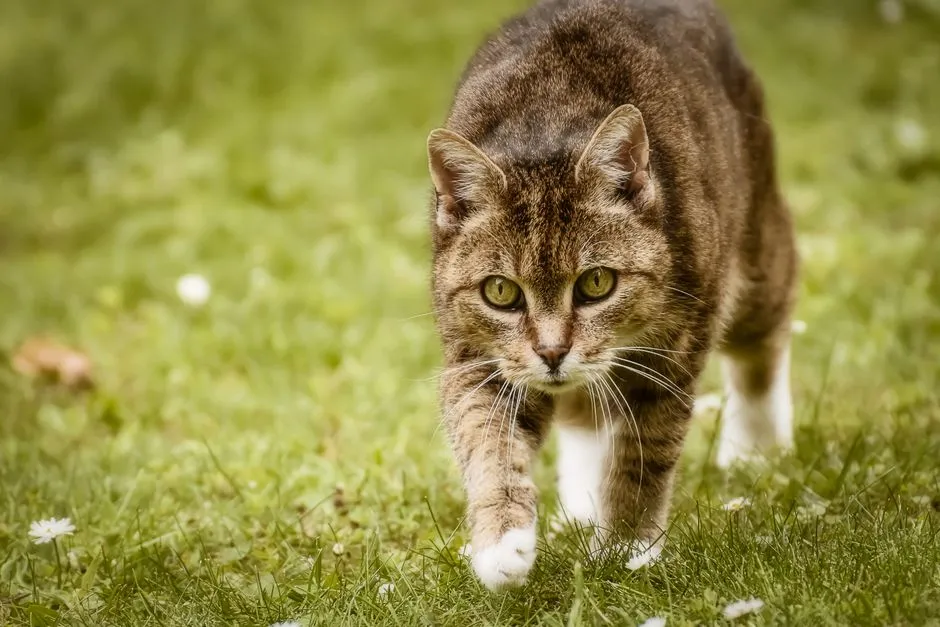
This is the one that starts arguments. Most cat owners are certain their pet only hunts “pests,” but biologists have documented free-roaming cats killing billions of birds and small mammals annually in the U.S. alone, often erasing every other habitat improvement a homeowner has made.
Keeping cats indoors or inside a secure outdoor enclosure protects both the wildlife and the cat itself, since indoor cats also live measurably longer. It remains one of the most evidence-backed and least popular recommendations biologists make.
Even a well-fed, well-loved house cat hunts on instinct, and the data shows they remove far more native wildlife than most owners want to believe.
Worth Knowing
- Free-roaming cats rank among the leading human-linked threats to backyard birds
- Indoor cats generally live longer, healthier lives than cats allowed to roam
- A secure “catio” or leashed time outdoors offers stimulation without the hunting risk
- Bells and bright collars help a little, but they don’t stop most successful hunts
#2 – Non-Native Plants Support Shockingly Few Insects
🔥 Would you like to save this?
We'll email this post to you, so you can come back to it later!
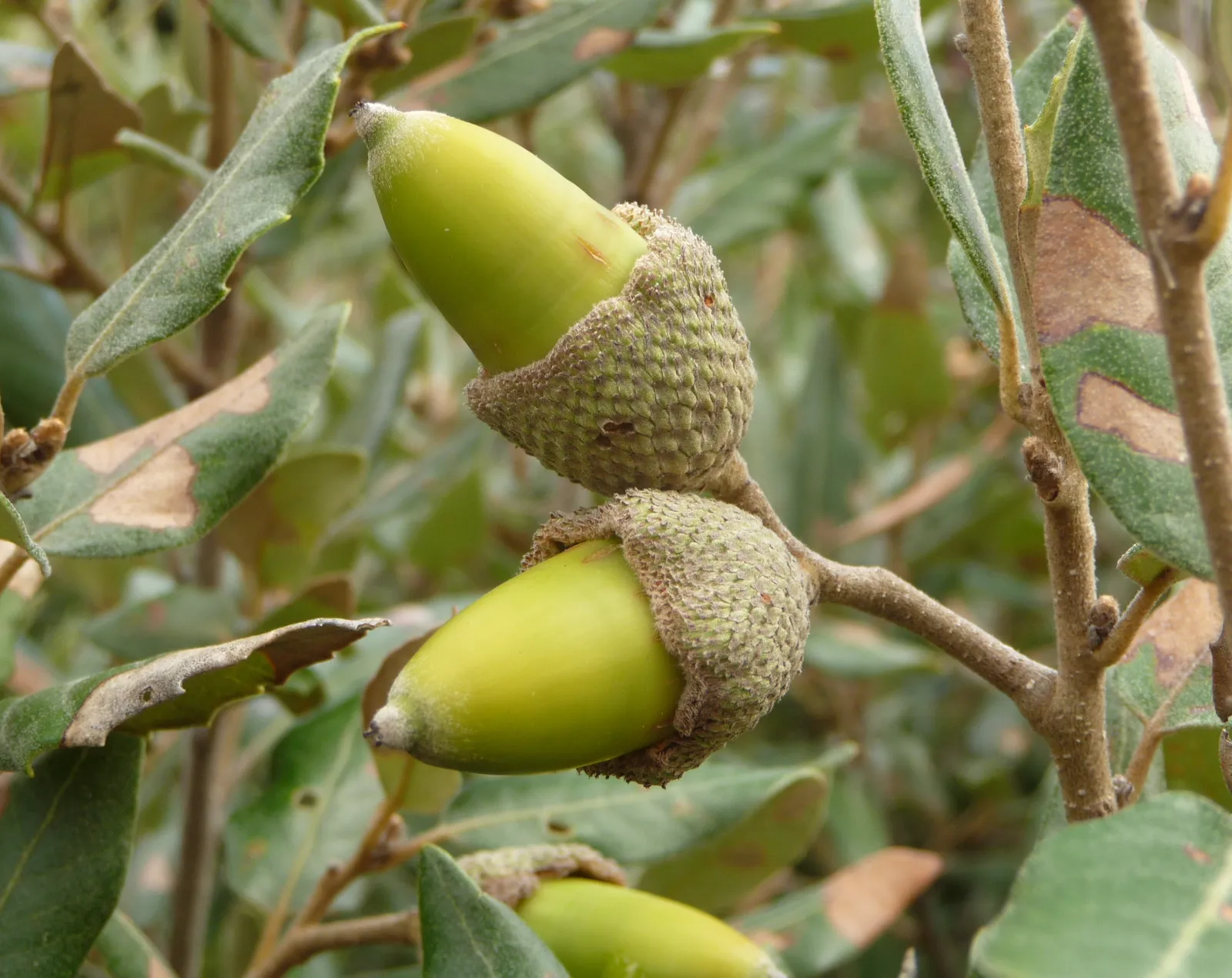
Exotic plants look stunning in a garden catalog, but biologists have found they’re doing almost nothing for the food web underneath them. One native oak can support over 550 species of caterpillar. A ginkgo, planted in yards across the country for its looks, supports zero.
Swapping even a portion of non-native plantings for locally native species multiplies the entire food chain above it, because caterpillars feed birds, birds feed hawks, and none of it happens without the right plants at the base.
Native gardens routinely sustain 15 times more caterpillar species than exotic plantings, a gap most homeowners never realize exists.
#1 – The Single Change That Transforms Everything Else
🔥 Would you like to save this?
We'll email this post to you, so you can come back to it later!
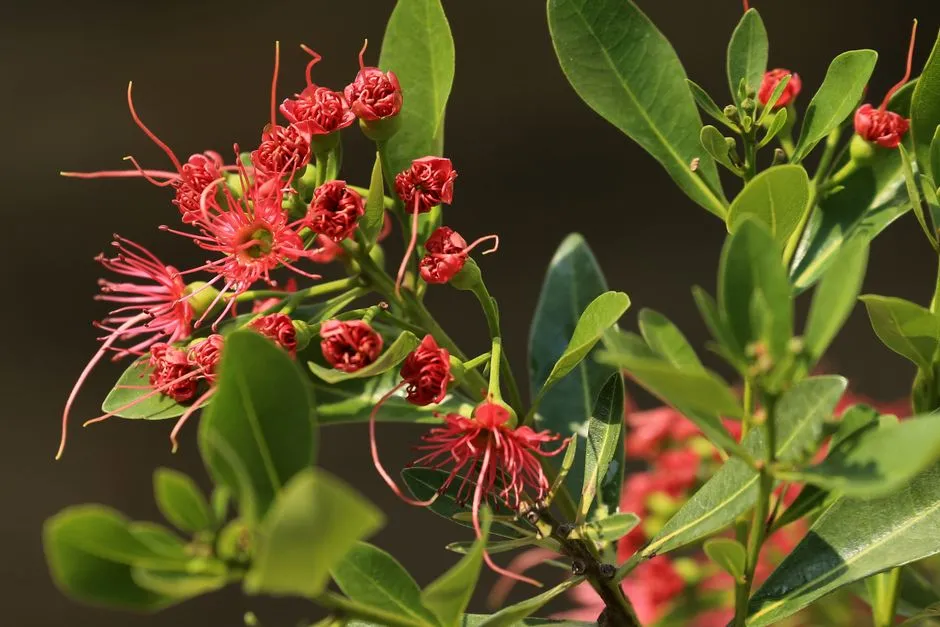
People chase the small stuff, another feeder, another birdhouse, while ignoring the one shift biologists agree matters more than all the rest combined. Get a yard to roughly 70% native plants, and everything else on this list starts working better automatically.
More native plants mean more insects, which means more food for birds, mammals, and amphibians without a single extra chore added to the weekend. Native root systems also stabilize soil and reduce erosion better than turf grass ever could.
Properties dominated by native plantings support roughly twice the wildlife of conventional yards, and every other tip on this list gets exponentially more effective once that foundation is in place.
At a Glance
- Target roughly 70% native plants for the biggest measurable wildlife gains
- Native species feed local insects in ways imported ornamentals simply can’t
- More insects mean more food up the chain, from songbirds to small mammals
- Every other habitat fix on this list performs better once natives dominate the yard
The Bottom Line
🔥 Would you like to save this?
We'll email this post to you, so you can come back to it later!
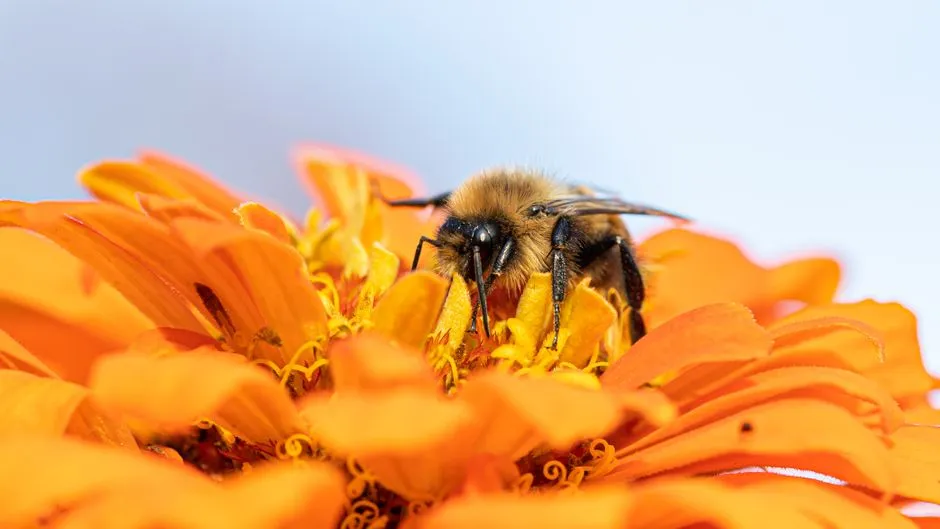
Wildlife biologists keep circling back to the same uncomfortable truths: tidy lawns and imported plants are quietly starving the ecosystems right outside our doors, while messier structure, fewer chemicals, and native roots deliver results faster and cheaper than most people expect.
None of this requires a total lifestyle overhaul. It requires letting go of a decades-old idea that a “perfect” yard is a green, silent, insect-free rectangle. That idea was never actually good for anything living in it, and it’s long past time it got replaced.
Did we miss one of the biggest secrets from your own backyard? Drop it in the comments.

- 7 Everyday Habits That Can Make Your Senior Dog Happier - November 5, 2026
- 10 Enigmatic Structures That Continue to Puzzle Scientists Today - November 5, 2026
- 10 Strange Ruins in the Americas That Challenge What We Know About Early History - November 5, 2026