

You’ve heard the myth: cats are aloof loners who could take or leave you. Tell that to a Siamese who howls at your bedroom door the second you leave for work, or a Ragdoll who goes limp with grief when you’re not the one holding it.
Some cats don’t just prefer a person. They imprint on one, and one only, the way a shipwreck survivor clings to the one thing keeping them afloat. Rehome them, and it isn’t a smooth transition. It’s a heartbreak with fur. Here are the 13 breeds most likely to fall apart when their one person disappears, ranked from devoted to devastating.
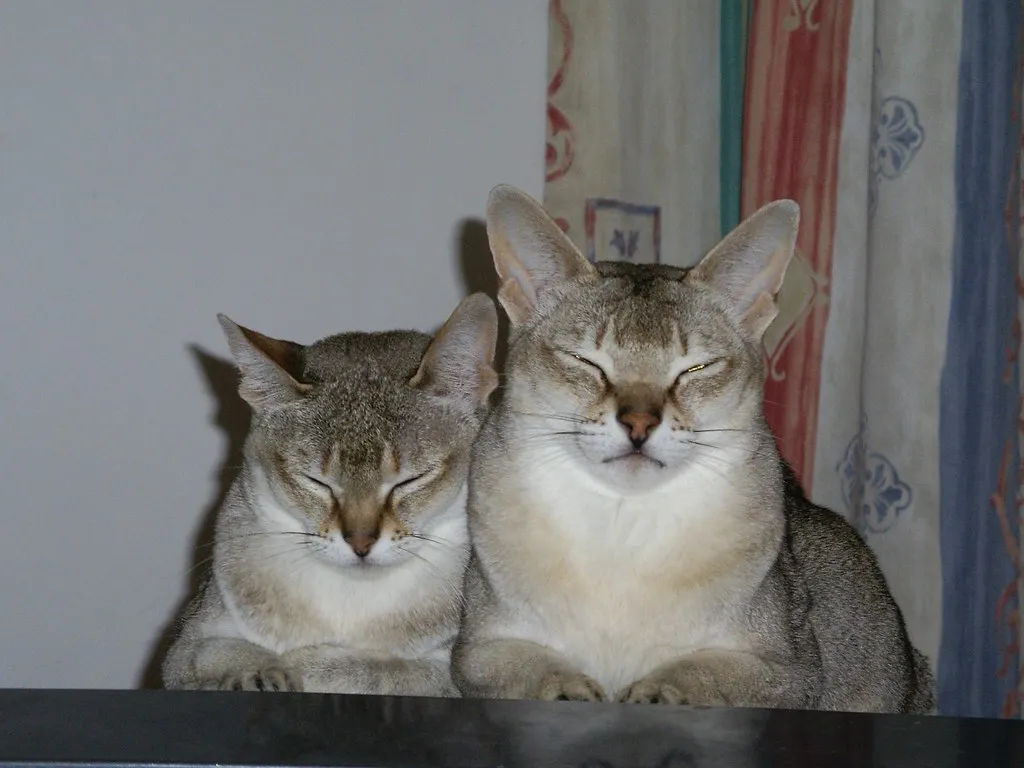
13 – Singapura: The Tiny Shadow
🔥 Would you like to save this?
We'll email this post to you, so you can come back to it later!
Singapuras are barely bigger than a kitten their whole lives, but the size of their attachment is anything but small. They pick one human early and follow that person from the kitchen to the bathroom to the edge of the bed at 3 a.m., refusing to let them out of sight.
That closeness comes at a cost. These cats are wired to be sensitive, and separation from their chosen person can trigger real anxiety, hiding, and a refusal to eat. Hand a Singapura off to a stranger, and you’re not just changing its address. You’re taking away its emotional anchor.
Fast Facts
- At just 4–8 pounds, the Singapura is the smallest domestic cat breed in the world, yet it acts like it owns the house.
- Reportedly established from cats imported from Singapore in the 1970s, nicknamed “drain cats” for where they were first found.
- Their average lifespan is 9–15 years, meaning a Singapura’s bond with one person can span well over a decade.
- Fondly nicknamed “Little lions of love” for how fiercely affectionate they are despite their tiny frame.
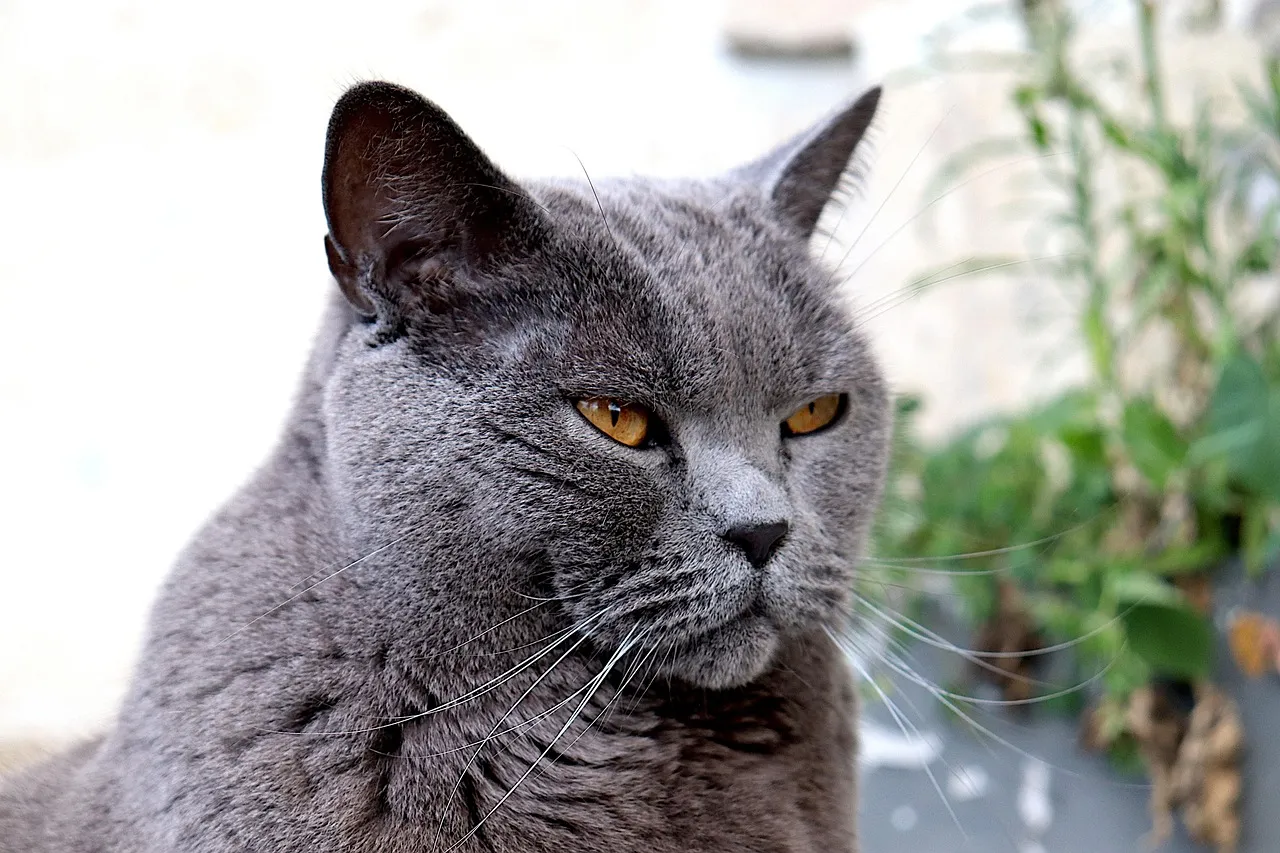
12 – Chartreux: The Quiet Companion
🔥 Would you like to save this?
We'll email this post to you, so you can come back to it later!
Chartreux cats don’t announce their devotion with noise. They show it in silence, choosing a favorite person and orbiting them quietly, content just to be near. It’s easy to underestimate how deep that bond runs because they never make a scene about it.
That’s exactly what makes rehoming so brutal for them. A Chartreux won’t cry or claw at the door. Instead, it withdraws, going quiet in a different, sadder way, sometimes sinking into something that looks a lot like depression as it struggles to trust anyone new.
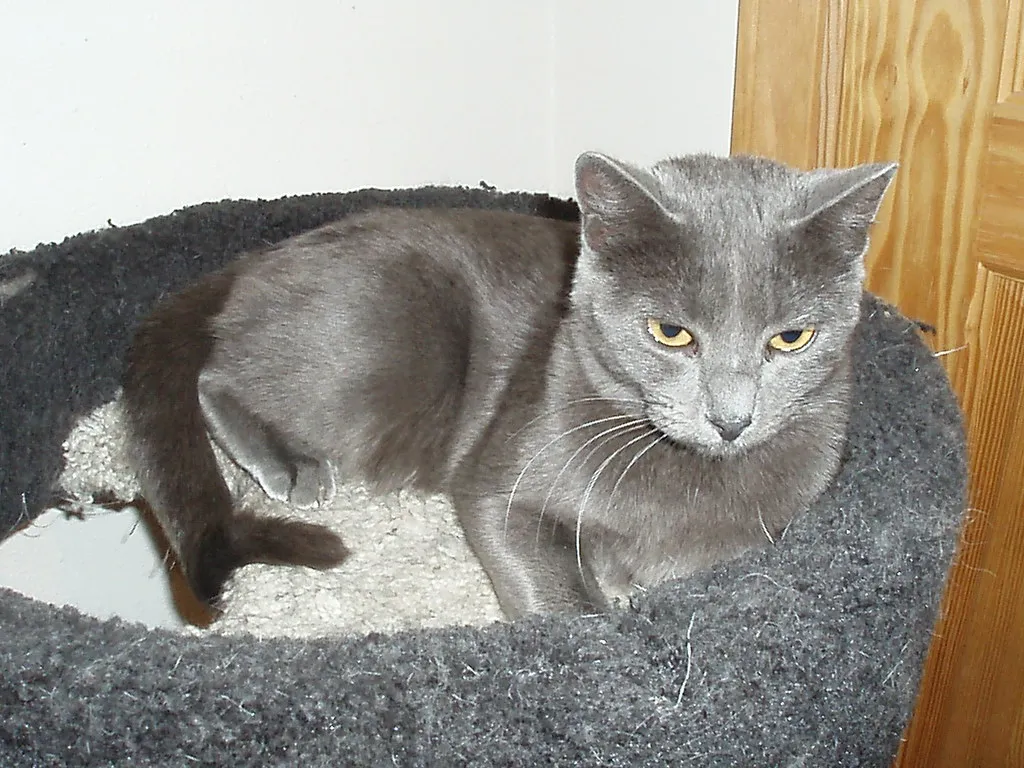
11 – Korat: The Watchful Guardian
🔥 Would you like to save this?
We'll email this post to you, so you can come back to it later!
Korats read people like open books. They notice the shift in your mood before you do, positioning themselves nearby like a small, silver-blue sentinel keeping watch over their chosen human’s emotional weather.
That hyper-attunement is a gift right up until it isn’t. When separated from their person, Korats don’t easily transfer that trust to someone new. Rehoming can leave them wary and closed off, guarding a heart that no longer knows who it’s protecting.
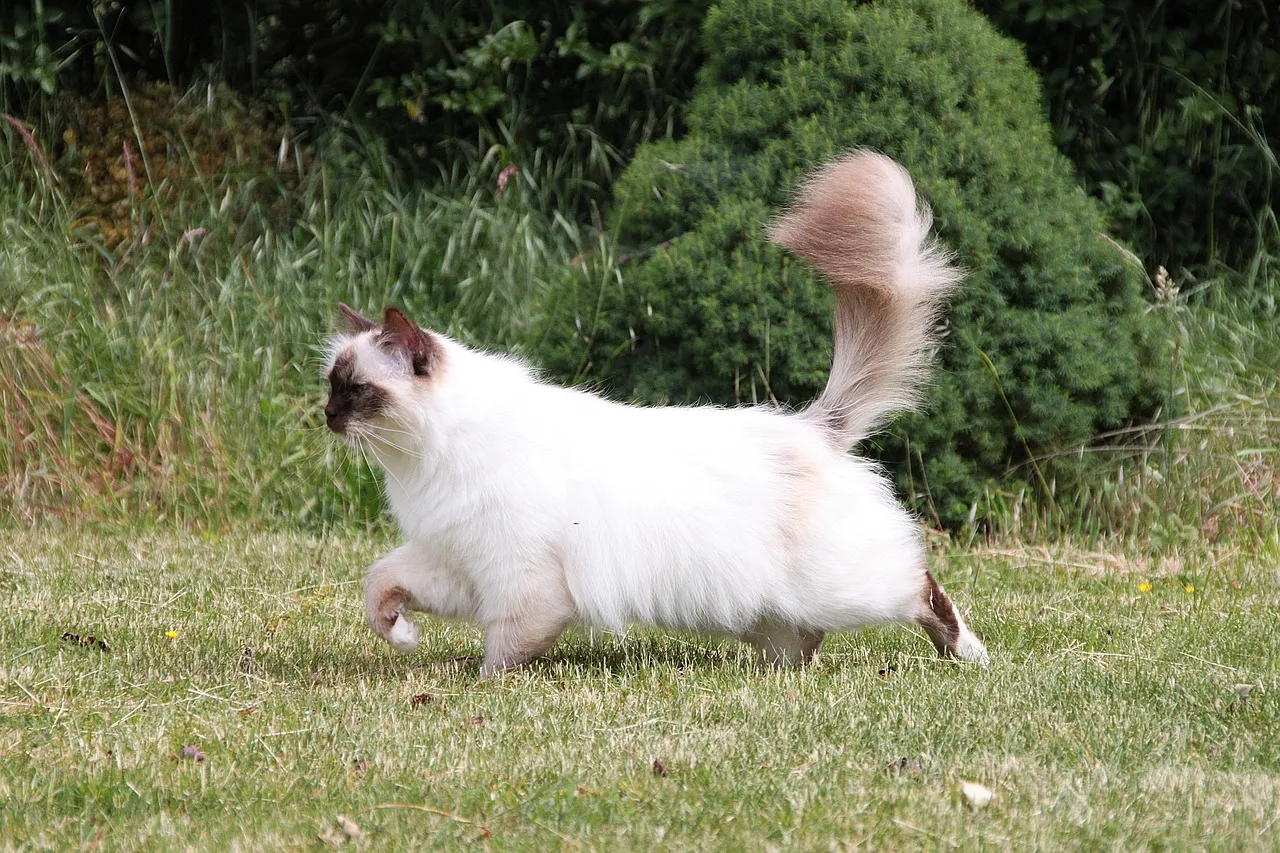
10 – Birman: The Gentle Soul
🔥 Would you like to save this?
We'll email this post to you, so you can come back to it later!
Birmans have a reputation for being soft, sweet, and endlessly affectionate, and most of that affection funnels straight into one relationship. They thrive on being near their person, curling up close and treating alone time as something to be endured rather than enjoyed.
When that person disappears from their life, Birmans don’t bounce back quickly. The anxiety of losing their main companion can turn a normally serene cat into a clingy, unsettled shadow of itself in a new home.
9 – Turkish Van: The Active Companion

🔥 Would you like to save this?
We'll email this post to you, so you can come back to it later!
Turkish Vans are the athletes of the cat world, famous for loving water and leaping onto the highest surface in the room. But underneath all that energy is a cat that picks one person to bond with intensely, treating them like the center of every game.
Separate a Turkish Van from that person, and the fallout isn’t quiet. Expect anxious pacing, destructive habits, or sudden behavioral changes as this normally confident breed tries to cope with losing its favorite playmate.
8 – Scottish Fold: The Loyal Friend
🔥 Would you like to save this?
We'll email this post to you, so you can come back to it later!
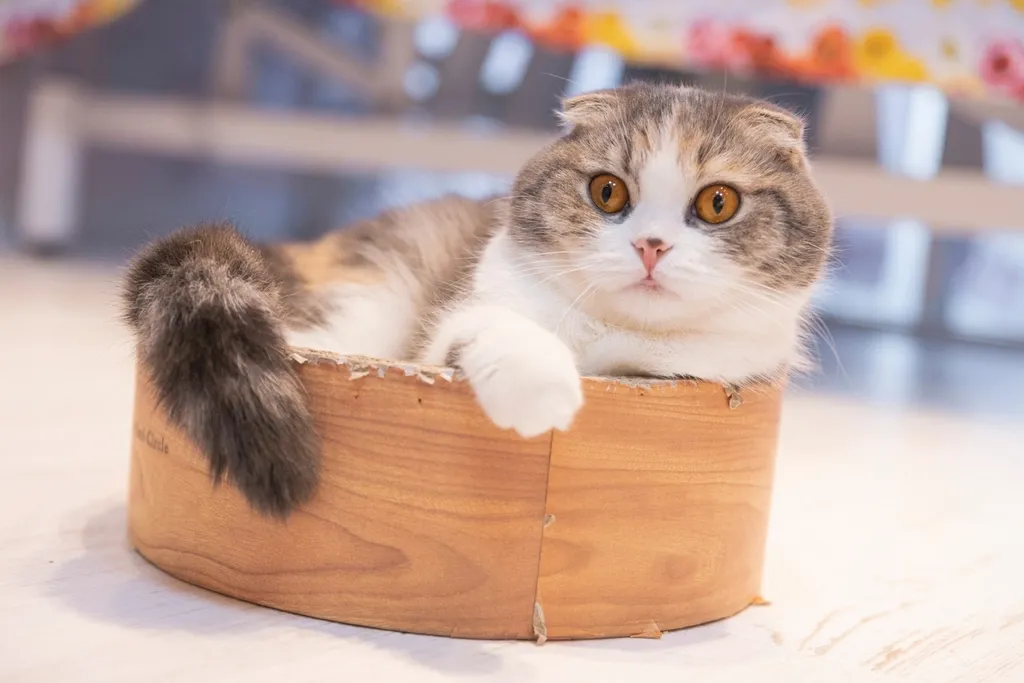
Those famous folded ears make Scottish Folds instantly recognizable, but it’s their loyalty that really defines them. They tend to lock onto one person and stay close, following them around with quiet, steady devotion.
That loyalty doesn’t transfer easily. A rehomed Scottish Fold often withdraws, becoming subdued and disinterested in its surroundings as it grieves the loss of the one relationship it had built its whole world around.
Worth Knowing
- Nearly every Scottish Fold alive today traces back to a shepherd named William Ross who spotted the first Scottish Fold, a copper-eyed white female named Susie, at a farm in the Tayside region of Scotland in 1961.
- In fact, all bona fide Scottish Fold cats trace their pedigree to Susie, the first fold-ear cat discovered by the founders of the breed, William and Mary Ross.
- The signature ears come from a genetic health condition that affects cartilage development throughout the body, not just the ears.
- Adult males typically weigh 9–13 pounds, while females generally weigh 6–9 pounds.
7 – Bombay: The Mini Panther
🔥 Would you like to save this?
We'll email this post to you, so you can come back to it later!
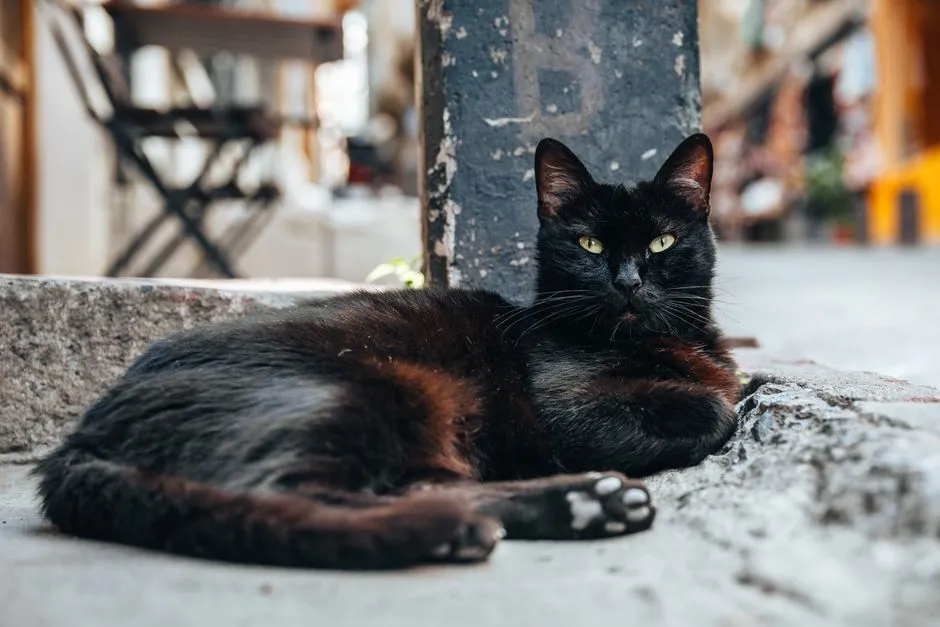
With a sleek black coat and copper eyes, the Bombay looks like a miniature panther, but it acts more like a devoted shadow. These cats crave near-constant attention from their chosen human and settle into that bond deeply.
Take that person away, and a Bombay doesn’t adjust smoothly. The stress of the separation can show up as clinginess toward new owners, or worse, complete emotional shutdown as it searches for a connection that isn’t there anymore.
Quick Compare
- Quiet grievers: Chartreux, Korat, and Russian Blue tend to withdraw in silence rather than protest.
- Vocal grievers: Siamese, Turkish Van, and Burmese are more likely to yowl, pace, or act out.
- Touch-dependent grievers: Ragdoll, Sphynx, and Bombay shift from constant physical closeness to sudden shutdown.
6 – Sphynx: The Affectionate Extrovert
🔥 Would you like to save this?
We'll email this post to you, so you can come back to it later!
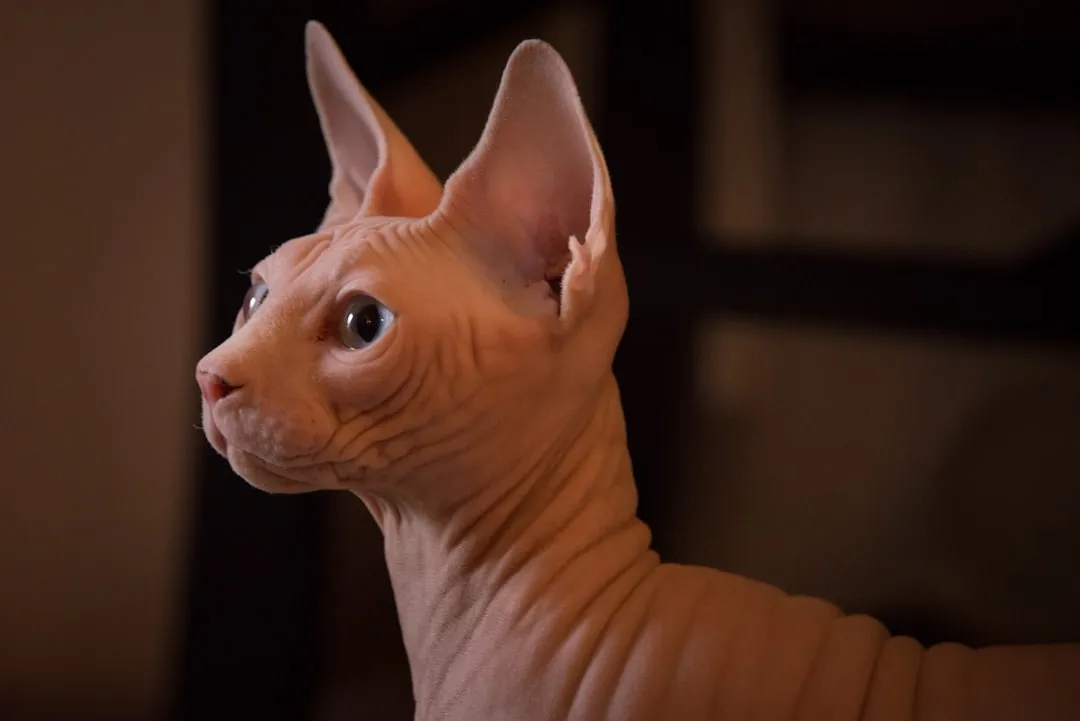
Sphynx cats are famously hairless, famously warm, and famously needy in the best way. They crave physical closeness, often burrowing under blankets with their favorite human just to steal body heat and attention at the same time.
That need for warmth is emotional as much as physical. Losing their one person in a rehoming situation can leave a Sphynx cold in more ways than one, struggling to settle into a new home without the constant closeness it depends on.
5 – Russian Blue: The Reserved Loyalist
🔥 Would you like to save this?
We'll email this post to you, so you can come back to it later!
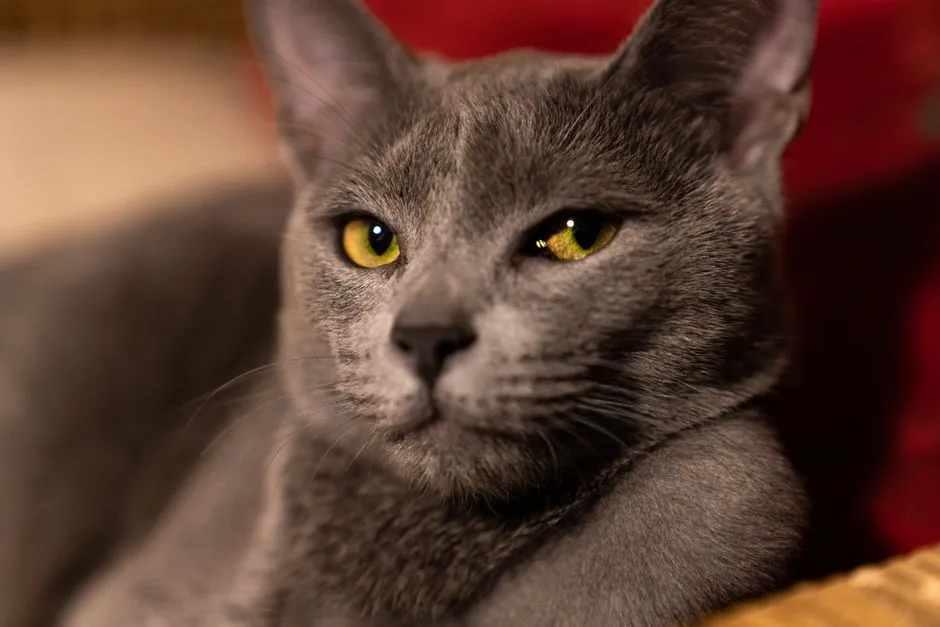
Russian Blues can seem standoffish to strangers, but that reserve disappears completely around their chosen person. Once they bond, they bond hard, becoming quietly but fiercely loyal to just one member of the household.
That exclusivity is part of the problem when rehoming happens. Russian Blues don’t warm up to new people the way more social breeds might. Instead, they can retreat, showing signs of withdrawal and depression that take a long time to fade.
4 – Burmese: The People-Oriented Companion
🔥 Would you like to save this?
We'll email this post to you, so you can come back to it later!
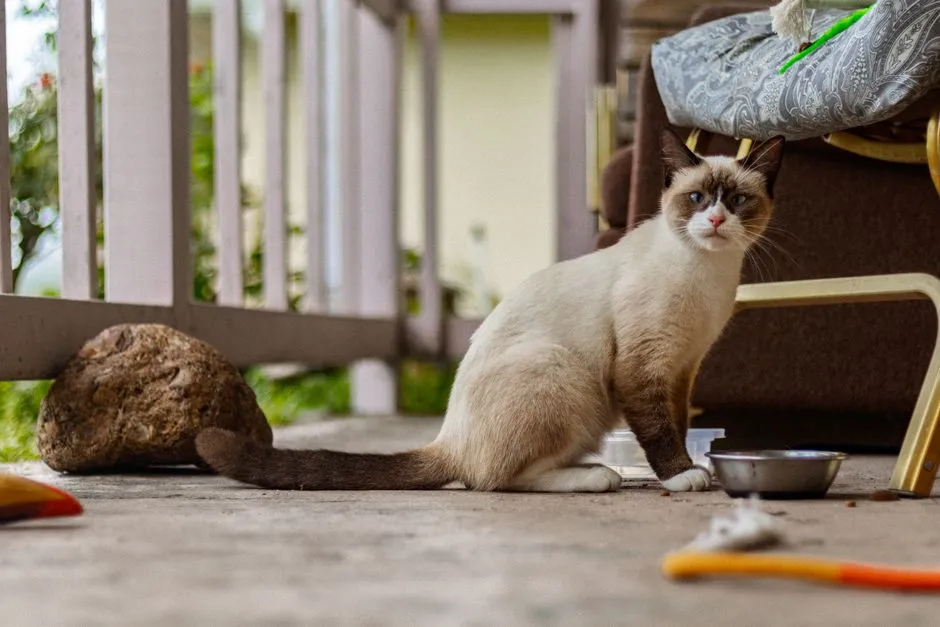
Burmese cats were basically built for companionship. They dislike being left alone so much that many owners describe them as more dog-like than cat-like, always wanting to be underfoot with their favorite person.
That intense people-focus means separation hits them hard. A Burmese removed from its bonded human doesn’t just miss them, it can show real signs of distress, from vocalizing to clinginess, as it tries to rebuild a connection it never wanted to lose.
3 – Ragdoll: The Limp-with-Love Loyalist
🔥 Would you like to save this?
We'll email this post to you, so you can come back to it later!
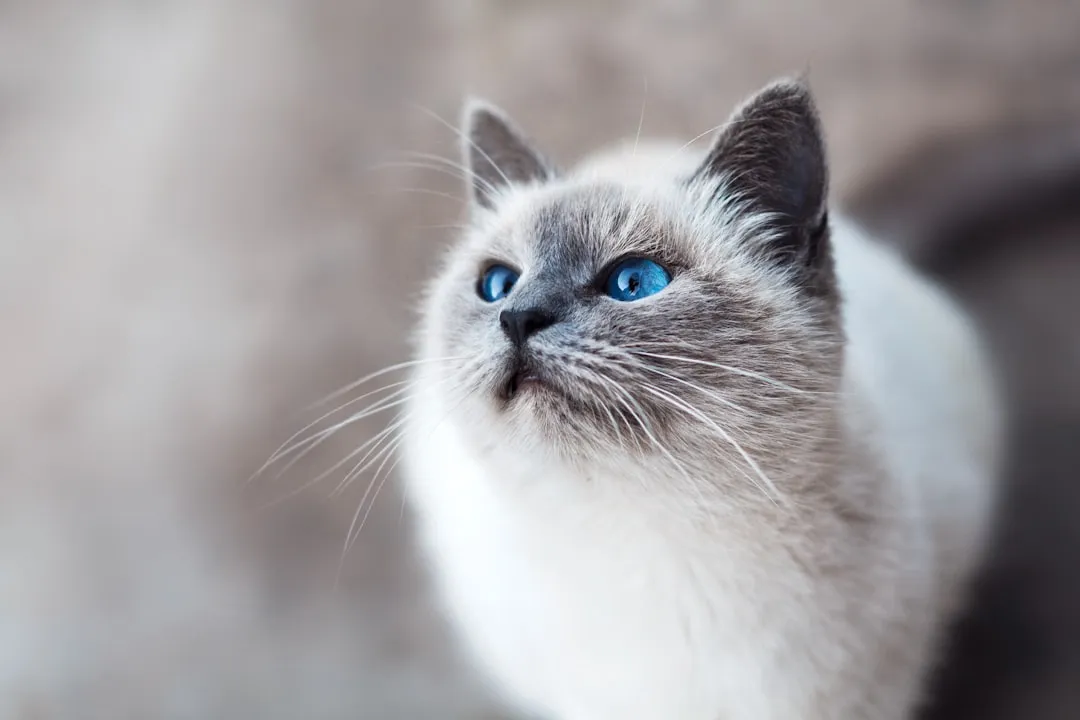
Ragdolls earned their name from the way they go completely limp with contentment when held by their person. It’s an image of total trust, and that trust is usually reserved for just one human in the house.
That’s what makes rehoming so hard on them. A Ragdoll separated from its bonded owner can become anxious and withdrawn, struggling to relax into that same trusting limpness with anyone else.
Cats form fewer, deeper attachments than people assume, and breaking one of those bonds can look a lot like grief.
Common observation among feline behaviorists
2 – Maine Coon: The Gentle Giant
🔥 Would you like to save this?
We'll email this post to you, so you can come back to it later!
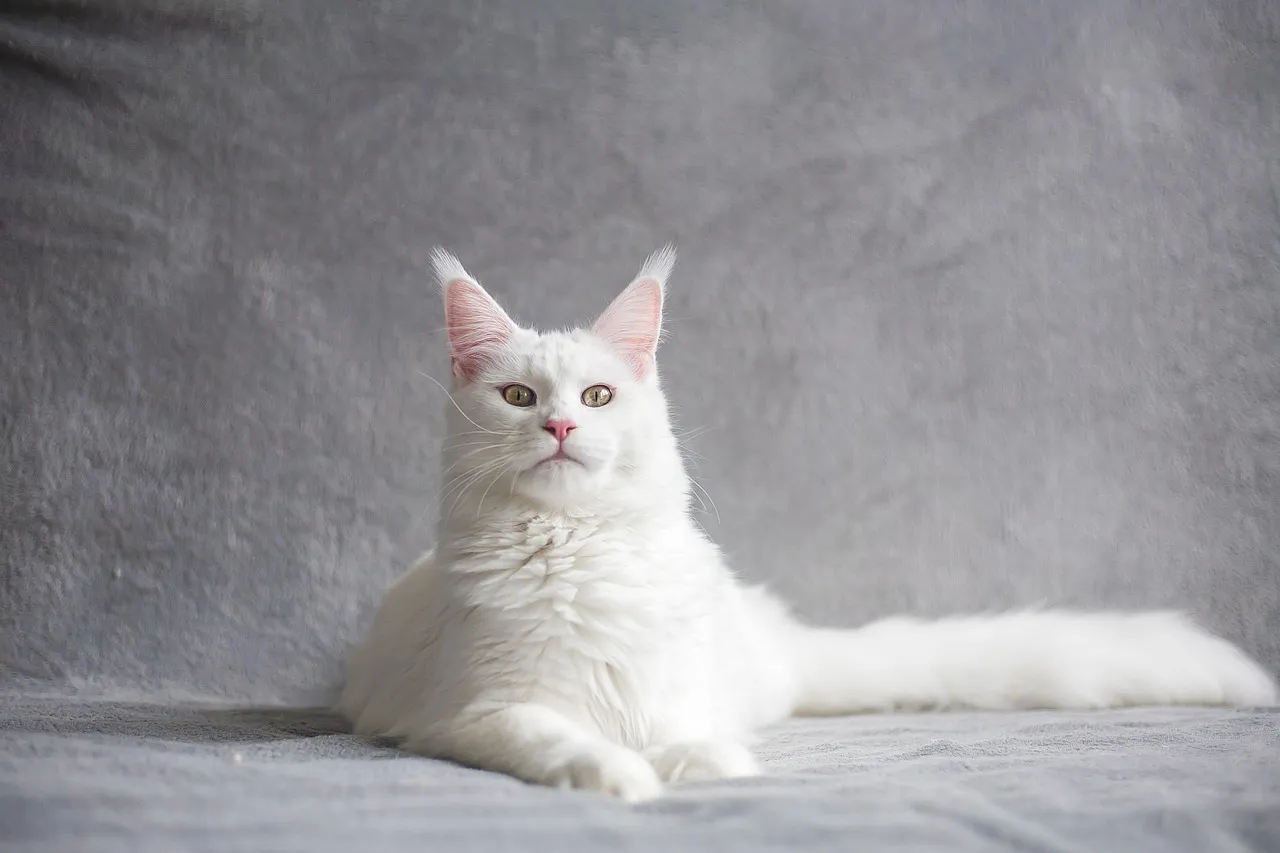
Maine Coons are massive, sometimes topping 20 pounds, but their size doesn’t match their emotional needs. Despite being nicknamed “gentle giants,” they often narrow their affection down to one person they trust completely.
When that person is no longer around, the fallout can be surprisingly dramatic for such a big, easygoing breed. Rehomed Maine Coons frequently withdraw, going quiet and distant in a way that feels at odds with their usual warmth.
1 – Siamese: The Vocal Loyalist
🔥 Would you like to save this?
We'll email this post to you, so you can come back to it later!
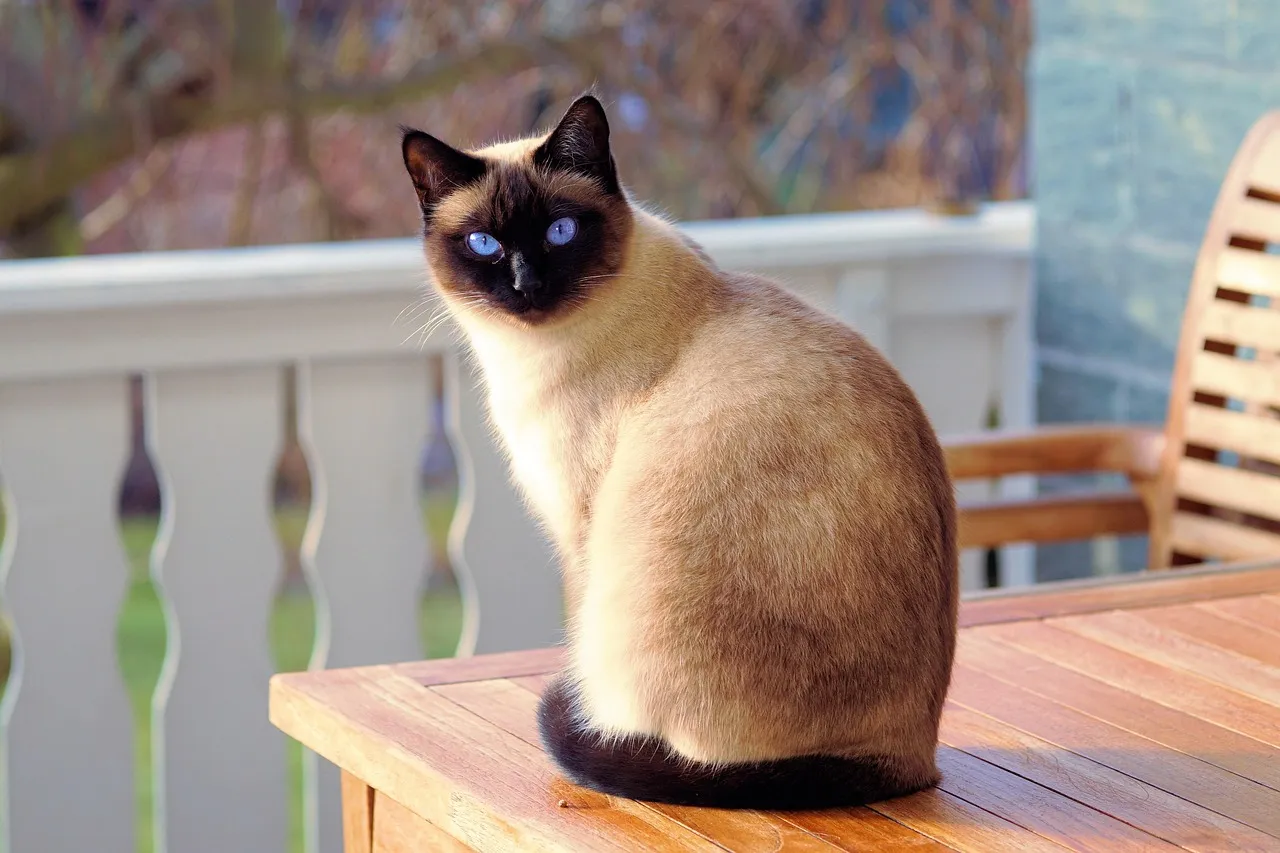
Siamese cats don’t just bond with a person, they talk to them. Constantly. These cats are famous for choosing one favorite human and following them room to room, narrating the day in a running string of meows and yowls.
That vocal, demanding devotion is a two-way street. Give a Siamese the attention and playtime it craves, and you’ll have a lifelong shadow. Take that person away, and you’ll likely hear about it, loudly, as this breed struggles harder than almost any other to accept a new home.
At a Glance
- These elegant felines trace their roots to the temples and palaces of ancient Siam (modern-day Thailand), where they were treasured by royalty, making them one of the oldest breeds around.
- The Siamese was one of the first cat breeds recognized by two major cat registries: the Cat Fanciers’ Association(CFA) in 1906.
- Nicknamed “meezers” because of their loud, low-pitched voice that rarely stays quiet for long.
- Siamese typically live 12-15 years, with excellent care, regular vet visits, and good genetics, some live into their late teens – meaning a lifetime spent talking to just one person.
Here’s the uncomfortable truth: these aren’t quirky personality traits, they’re warning signs. If you’re considering one of these breeds, you’re not just adopting a pet, you’re becoming someone’s entire emotional world. That’s a beautiful thing when you can commit to it for the long haul, and a genuinely cruel one when life gets in the way and that cat ends up starting over with a stranger. Choose these breeds only if you’re prepared to be irreplaceable.

- 7 Everyday Habits That Can Make Your Senior Dog Happier - November 5, 2026
- 10 Enigmatic Structures That Continue to Puzzle Scientists Today - November 5, 2026
- 10 Strange Ruins in the Americas That Challenge What We Know About Early History - November 5, 2026